Mibu Furusato Festival
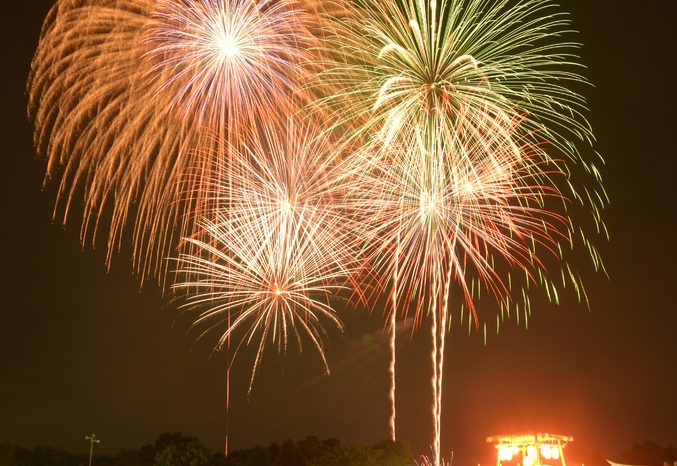
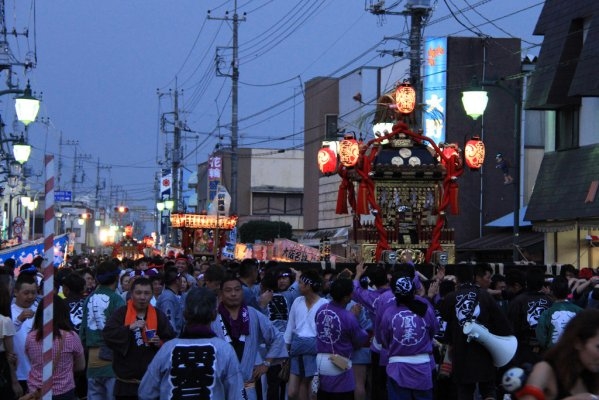
You can enjoy the fireworks and the kanpyou ondo that originated in Mibumachi starting with Essa and Essa kanpyou Ondo can participate!
Total: 1715 items
You can enjoy the fireworks and the kanpyou ondo that originated in Mibumachi starting with Essa and Essa kanpyou Ondo can participate!
Pete-Dye Golf Club is a masterpiece 18-hole course designed on the land of Nikko by the genius Pete Dye. It is named after the golf course architect Pete Dye. The course is flat but long and tough, and is one of the best championship courses in Tochigi Prefecture. The course will make you play seriously and let you find your true skill level. The course also features an authentic and classy clubhouse.
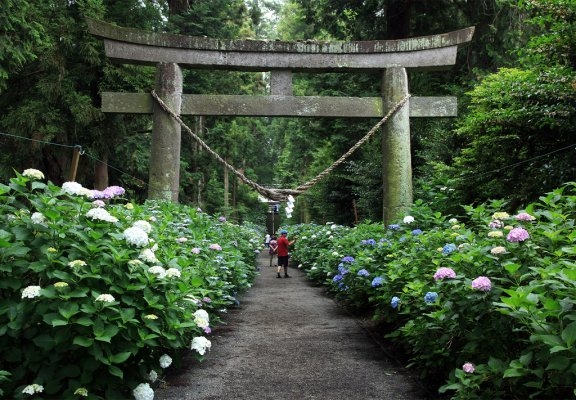
Isoyama Shrine in Kanuma City is a historic shrine that received a Goshuin (red seal) from the Tokugawa Shogunate, and is now known as one of the best known hydrangea viewing spots in the northern Kanto region. The shrine is also known as one of the best places for viewing hydrangeas in the northern Kanto region. The 2,500 hydrangeas of 28 varieties planted along the approach to the shrine and around the shrine pavilions are in full bloom, creating a wonderful contrast with the green of the cedar trees. During the festival, from 6:00 p.m. to 8:00 p.m., lanterns are lit, and the hydrangeas reflected in the pale light create an ethereal atmosphere. A "Chinoawa" or "ring of thatch," which is said to bring good health to those who pass through it, will also be set up.
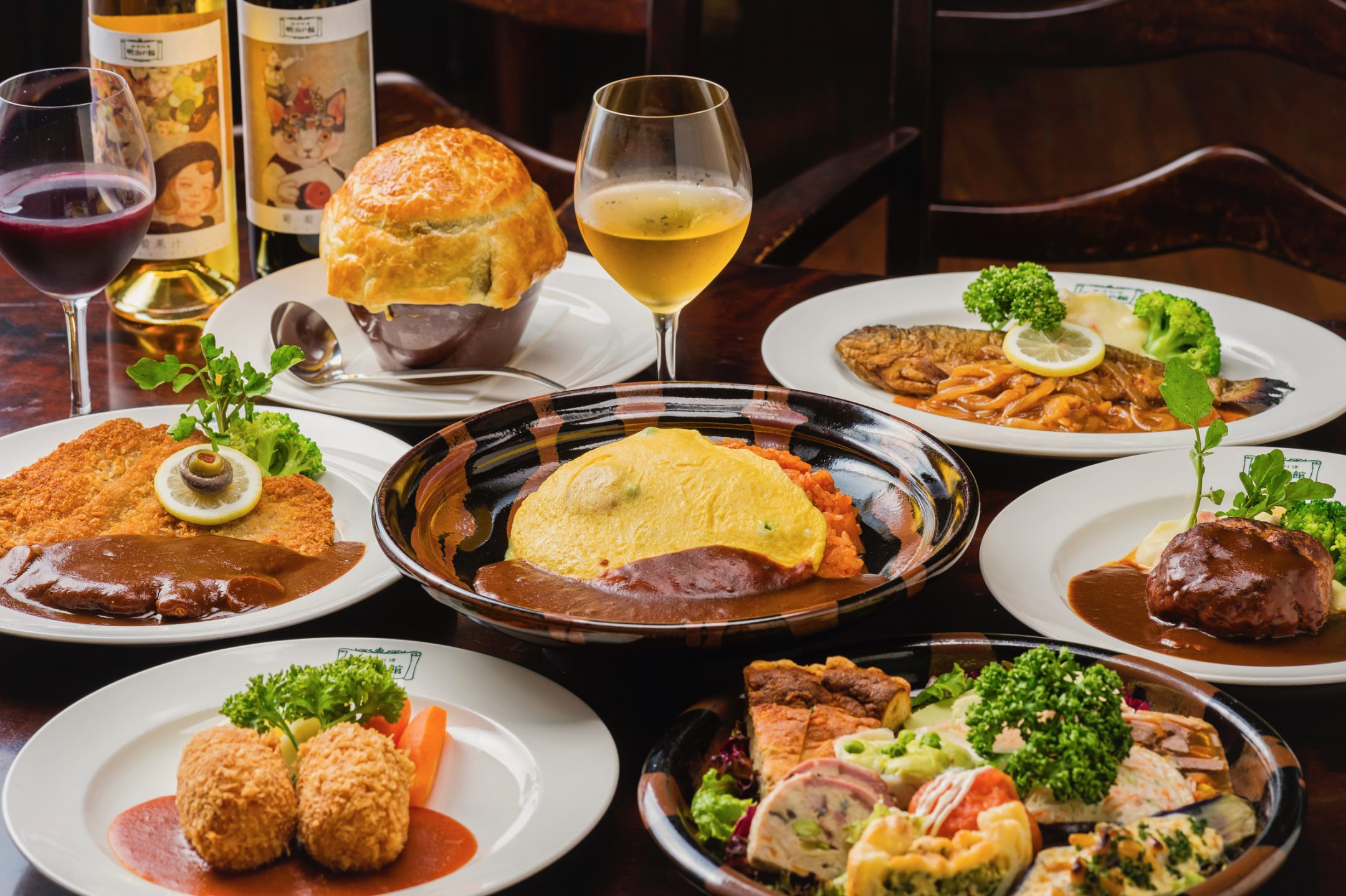
In the temple town of Nikko's World Heritage Site, Shrines and Temples of Nikko, there are many attractive restaurants that can be enjoyed even at night. They offer a wide variety of menus, from traditional Japanese cuisine to creative dishes, and offer exquisite dishes made with fresh local ingredients. Please spend a special time with local sake and specialty products in a warm atmosphere.
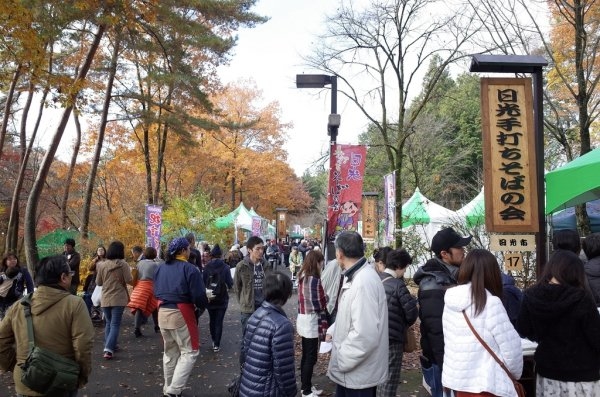
* Nikko Soba Festival has been cancelled in 2020. At the Nikko Soba Festival, you can enjoy soba noodles made not only in Nikko—famous for its buckwheat production—but also in other parts of Japan. Be sure to visit the street stands selling utensils for making and eating soba alongside other specialty products from Nikko. Don’t miss the various traditional performances that accompany the noodles."
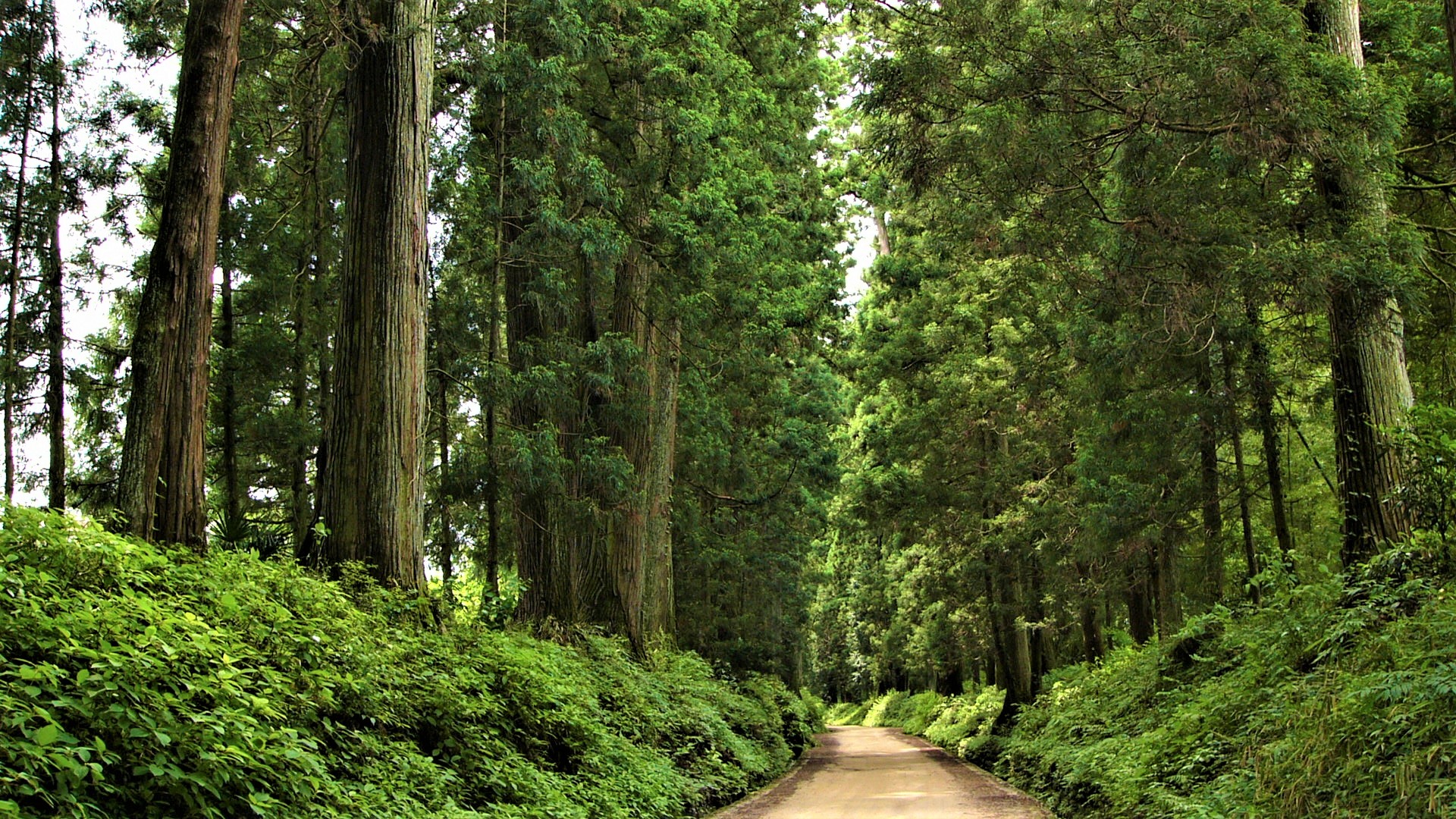
The Suginamiki Cedar Avenue in Nikko is a 37 kilometer (22 mile) stretch of tree-lined road extending along the Aizu Nishi-Kaido Road, the Reiheishi-Kaido Road, and the Nikko-Kaido Road. Matsudaira Masatsuna, a loyal subject of Tokugawa Ieyasu, planted 50,000 cedar trees over a period of 20 years starting in 1625. The trees line the approach to Nikko Toshogu Shrine, and on the 33rd anniversary of Ieyasu's death, Masatsuna donated the trees to the shrine in his honor. Cedar trees were chosen due to the ancient belief that the gods descend from the heavens down to Earth through cedar trees. Today, about 12,000 trees remain, and they are now protected. This truly magnificent tree-lined avenue was traversed by feudal lords in the Edo period roughly 400 years ago. Feel the history of the area as you retrace their footsteps.
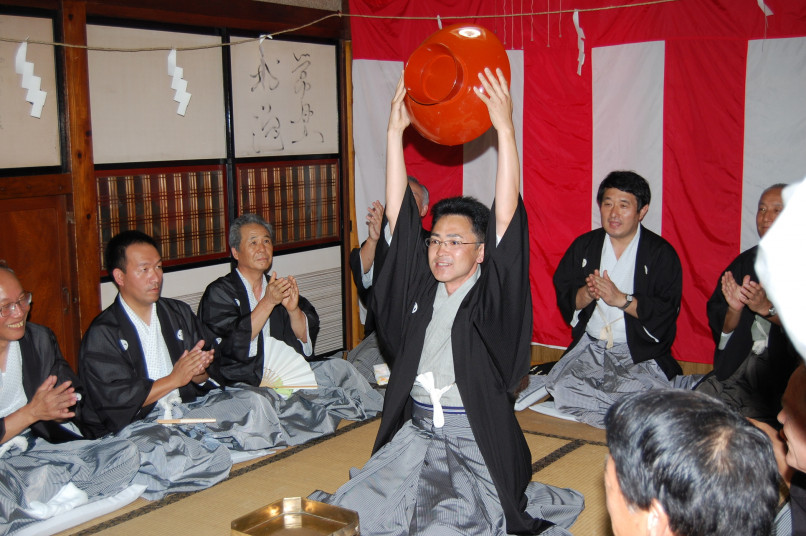
Mashiko Gion Festival began in 1705, when an epidemic of infectious diseases killed many people and pests infested crops, people pray to Tenno for illnesses and harvest. Five towns take turns organizing the festival. The organizer sets up a mikoya and carries the mikoshi out of the shrine for the first day and last day of the festival. On the second day of the festival, a traditional event call “Sake Topping Festival(Omiki Cho-dai Shiki)” is held on organizer’s town. Male worshippers in formal kimonos drink hot sake under the scorching heat to pray for a good harvest and health. After the organizer side finished their drinks, 10 men from next organize town also need to challenge it. This festival is one of the “Top 3 Strange Festivals of Kanto Area”. Also, on the first night of the festival, people will set off Tezutsu-hanabi with majestic yells is breathtaking.
The baths are fed by a free-flowing alkaline simple hot-spring which is known to be easy on the skin, so those with delicate skin can use the baths without concern. Family baths are available by reservations and with the number of visitors the baths get, overnight lodging is also available with facilities to prepare your own meals."
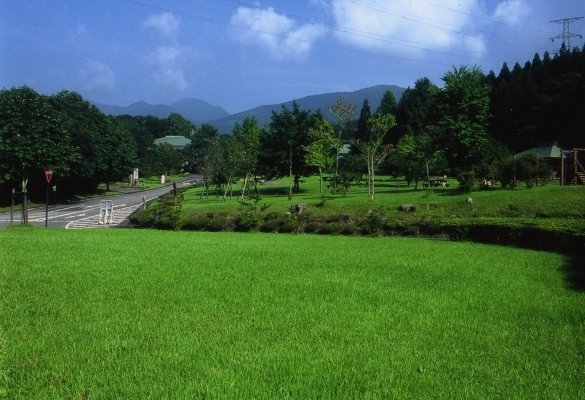
A 982-hectare forest in northern Yaita City. The expansive grounds have a campground, a hiking trail, an insect museum, and more. The Field was established for prefectural residents to enjoy the richness of nature. Its abundance of plants and birds makes it ideal for nature walks. Besides managing the forest, the head office cares for protected wildlife that's been injured."
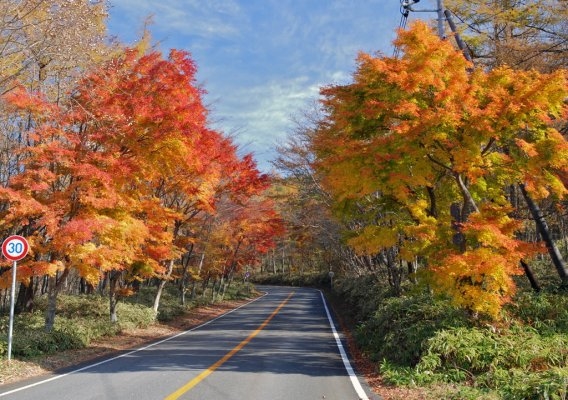
This 1000-meter-high and 28 kilometer-long scenic route connects Kinugawa Onsen with Shiohara Onsen. It has many scenic spot with natural beauty to enjoy such as Taikooroshino Falls and Shirataki Falls. The views from the Fujimidai observatory are also excellent. The fall foliage is especially beautiful around mid-October to early November each year. The Kinugawa Onsen and Kawaji Onsen hot springs districts are also located nearby. A toll is required to access the road."
A traditional event that has been passed down in the Kugeta area since 1873. Chokai mikoshi for town associations and children's mikoshi go forth to fill the streets with excitement.
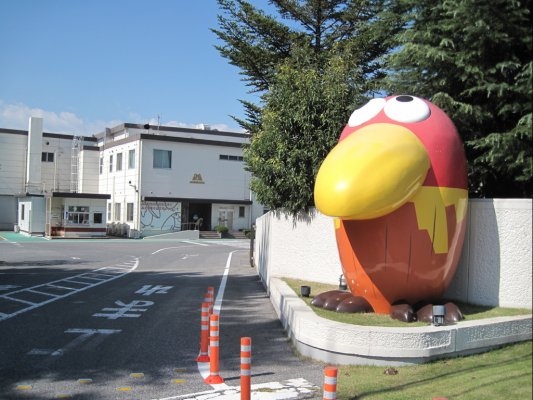
Come and take a look at the manufacturing process of familiar sweets such as “Chocoball” and “Angel Pie”. The factory tour is popular so reservations are essential!
Enjoy Nasu’s snowy peaks under the guidance of local experts. The gradual slope provides even first-time snowshoers with a safe, enjoyable experience. Private shuttle buses are available. (Please make reservations via our website)
The Taihei Kikan serves as the base facility for tourism in the city, and is surrounded by the Ashikaga School, Bannaji Temple and Sentokuji Temple, and also provides sales of Ashikaga City souvenirs and Tourist Information as well as offering both a rest space and rental cycles. Along with regional sweets, original goods, and finished goods for sale you can also rent bicycles."
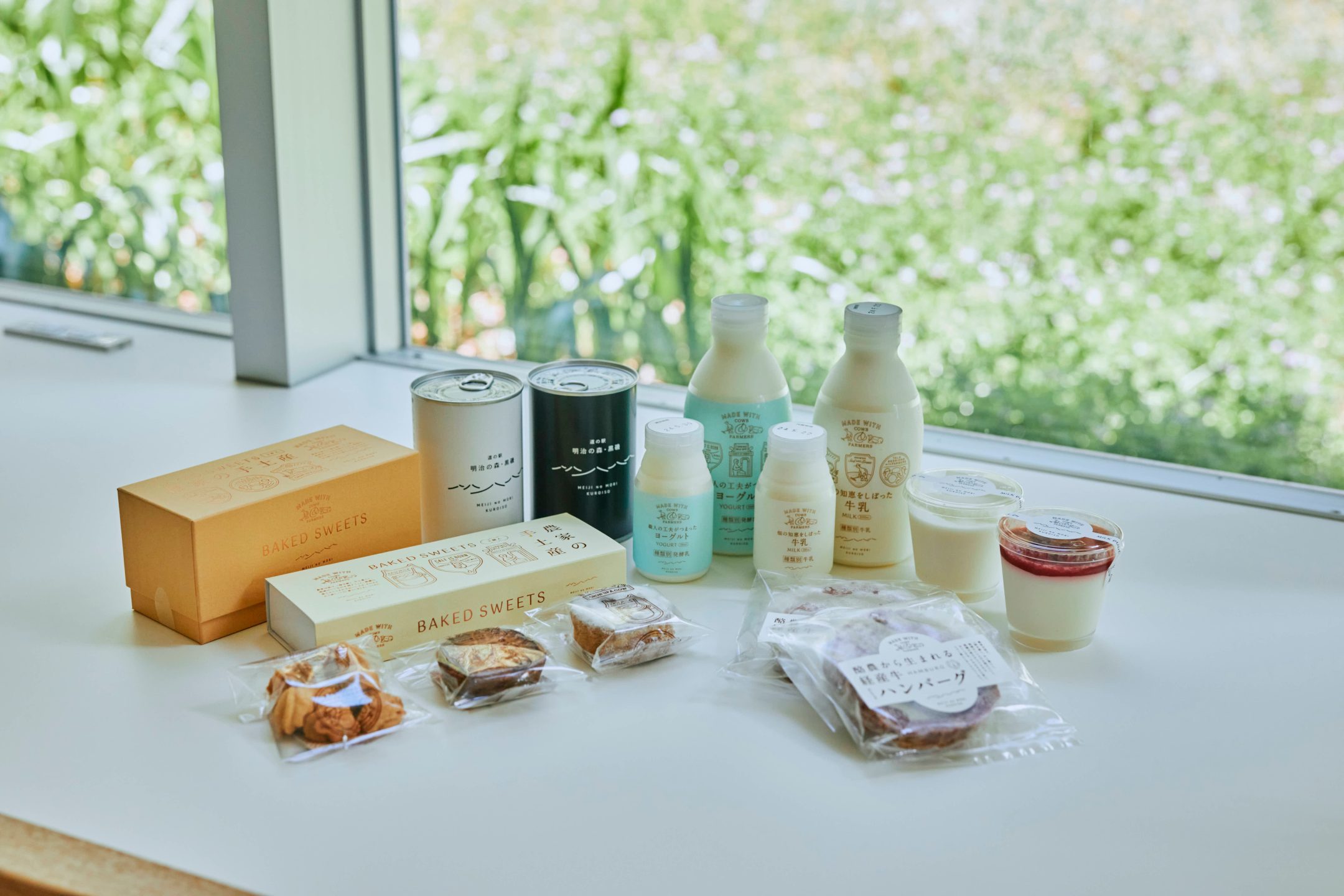
Roadside Station Meiji no Mori/Kuroiso was opened as a roadside station when improvements were made to the Aoki Nasu Bettei second home on a 7.5-hectare lot. This roadside station is located on the side of the Kuroiso-Tajima Route (Prefectural Route 369), which runs through Nasushiobara City, Tochigi Prefecture. It features farmer's market that offers fresh produce, local eggs, and dairy products,restaurant, a bakery, and more. It is located adjacent to the Former Aoki Family Nasu Villa. This villa that belonged to Aoki Shuzo is a nationally-designated Important Cultural Property."
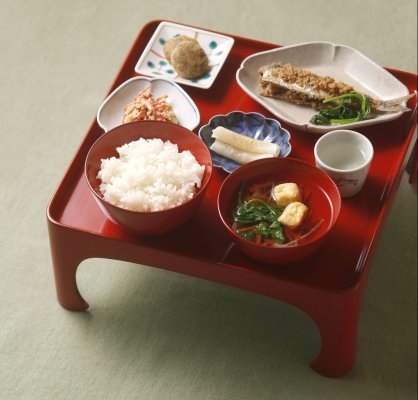
Koedo Tochigi, where Edo atmosphere still lingersDuring the Edo period, Tochigi City flourished as a lodging town along the Nikko Kaido highway and as a hub of river transport. Preserving much of its Edo-period charm, it is often referred to as “Koedo” (Little Edo), alongside Kawagoe and Sawara. A fusion of tradition and innovation – Tochigi Edo CuisineTo let visitors enjoy the unique taste of Edo-style dishes, experts have been researching recipes from the Edo period since 2015, adapting them by blending with local ingredients and techniques. The result is “Tochigi Edo Cuisine,” a modern yet traditional dining experience. On your next visit to Tochigi’s Kurano-machi (Warehouse District), in addition to sightseeing and enjoying a boat ride that recalls the Edo atmosphere, you can also savor Tochigi Edo Cuisine, offering a refined taste of history. For a list of restaurants serving Tochigi Edo Cuisine: https://tochigi-edo.jp/shop
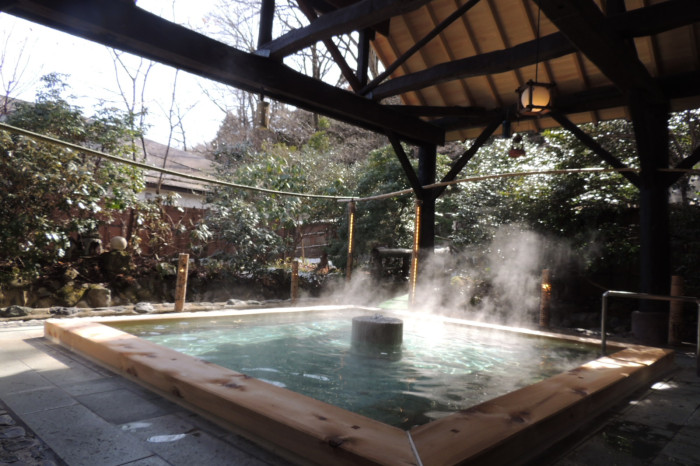
Loved by many women for its skin-beautifying and health-promoting effects, this hot spring inn even produces its own “Shutsuyoku Bijin” facial lotion made from fresh spring water. To celebrate its 30th anniversary, Okunasu Taishomura Satinoyu Onsen restored its unique “Tsuna-no-Yu” bath in August 2014. This distinctive bathing style involves holding onto a rope tied to the beams of the bathhouse while standing in waist-deep water in a bath over one meter deep. Popular in the mid-1960s, it was believed to improve peripheral nerve function and promote blood circulation, attracting many visitors seeking relief from joint and nerve pain. The bath, paved with river stones, measures 4.3 meters long, 2.6 meters wide, and 1.25–1.4 meters deep. Hot spring water wells up from below, stimulating the soles of the feet and letting bathers fully enjoy the benefits of the high-quality spring water. Day-trip visitors can also try the Tsuna-no-Yu. It is available to men on Mondays, Wednesdays, and Fridays, and to women on Tuesdays, Thursdays, Saturdays, and Sundays.

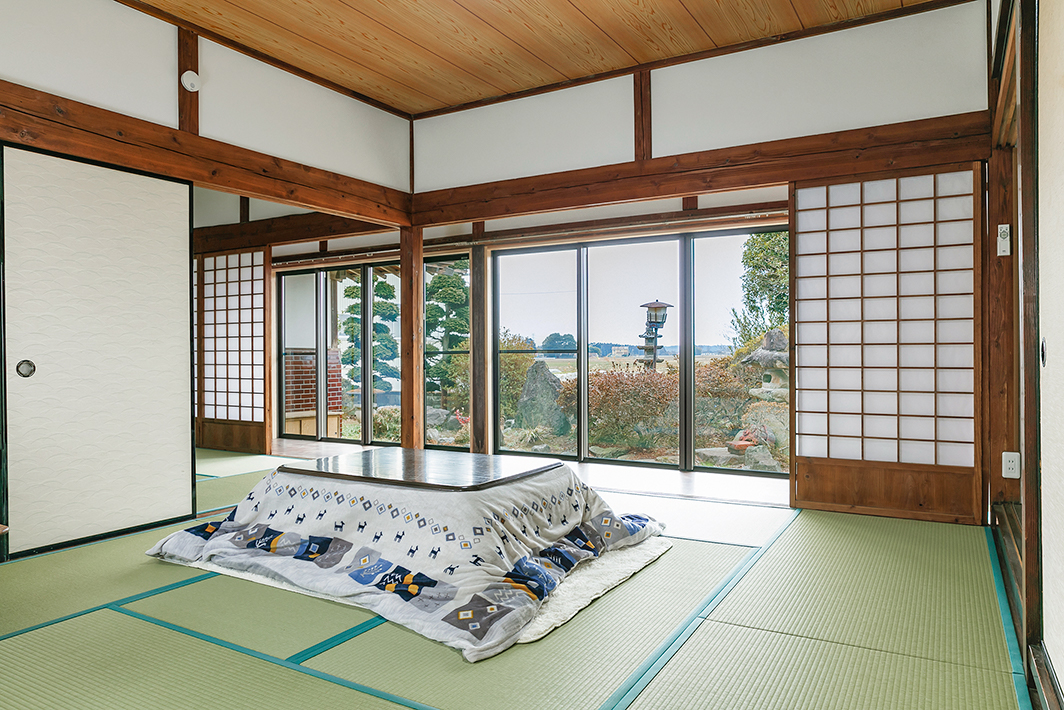
Hotel MOKUREN is a traditional Japanese house turned into an accommodation. They take only one reservation at a time, so guests can exclusively use the two spacious Japanese style rooms during their stay while enjoying a view of the vast countryside. Feel the essence of Japan in a relaxing space and enjoy a farming experience in adjacent fields and in the traditional storehouse, as well as sightseeing in Nasunogahara. The hotel does not have a meal service, but the guest room includes a kitchen where you can cook harvested farm products. The storehouse has a cooking stove for preparing rice and BBQ equipment. There are also restaurants and diners near the hotel. The guest room has a shower, but if you wish to have a relaxing soak in a larger space, you can try a nearby onsen. You can also borrow bicycles.