


Journey Through Greater TOKYO
on the Edo Shogun Roads

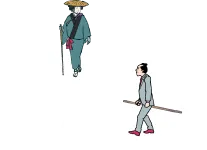
Edo Shogun Roads refer to major roads that served not only as routes for feudal lords to travel to Edo (Tokyo) for sankin-kōtai (a shogunate policy that forced them to alternate between residing in their domains and in Edo) established about 400 years ago, but were also used by commoners for travel.
There are numerous points of interest along these roads, including Shinto shrines, Buddhist temples, historical attractions, lush greenery, relaxing hot springs (onsen), and local food and sake. Today's well-developed transportation systems mean that these roads include many tourist destinations that are easily accessible from Tokyo for day trips or 1-2 night stays.
Tokaido
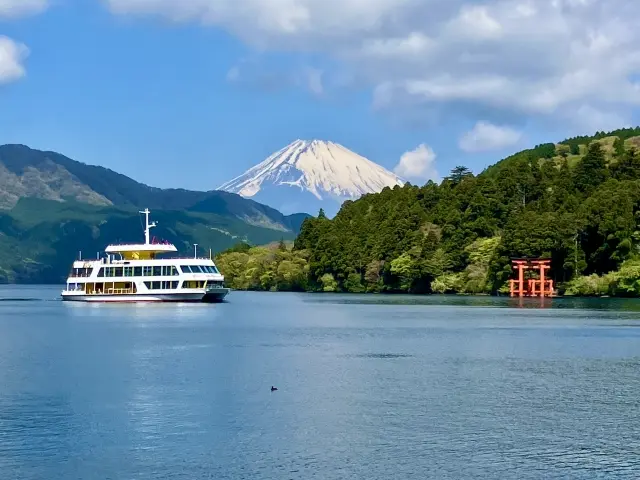
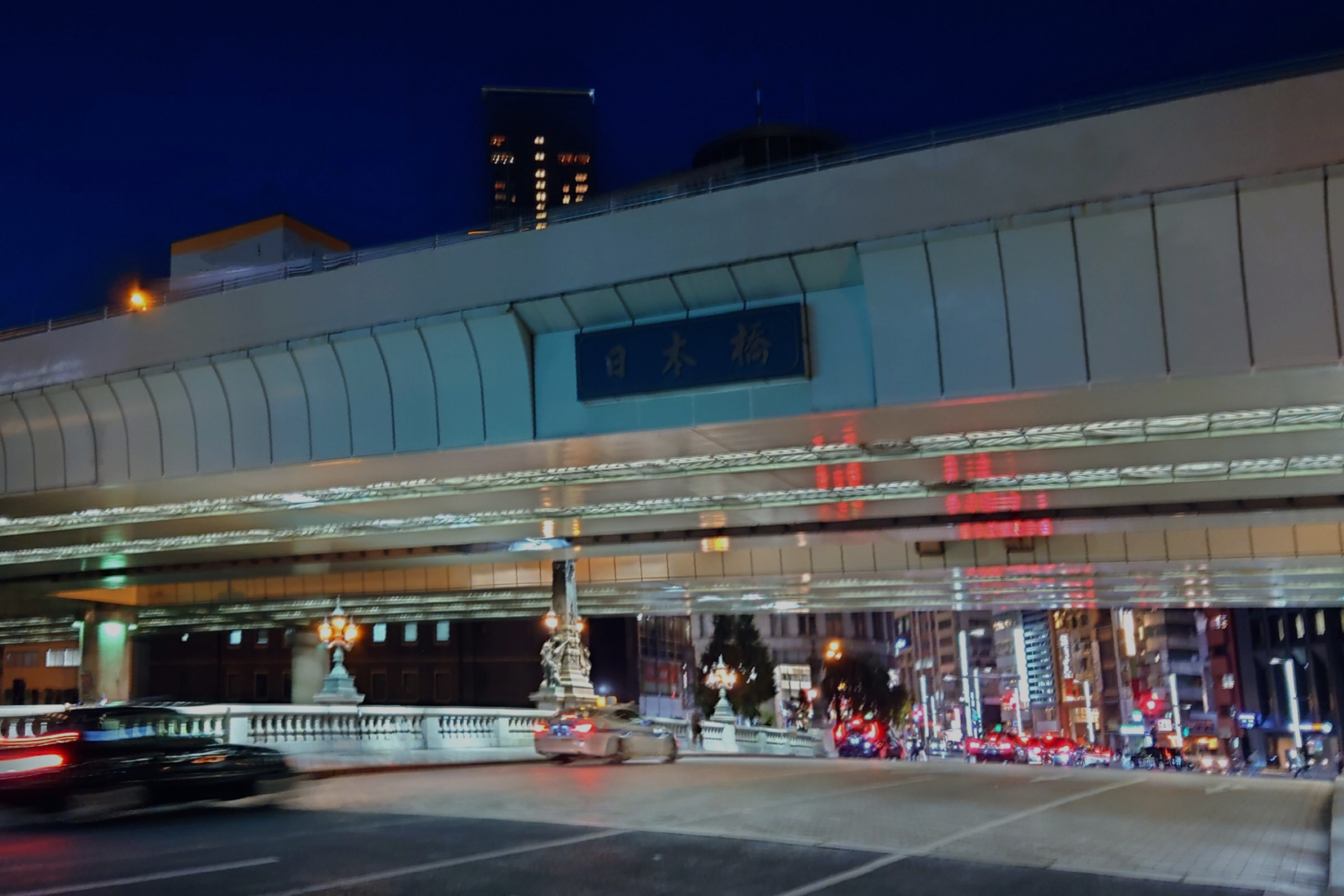
The Tokaido was a major road linking Edo (Nihonbashi) and Kyoto along the Pacific coast. After Tokugawa Ieyasu established the post-station system in 1601, it became a core route for administration, commerce, and cultural exchange, forming the central artery of the Edo Shogun roads (Edo Five Routes) and connecting eastern and western Japan.

Nakasendo
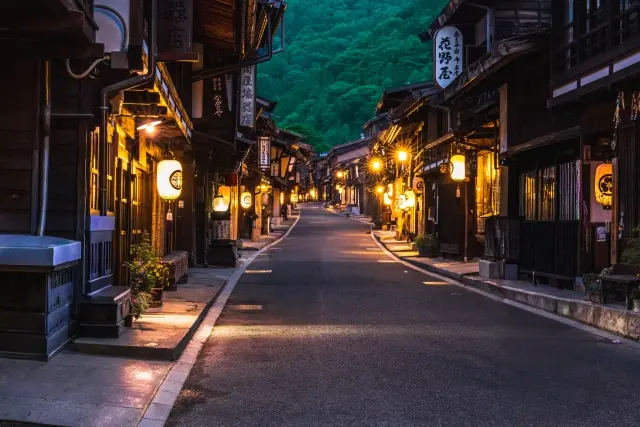
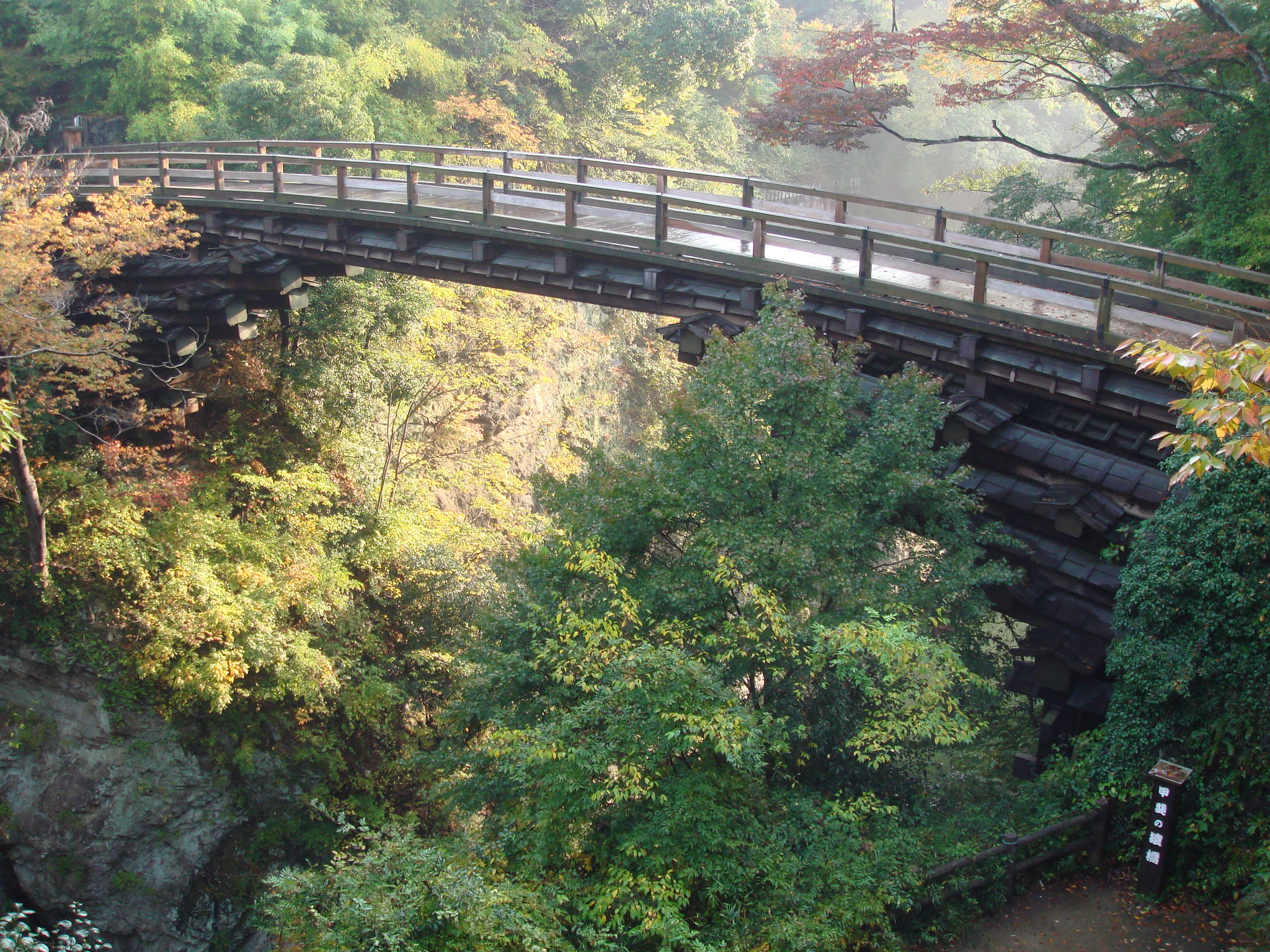
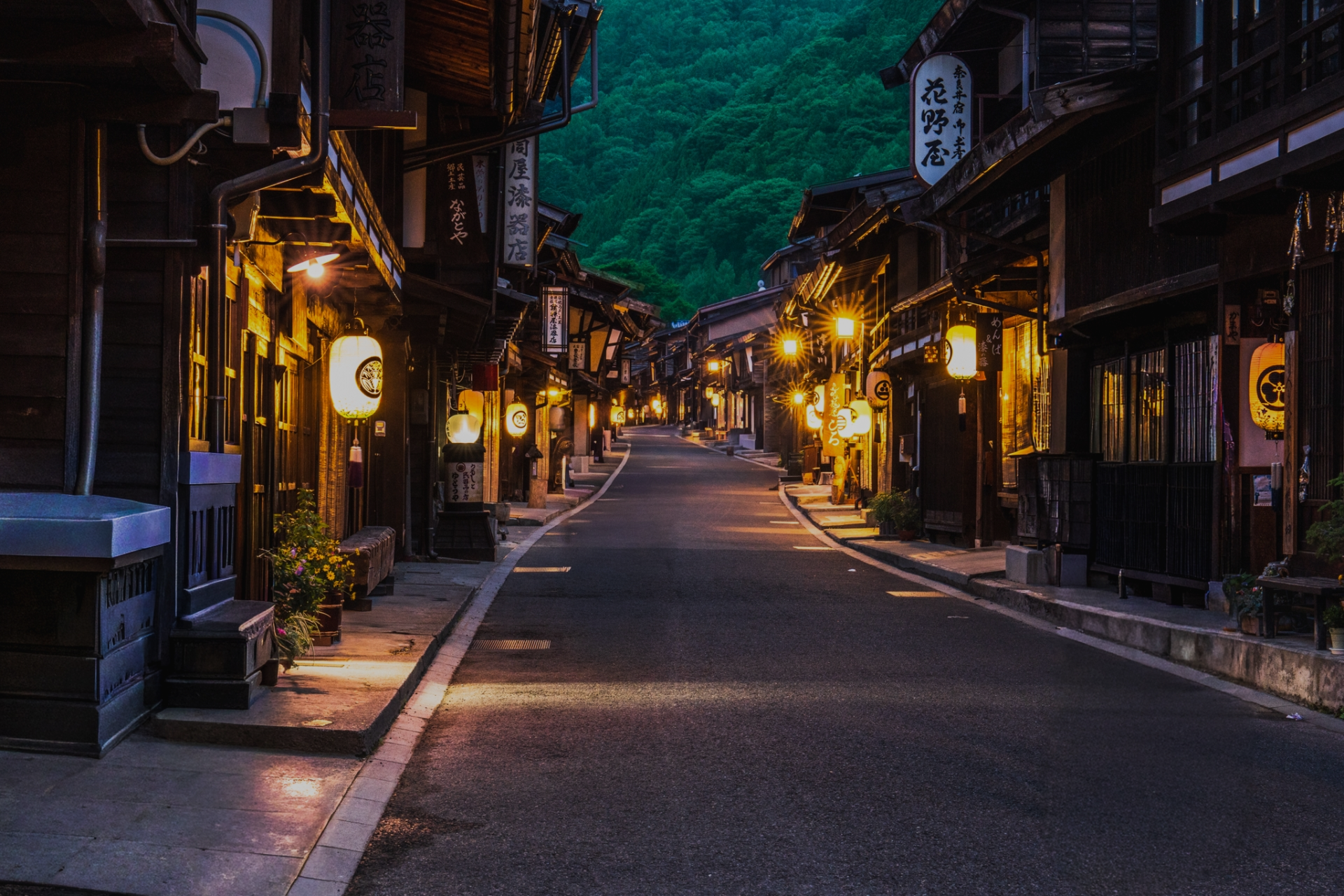
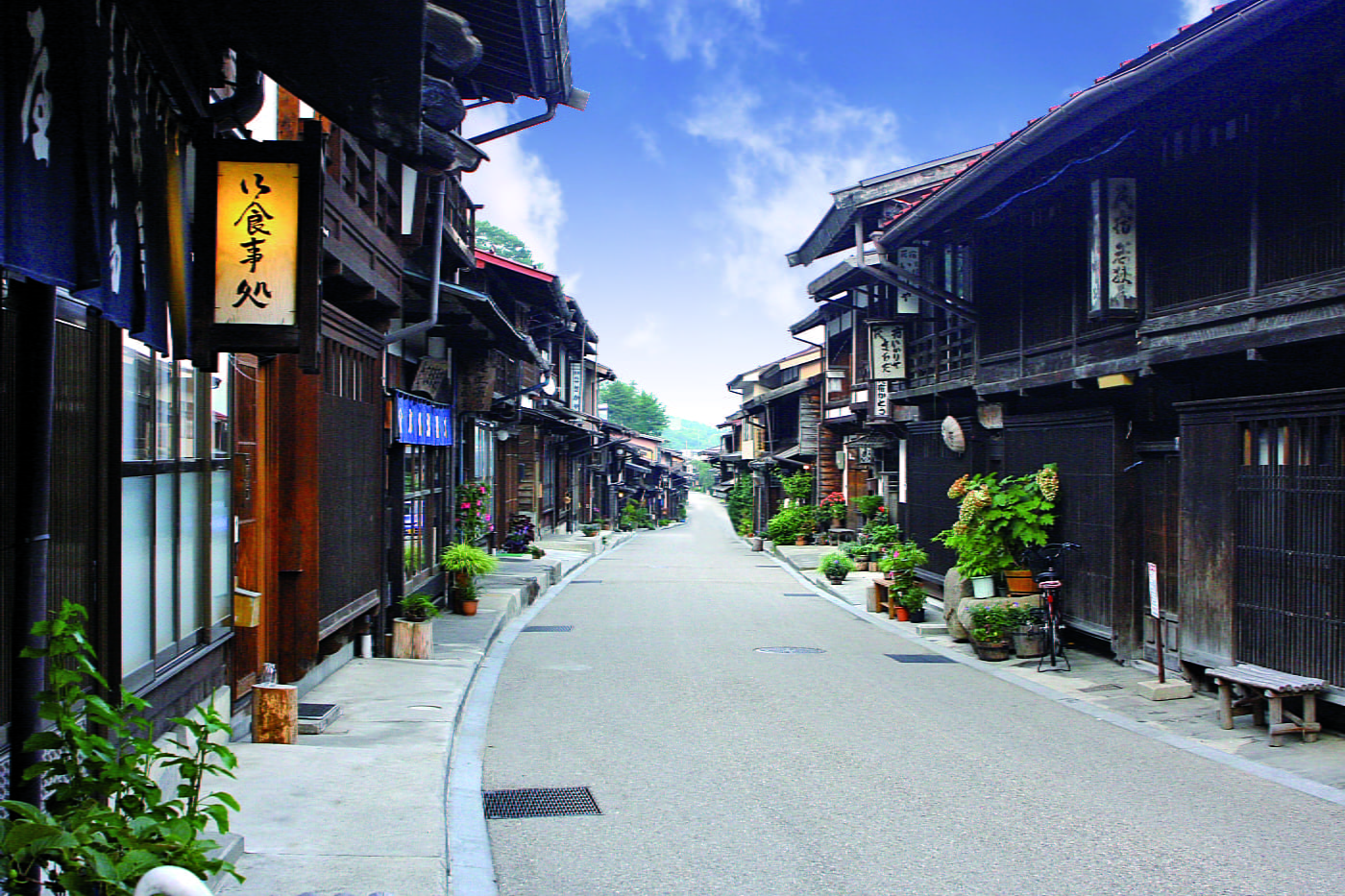
The Nakasendo was an inland road linking Edo and Kyoto. Passing through mountainous regions of passes and valleys, it formed a route characterized by varied topography and changing landscapes across the seasons.
Koshu Kaido
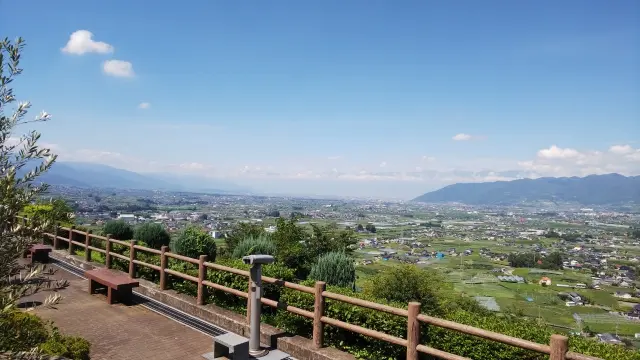
The Koshu Kaido was a road running from Edo to Kofu through inland mountainous areas. Because it connected Edo with Kai Province, it was regarded as strategically important for military and defensive purposes and served as a key transportation route.
Oshu Kaido
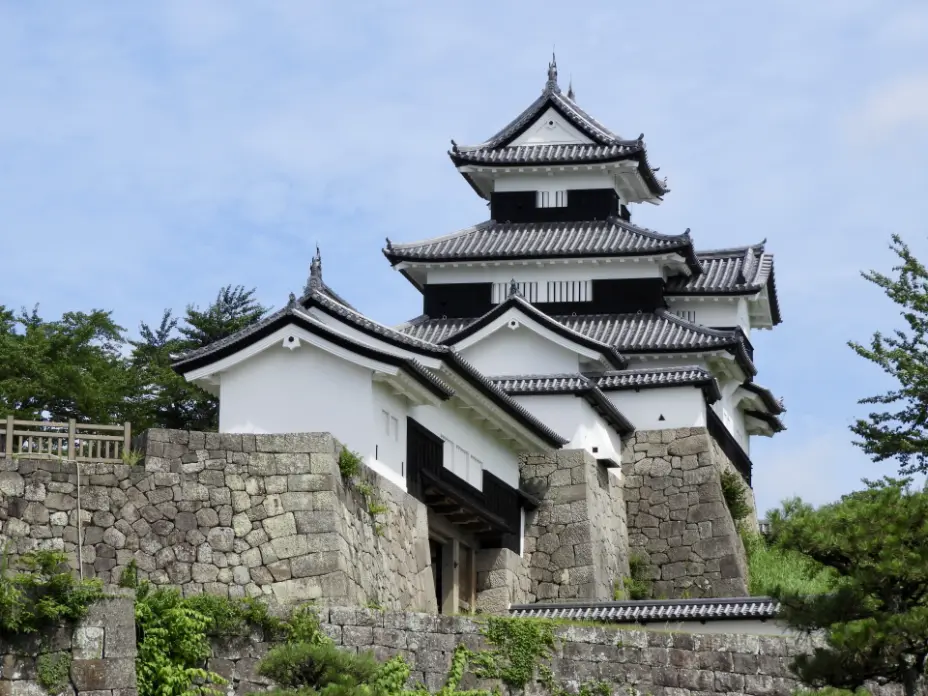
The Oshu Kaido was a road running from Edo to Shirakawa and served as a principal route for sankin-kotai processions and transportation to northern Japan. Numerous post towns were established along the route, each associated with its own historical background and local environment.
Nikko Kaido
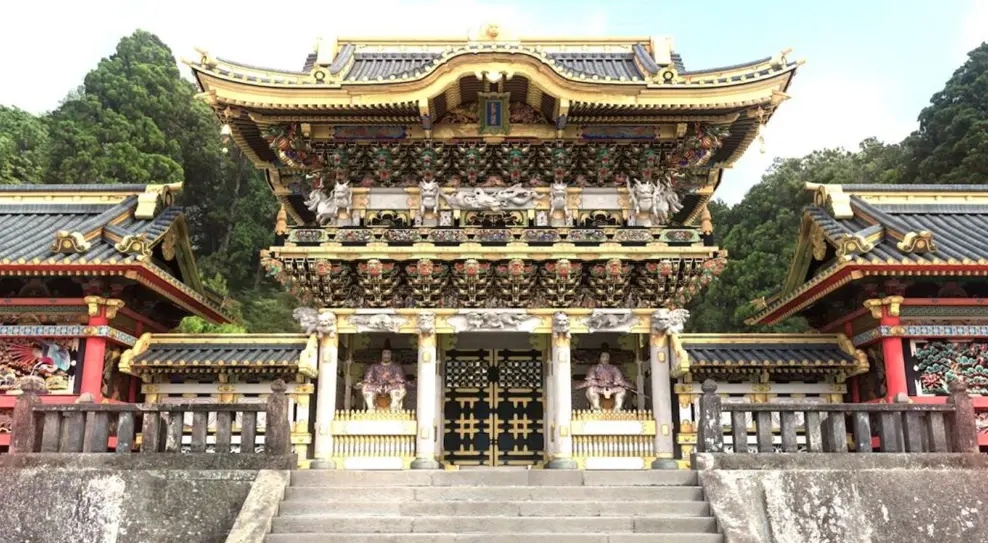
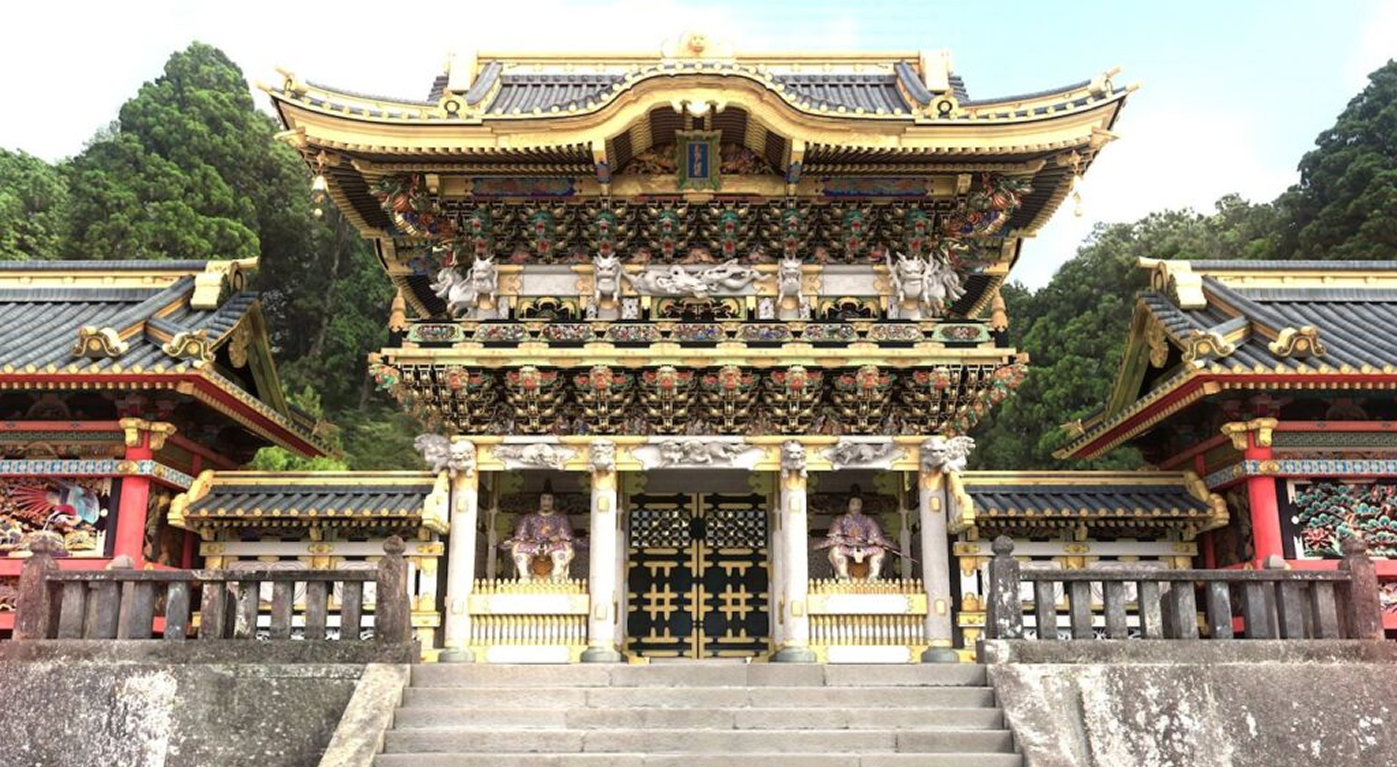
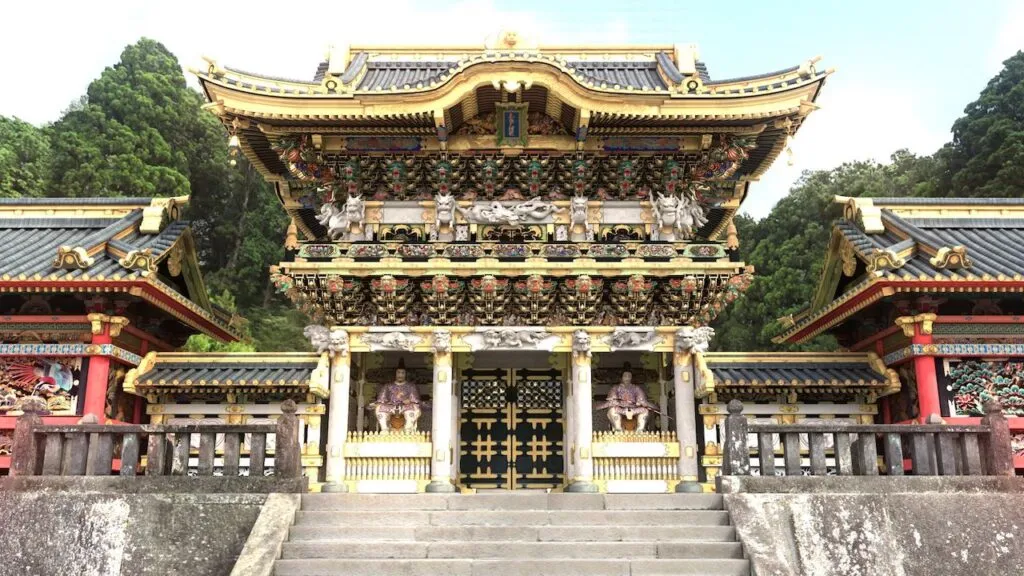
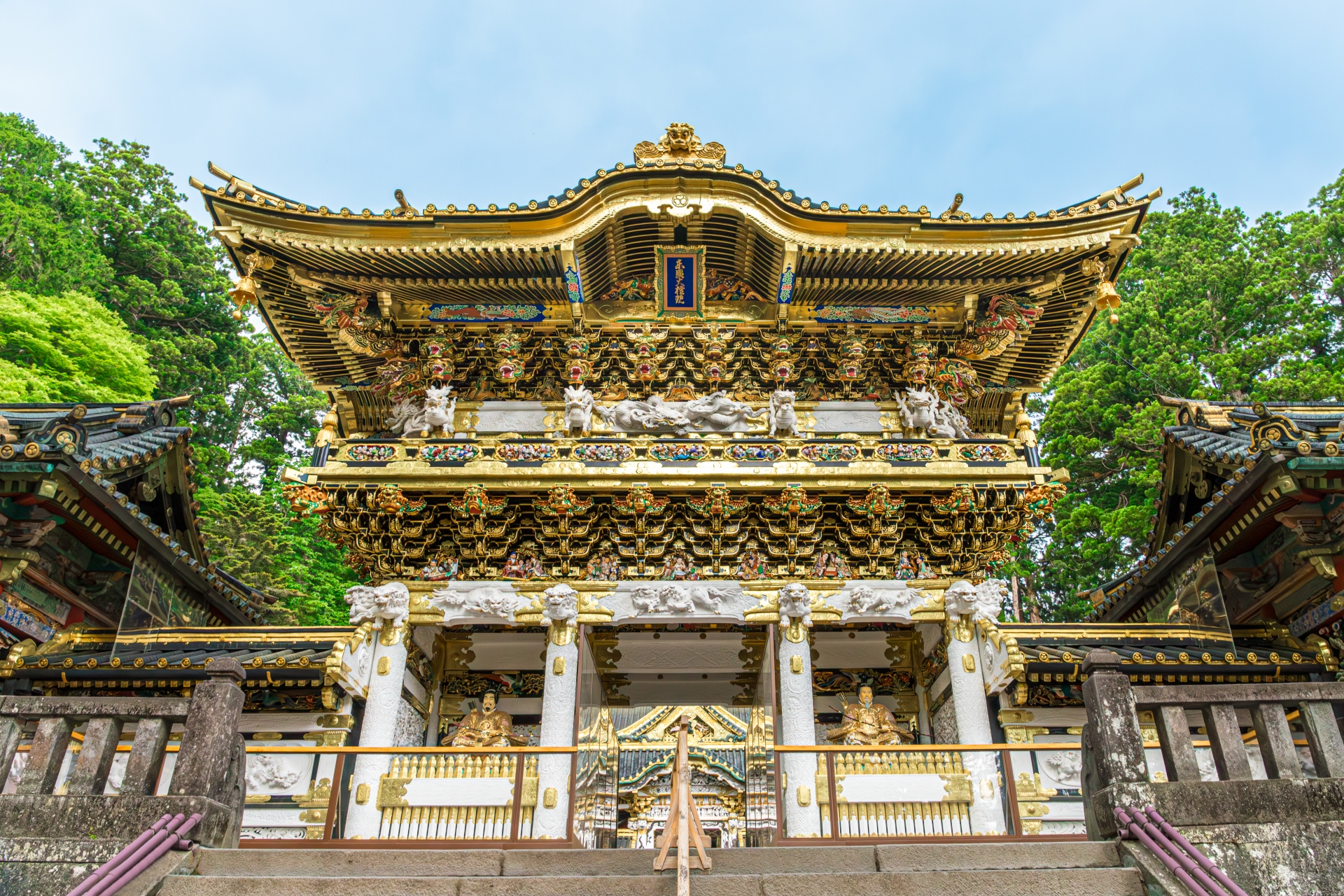
The Nikko Kaido was a road leading from Edo to Nikko Toshogu Shrine, where Tokugawa Ieyasu, the first shogun of the Edo shogunate, is enshrined. Developed primarily for shogunal pilgrimages, the route is notable for its temples and shrines, ornate architecture, and the Nikko Cedar Avenue, following a relatively gentle course.
Mito Kaido
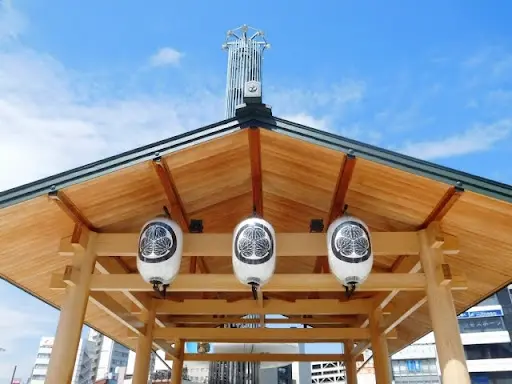
The Mito Kaido was a kaido linking Senju-juku and Mito. Although it was not one of the Edo Five Routes, it was treated as a route of comparable importance and was used for sankin-kotai processions as well as daimyo travel between Edo and the Mito Domain.
Narita Kaido
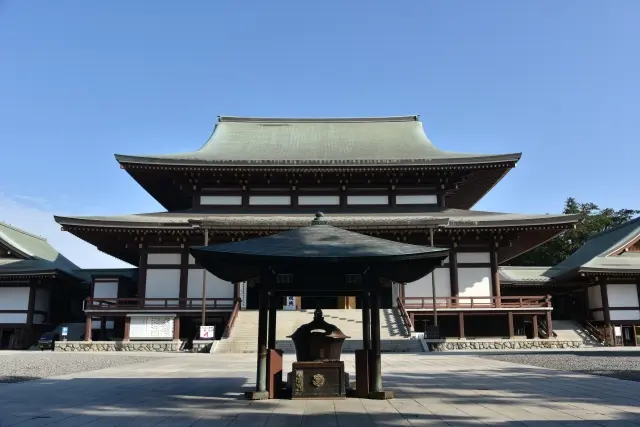
The Sakura Kaido, also known as the Narita Kaido, was a kaido developed in the Edo period, based on a route branching from the Mito Kaido and leading to Sakura Castle. In the late Edo period, it became established as a pilgrimage route to Naritasan Shinsho-ji.
Onari Kaido
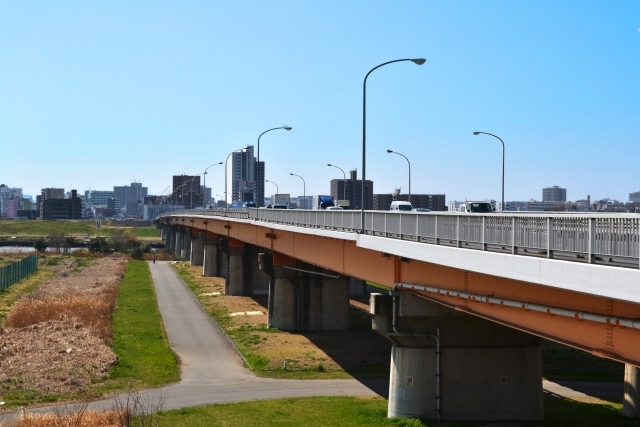
The Nikko Onari Kaido was a special branch road used by Tokugawa shoguns for formal journeys to Nikko Toshogu. Though short, it was traveled by figures symbolizing the era of shogunal rule, linking Edo with the Nikko Kaido at Satte and evoking the image of a prestigious “Shogun’s Road.”
Mikuni Kaido
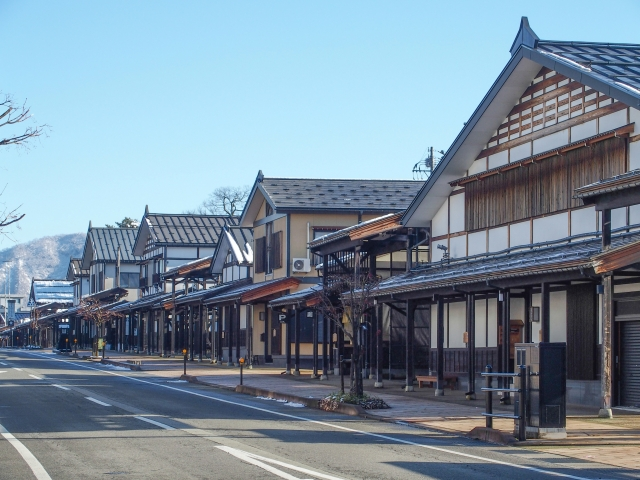
The Mikuni Kaido was a highway branching from the Nakasendo at Takasaki-juku and crossing the Mikuni Pass toward Echigo. Used for sankin-kotai processions and official travel, it linked Kanto with the Sea of Japan coast.
Hokkoku Kaido
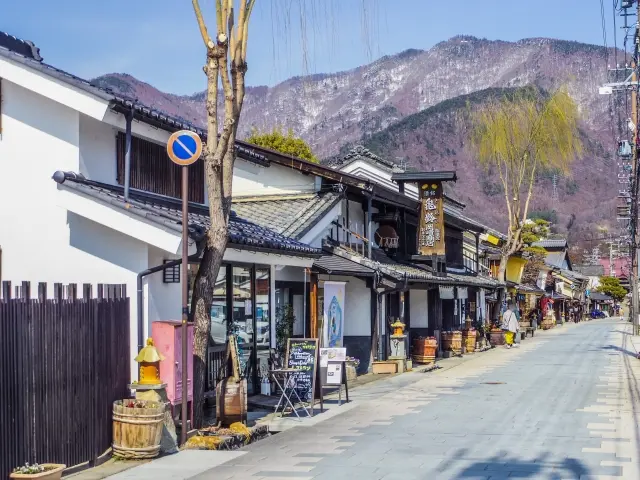
The Hokkokukaido developed during the Edo period as a road linking Edo with the Hokuriku region and the Sea of Japan coast. Branching from the Nakasendo, it functioned as a route for Sado gold transport, sankin-kotai processions, and pilgrimages to Zenkoji.



See & Do




Not To Be Missed



Transportation


Features



itinerary

-2-2.jpg)