
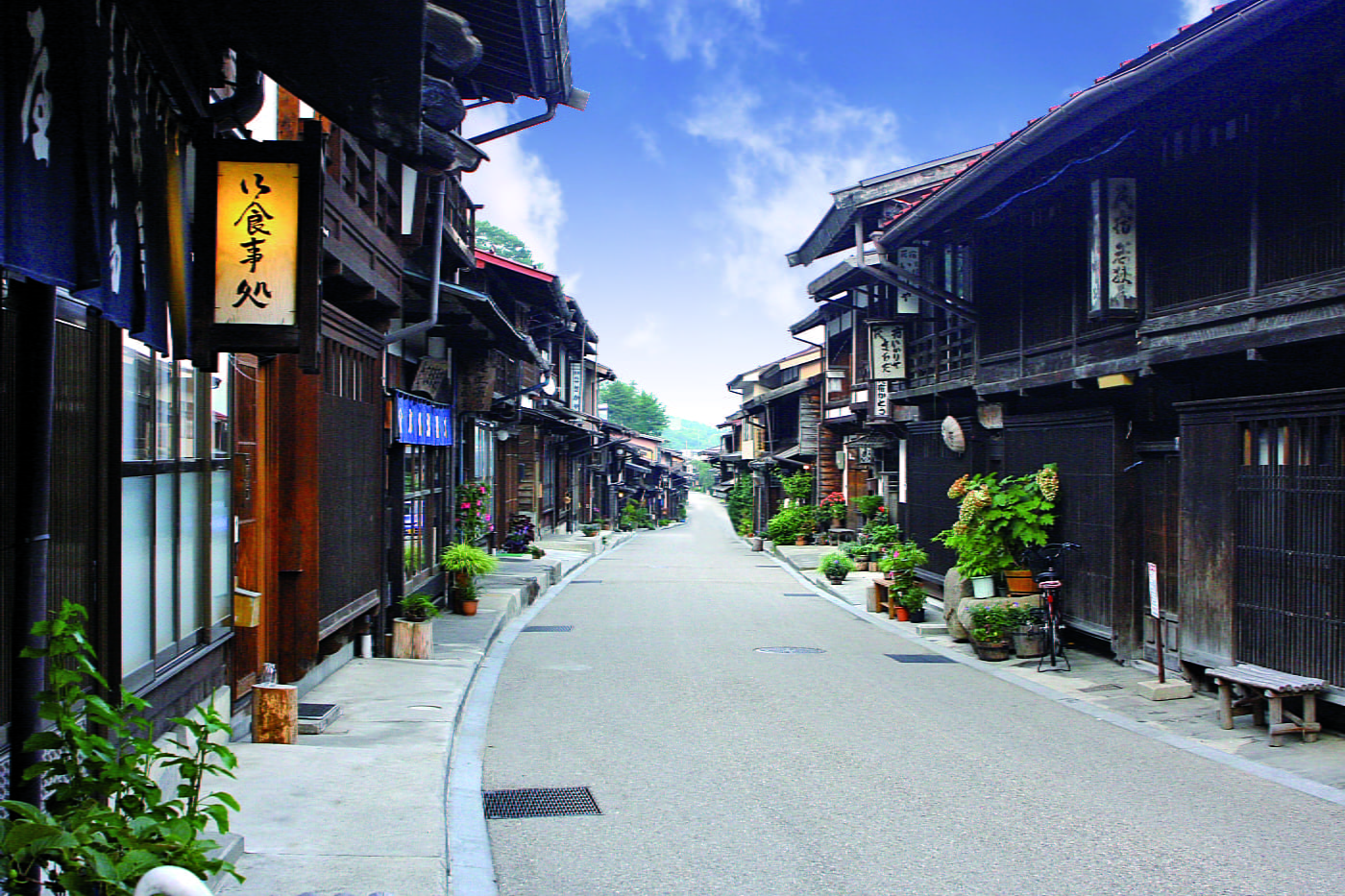
Narai-juku
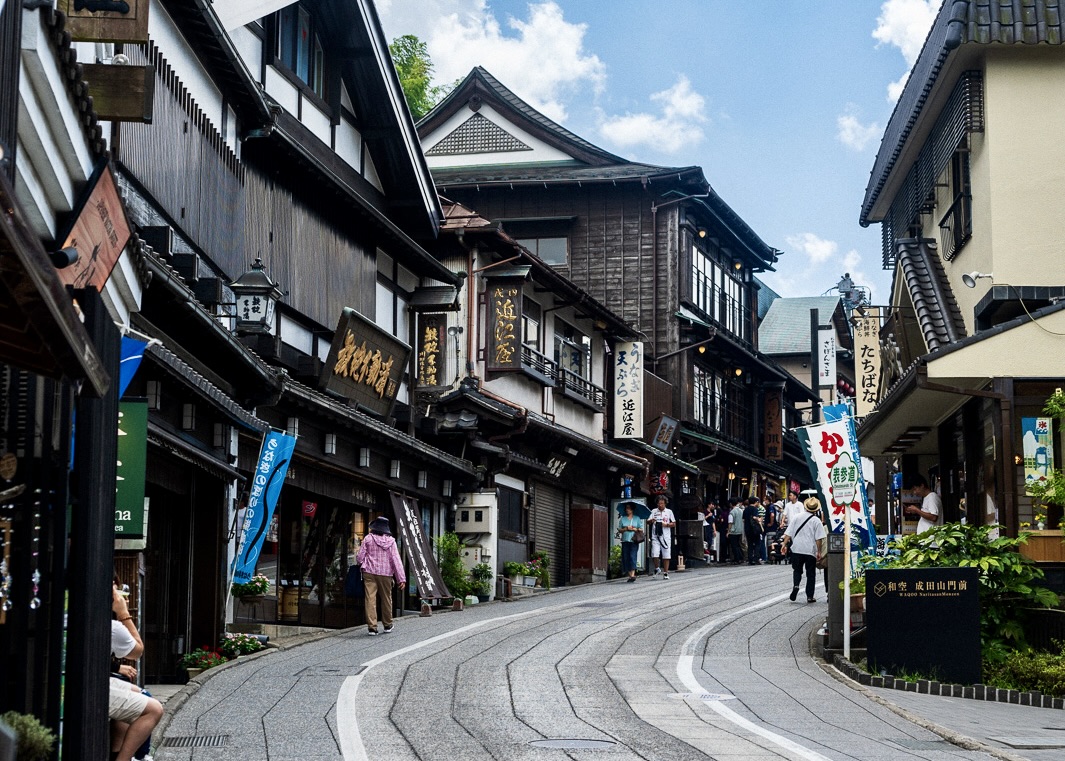
Walk along a route once used by pilgrims, aristocrats, and merchants in ancient Japan as you wander the Nagano streets of Narai-juku, one of the best-preserved stations of the Nakasendo route that connected Tokyo to Kyoto.
Total: 128 items
Walk along a route once used by pilgrims, aristocrats, and merchants in ancient Japan as you wander the Nagano streets of Narai-juku, one of the best-preserved stations of the Nakasendo route that connected Tokyo to Kyoto.
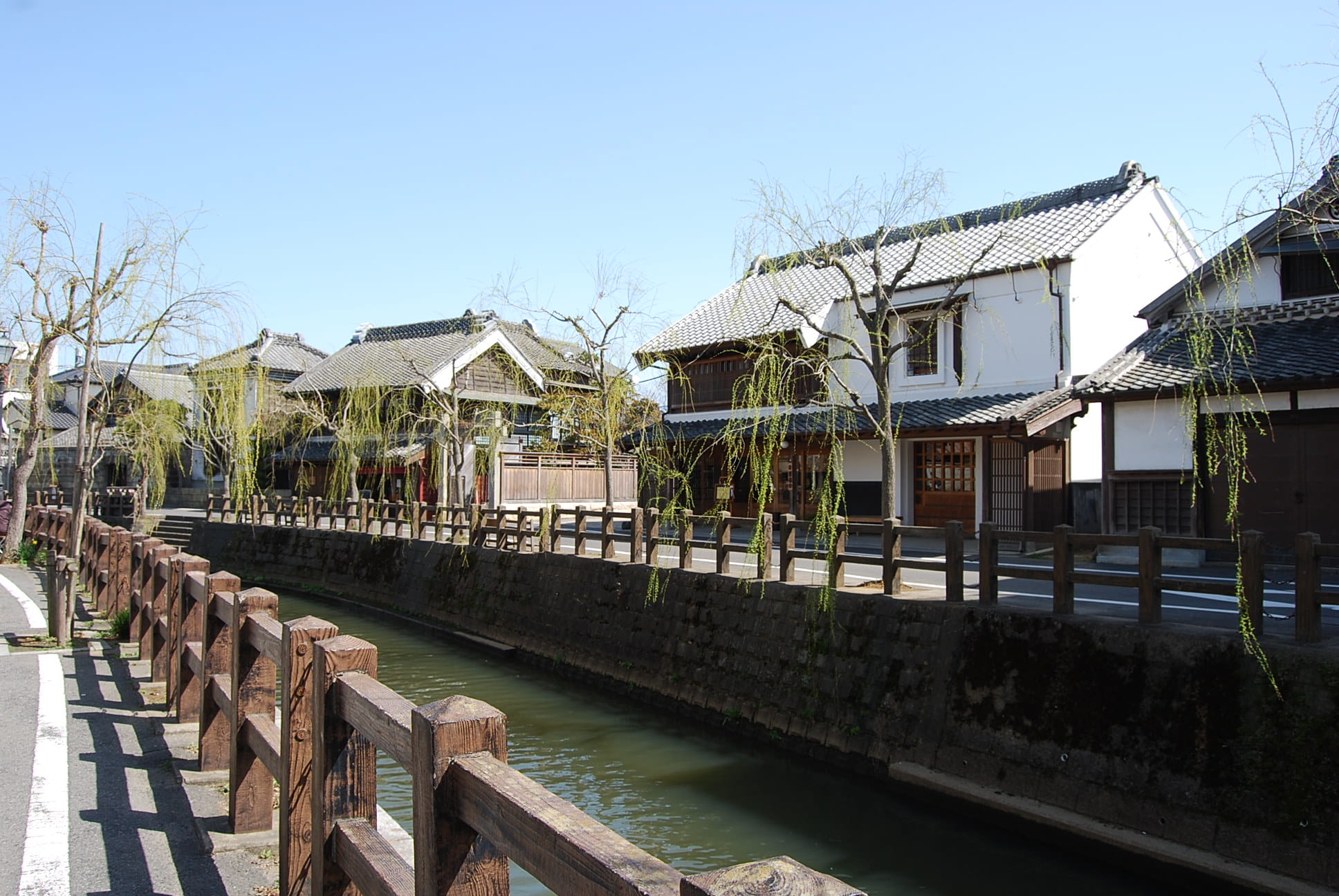
If you’re looking to escape the fast pace of the big cities, fewer places are better than the serene Sawara’s Historical District. Once an important trading town, this area of Chiba has kept its rustic charm while remaining a welcoming haven for weary visitors and those searching for power spots.
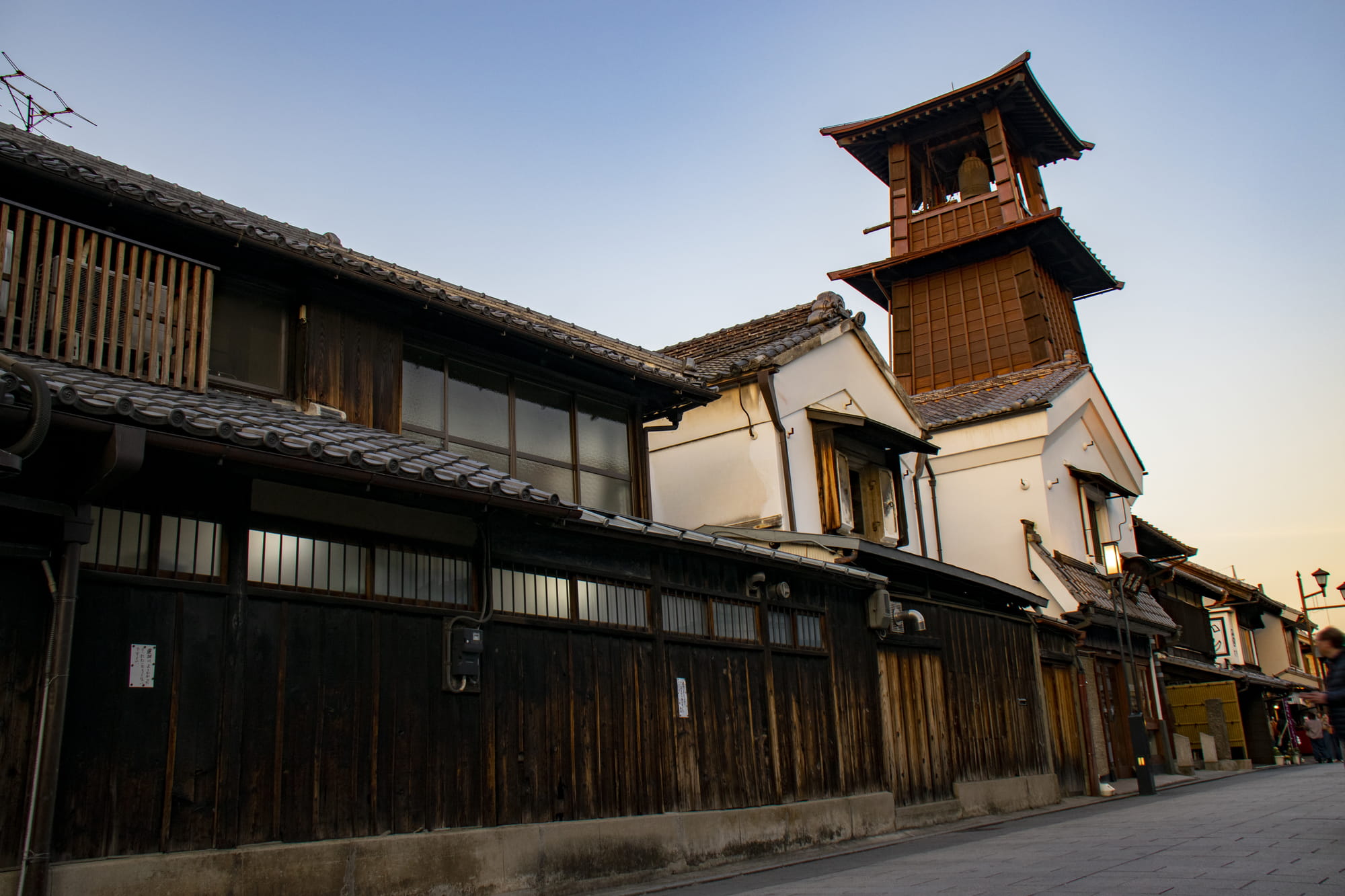
Known for unique clay warehouses, the former castle town of Kawagoe has so much in store for visitors to Saitama. Learn about the historical area and chomp on traditional treats while wearing a kimono on this special cultural activity.
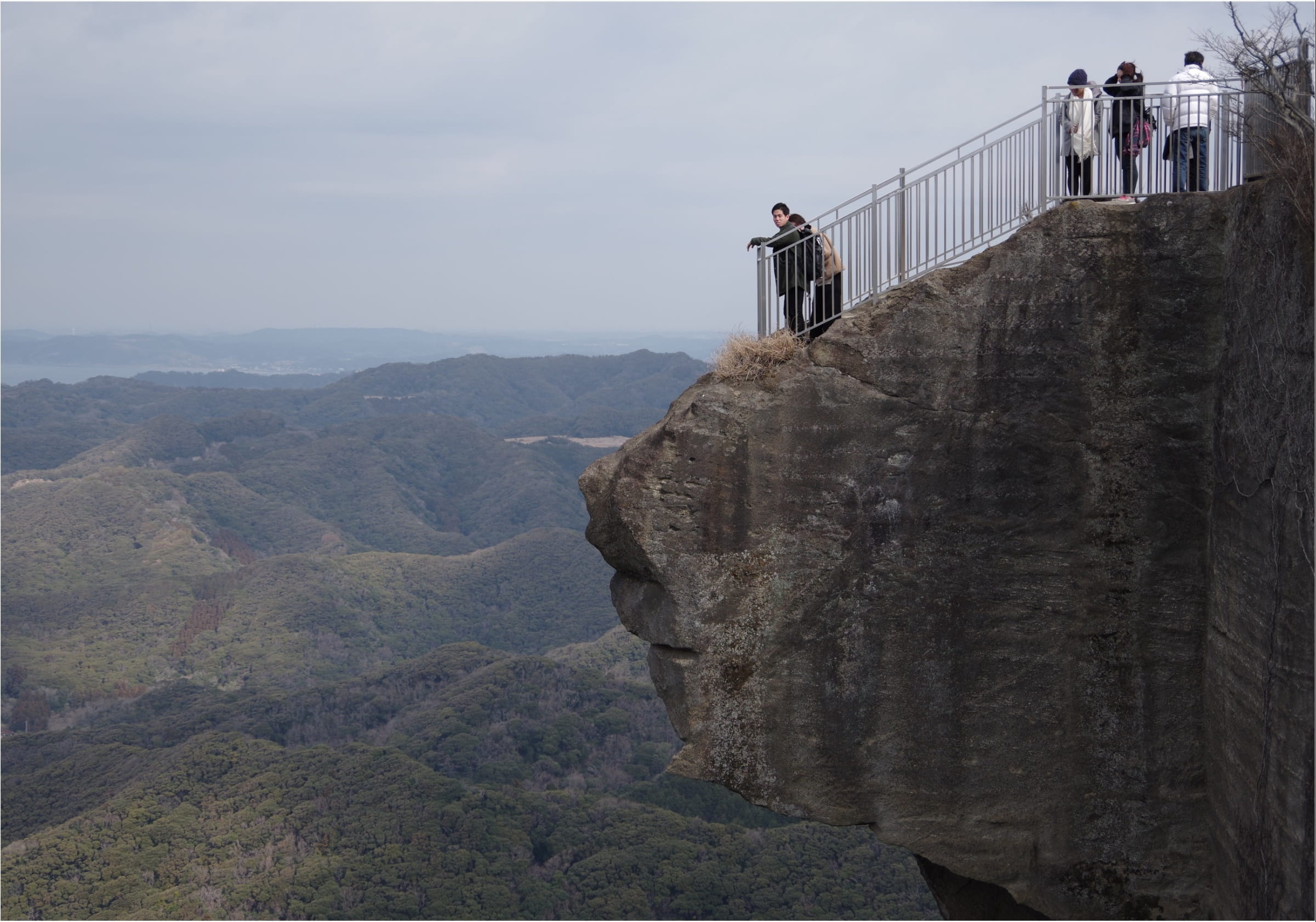
Less than two hours from Tokyo in an area of natural marvels, visitors can enjoy the remarkable atmosphere at Nihonji Temple, an ancient Buddhist temple on the mystical Mount Nokogiri. History buffs will love Nihonji, and Japan’s largest historical stone Buddha is carved right into the mountain! (Photo by Tsubasa Muroi.)
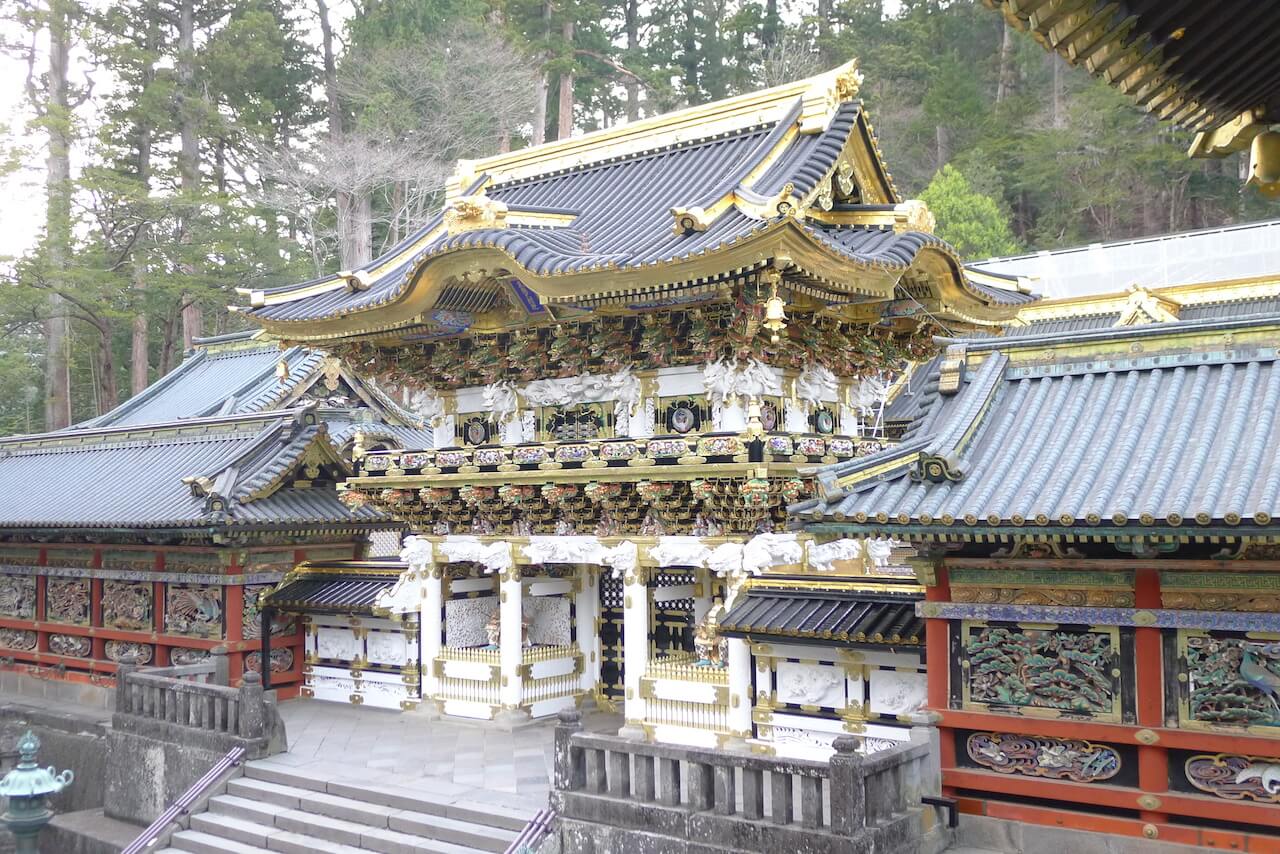
Enter a spiritual world filled with natural beauty, lavish detailing, and vibrant coloring.
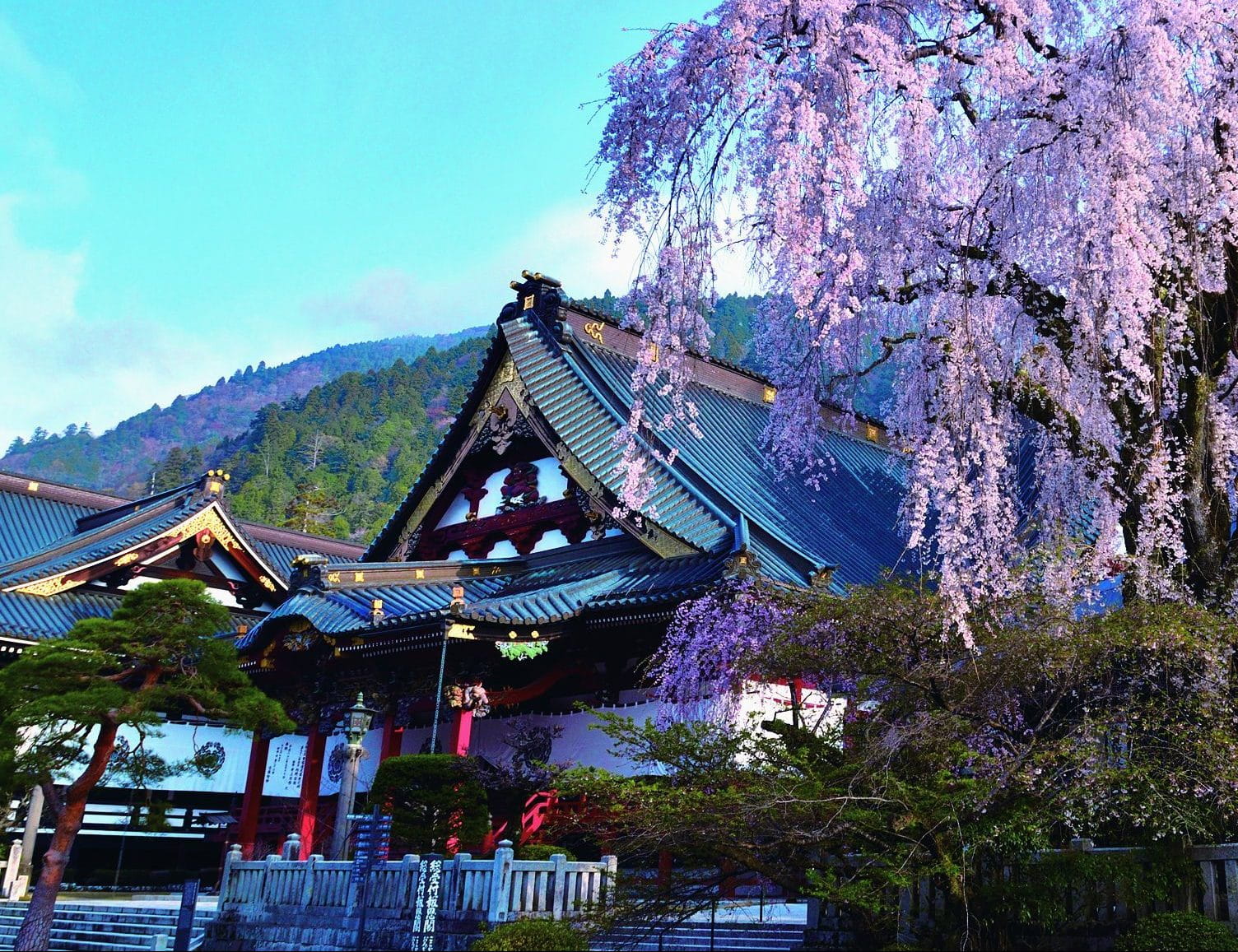
Waiting high up on Mt. Minobu is an area that just might be the place to catch your breath and center yourself. From the fresh crisp air of the mountains to the morning meditations offered at Kuonji Temple, there’s no shortage of options for unwinding during your visit to Yamanashi.
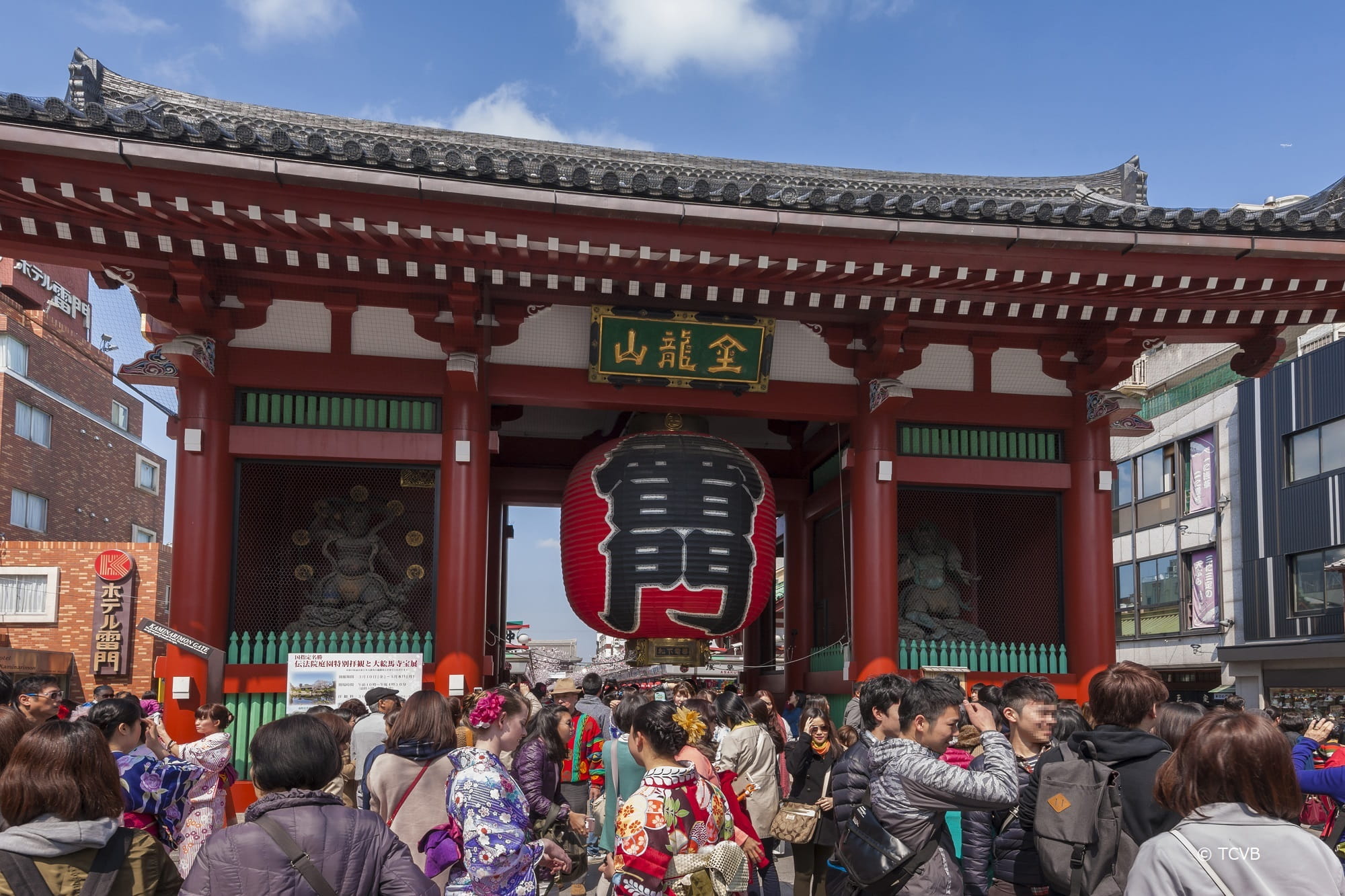
Step back in time as you traverse Asakusa, the downtown of days past. The entertainment district of Edo, Tokyo’s former name, is a mash-up of history and culture right in the heart of the capital city.
Samurai culture still thrives in Aizuwakamatsu, a castle town in central Fukushima. A distinguished school aims to keep traditions alive by introducing the authentic culture of the ancient samurai warriors to the entire world.
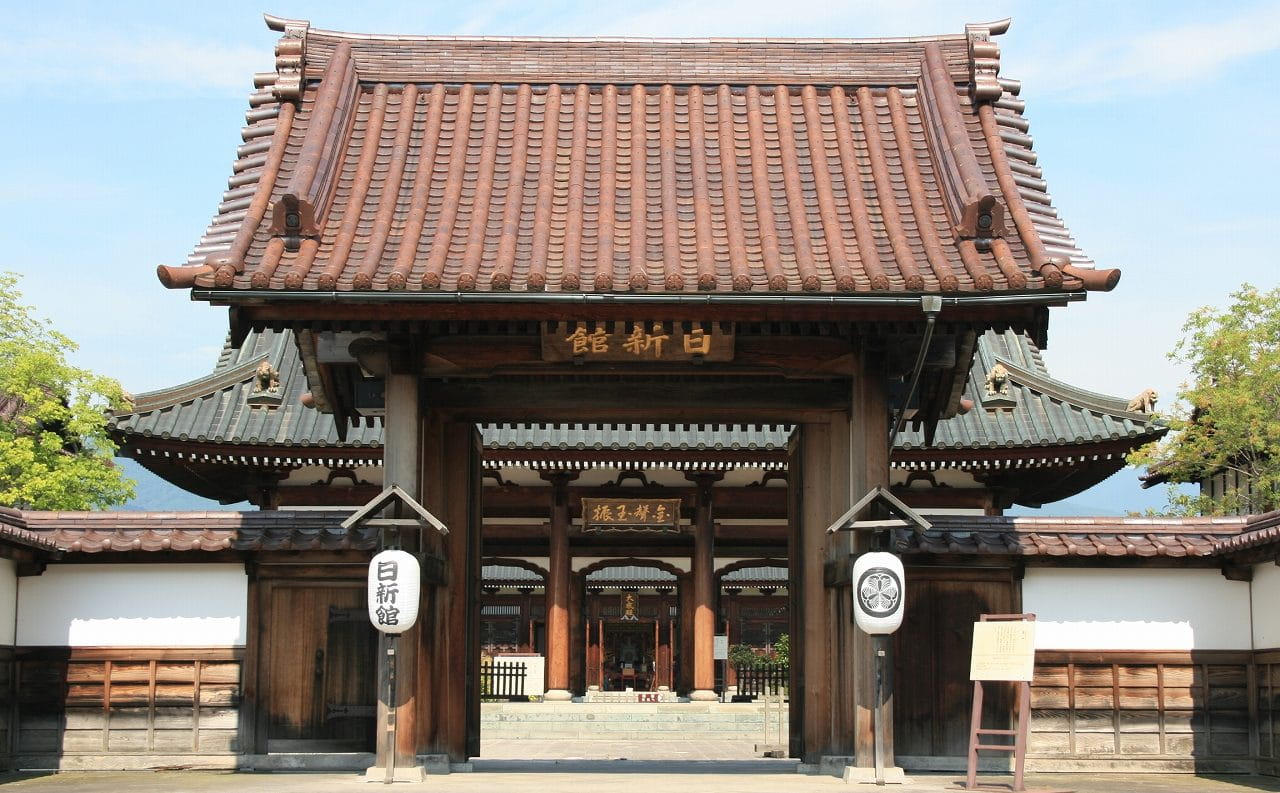
Discover an extraordinary temple that blends architectural elegance with a deep history, right in the heart of Tokyo. Tsukiji Hongwanji offers visitors a unique experience where ancient Buddhist traditions meet the vibrant energy of the nearby Tsukiji market.
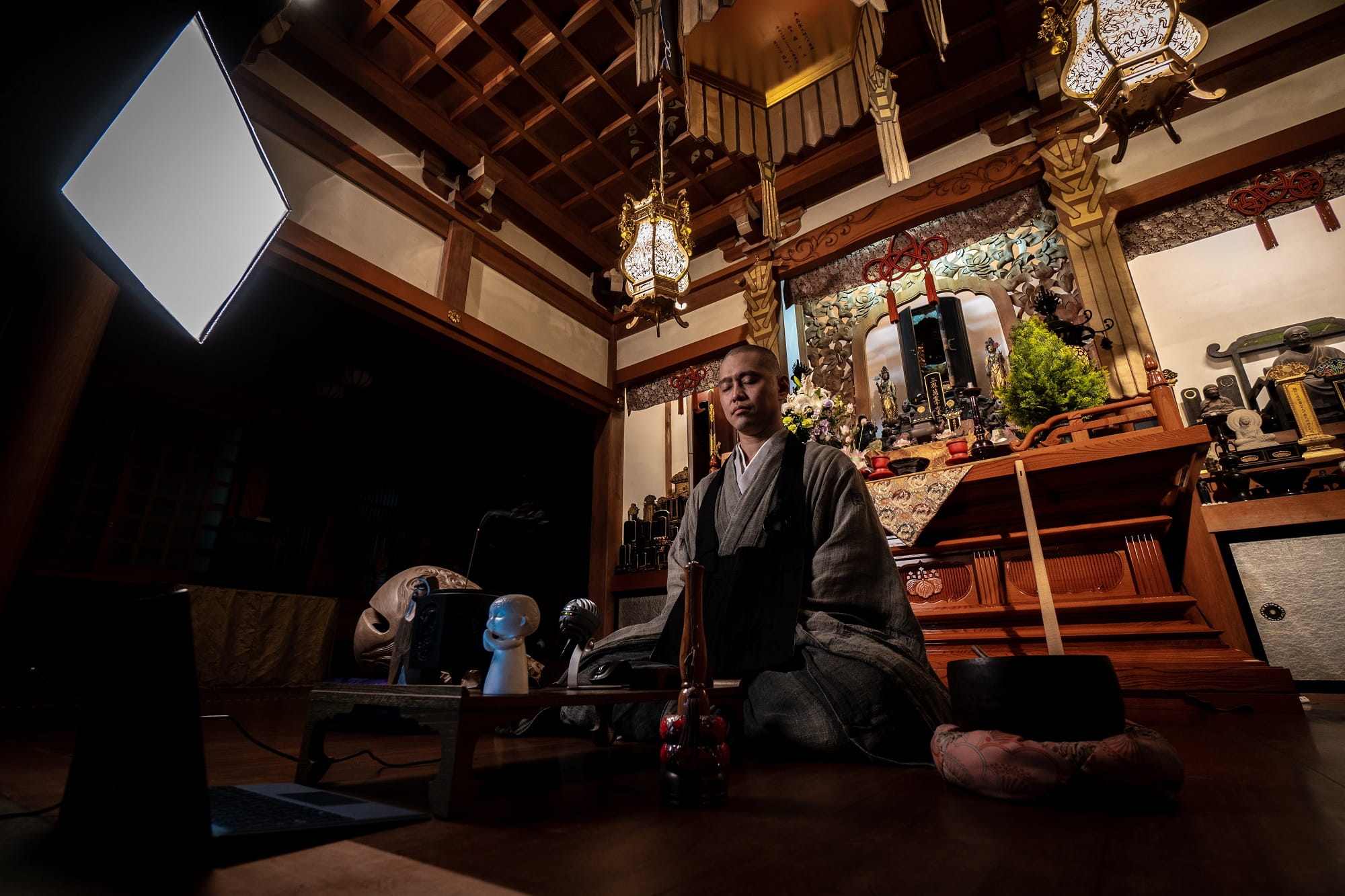
While you may be familiar with the word Zen, the best way to start a path to understanding this branch of Buddhism is to experience it for yourself. And this can be done right in Yokohoma, Tokyo’s neighbor city.
Guarding the western border of Tokyo from evil spirits, the victors of samurai-era battles left priceless weapons and armor as offerings to the gods here for centuries.
Discover one of Tokyo’s oldest and most beautiful Shinto shrines, blending centuries of history with stunning seasonal scenery.
Naritasan Omotesando stretches approximately 800 meters from Narita Station to the Somon Gate of Naritasan Shinshoji Temple, preserving the atmosphere of a historic temple town.
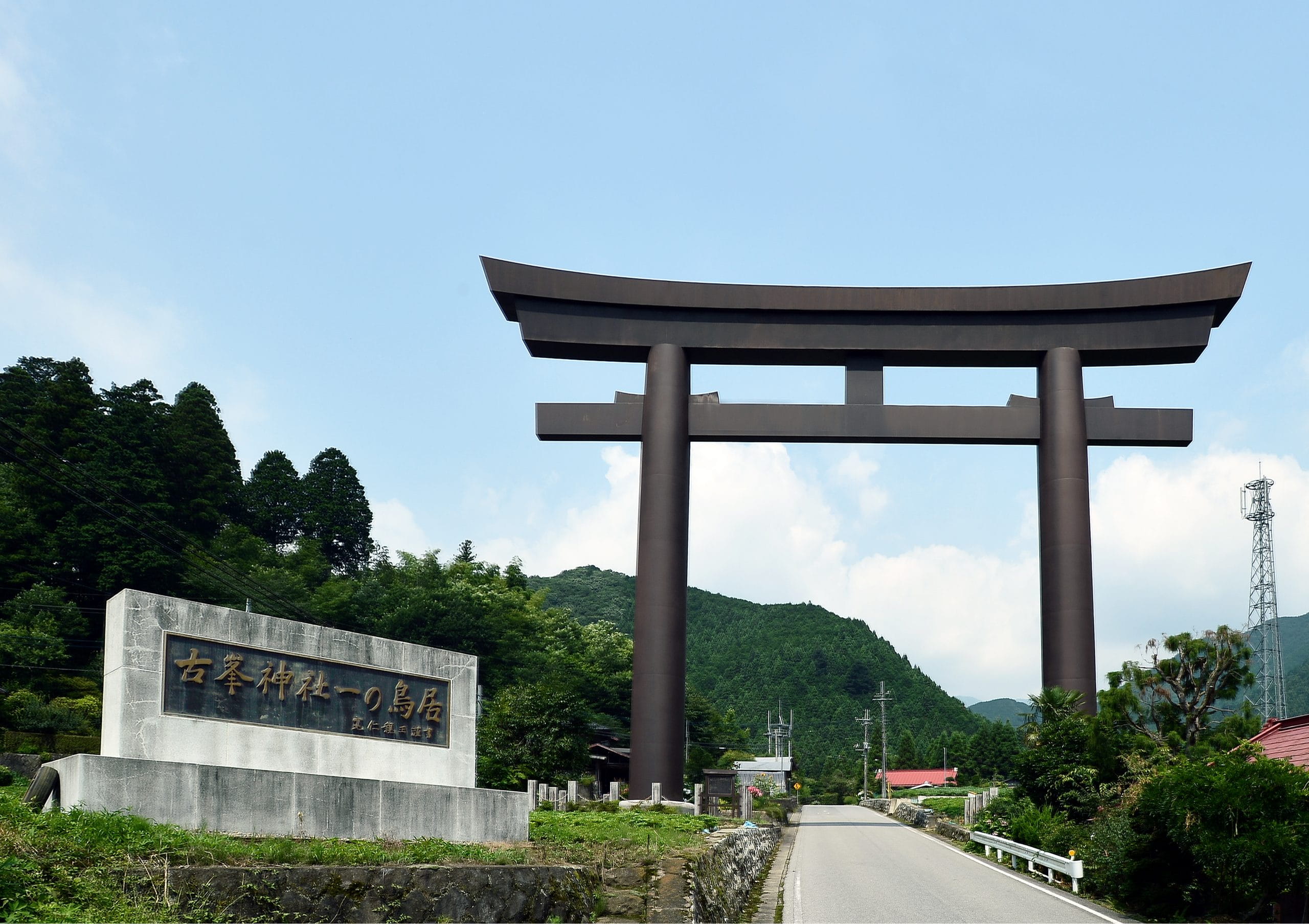
Head out to Tochigi’s mountainous Furumine Shrine, where you can wish for good luck or good health under the stunning colors of fall, or any time of the year.
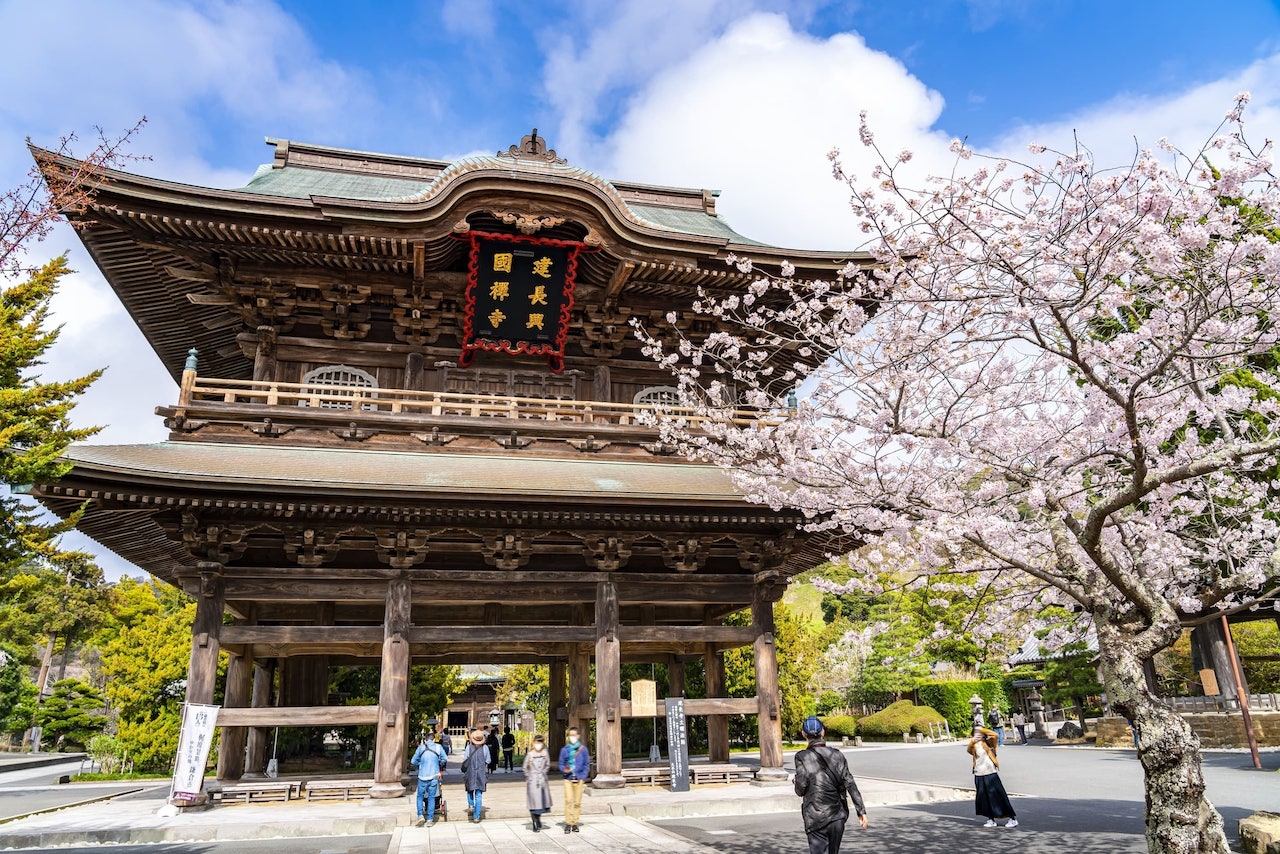
Kamakura is a hotspot for some of Japan’s most significant temples and shrines. Many of these revered locations are connected by beautiful hiking trails, and traversing them provides meaningful encounters with Japan’s natural beauty and Buddhist history.
This DIY Workshop in Tokyo’s trendy Meguro Ward offers visitors a chance to learn the art of kintsugi under the instruction of a skilled artisan. The concept of kintsugi, repairing broken ceramics with gold lacquer, has grown in popularity in recent years. For some, it is a form of therapy and meditation, a symbolic restoration of something broken in their lives, made beautiful by highlighting the flaw rather than hiding it. For others, it’s simply a way to enjoy a traditional Japanese craft that has been practiced for nearly 500 years.
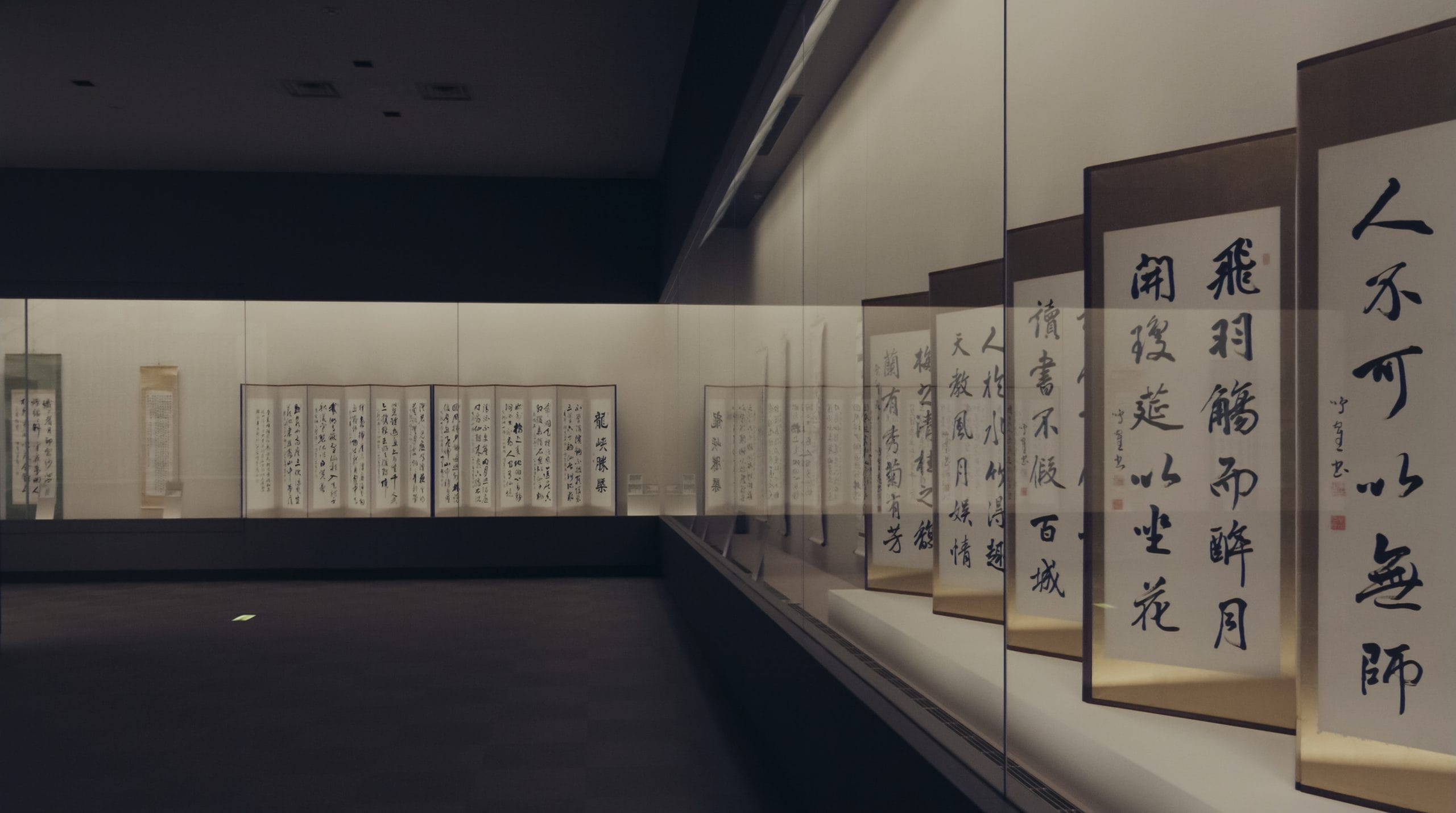
Only a short trip from Narita Airport, the Naritasan Museum of Calligraphy lies in Naritasan Park, near Naritasan Shinshoji Temple. Enrich your journey into Japanese art and style by learning about the long history of Japanese formal brushstrokes, as well as the masters of the art form.
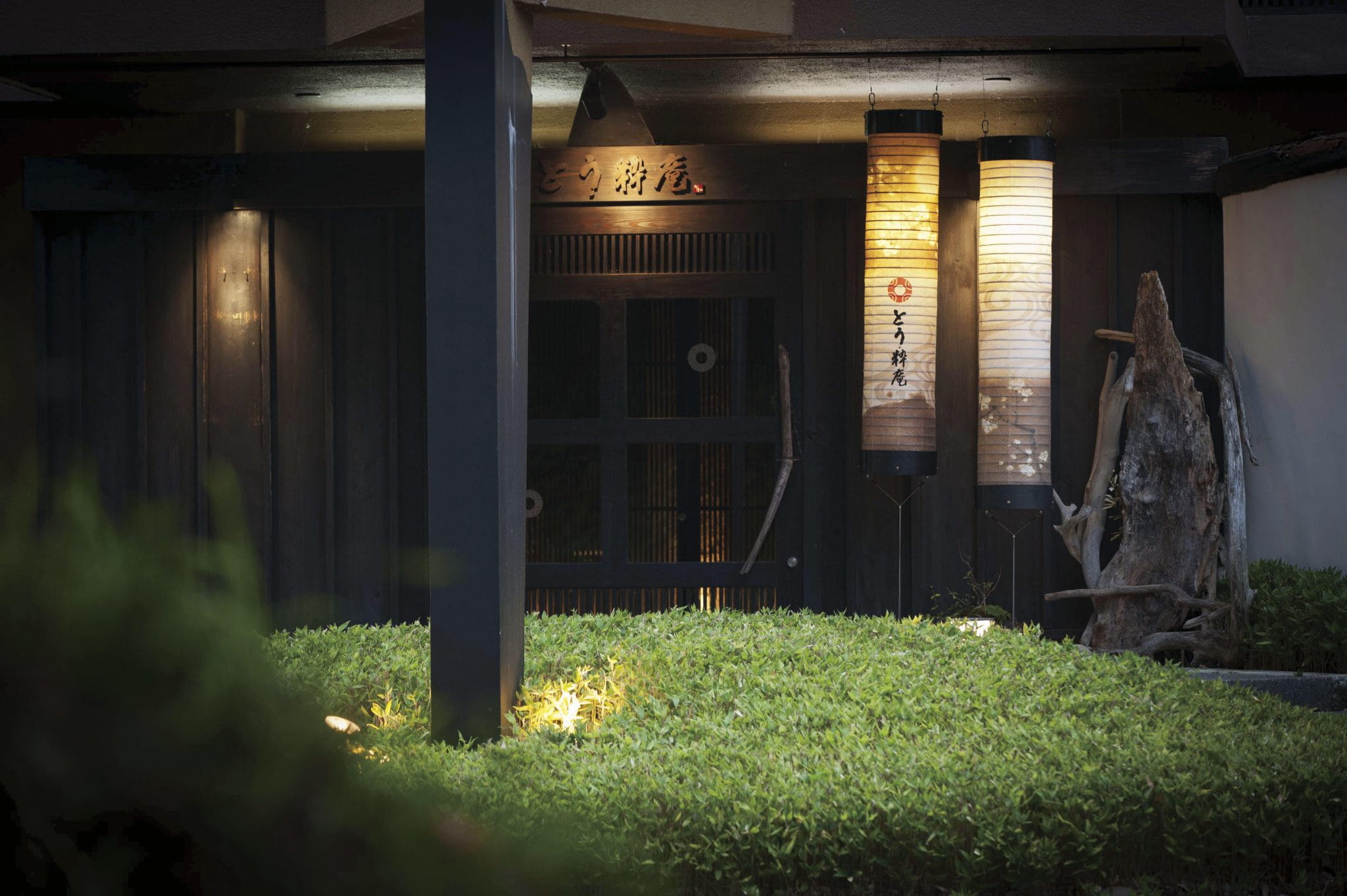
Traditional crafts are always in style in Japan and one such city to create your own piece of culture is Mito, the capital city of Ibaraki where you’ll learn all about the famed Suifu chochin lanterns of the region.