
Nezu-jinja Shrine
A timeless Edo shrine surrounded by thousands of blooming azaleas
Discover one of Tokyo’s oldest and most beautiful Shinto shrines, blending centuries of history with stunning seasonal scenery.
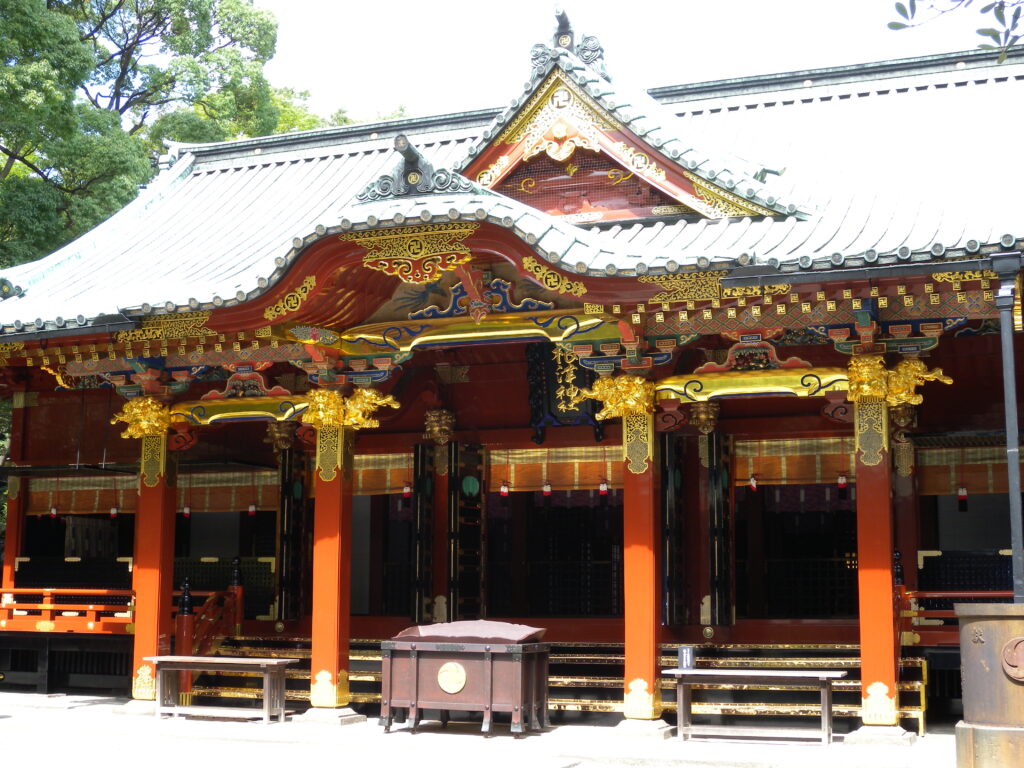
A masterpiece of Edo craftsmanship, Nezu-jinja Shrine combines elegant shrine architecture with one of Tokyo’s most stunning azalea gardens.
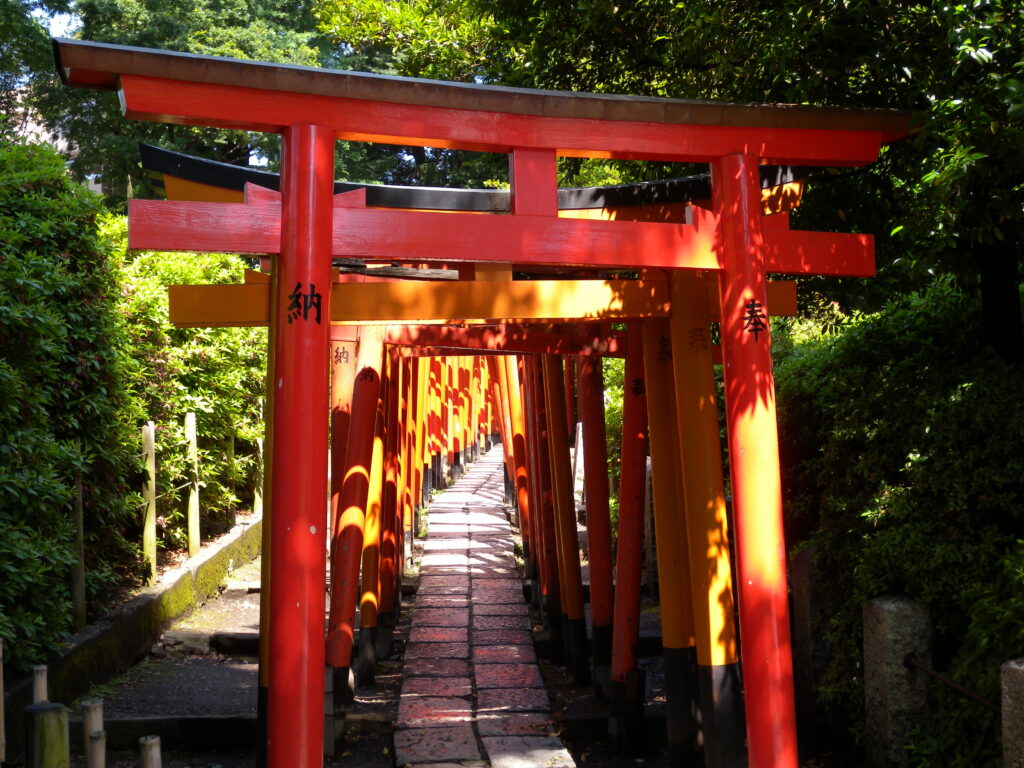
Tucked away in the quiet Yanaka–Nezu–Sendagi area of Bunkyo Ward, Nezu-jinja Shrine is a rare example of Edo-period architecture that has remained virtually unchanged for over 300 years. According to legend, the shrine was originally founded by Yamato Takeru no Mikoto, a heroic figure of Japanese mythology, who enshrined the deity Susanoo no Mikoto. During the Edo period, the fifth shogun Tokugawa Tsunayoshi carried out a grand reconstruction, designating it as the guardian shrine of his successor, Tokugawa Ienobu. The current structures were completed in 1706 and have miraculously survived earthquakes, fires, and wars, preserving the architectural beauty of that era. Nezu-jinja’s main hall, offering hall, and the Karamon and Romon gates are all designated Important Cultural Properties of Japan. The shrine is built in the gongen-zukuri style, a quite unusual and opulent architecture, different from what you usually find in shrines, but seen in the Nikko Toshogu Mausoleum. Its distinguishing features are lavish carvings, lacquered woodwork, and golden sculptures contrasting with brilliant vermilion tones. On the premises, you will also find a path of red torii gates, recalling the famous one at Fushimi Inari Taisha in Kyoto, and a pond with koi carps, crossed by a lovely small bridge.

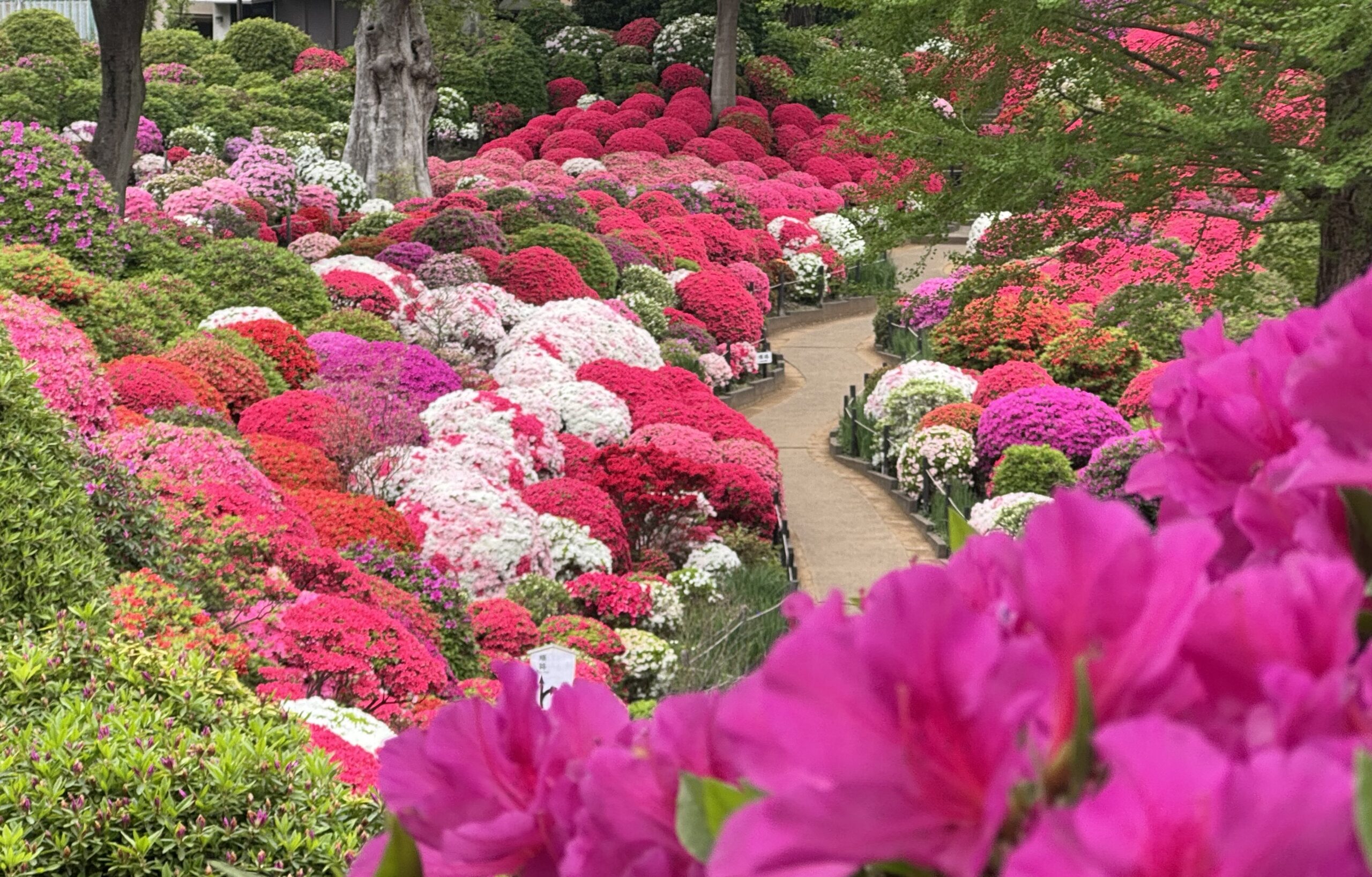
Beyond its historical value, Nezu-jinja is also known for its natural beauty. The shrine’s Tsutsuji-en garden is one of Tokyo’s most famous spots for azaleas, with around 3,000 bushes in 100 varieties blooming every spring. Don’t miss the Bunkyo Azalea Festival (Tsutsuji Matsuri), Held annually in April, to admire the colorful landscape of pink, red, and white blooms. Stone pathways wind through the hillside garden, creating perfect spots for photographs. In seasons other than spring, Nezu-jinja also hosts a variety of festivals and cultural events, including what is often said to be one of Edo’s three great festivals in September. As is typical in matsuri (festival), the atmosphere comes alive with the mikoshi (portable shrines) parade as well as yatai (food stalls), taiko drumming, and dancing, carrying on centuries-old traditions in the heart of modern Tokyo.
Easily accessible by subway from Ueno or Tokyo Station (get off at Nezu Station on the Chiyoda Subway Line), Nezu-jinja offers travelers an authentic experience of old Tokyo, where history, spirituality, and nature coexist in harmony. Although close to the famous Ueno Park, few travelers visit this shrine, but it is definitely worth a detour!
Phone number
+81-3-3822-0753
Contact
Email: webmaster@nedujinja.or.jp
Business hours
6:00 AM – 5:00 PM (October – May)
5:00 AM – 6:00 PM (June – August)
MAP
Nearby Sightseeing Spots
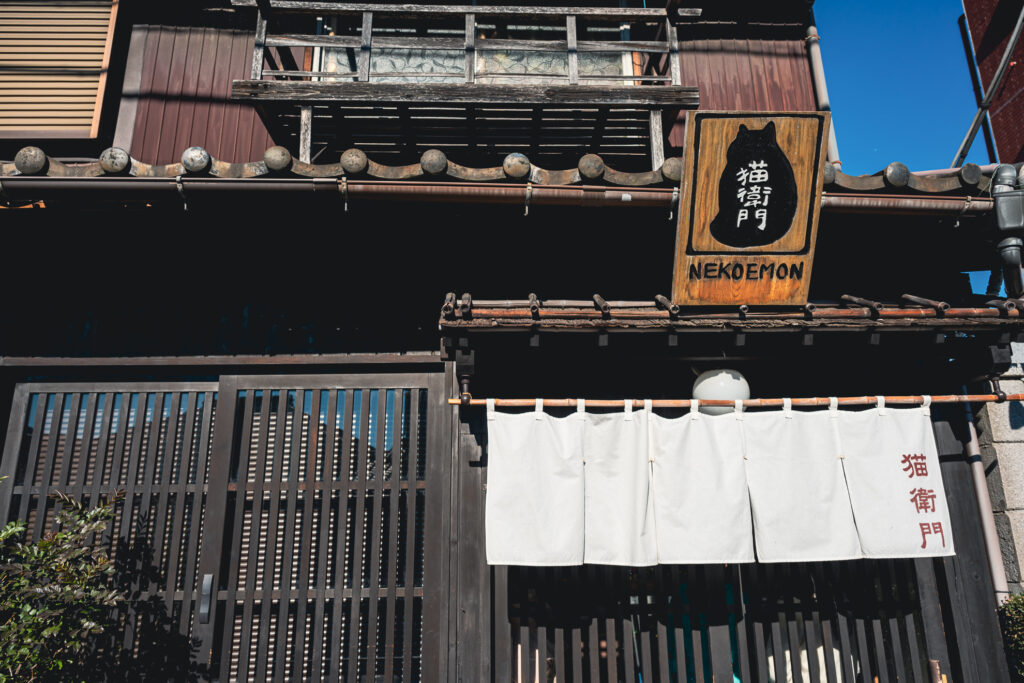
Yanakado Café Nekoemon
In the heart of Yanaka, one of Tokyo’s most charming and historic neighborhoods, Yanakado Café Nekoemon offers a unique experience for cat lovers and craft enthusiasts.
Art & Culture
Food & Drink
Activities
Experience
TOKYO
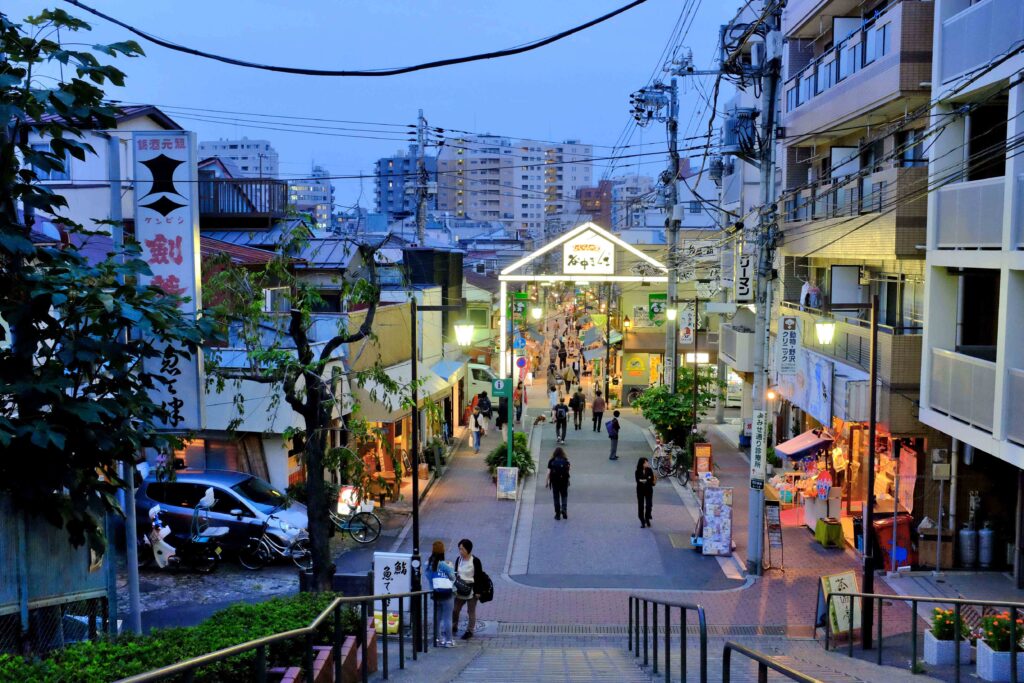
Yanaka Ginza
Yanaka Ginza is a quaint shopping street in Tokyo that transports visitors back in time to the charm of a traditional downtown district. Located just minutes from Nippori Station, this 170-meter stree…
Food & Drink
Experience
Shopping
Sites
TOKYO
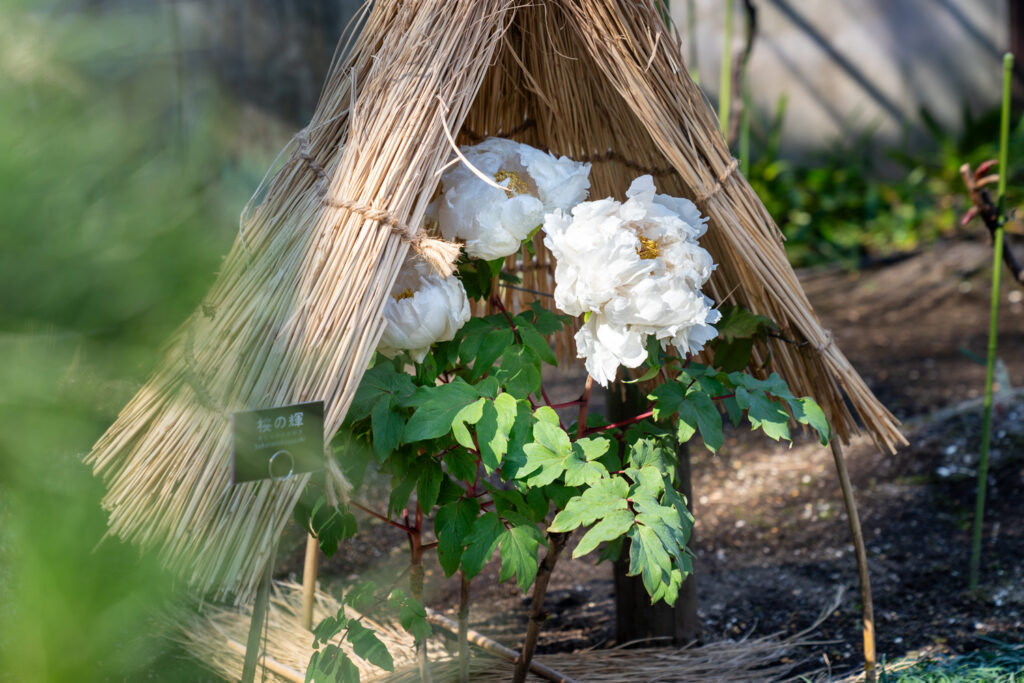
Ueno Toshogu Shrine and Peony Garden
Admire a 17th-century shrine dedicated to Tokugawa Ieyasu and stroll through a colorful garden of peonies and dahlias
Sites
History
TOKYO
Yanakado Café Nekoemon
In the heart of Yanaka, one of Tokyo’s most charming and historic neighborhoods, Yanakado Café Nekoemon offers a unique experience for cat lovers and craft enthusiasts.
Yanaka Ginza
Yanaka Ginza is a quaint shopping street in Tokyo that transports visitors back in time to the charm of a traditional downtown district. Located just minutes from Nippori Station, this 170-meter stree…
Ueno Toshogu Shrine and Peony Garden
Admire a 17th-century shrine dedicated to Tokugawa Ieyasu and stroll through a colorful garden of peonies and dahlias