

Oyakuen / The Lord’s Garden
A Garden of Healing, Culture, and Living History in Aizu
Cherished by generations of Aizu’s feudal lords, Oyakuen Garden offers visitors a rare blend of natural beauty, traditional medicine, and the enduring spirit of Aizu’s samurai legacy.

Nestled at the foot of Higashiyama in Aizu, Oyakuen Garden welcomes visitors into a peaceful landscape shaped by centuries of care.
Unlike gardens created purely for visual pleasure, Oyakuen developed as a place of both healing and learning. Its story begins more than 600 years ago at a site known for a natural healing spring. Over time, the garden became a cherished retreat for Aizu’s ruling families. During the Edo period, the Aizu Matsudaira lords refined the grounds into a formal daimyo garden, preserving its sacred atmosphere while shaping it into a space for rest, contemplation, and governance. In recognition of its historical and aesthetic importance, Oyakuen was designated as a National Place of Scenic Beauty in 1932.

At the heart of the garden lies Shinji-no-ike, a pond shaped like the character for “heart.” Walking paths wind gently around the water, offering carefully framed views that shift with each step. Designed as a pond-strolling garden, Oyakuen makes use of “borrowed scenery,” drawing the surrounding mountains into the landscape. Pine and cedar trees, along with seasonal flowers, create an immersive environment that shifts its shape and colors throughout the year.

What truly distinguishes Oyakuen is its role as a medicinal garden. Established to safeguard the health of the domain’s people, it became a center for cultivating and studying medicinal plants. The successful cultivation of ginseng—later known as Otaneninjin—brought both medical and economic benefits and eventually led to Japan’s first export of medicinal ginseng to China. Today, nearly 400 species of medicinal plants are preserved and displayed, continuing this long tradition of healing. Oyakuen has also endured times of conflict and renewal. During the Boshin War in 1868, the Ochaya-Goten within the garden served as a treatment facility for wounded soldiers, allowing much of the garden to survive the turmoil. In later years, the presence of Chouyou-kaku, a lodging used by members of the imperial family, symbolized Oyakuen’s role in Aizu’s cultural revival after the war. Today, visitors can stroll the serene paths, enjoy matcha and traditional sweets while overlooking the pond, and browse herbal teas and local crafts inspired by the garden. Whether you come for history, seasonal beauty, or quiet restoration, Oyakuen offers a gentle, immersive experience where nature, culture, and well-being come together.

Photo courtesy of Nationally Designated Scenic Spot AIZU OYAKUEN
Contact
The inquiry form on the website
Business hours
8:30 am – 5:00 pm (Last admission: 4:30 pm)
Holiday
Open all year round
WEB site
Remarks
Please note that there is no lighting inside the garden. During the winter season, sunset occurs earlier, so we recommend visiting in advance.
MAP
Nearby Sightseeing Spots
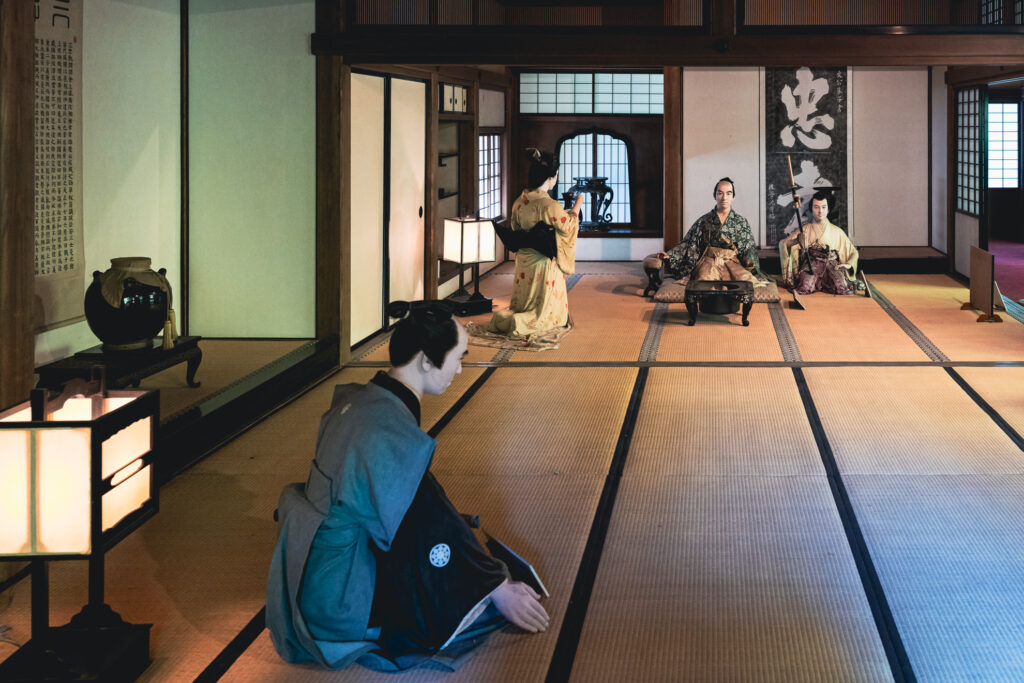
Aizu Bukeyashiki
An immersive monument to Japan’s illustrated history, the Aizu Bukeyashiki transports guests back to the Tokugawa shogunate.
History
Experience
Traditions
FUKUSHIMA
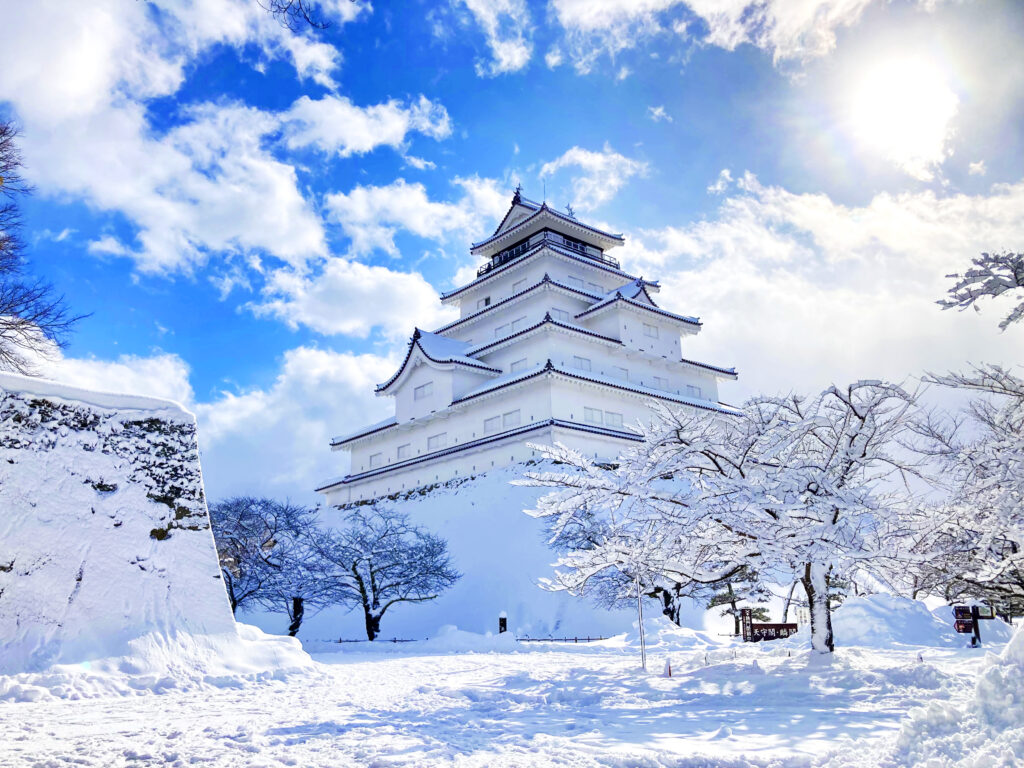
Tsurugajo Castle
A time capsule of Feudal Japan, Tsuruga Castle offers a peek into the age of the samurai.
History
Sites
FUKUSHIMA
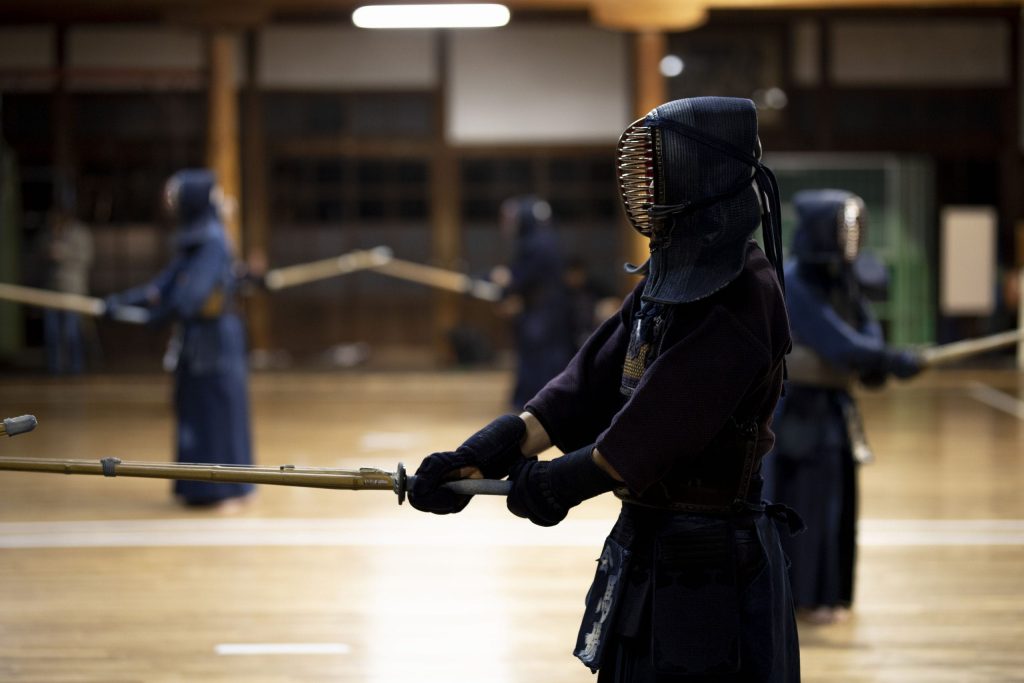
Aizu Kendo Experience
Kick it old school in Aizuwakamatsu as you learn the basics of Japanese swordplay in one of Japan’s most revered samurai cities, right in the heart of Fukushima.
Art & Culture
History
Activities
Experience
Family Fun
Sites
Traditions
FUKUSHIMA
Aizu Bukeyashiki
An immersive monument to Japan’s illustrated history, the Aizu Bukeyashiki transports guests back to the Tokugawa shogunate.
Tsurugajo Castle
A time capsule of Feudal Japan, Tsuruga Castle offers a peek into the age of the samurai.
Aizu Kendo Experience
Kick it old school in Aizuwakamatsu as you learn the basics of Japanese swordplay in one of Japan’s most revered samurai cities, right in the heart of Fukushima.