


Greater Tokyo

FUKUSHIMA

Nihonmatsu Castle

Where History and the Seasons Shape a Living Landscape

Nihonmatsu Castle invites visitors to explore centuries of Japanese history within Kasumigajo Castle Park, where the legacy of samurai, seasonal beauty, and civic life continue to coexist in a castle-side landscape.
Culture & Arts Nature & Views
Climb the stone paths leading up to a castle where the past still gazes out over the city below.

Climb the stone paths leading up to a castle where the past still gazes out over the city below.

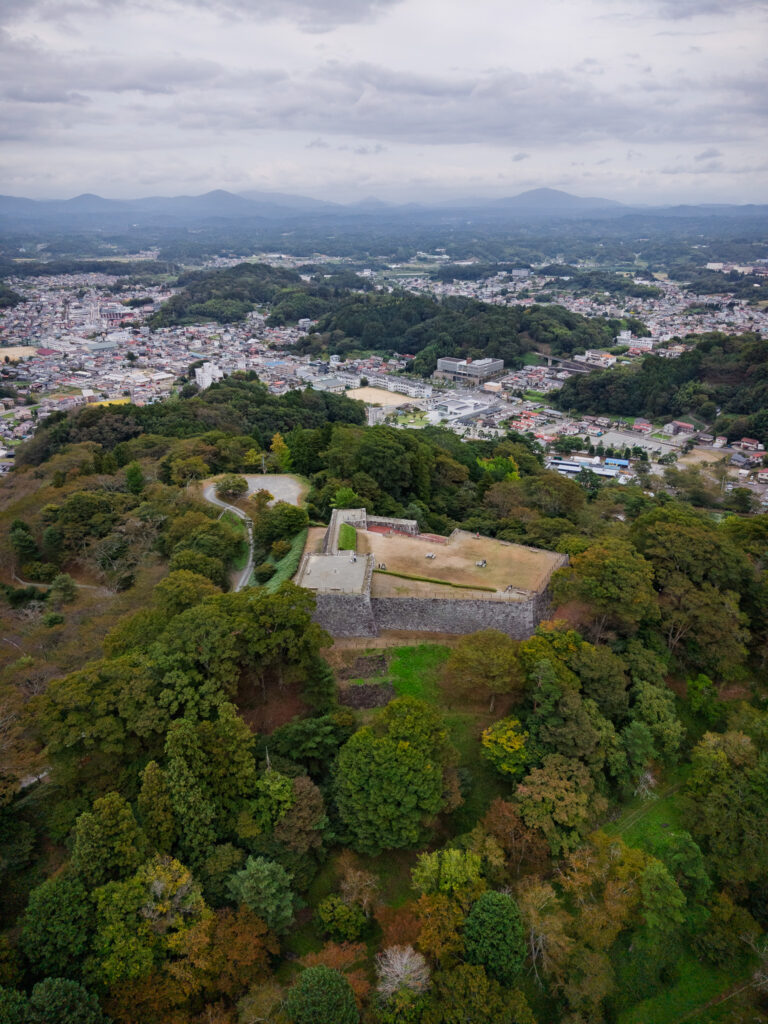
Perched on elevated ground at the heart of present-day Nihonmatsu, Nihonmatsu Castle once served as the political and cultural center of the Nihonmatsu Domain. First constructed in 1414, the castle bore witness to more than four centuries of change before its destruction during the Boshin War of 1868, a pivotal event that marked the end of the Tokugawa shogunate and ushered Japan into the modern era.
Originally built as a mountain fortress, Nihonmatsu Castle was shaped by both terrain and strategy. In 1643, when Niwa Mitsushige was appointed as the first daimyo of the Nihonmatsu Domain, the surrounding castle town was carefully reorganized, establishing an urban framework that still defines the city today.
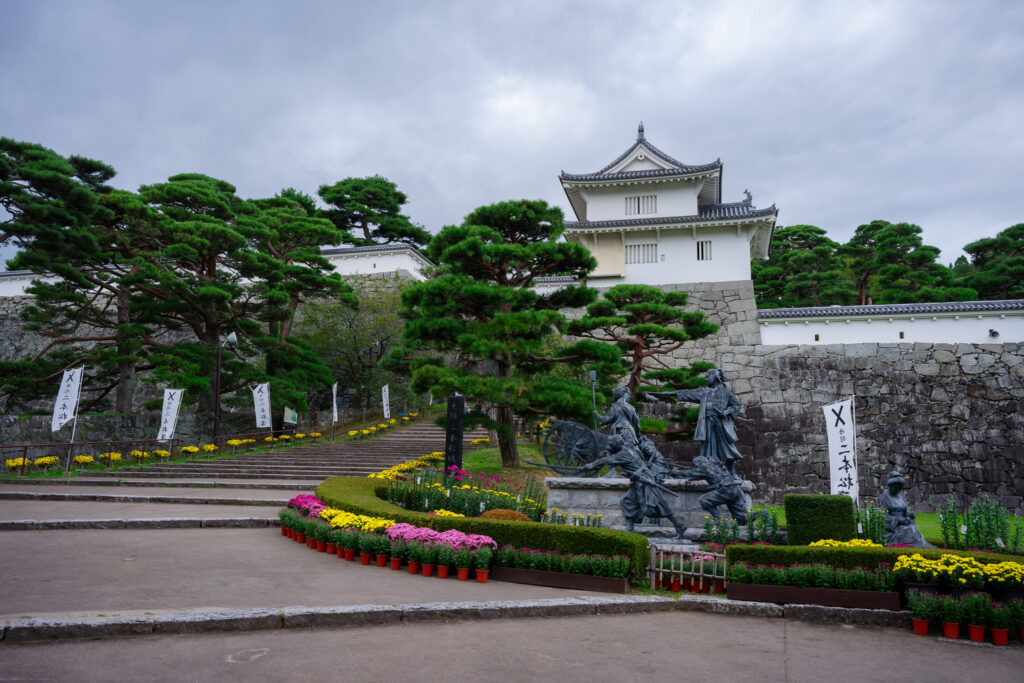
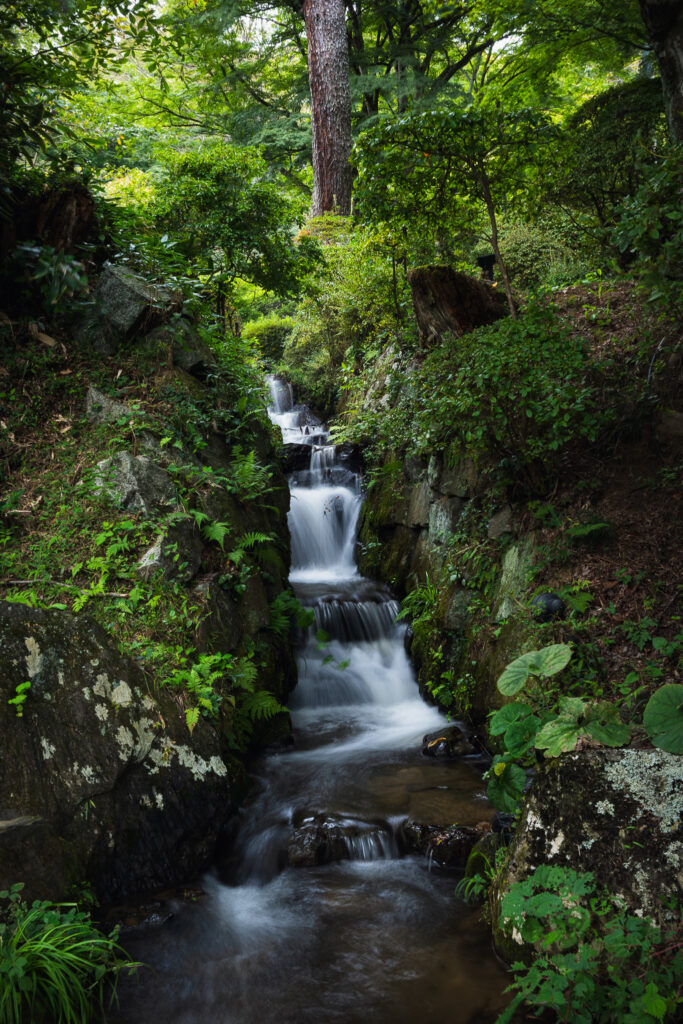
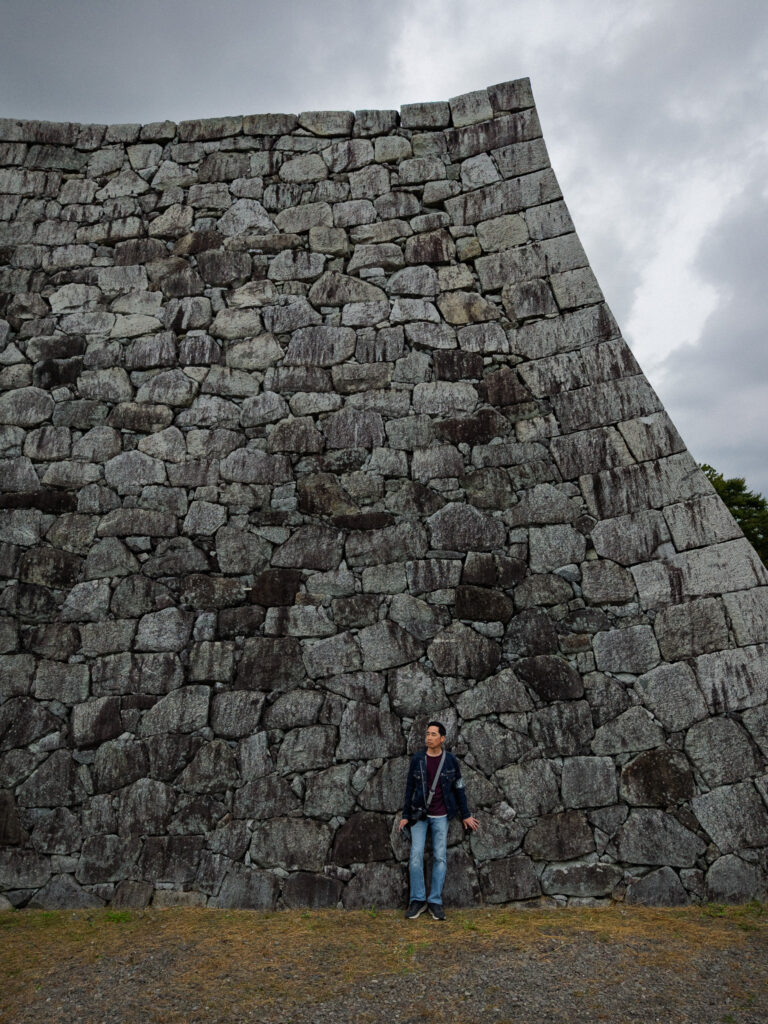
Although Nihonmatsu Castle never possessed a towering central keep, its honmaru (main compound) remains the highest and most commanding point of the park. Encircled by stone walls dating to the late sixteenth century, it offers expansive views across the city toward the Adatara mountain range. As visitors descend through the grounds, they encounter preserved and reconstructed features such as Third Bailey (Sannomaru) Gate, the tranquil Senshintei, and gardens once used by samurai for rest, contemplation, and cultural pursuits.
The castle grounds also carry stories of sacrifice and moral reflection. Nearby stands a memorial to the Nihonmatsu Shonentai, a group of young boys who lost their lives defending the castle during the Boshin War. Not far away, the inscription on the Stone of Admonishment, erected in 1749, bears a message reminding officials of their duty to govern with humility and compassion, a message that still resonates with visitors today.
Kasumigajo Castle Park is both a historic site and a vibrant public space shaped by the seasons. In spring, more than 2,500 cherry trees envelop the ruins in pale blossoms, giving rise to the castle’s poetic name Kasumigajo, or “Castle in the Mist.” Autumn brings glowing foliage and the celebrated Chrysanthemum Doll Festival, a tradition rooted in samurai-era horticulture. In winter, snow settles quietly on the stone walls, lending the park a serene, contemplative beauty that invites slow exploration.