


Greater Tokyo

SAITAMA

Yoshida Family Residence

A National Important Cultural Property offering a glimpse into everyday Edo-period rural life

The Yoshida Family Residence invites visitors to step inside one of Japan’s oldest surviving private homes. Built in 1721 and set in a quiet rural landscape, the residence offers an immersive look at Edo-period domestic life through architecture, hearth-centered living, and hands-on cultural experiences.
Experience & Activities other
From the warmth of the irori hearth to the thoughtful layout shaped by function and season, the Yoshida Family Residence allows visitors to move through history at a human scale.

From the warmth of the irori hearth to the thoughtful layout shaped by function and season, the Yoshida Family Residence allows visitors to move through history at a human scale.

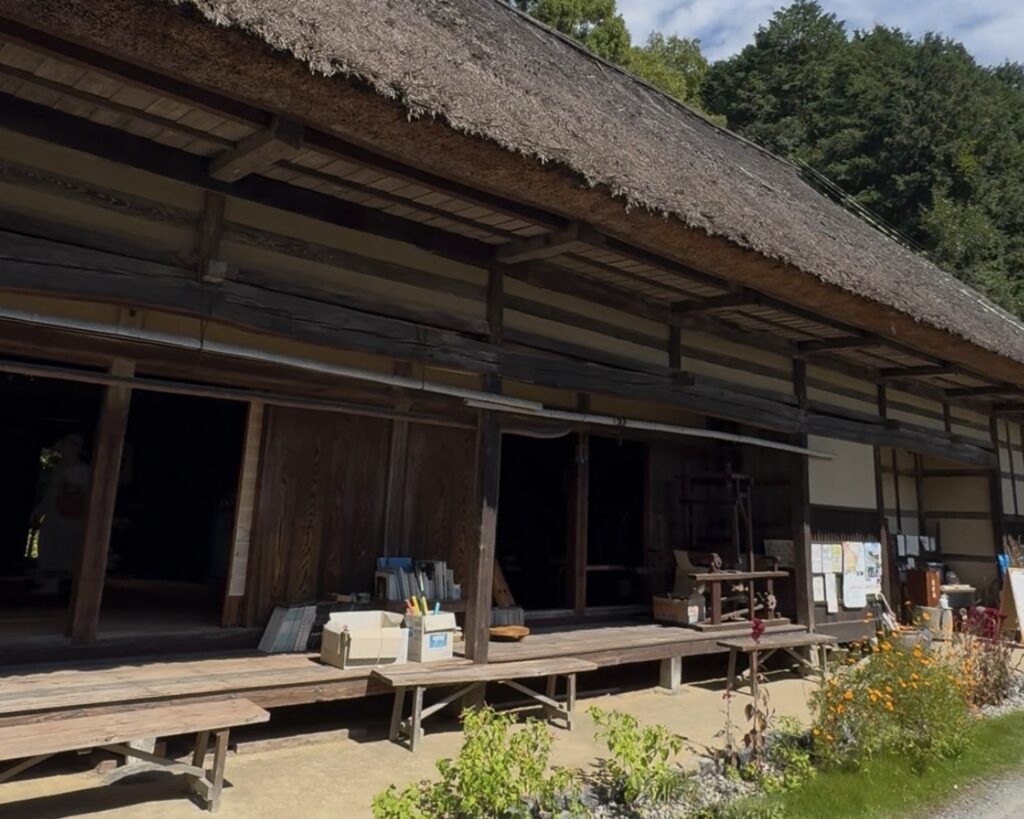
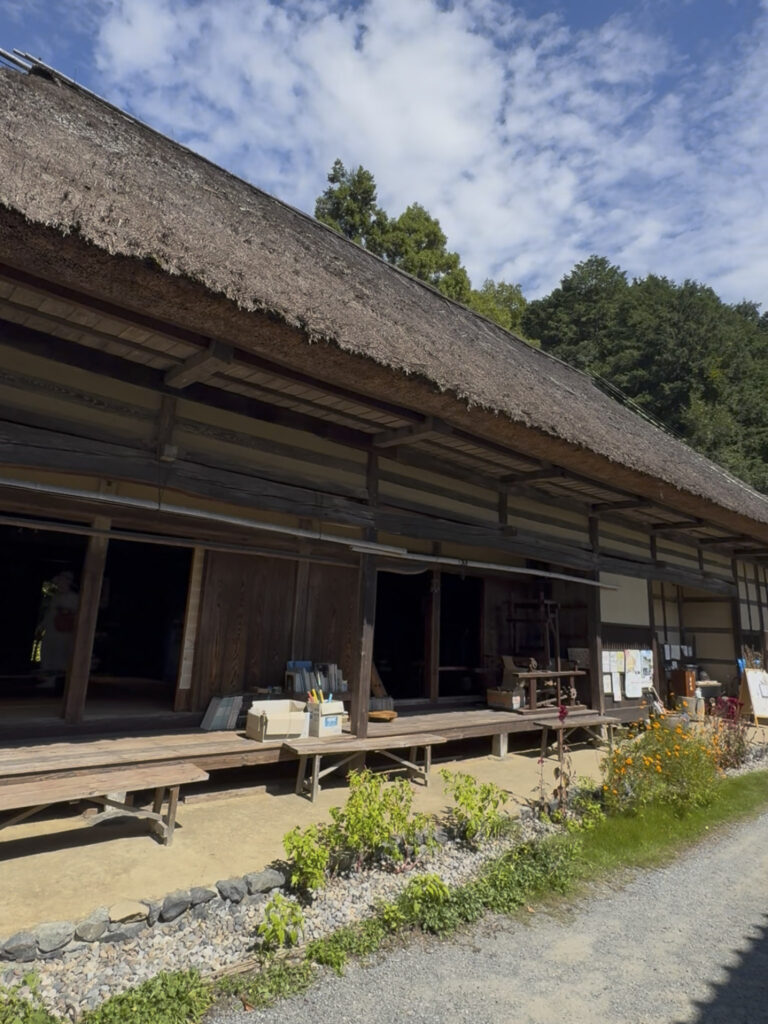
For travelers interested in Japanese history beyond temples and castles, this residence offers a rare opportunity to encounter the Edo period (1603-1868) from the perspective of the people who sustained it. While the period is often associated with samurai rule, it was farming households who cultivated rice and produce that underpinned the central economy. Built in 1721, the Yoshida Family Residence is the oldest privately owned house in the prefecture and has been designated a National Important Cultural Property. Set in a quiet rural environment, the residence preserves the scale and layout of a prosperous farming home, making it an ideal stop for visitors who want to understand how ordinary Japanese people lived and labored three centuries ago.
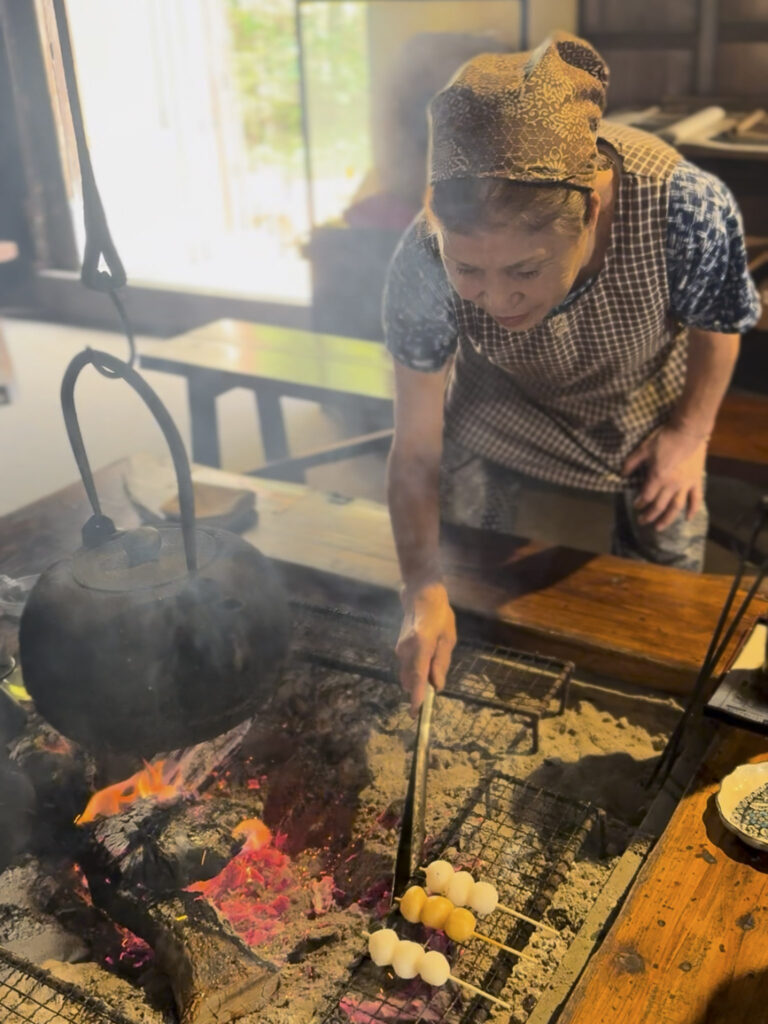
Unlike many historic homes, the Yoshida Family Residence is not simply for viewing. Visitors can reserve the tatami rooms (10 or 12.5 mats) or the large wooden-floored hall with a functioning irori hearth for workshops, meetings, private gatherings, or small receptions. Meals featuring traditional countryside cooking can be arranged in advance, tailored to individual budgets. Popular offerings include, charcoal-grilled dumplings, konnyaku with homemade dengaku miso, charcoal-grilled yakitori chicken skewers, bamboo-warmed kappo-zake wine heated at the hearth, and carefully prepared soba using domestically sourced buckwheat. Reservations for meals must be made at least two weeks in advance.
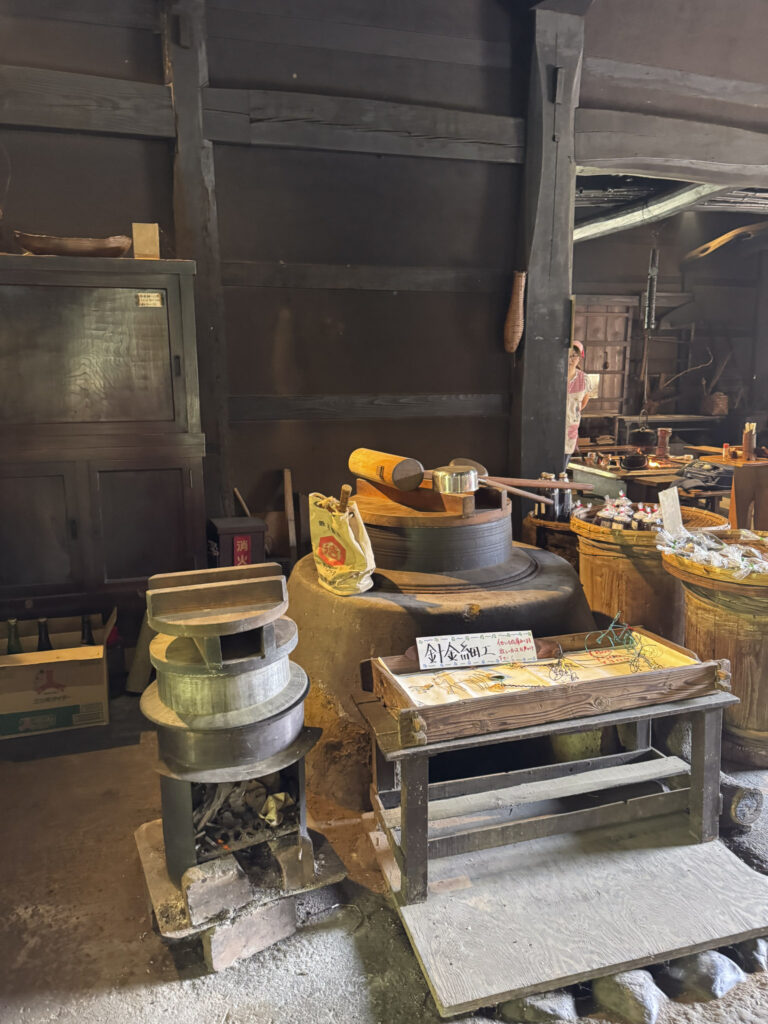
The residence is a large irimoya-zukuri house with a thatched roof, built in the classic “three-bay hall” style typical of the Edo period. Visitors will notice the clear separation of spaces: tatami rooms at the rear for formal use, a wide wooden-floored area centered on the hearth for daily life, and an earthen-floored workspace containing a traditional stove, bath area, and kitchen facilities. Part of the doma once served as a stable, while paper-making took place near the southern windows.
Expect an atmospheric hands-on experience rather than a conventional museum visit. You may smell wood smoke from the hearth, sit where meals were once shared, and move through rooms shaped by function rather than display. The residence has served as a filming location for historical dramas, but its greatest appeal lies in its quiet realism. For travelers seeking depth, the Yoshida Family Residence offers a rewarding window into rural Japan’s past.

©Toshiko Sakurai

Phone number
+81-493-72-1221 ( Ogawa Town Tourism Association )
Business hours
10:00 a.m. – 4:30 p.m. / Closed: Year-end and New Year holidays; Mondays/Tuesdays (and the following day if it is a public holiday)