

Greater Tokyo

TOKYO

Edo Castle Ruins

Walk Through the Heart of Japan's Feudal Power at the Imperial Palace East Gardens

Explore the remnants of Japan's largest castle fortress, where towering stone walls and historic gates reveal the grandeur of the Tokugawa shogunate's political center.
Experience & Activities Nature & Views

Step back in time to when Edo Castle stood as the mighty seat of Japan's feudal power.

First built in 1457 by samurai Ōta Dōkan, Edo Castle became home to the powerful Tokugawa shoguns for 260 years, serving as Japan's political epicenter. Today, the Imperial Palace East Gardens preserve the ruins of what was once the nation's largest castle complex, offering visitors a fascinating glimpse into Japan's feudal past.
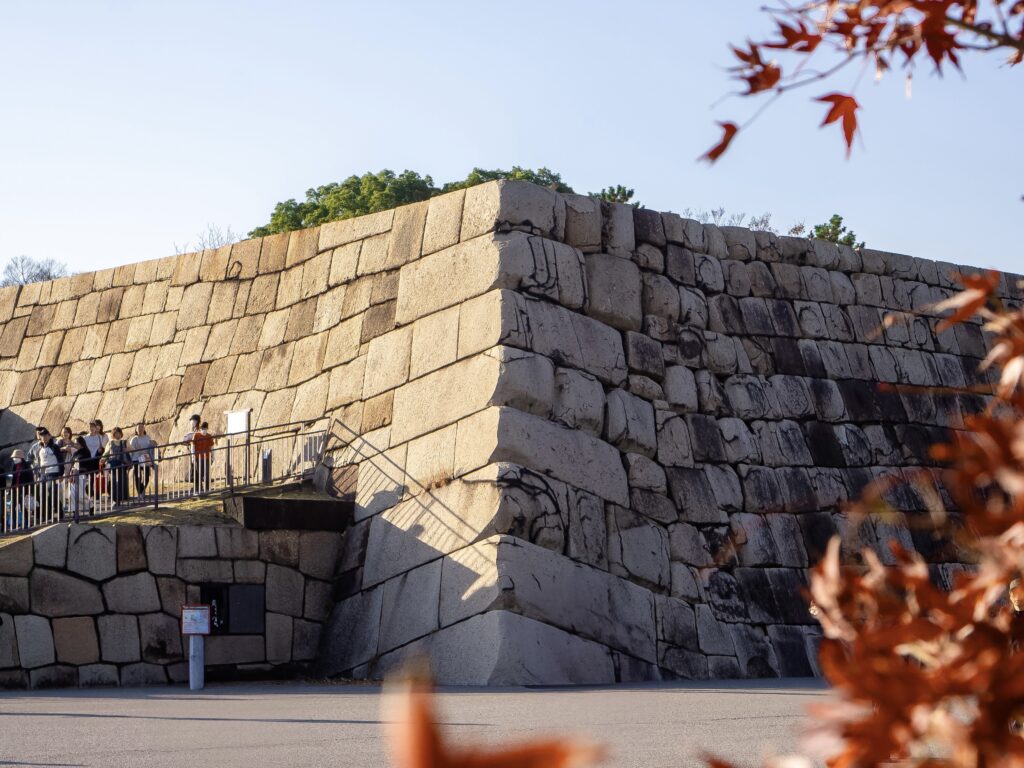
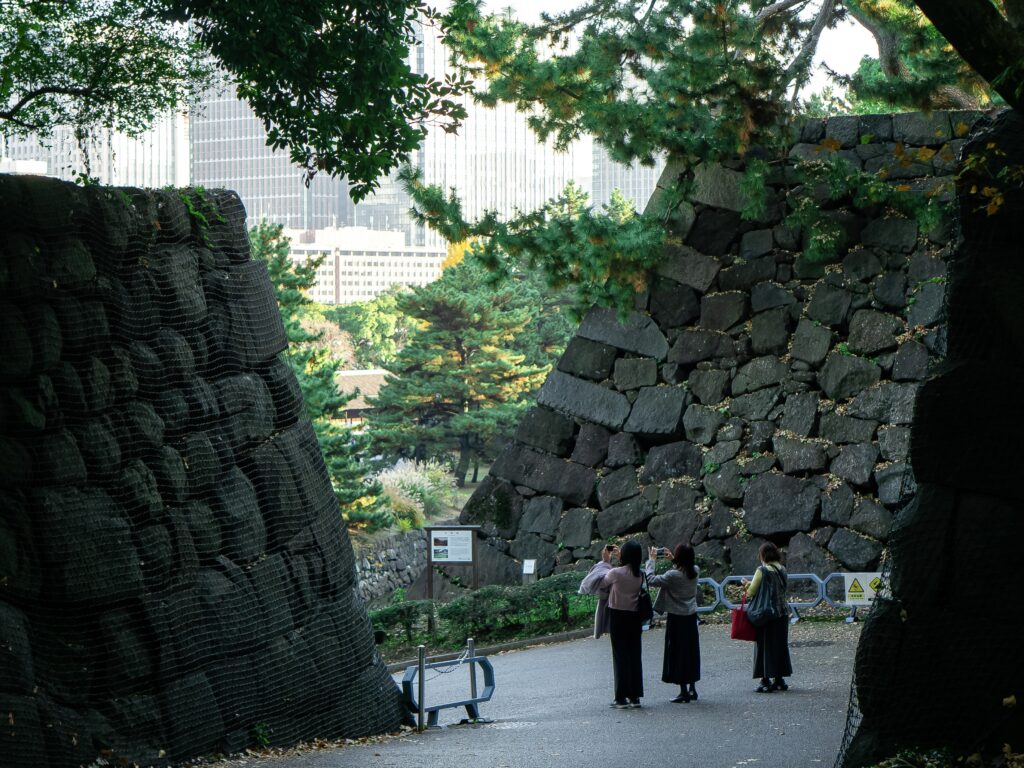
Begin your journey at Ote-mon Gate, the castle's original main entrance. As you ascend through the grounds, the defensive genius becomes clear: massive stone walls tower above carefully designed pathways that once channeled potential invaders. Historic guardhouses still stand where samurai warriors once protected the fortress, with lower-ranked soldiers stationed near the base and elite warriors positioned higher up.
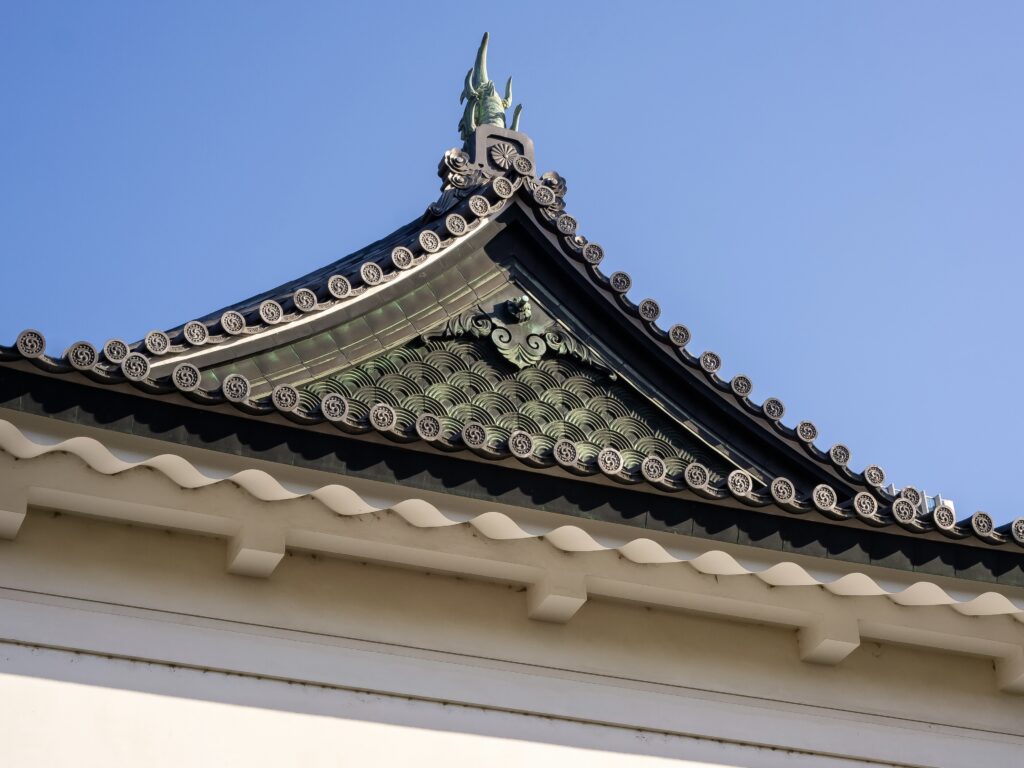
While the main castle tower sadly burned down in 1657, the sheer scale of this fortress remains impressive. At its height, the inner compound stretched approximately eight kilometers in circumference, with outer defenses extending to approximately sixteen kilometers—so vast that today's Tokyo Station and Marunouchi District were once part of the castle grounds. The Fujimi-yagura watchtower, built in 1659, stands as one of the few remaining original structures.
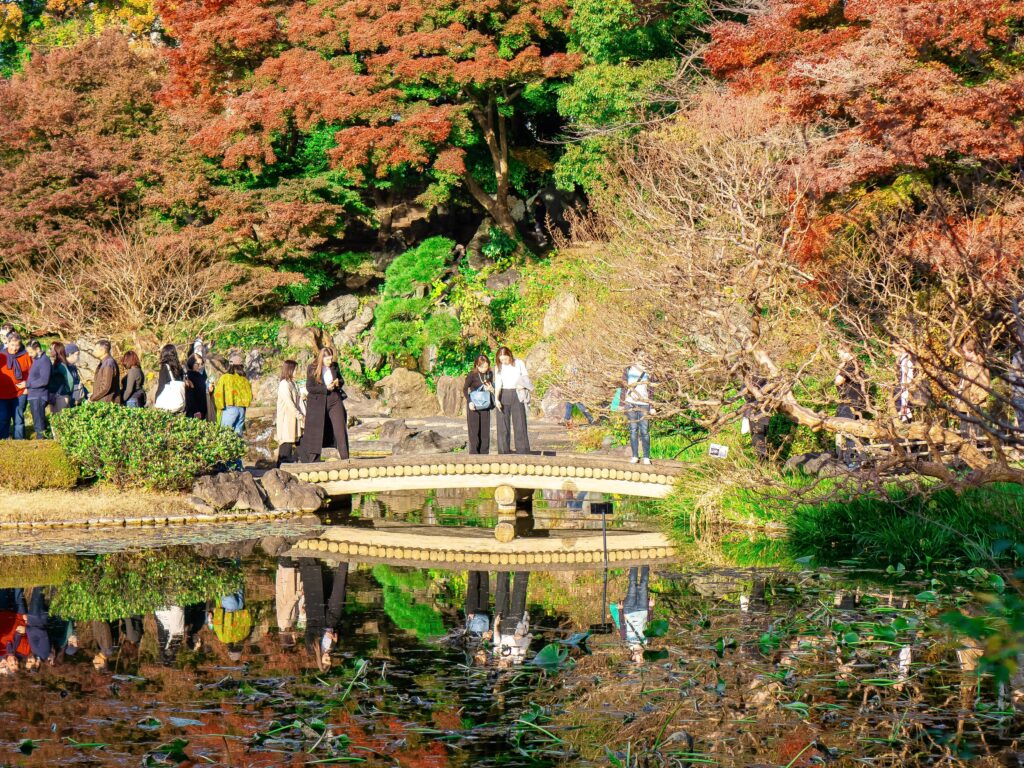
Meanwhile, the gardens offer beauty year-round, with autumn transforming the grounds into something especially magical. Don't miss Ninomaru Garden, renowned for seasonal landscapes from spring azaleas to November's vivid red and gold foliage.
The castle ruins are easily accessible, with the three main entrances all within five to fifteen minutes' walk from nearby stations. These include Otemachi, Takebashi, Nijubashi-mae, and Tokyo Station's Marunouchi North Exit. Note that while the entry to the East Gardens is free, certain palace areas require advance reservations.
There is something for everyone at the Edo Castle Ruins: not only samurai history and architecture, but also Japanese gardens. What began as a medieval fortress and evolved into the center of Tokugawa power now stands as a serene public space where history comes alive through stone, structure, and natural beauty.

©Maria Peñascal
Phone number
+81-3-3213-1111
Business hours
The opening hours of the East Gardens of the Imperial Palace vary by season. For details on opening hours and closing days, please check the Imperial Household Agency visitor information: https://www.kunaicho.go.jp/visit/higashigyoen/index.html (Japanese only)