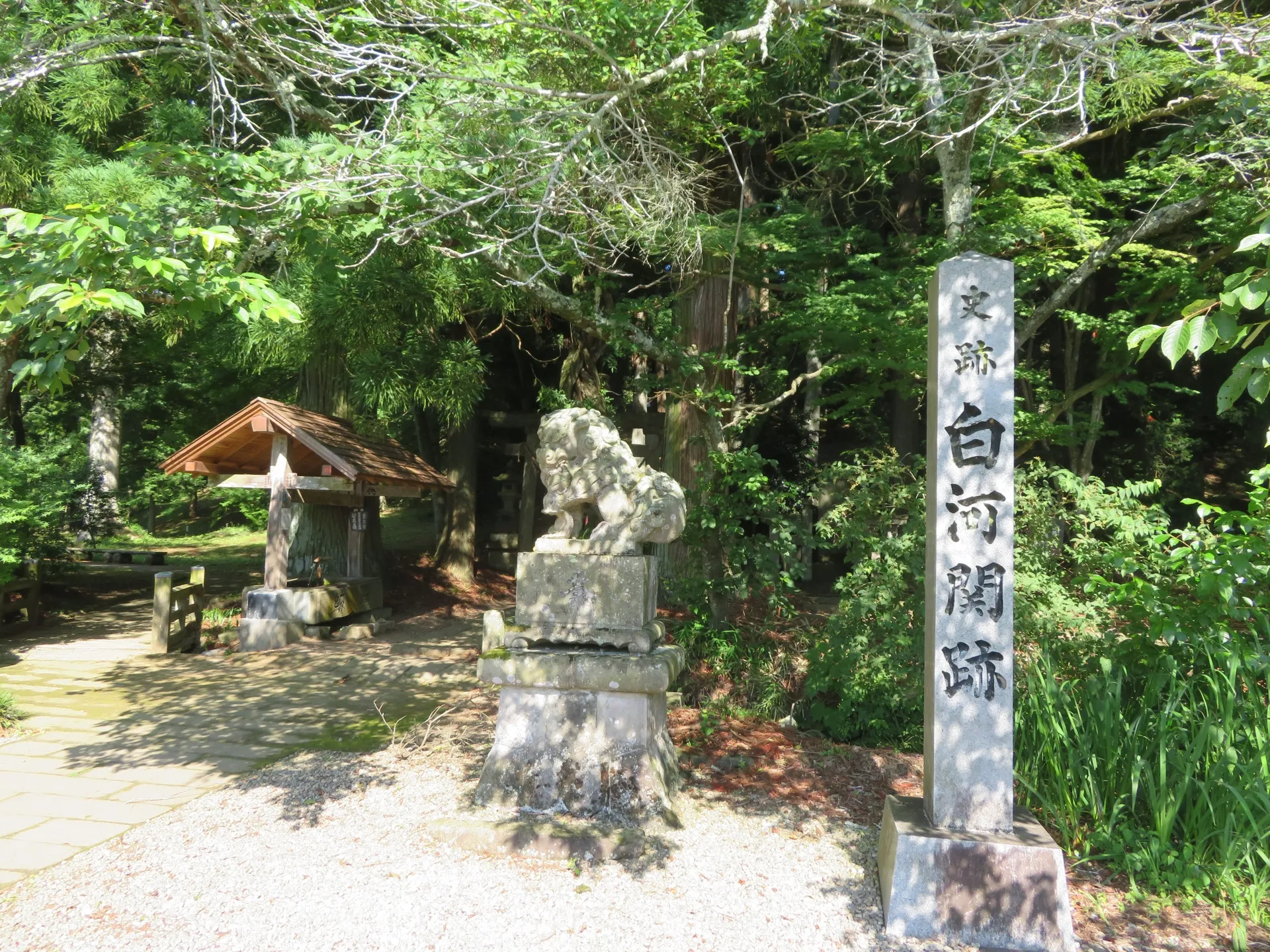


Greater Tokyo

Discover the Edo Shogun roads
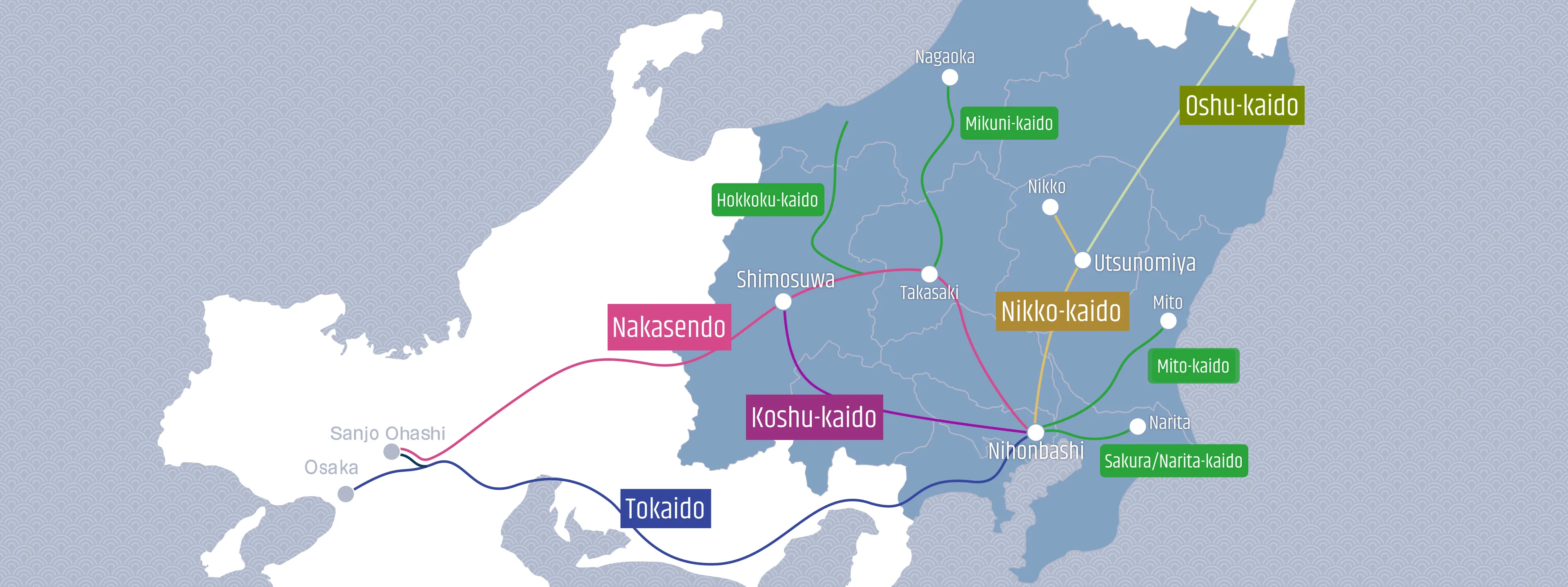
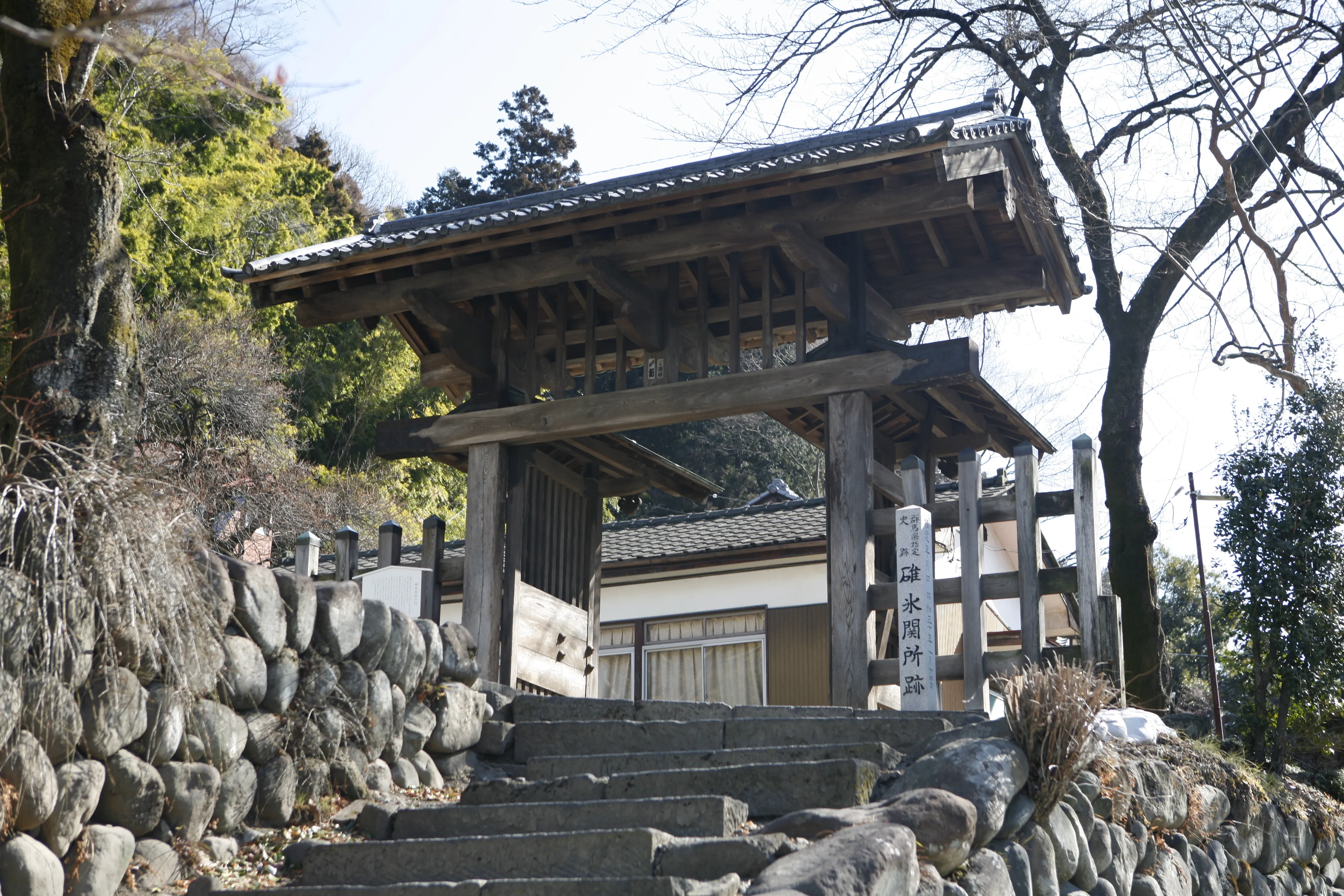
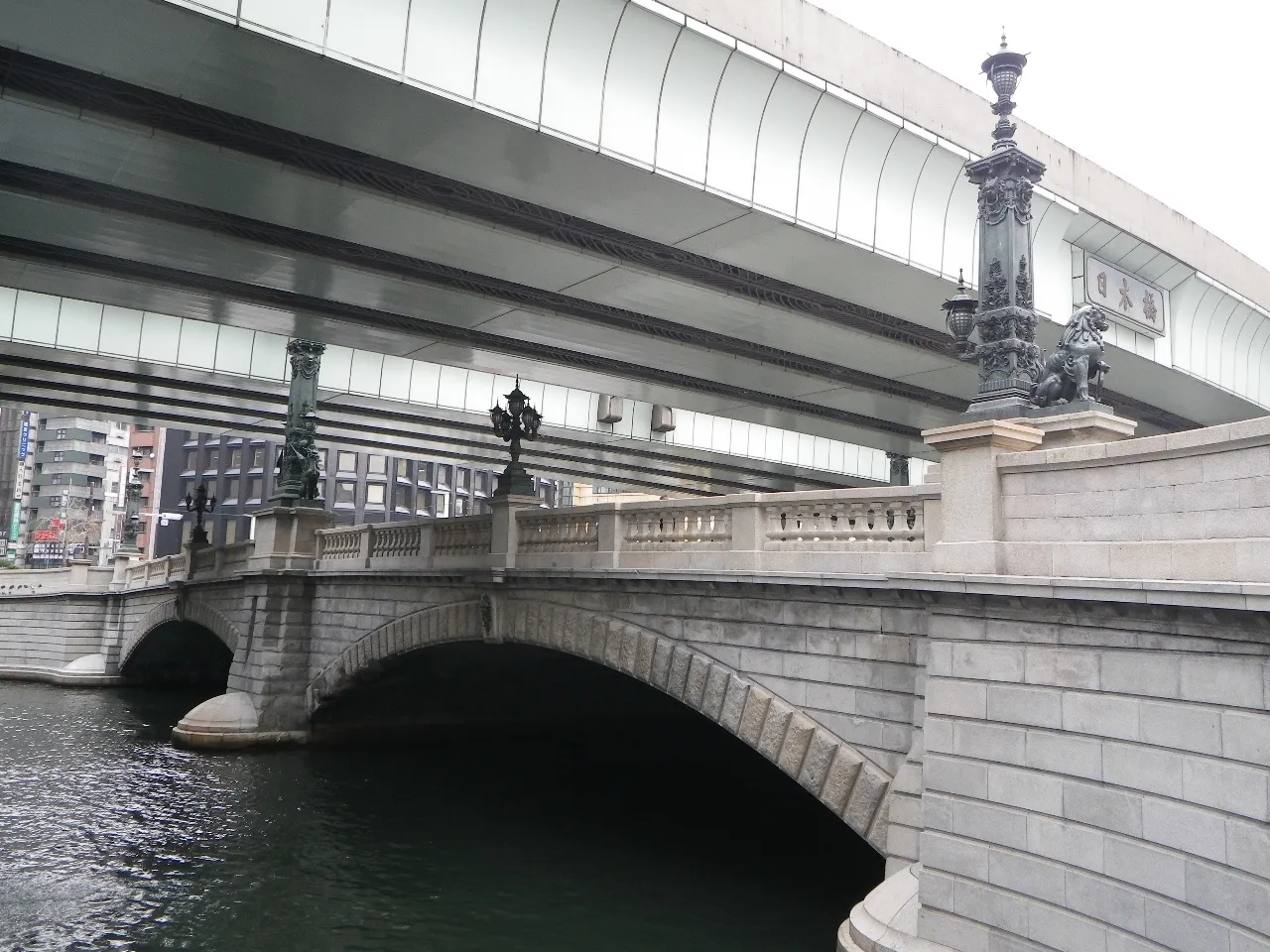
Did the Edo shoguns govern the country not through castles, but through roads? A key to answering this question lies in the Edo Shogun Roads (Edo Kaido), a network of highways developed during the Edo period. Radiating outward from Edo (present-day Tokyo), this major road system was established under the leadership of Tokugawa Ieyasu, the first shogun of the Tokugawa shogunate, as a transportation framework linking Edo with regional domains across Japan. All routes began at Nihonbashi, the official starting point of the road system at the time. At the core of this network were five major highways, including the Tokaido and the Nakasendo, which, together with branch routes such as the Mito Kaido and the Narita Kaido, formed the foundation of transportation in the period. The total length of this road system is estimated to have reached about 7,000 kilometers (about 4,350 miles), consisting of about 1,575 kilometers (around 979 miles) for the Five Major Roads and roughly 3,500 kilometers (about 2,175 miles) for the principal branch routes. Along these roads, shukuba (post towns providing rest and lodging for travelers) and sekisho (inspection checkpoints that regulated traffic) were established, supporting governance, official movement, and the system of sankin kotai, which required daimyo to alternate their residence between Edo and their home domains. Many of these historic roads later became the basis for modern national highways and continue to offer important insights into Japan’s regional history and culture today. Their practical use can still be glimpsed in the remains of post towns and checkpoint sites that survive along the old routes. From these traces, it is possible to sense how the roads functioned as political and logistical arteries linking Edo with the domains, and how travelers moved from one post town to the next, resting, eating, and staying overnight as they continued their journeys along the highways of the period.
Tokaido
スポット画像
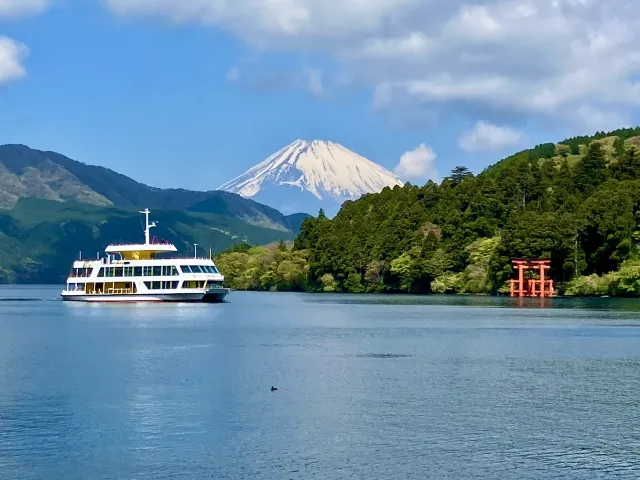
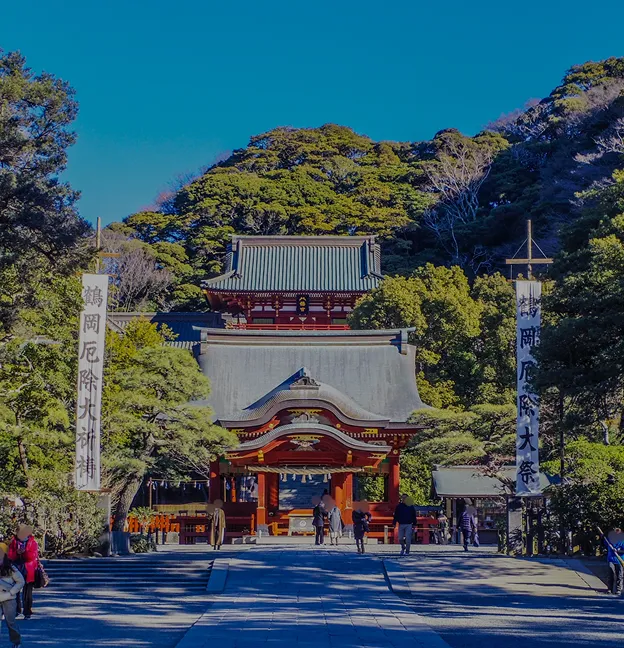
Among these the Edo Shogun roads, the Tokaido was one of the Five roads established in the Edo period, linking Edo’s Nihonbashi and Sanjo Ohashi in Kyoto over a distance of about 495 kilometers (about 307 miles). Along this road, 53 shukuba were established, and it functioned as a major transportation route along the Pacific coast of Honshu, connecting Edo and Kyoto. After Tokugawa Ieyasu moved his base to Edo in 1590, the denma-sei (official horse and porter system) was put in place in 1601, and a system of post towns and relays of horses and porters was developed. This created a framework that supported official travel and the transport of goods. In addition, ichirizuka (earthen mounds built along the road as distance markers) were placed at intervals of one ri, about 3.9 kilometers (about 2.4 miles), allowing travelers to measure their progress and understand the distance as they moved along the road. The Tokaido ran through what are now Tokyo and Kanagawa Prefecture, then crossed the Tokai region, including Shizuoka and Aichi, and passed through Mie and Shiga on its way to Kyoto. Between Miya-juku and Kuwana-juku, there was a sea route known as “Shichiri no Watashi,” which supplemented transportation in the area where the three great rivers—Kiso, Nagara, and Ibi—flow into the sea.
スポット画像
Within present-day Kanagawa Prefecture, nine post towns were located between Kawasaki-juku and Hakone-juku, making this stretch an especially important transportation corridor. Travelers could enjoy coastal views as they moved along, and west of Odawara the road entered the rugged terrain of the Hakone mountains. Hakone Toge (Hakone Pass) was known as one of the main obstacles on the Tokaido, with a sekisho that strictly controlled traffic, and many travel accounts from the time describe crossing this pass. The experience of traveling along the Tokaido became widely known through cultural works including Utagawa Hiroshige’s woodblock print series The Fifty-Three Stations of the Tokaido and Jippensha Ikku’s comic travel novel Tokaidochu Hizakurige. Even today, the route of the old Tokaido has been inherited by National Route 1, the Tokaido Main Line railway, and the Tokaido Shinkansen, continuing to function as a major transportation axis linking eastern and western Japan.

Nakasendo

スポット画像
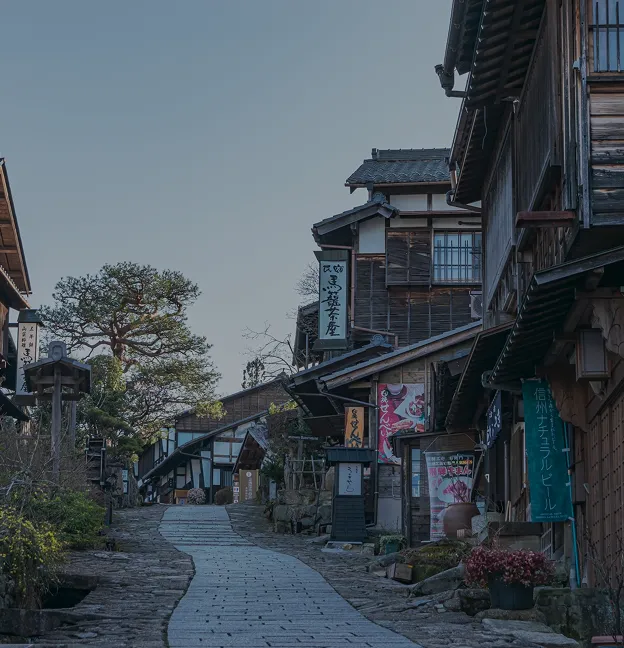
Separate from the Tokaido, the Nakasendo was a major road that linked Edo and Kyoto through inland regions, avoiding the coastal route. During the Edo period, travelers moved along this road at a measured pace, passing through landscapes of mountains, forests, and highland terrain. The Nakasendo began at Edo’s Nihonbashi and continued to Sanjo Ohashi in Kyoto, covering a total distance of about 526 kilometers (about 327 miles). Along the route, 69 shukuba were established, providing travelers with food, lodging, and other essential services. Because the Nakasendo followed an inland course, it crossed extensive mountainous areas and was longer in total distance than the Tokaido. Leaving Edo and traveling across the plains, travelers gradually entered the mountainous regions of what are now Saitama, Gunma, and Nagano prefectures. As elevation increased, the road became narrower and more rugged, turning into a succession of mountain passes. At Oiwake-juku in present-day Karuizawa, Nagano Prefecture, the Hokkoku Kaido branched off to the north, and travelers heading toward Zenko-ji Temple or the Niigata region parted ways there. The Nakasendo included many difficult sections, particularly in areas such as the Kiso Valley, making travel physically demanding.
スポット画像
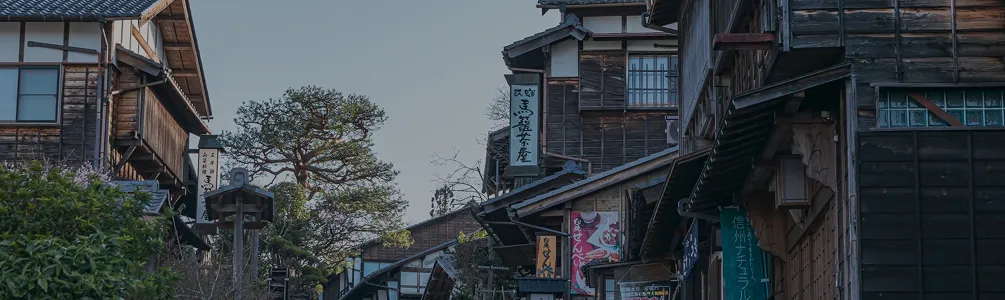
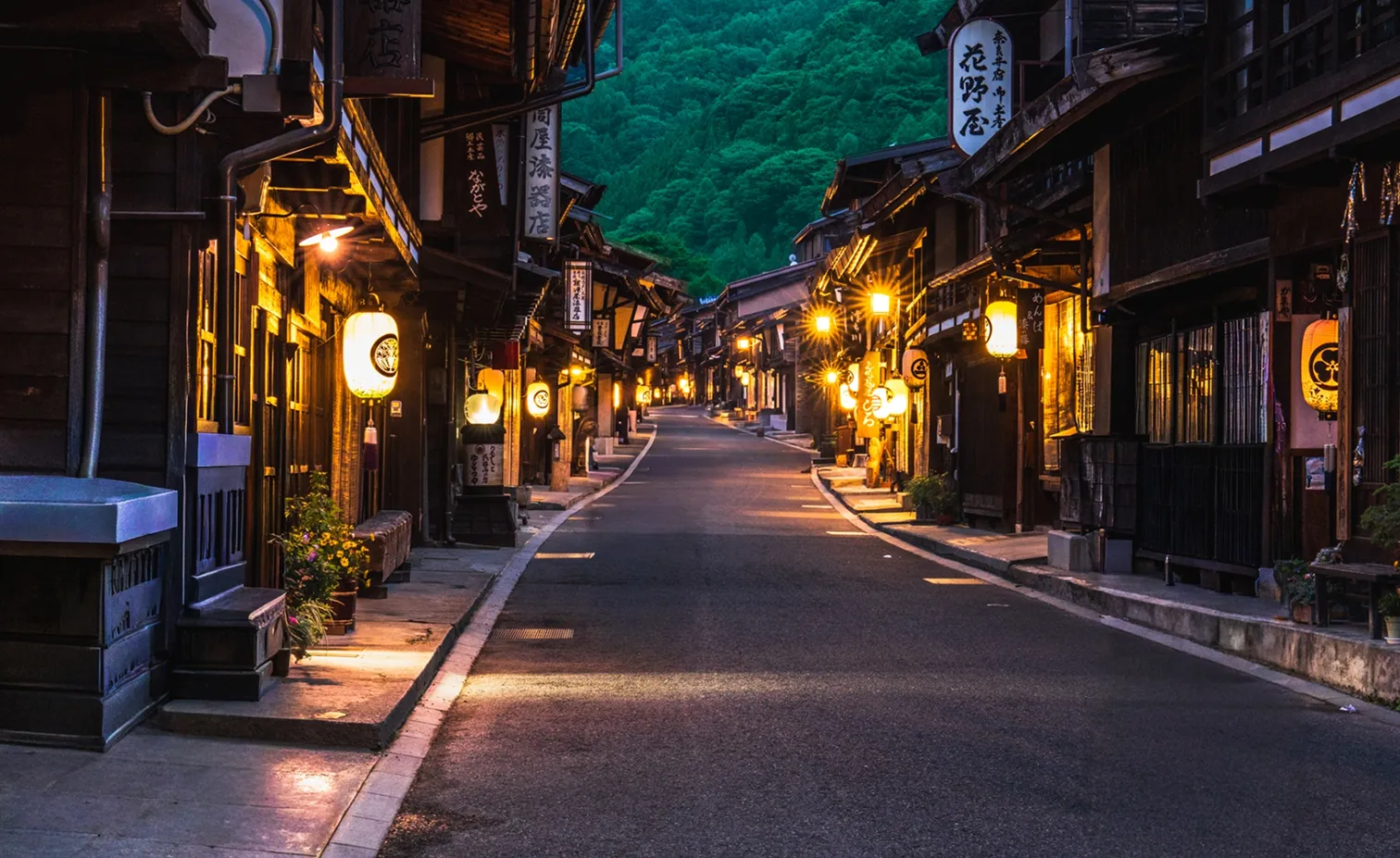
However, because the route involved relatively few crossings of large rivers, it was often used during seasons when flooding made the Tokaido difficult to traverse. As travelers approached the shukuba, rows of white-walled buildings and wooden inns came into view, and the road grew lively with people on foot and packhorses carrying goods. Today, historic post towns such as Narai-juku, Unno-juku, Tsumago-juku, and Magome-juku still preserve townscapes that strongly evoke the atmosphere of the Edo period. Ichirizuka (distance markers) and guideposts remain along parts of the road, and walking the Nakasendo today allows visitors to experience the overlap of past and present landscapes. One of the best-known processions to use this road was the Ocha-tsubo dochu, in which jars of Uji tea were transported from Kyoto to Edo as offerings to the shogunate, with historical records confirming that part of the journey followed the Nakasendo. The road was also used when Princess Kazunomiya Chikako, a daughter of Emperor Ninkō, traveled from Kyoto to Edo for her marriage to Tokugawa Iemochi, the 14th shogun of the Edo shogunate. In recent years, the Nakasendo has sometimes been introduced overseas as the “Samurai Road,” but this is a modern tourism label rather than a historical term. Even so, the regions along the Nakasendo and the Hokkoku Kaido preserve numerous traces of early modern Japan’s travel culture, economy, and religious life, leaving a strong impression on visitors today.

Koshu kaido

スポット画像
Furthermore, the Koshu Kaido was an inland highway measuring about 220 kilometers (about 137 miles) that began at Edo’s Nihonbashi and passed through Naito Shinjuku, Hino, and Hachioji. Along the route, 45 shukuba were established to provide lodging, meals, and various services for travelers. The road crossed mountainous terrain including Kobotoke Pass, continued through Kofu, and eventually joined the Nakasendo at Shimosuwa. The Koshu Kaido is thought to have been developed originally for military and defensive purposes, linking Edo Castle with Kofu Castle, and some historical studies suggest that it was also envisioned as a potential evacuation route for the shogun in times of emergency. From the mid-Edo period onward, the road evolved into an important logistics corridor, transporting silk textiles and agricultural products produced in Kai Province to Edo. As travel by commoners increased, religious journeys—such as pilgrimages associated with Mount Fuji worship and visits to Mount Minobu—further stimulated movement along the route.
スポット画像
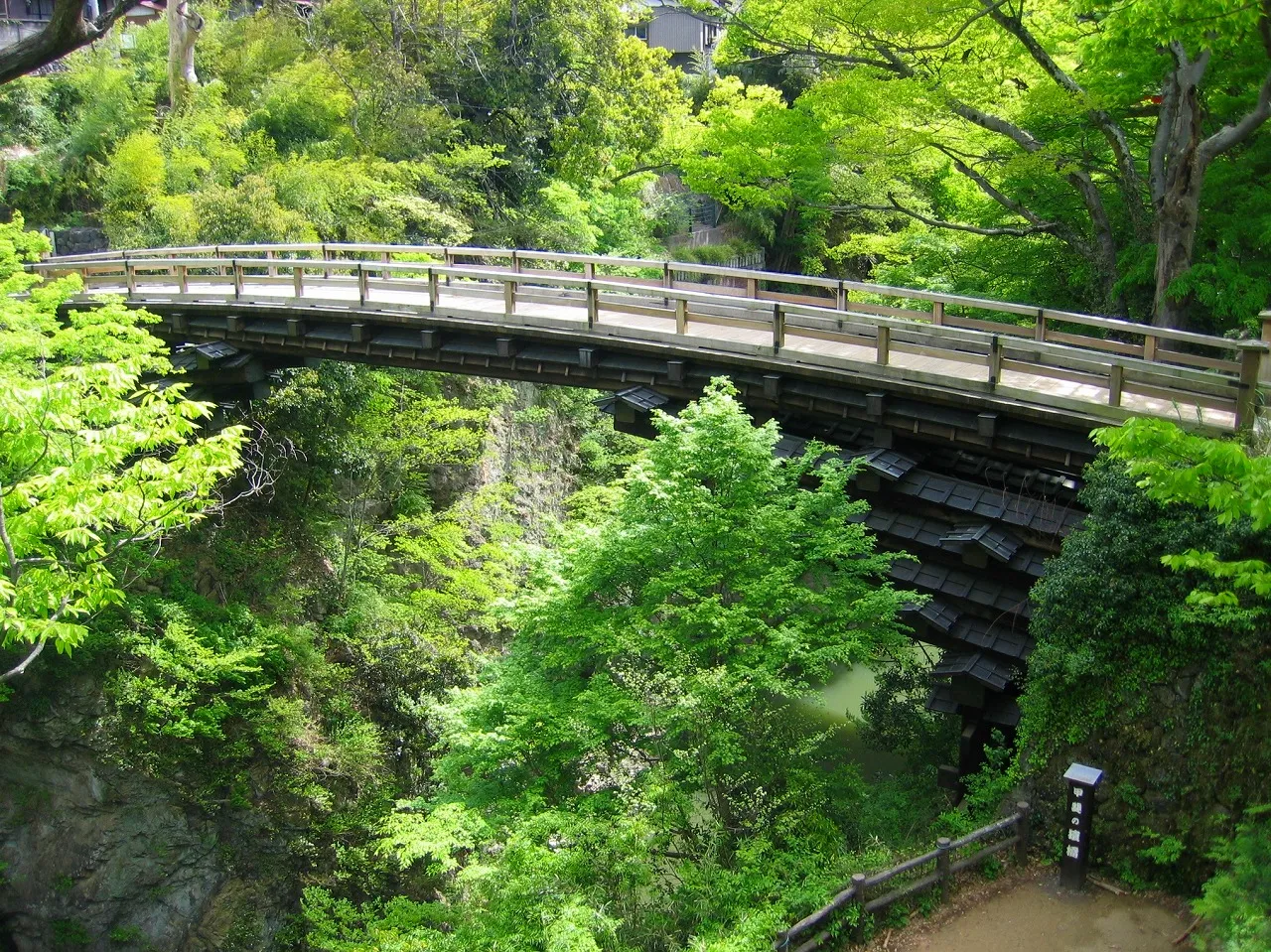
The shukuba developed honjin (official inns used by daimyo and other high-ranking officials) as well as hatagoya (inns for ordinary travelers), becoming key centers for transportation, religious activity, and commerce. The route included steep and challenging sections such as Kobotoke Pass and Sasago Pass, yet it also offered rich and varied natural scenery, including expansive views over the Kofu Basin, the valleys of the Katsura River, and the distinctive rock formations near Saruhashi Bridge. Remains of Edo-period honjin buildings and former post towns still survive along the route, preserving tangible traces of Edo-period travel culture. It is also said that Katsushika Hokusai sketched views of Mount Fuji from the area around Inume Pass for his series Thirty-Six Views of Mount Fuji, and the landscapes along the Koshu Kaido were widely appreciated as subjects of ukiyo-e prints. Today, much of the former route is followed by National Route 20, and the Koshu Kaido continues to be enjoyed as a historic road for walking, sightseeing, and exploring local history.

Main post towns of the Koshu kaido

Click to see the location on the map.

Nikko kaido

スポット画像
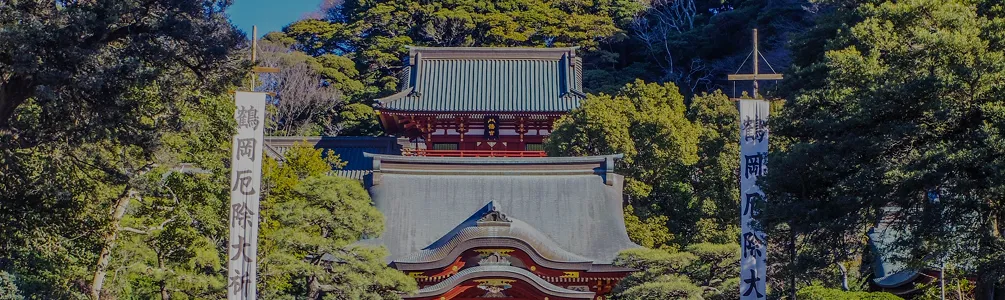
Among the Edo Shogun roads, the Nikko Kaido was a major official road of the Edo period, running about 130 kilometers (about 80 miles) from Edo’s Nihonbashi to Nikko Toshogu. Its official name in shogunate records was Nikko Dochu. The road was developed as the formal route for visits to the shrine that enshrines Tokugawa Ieyasu, and it was used by successive shoguns and daimyo for official shrine pilgrimages. Along the route, 21 shukuba were established to support travelers. From Edo to Utsunomiya, the Nikko Kaido followed the same course as the Oshu Kaido, making this shared section especially busy with sankin kotai processions. North of Utsunomiya, new sections of road were added to older routes, forming the course that leads toward present-day Nikko. Parallel to the Nikko Kaido, the Nikko Onari Kaido was developed as a special branch road for the shogun’s official visits to Nikko Toshogu. Used by the Tokugawa shoguns on ceremonial journeys, it covered a relatively short distance of about 48 kilometers (around 30 miles), running from Edo to its junction with the Nikko Kaido at Satte. The route passed through Iwatsuki, where Iwatsuki Castle (in present-day Saitama) served as a strategic base supporting arrangements for the shogun’s lodging and security. Although limited in length, the Nikko Onari Kaido functioned as a distinctive route that symbolized the authority and presence of the shogunate, evoking the image of a road reserved exclusively for the shogun himself.
スポット画像
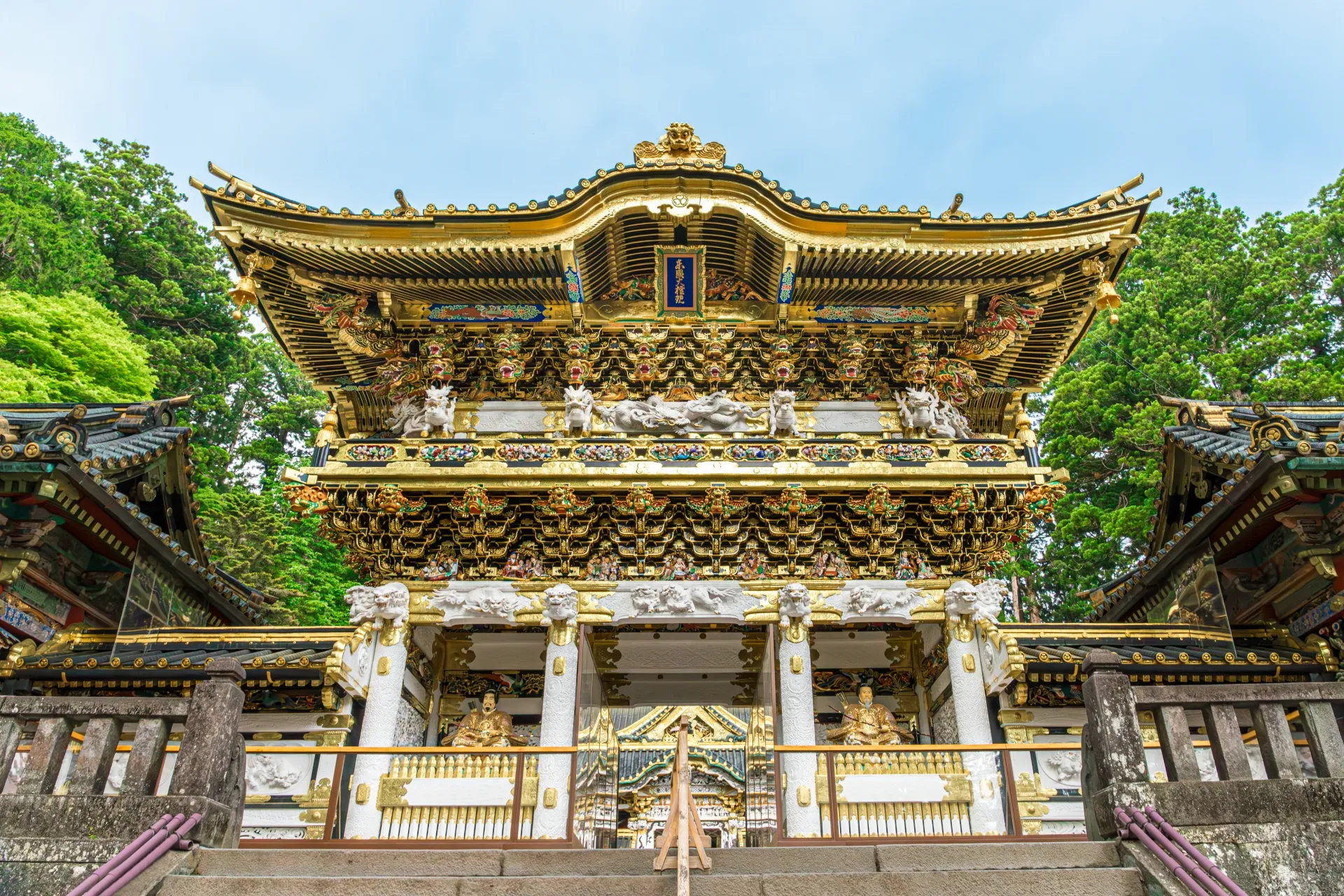
Tree planting was carried out along the Nikko Kaido, and the Nikko Cedar Avenue, stretching from Tokujiro-juku to Imaichi-juku, remains a powerful symbol of Edo-period scenery. The long, straight rows of cedar trees provided shade and a sense of formality for official processions and pilgrims, and today they are recognized as one of Japan’s most iconic historic landscapes. The greatest obstacle along the route was the Tone River, a major waterway. For defensive and administrative reasons related to the protection of Edo, no bridge was built across the river on this road, and travelers were required to cross by boat. Among the shukuba, Utsunomiya-juku, located at the point where the Nikko Kaido diverged from the Oshu Kaido, prospered as a castle town and key transportation hub, a role it continues to play today as the prefectural capital of Tochigi. At the northern end of the road, Nikko Toshogu stands amid rich natural surroundings and is renowned for its ornate shrine buildings, drawing worshippers from across Japan and abroad. The Nikko Kaido is also associated with places mentioned in Matsuo Basho’s travel diary Oku no Hosomichi, and stone monuments inscribed with his haiku add to the atmosphere of travel along the route. In modern times, much of the role of the old Nikko Kaido has been taken over by National Routes 4 and 119, while the former road continues to be enjoyed as a route for visiting historic sites and exploring local culture.

Main post towns of the Nikko kaido

Click to see the location on the map.

Oshu kaido

スポット画像
The Oshu Kaido was a major inland road linking Edo with the Tohoku region and was one of the Five roads developed during the Edo period. Officially known as Oshu Dochu, it began at Edo’s Nihonbashi and extended north to Mutsu Shirakawa over a distance of about 190 kilometers (about 118 miles), with around 27 shukuba established along the route. Up to Utsunomiya, the road followed the same course as the Nikko Kaido, and because many post towns were shared, this section was especially busy with sankin kotai processions. From Utsunomiya north to Shirakawa, the Oshu Kaido continued as an independent route for about 84 kilometers (about 52 miles). Shirakawa was long regarded as a gateway to northern Japan, and beyond this point several routes extending deeper into the Tohoku region were used during the Edo period; in a broader sense, these routes are also considered part of the Oshu Kaido. Through these connections, the Oshu Kaido formed an important transportation network linking Edo with major regions in northern Japan. The origins of the Oshu Kaido are thought to trace back to ancient roads that existed before the medieval period.
スポット画像
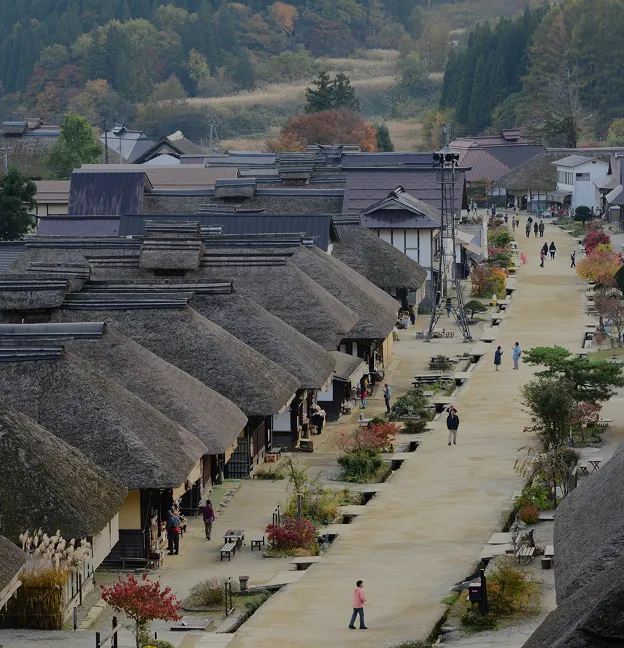
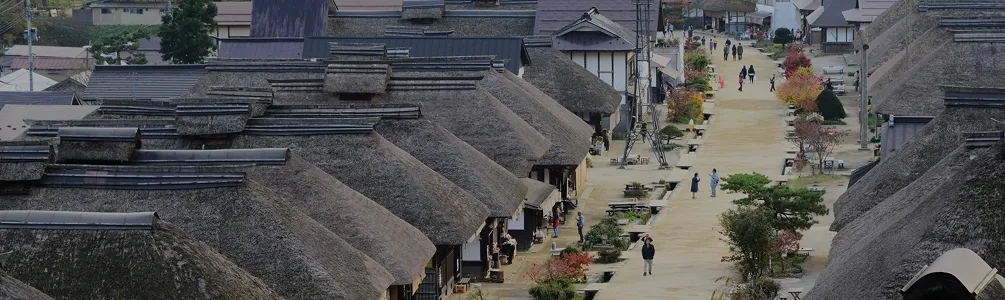
During the Edo era, it played a vital role in political administration, military communication, and the transport of goods, functioning as a main artery between Edo and the Tohoku domains. In the mid-Edo period, traffic increased with the development of Ezo (present-day Hokkaido), and in the late Edo period the road gained strategic importance as Japan strengthened its defenses in the north. Today, much of the former route of the Oshu Kaido is followed by National Route 4, one of Japan’s principal arterial roads connecting the Kanto and Tohoku regions. Along the route, sections of the old road, ichirizuka (distance markers), and remains of post towns can still be found, preserving traces of Edo-period travel culture. In addition, a related mountain route known as the Nakaoku Kaido linked inland areas such as Aizu with Edo, and places like Ouchi-juku continue to preserve the appearance of an Edo-period post town. Together, these landscapes offer valuable insight into how people, goods, and authority moved between Edo and northern Japan.