
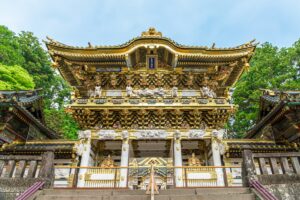
Reconnecting to the “Roots” of the Tokaido
Stretched across a distance of 495 kilometres (307 miles), the Tokaido was one of the Five Routes developed during the Edo period, connecting Nihombashi in Edo (present-day Tokyo) to Sanjo Ohashi in Kyoto. 53 post towns were established along the Pacific Coast of Honshu to form the region’s main transportation artery. Following Tokugawa Ieyasu’s change of political base to Edo in 1590, the shogunate established a publication, transportation and communications system in 1601. To ensure efficient travel and logistics, horses and porters relayed officials, documents, and goods from one post town to the next. Travelers kept track of their journey through distance markers at regular intervals along the route. The Tokaido runs through the areas now known as Tokyo and Kanagawa. Between Miya-juku and Kuwana-juku post towns, transportation was supplemented by a sea route known as Shichiri no Watashi, which crossed the estuary where the Kiso, Nagara, and Ibi rivers flow into the sea. In present-day Kanagawa Prefecture, nine post towns were located between Kawasaki-juku and Hakone-juku, making this section an especially busy and important transportation corridor. Travelers could enjoy coastal scenery along the way, before entering the rugged mountains of Hakone, west of Odawara. As a former resident of Tochigi Prefecture and current resident of Tokyo, there is no better way to deepen my understanding of the Kanto region I call home than to travel along sections of the Tokaido. So, I decided to undertake a journey over three days. I mentally placed myself in the steps of my ancestors, reimagining the story from Nihombashi to Hakone through curious and modern eyes.
Day 1, Monday Morning at Nihombashi Bridge
On Day 1 of my Tokaido trip, I departed solo on a Monday morning from JR Tokyo Station and headed towards Nihombashi in Tokyo’s Chuo Ward. I used to go to work meetings in Nihombashi, but this time, I focused on wandering and learning about the surrounding neighbourhoods during my leisurely 15-minute walk on a sunny day.
The original Nihombashi bridge was made of wood and rebuilt many times, but the present structure, a Renaissance-style stone bridge with two arches, dates from 1911.
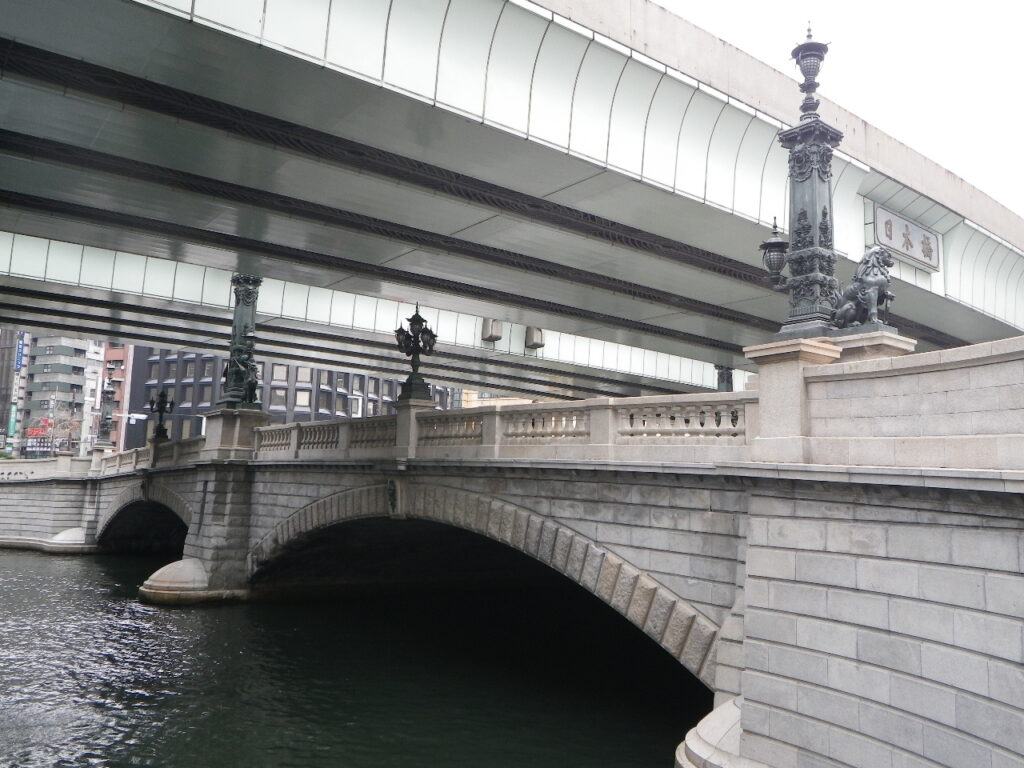
© Tokyo National Highway Office, Kanto Regional Development Bureau, Ministry of Land, Infrastructure, Transport and Tourism
I stood in the middle of the bridge, admiring my foothold between the old and the new.
During the Edo period, this bridge was one of the starting points of the Five Routes, making the area the central hub of travel and transportation across the country. The bridge spans the Nihombashi River and once stood at the heart of Edo’s commercial district. Today, the bridge is similarly surrounded by tall buildings and bustling office workers.
Before heading to my next destination in the afternoon, I explored the surrounding area on foot and topped off my morning in Ningyocho for a bowl of traditional Ningyocho Udon at Taniya.
Day 1, Monday Afternoon at Shinagawa Shrine
After my ebi-ten udon lunch, I hopped on the Asakusa Line Metro and then made my way to Shinagawa Shrine to end Day 1 of the route.
I tend to enjoy going to shrines at the beginning of a week or a month, which was fitting for that Monday. I associate the visit with new beginnings, which in all likelihood stems from my traditional Japanese upbringing — a non-negotiable shrine visit for Hatsumoude, to mark the start of the new year.
Shinagawa Shrine, located in Tokyo’s Shinagawa Ward, is a historic Shinto shrine founded by Minamoto no Yoritomo in the late Heian period. It is also associated with Tokugawa Ieyasu, who supposedly prayed here for victory in battle. The shrine has long been cherished by the local community and continues to attract visitors today.
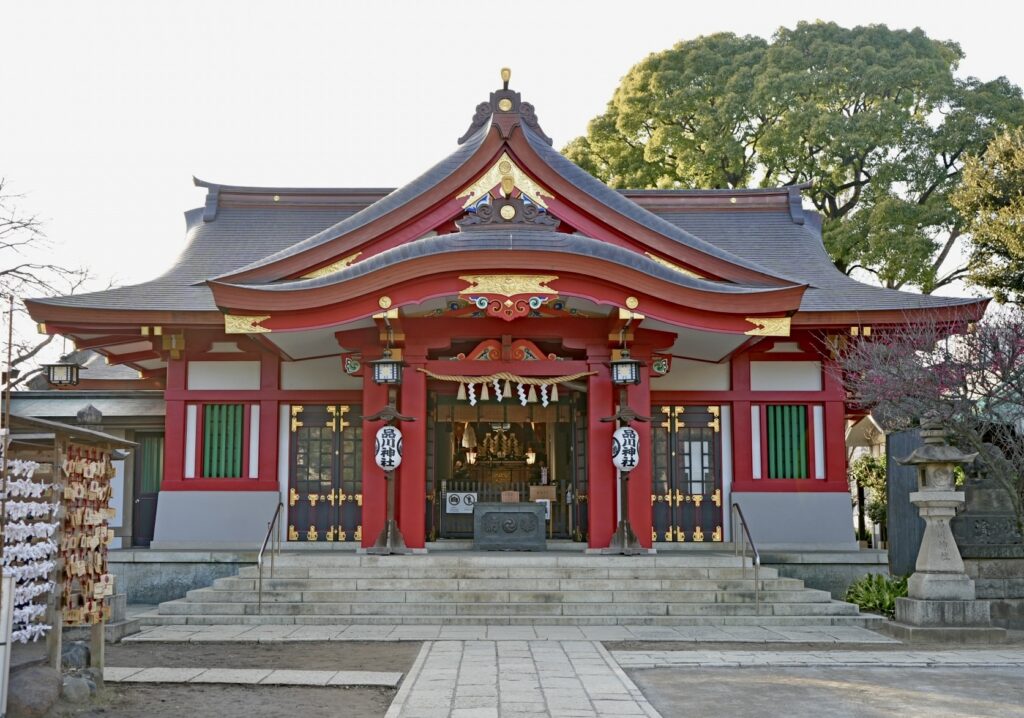
After passing under the bright red torii gates, I snapped a photo to send to my parents in Tochigi.
Within the shrine grounds, visitors worship deities associated with maritime safety and the fulfillment of prayers. During festivals, the shrine’s kagura hall hosts ritual performances, which are designated as an Intangible Folk Cultural Property of Tokyo.
I ended the afternoon climbing a small Fuji mound to take in the views of the cityscape. I admired centuries of history coexisting with the dynamic energy of modern Tokyo, feeling grateful to now call this city home.
Day 2, Tuesday Morning at Tokaido Pine Tree Road
The following day, I invited friends visiting from Canada on a two-day trip to finish the rest of the Tokaido section, beginning at the Oiso-juku Tokaido Pine Tree Road.
After the Battle of Sekigahara, Tokugawa Ieyasu called for improvements to the Tokaido, so pine and hackberry trees were planted along what is now called the Tokaido Pine Tree Road. These pine-lined avenues served as visual guides marking the route and, together with distance mounds, helped travelers gauge their journeys, playing an important role in shaping the historic road landscape.
Now people can stroll along parts of the avenue lined with cafes and seaside views, making a perfect casual outing for my jetlagged friends. We rented a car in Kichijoji and drove 70km to Oiso Station, where we parked and set off on our morning excursion.
We walked about 15 minutes to Oiso Junior High School, which has the best-preserved avenues and hosts the famous Hakone Ekiden Race. We admired the large original trees on this historic road, imagining the feudal lord processions, as well as merchants and pilgrims who once passed through the area.
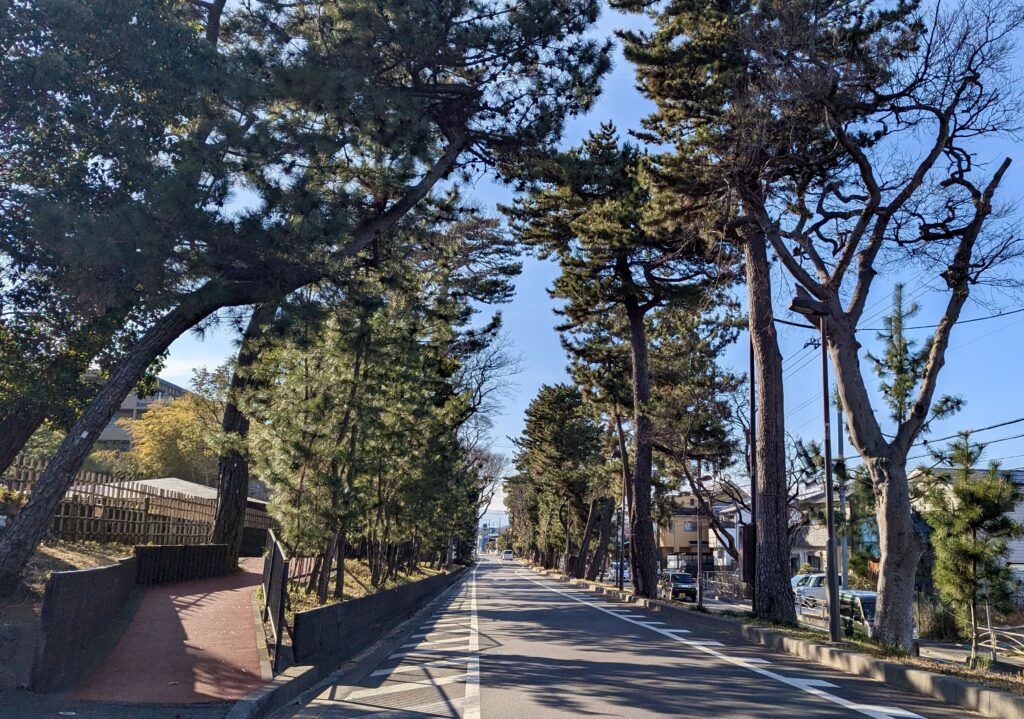
After our morning stretch and stroll, a short walk took us to Oiso Port for lunch and coffee at Oiso Connect.
Day 2, Tuesday Afternoon at Odawara Castle
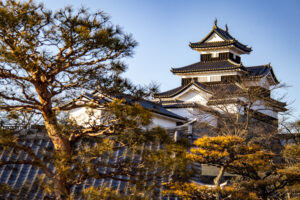
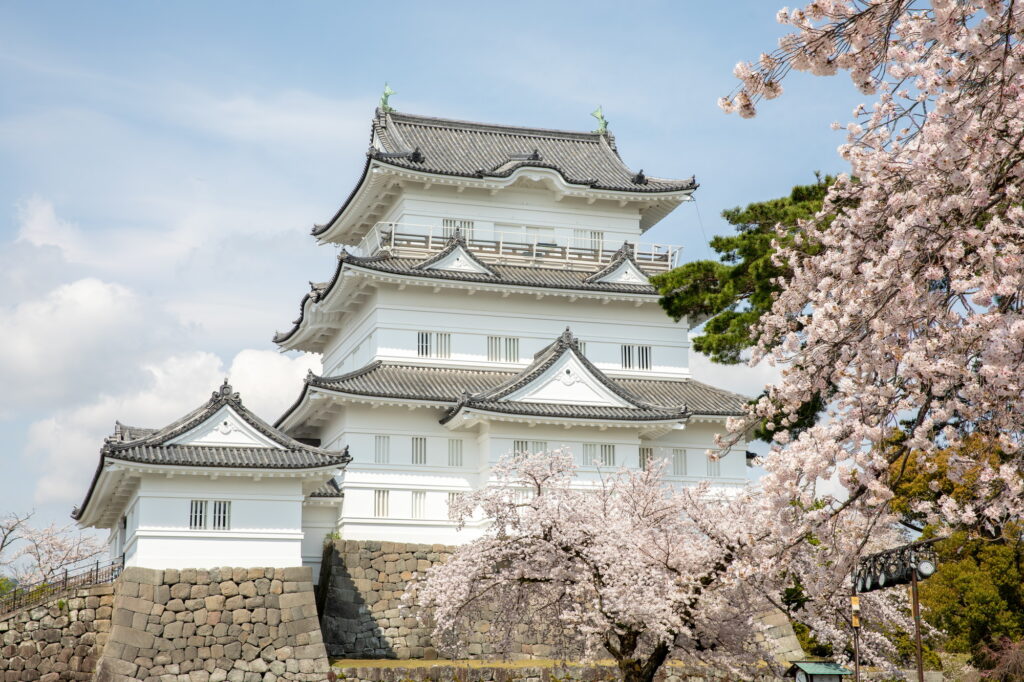
In the early afternoon, we drove to Odawara Castle in Odawara City Kanagawa Prefecture, which served as the power base of the Hojo clan (who governed much of the Kanto region for nearly a century). The castle was reputed for its exceptionally strong defense — The castle had long been considered nearly impregnable, but it ultimately surrendered to Toyotomi Hideyoshi in 1590.
-2-1024x680.jpg)
© Odawara Castle Management Office
From Odawara Castle Ruins Park, we could see the restored Tokiwagi, Akagane, and Umadashi Gates. We walked around the park, then headed straight to the top of the Castle Tower to gaze out at the city and Sagami Bay. The castle’s indoor exhibitions offered more context about the Hojo clan and samurai culture through displays of armor, swords, and other historical artifacts.
We hoped to return one day when the park’s 300 cherry trees were in full bloom. We ended the day driving west towards Hakone for a relaxing soak and overnight stay at a traditional onsen.
Day 3, Wednesday Morning at Hakone Sekisho
Hakone, well known today as an onsen destination with premium views of Mount Fuji, was also once home to a historical checkpoint, the Hakone Sekisho. It was established on the Tokaido by the Tokugawa shogunate in 1619, positioned above Lake Ashi to regulate movements to and from Edo.
On Day 3, Wednesday morning, we took a scenic drive south of Lake Ashi to Hakone Sekisho, rebuilt in 2007 using traditional carpentry and stone working methods, guided by the styles of the late Edo period.
At Hakone Sekisho, we explored the former inspection areas, guardhouses, detention rooms, and lookout posts. Walking through these subdued and austerely designed buildings, it was easy to imagine how security and travel were vigilantly monitored in the early 17th century.
We emerged from our checkpoint visit into the open landscape, admiring the lake and Mount Fuji on a clear day. So much more of the Tokaido lay ahead to explore, but we paused to savor this meaningful moment between past and present.
-2-2-1024x724.jpg)