

Walking the Nakasendo : Six Stops Along Japan’s Historic Inland Road
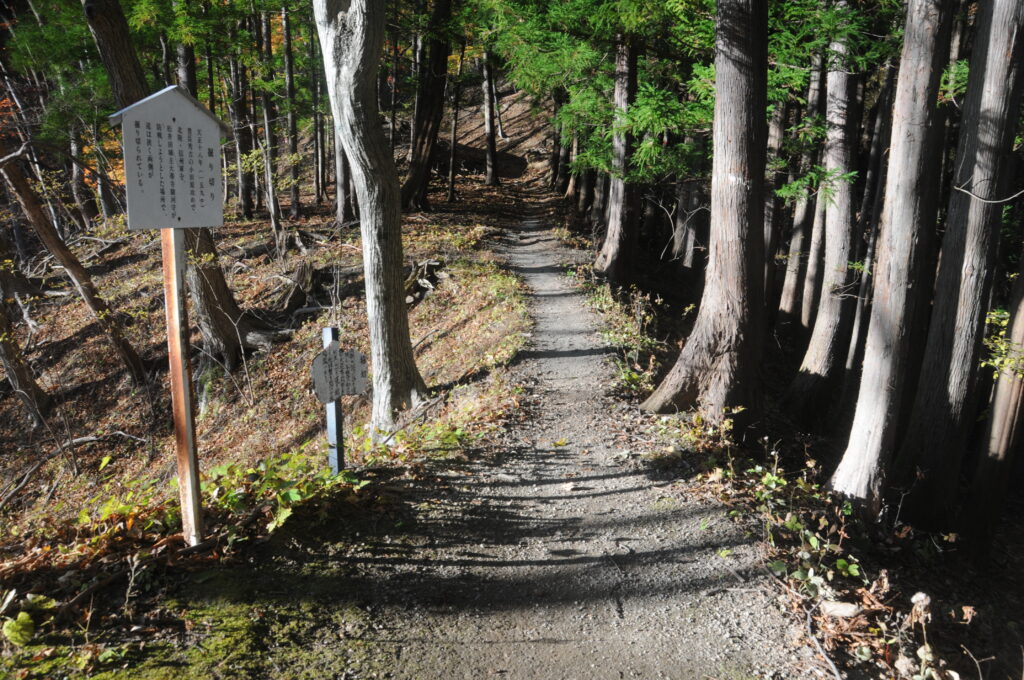
In an age when Tokyo and Kyoto are separated by little more than a three-hour nap on the bullet train, I found it difficult to imagine what travel once demanded of merchants, pilgrims, and samurai in the Edo period. Fortunately, Japan’s five historic roads still remain, preserving many of their original landscapes and waypoints. I chose Nakasendo, an inland route that once connected Nihonbashi in Edo (present-day Tokyo) with Sanjo Ohashi in Kyoto, stretching roughly 526 kilometers (about 327 miles). Unlike the coastal Tokaido road, the Nakasendo cuts straight through Japan’s interior. Along its length, 67 post towns known as shukuba once provided travelers with food, lodging, and supplies as they crossed the highland landscapes of present-day Saitama, Gunma, and Nagano. The route included demanding stretches such as the Kiso Valley, making it longer and more physically challenging than the Tokaido. But with far fewer major river crossings, it often became the preferred alternative during flood season. Luckily, I didn’t need to walk the full 526 kilometers to feel the pull. Over the course of a few days, I visited six road-side destinations that revealed different layers of Nakasendo, from its hardships and hospitality to its spirituality and scenic beauty. Along the way, I encountered historic towns like Narai-juku, Unno-juku, Tsumago-juku, and Magome-juku, where Edo-period streetscapes remain remarkably intact. For history lovers like myself, the Nakasendo carries deeper resonance: The young Princess Kazunomiya Chikako once traveled this road from Kyoto to Edo for her marriage to Shogun Tokugawa Iemochi, a political union meant to steady a waning shogunate. And the echoes of her journey remained a gentle companion throughout my journey.
Goriyo Chaya Honjin
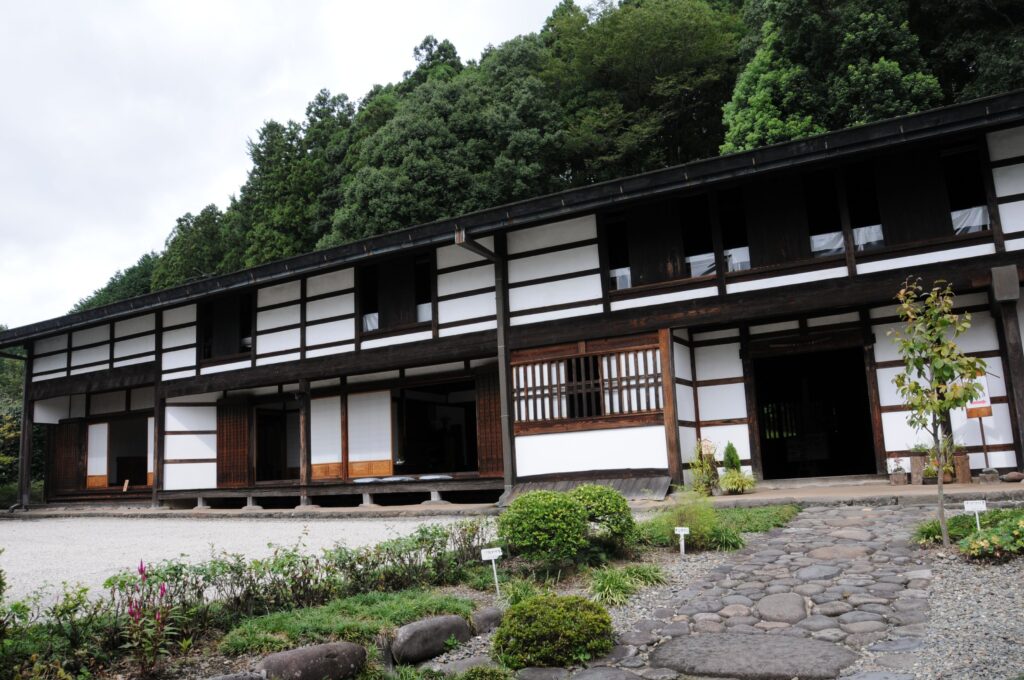
Without delay, I proceeded to Goriyo Chaya Honjin, which was used during the Edo period as a rest stop by daimyo and court nobles traveling along the Nakasendo for sankin-kotai and other official duties. Goriyo Chaya Honjin, a traditional rest stop that brought history close in a gentler way. Unlike honjin intended for overnight stays, this was a rest facility where feudal lords, court nobles, and shogunate officials paused for meals while traffic was inspected nearby.
Once the residence of the Nakajima family, village headmen who managed this stretch of road, the complex includes two houses (O-Nishi and O-Higashi) rebuilt after a fire in 1806. I enjoyed a relaxing rest inside the formal shoin-style rooms, taking in the ceremonial entrances and carefully arranged storehouses. From the gardens, I caught a stunning view of Mount Tsuzumi. Simply standing there brought a quiet sense of relief, perhaps the same feeling weary travelers once experienced centuries ago.
Usui Checkpoint Ruins
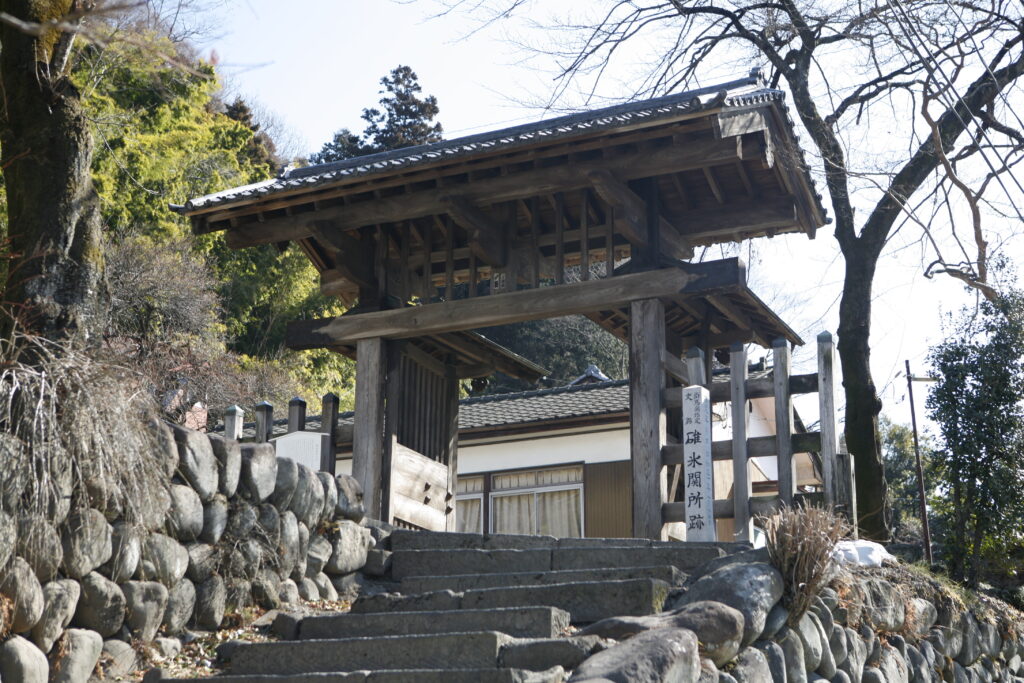
I left Goriyo Chaya Honjin and headed toward the Usui Checkpoint Ruins about four kilometers (2.5 miles) ahead. Established in 1623 by the Tokugawa shogunate, the checkpoint served as an important control point along the Nakasendo, regulating movement into and out of the Kanto region. Here, strict inspections known as iri-deppo ni de-onna—the monitoring of weapons entering Edo and women leaving it—were enforced. The checkpoint had eastern and western gates, guarded by shogunate officials on the west and by the Annaka domain on the east.
Today, the reconstructed eastern gate, restored in 1960, conveys a sense of the site’s original appearance, while a nearby museum exhibits materials related to the checkpoint system and early modern transportation. In 2018, an additional exhibition space was opened inside the Asao Chaya building to the south, and in March 2025, both the “Usui Pass Crossing on the Nakasendo” and the “Usui Checkpoint Ruins” were designated National Historic Sites.
Beyond the checkpoint lies Usui Pass, one of the three most challenging sections of the Nakasendo. Rising sharply from about 450 meters at Sakamoto-juku to nearly 1,200 meters at the summit, the roughly eight-kilometer route felt closer to a mountain climb than a casual walk. As I imagined the travelers who once crossed this pass, finishing the ascent left me with a pleasant fatigue and a deeply earned sense of arrival.
Oiwake-juku
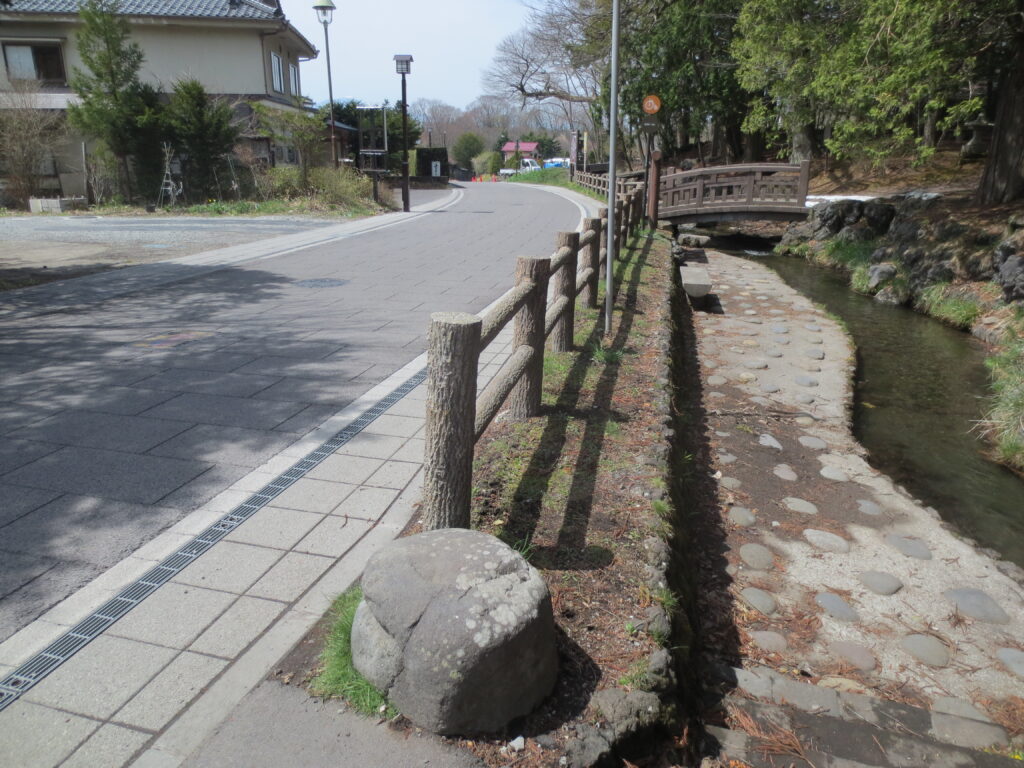
The next stop was Oiwake-juku, the twentieth post town from Edo that sits at around 1,000 meters in elevation. It marks the point where the Nakasendo branches north toward the Hokkoku Kaido. Literally translated as “fork in the road,” the Oiwake-juku once flourished as part of the Asamanekoshi Three Post Towns alongside Karuizawa-juku and Kutsukake-juku.
I realized that I was stepping into a living relic of the sankin-kotai system, in which regional feudal lords were required to travel from their home domains to Edo with large entourages, helped these towns prosper, and traces of that vibrant travel culture remain. The rows of inns and teahouses that I passed by once served feudal lords on procession and pilgrims bound for Zenkoji. Today, milestones and stone statues still line the old road, while the local museum preserves the spirit of this crossroads town. Walking here, I felt like a curious traveler arriving somewhere new, proof that the road’s energy still lingers.
Zenkoji Temple
Ⓒzenkoji
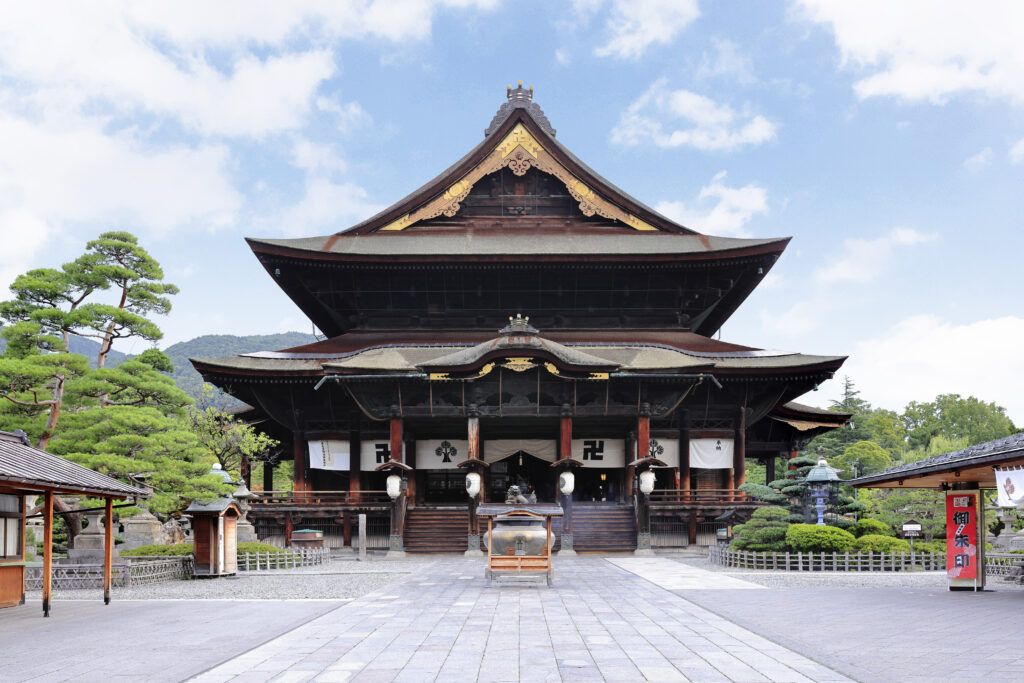
There’s something deeply grounding about walking a path once shaped by pilgrimage. After leaving Oiwake-juku, I decided to take the branching Hokkoku Kaido route to visit the Zenkoji Temple, located in Nagano City. Founded in 644 by an ordinary layperson named Honda Yoshimitsu, Zenkoji developed as an inclusive temple open to all people, welcoming worshippers across social classes and earning a nationwide following, especially among women. Perhaps for this founding principle, I felt comfortable and spiritually at ease when entering the temple grounds.
During the Edo period, Zenkoji pilgrimages spread nationwide, supported by Japan’s road network. After paying my respects, I continued onward via the Hokkoku Kaido toward Echigo and Hokuriku. Standing in the temple grounds, rebuilt again and again after fires, I felt the resilience and hope that once drew people here from every walk of life.
Hokkokukaido Sekikawa Checkpoint Michino Rekishikan Museum
© Myoko city board of education
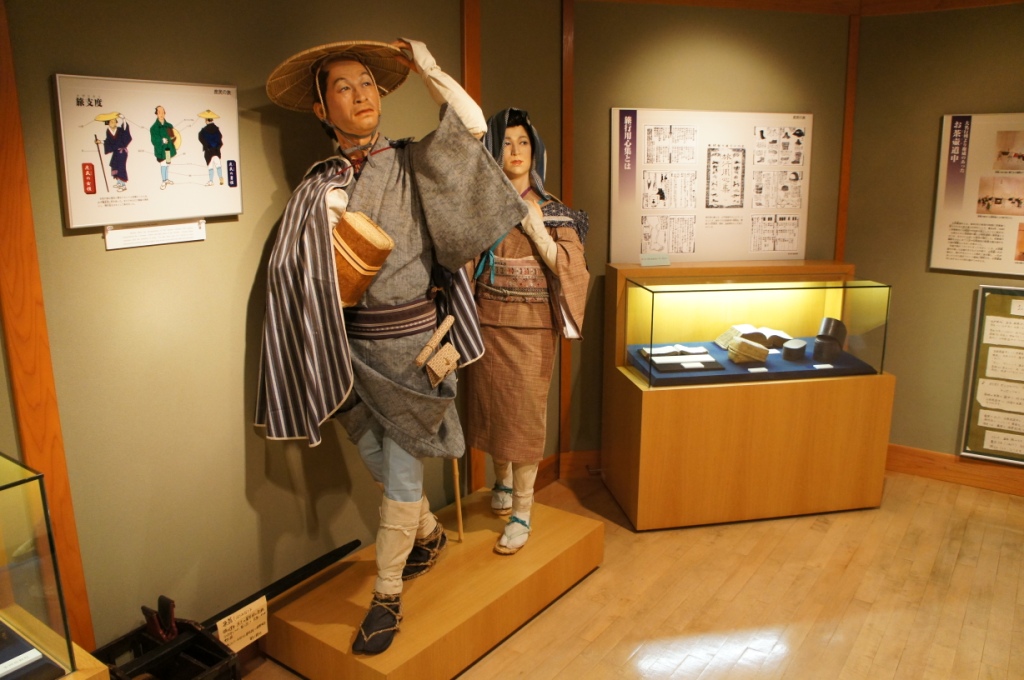
Traveling northward along the Hokkoku Kaido led me into the Michino Rekishikan Museum, which helped answer many of the questions that arose while traversing the Nakasendo. Built on the former site of the Sekikawa Checkpoint, it still carries the traces of premodern architecture alongside the Hokkoku Kaido. Using the natural terrain of Sekikawa Gorge, the checkpoint once regulated sankin-kōtai processions and the transport of gold and silver from Sado.
As a history geek, I loved getting to interact with the historical documents, dioramas, CG, and life-size figures. The museum vividly explained how people and goods moved along the very road I had just walked. For me, it bridged the gap between what I felt walking the route and what I wanted to learn as knowledge to take home.
Takada Castle Site Park
© Joetsu City
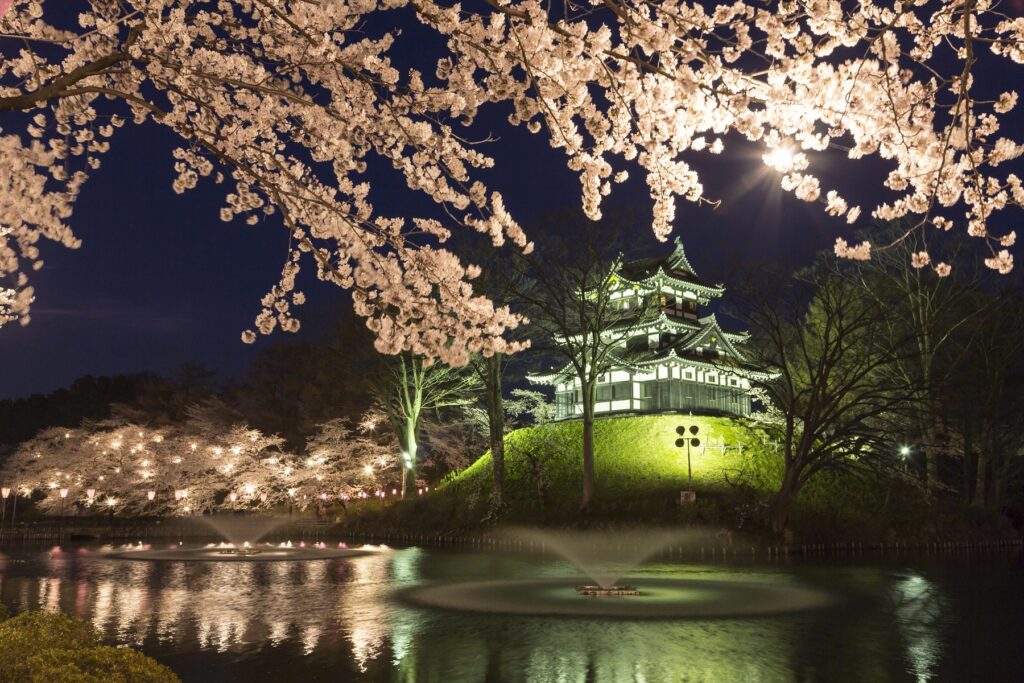
I saved the most grand for last: an evening visit to Takada Castle. Built in 1614 as a shogunate-led national project, it once governed Echigo Province and served as a major administrative hub along the Hokkoku Kaido. Today, the entire site is designated a Niigata Prefectural Historic Site.
What struck me most was how clearly I could still read the castle’s original intent. Unlike many Japanese castles, Takada had no stone walls or main keep. Instead, it functioned as a vast political center overseeing an extensive castle town. Known historically as Koyojo, or “Castle Shining Like the Rising Sun,” it was designed for governance rather than monumental display.
During the Meiji period, the landscape was reshaped when the Imperial Japanese Army established a base here. As I wandered through the 50-hectare park, I passed a reconstructed turret and a small museum before following a quiet path along the moat. By then, the sun had slipped away, and the Takada Castle revealed its most poetic side: at night, its softly illuminated silhouette floats in reflection across the water, a perfect scene to end my journey along the Nakasendo.
~
Walking the Nakasendo taught me that history isn’t only something we read. Sometimes, it’s something we breathe in mountain air, trace with tired feet, and carry home in reflection. And somewhere along the way, I realized I had been seeing the same landscapes Princess Kazunomiya once saw through teary eyes, on her quiet journey toward Edo and a political marriage meant to steady a collapsing shogunate. The road and its legacy remain, even as eras fall away.