

5 Memorable Highlights of the Nikko Kaido and Beyond
What is the Nikko Kaido? — The Tokugawa Shoguns’ Pilgrimage Road to Toshogu
The Nikko Kaido was one of the Five Roads, a major official road that serviced travelers during the Edo period. Officially known as the Nikko Dochu, this 130-kilometer-long road led from Nihonbashi in Edo to Nikko Toshogu and was mainly used as a pilgrimage route. Shoguns and daimyo used this route for official pilgrimages, as did common pilgrims. There were 21 shukuba, or post stations, established along the route, where inns and stables often sprang up to support travel-weary pilgrims.
The section of the Nikko Kaido between Edo and Utsunomiya (in modern-day Tochigi Prefecture) shared a road with the Oshu Kaido, another one of the five major Edo-period roads. So this portion of the road was often crowded with pilgrims and mandated processions of daimyo traveling to and from Edo. New sections of road were added to older, existing routes north of Utsunomiya and towards Nikko.
Further changes to the road included tree-planting, which created the Nikko Cedar Avenue, a long row of cedar trees planted to provide shade and a tranquil atmosphere for pilgrims and official processions. Today, the cedars remain as one of Japan’s most iconic historic landscapes, one of many beautiful natural sceneries along the Nikko Kaido. The Tone River is another major landmark of the route that, back in the day, required a boat crossing in order to continue along the road to Nikko.
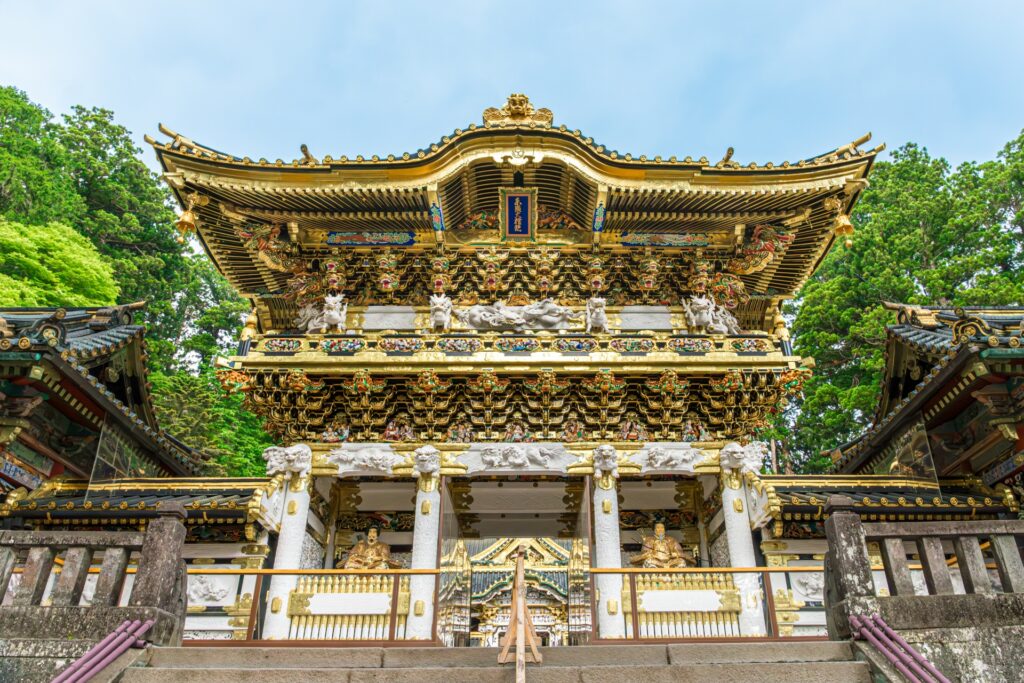
At the northern end of the Nikko Kaido is Nikko Toshogu, a world-renowned shrine that stands statuesque in its natural environment. Worshippers travel from around Japan and beyond to see its shrine buildings, ornate and striking against the greens of the surrounding forest. And while most modern travelers choose roads and railways over this historical road to reach Nikko, the Nikko Kaido continues to draw those seeking slower travel through regional cultural experiences and historical sites.
Early Steps along the Nikko Kaido at Fudaba Kashi Park
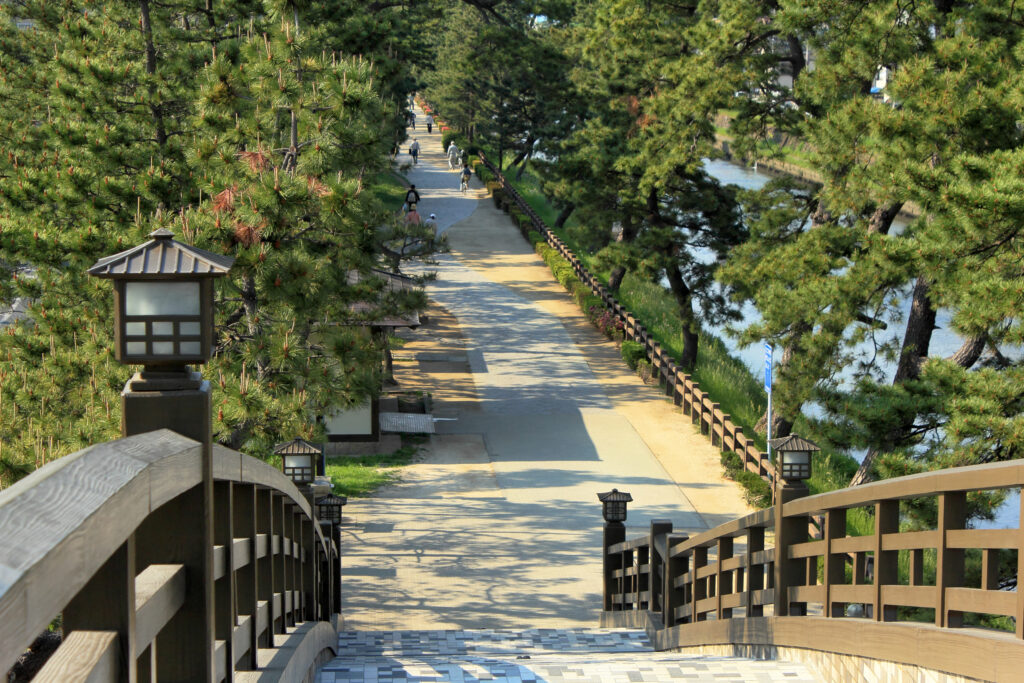
My first stop on the Nikko Kaido is Fudaba Kashi Park, a lovely green space located on the banks of the Ayase River that offers a moment of respite from city life. The park is a recreation of Fudaba Kashi, a riverside landing that was a hub of river transit during the Edo period and a place where rice, grain, and daily goods were distributed. The landing and other nearby ports were key to the growth of Soka-syuku, a post town on the Nikko Kaido that was linked to Edo by the Ayase River.
Today, the park is no longer a commercial hub but a historical site that features a statue of Matsuo Basho, the famous Japanese poet of the Edo period, as well as small monuments to other important literary figures including the Meiji-period poet Masaoka Shiki. You can also see the Jinzaemon Weir, a historic irrigation structure built between the Ayase and Den’emon rivers to regulate water for rice fields from 1894 to 1983. I admired the entire area from the observation tower, another landmark inside the park.
On the northern end of Fudaba Kashi Park is the famed Soka Matsubara Promenade, a historic road lined with 634 pine trees that is often considered one of the most iconic scenes of the Nikko Kaido. And it is indeed a sight to behold, with stately pine trees framing a smooth stone walkway and the reflection of the sun flickering off the water beyond the tree branches. The 1.5-kilometer-long promenade has long been associated with Matsuo Basho’s travel diary Oku no Hosomichi (“The Narrow Road to the Deep North”) and was designated as a National Place of Scenic Beauty in 2014. Local residents cherish this historic spot as a space for recreation and relaxation, breathing new life into the park. Now, visitors can also enjoy the sights and atmosphere of this peaceful park as we travel along the Nikko Kaido.
Tsuzuki Family Heritage in Koshigaya
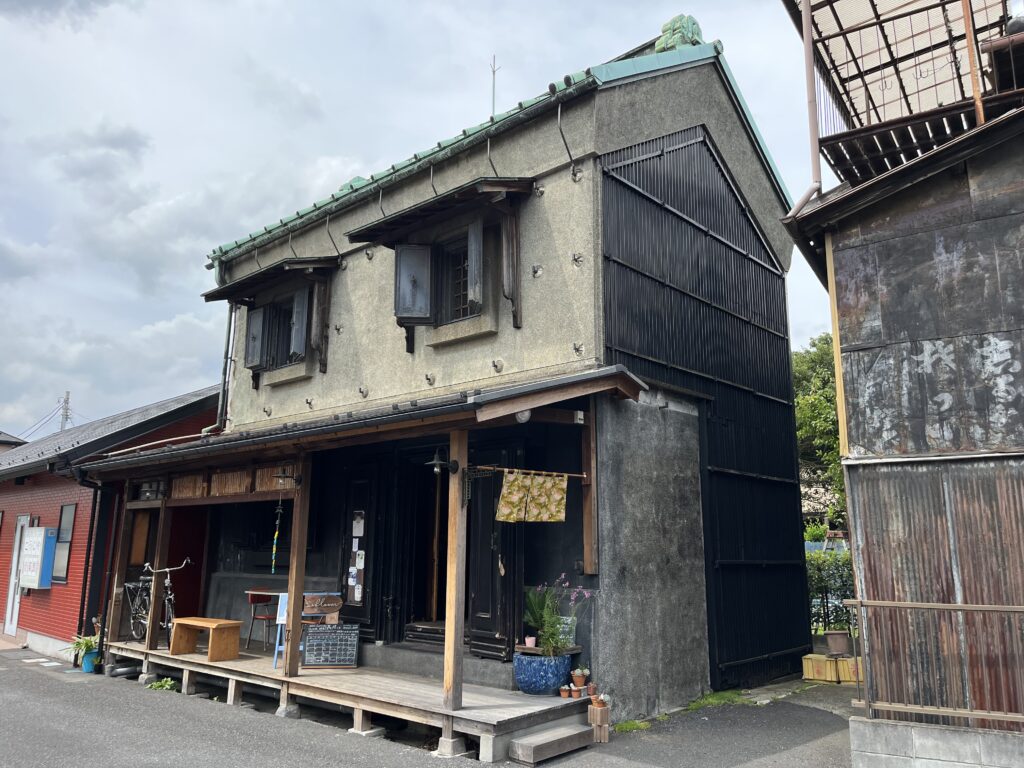
My next stop is Koshigaya in Saitama Prefecture, a former post town. The city is home to Tsuzukikekojiyakura, a two-story storehouse built in the Showa period by the Tsuzuki family, who had been involved in making and selling miso paste since the Edo period. The historical nature of the family business and the way that the building has been adapted to contemporary use fits perfectly with the architecture, a mix of traditional and modern building techniques and materials. Tsuzukikekojiyakura features a gabled roof with standing-seam copper roofing, gravel-exposed exterior walls, wooden panels for the interiors, and plastered ceilings, a fantastic fusion of historical kura storehouse design and modern design sensibilities. Almost as fascinating is the inside of the building, filled with rows of wooden drawers and colorful decorations.
The long-running Tsuzuki family business accumulated many valuable industrial heritage items that were deemed an important part of local Koshigaya history and later donated to the city. The careful preservation of the building and the objects inside makes Tsuzukikekojiyakura a truly special space to experience heritage and local history firsthand. Thanks to the building’s renovation in 2020, travelers can come and explore this artifact along the Nikko Kaido for generations to come.
Gongendo Embankment — From Flood Barrier to Flower Landmark
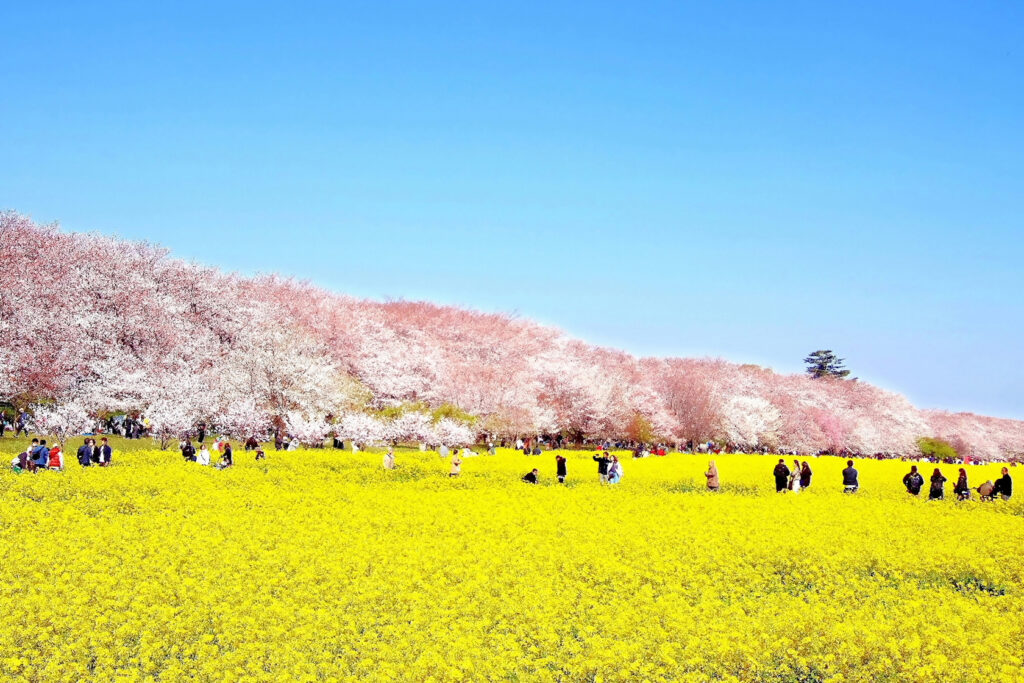
© Satte City Tourism Association
The Gongendo Embankment was surely a sight for sore eyes and sore feet for those traveling the Nikko Kaido. It certainly offered me a breath of fresh air as I overlooked the Gongendo River and the approximately 1,000 Somei Yoshino cherry trees covering the riverbank.
This breathtaking site is located in the former Satte-juku, currently Satte City in Saitama Prefecture. During the Edo period, this post town was a key transportation hub and junction where the Nikko Kaido met the Nikko Onarimichi, another road used by government officials. Very little of the post town landscape remains today, but has astounding natural beauty to offer come the warmer months. In spring, Embankment is covered in pink cherry blossoms and bright yellow rapeseed flowers, while brilliant red spider lilies dot the landscape in the autumn.
Interestingly, this spot was not created as a scenic retreat but as a flood-control structure during the Warring States period, predating the Nikko Kaido itself. Potentially catastrophic flooding of the Gongendo River prompted the shogunate to implement a flood control policy that placed great importance on the maintenance of the Gongendo Embankment. Old local folk songs even mention “the embankment that once protected Edo,” solidifying its role as a safeguard of the old capital that many visitors such as myself enjoy as a scenic flower-viewing spot.
Stepping Back in Time at Edo Wonderland Nikko Edomura
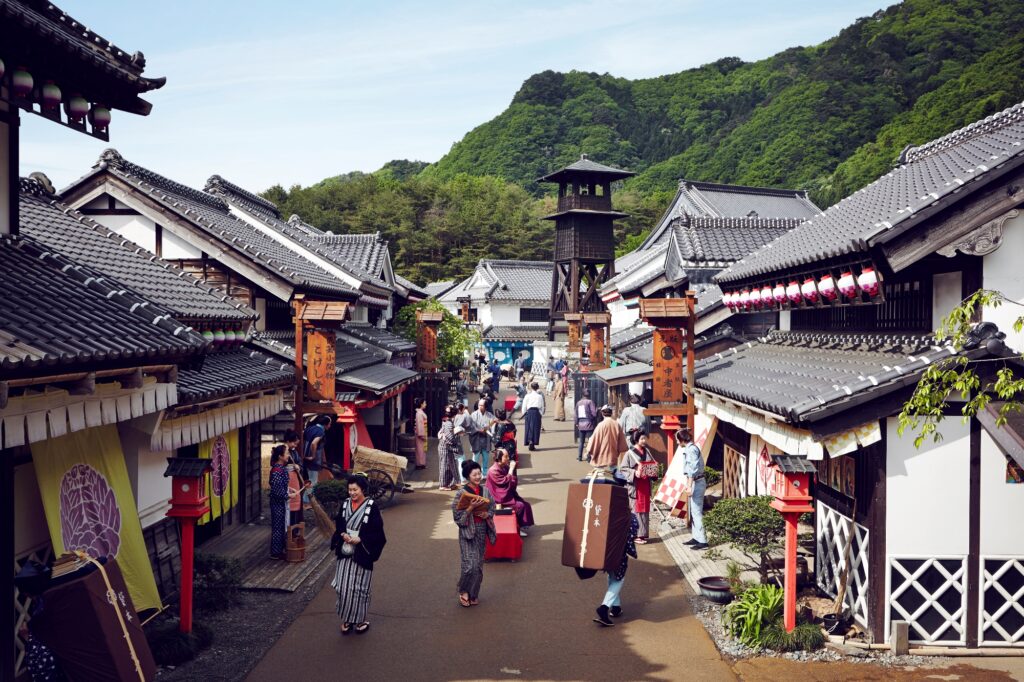
© Edo Wonderland Nikko Edomura
Before reaching the final stop of my journey, I took a short detour from the Nikko Kaido to visit Edo Wonderland Nikko Edomura, a place where visitors can vividly experience the everyday life and culture of the Edo period. Here, history is brought to life against the backdrop of the dense forests and mountains of Nikko, which enclose the park and whisk visitors centuries into the past.
This is precisely how I felt walking along the streets of the park, lined with shops, samurai residences, restaurants, post stations, and a ninja village. The stone bridges and Edo-period architecture are a wonderful base for the realistic details that bring the park to life: meticulously crafted lanterns and noren shop curtains, props and clothing worn by the townspeople, samurai, and ninja, even the culinary delights inspired by food from the era. It’s the perfect backdrop for spellbinding ninja shows, elegant courtesan performances, and lighthearted comedies. All of these traditional cultural experiences offer yet another look into unique aspects of Edo life.
Edo Wonderland Nikko Edomura was a lively and colorful end to a journey that took me through historic townscapes, unforgettable natural scenery, and awe-inspiring spiritual sites. It’s a relaxed and engaging theme park where you can enjoy nature, culture and history all in one place. For me, it was also a living postcard of the Edo-period history that I had encountered during my own present-day pilgrimage along the Nikko Kaido.
Journey’s End at Nikko Toshogu Shrine
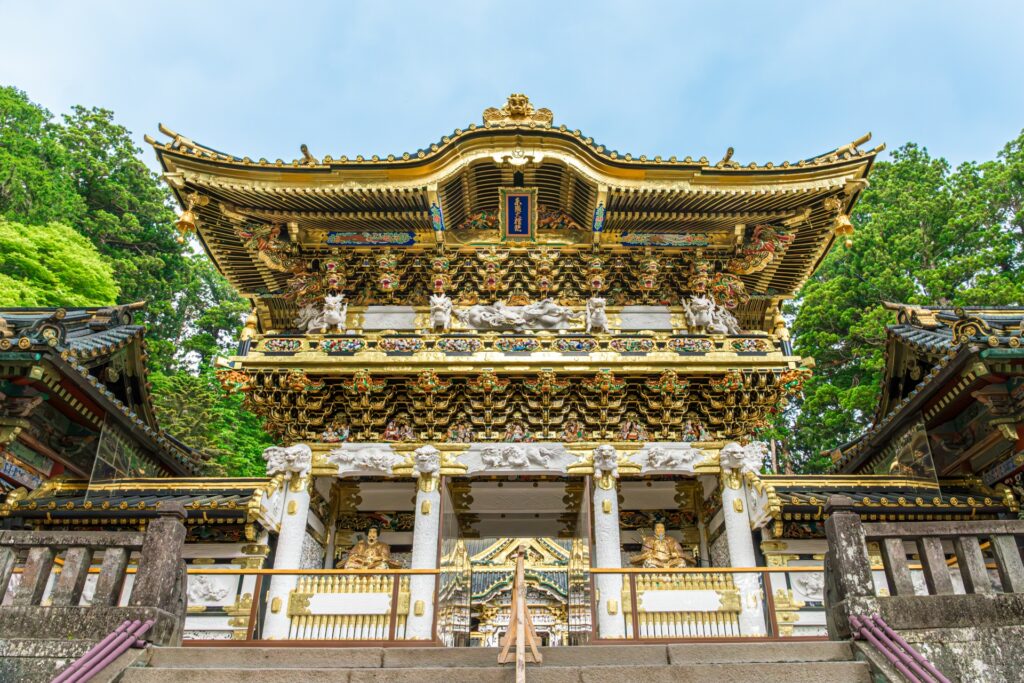
My journey along the Nikko Kaido formally concluded at Nikko Toshogu Shrine, the heart of the UNESCO World Heritage Site Shrines and Temples of Nikko. This shrine has great historical importance in part due to its close ties to Tokugawa Ieyasu, the first shogun of the Tokugawa shogunate, and as the spiritual center of the Tokugawa family. Tokugawa Ieyasu established Edo as the political center of Japan and ordered the creation of the Five Roads, which not only led to the creation of the Nikko Kaido and other major roads, but laid the groundwork for Japan’s systems of governance and transportation.
Tokugawa Ieyasu is enshrined at Nikko Toshogu Shrine as a deity, although it was the third shogun, Tokugawa Iemitsu, who oversaw much of the construction of the complex. The second shogun, Tokugawa Hidetada, ordered the construction of the main building of Nikko Futarasan Shrine, originally founded in the Nara period by the monk Shodo Shonin. The Nikko Kaido was not simply a road linking Edo and Nikko, but a reflection of how the Tokugawa family tied together its political ideals and spiritual authority. It was this official patronage that enshrined Nikko as a place of historical and spiritual importance that visitors would continue to seek out to the modern day.
Among the 55 structures that make up Nikko Toshogu, there are eight national treasures and 34 national properties. Each structure demonstrates countless aspects of masterful craftsmanship and creates a mystical atmosphere. I was struck by the sharp contrast of the shrine’s bright colors with the forest encompassing the grounds, alongside the more muted colors of the temples, Rinno-ji and Taiyu-in, the mausoleum of Tokugawa Iemitsu. Strolling the peaceful grounds of these historical and architectural marvels while breathing the fresh mountain air felt like a fitting climax to my pilgrimage.