

Tracing the Oshu Kaido — The Historic Road Connecting Edo and Northern Japan
As one of Japan’s historic Five Roads, the Oshu Kaido formed the Tokugawa shogunate’s primary overland link between Edo (modern-day Tokyo) and northern Honshu. Officially, the route ran as far as Shirakawa, in present-day Fukushima Prefecture. Beyond Shirakawa, the road effectively continued through a web of branching routes—still collectively understood as part of the Oshu Kaido—extending north toward Sendai, Morioka, and Aomori.
In practical terms, the Oshu Kaido bound the shogunate’s political center in Edo to lands that had only recently come under Tokugawa control. The road was essential for overseeing powerful northern domains, including those once ruled by the Date clan. To reinforce that authority, local daimyo were required to travel the Oshu Kaido under the sankin-kotai system every other year.
Today, much of the former Oshu Kaido has been absorbed into National Route 4, which links the Kanto and Tohoku regions. Yet traces of the Edo period road remain, preserving the memory of a route once central to governing Japan’s northern frontier.
And it was this history that drew me to the Oshu Kaido.
Former Shinohara Residence
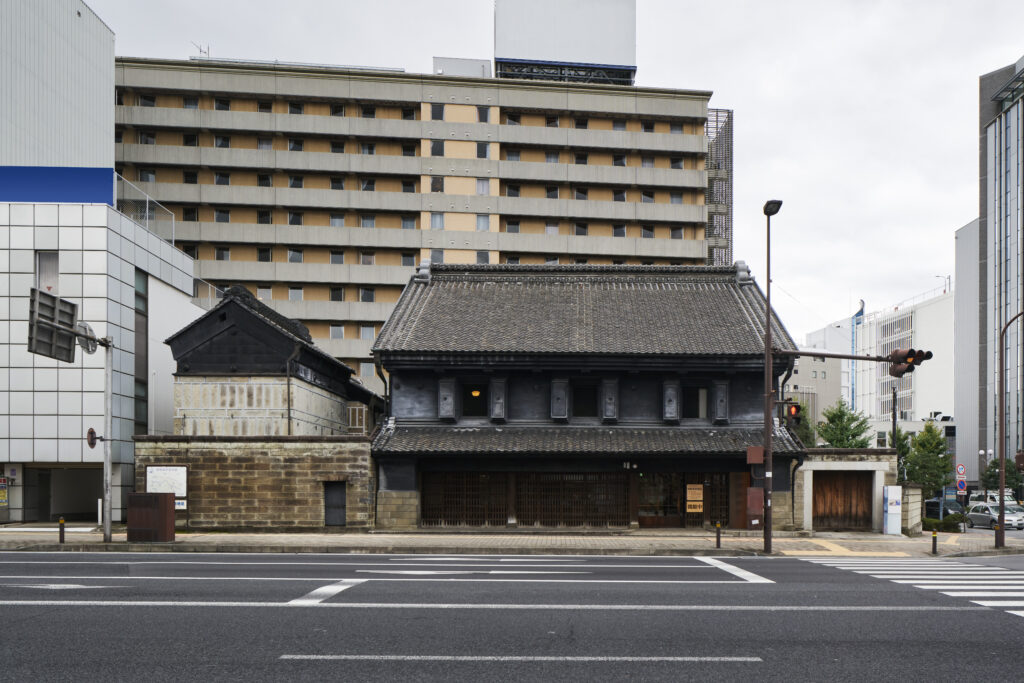
Just under two hours from central Tokyo, my first stop along the Oshu Kaido brought me to Utsunomiya. A few steps from JR Utsunomiya Station stands the Former Shinohara Residence.
Built in 1895, the residence once belonged to the Shinohara family, merchants who brewed soy sauce and sold fertilizer. Seeing a structure from the Meiji period still standing here is striking in itself, as very few buildings like this survived wartime air raids and the rapid redevelopment that followed. From the outside, the house’s kura-style design signals its original role as both a shop and residence.
What immediately caught my attention inside, however, was a massive central pillar supporting the entire structure, along with the extensive use of locally quarried Oya stone—a material closely associated with Utsunomiya. With a floor area of roughly 330 square meters, the building reflects the family’s prosperity at the height of the Oshu Kaido’s commercial life and is recognized today as both a Utsunomiya City Tangible Cultural Property and a National Important Cultural Property.
Shirasawa-juku
© Utsunomiya Convention & Visitors Bureau
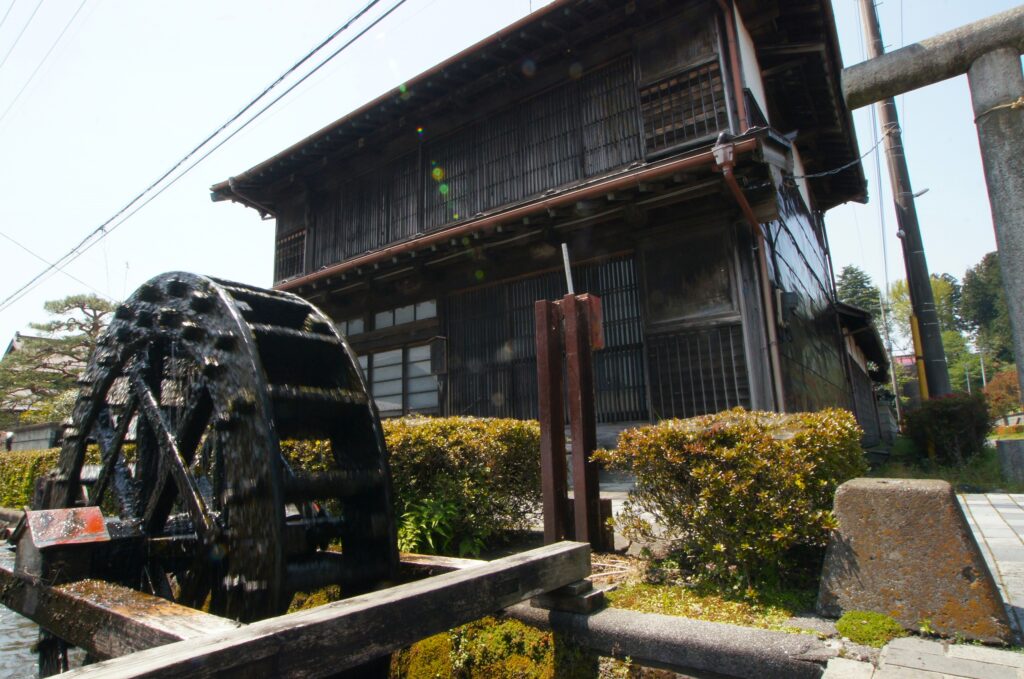
Continuing north, my next stop was Shirasawa-juku, a historic post town in northern Utsunomiya. Founded in 1605, it was the first post town, or shukuba-machi, on the Oshu Kaido, marking the transition from Edo’s outskirts to the long road north.
Because of this role, Shirasawa-juku was equipped with both honjin and waki-honjin. Honjin were the highest-status lodgings, reserved for daimyo and official envoys, with entry strictly controlled regardless of wealth. Waki-honjin served as secondary lodgings, used by lower-ranking daimyo or when multiple processions arrived at once.
Walking around Shirasawa-juku, I became aware of just how lived-in its history still feels. The original street layout survives through community-led planning, with name plaques displayed on private residences and canals carrying water alongside the road.
Nanko Park
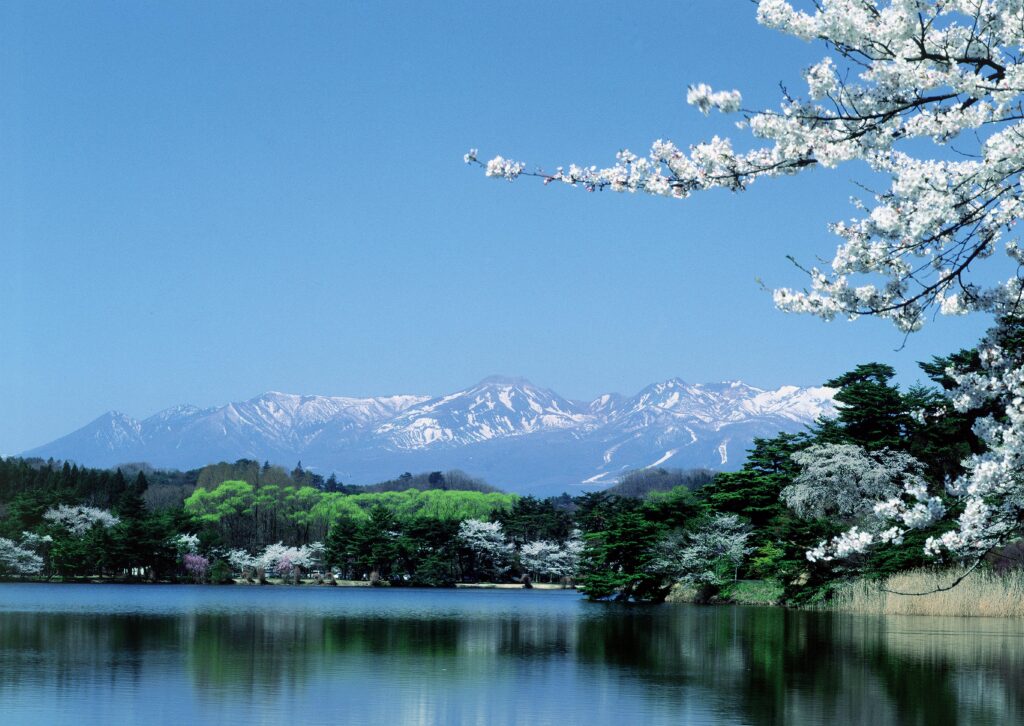
Having officially crossed into Fukushima Prefecture, my journey led me to Nanko Park on the outskirts of Shirakawa. Nationally designated as both a Historic Site and a Place of Scenic Beauty, Nanko Park is widely regarded as one of Japan’s earliest public parks.
Created in 1801 by Matsudaira Sadanobu, 12th lord of the Shirakawa Domain, the park was based on the principle of shimin kyoraku, meaning “shared enjoyment by all, regardless of status.”
Stepping into the park, I was immediately struck by the dramatic backdrop of the Nasu Mountain Range and Mount Sekizan, their peaks still capped with snow. A roughly two-kilometer path encircles the park’s central artificial lake, and I followed it slowly, passing stands of pine, cherry, and maple trees.
Along the way, I came across Nanko Shrine, dedicated to Matsudaira Sadanobu himself, along with a teahouse and Suirakuen, a Japanese garden developed in the contemporary era. Scattered throughout the park I also found stone monuments associated with the Seventeen Scenic Views of Nanko.
Shirakawa-juku | Former Wakihonjin Yanagiya Ryokan Kura-zashiki
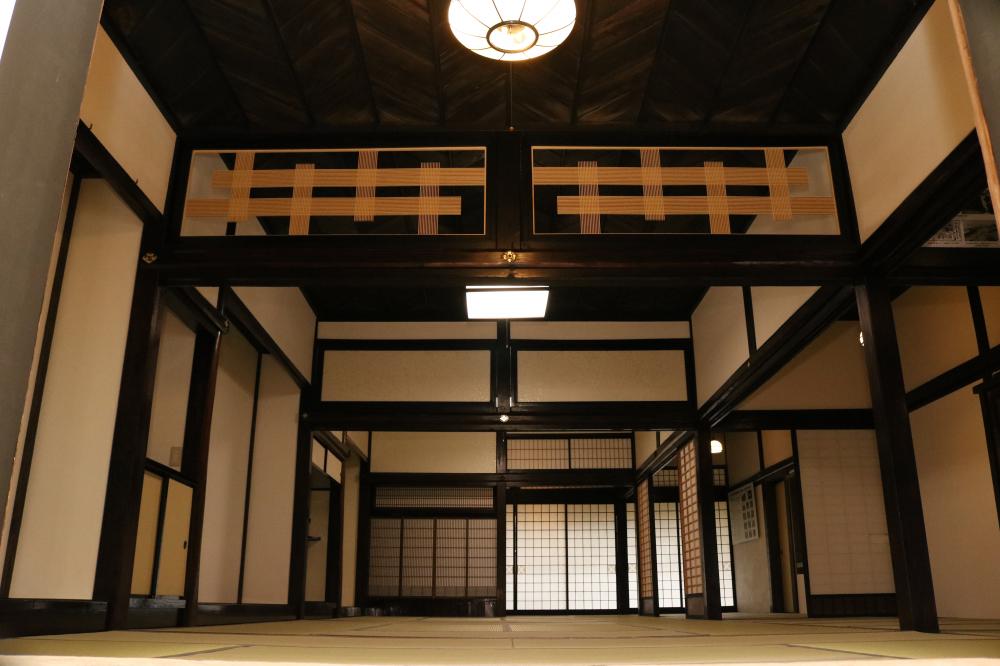
Beyond the park, Shirakawa’s long role as the “Gateway to Oshu” becomes even clearer. Its strategic position on the southern edge of the former Mutsu Province led to the early establishment of the Shirakawa no Seki barrier, and later to the construction of Komine Castle for the defense of the Kaido.
One of the clearest links to that past is the Former Yanagiya Ryokan Kura-zashiki, a waki-honjin built in 1804 in Shirakawa’s Honmachi area. During the Edo period, roughly fifty inns lined this street, serving the steady flow of travelers along the Oshu Kaido. Walking through its rooms, I easily could imagine the figures who once stayed here, including Emperor Meiji during his 1881 tour of the Tohoku and Hokkaido regions.
Komine Castle and Komine Castle History Museum
© Sébastien Raineri
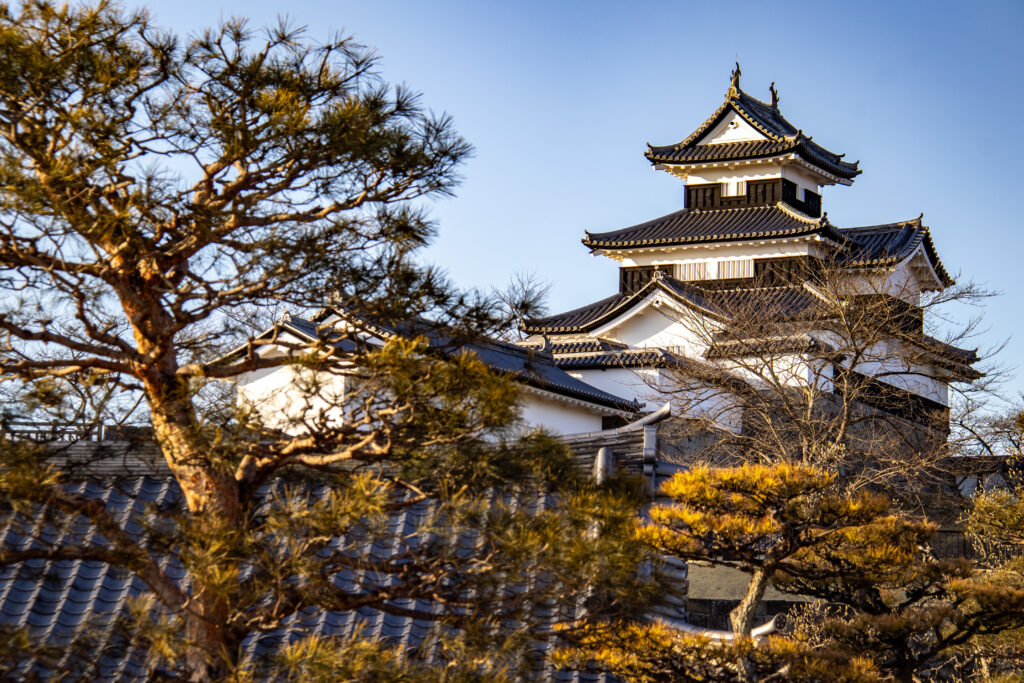
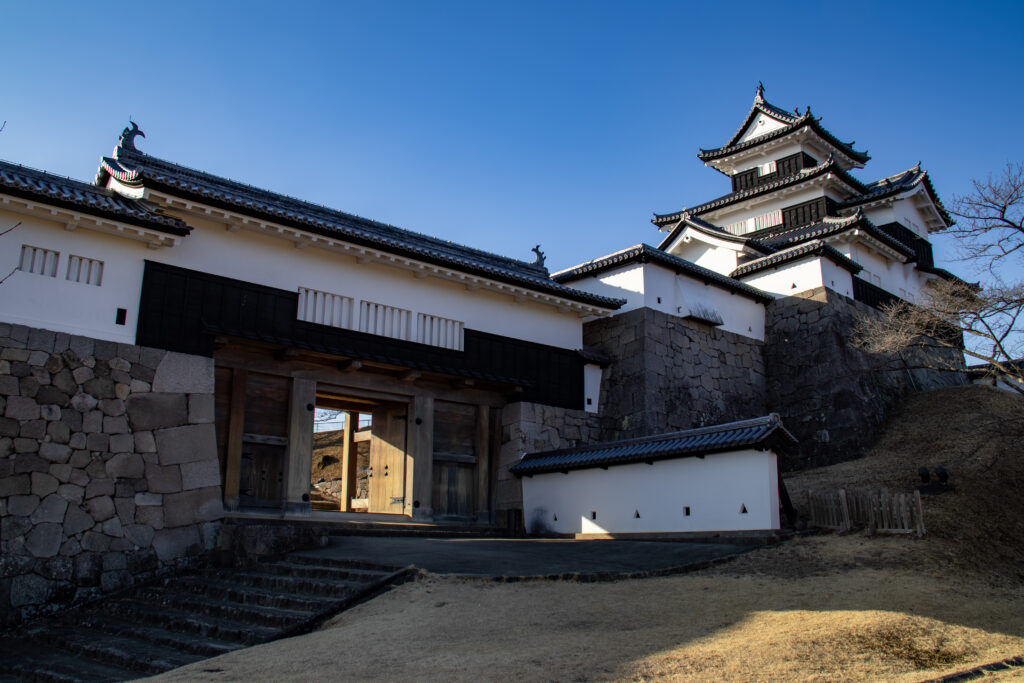
Just a short walk from JR Shirakawa Station is Komine Castle, one of Japan’s 100 Fine Castles and a National Historic Site. Rising above the town, it’s immediately clear why it stood here: to watch the road going north.
First built in the mid-14th century, the castle was reshaped over time into a regional stronghold. In 1627, it was extensively rebuilt by Niwa Nagashige, the first lord of the Shirakawa Domain, and became known as the “guardian of Oshu.” That role ended in 1868, when fighting during the Battle of Shirakawa-guchi destroyed much of the site.
Preservation efforts that started in the late Showa era have restored key structures, and as a history enthusiast, seeing this continuity firsthand was remarkable. I ended my visit at the Komine Castle History Museum, which helped place the castle within the region’s wider defensive network.
Ouchi-juku
© Todd Fong
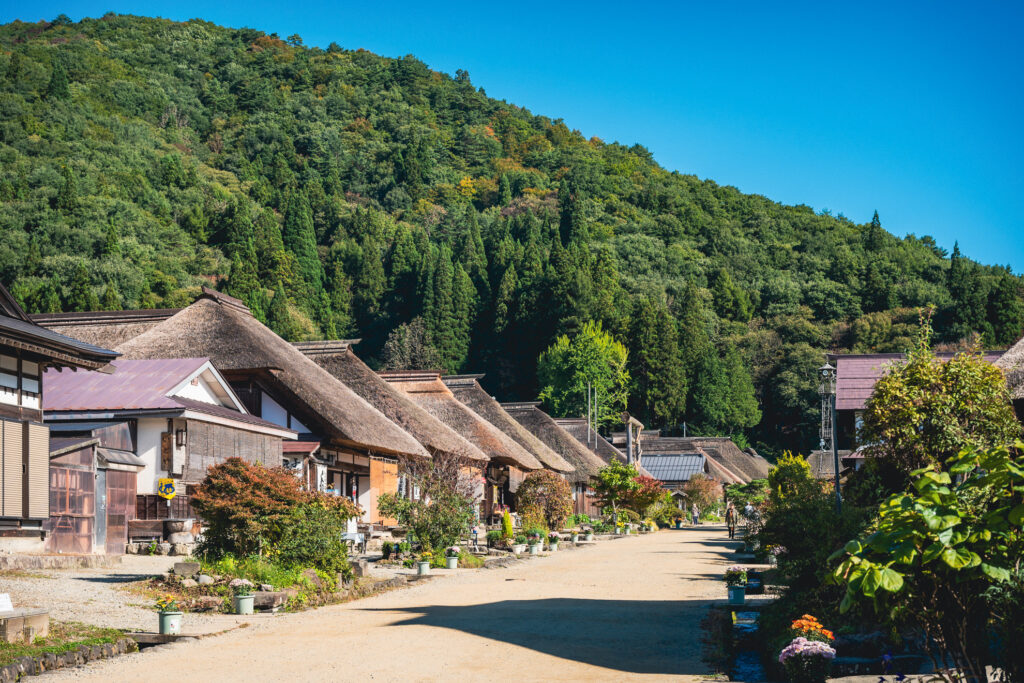
To conclude my journey along the Oshu Kaido, I made a deliberate detour to Ouchi-juku. Strictly speaking, the town lies not on the Oshu Kaido itself, but along the Aizu Nishi Kaido, a separate route developed by the Aizu Domain. Even so, arriving here felt like a fitting way to bring the journey full circle.
While the Oshu Kaido served as the shogunate’s main route into the region, the Aizu Domain charted its own path through the mountains toward Edo. Ouchi-juku flourished as a post town along this route until shifting travel policies and the opening of the Nikko Kaido rendered it obsolete.
However, that loss of importance ensured its survival. Sheltered by its remote mountain setting, the town escaped modernization, preserving its thatched-roof houses and Edo period streetscape.
Walking through Ouchi-juku today felt like stepping back in time, akin to Shirakawa-go or Gokayama, and it was impossible not to slow down and take it in.
Following the Oshu Kaido allowed me to encounter Tohoku’s history not as distant or abstract, but as something still embedded in the landscapes and towns I moved through. And it was a reminder that understanding Japan often begins at the regional level, along the roads that once held it all together.