
Where Art Meets Nature: Uncover Kanto’s Creative Side
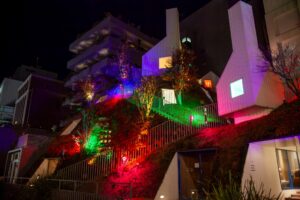
Kanto is full of surprises. Just beyond Tokyo’s dense skyline, a unique kind of creativity flourishes, one shaped by rolling hills, quiet lakes, and innovative spaces where art and nature coexist. In Chiba and Gunma prefectures, these worlds come together in unexpected ways, from sustainable farms dotted with contemporary sculptures to museums where nature seamlessly blends with exhibition spaces. Whether it’s a hands-on experience at an eco-friendly art farm or an architectural masterpiece that doubles as a hotel, these destinations prove that inspiration thrives in the most unexpected places.
Mikuni kaido
Mito kaido
Narita kaido
Onari kaido
Tokaido
Nakasendo
Koshu kaido
Nikko kaido
Oshu kaido
TOKYO
GUNMA
CHIBA