

A Craft Journey Where Tradition Meets Creativity

Tokaido
Nakasendo
Koshu kaido
Nikko kaido
Oshu kaido
Mikuni kaido
Mito kaido
Narita kaido
Onari kaido
TOKYO
SAITAMA
GUNMA
CHIBA
FUKUSHIMA
The traditional crafts live and breathe in and around the Tokyo area. The origins vary from religious symbols to architectural designs to just pure enjoyment. The exploration of the endless creativity behind Japanese crafts can take you on a journey to discover some of the wonderful towns and cities beyond the capital, deepening your appreciation of Japanese culture as a whole. Let's visit five fascinating places in and around Tokyo where tradition meets creativity in the craft world.
Table of Contents
- Miyazaki Tatami shop - Sustaining an Iconic Piece of Japanese Interior Design
- Shorinzan Darumaji Temple - Birthplace of the Daruma
- Asakusa Amezaiku Ameshin - Preserving the Art of Candy Making in Tokyo
- Sasanokawa Asaka Distillery - The Rebirth of Japanese Whisky
- Boshu Uchiwa - Chiba's Unique Handheld Fans
- Visit Traditional Craft Location Using JR EAST Trains and Passes
Miyazaki Tatami shop - Sustaining an Iconic Piece of Japanese Interior Design
In a quiet workshop in rural Saitama Prefecture, tatami craftsman Miyazaki-san often works alone, producing the tatami mats used in the interiors of many buildings in Japan, including restaurants, temples, and homes. The convenience of modern synthetic flooring has put pressure on tatami manufacturers, but Miyazaki-san believes the tatami is a craft worth preserving. As a sustainable flooring made from natural grass, which helps control the humidity levels inside the buildings they are installed in, tatami mats have a positive effect on the environment in addition to their natural beauty.
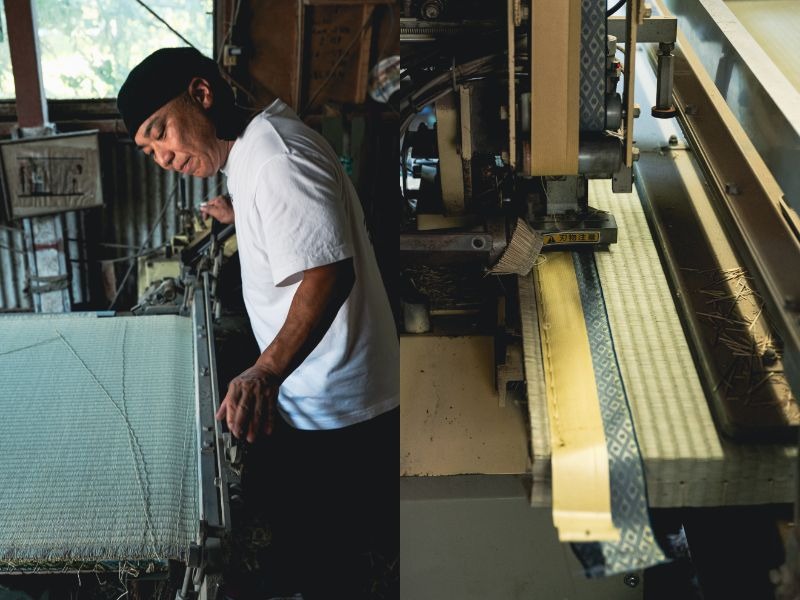
Because tatami cannot easily be exported from Japan due to the natural materials used in its manufacture, Miyazaki-san believes teaching visitors how to make tatami will allow them to replicate the manufacturing process in their home countries. Already, he has taught visitors from Australia the tatami-making process, and they have successfully made their own mats to use in their homes. Visitors to his studio can watch him effortlessly make one tatami mat after another while he explains the details of his work. You can also take part in a simple tatami-making workshop to make a small sample tatami suitable for interior design – this one uses synthetic grass so that you can take it home with you.
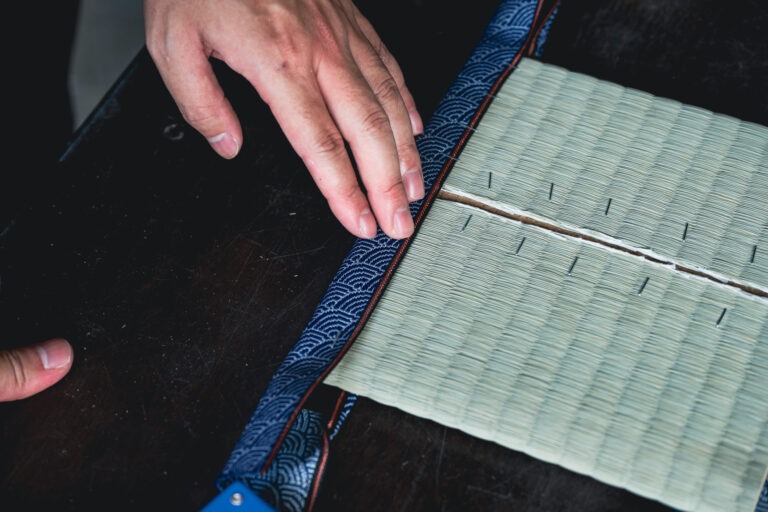
The area around Miyazaki Tatami includes the ancient Kofun burial mounds at the Hundred Caves of Yoshimi, so make it a day trip to visit this shop and explore Japan off the beaten path.
Shorinzan Darumaji Temple - Birthplace of the Daruma
The jovial-looking Daruma- often red and round, with enormous eyes and plentiful facial hair – is a common sight across Japan, but its origins can be traced back to one temple in Gunma Prefecture, Shorinzan Darumaji. In 1753, powerful Mt. Asama erupted, one of Japan’s deadliest eruptions, causing widespread damage to the farmlands and villages surrounding it. The 9th head priest of the temple created a wooden mold of the daruma and taught local villagers how to make them from papier-mache as a means of supporting themselves. The popularity of daruma as lucky charms spread rapidly; today, this area around Takasaki is Japan’s largest producer of Daruma.
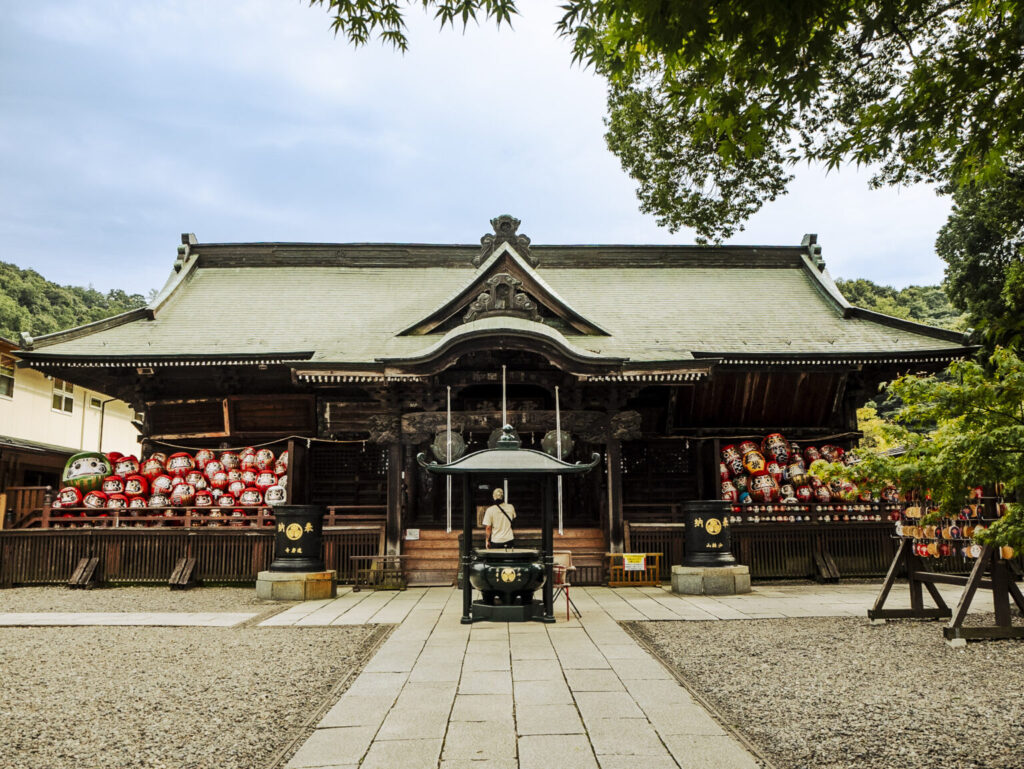
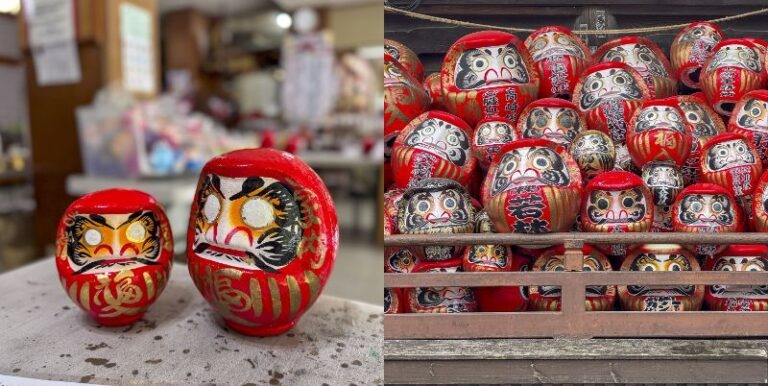
Daruma of all shapes, colors, and sizes can be found around the temple year-round, but the highlights of the temple occur each January. From January 6-7, coinciding with the Star Festival, Shorinzan Darumaji holds a Daruma Festival where dozens of daruma craftspeople set up stalls to sell their own creative takes on the Daruma. If you miss the festival, you can visit the temple roughly a week later on January 15th when the daruma that have granted wishes in the previous year are burned in a huge bonfire to honor them.
Asakusa Amezaiku Ameshin - Preserving the Art of Candy Making in Tokyo
Nearly three centuries ago, on the streets of the capital of Edo, amezaiku craftsmen were a common sight, making bird-shaped candies from a thick syrup using bellows, paintbrushes, and their trademark scissors. Later, the candies evolved beyond birds to other animals, including rabbits, goldfish, and dogs, but the basic production remained the same. The craftsman heated and formed the syrup into intricate shapes, using scissors to create details, and finally, some edible paints to add realism. The result was a treat for children, which was as much fun to watch being made as it was to actually eat.
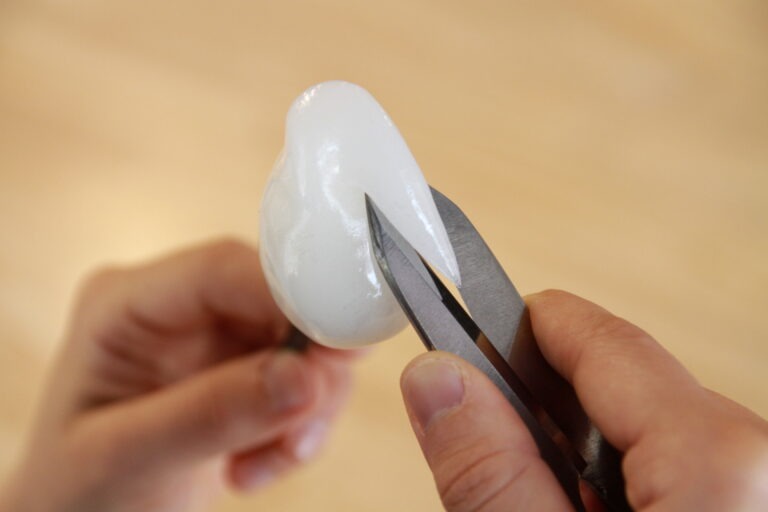
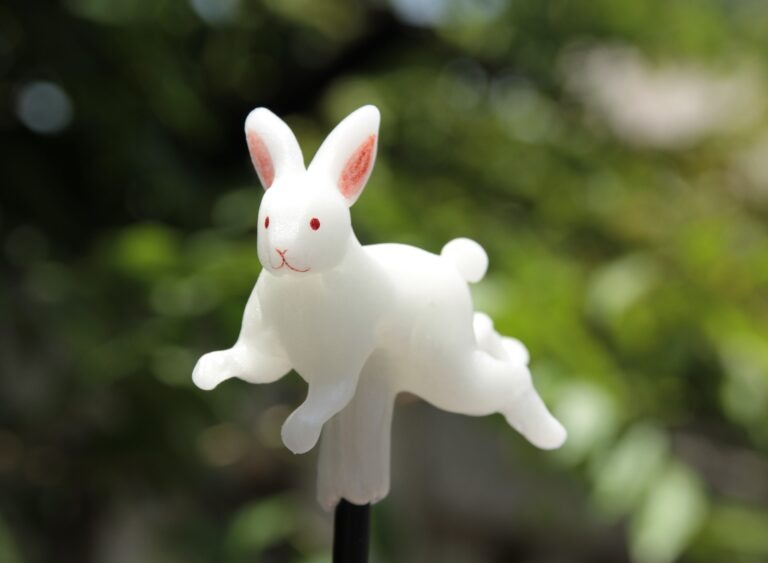
Due to the labor-intensive nature and incredible skill required to create amezaiku, the craft has become close to extinction in modern times. A group of dedicated artisans founded by Shinri Tezuka aims to change this, raising a new generation of young artists determined to keep the craft alive.
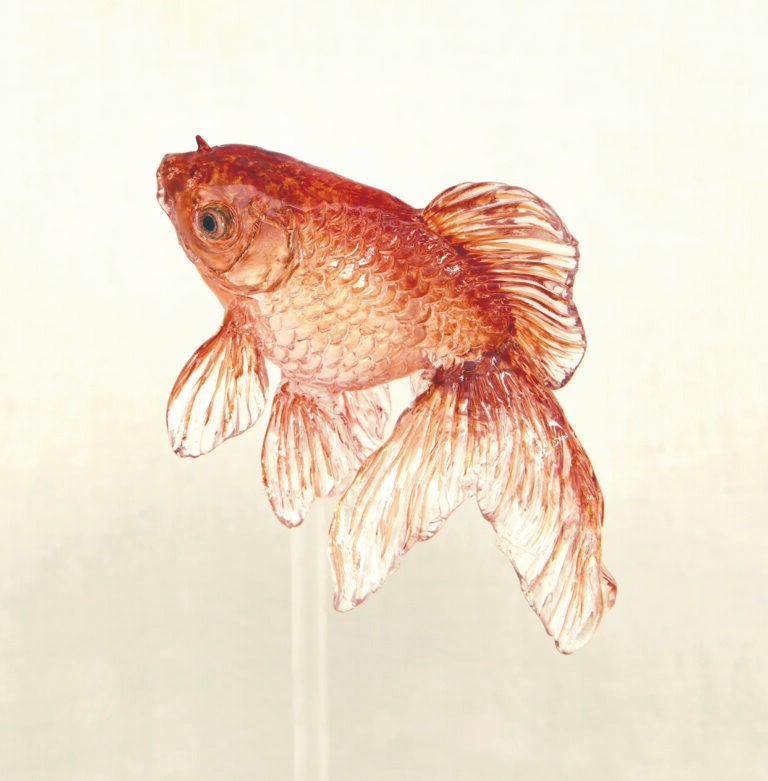
Asakusa Amezaiku Ameshin has two shops in Tokyo, one in the historical Asakusa neighborhood and the other in the massive Tokyo Skytree Solamachi shopping mall. The Asakusa location offers a workshop in which one of the amezaiku craftsmen teaches guests how to make a simple candy in the shape of a rabbit. Guests go through a couple of practice trials before creating their final work, which will be painted with food coloring and packaged to take home—unless they want to eat the fruits of their labor at the end of the workshop.
Sasanokawa Asaka Distillery - The Rebirth of Japanese Whisky
When Sasanokawa was founded in 1710, next to Fukushima’s Lake Inawashiro, whisky was never even heard of in Japan, arriving from overseas over a century later. Sasanokawa enjoyed many centuries producing fine sake, but expanded into whisky in 1946 due to a post-WWII rice shortage. The brewery rode the popularity of whisky during Japan’s boom years of the 1980s, but changing times and tastes saw it decline for nearly two decades into the 21st century.
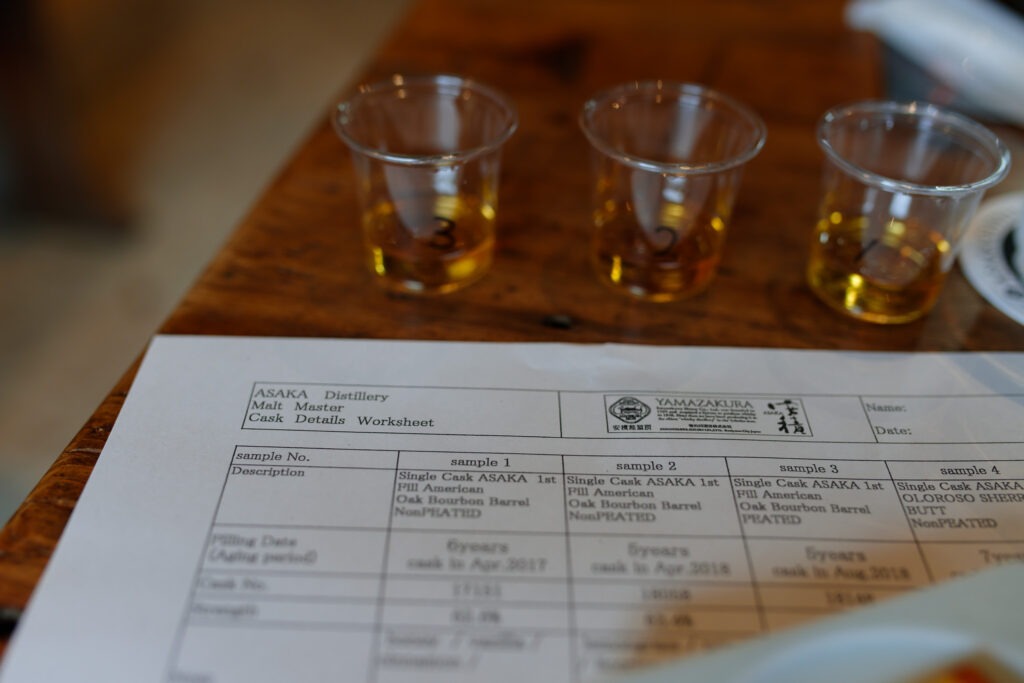
In a twist of fate, Sasanokawa obtained casks of unsold whisky from TOA distillery, which was forced to shut down in 2003. These casks were eventually used in a partnership with an upstart whisky company that became known as “Ichiro’s Malt,” a brand that helped kick off the small production whisky distillery movement that thrives today.
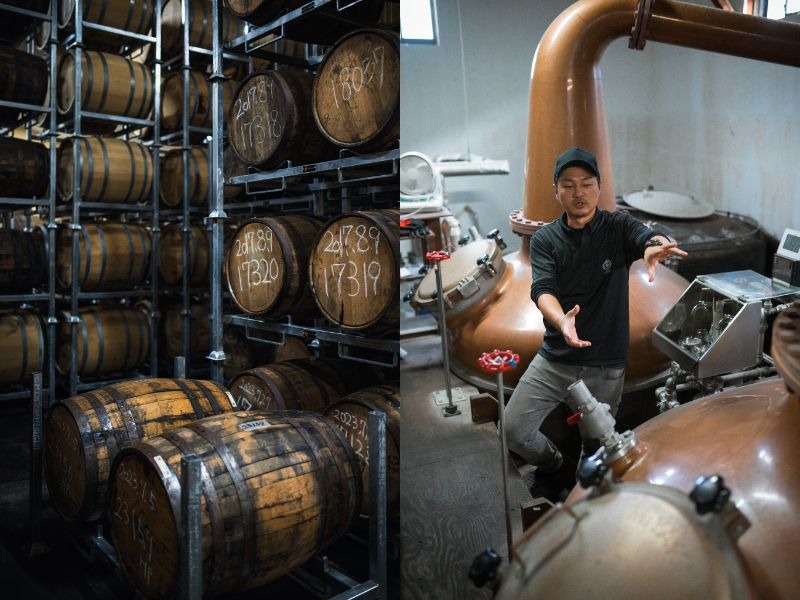
In 2014, Sasanokawa’s own unsold whisky, which had been aging in barrels for years, was released as Yamazakura, proving to be an enormous hit in the whisky market. In 2016, Asaka Distillery became the whisky-producing arm of Sasanokawa, housed in one of the brewery’s former storehouses. As a high-quality whisky distiller with limited production quantities, Asaka’s annual production sells out quickly among whisky connoisseurs.
Along with a tour of the distillery, guests can participate in a whisky-blending workshop to create their own blend of Asaka-produced whiskies in a 200ml bottle. The master distiller himself leads you through the workshop, explaining the characteristics of each of the Asaka whiskies and encouraging you to mix and taste various combinations to find what suits you. The opportunity to create your own custom blended whisky is a rare experience indeed, and one that makes a visit to Asaka Distillery truly worthwhile.
Boshu Uchiwa - Chiba's Unique Handheld Fans
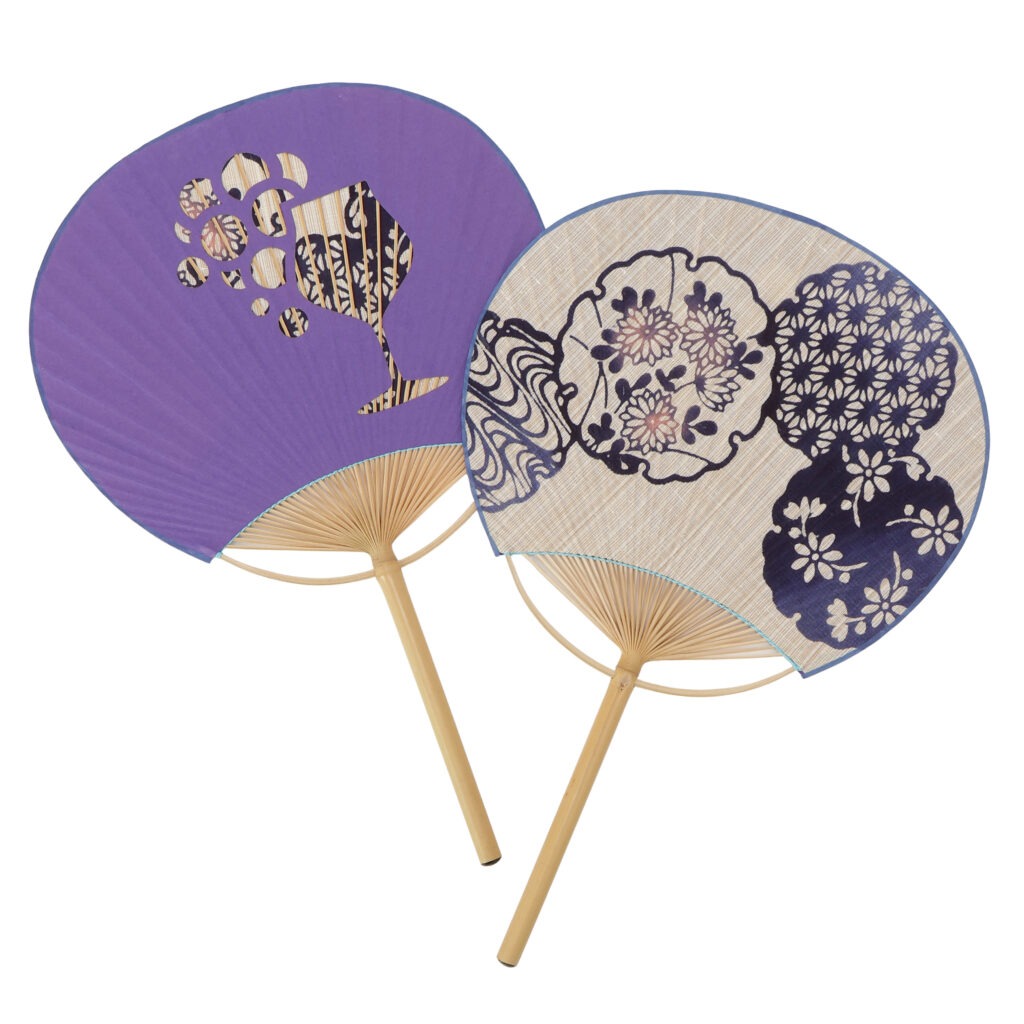
The round-shaped, beautifully designed handheld uchiwa fans are a staple of Japanese summer festivals and come from three distinct regions of Japan, including Chiba Prefecture’s Tateyama and Minamiboso. The boshu uchiwa is made with thin madake bamboo sliced into 64 ribs to create the fan’s skeleton. The fans were produced in the area around Tokyo since the middle of the Edo Period of the 1780s. For the most part, the madake bamboo frames were grown and produced in Chiba, but the uchiwa fans themselves were finished in the capital of Edo, which was eventually renamed Tokyo. Through blind luck, a uchiwa wholesaler in Tokyo’s Nihonbashi district built a factory in Chiba to produce the fans in 1921, which then became the primary source of boshu uchiwa when Tokyo’s uchiwa factories were damaged or destroyed in the Great Kanto Earthquake of 1923.
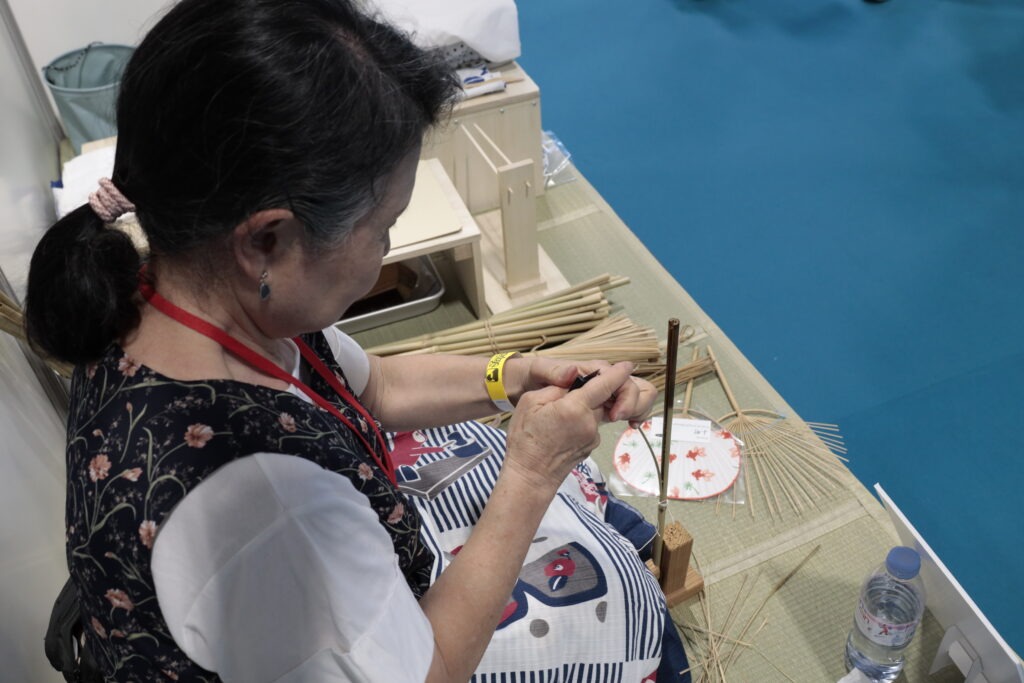
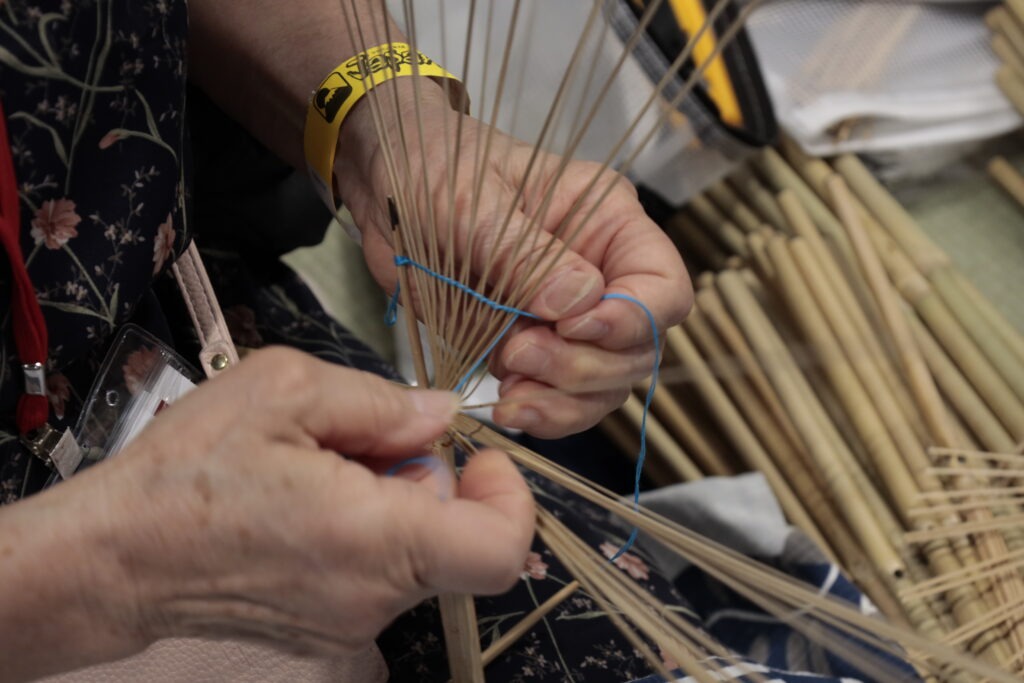
Visitors to the Minamiboso area can take part in one of several boshu uchiwa-making workshops to create a handmade fan. The workshops typically cover the last few steps of the intricate fan-making process and last about 2 hours.
Visit Traditional Craft Location Using JR EAST Trains and Passes
Whether your interest is in learning the details of Japanese traditional crafts from the wisdom of skilled artisans or trying your hand at making your own, these are just a few of the places available in and around Tokyo where you can get a taste of Japan’s love of handicrafts. Most locations are easily accessible from Tokyo on JR EAST train lines, so you might consider the value of a regional JR Pass for your visit. For example, the five JR EAST PASS covers train lines in all of the areas mentioned in this article, while the three-day JR TOKYO Wide Pass covers all but Sasanokawa Asaka Distillery.