
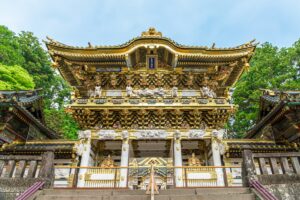
Beyond Travel: An Experience to Feel the Depth of Japan
Oshu kaido
Mikuni kaido
Mito kaido
Narita kaido
Onari kaido
Tokaido
Nakasendo
Koshu kaido
Nikko kaido
TOKYO
GUNMA
CHIBA
Japan feels different when you stop chasing checklists and start borrowing from everyday life. Across Kanto, there are places where the border between “visitor” and “local” softens: a former elementary school reborn as a community hub, a temple that doubles as a soul-reboot button, a farmhouse where river fish go straight from pond to irori, a classroom where you become the transfer student for a day, and a cat café where you can design a good-luck charm at your own pace. These attractions are spaces where staying overnight, cooking, training, meditating, or simply chatting becomes part of the experience. “Beyond travel” here means learning how people live, eat, and practice their traditions, and carrying some of that depth home with you.
Table of Contents
- MUJI BASE OIKAWA – A Schoolhouse Hub for Everyday Life
- UNDOKAIYA’s Kimino Koko – A Day as a Japanese High School Student
- BIKUYA – River Fish and Firelight on Mount Haruna
- TEMPLE STAY ZENSŌ – Mindful Nights in a Living Temple
- Yanakado Café Nekoemon – Painting Your Own Lucky Companion
- Getting There with JR: Rail Routes into Deeper Japan
MUJI BASE OIKAWA – A Schoolhouse Hub for Everyday Life
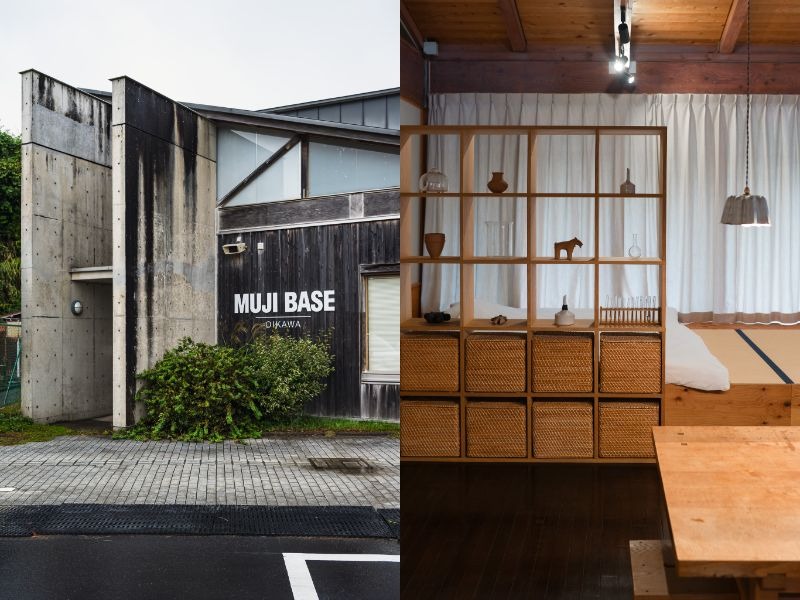
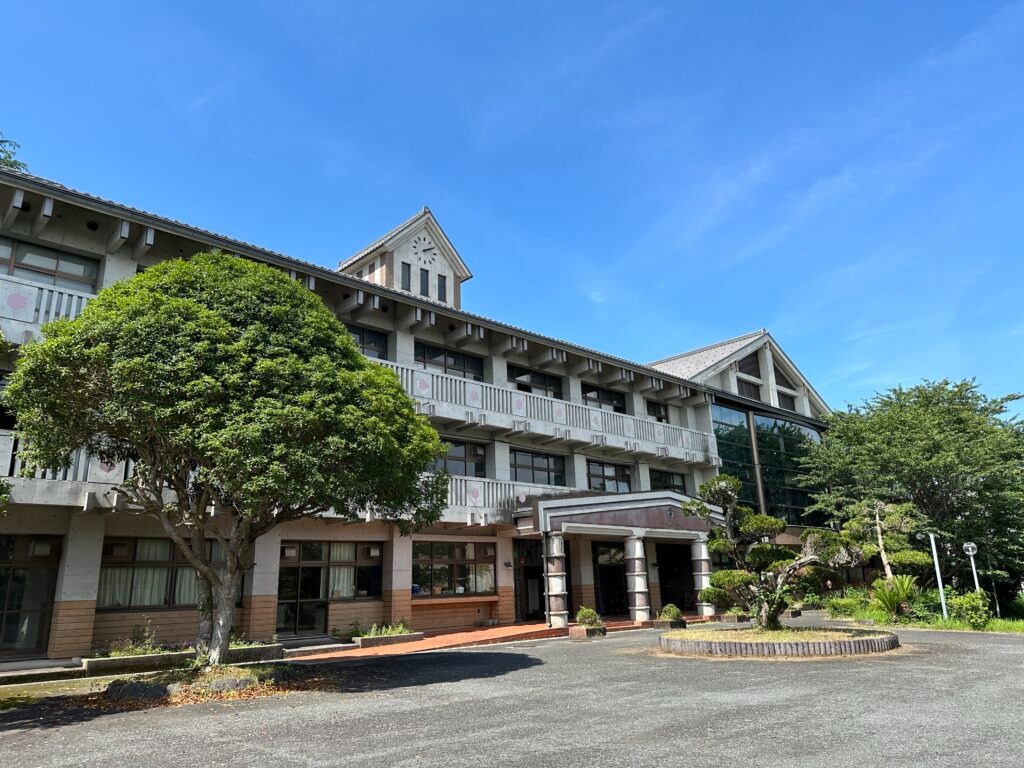
In the hills of Chiba’s Boso region, MUJI BASE OIKAWA brings new life to the former Oikawa Elementary School, closed in 2013 and taken over by MUJI several years later. It was relaunched in October 2024 as a “stayable school” and community hub, connecting guests with local routines instead of isolating them in a self-contained resort.
Only three guest rooms occupy what used to be classrooms (reduced to two rooms from December 2025, as Building B was converted to a whole-building rental), each designed for groups and families rather than solo travelers. One large unit can host up to ten people with beds and futons, a generous living area, and a fully equipped kitchen; another can be divided into two sleeping quarters while keeping the shared kitchen and bathroom. MUJI furniture and amenities mingle with blackboards, school cupboards, and objects that once belonged to pupils and staff, so the building still reads as a school first and a hotel second.
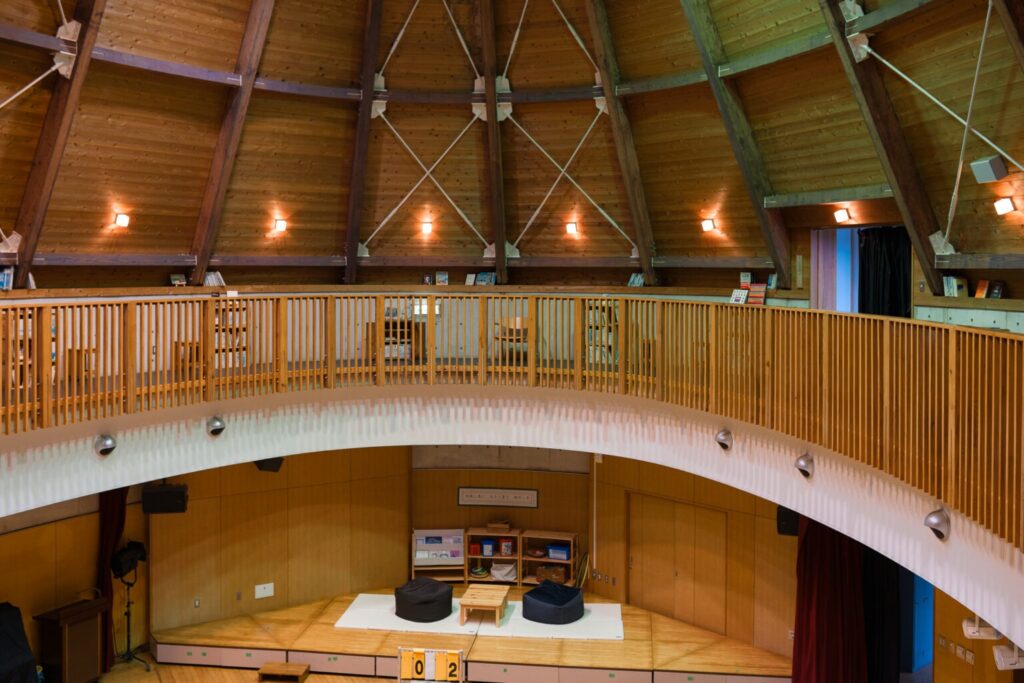
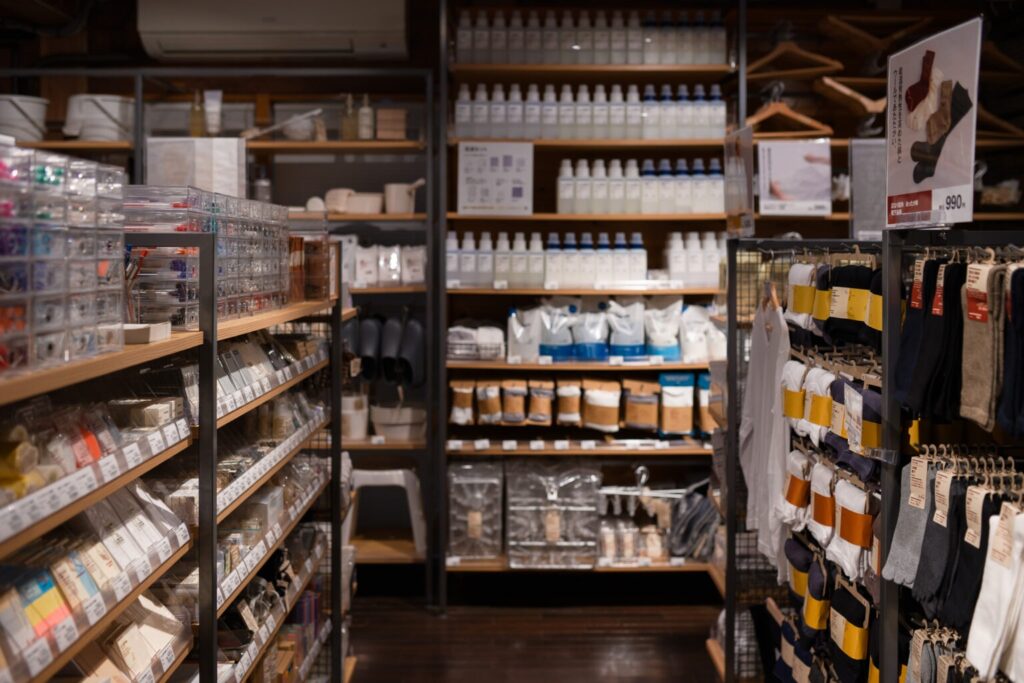
The campus serves the community with a coin laundry, co-working spaces, and a MUJI shop featuring local products. Classrooms function as rental kitchens, while the gym hosts events and exhibitions. Staying here is like joining the neighborhood to engage with the same facilities as residents.
UNDOKAIYA’s Kimino Koko – A Day as a Japanese High School Student
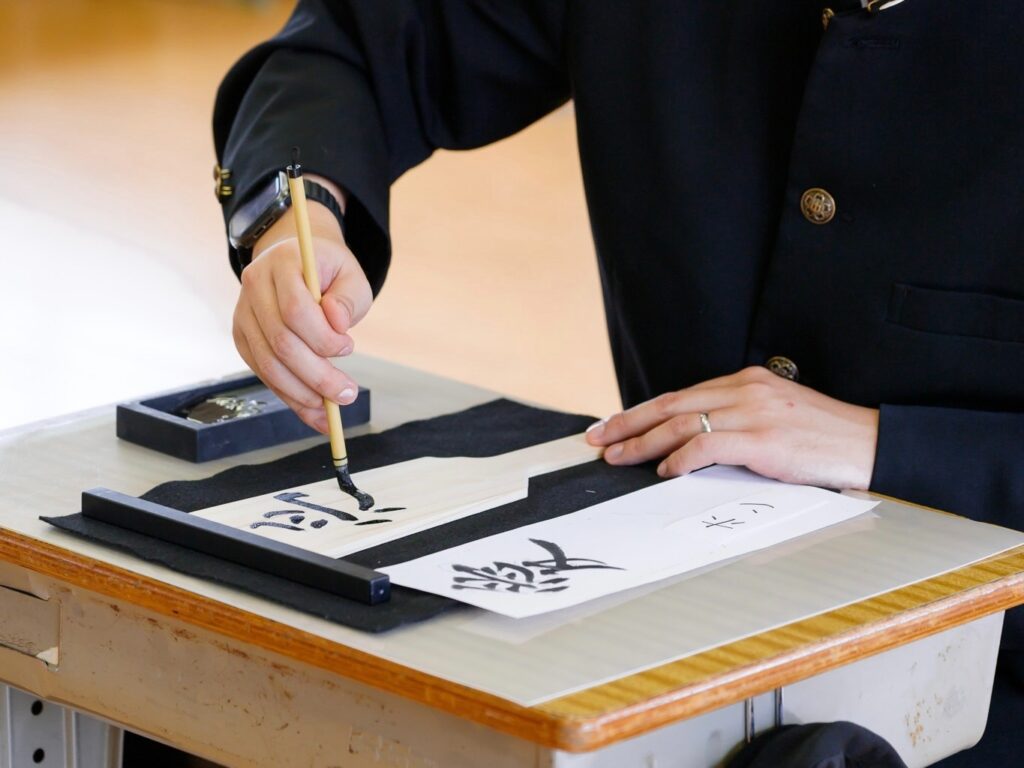
At CAMPiece Kimitsu in rural Chiba, UNDOKAIYA’s “Kimino Koko” turns a retired junior high school into a stage for snippets of school life that you usually only see in anime. Participants slip into sailor uniforms or gakuran jackets, line up for morning homeroom, and move through a schedule that feels surprisingly close to the real thing: calligraphy class, social studies, and a full ritual of bows, greetings, and class leadership roles.
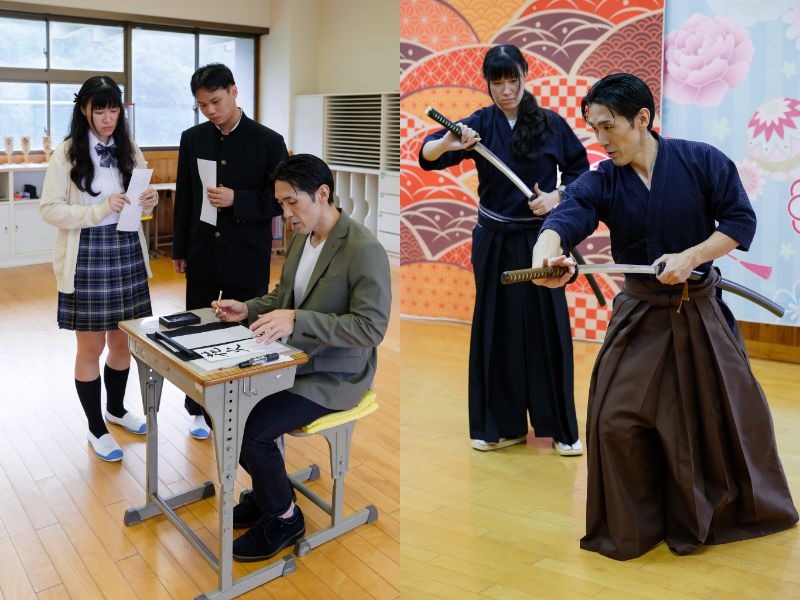
Across roughly five hours, the day flows through short, structured periods with room for photos and small talk. Lunch is classic kyushoku style, with one participant acting as lunch leader and serving curry rice and milk to classmates before everyone eats together. Later on, teams face off in UNDOKAI sports events, cheering and competing in lighthearted games before tackling cleaning duty with brooms and dusters in hand. The experience runs in English and attracts visitors who want to understand Japanese school culture from the inside, role-playing as temporary students sharing the same bell, same desks, and same routines.
BIKUYA – River Fish and Firelight on Mount Haruna
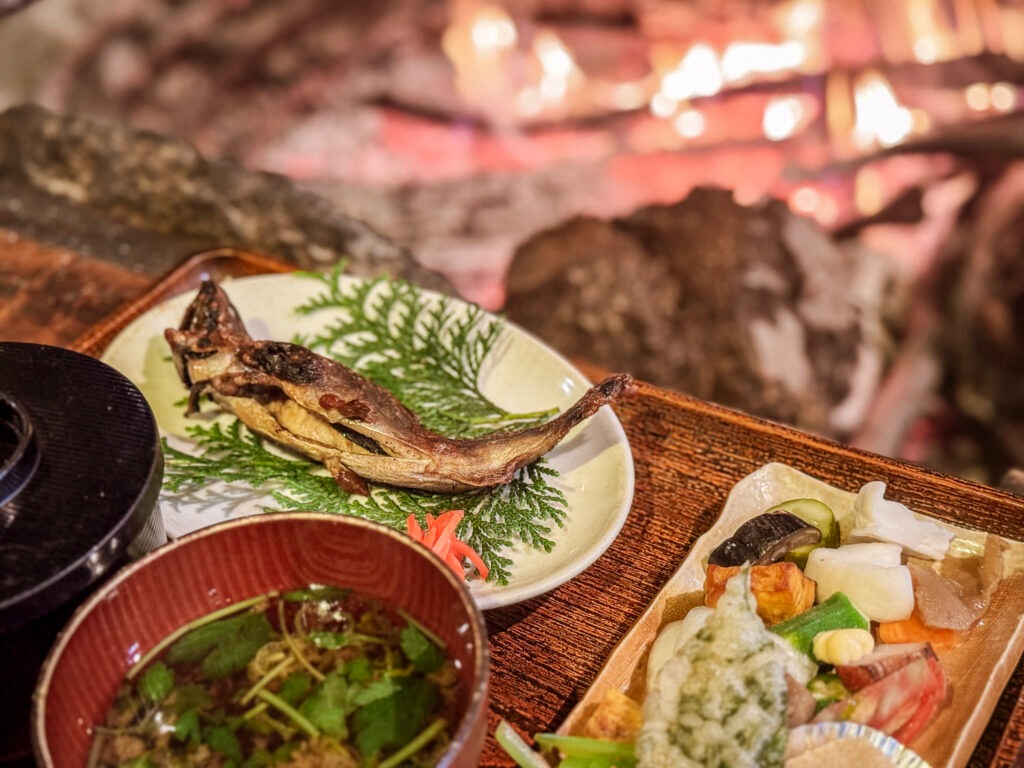
On the forested slopes of Mount Haruna, Bikuya feels like a time capsule of country cooking. The restaurant occupies a smoke-darkened thatched farmhouse, its central irori hearth glowing throughout service. The business grew out of a former stream-fish farm in the early 1970s, and the menu still revolves around river fish such as iwana (char) and yamame (salmon), paired with mountain vegetables, mushrooms, and handmade soba, udon, or Okkirikomi noodles.
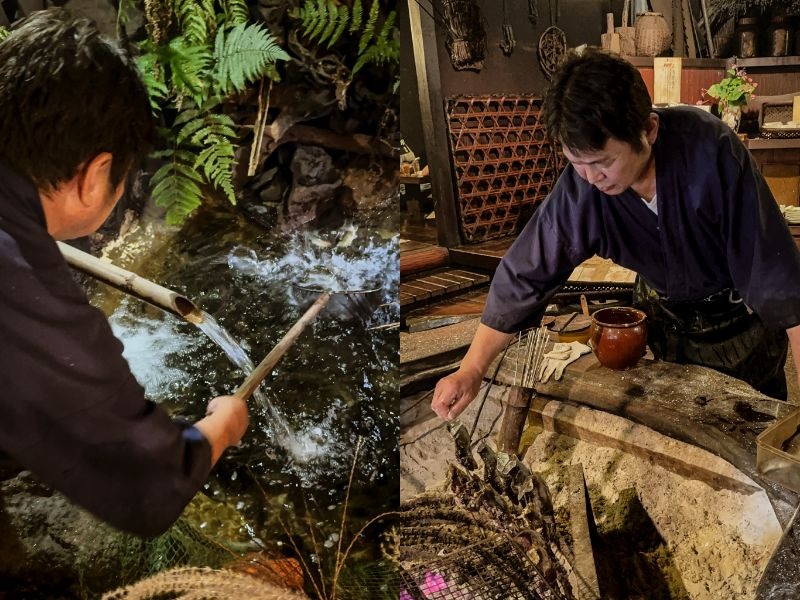
Part of the experience unfolds before the first bite. Live fish are kept in an indoor pond until just before cooking, then salted and arranged upright around the coals to roast slowly. The air carries a heavy, comforting smokiness that makes the room feel like a working farmhouse kitchen. Queues often form well before opening, so it’s advisable to visit early. And still, waiting may stretch past an hour. But once inside, the flames set the pace, rewarding patience with flavors loved by locals.
TEMPLE STAY ZENSŌ – Mindful Nights in a Living Temple
©TEMPLESTAY ZENSŌ
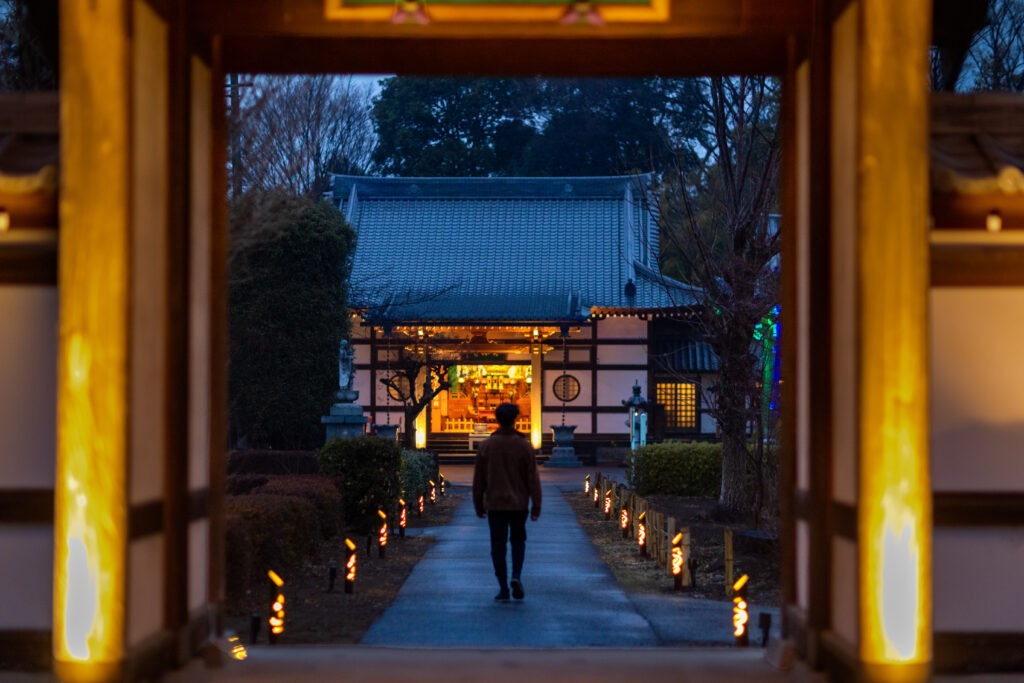
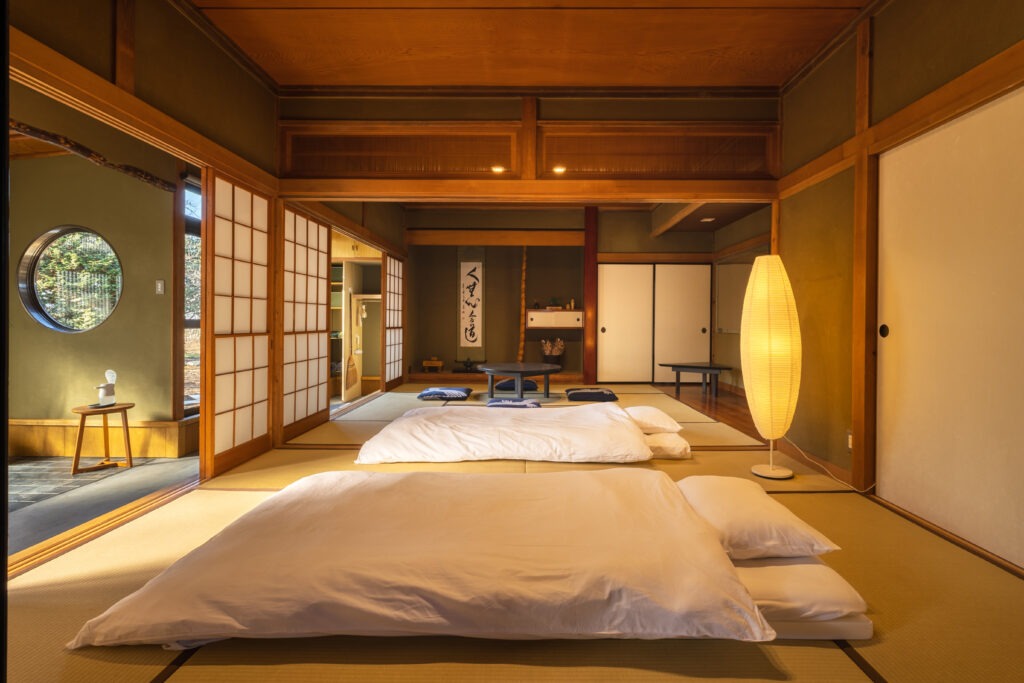
In Chiyoda, Gunma, TEMPLE STAY ZENSŌ invites you to spend the night inside a temple with roughly 700 years of history. The accommodation occupies the former monk’s residence, refurbished with warm wood, clean lines, and just enough comfort to make the stay painless without breaking the spell of being on temple grounds.
©TEMPLESTAY ZENSŌ
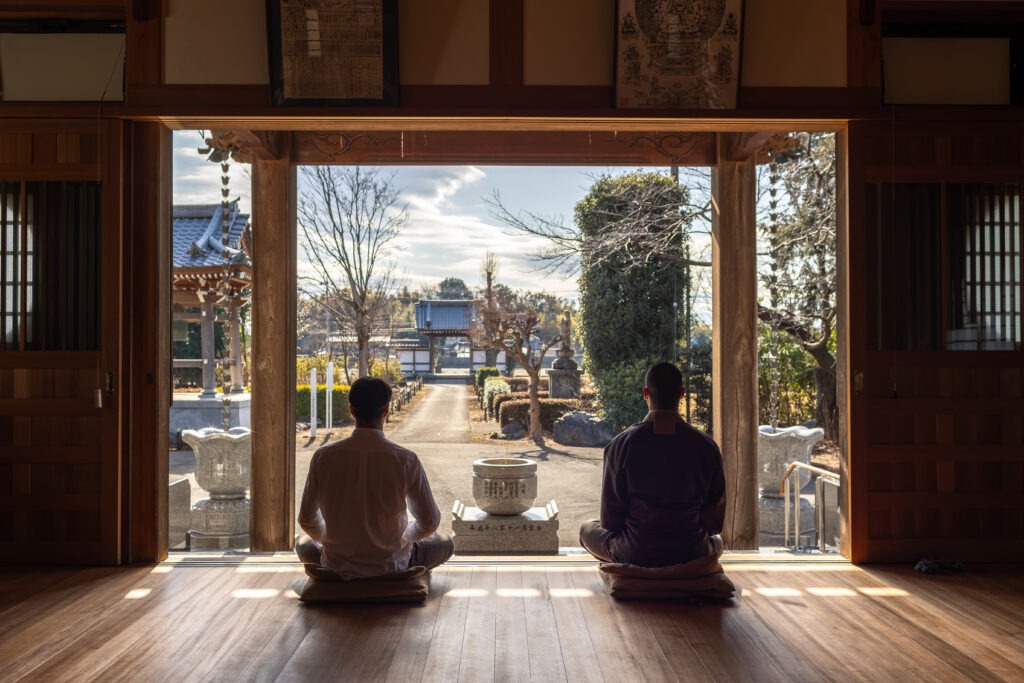
Stays here revolve around simple routines: join meditation sessions led by the resident monk, who explains posture and breathing, so that even beginners can participate without feeling intimidated. Sutra copying adds another layer of calm: trace each character in silence, then have your completed work blessed, turning the page into a small personal talisman.
©TEMPLESTAY ZENSŌ
On certain evenings, the temple grounds are illuminated, and familiar spaces take on a different character. Between activities, you can read in your room, stroll the grounds, or simply sit and notice how the day slows down. If you are seeking a quieter window into Japanese Buddhism, ZENSŌ functions as both accommodation and practice hall, with everyday comforts supporting a stay built around reflection.
Yanakado Café Nekoemon – Painting Your Own Lucky Companion
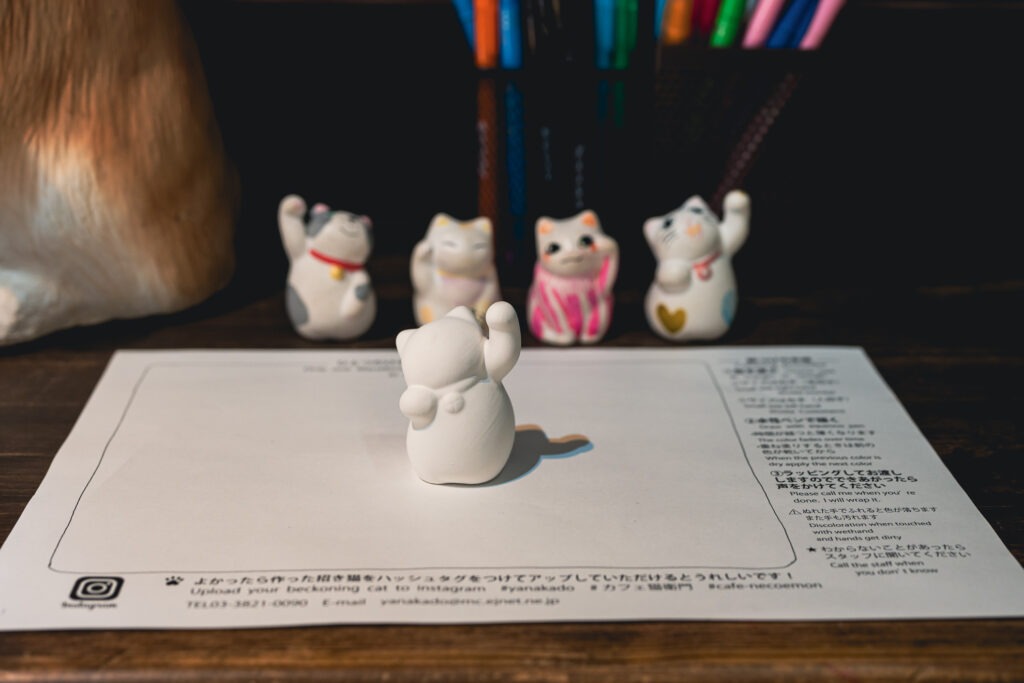
In Tokyo’s Yanaka district, Yanakado Café Nekoemon turns the maneki-neko into something personal. Inside this cat-themed space, you can select a blank beckoning cat to decorate while enjoying snacks and drinks, as you design a charm befitting your hopes. Posture also matters: left paws are often linked to relationships and connections, right paws to good fortune and prosperity.
The café uses water-soluble pens instead of traditional brushes and pigments, keeping the process easy for everyone. Small groups or solo visitors can work at their own pace, playing with patterns on the ceramic surface. Staff members are on hand to explain maneki-neko symbolism and wrap finished pieces carefully so that they survive your trip home.
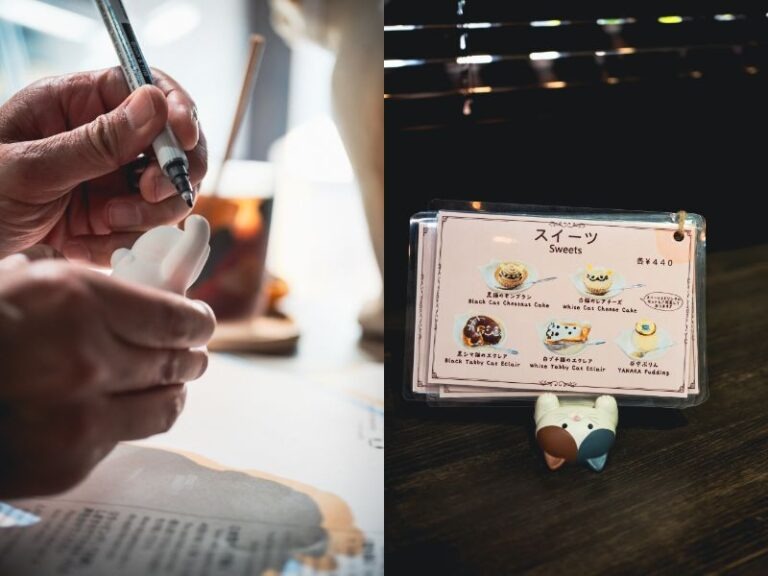
The café menu ranges from cat-themed desserts to light meals, so it’s an easy stop between strolls through Yanaka’s backstreets and cemeteries. It functions as both studio and café, a place to sit down for an hour or two and create a tangible memory of Tokyo that feels more like a small collaboration than a simple purchase.
Getting There with JR: Rail Routes into Deeper Japan
JR lines make it surprisingly straightforward to connect these slow-travel experiences, from Tokyo neighborhoods to forested valleys. For many visitors, a practical starting point is the JR TOKYO Wide Pass, which offers three consecutive days of unlimited rides on JR East lines around Tokyo, Chiba, Gunma and beyond.
To reach MUJI BASE OIKAWA, take the JR Uchibō Line from central Tokyo to Goi Station, then transfer to the Kominato Railway and ride it to Yorokeikoku Station. From there, board the Kominato Railway bus bound for Awamata, get off at “Oikawa,” and walk about five minutes to the property. Alternatively, you can Start from Ōhara Station on the JR Sotobō Line and take the Isumi Railway to Kazusa-Nakano Station (note: as of December 2025, the Isumi Railway is out of service and buses are operating as a substitute), Please note that both trains and buses run infrequently, so plan transfers carefully. For Kimino Koko in Kimitsu, the homeroom for the experience program begins at 11:00 a.m. Therefore, we recommend staying overnight nearby; alternatively, if you plan to arrive on the same day, you can take the shuttle bus departing from Shinjuku to reach the school.
Gunma’s experiences work well as longer excursions. Take the Joetsu or Hokuriku Shinkansen, or the JR Takasaki Line, to Takasaki, a major JR hub covered by the JR Tokyo Wide Pass. From there, local JR lines and buses run toward Mount Haruna and Bikuya, while renting a car opens the way to pleasant rural towns where quiet landscapes and local history come alive, such as Chiyoda, home to TEMPLE STAY ZENSŌ.
Back in Tokyo, Yanakado Café Nekoemon is a pleasant half-day outing: ride any JR Yamanote, Keihin–Tōhoku, or Jōban Line to Nippori Station, then stroll into the backstreets of Yanaka for your maneki-neko painting session