

Slow Travel and Local Flavors: Savoring the Spirit of Japan
The quality of the food and drink made in Japan are not simply a goal, but a way of life. Even in the most extraordinary restaurants and breweries in Japan, you may not find Michelin stars, but you will discover culinary craftspeople dedicated to protecting and improving the traditional methods that have produced cuisine of superior quality for centuries. From historic restaurants maintaining the Aizu food culture of northern Japan to shops perfecting the production of the humble senbei (rice cracker), the commitment of small businesses to the flavors of traditional Japan is unchanging over time. You'll find many of these establishments operating outside of central Tokyo; fortunately, the network of public transportation, with the JR East train lines as the backbone, gives visitors to Tokyo quick and easy access to most of them.
Table of Contents
- Shibukawa Donya: Protecting the Traditional Cuisine of Aizu
- Sawanoi: An Ode to Edo Sake-brewing Tradition
- Soka Senbei Garden: Birthplace of Japanese Senbei Crackers
- Hikawa Satei: A Tea House Made From a Shrine
- Daishichi Sake Brewery: Guardian of Traditional Sake Brewing Methods
- Use JR EAST Trains To Discover the Flavors of Tokyo and Beyond
Shibukawa Donya: Protecting the Traditional Cuisine of Aizu
Aizu-Wakamatsu is situated deep in the mountains of Fukushima, far away from the seas that provide the majority of Japan with fresh seafood. Before refrigeration, dried seafood was transported from coastal areas to Aizu-Wakamatsu, resulting in a cuisine that combines preserved seafood with mountain vegetables and locally grown Aizu rice from the area’s fertile soil. Local dishes such as kozuyu, a dish served in a dashi broth made with dried scallops, konjak, various mushrooms, and other mountain vegetables, are among the traditional dishes prepared at Shibukawa Donya.
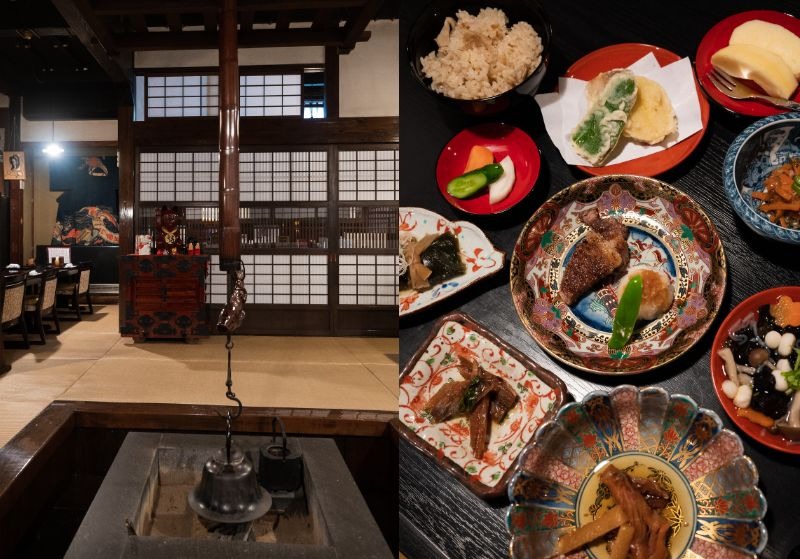
In the 20th century, when the Japanese developed a taste for beef, the restaurant added melt-in-your-mouth Aizu beef to the menu. And because transporting seafood from the coast is no longer a challenge, fresh seafood from both the Sea of Japan and Pacific Ocean sides of Japan are available here. Meals are served on colorful lacquer and ceramic dishes much like they would have been to distinguished guests over a century ago.
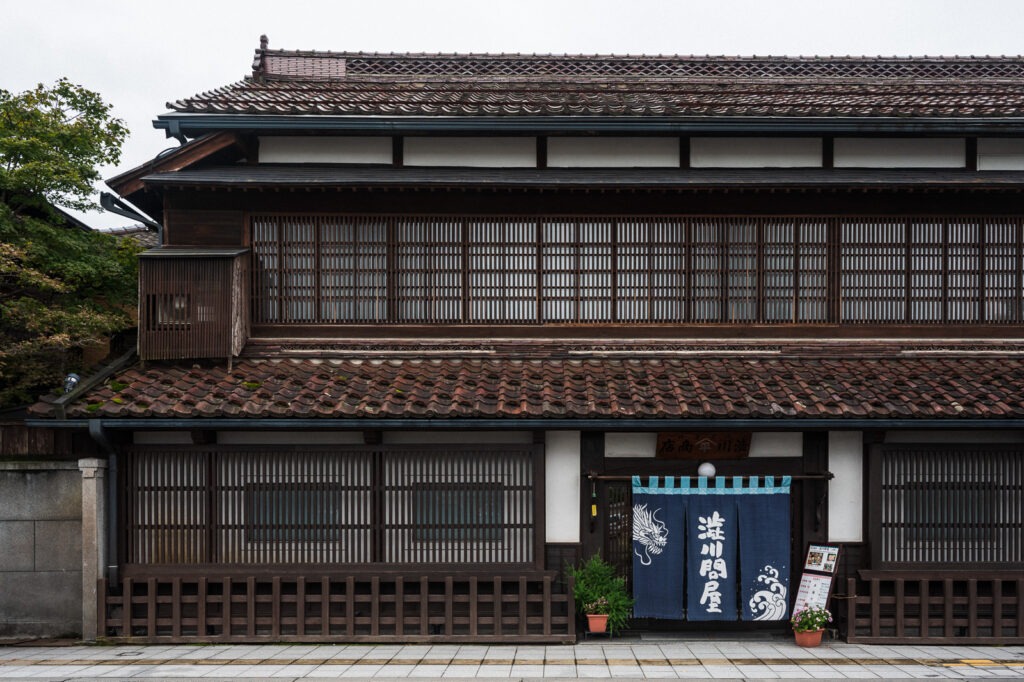
Beyond the rich gastronomic experience of Shibukawa Donya is the restaurant’s atmosphere. Housed in the main building of the late-19th-century Shibukawa seafood wholesaler, much of the interior decor has been preserved from the original building. The dark-stained woods, centrally located irori hearth, and handwritten signage are visual representations of the restaurant’s past life, reinforcing the connection to traditional cuisine.
Sawanoi: An Ode to Edo Sake-brewing Tradition
Few sake breweries remain from the days when Tokyo was still Edo, when samurai still ruled Japan. Sawanoi, produced by Ozawa Shuzo, is one of the oldest among them, established in 1702 in the Sawai area, renowned for its pure, clear water.
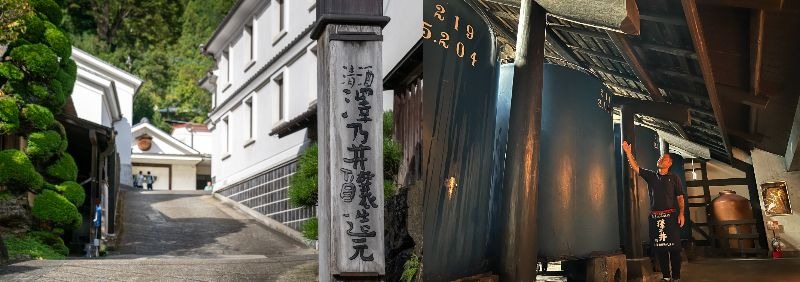
The brewery sits along the Tama River in the mountains of Okutama, the western frontier of the Japanese capital. With densely forested mountains and clear streams, the area is hardly recognizable as Tokyo and is, in fact, a popular destination for city dwellers seeking hiking, cycling, and outdoor adventures. The brewery offers guided tours and tastings of its wide variety of sake. Mamagotoya, the brewery’s traditional Japanese restaurant, features dishes inspired by the fresh tofu made here daily from the same delicious Sawai water used to produce its sake. The restaurant offers views overlooking the peaceful Tama River.
You can also enjoy the river up close at the brewery’s garden, Sawanoi-en, which is directly on the riverbank. The garden is the perfect location to take in Okutama’s spectacular autumn scenery, especially over a bottle of Sawanoi’s premium sake, of course.
Soka Senbei Garden: Birthplace of Japanese Senbei Crackers
Senbei, the baked rice crackers enjoyed as snacks all over Japan, are not a recent invention of the Japanese. They originated in China, arriving in Japan over 1,000 years ago as a treat. The savory version, made from rice and coated with a layer of shoyu soy sauce is, however, a relatively new Japanese twist on senbei, created in the post town of Soka, located in modern-day Saitama Prefecture. This type of cracker was said to have been created at a Soka tea house during the Edo period. Because Soka was a post town along a major road leading to and from Edo, it became increasingly popular throughout the rest of the country.
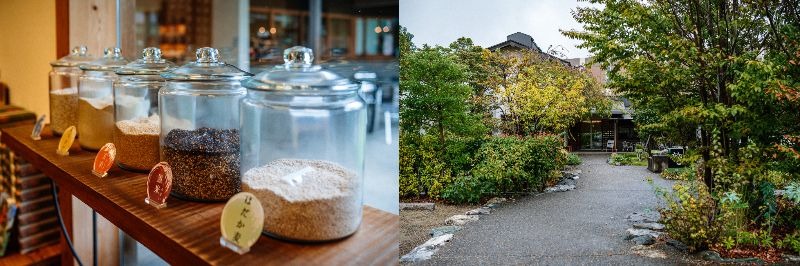
Yamako Senbei is one of the Soka companies maintaining the tradition of this cracker production in the birthplace of Japanese senbei. According to the staff, there is an unwritten code for what can be called Soka senbei: made with locally grown rice, flattened using a tool used in Soka senbei production, and having the entire process overseen by a Soka senbei craftsperson. Every child growing up in Soka inevitably also learns about this tradition, with school trips to senbei companies part of the local education.
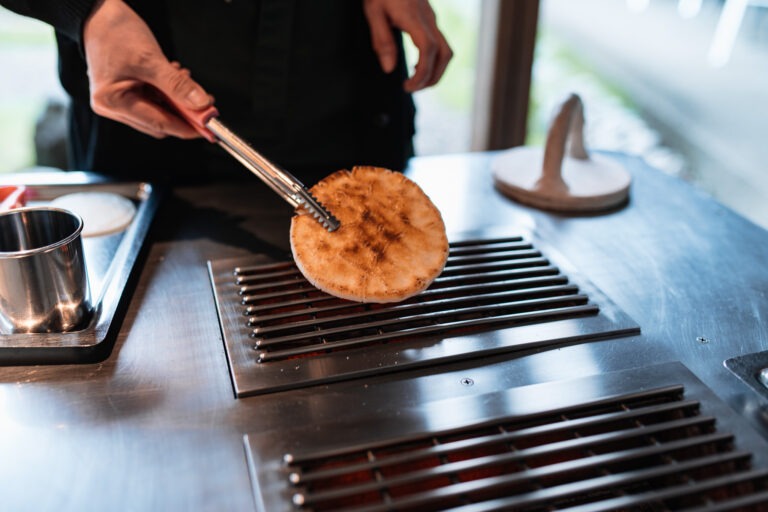
For such a simple and common snack, the production of senbei is actually quite complex. The highest-quality crackers are made from organic rice and shoyu and hand-baked by veteran craftspeople over a special type of charcoal known as binchotan. Baking is also no simple task, which you can experience yourself at Soka Senbei Garden. The facility features an outdoor area where you can grill your own senbei, which needs to be flipped every three seconds during the early stage of the grilling process, then pressed flat with a special tool every one second for the latter part. If you didn’t think you could work up a sweat baking senbei, you’re in for a surprise. Most days, you can also watch the process handled by a professional; a master craftsman is usually working on the premises, busily baking senbei behind glass windows.
Hikawa Satei: A Tea House Made From a Shrine
usashi Ichinomiya Hikawa Shrine is the most significant shrine in the city of Omiya, Saitama, a short train ride from central Tokyo. According to tradition, the shrine was established over 2,500 years ago and was a place of worship for many significant historical figures throughout Japanese history, and was eventually designated as the head of all the Hikawa Shrines in Japan. The 2-kilometer-long Hikawa-sando approach to the shrine is the longest of its kind in Japan, lined with 650 zelkova trees. A peaceful place for a stroll the majority of the year, the shrine attracts tens of thousands of visitors during major festivals and on New Year’s Day.
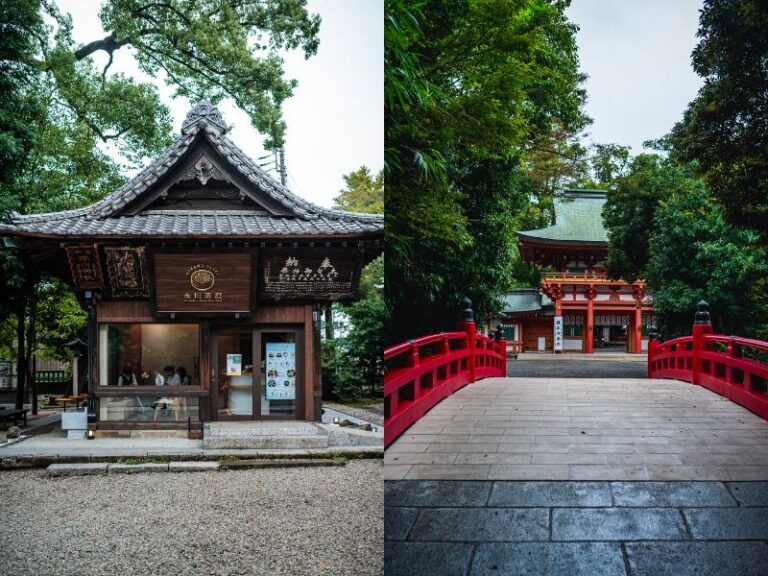
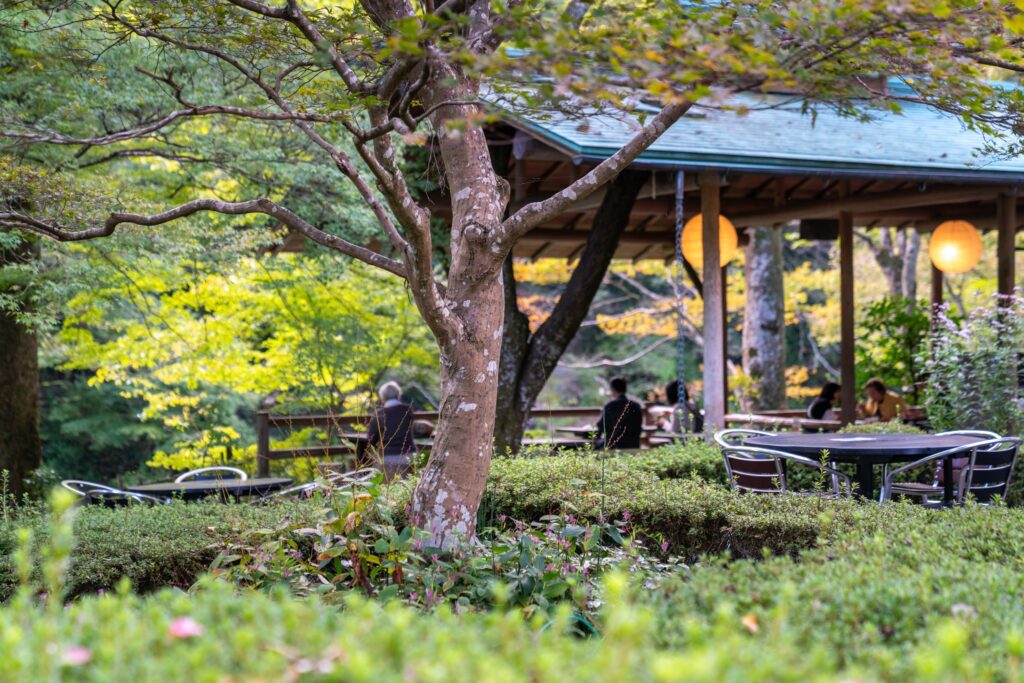
sitting on the right side of the shrine area just inside the San-no-torii gate. This is Hikawa Satei, a tea house specializing in Japanese teas and traditional sweets. If you confused it for just another shrine facility, it’s because of its roots. Hikawa Satei was renovated from a former shrine building where visitors would hang ema, the wooden plaques on which prayers or wishes are written and dedicated at shrines. Originally, it was more of a pavilion, a structure with a roof but no walls. Transformed into a tea house, the structure was reinforced with walls using traditional construction methods and as much original material as possible.
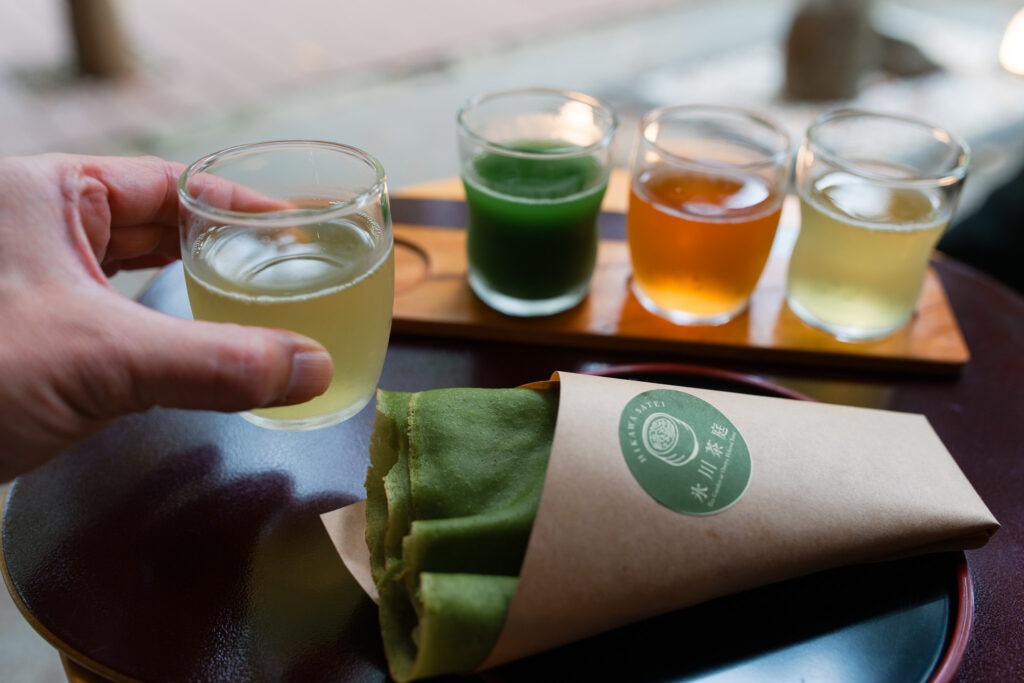
Visitors to the shrine can use Hikawa Satei to enjoy a tea break with traditional or traditionally-inspired desserts. A Hikawa tea sampler with four distinctly different types of tea is available for the curious or indecisive, and the modern Hikawa matcha crepe is a popular dessert choice, especially among young women. Or you can opt for a very traditional bowl of matcha with traditional sweets including daifuku, mochi stuffed with fruit, sweet anko beans, or both.
Daishichi Sake Brewery: Guardian of Traditional Sake Brewing Methods
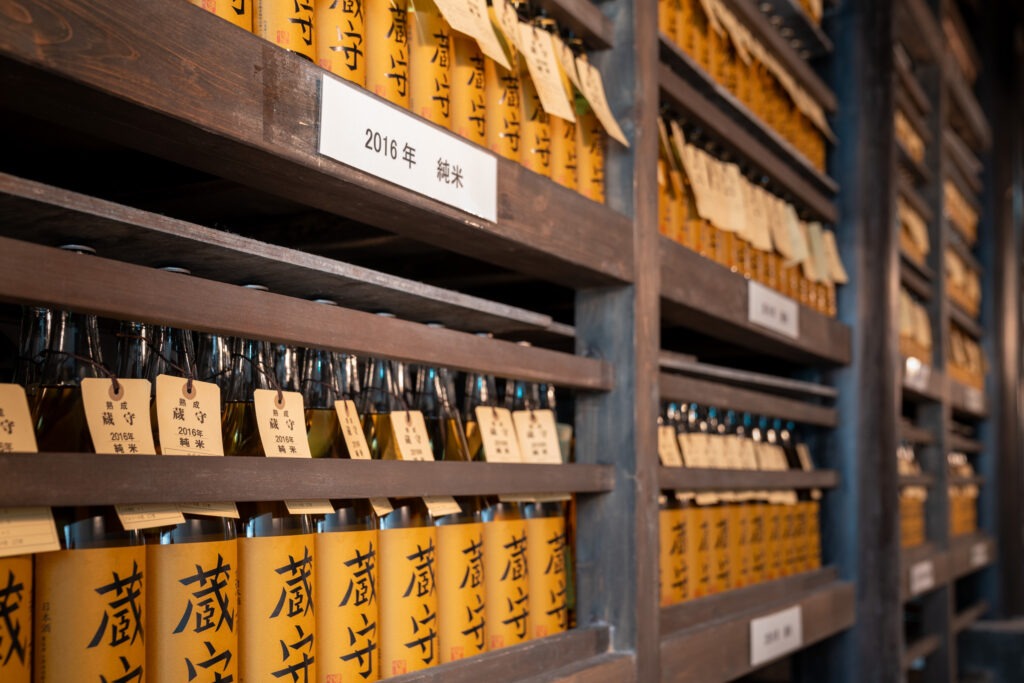
Over the centuries, the process for sake brewing in Japan has changed countless times, but the brewmasters of Daishichi Sake in Nihonmatsu, Fukushima, don’t believe every change is for the better. For this reason, Daishichi still uses the kimoto process of brewing sake, a labor-intensive process that creates natural lactic acid during fermentation rather than introducing artificially created lactic acid. The result is a sake with richer and more complex character that cannot be achieved any other way.
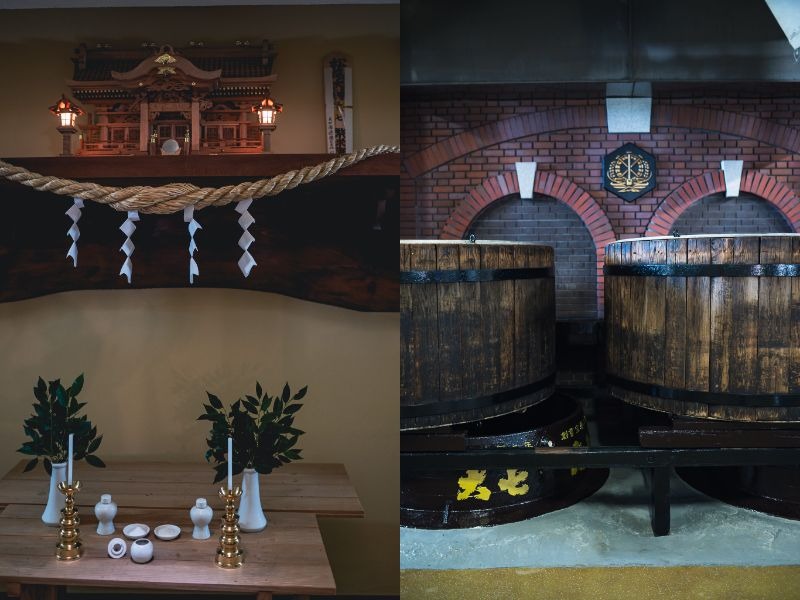
But don’t be deceived that Daishichi’s philosophy favors tradition over advances in sake production. The company also pioneered the “super-flat rice polishing” method, which reduces more of the undesirable bran layer of the rice grain while retaining more of the rice core, and is distinctive to Daishichi’s process. This method of rice polishing is also more time-intensive than the standard method, so, one could say that the quality of Daishichi’s sake is more important to the company than the time and labor required to produce it.
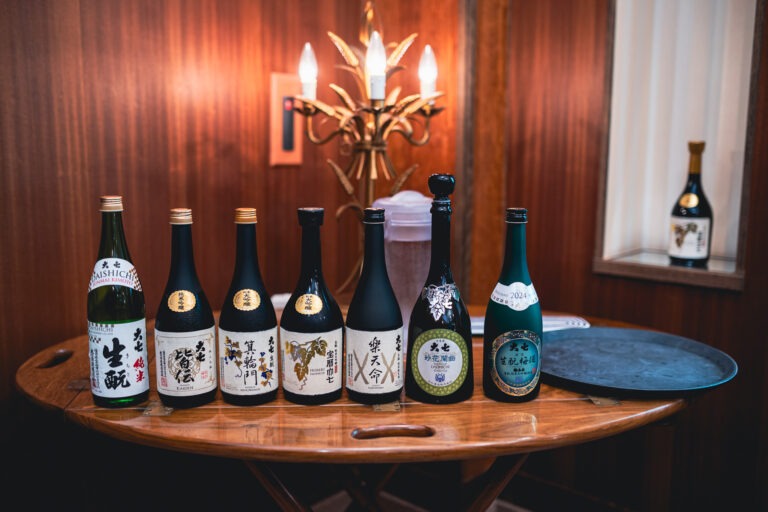
Tours of Daishichi’s huge brewery in Nihonmatsu are conducted regularly by reservation. The company uses professionally-produced audio and visual media along with a human guide to help give non-Japanese speaking visitors an enjoyable and informative experience. The highlight of the tour comes at the end, however, when an impressively large flight of Daishichi’s incredible sake are brought out for visitors to sample.
Use JR EAST Trains To Discover the Flavors of Tokyo and Beyond
Most of these locations are accessible from central Tokyo using the train lines of JR EAST. The JR EAST PASS (Tohoku area) is a perfect way to enjoy the sights north of Tokyo and the benefits can be enjoyed by any non-Japanese passport holders, including foreign residents of Japan. Pass holders can enjoy five consecutive days of travel on JR East trains, including Shinkansen and limited express trains within the area, Tokyo Monorail trains serving Haneda Airport, and some bus lines in the Tohoku area.