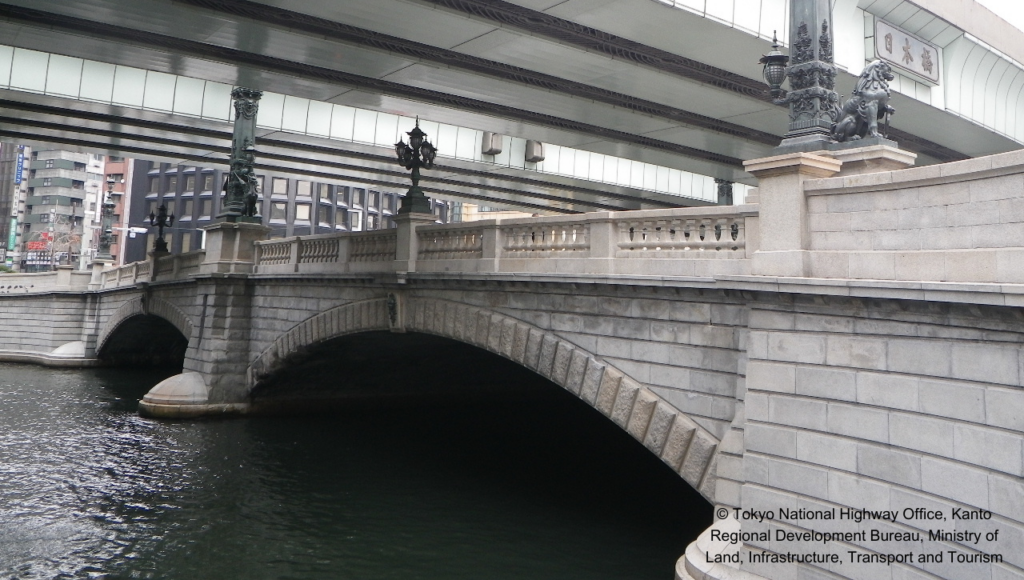
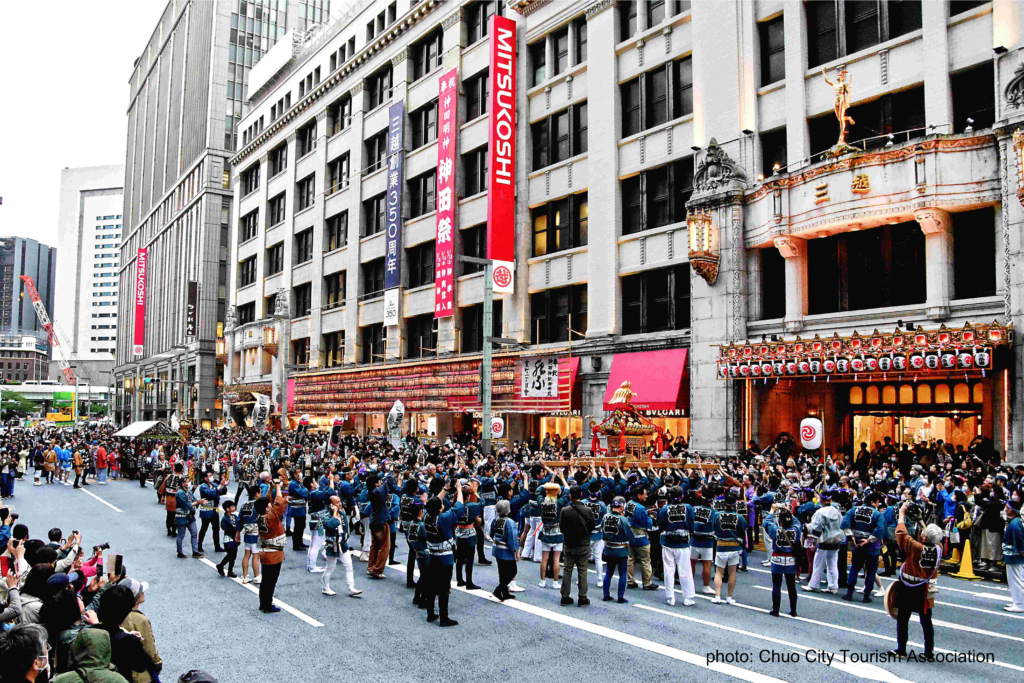
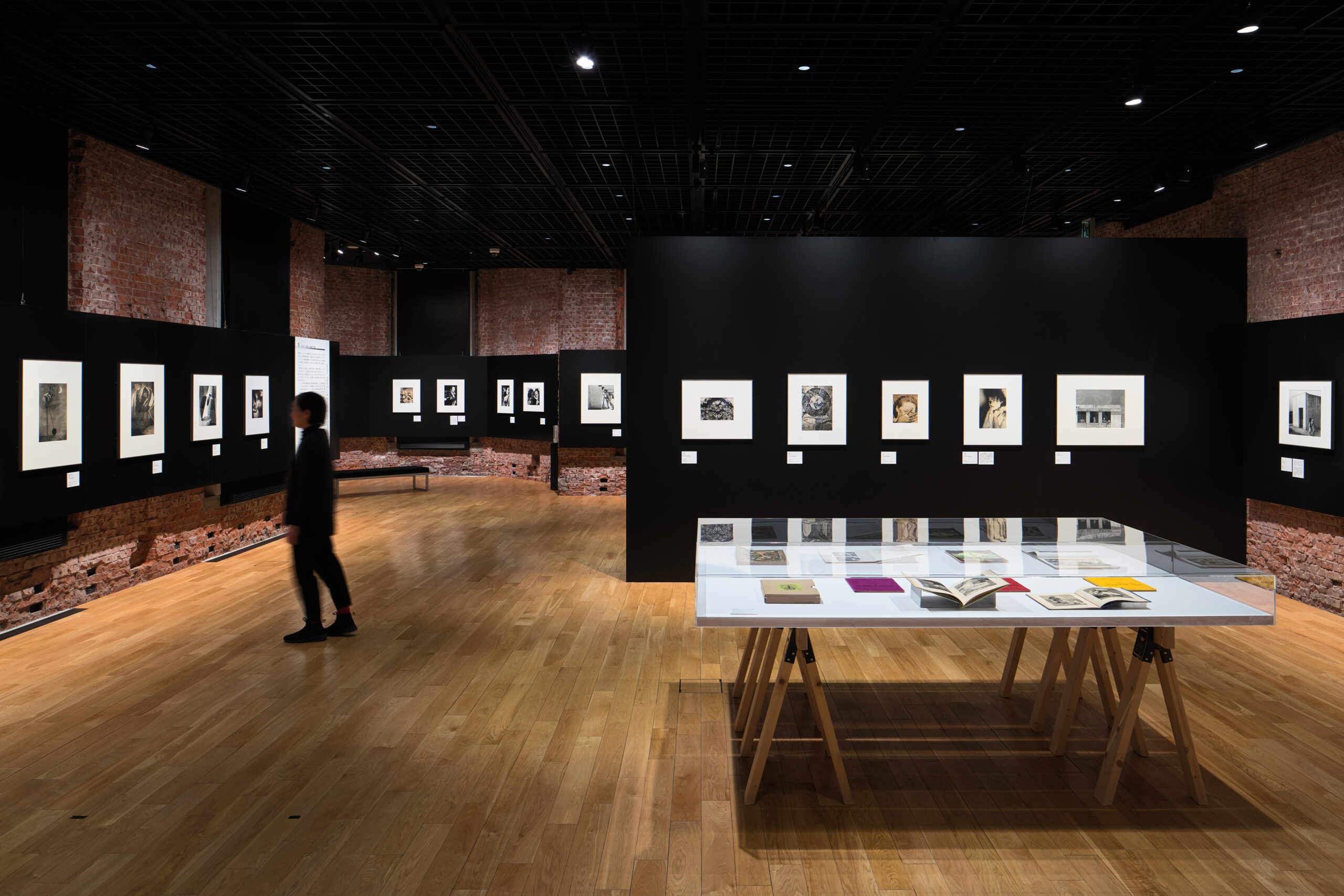
Nihonbashi, located in Tokyo’s Chuo Ward, is one of the city’s most historically significant districts and continues to evolve as a dynamic urban center where tradition and modern life intersect. Since the Edo period, Nihonbashi has functioned as the heart of commerce and distribution in Japan, home to merchants, wholesalers, and craftsmen who supported the nation’s economy. At the center of the district stands Nihonbashi Bridge, which remains the symbolic starting point of Japan’s road network. In the early 17th century, it served as the official point of departure for the Five Highways, connecting Edo with regions across the country and establishing Nihonbashi as the nation’s transportation hub. Today, although surrounded by modern buildings and elevated expressways, the bridge continues to represent continuity between past and present. Around it, long-established department stores, traditional shops, and historic food businesses coexist with contemporary commercial complexes, global companies, and financial institutions. Nearby areas such as Muromachi, Yaesu, Kabutochō, and Ningyōchō each offer distinct atmospheres, from refined shopping streets and redevelopment zones to neighborhoods known for finance, theater, and traditional crafts. These compact districts are ideal for exploring on foot, revealing layers of history embedded within the modern cityscape. Seasonal events, cultural programs, and thoughtful urban design initiatives further highlight Nihonbashi’s role as a place that values heritage while embracing innovation. As a center of commerce, finance, and culture, Nihonbashi continues to connect Tokyo’s historical foundations with its present-day energy, making it a meaningful destination for understanding how the city has grown and continues to reinvent itself.