


Greater Tokyo

TOKYO

Shinjuku Gyoen National Garden

Shinjuku Gyoen: Legacy of Western and Japanese Garden Design in the Heart of Tokyo

Shinjuku Gyoen National Garden blends formal, landscape, and Japanese garden styles, evolving from a feudal estate into a Meiji-era imperial garden and today’s serene urban oasis.
Nature & Views
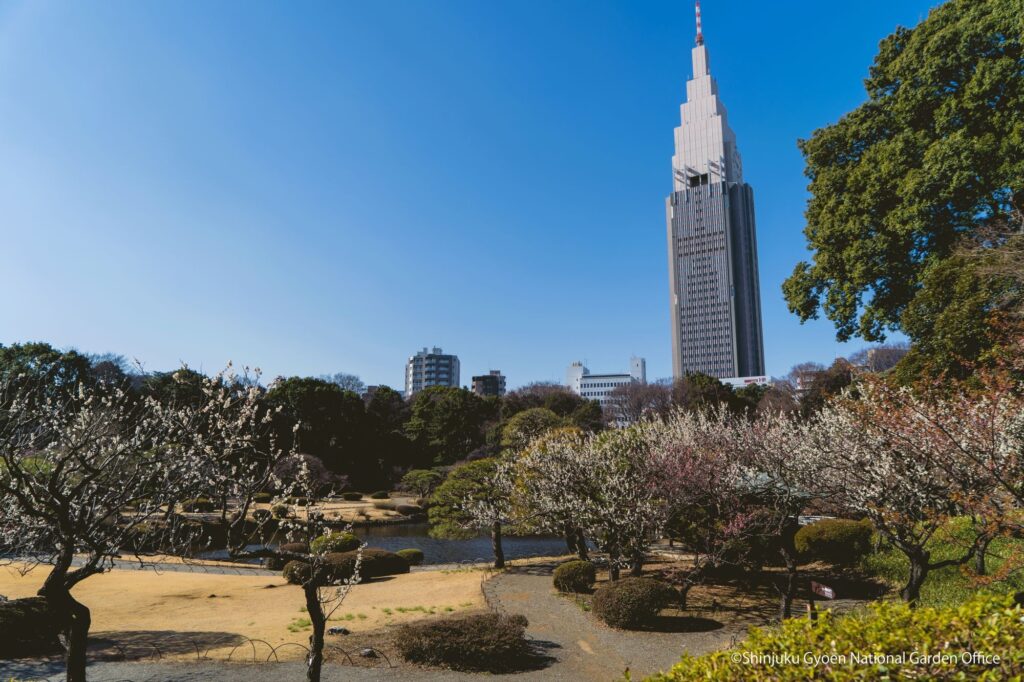
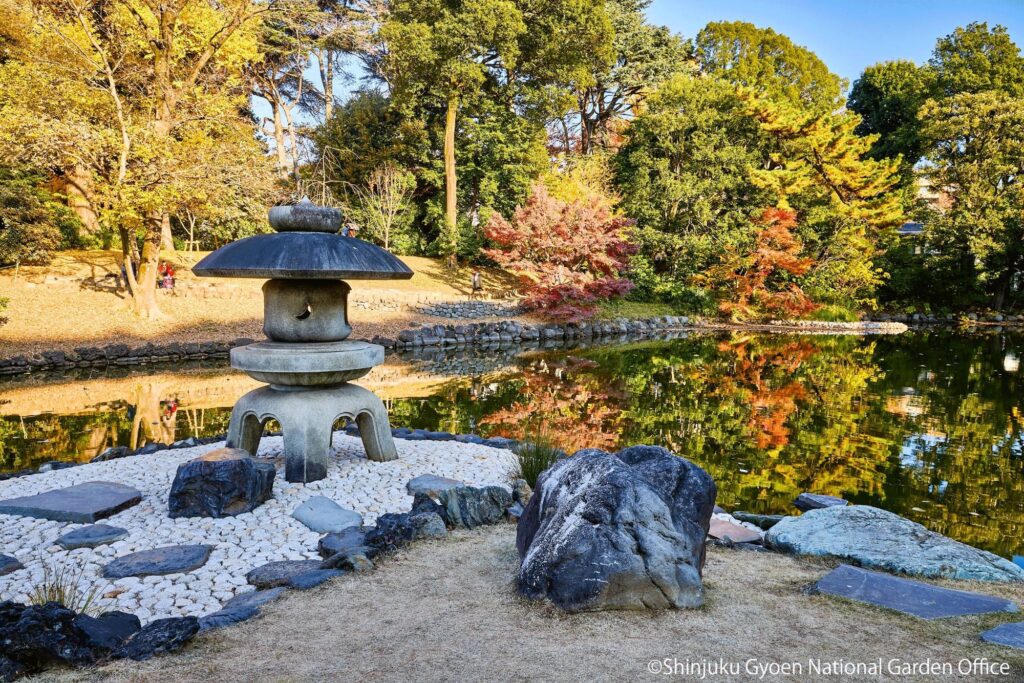
Shinjuku Gyoen National Garden is one of Tokyo’s most important historical gardens and a representative example of modern Western-style landscape design from the Meiji era. Its origins date back to 1590, when the land was granted by Tokugawa Ieyasu to his retainer Naito Kiyonari as a feudal residence. After the Meiji Restoration, the site was transformed into a national agricultural experiment station, playing a pioneering role in the introduction of Western plants, farming techniques, and horticulture. In 1906, it was redesigned as an imperial garden under the supervision of French landscape architect Henri Martinet, skillfully blending a formal garden, a landscape garden, and a traditional Japanese garden. Following World War II, Shinjuku Gyoen opened to the public in 1949 as a national park, symbolizing peace, culture, and public welfare. Covering approximately 58 hectares in the heart of the city, the garden offers expansive lawns, elegant avenues of plane trees, tranquil ponds, and seasonal flower displays. It is especially famous for its cherry blossoms, with a wide variety that allows visitors to enjoy hanami over an extended period in spring, as well as for its autumn foliage, roses, and a large greenhouse showcasing tropical and subtropical plants. Historic structures such as the Former Imperial Rest House and the Taiwanese-style Kyu-Goryotei pavilion reflect its time as an imperial garden. Today, Shinjuku Gyoen is cherished as a serene green refuge where history and nature converge.
Access Information
11 Naitomachi, Shinjuku City, Tokyo
Business hours
Please check the Visitor Information section on the official website for opening hours.