

Greater Tokyo

CHIBA

Naritasan Omotesando

Walk an Edo-era temple street still alive with food, history, and pilgrimage.

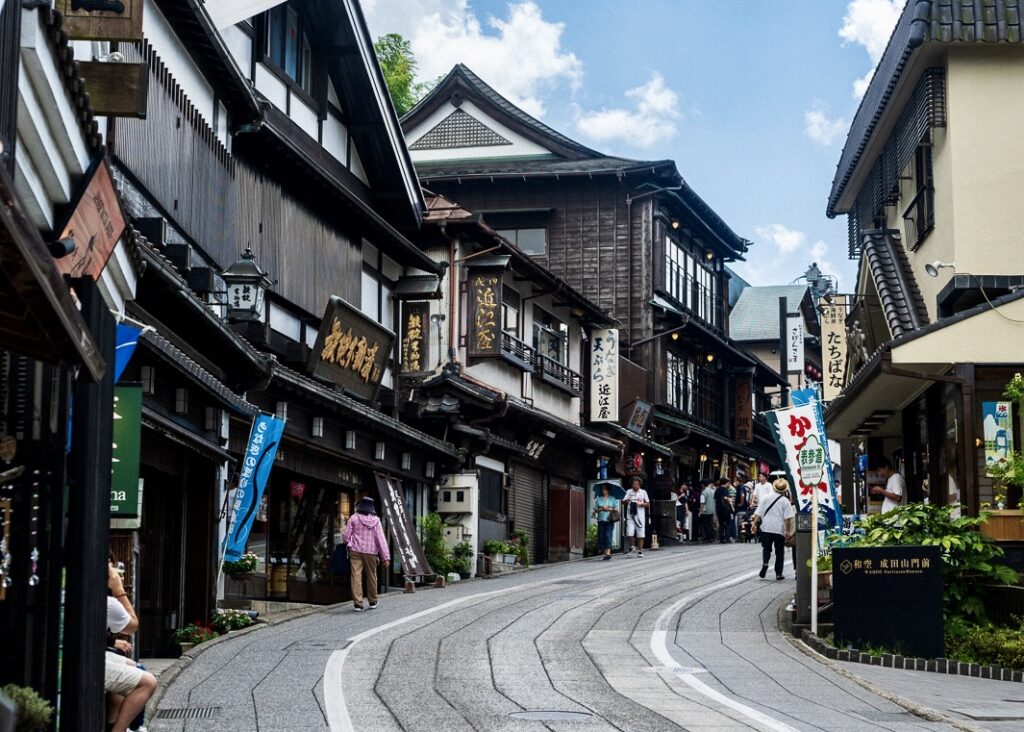
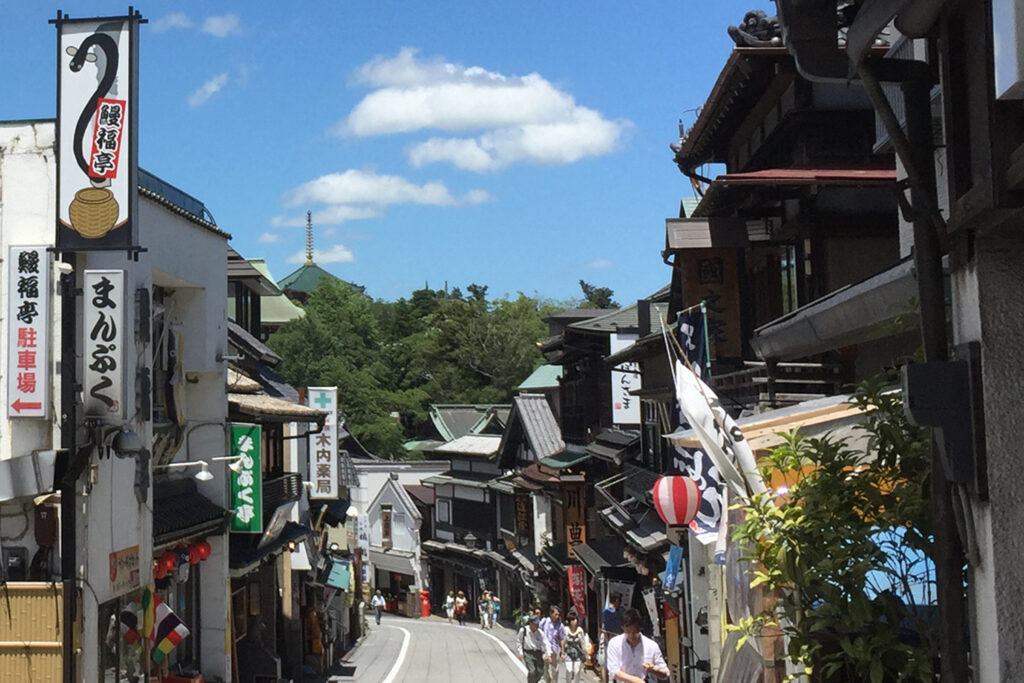
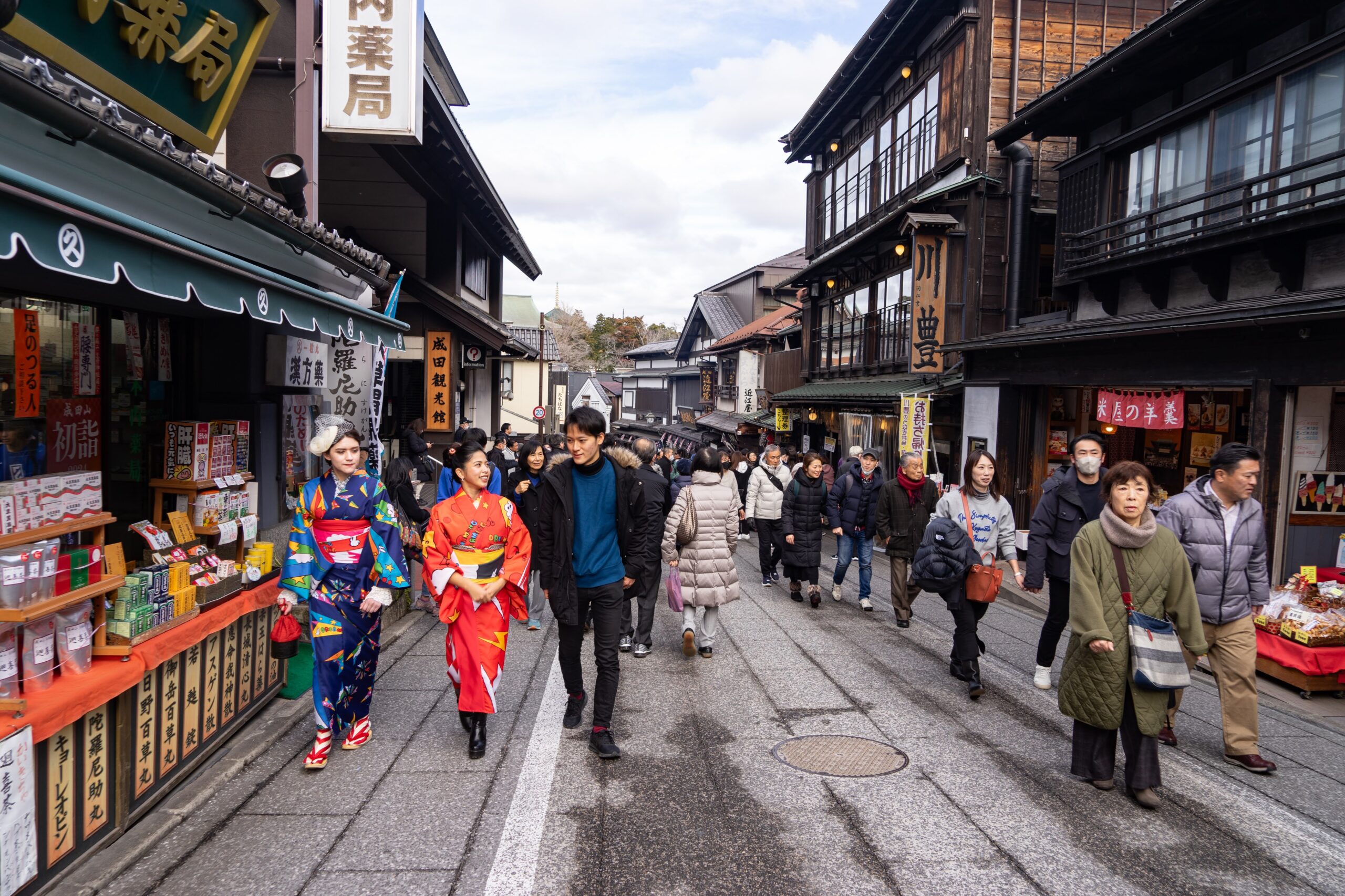
Naritasan Omotesando stretches approximately 800 meters from Narita Station to the Somon Gate of Naritasan Shinshoji Temple, preserving the atmosphere of a historic temple town.
Culture & Arts Experience & Activities Shopping Eat & Drink Temples & Shrines
A historic temple street leading to Naritasan Shinshoji

A historic temple street leading to Naritasan Shinshoji

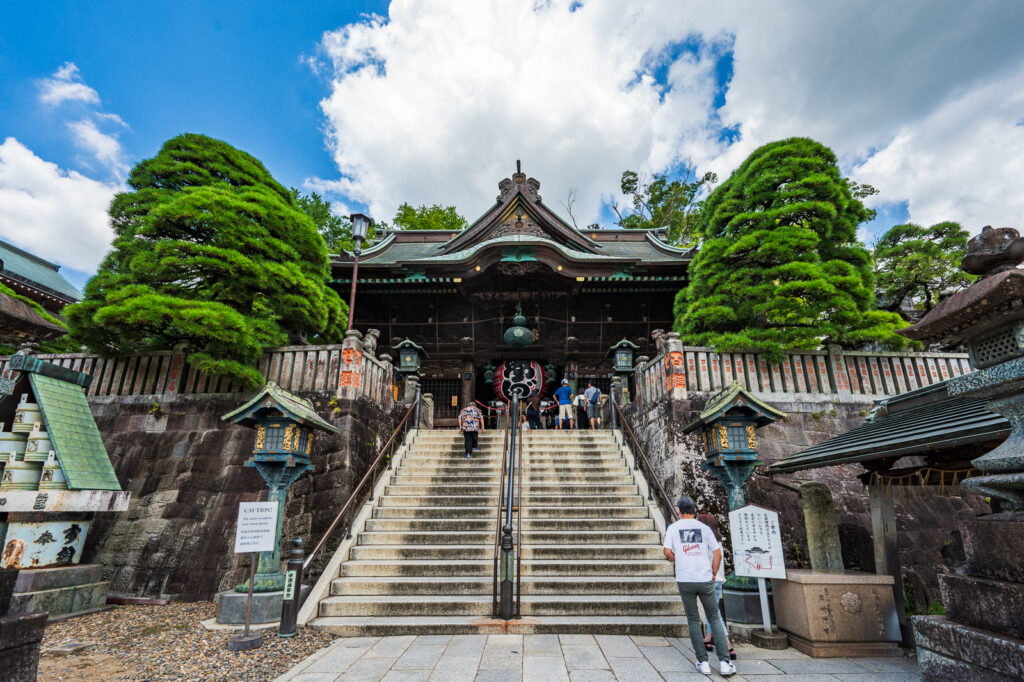
Naritasan Omotesando was developed during the Edo period (1603–1868) as the gateway to Naritasan Shinshoji Temple, one of Japan’s most important Buddhist temples (dedicated to Fudo Myoo). Pilgrims traveling from Edo, (now known as Tokyo), walked this road before visiting the temple.he surrounding area gradually grew into a lively temple district. Inns, teahouses, and shops opened to welcome travelers making the journey to pray at the temple. Over time, the street became an essential part of the pilgrimage experience itself. Today the approximately 800-meter approach still preserves the character of that historic route, with traditional storefronts, wooden buildings, and long-established family businesses lining the gentle slope that leads toward the temple’s Somon Gate. Walking along the street offers visitors a glimpse into the atmosphere of a classic Japanese temple town that has continued for centuries.
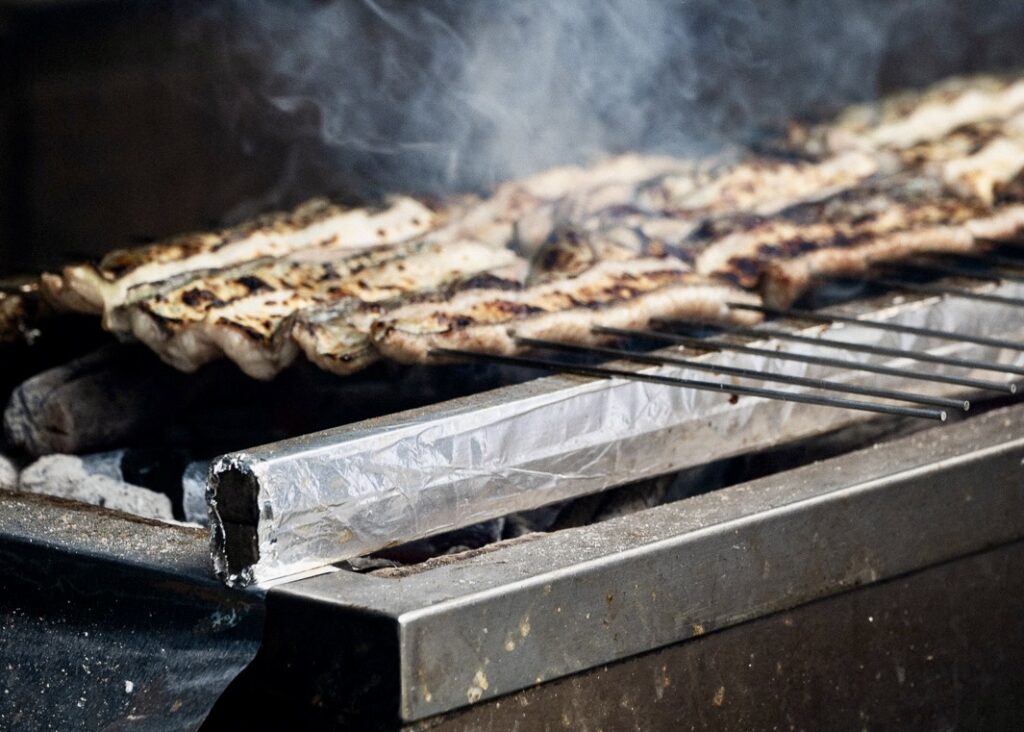
More than 150 shops and eateries line the street, offering a wide range of local foods, sweets, and traditional souvenirs. Narita is especially famous for unagi, also known as freshwater eel, a dish long served to temple visitors as a nourishing meal during their pilgrimage. Many restaurants grill eel over charcoal at the storefront– its rich aromas traveling through its streets. Open-concept kitchens allow visitors to watch its preparation before stepping inside to enjoy their freshly prepared dishes. Other local treats include: grilled rice crackers, handmade dumplings, traditional yokan sweets made from red bean paste, and snacks made with Chiba Prefecture’s well-known peanuts. Also well known is amazake, which is made from fermented rice, and enjoyed in the cooler months. Together, these foods bring together a lively culinary scene–one that has long played a part in Naritasan’s pilgrimage culture.
Naritasan Omotesando also shares a long historical connection with Kabuki theater. Since the Genroku era (1688–1704), the famous Kabuki actor family Ichikawa Danjuro—known by the stage name “Narita-ya”—has maintained a deep spiritual connection with Naritasan Shinshoji Temple. According to tradition, the first Ichikawa Danjuro prayed at the temple for a child and later expressed his gratitude through Kabuki performances dedicated to the deity Fudo Myoo. Through his popularity, a strong devotion to Naritasan had spread widely among people in Edo. Today, monuments inspired by Kabuki can be found along the street, reminding visitors of this cultural significance. . Historic structures such as Yakushido Hall, built in 1655, also stand along the approach, offering glimpses into the long history of the temple town. Located about one hour by train from central Tokyo and only around 10 minutes from Narita Airport, Naritasan Omotesando is an easily accessible destination where travelers can experience Japanese history, food, and culture in a compact walk.
Phone number
+81-476-22-2102 (Narita City Tourism Association)
Business hours
The street itself has no set opening hours. Please check the operating hours of individual shops before visiting.