Greater Tokyo

See & Do

reset
Gohanshiki

Gohanshiki

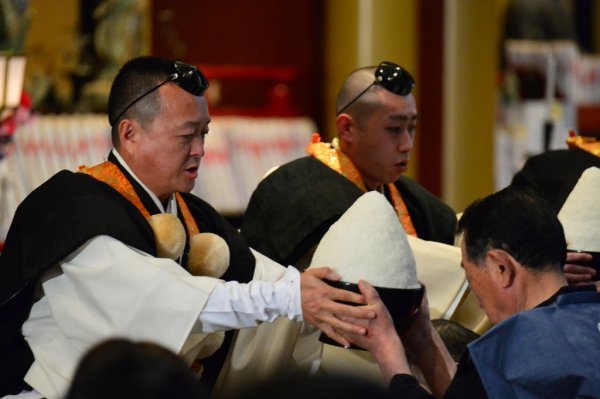
*Gohanshiki has been cancelled in 2020. This traditional ceremony is still observed only at Nikkosan Rinnoji Temple. In this ceremony, people are forced to eat a large amount of rice. Cooked rice are offered on a large plate and every grain are urged to eat. The big bowl contains 5.4 litres of rice. No one actually eats the rice, but it is said that those who participate in the ceremony will have a family fortune and a healthy life. This sacred rice dedication ceremony is part of Nikko's ancient mountain Buddhism. By doing that, it is believed that the blessing of Buddha will immediately eradicate the Seven Major Misfortunes such as fire, floods, devils, etc., and the people will receive the Seven Major Fortunes. It is said that even feudal lords such as the Tokugawa Shogun Families and other famous feudal lords across Japan joined this ceremony in the Edo period."
Nikko kaido Oshu kaido TOCHIGI
Nikko Botanical Garden

Nikko Botanical Garden

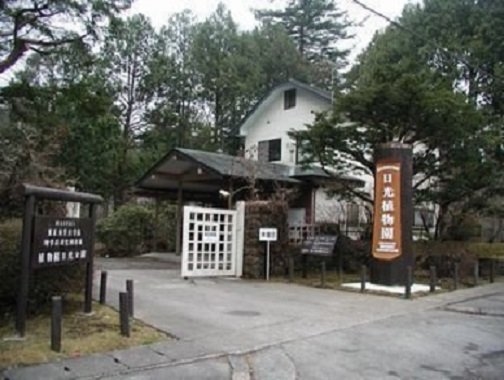
Nikko Botanical Garden is an institute for research and education of Graduate School of Science, University of Tokyo. The main activities of the Botanical Garden have centered on enriching the collections of temperate and alpine plants of Japan and adjacent regions for the purpose of botanical research and education. A total of 2,200 species (130 species of pteridophytes, 70 species of gymnosperms, and 2,000 species of angiosperms) are planted in the garden. Visitors can enjoy the garden's cherry blossoms in spring and the fall foliage in the fall."

Nikko kaido Oshu kaido TOCHIGI
Soun Museum

Soun Museum

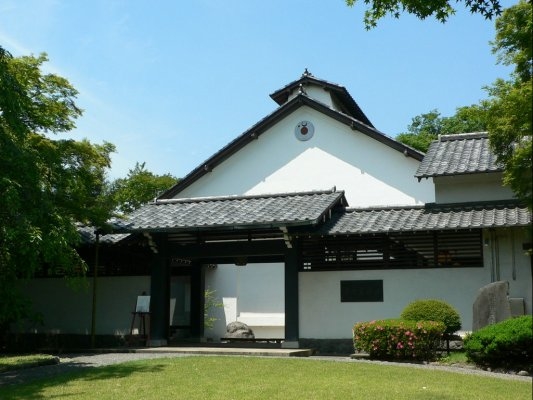
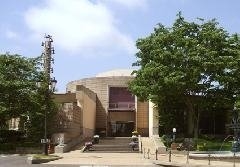
This art museum stands at the southern edge of Ashikaga Park. The museum displays the artwork as well as the personal effects of Tazaki Soun, a Southern School painter who was active in Ashikaga from the end of the Edo period through the Meiji period. Known as a late Edo period loyalist painter, Soun studied under artists such as Kanai Ushu and his works have been highly praised outside Japan. Soun was also chosen to be the first Imperial Household Artist, once the highest honor for an artist in Japan, and the museum stores, conserves, and presents his artwork and personal effects. A thatched roof residence believed to have been the home of Soun stands in the museum's garden."

Nikko kaido Oshu kaido TOCHIGI
Ashikaga Machinaka Yuugakukan

Ashikaga Machinaka Yuugakukan

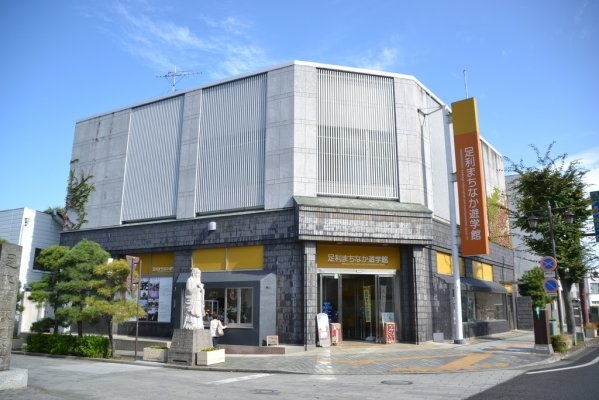
Ashikaga Machinaka Yuugakukan was opened in March 2003 as a facility to familiarize, enjoy, and learn about the history, culture, and nature of Ashikaga. Remodeled in 2016, the facility has a rest area and conference rooms, and provides tourist information. There are take-out shops for drinks, soups and lunch that can be enjoyed inside the building.On the second floor, visitors can try on traditional clothing made of Ashikaga Meisen silk."

Nikko kaido Oshu kaido TOCHIGI
Kurita Museum

Kurita Museum

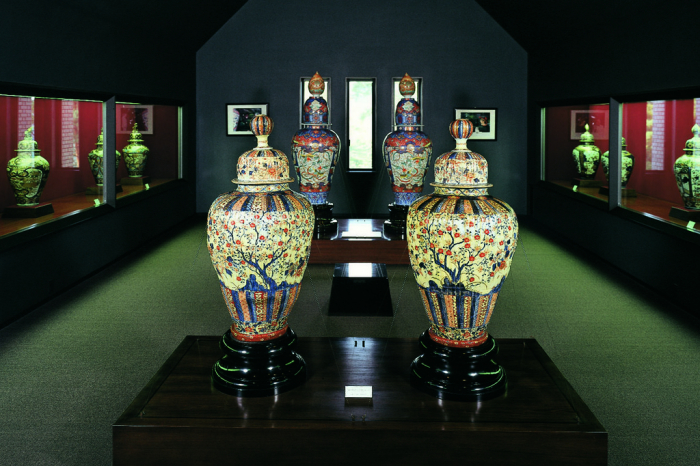
One of the largest museums of ceramics with Imari and Nabeshima collections in the world. Here, on the outskirts of Ashikaga, on 24.5 acres chosen for its picturesque scenery and taking advantage of nature, is a garden of mainly wild grass. In the garden is the main museum building, a historical building, a memorial church for unknown potters, and the pottery hall as well as the main gate, and the Holland Hall. A large feature of the museum is that it displays only Imari and Nabeshima pottery wares of the Edo period  created by the Nabeshima clan."

Nikko kaido Oshu kaido TOCHIGI
Ooyaji Temple(Ooya Kannon)

Ooyaji Temple(Ooya Kannon)

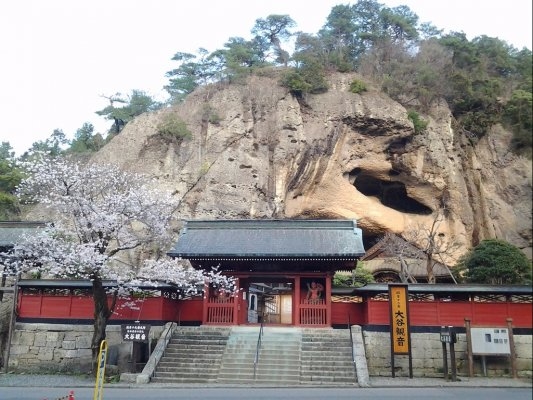
The beginning of Ooyaji Temple Nearby the Utsunomiya City, the Ooyaji Temple has been built surrounded by a cavern. Within the temple are 10 stone carvings of buddha carved directly into the cavern wall including Japan’s oldest statue of the goddess Kannon (the Oya thousand-armed Kannon).   It is said that long time ago, a venomous snake was living in the Oya area and every creatures were killed by its poison. In A.D. 810, a famous monk Kukai Daishi heard this story and stayed at this area for a few days. When he left, he told people that the snake would never come back again. People found that there was a Senju Kannon (also known as Ooya Kannon) carved into the cavern, and built this temple for thanking Kukai Daishi.   Symbol of Japan's Silk Road, the Ooya Kannon In recent study, scholars had found some similarities between Ooya Kannon and the Buddhas of Bamiyan. It is believed to be Japan’s Silk Road heritage carved by Afghan monks.   When you visit, please join your hands in prayer for world peace and happiness for people while reflecting on Kannon’s great heart.

Nikko kaido Oshu kaido TOCHIGI
Nasu Orgel Museum

Nasu Orgel Museum

This music box museum is located in Nasu County, Tochigi Prefecture. Its permanent exhibit features 100 items including antique music boxes, mechanical musical instruments, and other items, most of which are from the collection of music box collector Kiyoshi Sato. The museum mainly exhibits antique music boxes made in the 19th and 20th centuries in Europe and the Americas. Visitors can enjoy explanations and music box performances by the staff for 20 minutes every hour. Visitors to the museum, which is visited by many tourists, can also enjoy activities such as making their own music box."

Nikko kaido Oshu kaido TOCHIGI
Kirifuri Falls

Kirifuri Falls

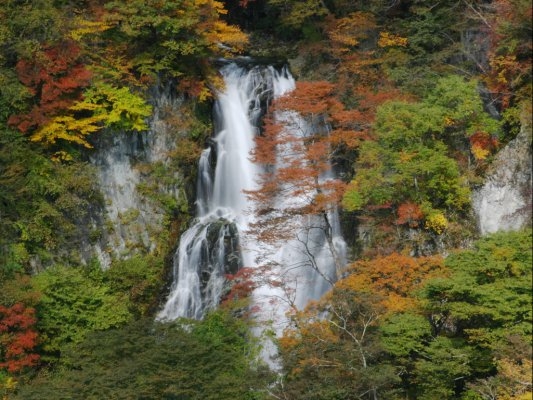
Kirifuri Waterfall is an impressive, two-tiered waterfall located below the Kirifuri Highlands. The upper being 25 meters, and the lower being 26 meters with a total length of 75 meters. The waterfall is split into two upper and lower stages, it is called Kirifuri because of the fact that when the lower stage hits the rocks the water scatters into fog (the characters in the waterfall's name "kiri" means "fog" in Japanese and "furi" means to fall. ) The surrounding nature blends together with the scenery gracefully, and this magnificent view was captured by Katsushika Hokusai in a representative Edo-era ukiyo-e (wood block print). Upstream of Kirifuri Falls, there is a little-known spot known as "Kirifuri Kakure Santaki" or The Three Hidden Waterfalls of Kirifuri. It is about 10 meters high, but there is the powerful "Choji no Taki", and “Tamasudare no Taki”."

Oshu kaido Nikko kaido TOCHIGI
Akechidaira Plateau

Akechidaira Plateau

Located near the top of (2nd) Irohazaka Slope, Akechidaira Plateau has sweeping views over a winding road and a dramatic mountain backdrop. This 3-minute long ropeway cable car ride takes you from the Akechidaira Plateau to an observation platform located at 1373m, offering superb panoramic views of the Nikko area, including Kegon Falls, Lake Chuzenji, Mt. Nantai, and the surrounding mountains in the distance. The vista is especially beautiful during the change of colors in the autumn, and during cherry blossom season. It is said this "Akechidaira" area, which offers the best view in all of Nikko, takes its name from Akechi Mitsuhide who assassinated Oda Nobunaga during the famous Honnoji Temple incident."

Nikko kaido Oshu kaido TOCHIGI