Greater Tokyo

See & Do

reset
Kishi-ke

Kishi-ke

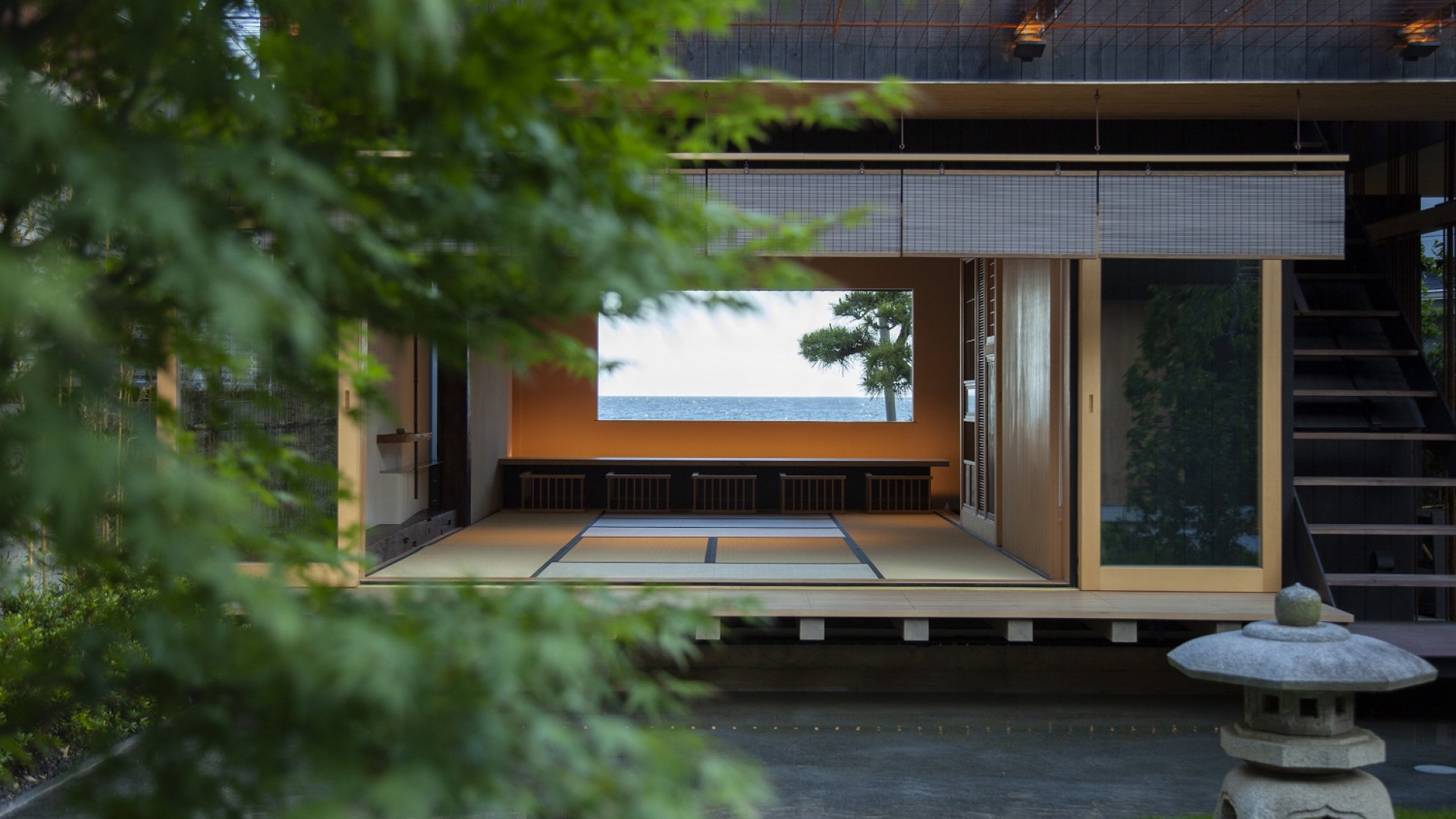
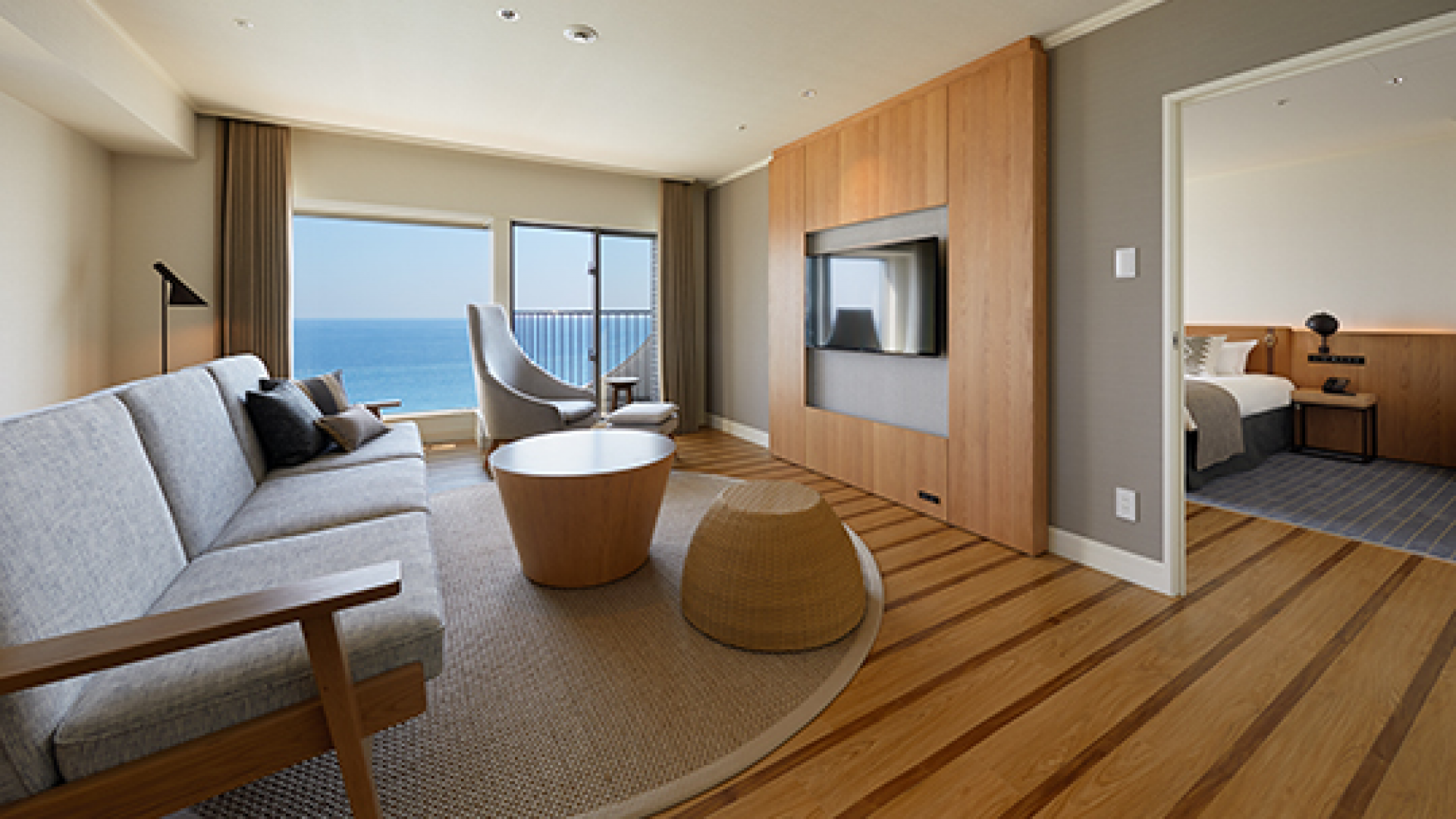
Kishi-ke, located in Kamakura, is a modern ryokan located along Sagami Bay. Through its minimalist-traditional design, oceanside views, and immersive Zen experiences, Kishi-ke creates a peaceful, yet introspective environment perfect for a relaxing getaway. In this respect, Kishi-ke is far more than simply an accommodation.With the facility’s exquisite display of craftsmanship as a backdrop, immerse yourself in the mindful Buddhist art of chisoku by leading a tea ceremony, meditating, and enjoying artfully plated shojin ryori—traditional plant-based Buddhist cuisine. Above the first floor, where the accommodation holds its cultural activities, there is a relaxing bedroom with two beds, an abundance of natural lighting, light wooden accents, and a bathtub made from Japanese cypress. As a cross between an Airbnb and a luxury hotel, Kishi-ke only accepts one group of up to 4 people per day so it can truly personalize each guest’s experience.

Onsen & Stay Tokaido Koshu kaido KANAGAWA
Yokohama Chinatown

Yokohama Chinatown

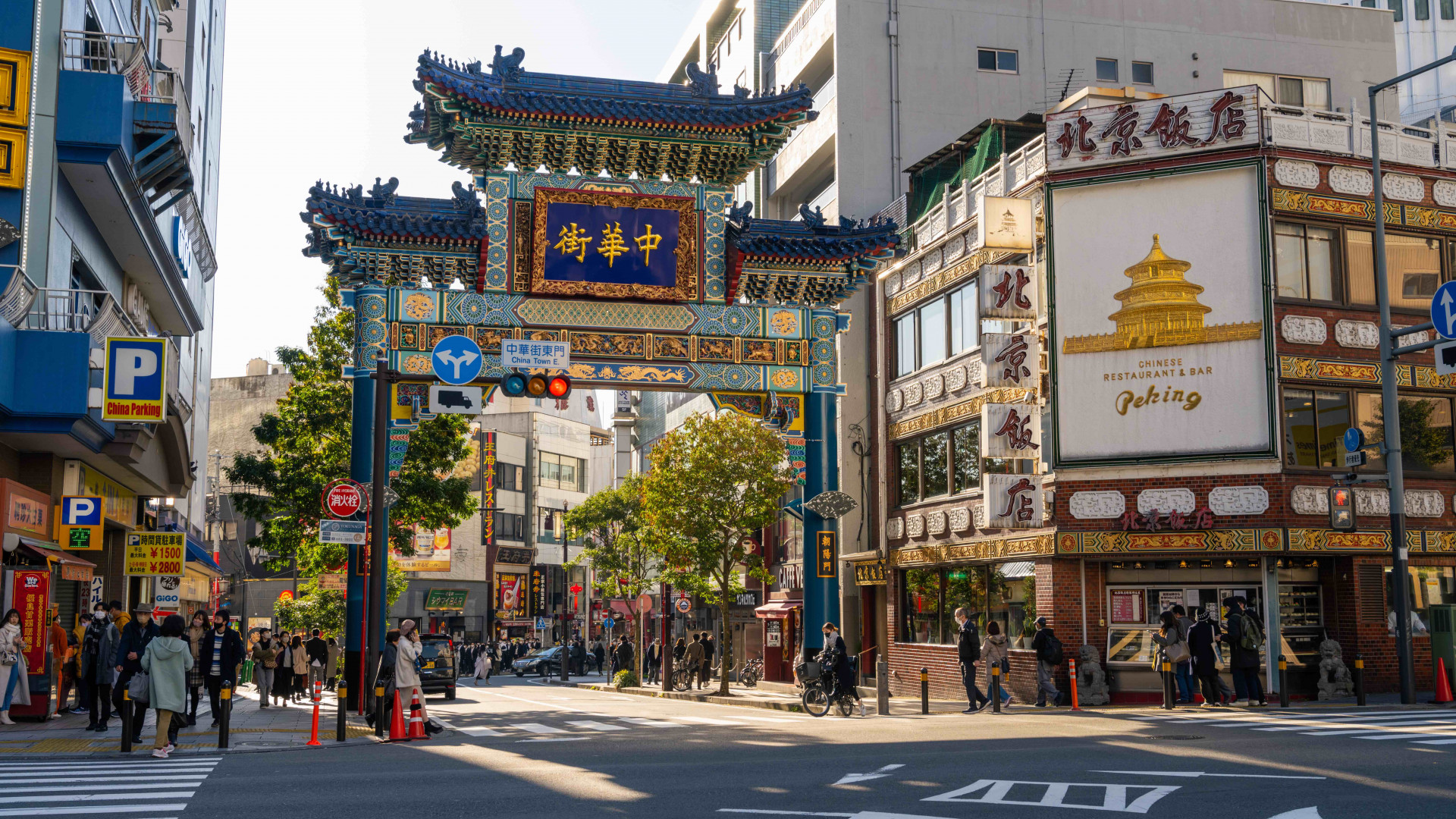
The Yokohama Chinatown is a Chinatown located in Yamashita-cho, Naka-ku, Yokohama. Along with Kobe Nankinmachi Chinatown and Nagasaki Shinchi Chinatown, it is known as one of the three major Chinatowns. Its scale is overwhelming, making it the largest Chinatown in Japan and East Asia with more than 600 stores lined up in an area of about 500m squared. There are alleys with place names such as Shanghai Road, Zhongshan Road, and Fujian Road intersect, as well as many signs with Chinese characters. Cantonese, Beijing, Shanghai, and Sichuan cuisine, steamed buns, gyoza dumplings, dim sum, and many other delicious Chinese dishes fill the streets. The many gate structures, the Guantei Temple, the Mazu Temple, the glamorous shops, and the liveliness of Chinese spoken in the alleys will invigorate you.In Yokohama's downtown heart, bustling Chinatown is home to over 500 shops and restaurants. Buy some souvenirs, grab a steamed bun from a food stand, or feast on a ten-course banquet, then visit one of the two colourful temples. The annual Chinese New Year celebrations are a riot of noise and energy, with lion dancers bursting into restaurants to perform for startled diners.Bars in Japan originated from Yokohama Chinatown and neighboring areas. There are many long-established bars that offer a laid-back and leisurely time for adults.Start your Chinatown exploration with a variety of breakfast items ranging from Chinese rice porridge to ramen, set dishes to dessert and soft drinks.

Eat & Drink Tokaido Koshu kaido KANAGAWA
MARINE & WALK YOKOHAMA

MARINE & WALK YOKOHAMA

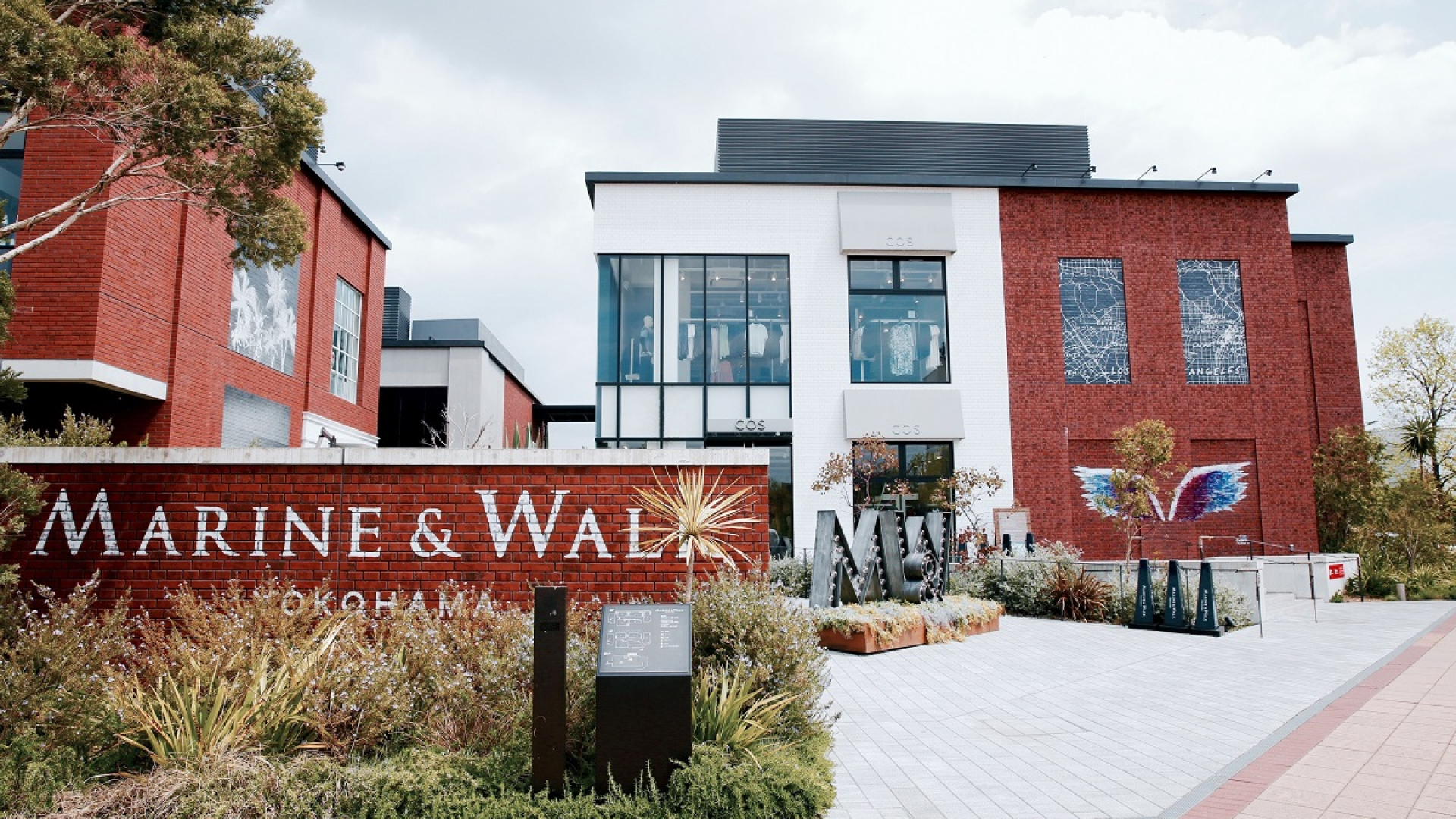
This open mall features unique shops, restaurants and cafes that enjoy bayfront scenery, complete with a fully private wedding hall, and many other facilities. Inside the complex, there are many stylish photo spots to post on Instagram, including the "Angel's Wings" wall art that has recently boomed on social networking sites. There is also a water fountain for dogs and hooks those who wish to walk their dogs around the mall with their leashes attached. Whether you enjoy shopping while strolling the streets or dining with a view of the ocean, you are sure to enjoy a sophisticated, high-quality time in this relaxing space.

Shopping Tokaido Koshu kaido KANAGAWA
Hakone Open-Air Museum

Hakone Open-Air Museum

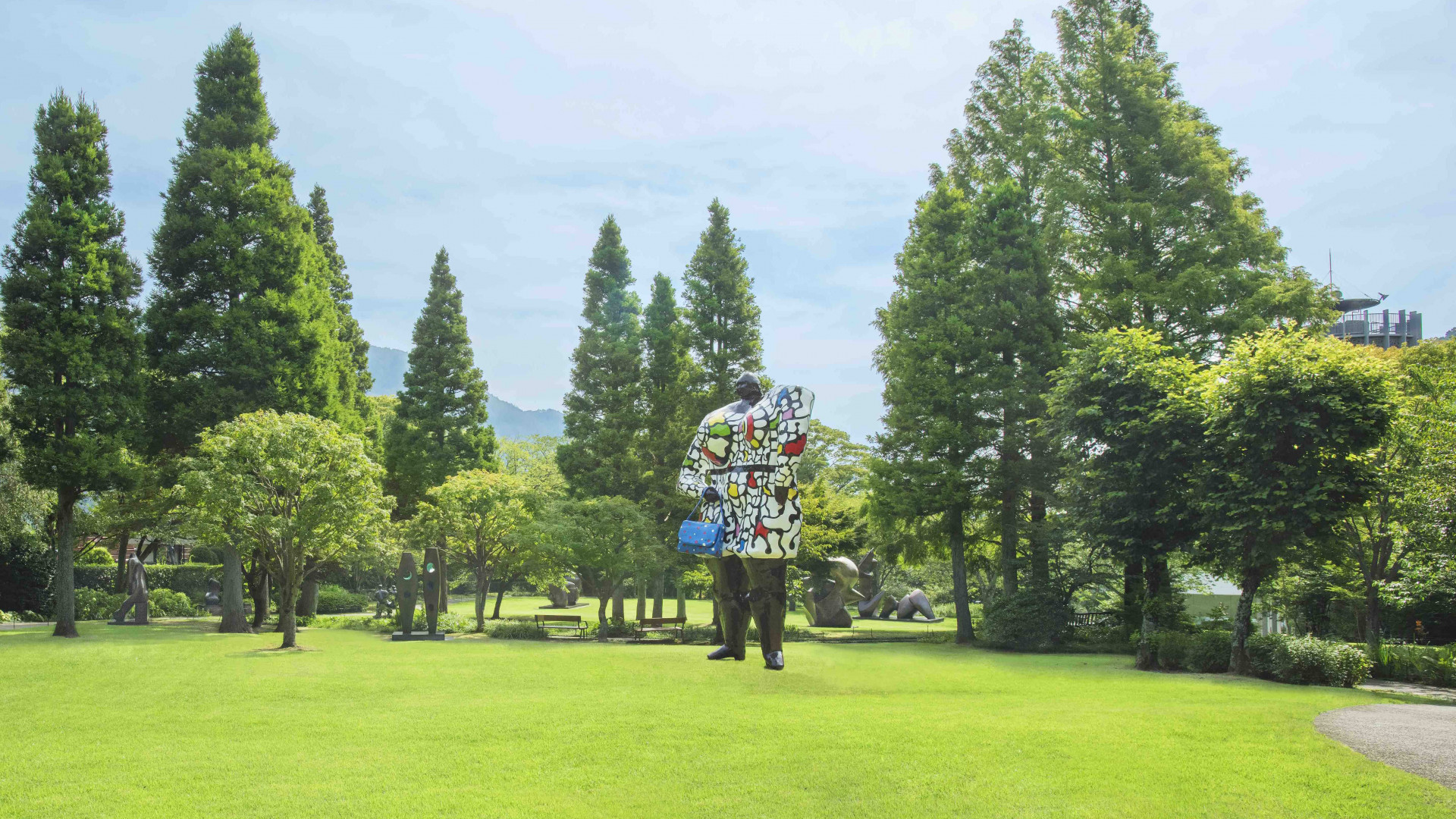
Biggest feature is the outdoor art museum. With the beautiful scenery and mountains of Hakone in the background, you can enjoy art. There are approximately 120 modern and contemporary pieces of artwork made by famous sculptors displayed here.The Picasso Pavillion houses 319 works in the museum's Picasso Collection, of which a curated set of artworks are rotated for display for unique exhibitions.By Fernand LégerBy Emilio GrecoBy Emilio GrecoBy Emilio GrecoOf all the great museums in Hakone, the kids will probably enjoy this one the most. Lots to do and see, and it's outdoors!

Culture & Arts Tokaido Koshu kaido KANAGAWA
Rinkokaku

Rinkokaku

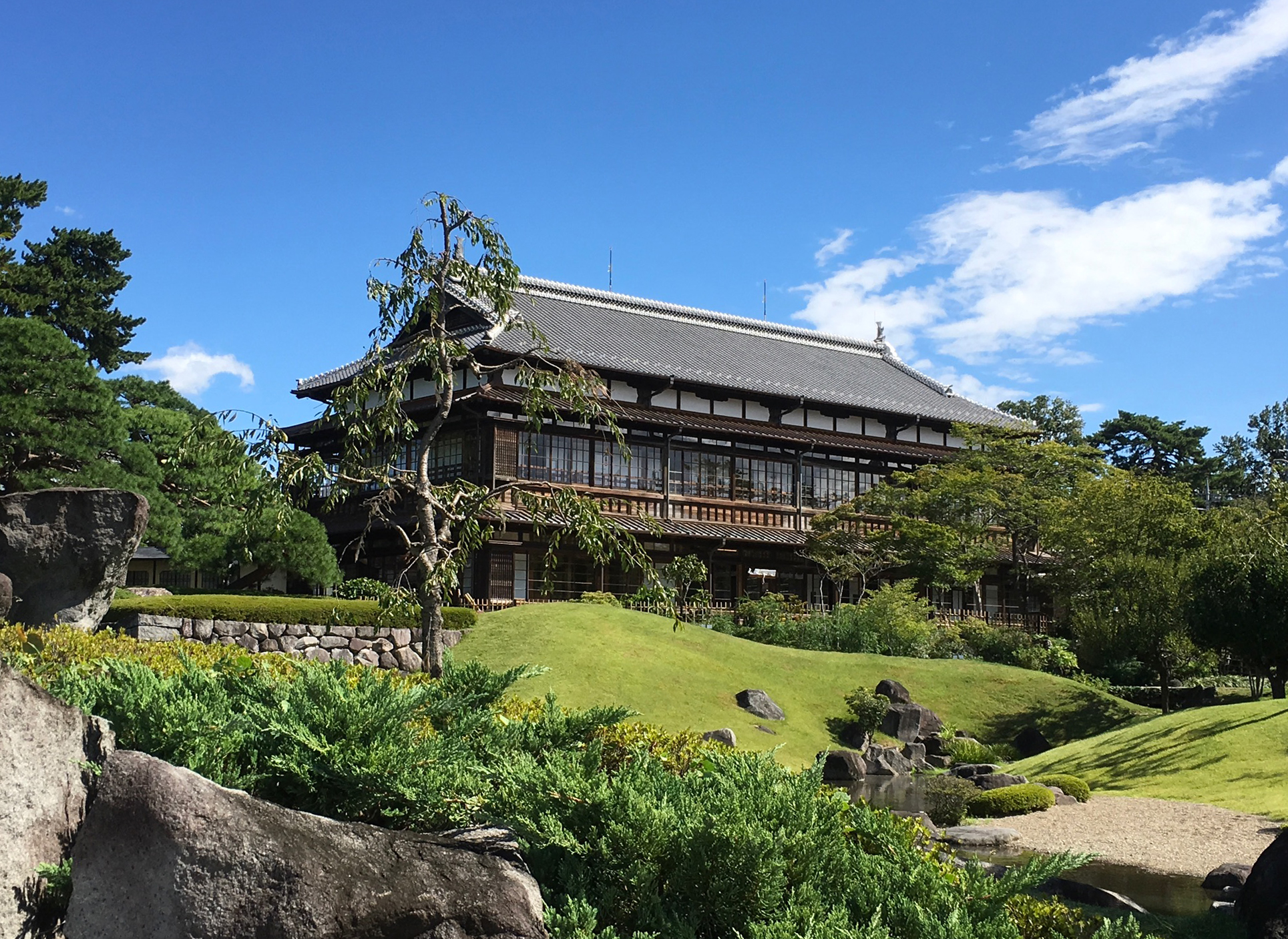
Rinkokaku is a complex of three wooden buildings that served as a state guest house for VIPs. The main building was constructed in 1884 and is an exemplary instance of Japanese architecture at the beginning of Japan's modernization. The complex overlooks the Tone River from its location next to Maebashi Park, which is particularly popular for its cherry blossoms in spring. The Rinkokaku annex, built in 1910, continues to be used for receptions today.

Culture & Arts Nakasendo Mikuni kaido GUNMA
Yayoi Festival

Yayoi Festival

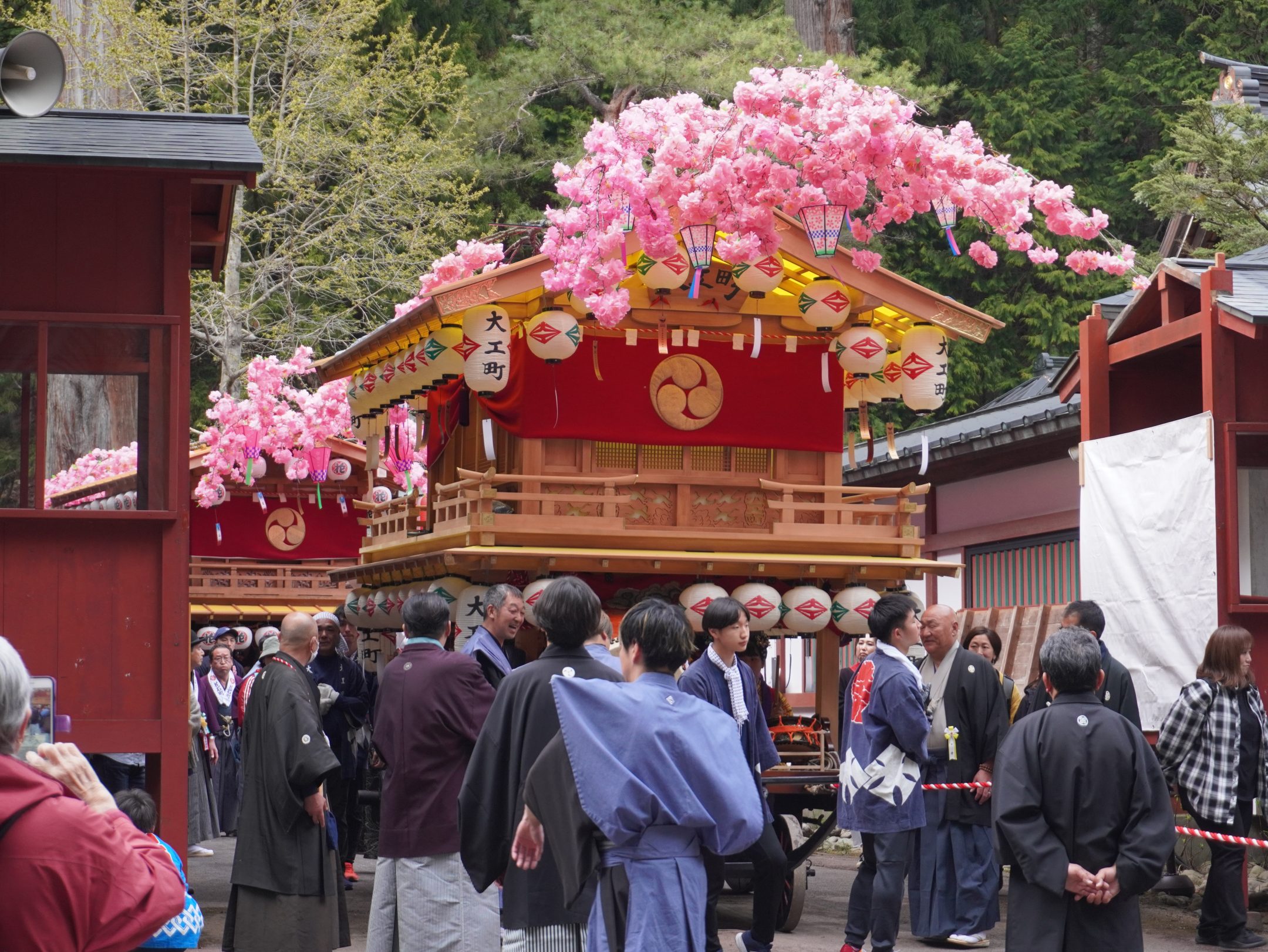
The Yayoi Festival is a traditional event in Nikko that marks the arrival of spring. Held annually from April 13 to April 17, this historic festival has been a part of Nikko’s cultural heritage for centuries. The festival is believed to have originated during the Jingokeiun era (767–770) as a grand ritual to celebrate the changing seasons. It was originally held in the third month of the lunar calendar, which is called "Yayoi" in Japan, meaning a time when nature flourishes. After the adoption of the Gregorian calendar in 1873, the festival continued in its current form, maintaining its deep-rooted traditions. Festival Highlights The festival officially begins on April 13 with a procession of beautifully decorated mikoshi (portable shrines) from the Honsha, Takiou, and Hongu Shrines. However, the most spectacular part of the event takes place on the final day, April 17. During the five-day celebration, various rituals are performed to honor the deities, but the most anticipated events are the Grand Festival (April 16) and the Procession of Floats (April 17). On these two days, eleven different neighborhoods from eastern and western Nikko bring out their elaborately adorned azalea floats and lively traditional musical bands, parading through the streets of the city. The highlight occurs when all the floats gather within the shrine grounds. Following an ancient custom, representatives from each town exchange greetings and name cards before the floats, accompanied by traditional hayashi (festival music), circle the shrine. On April 17, the festival reaches its climax when representatives from Ishiya-machi, the town responsible for that year’s festival, lead the crowd with spirited chants as they push the massive floats up the stone steps of the shrine’s sando (approach path) in a dramatic display of strength and unity. A Festival Steeped in Tradition The Yayoi Festival strictly follows ancient traditions, with every step of the ritual conducted as it has been for generations. Locals believe that any deviation from the traditional methods could bring misfortune, adding to the festival’s reputation as a “troublesome” or “chaotic” festival. Because of this, some people even refer to it as the “GOTA Festival”, where "GOTA" symbolizes trouble or disputes. This nickname has also led to the festival being called the “Quarrel Festival”, highlighting the passionate dedication and fiery energy of its participants. Steeped in history and rich cultural significance, the Yayoi Festival is a must-see event for anyone visiting Nikko in spring. It offers a rare opportunity to witness Japan’s traditional rituals, dynamic parades, and the deep community spirit that has kept this festival alive for over a millennium.

Nikko kaido Oshu kaido TOCHIGI