Greater Tokyo

See & Do

reset
Ashikaga Orihime Shrine

Ashikaga Orihime Shrine

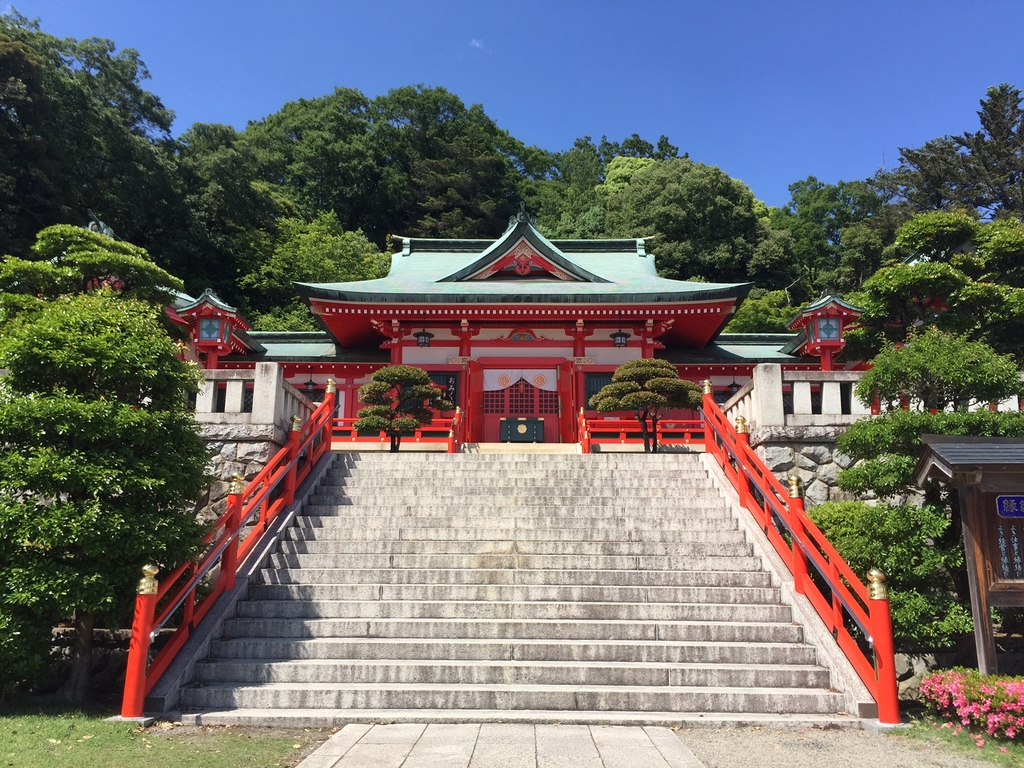
Registered as a Tangible Cultural Property in June 2004, Ashikaga Orihime Shrine has long been worshipped as home to guardian deities of local industry and matchmaking.   The vermillion-lacquered shrine stands in beautiful contrast to the surrounding green forests. Located on the hillside, the shrine commands magnificent views of the city of Ashikaga and the Watarase River. On fine days,the view extends as far as the Kanto Plains and the Tokyo Skytree. The shrine is a starting point for a walking trail through the Prefectural Natural Park. The trail is popular for enjoying seasonal views and is suitable for children.   A large number of visitors come and enjoy music performances and local delicacies at the shrine during the grand spring festival in May and autumn festival in November. It has become a popular dating spot since being named a sacred place for lovers and one of the best night view locations in 2014.

Oshu kaido Nikko kaido TOCHIGI
Coco Farm and Winery

Coco Farm and Winery

Coco Farm and Winery offers tours of the winery, a fine selection of wines and food prepared with freshly picked local vegetables. Enjoy lunch at the restaurant with an incredible view of the vineyards. Stroll up to the hill top with a glass of wine in hand and sit back and relax under white parasols to enjoy sunshine! The stylish bottles available in the shop are perfect for souvenirs. Or why not stay overnight at one of the local Ashikaga hotels after a day of exploring?

Nikko kaido Oshu kaido TOCHIGI
Utsunomiya Futaarayama Shrine

Utsunomiya Futaarayama Shrine

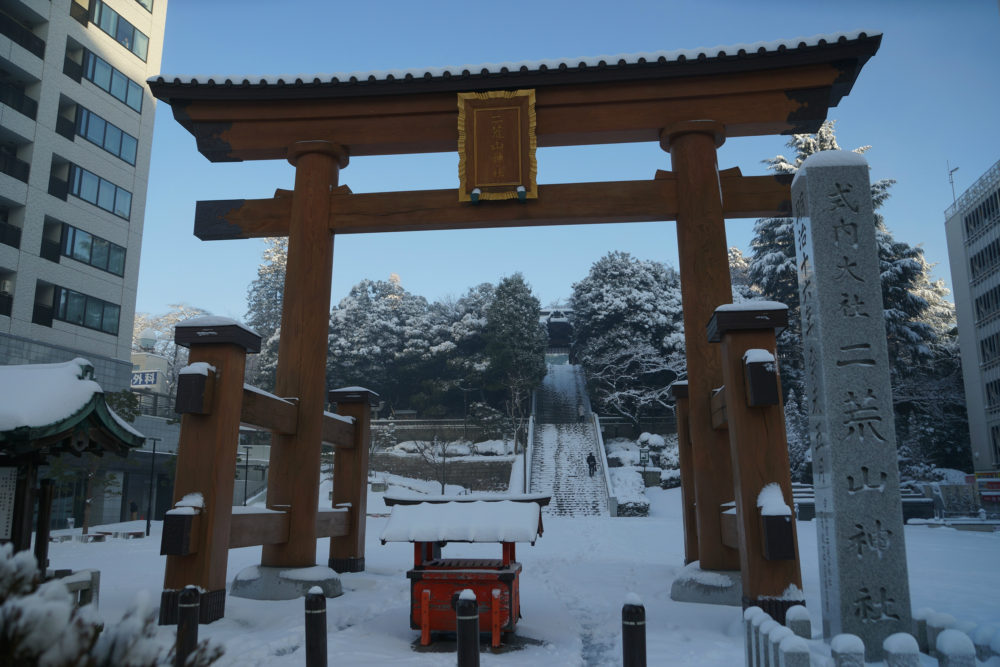
The history of the Utsunomiya Futaarayama Shrine dates back 1,600 years when the shrine was dedicated to the founder of Utsunomiya,Toyoki-Irihiko-no-Mikoto. Most of the festivals held in the city are related to this historic shrine. Many people come to the shrine on special occasions such as New Year and Shichi-Go-San seasons. The illuminated gate and approach to the shrine are an incredible evening sight. The shrine is also home to some nationally important works of art.

Nikko kaido Oshu kaido TOCHIGI
Utsunomiya Joshi Park

Utsunomiya Joshi Park

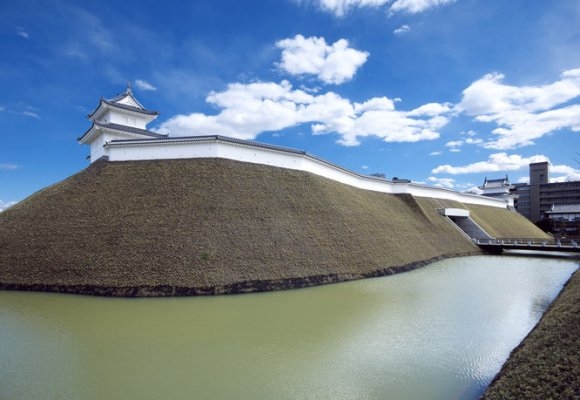
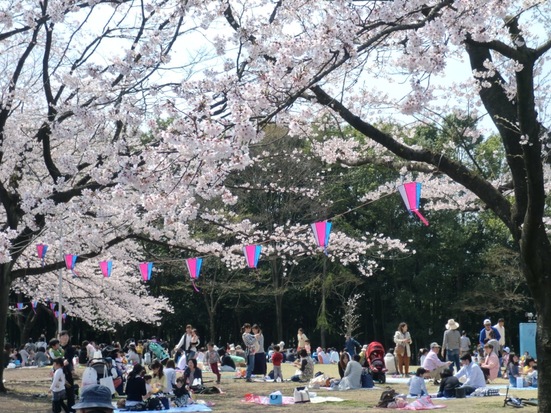
The History of Utsunomiya Castle Utsunomiya Castle is believed to have been originally built by the legendary Japanese warrior Fujiwara no Hidesato. During the medieval period, it served as the stronghold of the Utsunomiya clan for generations. After the Utsunomiya clan was stripped of its land by Toyotomi Hideyoshi, Utsunomiya Castle became the residence of fudai daimyō (samurai families who had pledged loyalty to the Tokugawa clan before the Battle of Sekigahara) during the Edo period. The castle also played an important role as a key stopover point for Tokugawa shoguns traveling to Nikkō Tōshō-gū to pay their respects. In 1868, the castle was engulfed in the flames of war during the Boshin War, a conflict between the new Meiji government forces and the remnants of the Tokugawa shogunate. Most of the original structures were destroyed in the battle. Today, the castle ruins have been transformed into a historical park, with efforts focused on reconstructing parts of the Edo-period (1600–1867) main keep (Honmaru) to preserve its legacy. Utsunomiya’s Earliest and Most Famous Cherry Blossom Viewing Spot From March to April, Utsunomiya Castle Ruins Park is adorned with beautiful cherry blossoms. The season begins in mid-to-late March with the early-blooming Kawazu-zakura, followed by Somei Yoshino, Shidare-zakura, and finally culminating in the Oyama-zakura in mid-April. For a full month, visitors can immerse themselves in a breathtaking sea of pink petals. During cherry blossom season, the park hosts the Utsunomiya Sakura Festival, featuring stage performances, local street food stalls, and festive activities in addition to stunning cherry blossoms. This makes it one of Utsunomiya’s most renowned hanami (cherry blossom viewing) spots.

Nikko kaido Oshu kaido TOCHIGI
Kashi-no-Mori Park

Kashi-no-Mori Park

Kashi-no-Mori Park is an oasis for both children and adults throughout the year and is easily accessible by car. A wide range of events are held in the park in early April when visitors come for the “Sakura Festival” in spring. The park is also popular for a fantastic night time viewing of illuminated cherry blossoms. The streets around Kashi-no-Mori Park are lined with cherry blossom trees (north-south 2.3km, east-west 1.3km). Be sure to walk through the stunning cherry blossom tunnelled street with approximately 650 Yoshino cherry trees!

Nikko kaido Oshu kaido TOCHIGI
Omocha-no-Machi Bandai Museum

Omocha-no-Machi Bandai Museum

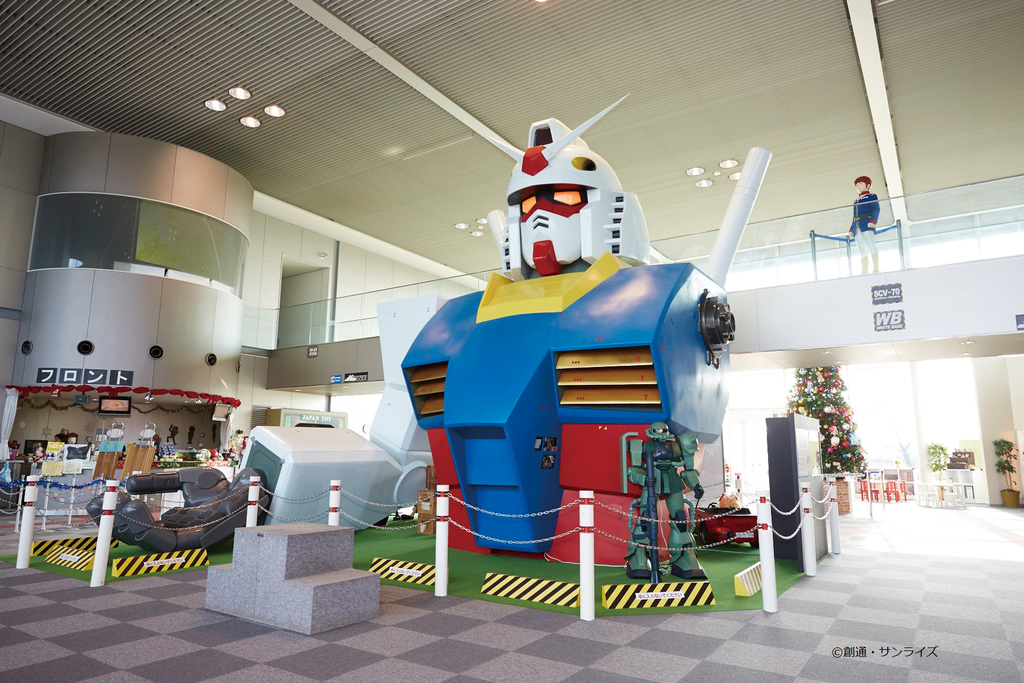
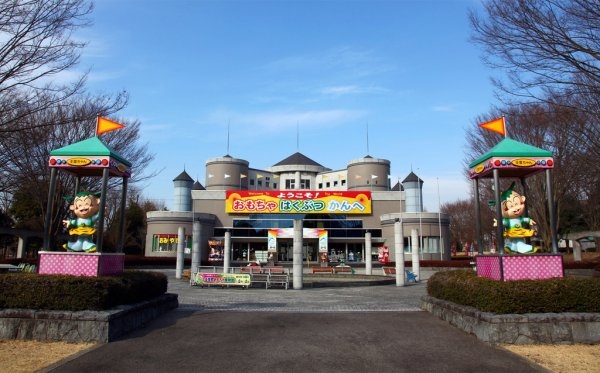
At the entrance of the Omocha-no-Machi Bandai Museum visitors are welcomed by a full-scale RX-78 Gundam bust (5.6 metres in height) and its pilot Amuro Ray. The museum’s collection includes a large selection of toys from home and abroad dating from the Edo period (1603-1867). Highlights are the world’s leading collection of Thomas Edison’s inventions and the old and rare steam car, the “Pendle Princess” (made in the U.K. in 1919). This is a great place to enjoy learning about the history of toys. Gundam fans shouldn’t miss the “Zaku’s Dream” and “White Base” exhibitions.

Nikko kaido Oshu kaido TOCHIGI
Mibu-machi Toy Museum

Mibu-machi Toy Museum

The Mibu-machi Toy Museum provides displays of model trains on an elaborate landscape diorama along with a model train driving experience. 18 world heritage sites including temples and shrines of Nikko are placed on the N-gauge (25m2) diorama. The driver’s seat on the HO-gauge (37m2) provides excellent views, and is equipped with a sound system to give visitors a realistic railway experience.   The museum has an interactive app-based game, which you can unlock fun quizzes and characters on your device. Collect answers and points within the specified time limit to break the hidden seal in the castle! The app is the perfect way for the whole family to play and learn about the museum.

Nikko kaido Oshu kaido TOCHIGI
Tenpyo-no-Oka Park

Tenpyo-no-Oka Park

The vast grounds of Tenpyo-no-Oka Park consist of pristine forest containing a number of historic sites. A great number of visitors come to the Tempyo flower festival held in mid to late April when the 450 double-flowered cherry trees bloom. Enjoy strolling through the woods and travel back in time with a visit to one or more of the various museums in the park. The “Botchan Bus” departs from in front of the folklore museum for a 15-minute circumnavigation of the park – popular for families and perfect for sightseeing. A popular sight is the stone-walled keyhole-shaped ancient tomb of Kunimiyama. Clap your hands under the stairs in the ring-shaped area of the tomb, and hear the echoing sounds of a roaring dragon reverberate back from the large stone above. On the first Sunday of November the Tenpyo Imoni Festival is held here serving home-style Imoni soup to 3,000 guests. The soup is made with local produce including dried gourd strips, taro roots and leeks in a huge pot measuring 2.5 metres across. ☆

Nikko kaido Oshu kaido TOCHIGI
Italian Embassy Villa Memorial Park

Italian Embassy Villa Memorial Park

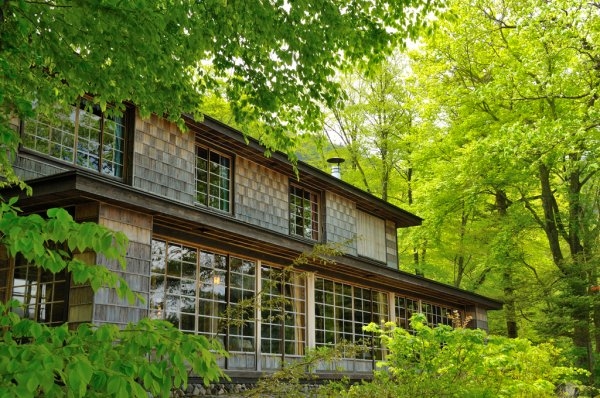
From the mid Meiji to the early Showa periods, the area around Lake Chuzenji was home to foreign embassies and villas and flourished as summer resorts. The villa was built as a summer house for the Italian ambassador in 1928 and used by successive ambassadors until 1997. Along with the main building reconstructed with the original floor, fittings and furniture, the cottage is now open to the public as a history museum of the local international summer resorts. In addition to the buildings, the park pleases the eye with a lovely view of Lake Chuzenji.   The villa was designed by Czech architect Antonin Raymond (1888-1976). Raymond moved to the United States when he was 22 years old where he took up architecture. His first visit to Japan was during the New Year’s period in 1919-20 to work on the project of the Imperial Hotel with his mentor Frank Lloyd Wright. Raymond was advised by local craftsmen on traditional architectural materials. He made a good use of the local Nikko cedar on the walls and his chequered design creates a beautifully modern exterior to the two-storey wooden villa. The whole ceiling of the ground floor was made with cedar bark by wickerwork, a popular technique in the traditional Japanese Sukiya style of architecture. The space of the living room and study is skilfully divided by wickerwork patterns.

Nikko kaido Oshu kaido TOCHIGI
Michi-no-Eki Yunishigawa

Michi-no-Eki Yunishigawa

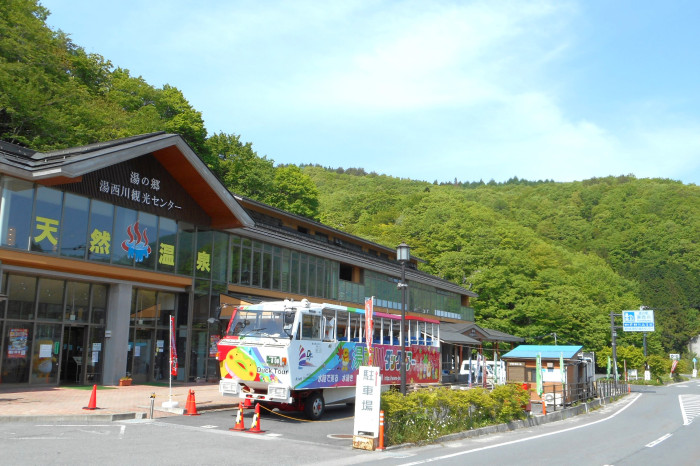
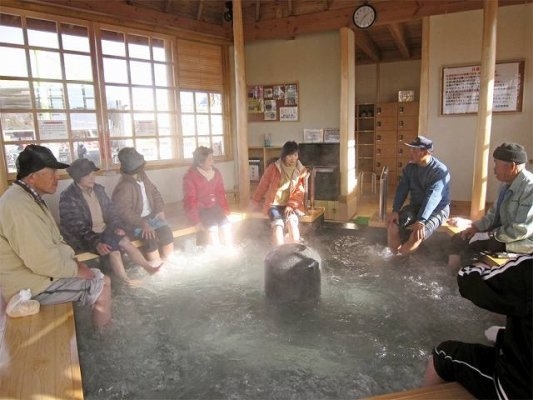
Michi-no-Eki Yunishigawa is a roadside station located in the north of Nikko, about 300 metres from the former Aizu-nishi highway (Route 121). It offers natural hot springs and a stone sauna, and local delicacies such as smoked salamander, strawberry buns and Bandai-mochi rice cake (not available in winter). The cafeteria serves uniquely dam-shaped rice and curry as well as locally produced soba noodles. Look out for Kurippa here, a local mascot based on a folk tale of the mythological creature Kappa. Accommodation can be arranged at the information desk. The car park has rapid charging points for electric vehicles. Located 600 metres above sea level, the location offers fine views of the natural surroundings. Enjoy the seasonal beauty of verdant greens, autumn leaves and snowy winter scenes.

Nikko kaido Oshu kaido TOCHIGI
Ashio Copper Mine

Ashio Copper Mine

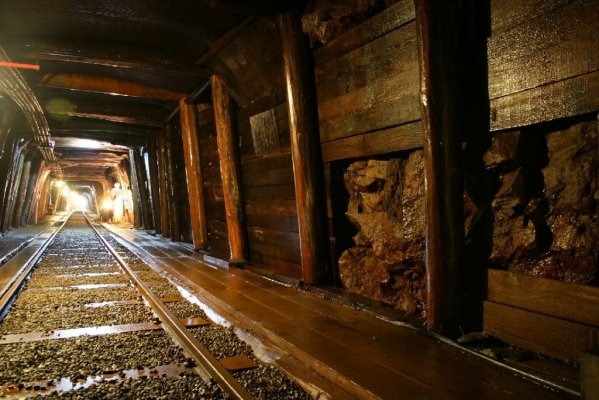
With a 400-year history, Ashio Copper Mine is a tourist attraction built out of the industrial remains of what used to be the largest copper mine in Japan. A trolley train transports visitors 700 metres underground to displays of the mine’s chronology and history and demonstrations of the harsh working conditions through life-like wax figures. You can learn more about this industrial property at the three on-site museums including the copper museum with displays of traditional copper processing methods. Then relax at the traditional cafe or enjoy a leisurely walk along the nearby Watarase River. Between 1610 and 1868, the copper mined here was an important resource for the prosperity of the nation. It was used to produce tiles for castles and shrines and was exported to China and the Netherlands. Among the coins of the years 1600 to 1867, coins produced in Ashio were known as “Ashiji-sen” with the Chinese character of “Ashi (foot)” on the back. Today the coin-shaped local Japanese sweet “Ashiji-sen Monaka” is a popular souvenir.

Nikko kaido Oshu kaido TOCHIGI
Ryuzu Falls

Ryuzu Falls

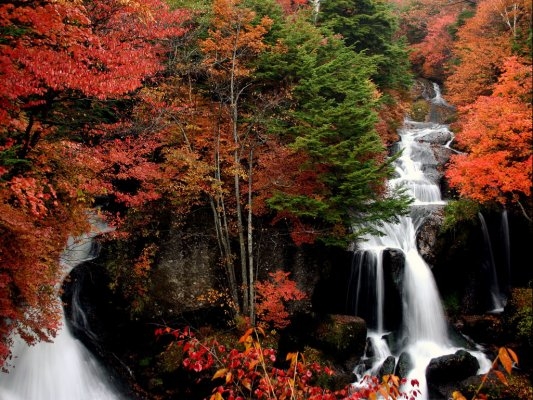
Ryuzu Falls cascades 210 metres down 10-metre wide terraces of volcanic rock from a historic eruption of Mount Nantai. The name “Ryuzu” (dragon’s head) comes from the presence at the base of the falls where a huge rock splits the waterfall in two. The area is popular for its stunning views of red and purple azalea blossoms from May to June as well as the autumnal red leaves in late September. The viewing platform offers the best view of the waterfall surrounded by the colours of the season. Ryuzu Falls is a popular location for visitors and is known as one of the five best falls in Nikko,along with Kegon Falls,Kirifuri Falls,Urami Falls, and Yudaki Falls.

Nikko kaido Oshu kaido TOCHIGI
Local Sake and visiting Sake brewery

Local Sake and visiting Sake brewery

Water is an important ingredient making up 80 per cent of Sake. Tochigi has abundant clear spring water perfect for Sake, thanks to the range of mountains in the north and its one and only fresh stream near Tokyo. Skilled brewers produce a range of Sakes with unique flavours in various parts of Tochigi. Sake tasting and a tours of the production process are available at these breweries. You can also purchase Sake, cups for Sake and cosmetics and sweets made with Sake.

Nikko kaido Oshu kaido TOCHIGI
Pick-Your-Own Fruit Farms (more than strawberries)

Pick-Your-Own Fruit Farms (more than strawberries)

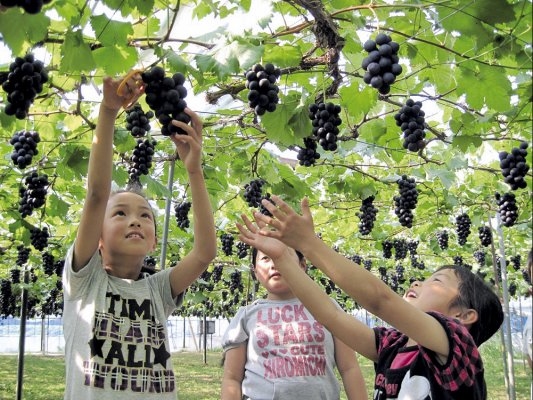
Many farms across the prefecture offer seasonal fruit picking. Aside from the nation’s largest crops of strawberries, you can enjoy picking a variety of other fruits such as cherries, peaches, grapes, blueberries and pears. Some also provide baking and cake decorating classes and jam making workshops using these seasonal fruits. The farm shops sell a wide range of products made with freshly picked fruits such as organic jams, sweets, gelatos and other gifts. As fruits in season may vary depending on farms and varieties, contact each farm for more information.

Nikko kaido Oshu kaido TOCHIGI
Kitsuregawa Onsen

Kitsuregawa Onsen

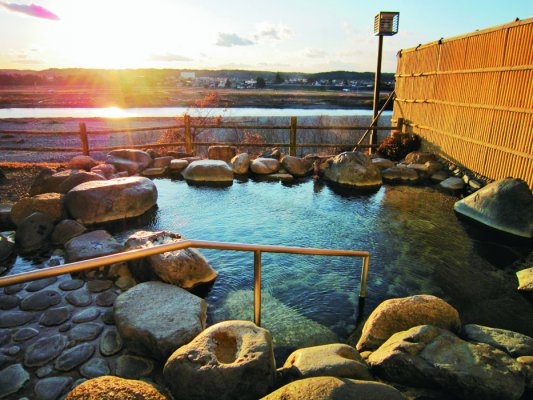
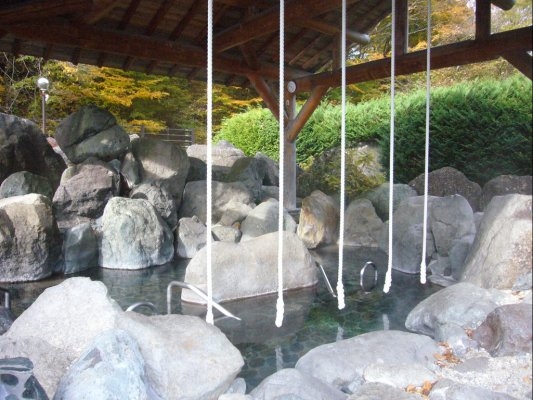
Kitsuregawa is a historic castle town and prospered as a post station on the Edo road. The Onsen is located along the rivers running through the town. The light-brown, salty, slightly alkaline water is one of the best in quality containing the three key elements of hot spring water: sulphur, salt and iron. Accessible in about 30 minutes from Utsunomiya, the prefectural capital, this is a popular Onsen for a day visit. You can also stop by the nation’s first roadside station with Onsen facilities inside.

Nikko kaido Oshu kaido TOCHIGI
Itamuro Onsen

Itamuro Onsen

A peaceful Onsen resort in the mountain ravines located in the western Nasu mountains. The clear alkaline hot spring water is known for its health benefits and the Onsen was designated as a “National Health Spa” by the Ministry of the Environment in 1971. Nestling into a natural landscape and surrounded by a richly preserved environment, most visitors come here for in search of the renowned health effects. Long known as a rustic therapeutic spa, the Onsen maintains its distinctive atmosphere. The temperature of the source of spring water is from 38℃ to 45℃, and its lukewarm water is gentle to the body.

Nikko kaido Oshu kaido TOCHIGI