Greater Tokyo

See & Do

reset
Negishi Forest Park

Negishi Forest Park

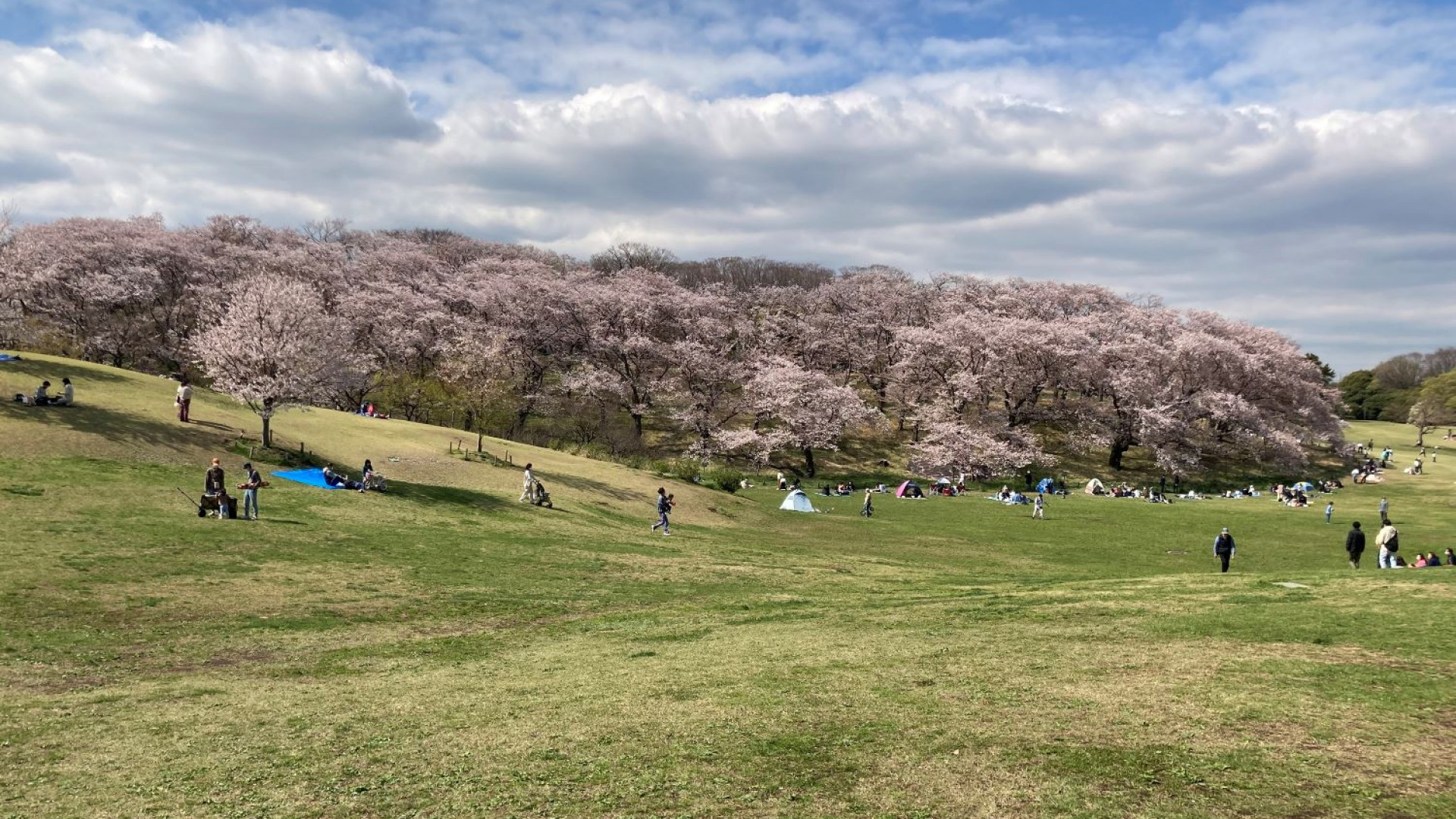
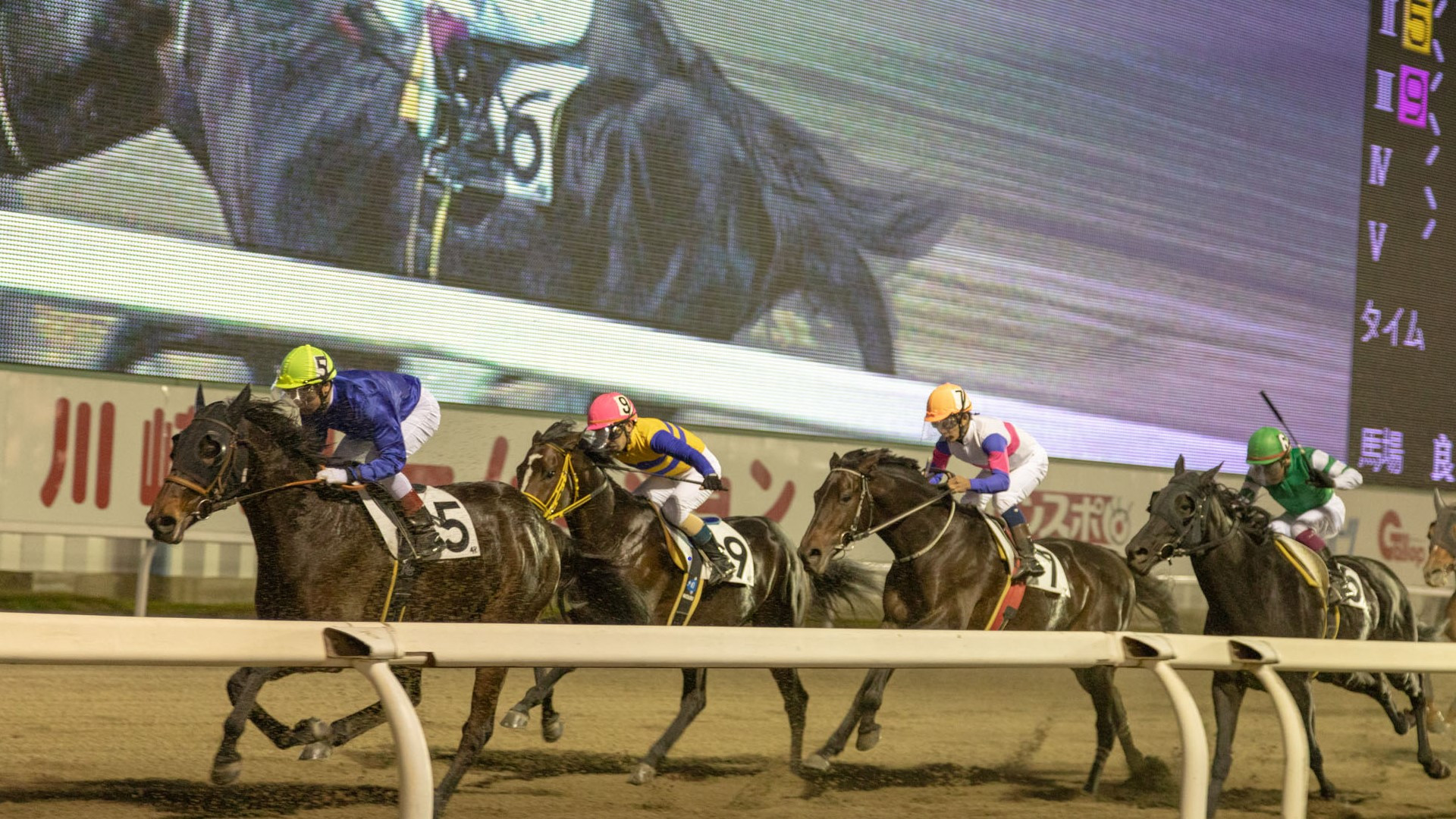
Negishi Forest Park was established in 1866 as the first permanent facility in Japan where Western-style horse racing was held and sponsored by a foreigner's club. It was the largest racecourse in the East and was always crowded with people until it closed in 1943 due to the war. It was later opened in 1977 as a forest park and featured a large lawn at its center. Come watch the four seasons pass with the changing foliage. The park becomes especially crowded during cherry blossom season.Negishi Park is a happening place during cherry blossom season, however, no matter what time of year you need to visit the Equine Museum of Japan. This museum is not only about history, but also houses the imperial carriage and many retired racehorses.

Nature & Views Tokaido Koshu kaido KANAGAWA
Yokohama Strawberry Park

Yokohama Strawberry Park

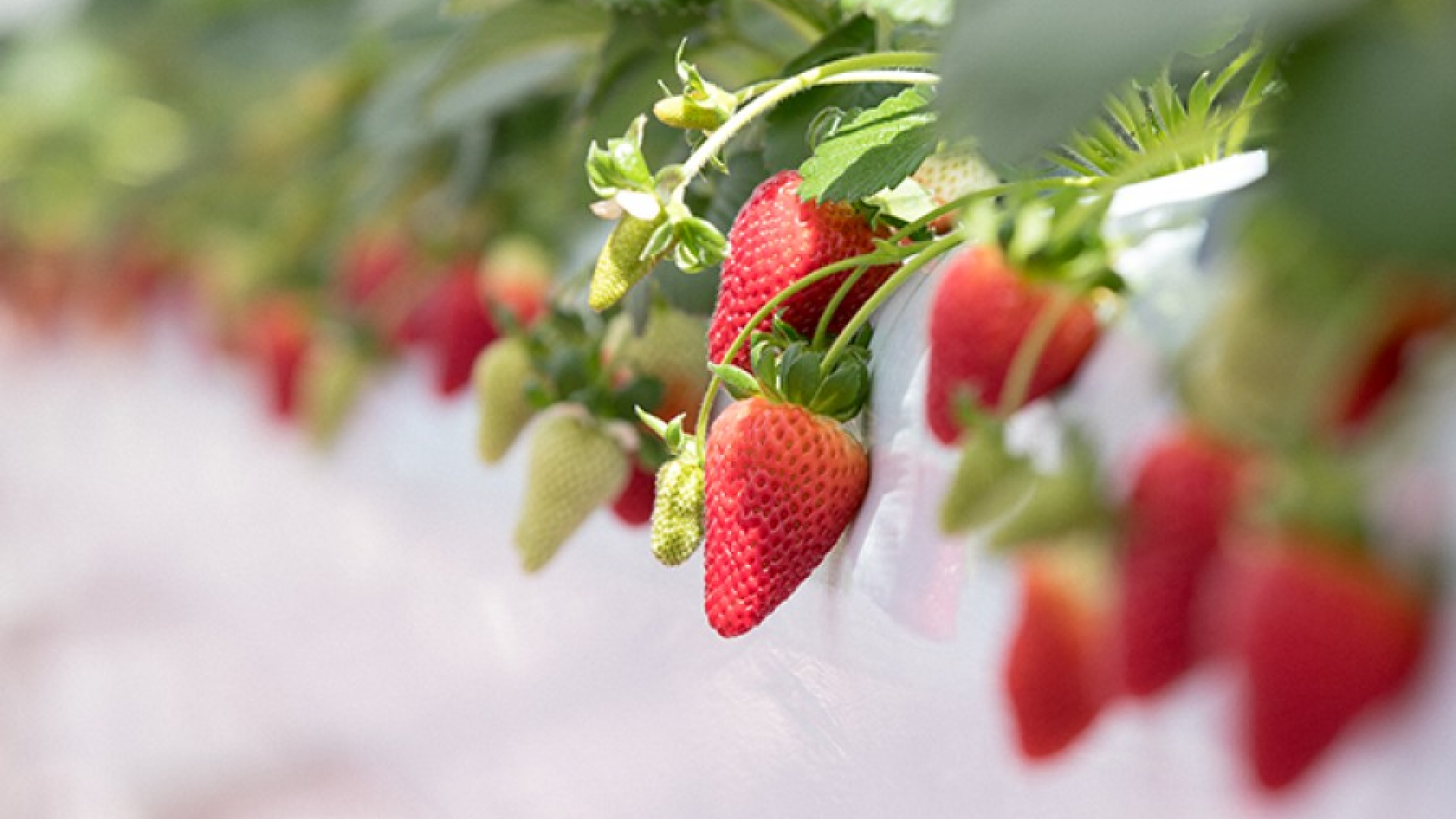
We reopened as Yokohama Strawberry Park on April 23rd, 2022, with a new reservation system and only open on Saturdays, Sundays, and public holidays. We allow you to enjoy fresh, delicious strawberries regardless of the season. The strawberries at our facility are carefully grown by people with disabilities under the guidance of strawberry cultivation experts. You can enjoy our strawberry juice and parfait, which both use strawberries harvested at our facility, at our cafe, which can be used without a reservation.

Experience & Activities Tokaido Koshu kaido KANAGAWA
Kamakura Donabe gohankaedena

Kamakura Donabe gohankaedena

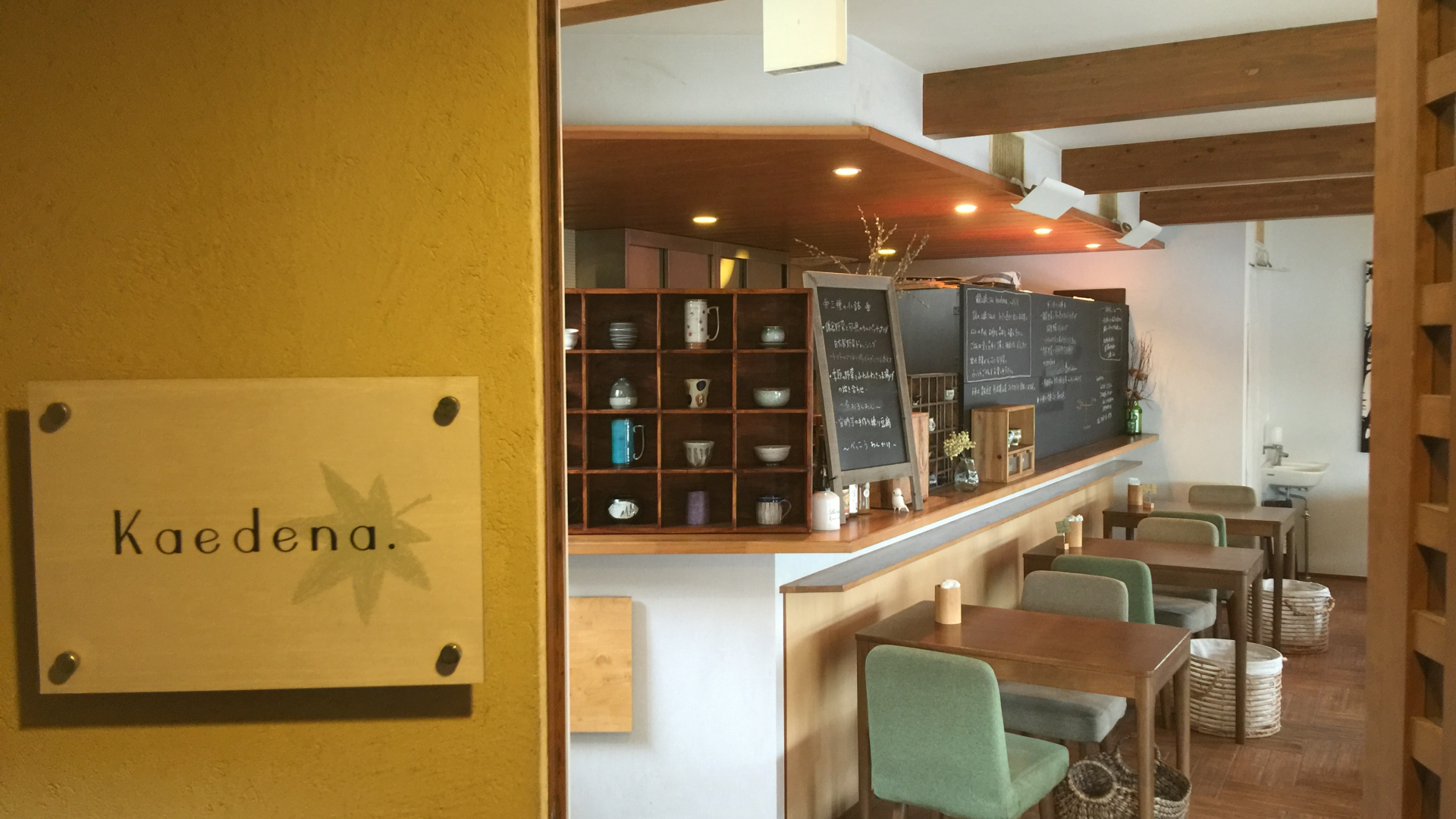
Kamakura earthen pot restaurant Kaedena is in Hase, Kamakura. It serves you special earthen pot Japanese menu. At lunch time "Donabe gohan", rice menu will be cooked in the earthen pots. They serve for each guest an earthen pot cooked rice in slowly cooked seaweed broth. The rice are from contracted farmer in Shinoyama, Tanba, Hyougo prefecture. At dinner time, you can enjoy the chef's special originals. This place is near from Hase Buddha and Kamakura Daibutu.

Eat & Drink Tokaido Koshu kaido KANAGAWA
Yokohama Haikara Kimono Kan

Yokohama Haikara Kimono Kan

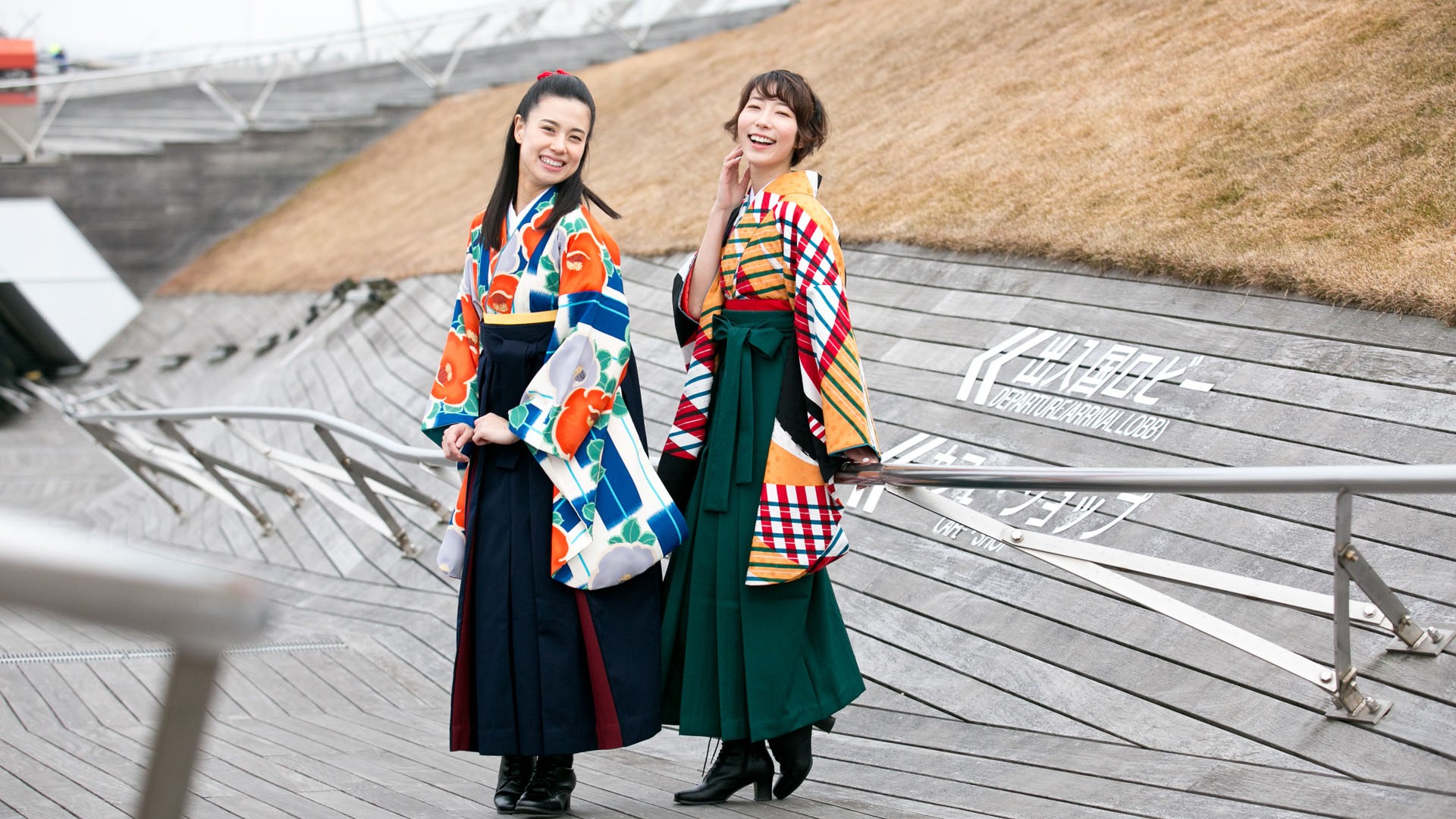
Yokohama is full of stylish photospots for hakama outfits. In just 1-10 minutes, you can walk from our shop to Yokohama tourist attractions like the Yokohama Red Brick Warehouse, Yamashita Park, Yokohama Chinatown, and Osanbashi International Passenger Terminal. We offer approximately 80 hakama-specific kimonos in various colors and patterns for you to choose from. Hakama come in five classic colors (crimson, purple, green, navy, black), plus embroidered, pastel, and gradient designs. Lace-up boots, bags, and frilled parasols are also available for free rental.

Experience & Activities Koshu kaido Tokaido KANAGAWA
Yudate Lion Dance (Sengokuhara)

Yudate Lion Dance (Sengokuhara)

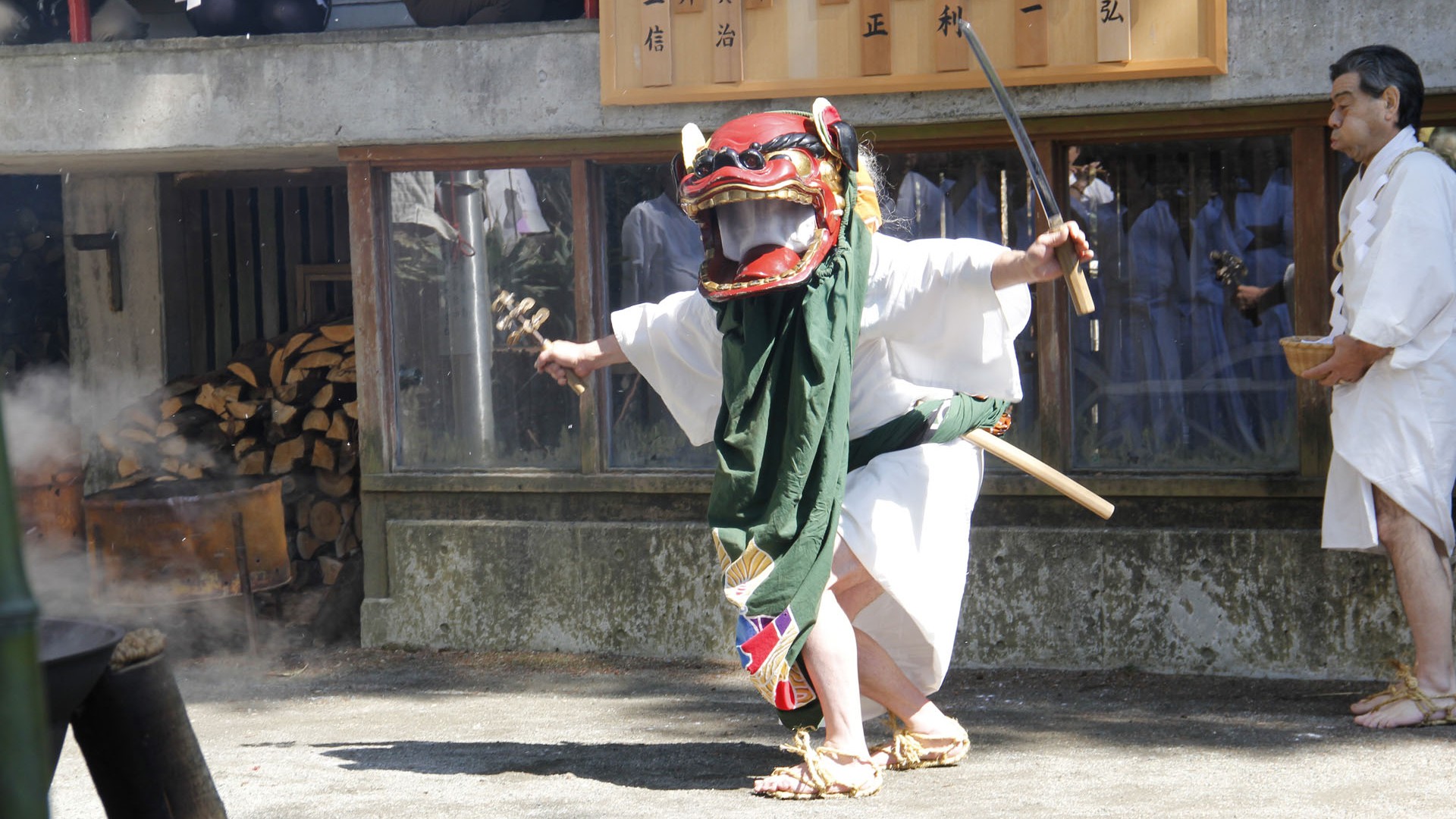
Yudate Kagura is a traditional event was handed down in 1776. While the Shinto ritual of yudate exists throughout Japan, it is not so common for it be carried out by a lion. Praying for sound health, peace and prosperity in the household, and bumper crops, the lion stirs boiling water with bamboo grass, and purifies the worshippers by sprinkling them with the water, warding off pestilence. While being selected as a national Intangible Folk Cultural Property, it is also designated as Yudate Shishimai, an Important Intangible Cultural Property of Kanagawa Prefecture.

Culture & Arts Tokaido Koshu kaido KANAGAWA
Dohogawa Park

Dohogawa Park

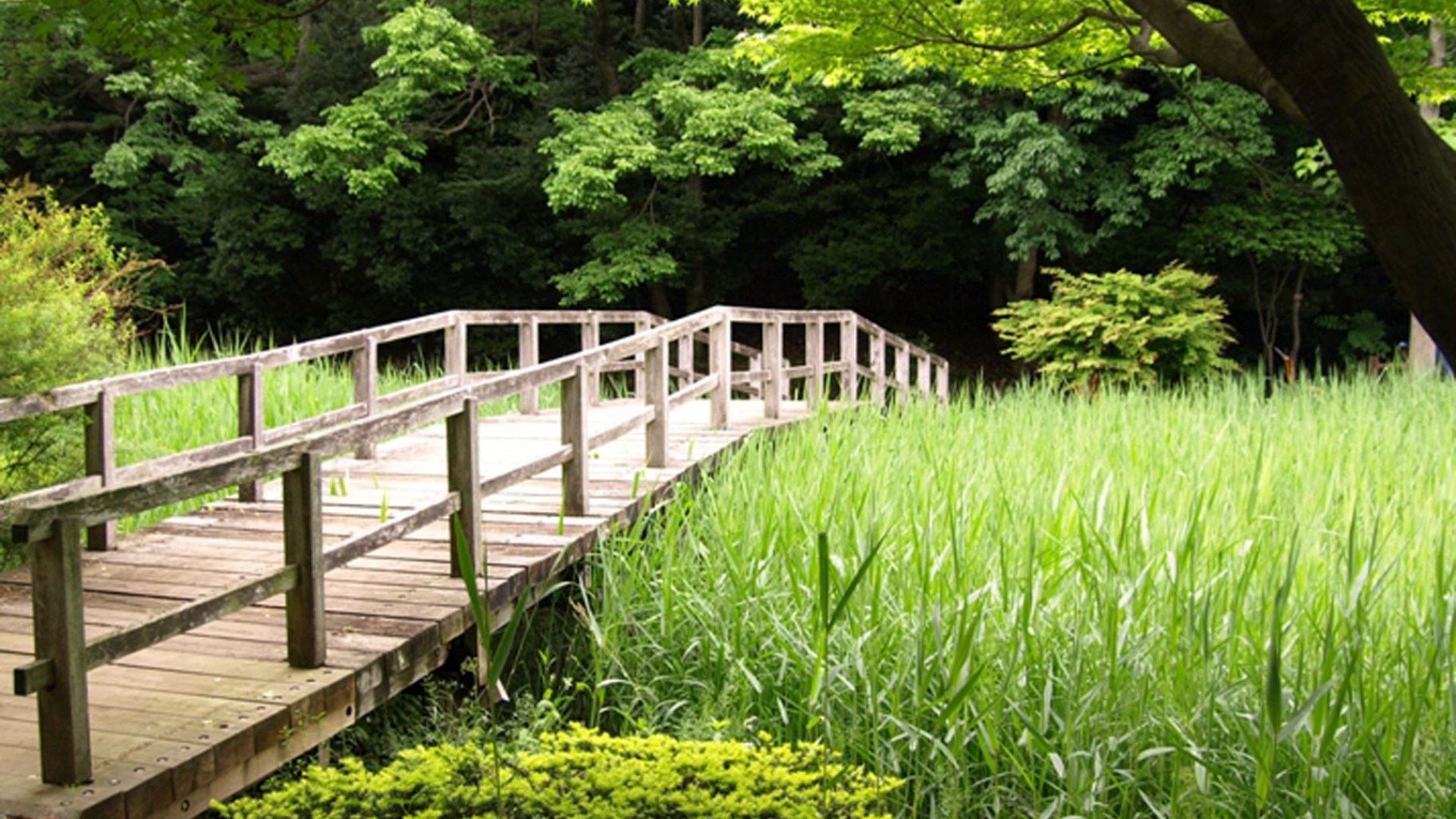
Nestled within the Sagami Yokoyama/Sagami River Suburban Greenbelt Special Preservation Area and the Greater Tokyo Suburban Greenbelt Preservation area, this scenic park boasts spectaclar natural scenery. It serves as a green space for conservation and a place of relaxation for local citizens. In an effort to preserve the natural environment of the Yokohama Hills and the source of the Michihoshi River as an urban green space, it serves as a place for interaction with nature where water and greenery meet. Visitors can observe wild birds and plants up close, deepening their understanding of nature. The park is also utilized as a venue for environmental education and outdoor learning.

Nature & Views Tokaido Koshu kaido KANAGAWA
Ichinoyu

Ichinoyu

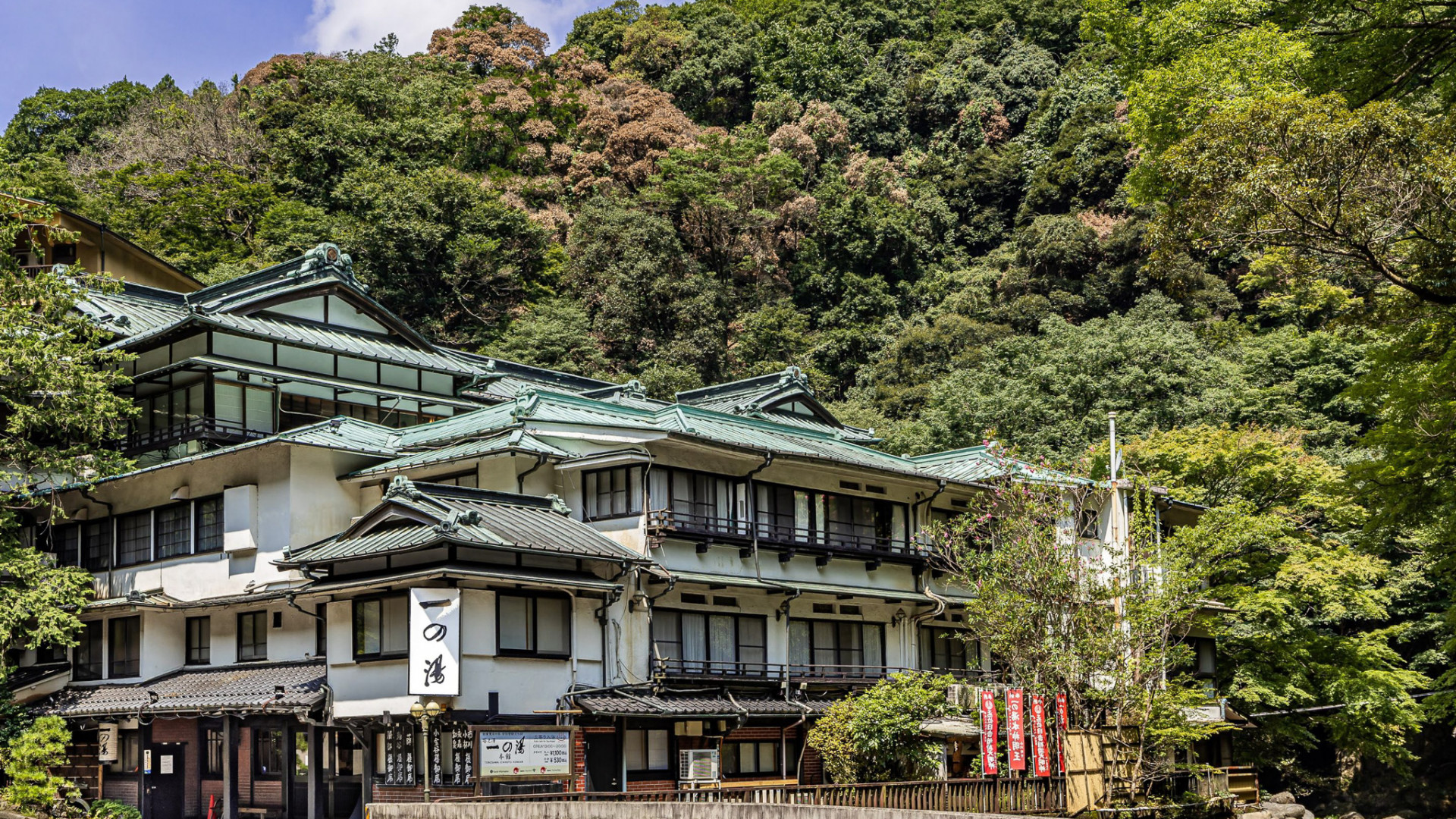
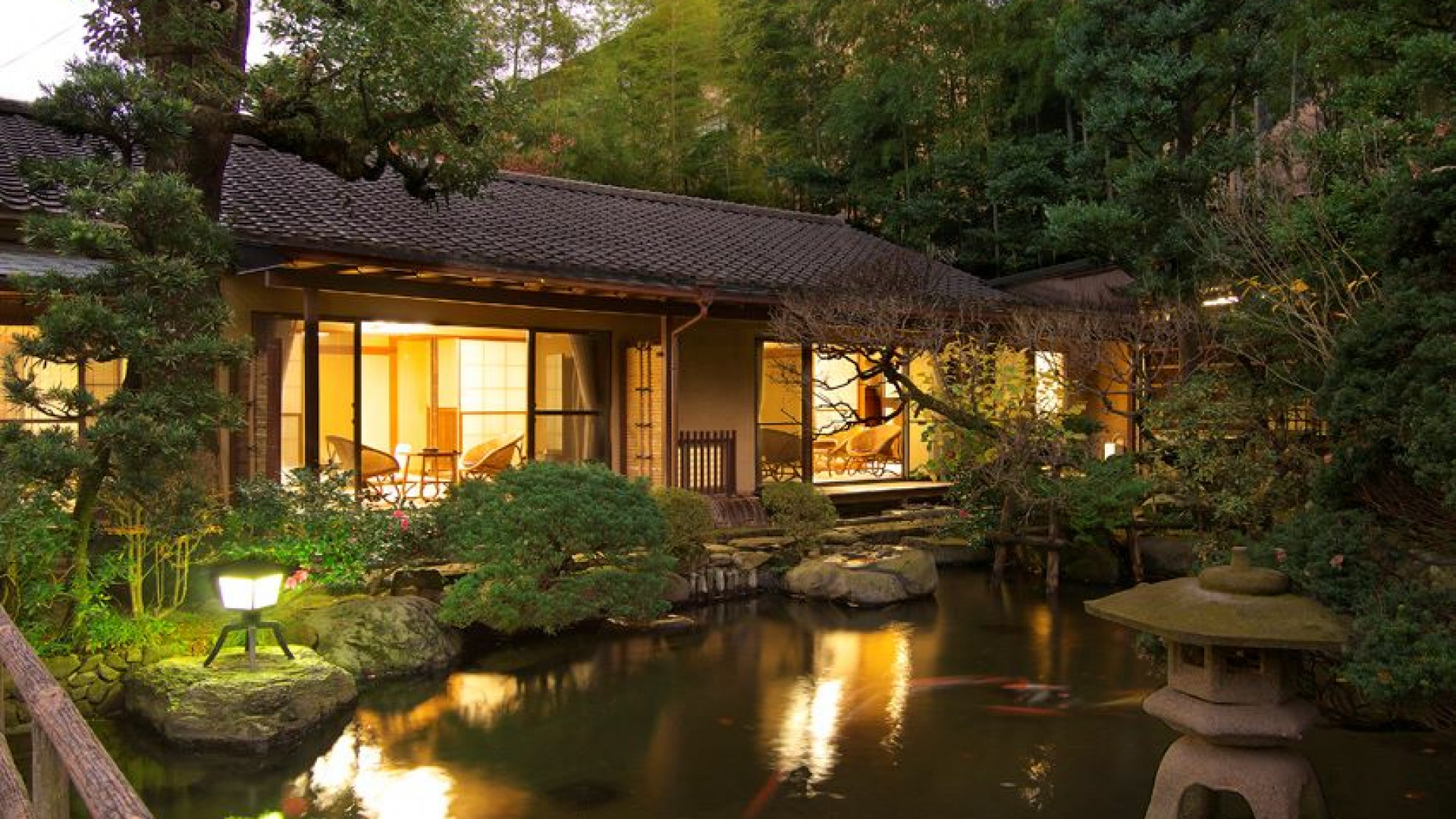
A long-standing inn housed in a four-story sukiya-style wood building in Hakone Onsen. This inn, overflowing with the romance of travel, also offers guest rooms with their own private open air roten (with a view) baths through which hot spring water flows. All of the rooms face Hayakawa Valley, allowing you to enjoy the unique nature of Hakone in all four seasons. This location was designated a National Designated Tangible Cultural Property in 2009, and it is certified as a building that contributes to the historical landscape.

Onsen & Stay Tokaido Koshu kaido KANAGAWA
Tsurugaoka Hachimangu

Tsurugaoka Hachimangu

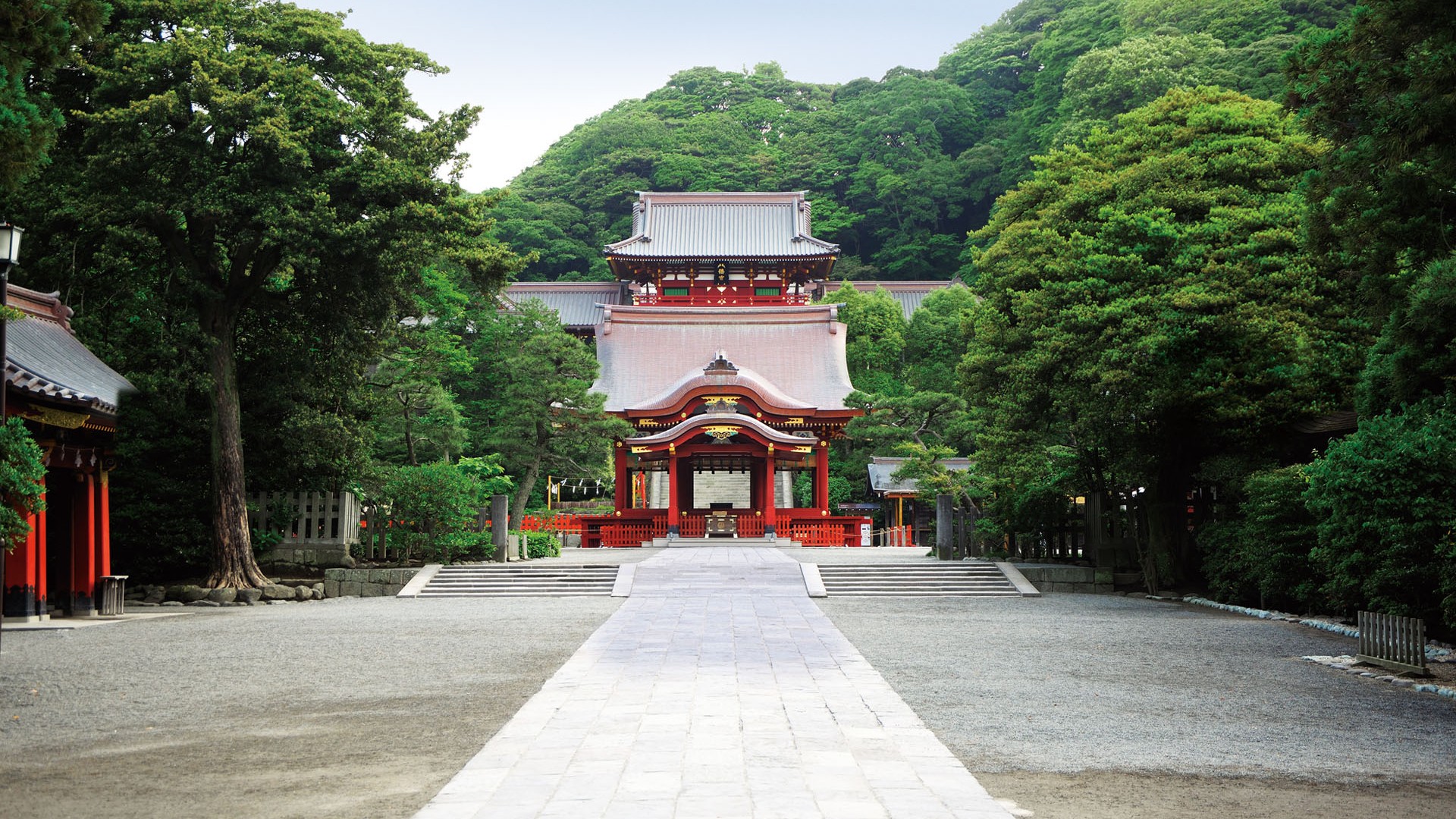
Alongside Usa and Ishimizu, Tsuruoka Hachimangu Shrine is one of the major Hachimangu shrines in Japan. In the 6th year of the Kouhei Era (1063), Minamoto no Yoriyoshi returned after subduing the Oshu region and entered Kamakura, where he secretly transferred Ishimizu Hachimangu Shrine to another shrine in Yui Township Tsuruoka near the coast and called it Tsuruoka Wakamiya Shrine. Later in the 4th year of the Jisho Era (1180), Minamoto no Yoritomo entered Kamakura and relocated the shrine to Kitayama in Kobayashi Township (the current site). In the 2nd year of the Kenkyuu Era (1191), the shrine pavilion was built on the hillside of the Mount Daijinyama, and the current spectacular upper and lower palaces were built. Since then, the shrine has been the head of the Kamakura Shogunate's religious order and has been revered as the deity of the Minamoto clan and the guardian deity of the warrior class. The present main shrine was rebuilt in 1828 by Ienari Tokugawa, the 11th shogun of the Edo Shogunate, and is designated as a National Important Cultural Property along with the regent shrine Wakamiya. Deities: Emperor Ojin, Himejin, and Empress Jingu. Regularly held festival day: September 15. The shrine has a Wakamiya regent shrine, Takeuchi Shrine, Maruyama Inari Shrine, Shirahata Shrine, Soreisha Shrine, Hatagami Benzaiten Shrine, and an Imamiya Shrine and Yui Wakamiya Shrine outside of the shrine grounds.An imposing shinto shrine founded in 1063, Tsurugaoka Hachimangu is the spiritual center of Japan's ancient capital Kamakura, so important that the city was built around it. In spring, the 1.8 km approach from the station is lined with vibrant pink cherry blossoms.The best time to visit a shrine is in the morning, so start your day with a visit and breathe in the crisp morning air.


Temples & Shrines Tokaido Koshu kaido KANAGAWA
Odawara Castle Tenshukaku

Odawara Castle Tenshukaku

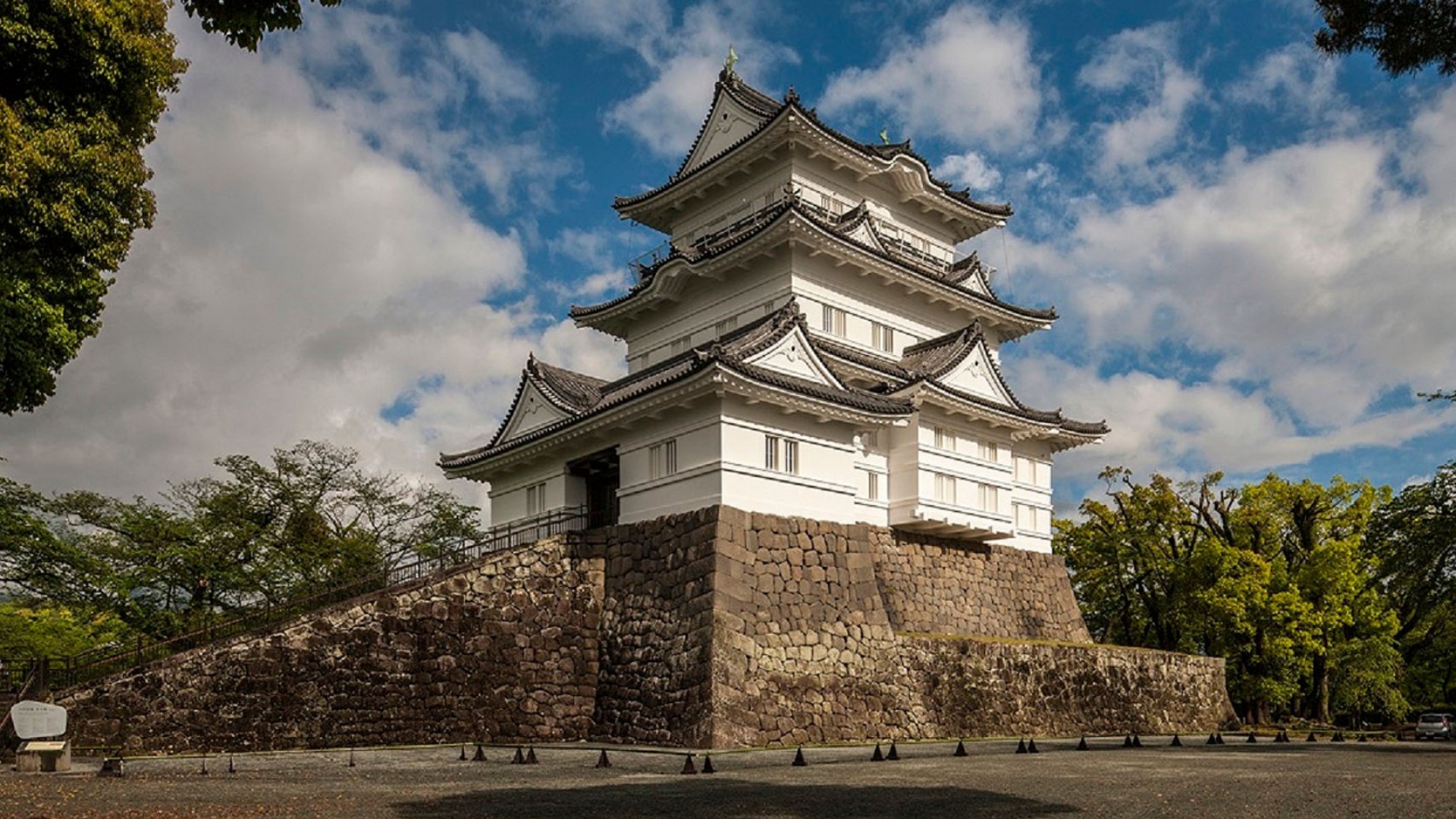
Odawara Castle is an impregnable castle that was designated as a national historic site and preserved through reconstruction and restoration. The first to fifth floors of the castle tower introduce the history of the castle from the Edo period to the present day. From the observation deck on the top floor, which is approximately 60 meters above sea level, visitors can enjoy a panoramic view of Sagami Bay. In Odawara Castle Ruins Park, visitors can enjoy a variety of flowers and plants throughout the year, including cherry blossoms, wisteria, irises, and ume (Japanese plum).Exhibits specializing in weapons such as armor and swords are held to introduce the spirituality of the samurai and the art of the weapons.This castle provides a fun time reliving the medieval era. Inside the castle is an excellent museum and outside, near the back, you can try on the armor of a ninja warrior for a memorable picture of your visit.The lovely contrast between Odawara Castle’s white castle tower and the pale pink of the cherry blossoms can be seen every year from late March to early April. When night falls at Odawara Castle’s Honmaru Square, they hold the “Odawara Castle Cherry Blossom Light-up: Night Cherry Blossoms Dyed in Light” event, creating an even more magical atmosphere.Odawara Castle Hydrangea and Iris Festival: Odawara Castle is designated as one of Japan's Top 100 Castles. In the iris garden located in the east moat of the Odawara Castle Keep, visitors can enjoy about 10,000 iris flowers in full bloom from early to mid June. The garden will be lit up at night which creates a mysterious vista.

Culture & Arts Koshu kaido Tokaido KANAGAWA
Komachi Street

Komachi Street

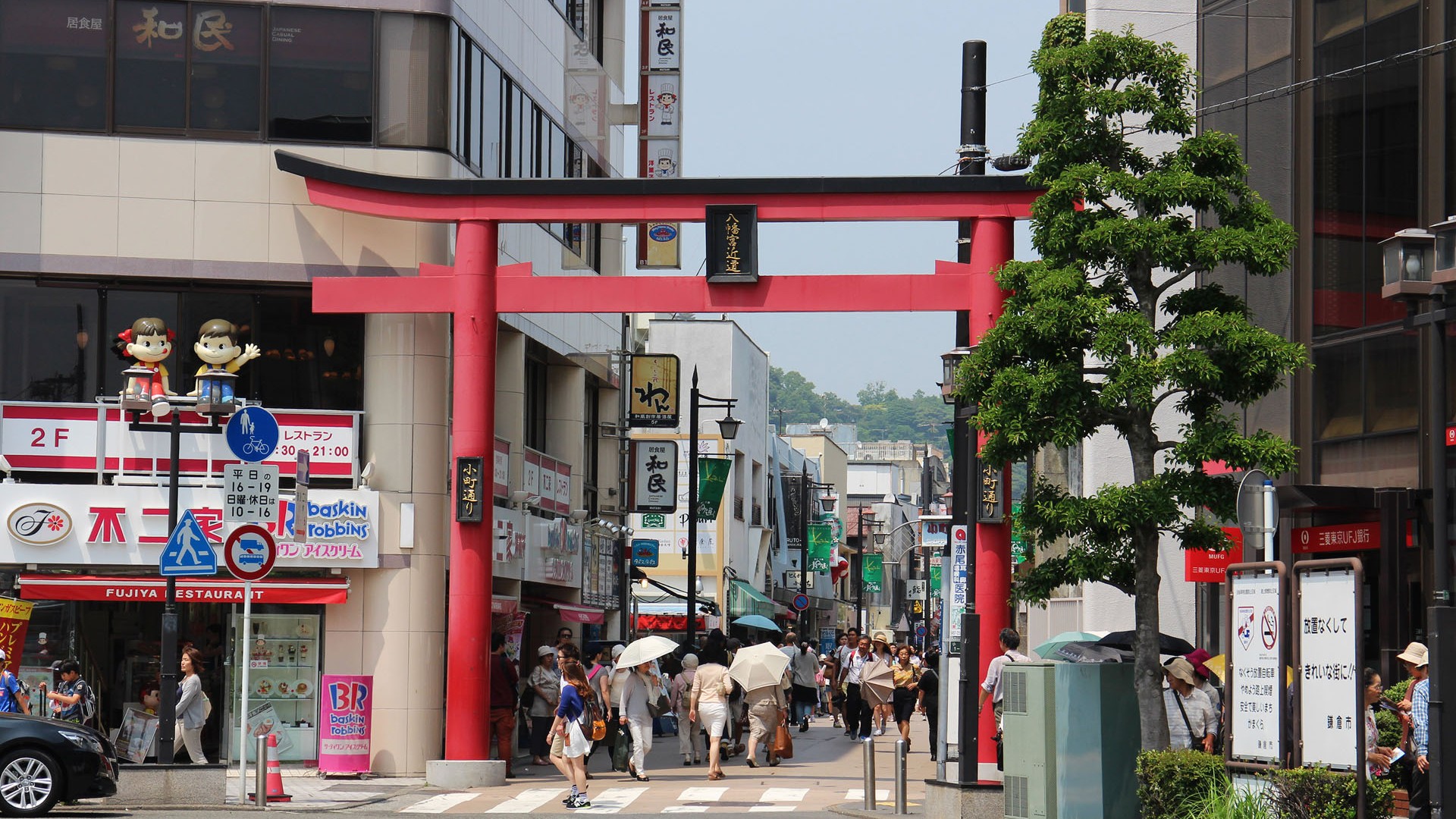
This street is one of the most famous shopping street in Kamakura, Japan. It has been featured in some TV programs and magazines. There are about 250 shops. Come and see various shops while you stroll the town.Starting next to Kamakura station, Komachi-dori is a long shopping street that's fun to explore. Shop for souvenirs such as kimonos, traditional knives, or ceramics and chopsticks; then grab a snack to eat on the street or sit down for a bowl of the local specialty: shirasudon, whitebait on rice.

Shopping Tokaido Koshu kaido KANAGAWA