Greater Tokyo

See & Do

reset
Tochigi Float Festival(Tochigi Autumn Festival)

Tochigi Float Festival(Tochigi Autumn Festival)

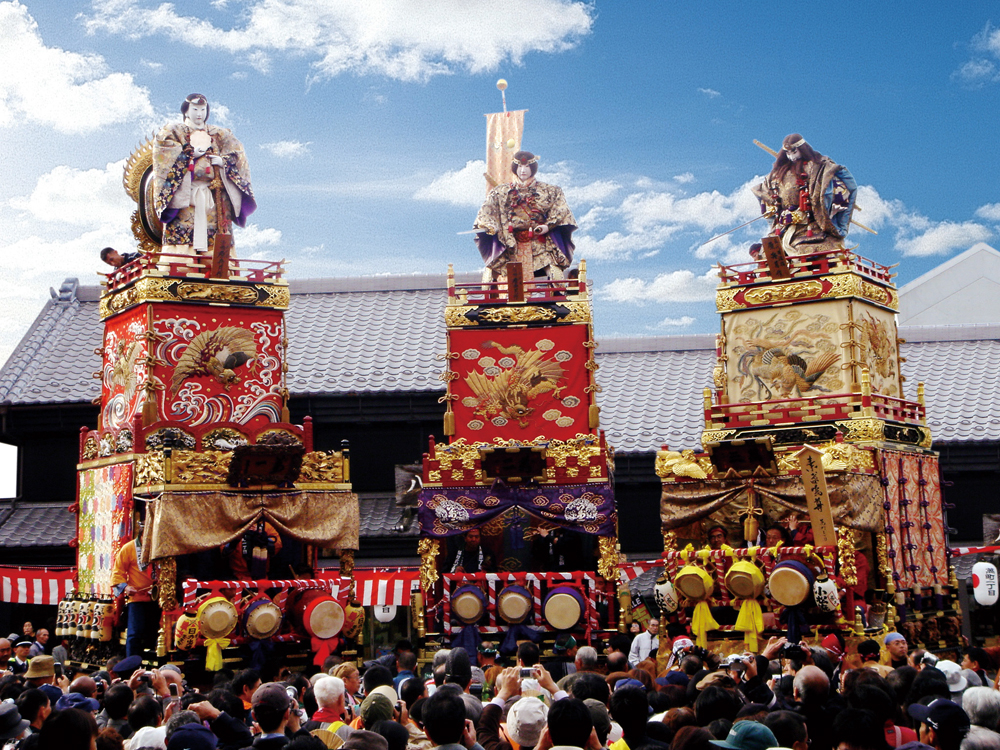
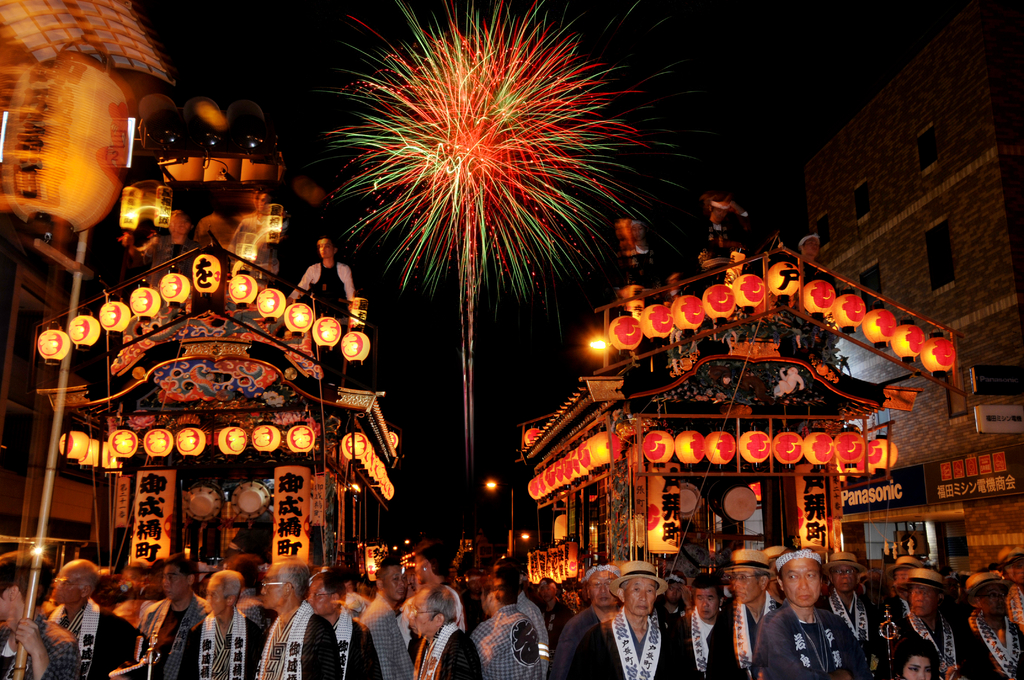
An autumn festival in Tochigi city held biennially. Lavishly decorated in detailed carvings, festive floats carrying figurines of deities and historical heroes are paraded through the streets.   For the many tourists coming from outside the region, special rail services from Tokyo are operated on the day of the festival. You can also visit an exhibition about the festival at the “Dashi Kaikan” (float museum) at any time of the year.

Oshu kaido Nikko kaido TOCHIGI
Yamaage Festival(Yamaage Matsuri)

Yamaage Festival(Yamaage Matsuri)

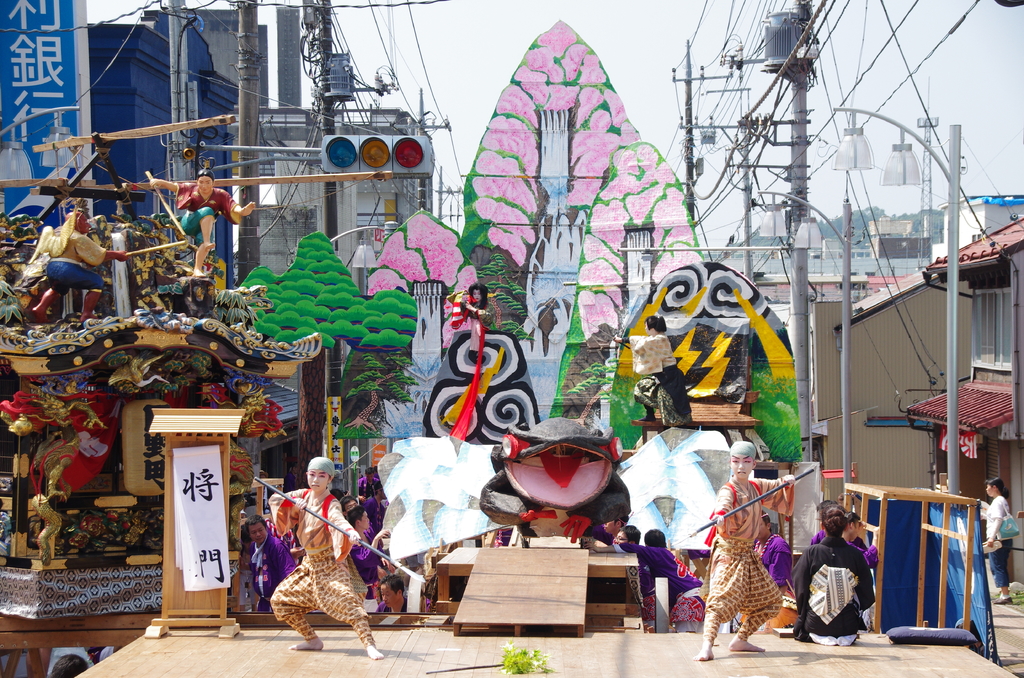
The Yamaage Festival is one of Japan's most unique festivals,a dazzling outdoor kabuki dance performance that has been carried on is the Karasuyama area since olden times.The festival was first held about 460 years ago by the ruler of Karasuyama Castle,Lord Suketane Nasu,to pray for peace over the land and dispel the plague that had been threatening his domain. The yama or "mountain" in the festival's name refers to the backdrops used in the performances.Handmade washi paper,a apecialty of the region,is pasted onto a bamboo frame and painted to look like mountains and waterfalls.Some of these "mountains" even reach 10 meters in height.Not only the dynamic kabuki and dances performed in front of these backdrops,but also the coordination and teamwork of the young male performers that form the heart of the festival are a sight to behold.In addition,it was enrolled in the UNESCO Intangible Cultural Heritage in December,2016.

Nikko kaido Oshu kaido TOCHIGI
Nakagawa-machi Bato Hiroshige Museum of Art (Batoh)

Nakagawa-machi Bato Hiroshige Museum of Art (Batoh)

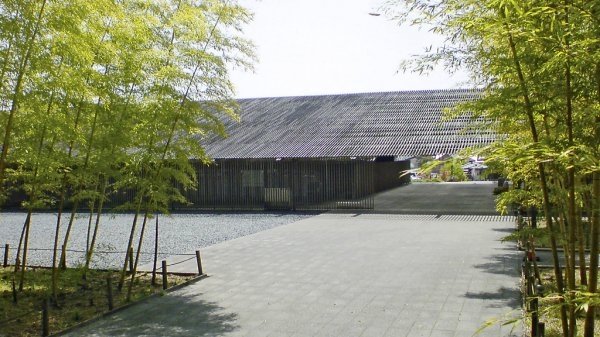
A museum dedicated to the works of Hiroshige Utagawa, an Ukiyo-e artist of the Edo period. You can get a glimpse of Japanese culture of the 19th century through his original drawings and Hanga (woodblock prints). The entire museum is made of local cedar and washi (handcrafted paper) designed by the global architect, Kengo Kuma, with a concept of “the traditional and serene appearance that expresses the artistry and tradition of Hiroshige”. Many visitors also come here to study design.

Nikko kaido Oshu kaido TOCHIGI
Kanuma Autumn Festival

Kanuma Autumn Festival

The Kanuma Autumn Festival, a UNESCO Intangible Cultural Heritage event, will be held in Kanuma, Japan, in grand style, bringing the tradition and elegance of the Edo Period festivals to the present day. The “Yatai Event of Kanuma Imamiya Shrine Festival,” the core of this festival, was designated as a National Important Intangible Folk Cultural Property in February 2003, and was also registered as a UNESCO Intangible Cultural Heritage on December 1, 2016 as one of the “Yama, Hoko, Yatai Event”.   For two days, 26 gorgeous yatai, which are also called “moving Yangmyongmon,” will parade through the streets of Kanuma in a heroic manner.   On the first day of the festival, “Nuriikomi” begins around noon, when 26 yatai pass through the torii gate and enter the precincts of Imamiya Shrine. At around 5:00 p.m., all the yatai will light lanterns and return to their respective neighborhoods with a musical accompaniment.   On the second day, after the “Citizens' Parade” of “marching bands” and “Mikoshi” in the morning, “Yatai Aligned Pulling (Yatai Parade)” will be held around 2:00 p.m., in which 26 yatai will simultaneously drive along the Kominehara Palace Road (commonly called “Festival Road”).   The highlight of the festival is a musical performance called “Buttsuke” in which three to seven yatai perform at a junction. The music of the festival is a spectacular sight to behold, and the sounds of the heroic “Buttsuke” music will echo through the night on both days of the festival.

Nikko kaido Oshu kaido TOCHIGI
Michi-no-Eki(Roadside Rest Stops)  Utsunomiya Romantic Village

Michi-no-Eki(Roadside Rest Stops) Utsunomiya Romantic Village

This Roadside Rest Stops offering a farming and forest experience, dog park, hot spring, pool, and accommodation. Tochigi Prefecture has the largest production of two-rowed barley – an ingredient used to make beer. Romantic village's brewery has a full lineup of beers including staple original beers, the Mugitaro brand, and Gyoza Roman, a beer that pairs well with Gyoza .Be sure to try a freshly brewed one!

Nikko kaido Oshu kaido TOCHIGI
Oya History Museum (Ohya)

Oya History Museum (Ohya)

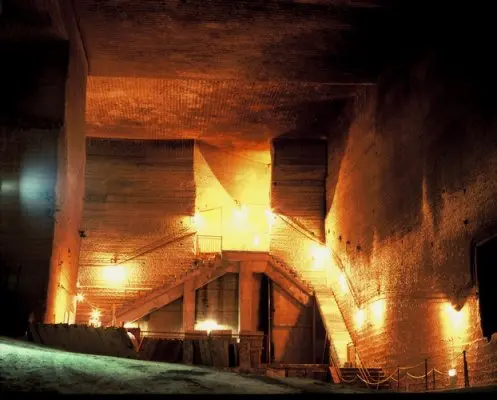
The old mining site of Utsunomiya’s famous,Oya Stone,has now been turned into a historical museum. The exhibition features the long history of the mining since the 17th century,with many materials on display. The underground cavern,covering 20,000 sq. metres,is large enough to fit a baseball field. With a fantastic atmosphere reminding visitors of the ruins of Ancient Rome.It is used in various scenes such as movie shooting, music videos shooting, weddings, concert, etc. due to its mysterious scenery.

Nikko kaido Oshu kaido TOCHIGI
Heike Taisai (Grand Festival of Heike)

Heike Taisai (Grand Festival of Heike)

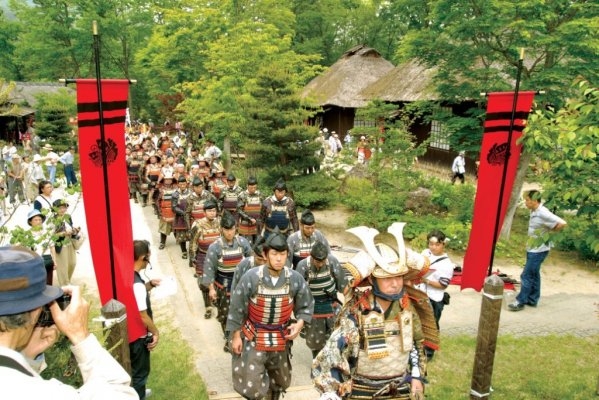
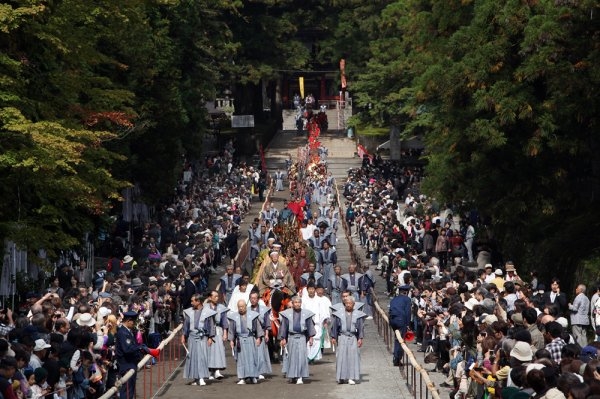
A festival in order to in honor Heike Family The Taira Clan (also called Heike), one of the most powerful family in Heian period, dominated the imperal captain of Heian. However, after the death of their leader, Taira no Kiyomori, their rivals the Minamoto Clan (the Genji),which culminated in the Genpei War (1180-1185 AD). The five-year-long war concluded with a decisive Taira defeat in the naval Battle of Dan-no-Ura.   It is said many Heike family and their samurais ran away from Genji's army, and hided in Yunishigawa Onsen. In order to honor those samurai who fighting for the Heike family, people live in Yunishigawa Onsen hold the "Heike Taisai" every year.   Become a princess of Heike!  A traditional Yunishigawa festival held in early June, featuring Biwa (Japanese lute) performances, dances and theatrical plays. The highlight of the festival is the “Emaki Gyoretsu Procession”, where over 200 people dressed as heroic Samurais or elegant princesses parade through the town. Visitors can also apply to join the march.

Nikko kaido Oshu kaido TOCHIGI
Kinu-numa Marsh

Kinu-numa Marsh

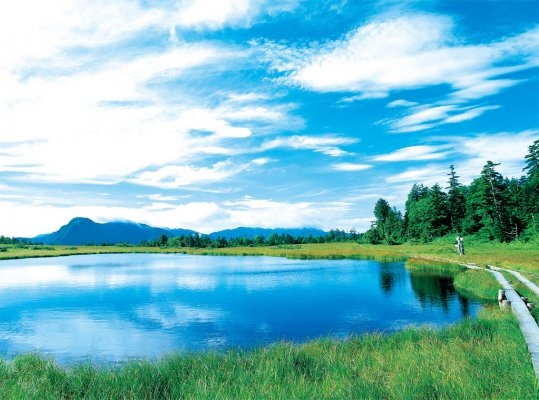
Being 2,000 metres above sea level, this marsh is the nation’s highest wetland and is known for its abundant alpine plants. In the wetland where spring comes late, July is the best time to view the alpine plants blossoming one after another. The grass starts to turn yellow in late August and the leaves paint the entire wetland flaming red in mid-September. Plants and trees are lightly dusted with snow in November and you can see the arrival of migratory birds. Enjoy the diverse nature of each and every one of the seasons!

Nikko kaido Oshu kaido TOCHIGI
Kawaji Onsen

Kawaji Onsen

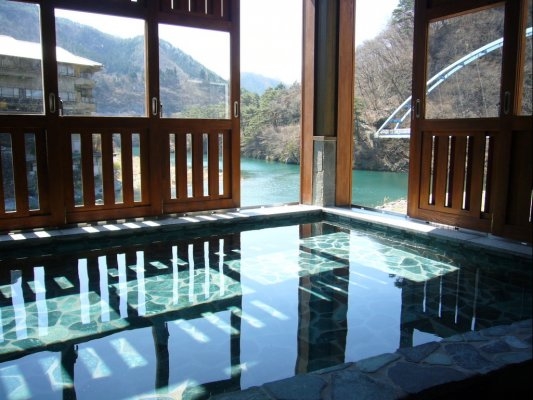
A tranquil Onsen-kyo nestled in the valley where the Kinugawa and Ojika Rivers meet. Since the 18th century when the spa was discovered, Kawaji has prospered as a post station and a therapeutic spa. The simple alkaline hot spring is an effective treatment for neuralgia, rheumatism and particularly for injuries. The nearby nature trail leading to the scenic “Ryuokyo gorge” offers a lovely way to take in the floral scents and the sounds of local streams.

Nikko kaido Oshu kaido TOCHIGI
Kirifuri-kogen Highland (Kirifuri-kohgen)

Kirifuri-kogen Highland (Kirifuri-kohgen)

These highlands, situated 1,200 metres above sea level, are a paradise of alpine plants and are well-known for the “Nikko Kisuge”. With 260,000 Nikko Kisuge blooming from late June to mid-July, the grasslands are carpeted in these bright yellow lilies. Walking paths through the fields are available. Enjoy azaleas in spring, autumn colours and skiing in winter! There are selections of restaurants, accommodations and leisure facilities to satisfy couples and families.

Nikko kaido Oshu kaido TOCHIGI
Yayoi Festival

Yayoi Festival

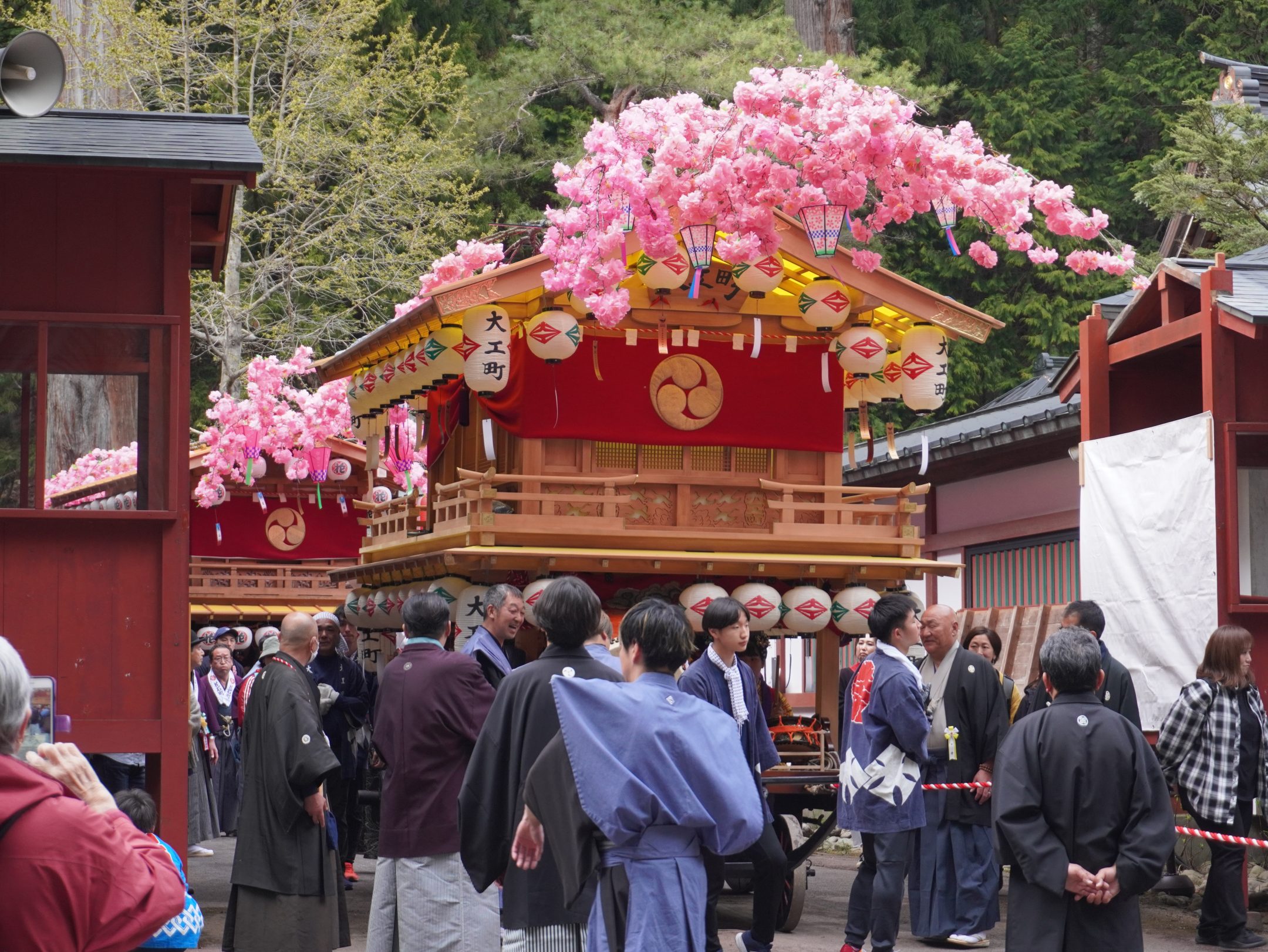
The Yayoi Festival is a traditional event in Nikko that marks the arrival of spring. Held annually from April 13 to April 17, this historic festival has been a part of Nikko’s cultural heritage for centuries. The festival is believed to have originated during the Jingokeiun era (767–770) as a grand ritual to celebrate the changing seasons. It was originally held in the third month of the lunar calendar, which is called "Yayoi" in Japan, meaning a time when nature flourishes. After the adoption of the Gregorian calendar in 1873, the festival continued in its current form, maintaining its deep-rooted traditions. Festival Highlights The festival officially begins on April 13 with a procession of beautifully decorated mikoshi (portable shrines) from the Honsha, Takiou, and Hongu Shrines. However, the most spectacular part of the event takes place on the final day, April 17. During the five-day celebration, various rituals are performed to honor the deities, but the most anticipated events are the Grand Festival (April 16) and the Procession of Floats (April 17). On these two days, eleven different neighborhoods from eastern and western Nikko bring out their elaborately adorned azalea floats and lively traditional musical bands, parading through the streets of the city. The highlight occurs when all the floats gather within the shrine grounds. Following an ancient custom, representatives from each town exchange greetings and name cards before the floats, accompanied by traditional hayashi (festival music), circle the shrine. On April 17, the festival reaches its climax when representatives from Ishiya-machi, the town responsible for that year’s festival, lead the crowd with spirited chants as they push the massive floats up the stone steps of the shrine’s sando (approach path) in a dramatic display of strength and unity. A Festival Steeped in Tradition The Yayoi Festival strictly follows ancient traditions, with every step of the ritual conducted as it has been for generations. Locals believe that any deviation from the traditional methods could bring misfortune, adding to the festival’s reputation as a “troublesome” or “chaotic” festival. Because of this, some people even refer to it as the “GOTA Festival”, where "GOTA" symbolizes trouble or disputes. This nickname has also led to the festival being called the “Quarrel Festival”, highlighting the passionate dedication and fiery energy of its participants. Steeped in history and rich cultural significance, the Yayoi Festival is a must-see event for anyone visiting Nikko in spring. It offers a rare opportunity to witness Japan’s traditional rituals, dynamic parades, and the deep community spirit that has kept this festival alive for over a millennium.

Nikko kaido Oshu kaido TOCHIGI
Kanman-ga-fuchi Abyss

Kanman-ga-fuchi Abyss

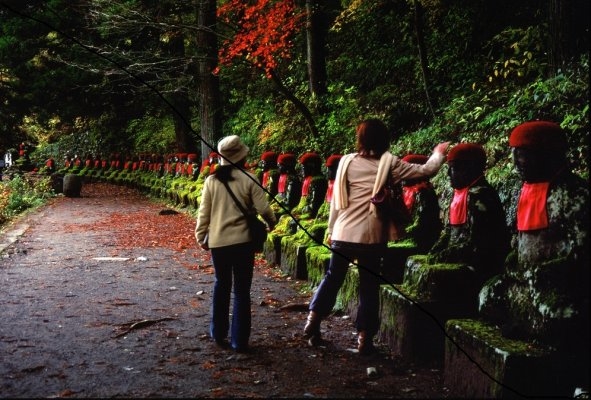
The little gorge formed by an eruption of nearby Mt. Nantai is a uniquely scenic spot. A row of approximately 70 Jizos are lined up along the south bank of the river. The group of Jizos is called “Baké-Jizo” because it is said that they are uncountable; if you try to count them, each time you will end up with a different number. Legend has it that the Sanskrit character “Kanman” on an upstream cliff was inscribed by Kobo Daishi, the founder of Shingon Buddhism, by throwing his brush. The Nikko Botanical Garden is on the opposite shore of the Jizos, and visitors can enjoy the scenic beauty in the seasons of spring verdant greens, autumn colours and snowy Jizos.

Nikko kaido Oshu kaido TOCHIGI
Nikko Tamozawa Imperial Villa Memorial Park

Nikko Tamozawa Imperial Villa Memorial Park

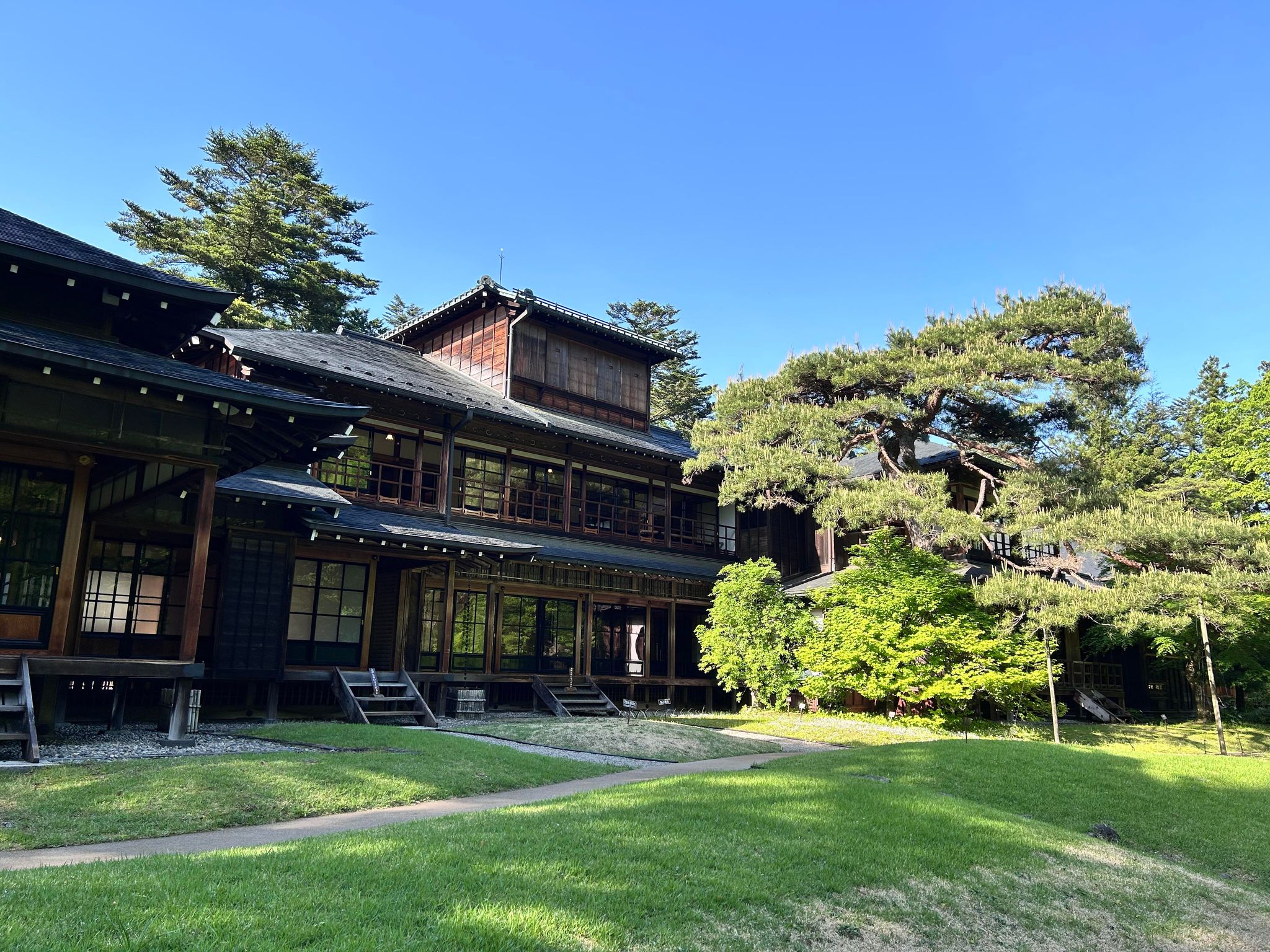
This villa and garden used to be a retreat for the imperial prince in the 19th century. In the year 2000, they were opened to the public after renovation works. The residence, combining architectural styles of different periods, is well worth visiting. Located close to the “Shrines and Temples of Nikko”, it is easily accessible. Take a walk in the garden with seasonal charms and 100 years of majestic history. After the historic tour, relax at the teahouse serving popular Japanese treats such as a bowl of maccha. English audio guides are available.

Nikko kaido Oshu kaido TOCHIGI