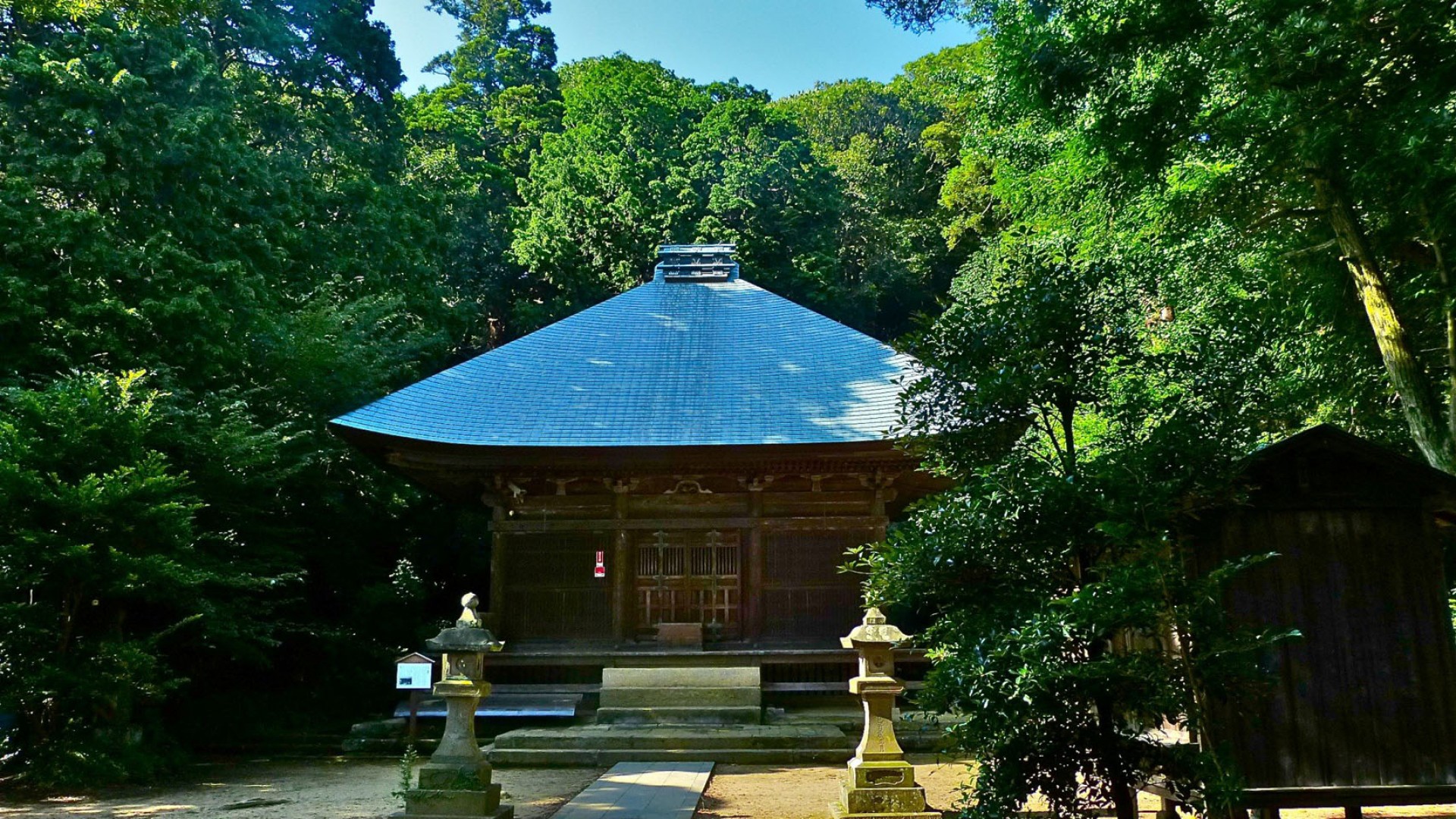
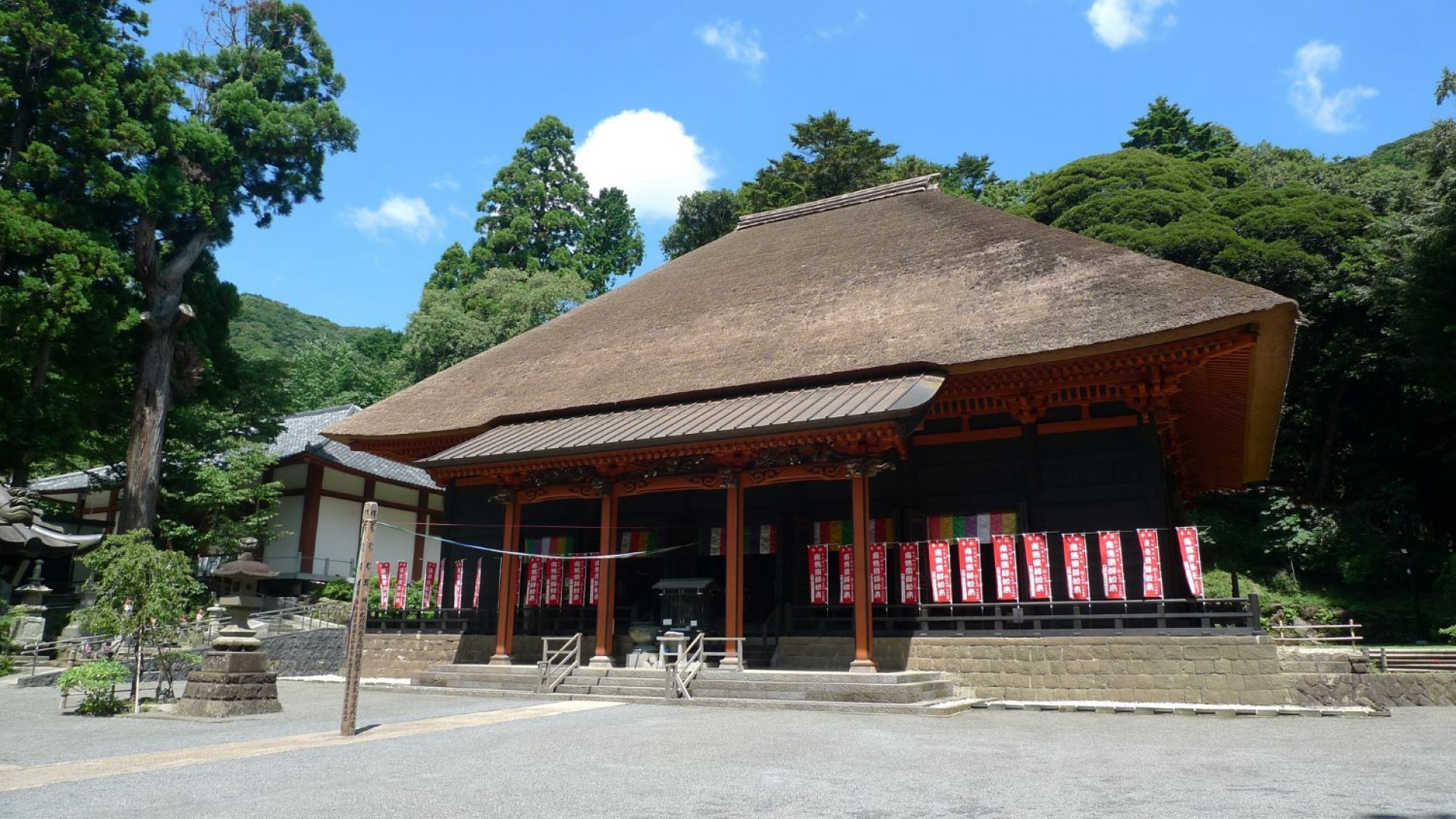
Jinmu-ji
It is a temple of the Tendai sect and surrounded by nature.
Total: 1727 items
It is a temple of the Tendai sect and surrounded by nature.
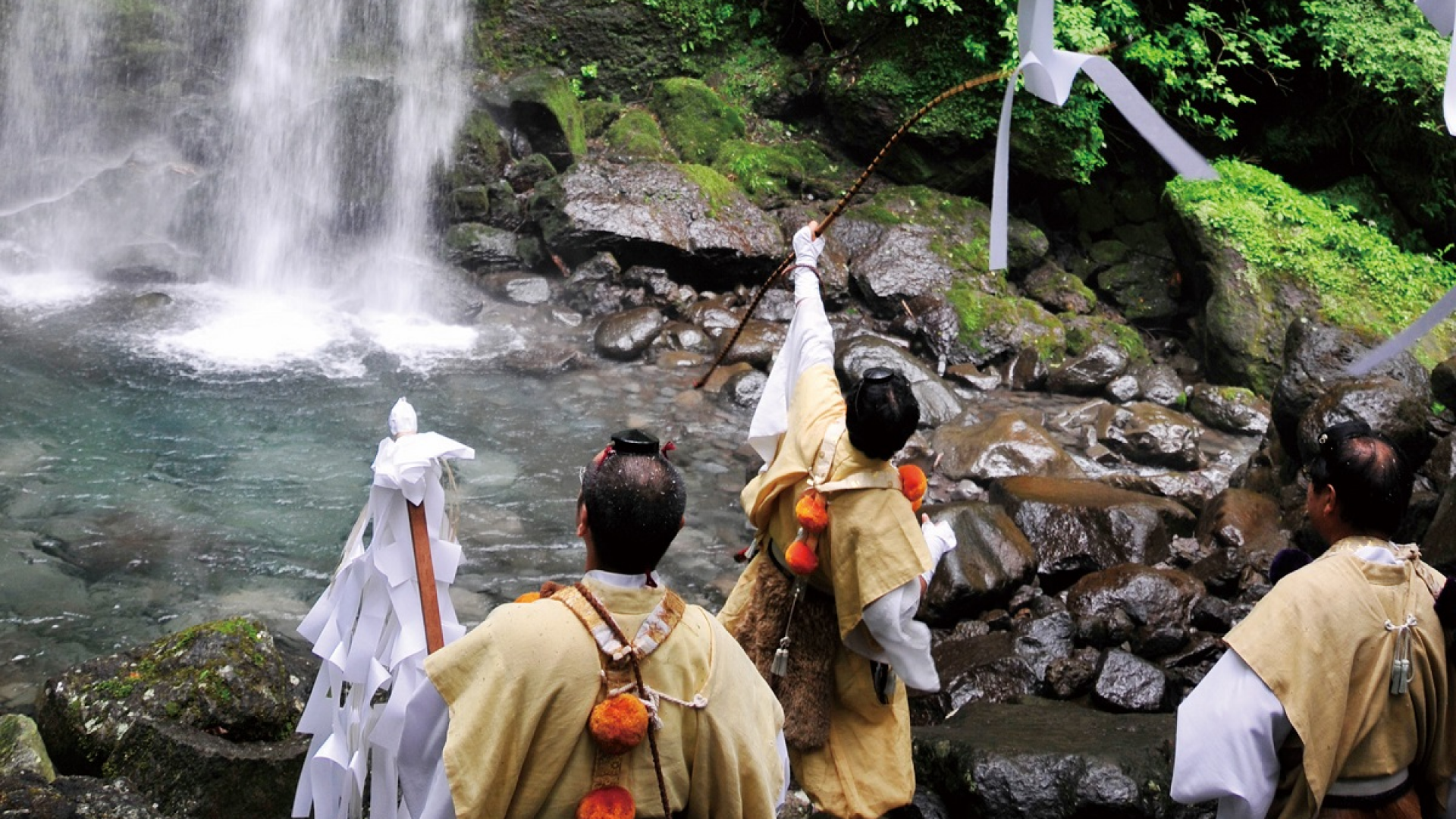
It’s known that these falls were the birthplace of Kintaro (a folk hero). It has a height of 23 meters and a width of 5 meters. It is said that the name, “yuhi” or “evening sun”, comes from the beauty of how the sunset would catch the falls. It prospers from the beautiful in the new leaves of spring and autumn colors as well as from the cool water during summer camping getaways.
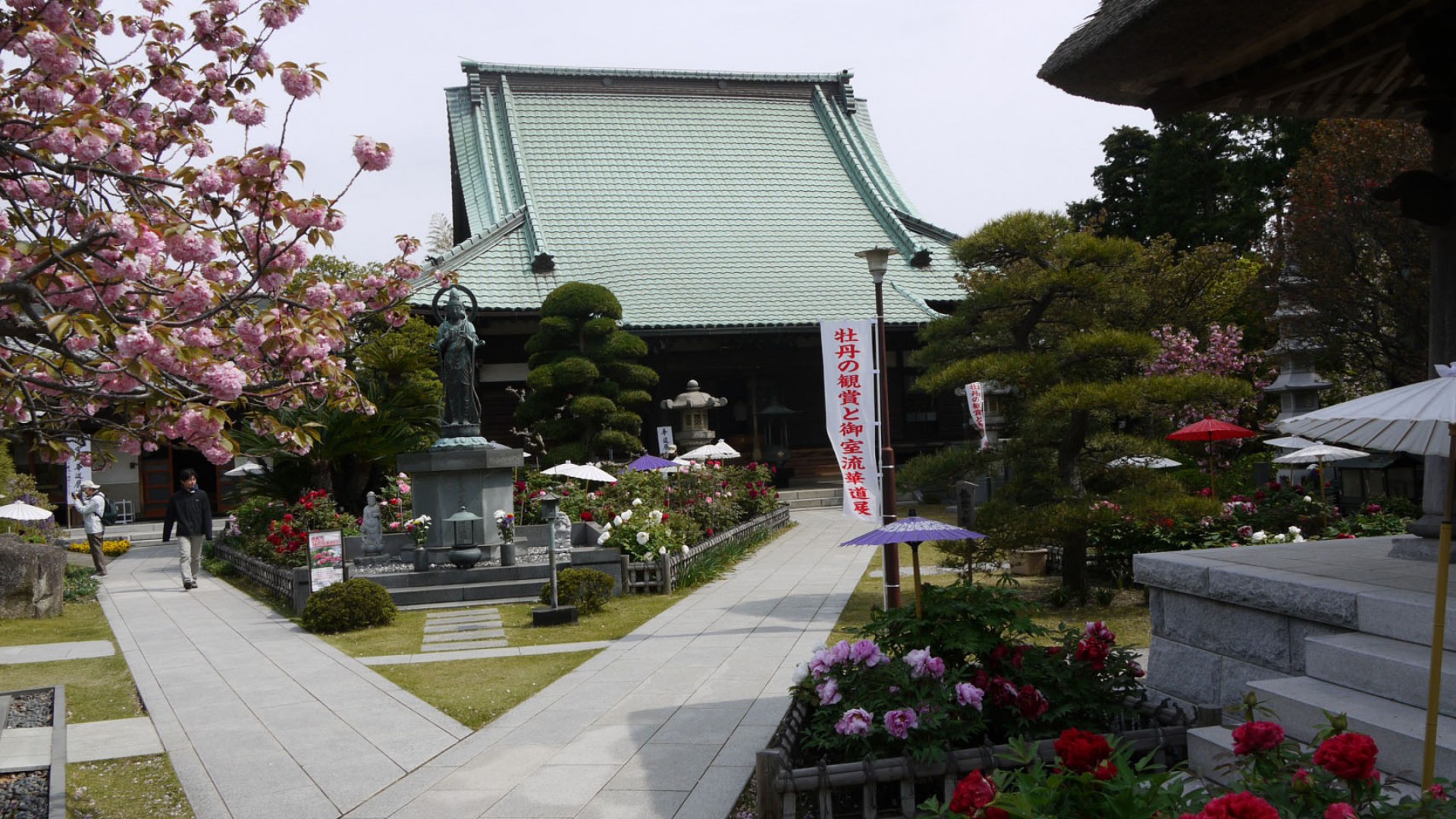
Ryugeji is one of the old temples that was founded by Minamoto no Yoritomo and Mongaku Shonin in the outer harbor area. It enshrines and is famous for Boke-fuji Kannon (dementia prevention). It also enshrines Jizobosatsuzazo and Daikokuten (the God of Wealth), which is one of the Yokohama Kanazawa Seven Deities of Good Fortune. The temple is also known as the temple of peony.
Founded by Gyoki in 716, this temple has a history of 1,300 years. Since the Middle Ages, it has been a sacred place for medicinal practitioners, and is known as Hinata Yakushi, one of the three most famous Yakushi in Japan. The temple also holds one of Japan's greatest treasure houses, with numerous statues of Buddha designated as nationally important cultural properties that bear witness to its history. It is also famous for higanbana (cluster amaryllis), which grows in clusters around Hinata Yakushi from mid-September to early October, making it a popular tourist attraction. Please come and visit Hinata Yakushi, a place rich in nature and full of attractions.
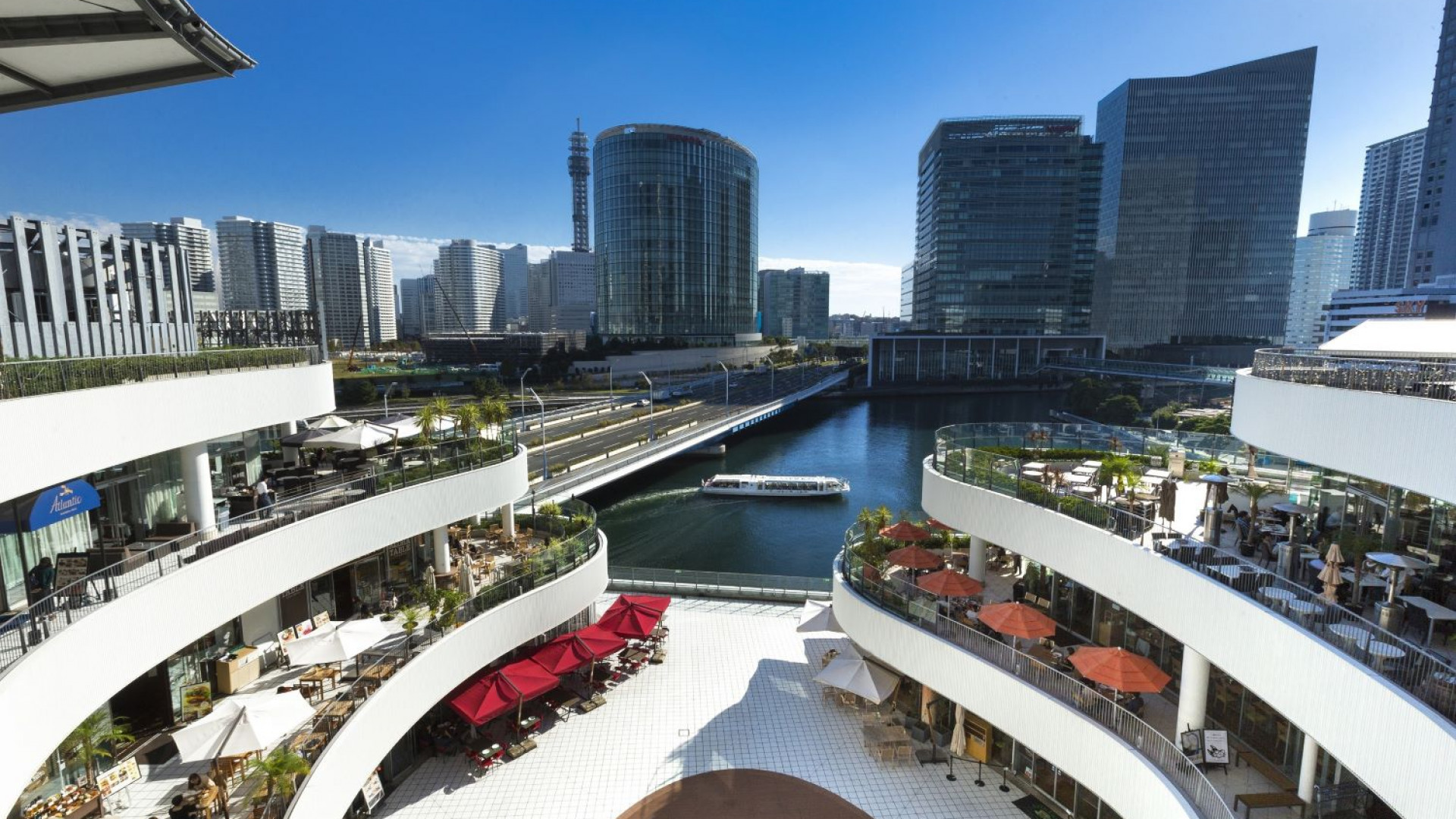
A 3-minute walk from the East Exit of Yokohama Station, this shopping mall allows visitors to enjoy shopping and dining while feeling the sea breeze. The open-air shopping mall, decorated in the motif of a cruise ship, has about 80 stores, including restaurants with terrace seating and unique stores. There is also a "Sea Bus" stop, a water bus that connects Minato Mirai, the Red Brick Warehouse, Yamashita Park, Chinatown, and other sightseeing spots in Yokohama.Illumination events will be held from November to December. A real fir Christmas tree will be decorated in the plaza, creating a romantic atmosphere along with the illumination.
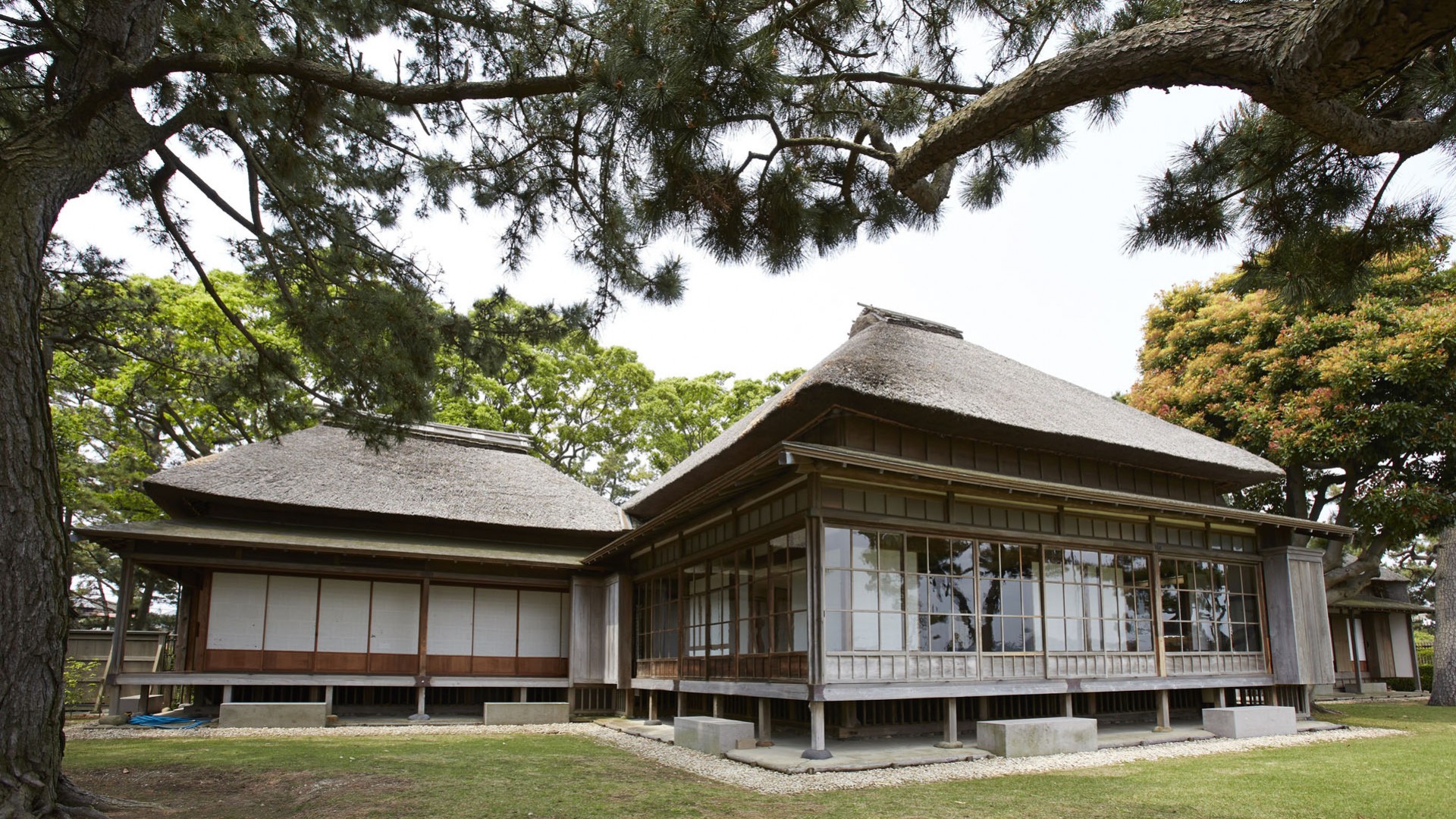
The former Hirobumi Ito Kanazawa Villa in Nojima Park is a building with a thatched roof built in 1898 by Hirobumi Ito, a man who served as the first Prime Minister of Japan. The villa features views of Hakkeijima and the sea.
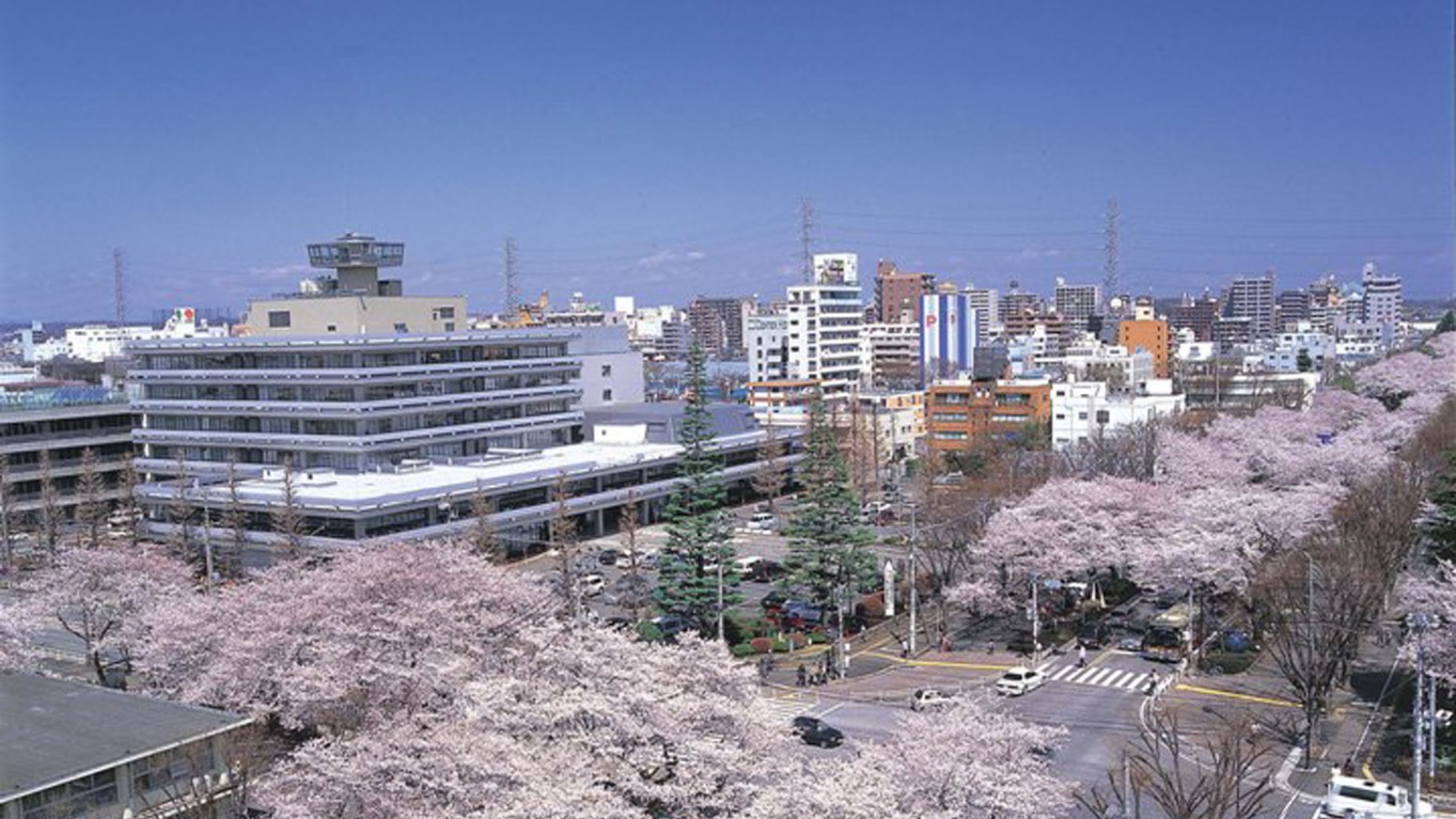
It has been selected as one of Kanagawa's 100 flower viewing spots. In the area of about 1.6 kilometers, there are approximately 300 Somei-Yoshino trees planted and they are in full bloom in the spring. It is also the main venue for the Citizen Sakura Festival and during the blooming period, you can enjoy the cherry blossoms that are lit up at night. Photos provided by Sagamihara Tourism Association
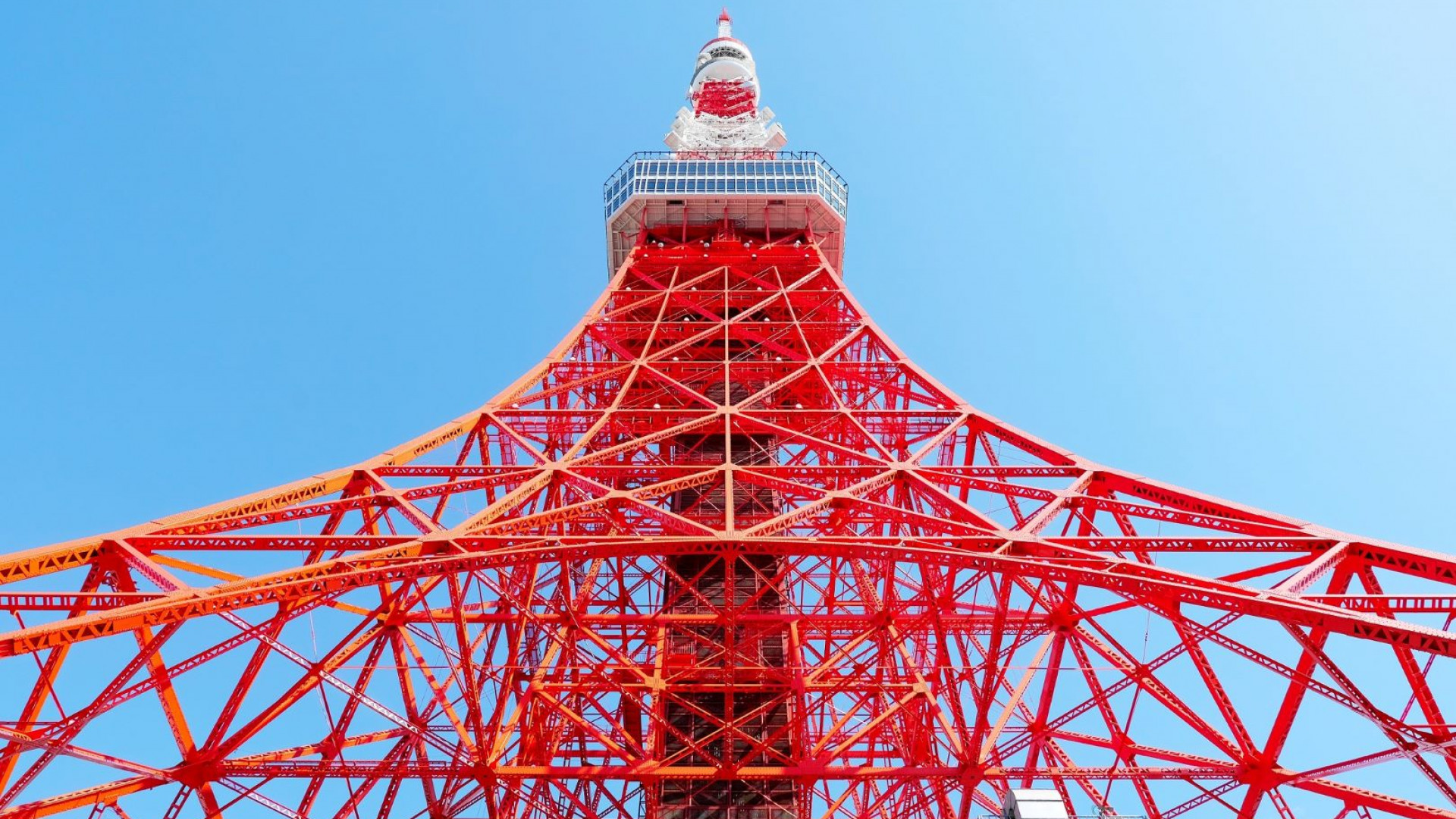
Tokyo Tower has two observatories, with the main deck standing at 150m and the top deck standing at 250m. Get a taste of one of the world’s leading metropolises right from its center and enjoy panoramic views of the whole city. Foot Town is the multipurpose facility at the foot of the tower. Here, you can find souvenir shops, a food court and an event space. Keep your eyes open for the charming spots in the facility.
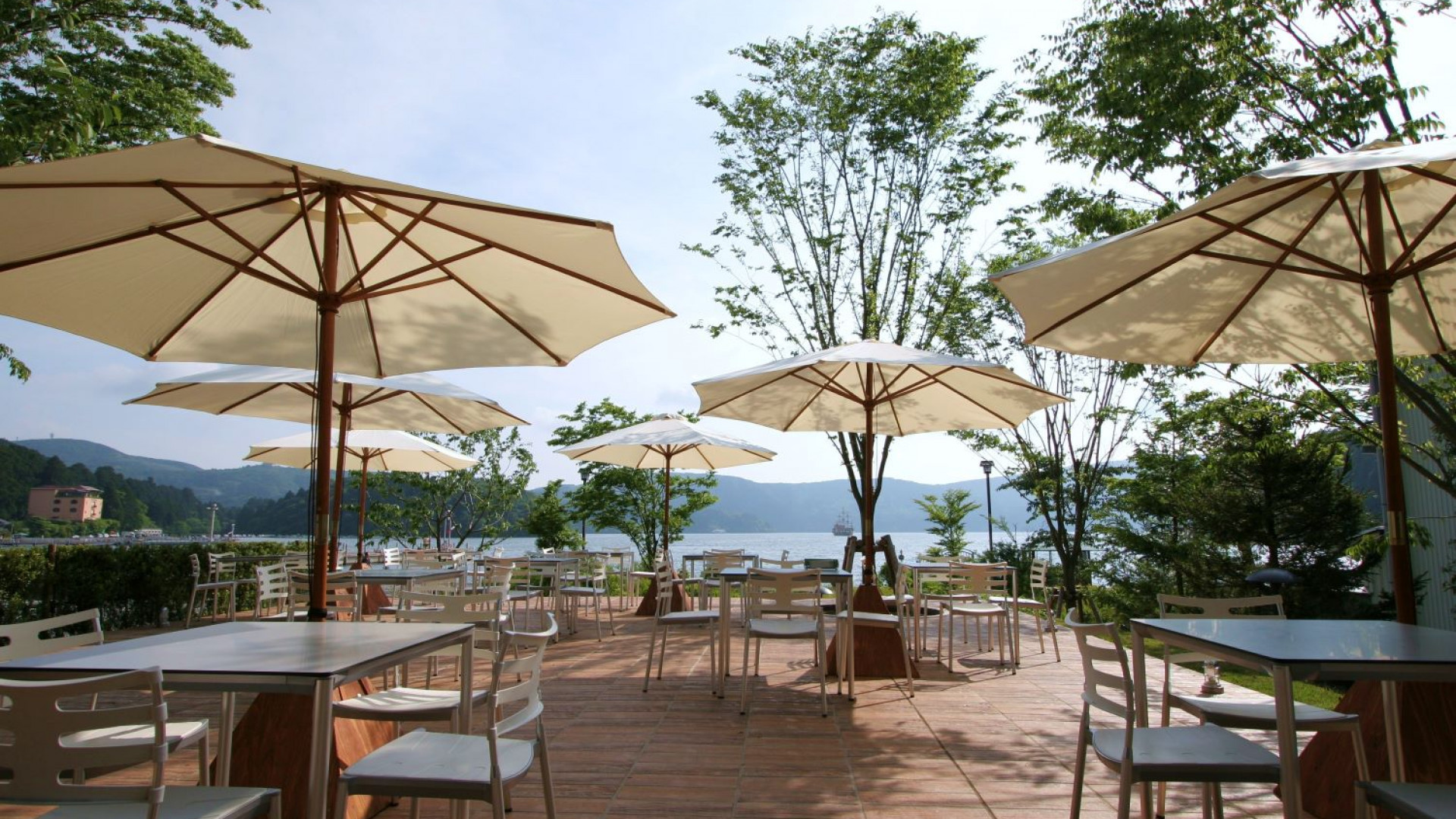
Pizzeria in harmony with Ashinoko's rich nature. You can savor 30 types of Napolitan pizza cooked using a stove from Italy, Italian cuisine using fresh fish provisioned from Odawara and Numazu port as well as vegetables from Hakone Nishifumoto, with local wine and cheese!
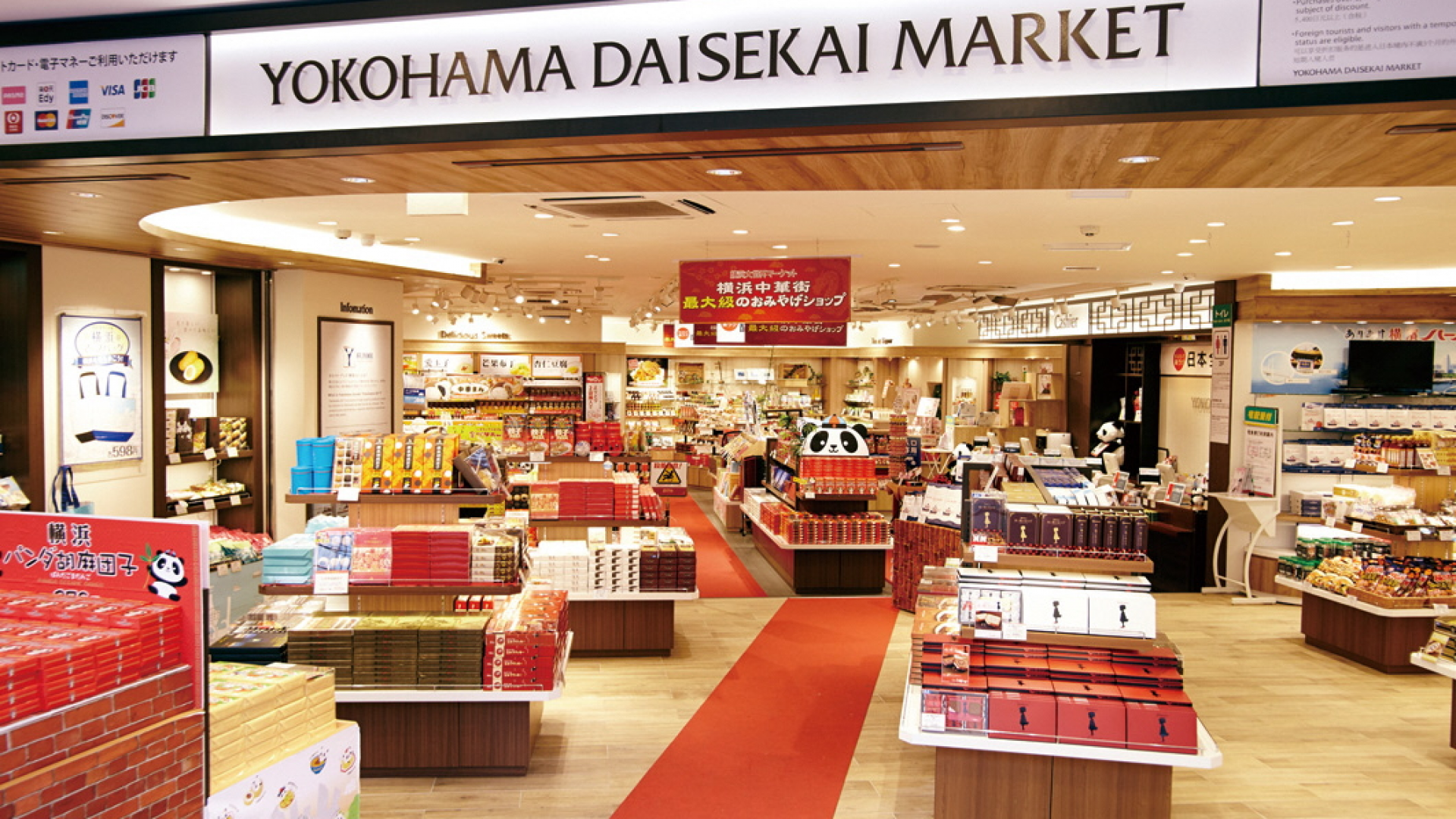
Located in the center of Yokohama’s Chinatown, in front of the Tencho-mon gate, stands the eight-story entertainment unit Yokohama Daisekai. Based on Shanghai Daska, it was created as part of the 30th anniversary of friendship between the two cities, recreating the entertainment zone of China’s pulsating metropolis in the bayside city of Yokohama.Filled with souvenirs from Chinatown and the wider city of Yokohama, Daska Market hosts a bunch of thrilling goodies on the first and second floors, including a Hello Kitty store.On the third floor is a food court where you can feast on an array of delicious Chinese dishes, while a section of beauty and health services is found on the fourth. There are also restaurants such as Kaikarou on the first floor that specializes in gigantic dumpling dishes and soups. To enter a mysterious world of mirrors and fun, head up to the fourth through eighth floors for the Trick Art Museum, which costs 1,300 yen for adults, 1,000 yen for high-school or junior-high students, 600 yen for children, and is free for under-threes.For families or groups of friends, as well as for tourists and travelers passing through, Yokohama Daisekai is a taste of the real China in the middle of Chinatown, and its eight fun-packed floors have something for everyone to get excited about.
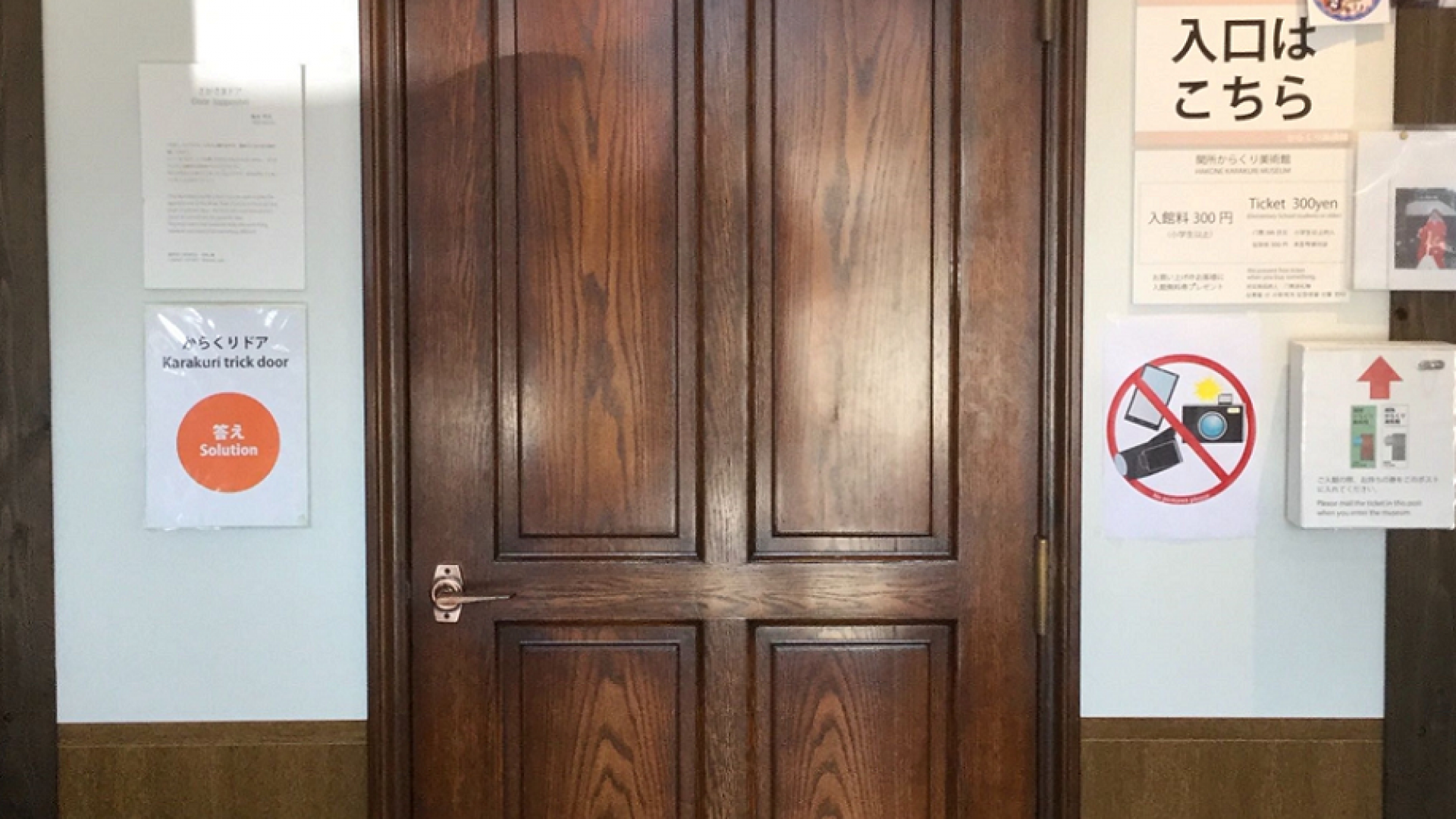
This museum exhibits works created by master craftsmen of Hakone Yosegi-Zaiku (Hakone marquetry), a traditional Hakone craft. Inside the exhibition room, you can actually touch and play with works with mechanisms such as secret boxes. Why not try your hand at becoming a craftman yourself? Hands-on workshops are also available for you to create your own Hakone Yosegi-Zaigku pieces like secret boxes, coasters, and train-shaped piggy banks.
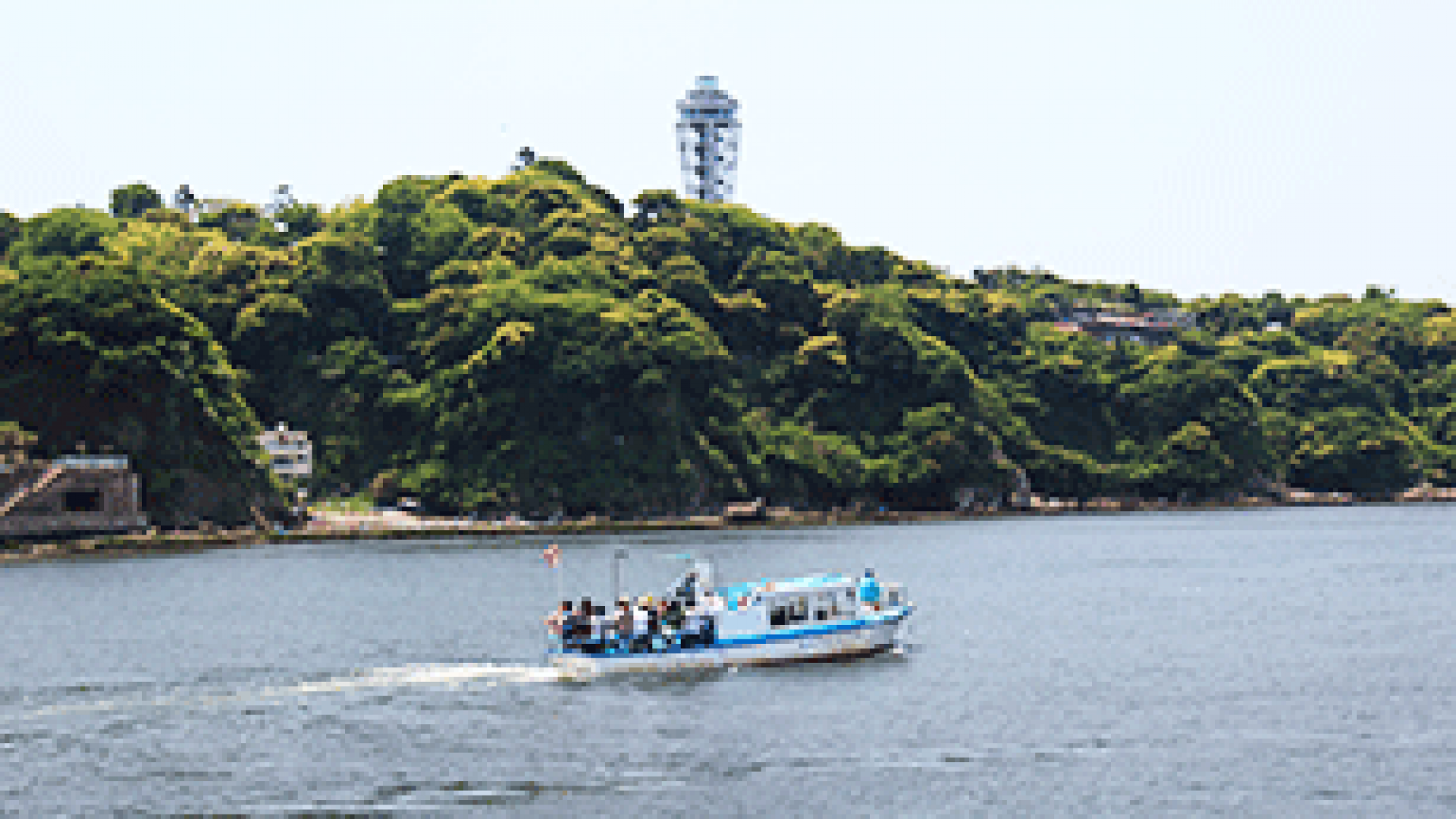
A ship that connects Eshima Ohashi Bridge and Chigogafuchi Abyss, turning a usually 40 minute walk into a 10 minute journey. The cliffs of Enoshima and the dark green landscape of the trees are charming, and in good weather, you can see Mount Fuji.
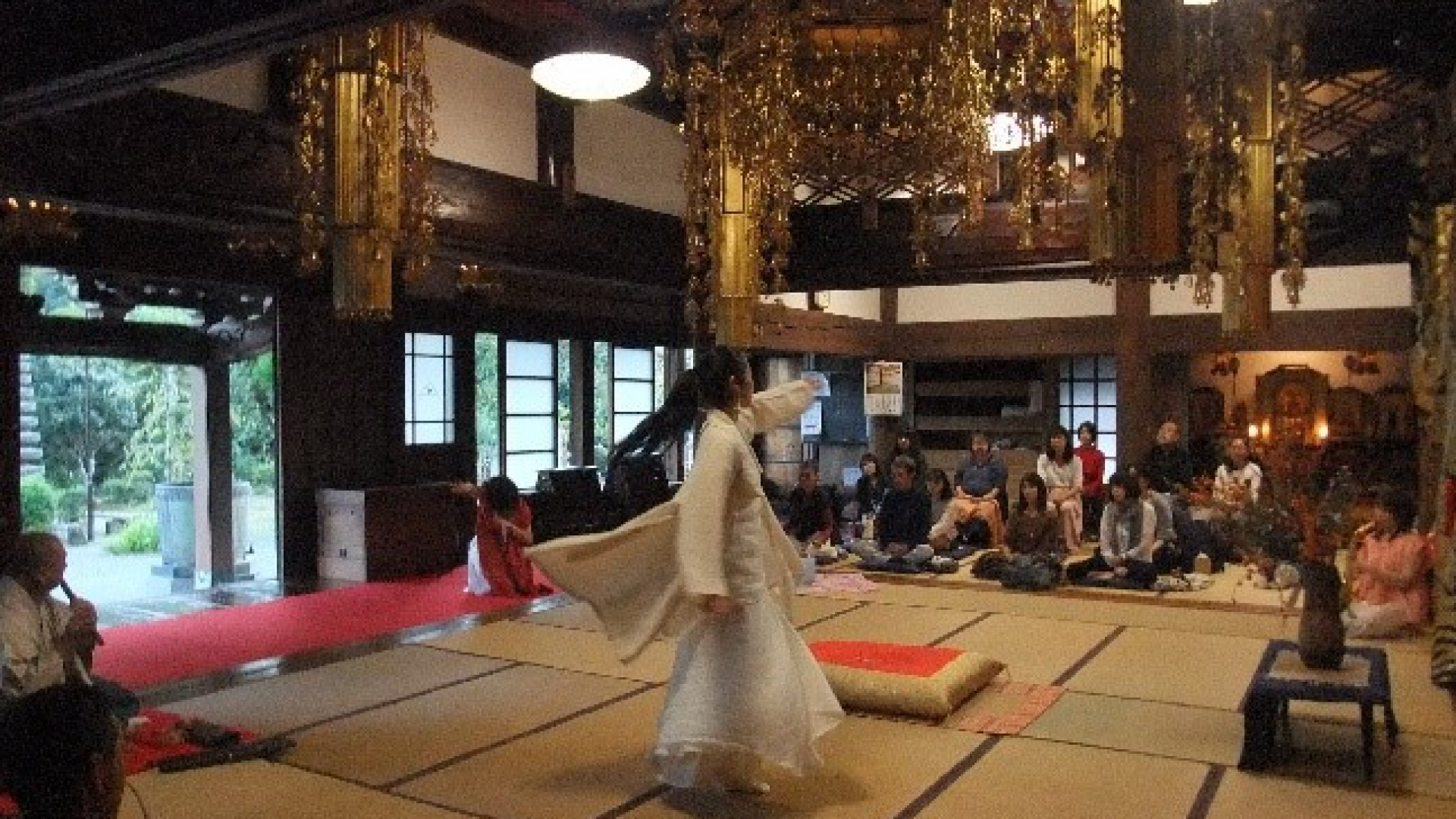
This temple belongs to the Soto sect. Its honzon (principal images of Buddha) are Shakamuni-butsu, Genza Dojo Honzon (seated Buddha), and Yakushi Ruriko Nyorai. The interior of the main hall is mainly comprised of tatami mats. Surrounded by mountains on three sides, here one can gain a flavor of the four seasons in a quiet environment.
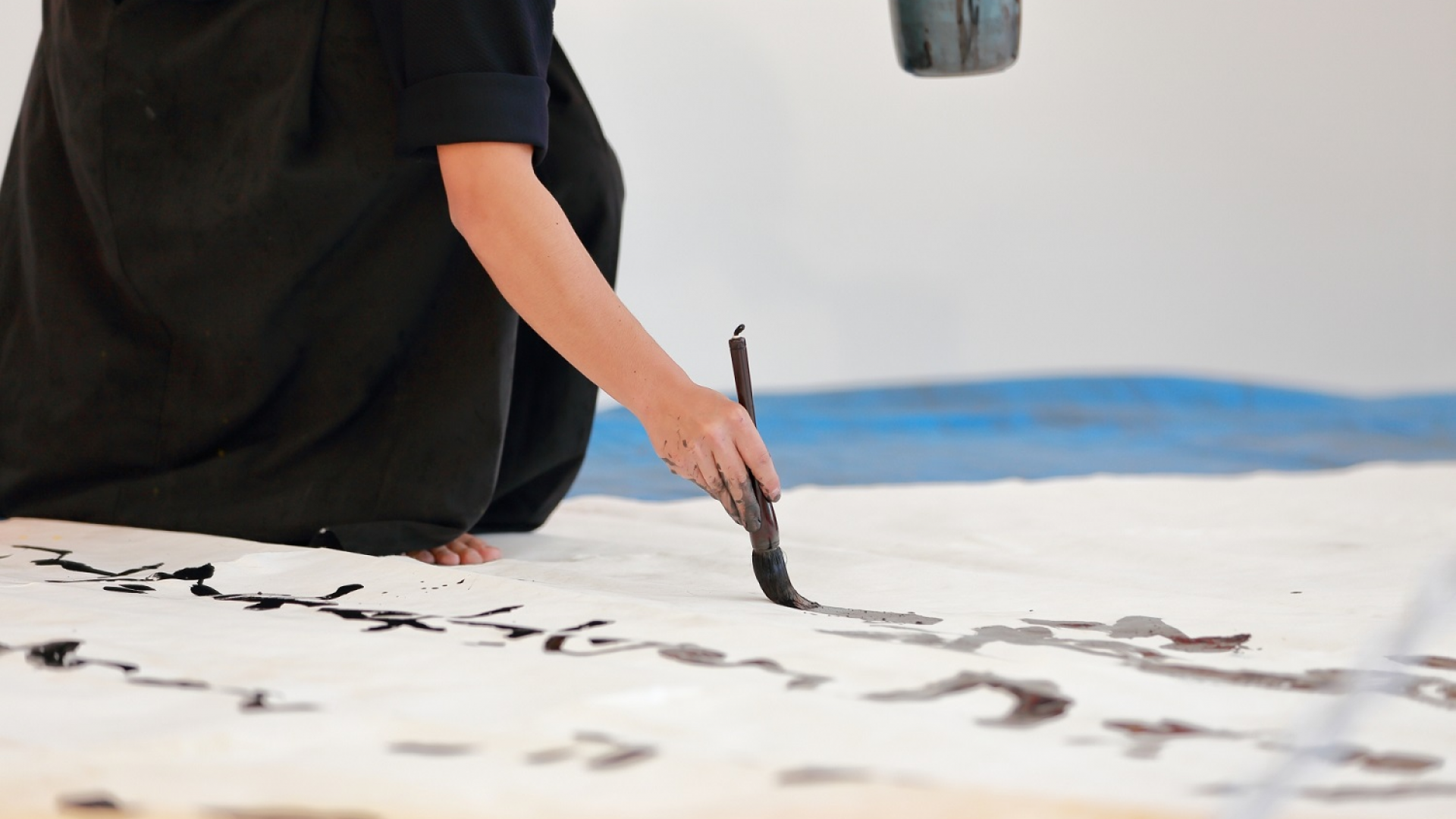
Japanese Calligraphy Performance involves wowing spectators by spectacularly writing calligraphy to music wearing old Japanese costume and using large brushes on large sheets of paper. It is also possible to actually experience Japanese culture in hands-on Japanese calligraphy using brushes and sumi (Japanese ink). Performances can be arranged at the MICE venue.
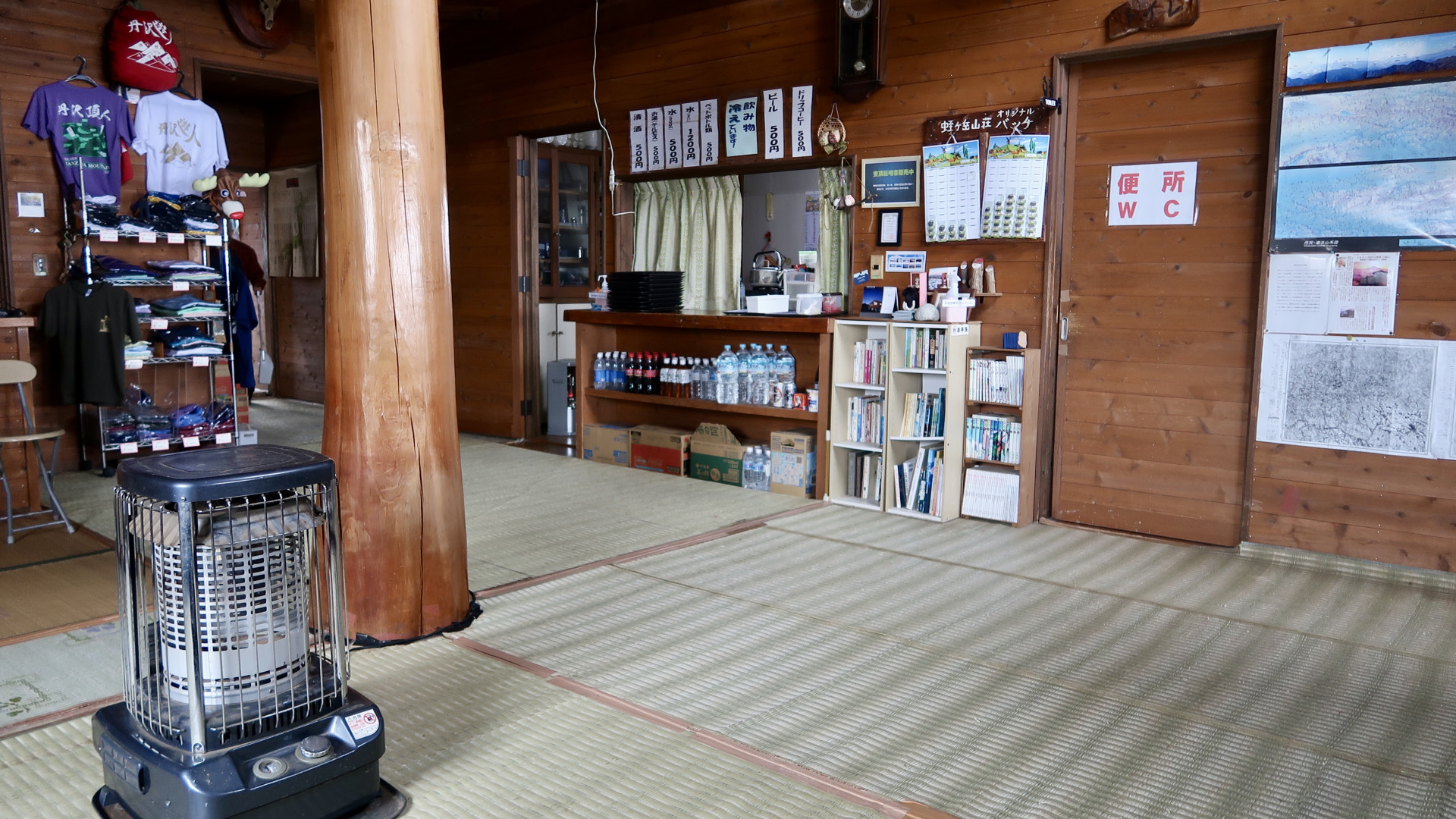
Every citizen of the Kanagawa Prefecture talks about climbing up to the highest peak in the prefecture at least once. Between Inugoetouge and Hinokiboramaru the rhododendron wadanum flowers (azaleas) are the first to bloom, followed by the rhododendron quinquefolium (also a type of azalea) in the beginning of May. In autumn the Japanese larch show off their golden leaves. Mount Hiru allows you to escape the hustle and bustle of the city and feel the mountain in your soul. In summer majestic constellations visible from the summit appear so close that they could almost be reached. In winter you can feel on top of the world as you enjoy the fresh mountain air and a 360 degree night panorama.
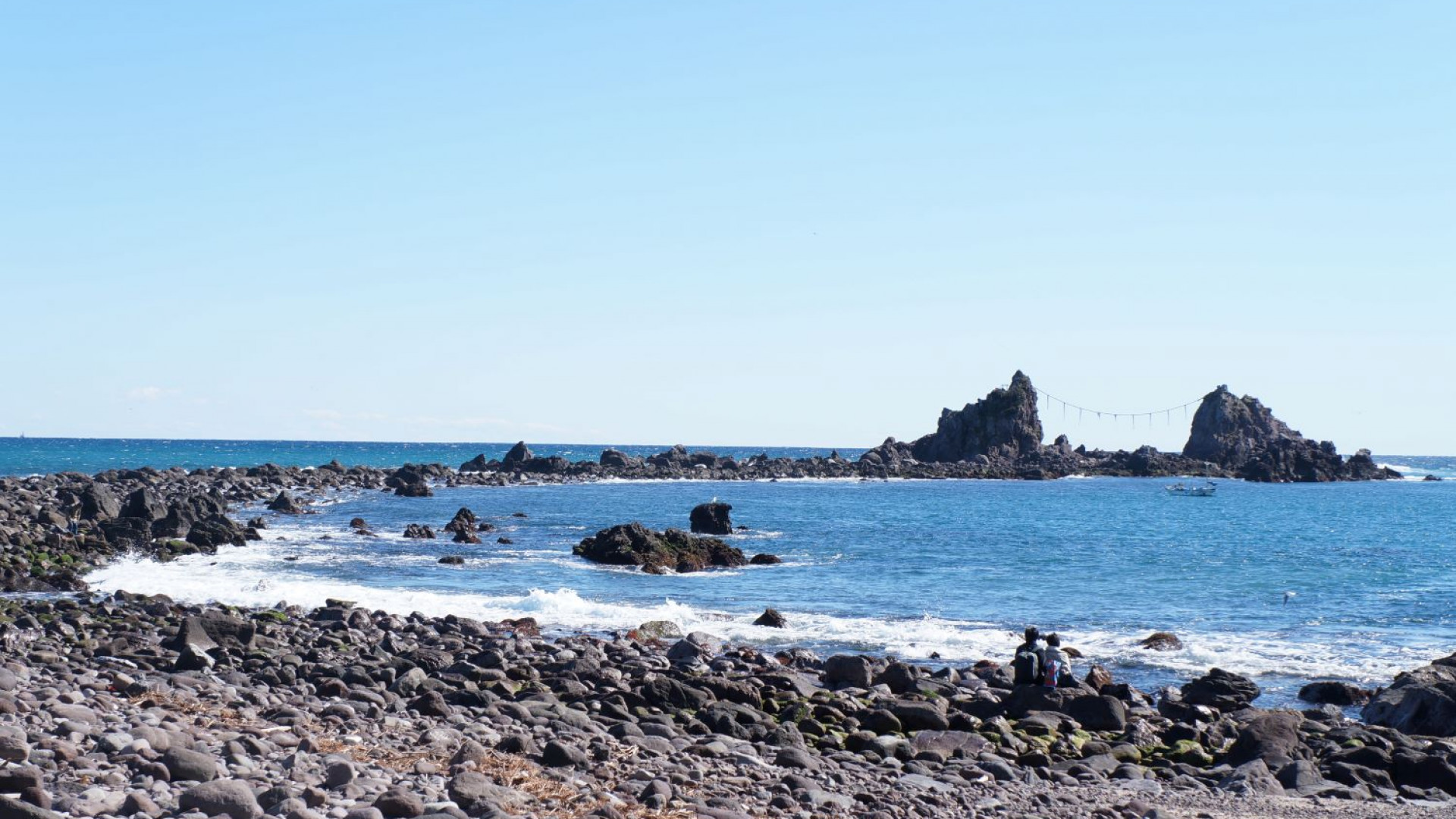
Manazuru point is jut into Sagami Bay. It is the designated "50 most beautiful Kanagawa sceneries" because the view from the edge of the point is so wonderful. You can walk down to the Mituishi beach down below.
When Yokohama port opened, many foreign travelers decided to settle in the area. It later became a popular shopping district attracting many tourists.
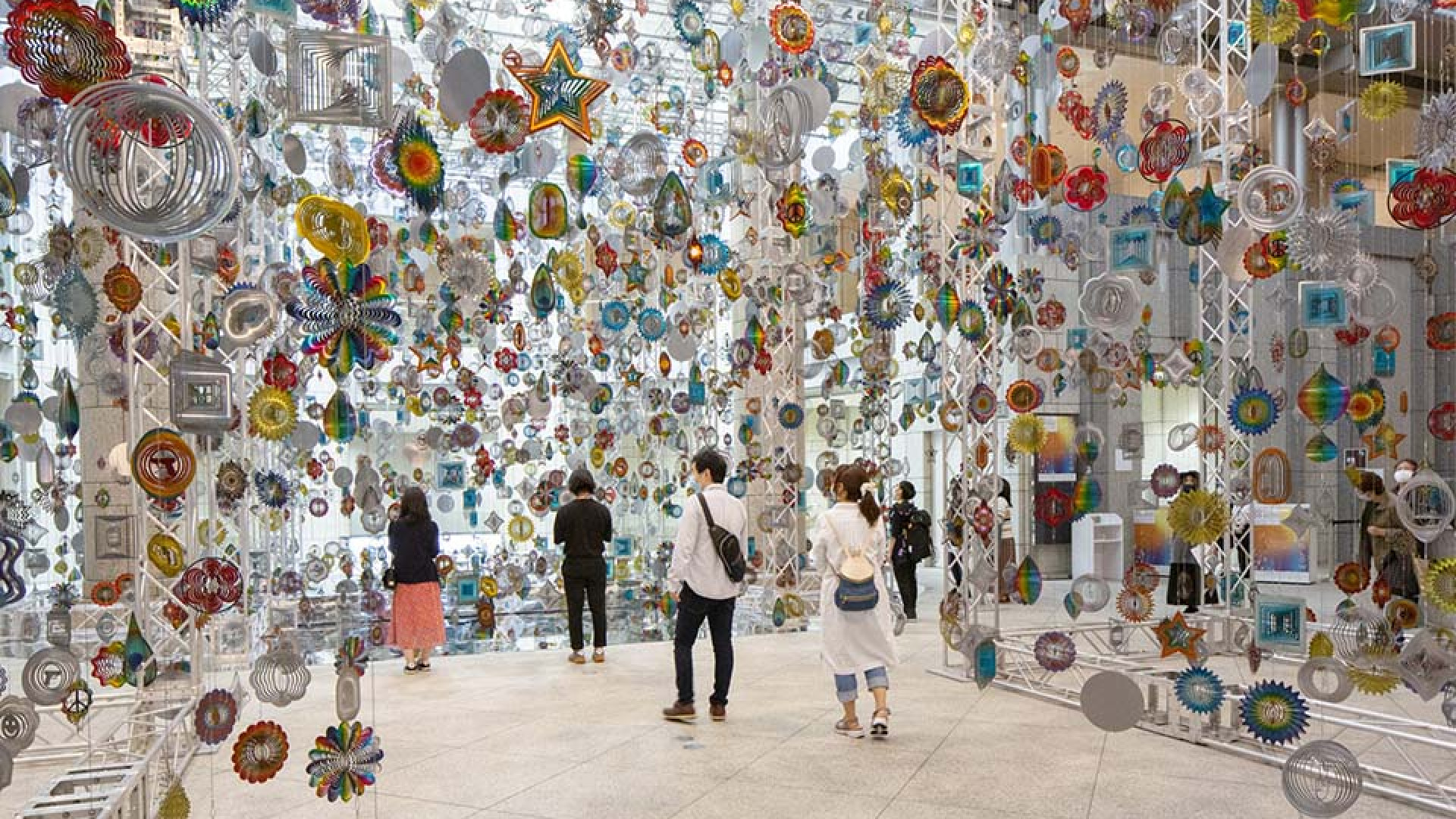
Important note: The last event was held in 2024, so the next one will not occur until 2027Held once every three years, this is Japan's leading international exhibition of contemporary art. It presents a wide range of the latest trends in Japan and abroad, from the works of internationally renowned artists to those of emerging artists.The appeal of this open art festival, which is held throughout the city of Yokohama, is that anyone can casually experience and enjoy art, even those who have few opportunities to come into contact with it. The entire city of Yokohama will be involved in the arts each time "From Yokohama to the World" is held. The 8th exhibition will be held from March 2024. Nick Cave The Rotating Forest, 2016 (re-created in 2020) ©Nick Cave Installation view of "Yokohama Triennale 2020" Photo by Keita Otsuka Photo courtesy of Yokohama Triennale Organizing CommitteeVenue: Yokohama Museum of Art, Former Daiichi Bank Yokohama Branch, BankART KAIKO