Greater Tokyo

See & Do

reset
Michinoeki motegi

Michinoeki motegi

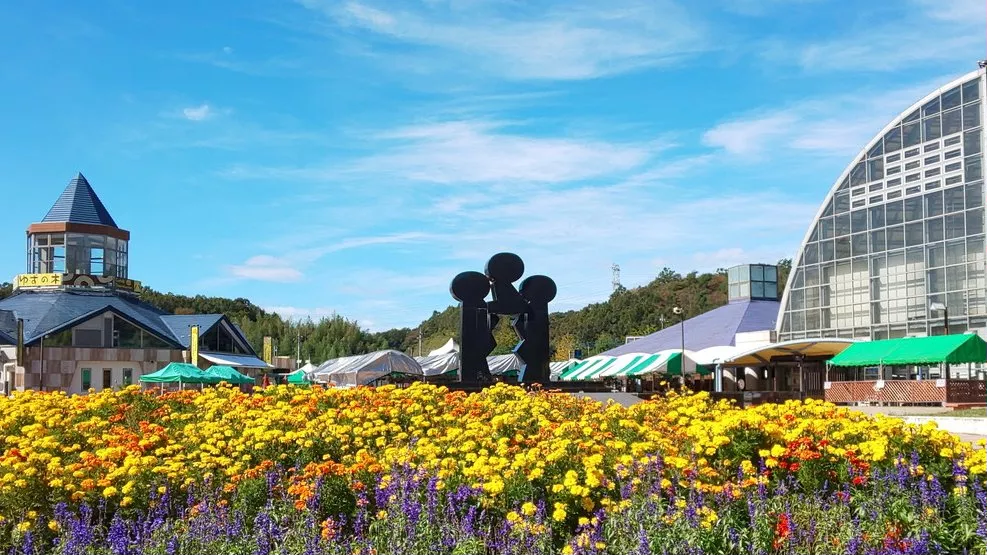
It was the first roadside station to be built in Tochigi prefecture. Local specialities and agricultural products are available to purchase and there are various seasonal performances and experience events throughout the year. Yuzu Salt Ramen from Michinoeki Motegi's Jyukkokuya won the national roadside station gourmet competition, the Michi-1 Grand Prix for three consecutive years in 2016, 2017, and 2018, and was inducted into their Hall of Fame. On Saturdays, Sundays, and holidays, visitors can see the steam locomotives running on the Moka Railway up close from Michinoeki Motegi.

Nikko kaido Oshu kaido TOCHIGI
Mashiko Yuwakan     Gozasho (imperial chamber) and Peace Gallery

Mashiko Yuwakan Gozasho (imperial chamber) and Peace Gallery

Mashiko Yuwakan was originally established in Meiji 15 (1882) in Nikko City, Tochigi Prefecture as the Nanma Hotel. His Majesty the Emperor Emeritus stayed there during the war as evacuating school children when he was Crown Prince . The Gozasho, where he heard the Imperial Rescript on the Termination of the War over the The Jewel Voice Broadcast at the end of the war, remains to this day. The Mashiko-ware pottery kiln in Mashiko was relocated to its current location in Showa 48 (1973), and was donated to the town in Heisei 28 (2016). The building was renovated and re-opened as Mashiko Yuwakan with the hope to pass on the value of this building not only as a town treasure, but also as a national treasure to future generations. Currently, the Peace Gallery is exhibiting newspapers from the end of the war and panels showing the relationship between Tochigi Prefecture and the Imperial Family. In the Gozasho, which retains the appearance of those days, the full audio of the The Jewel Voice Broadcast is available to be listened. ※Masaiko Yuwakan has been renovated while keeping the original charm of the time it was built, so there are steep stairs and steps. Please be aware that the facilities are not barrier-free. We thank you for your understanding.

Nikko kaido Oshu kaido TOCHIGI
Otono-sama Cuisine”Ohime-sama” Cuisine

Otono-sama Cuisine”Ohime-sama” Cuisine

Otono-sama (Lords') cuisine and "Ohime-sama"(Princess') cuisine are based on the menus of the Edo era's Daimyo (feudal lords). Enjoy recreations of these foods that have been adapted over 200 years and made with a unique diversity of ingredients. This cuisine is highly regarded for its healthy ingredients and playful presentation. It’s currently offered at 12 restaurants in the town of Mibumachi renowned for developing a rich menu over three years.

Nikko kaido Oshu kaido TOCHIGI
Iizukatei

Iizukatei

Iizukatei, the hotel renovated from a Registered Tangible Cultural Property of Japan, operates based on the notion that Iizukatei, a building having over 100 years of history renovated into a high quality accommodation using the latest technology and stylish equipment, together with restaurants and shops in town, make up the whole hotel stay experience. Guests are invited to try a new type of hotel stay in which they are immersed in the genuine Japanese lifestyle through interactions with town residents. Iizukatei has Hontaku (main building) and Shintaku (new buildings) and two Kura storehouses. Most of these buildings maintain what they were like at the time they were built. While equipped with items guaranteeing a pleasurable stay such as comfortable beds and a sofa as well as a modern kitchen, the accommodation still features both the new and old, allowing guests to experience the lifestyle of older times. During the stay, guests can customize their stay style by for example having meals delivered from a restaurant in town or visiting a farmer’s house to savor local food. The hotel also offers many activities including sweetfish fishing, pottery workshops, and biking.

Nikko kaido Oshu kaido TOCHIGI
Uzuma River Andon (Lantern) Festival

Uzuma River Andon (Lantern) Festival

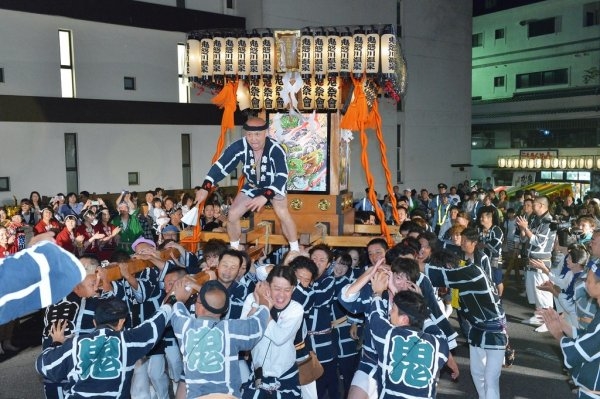
The Uzuma River Andon (Lantern) Festival is being held July 1 - September 30 every year. Festival goers enjoy 135 historic Edo-style paper lanterns displayed along the Uzuma River, from the Kaiun to Korai bridges and around Uzuma Park. Each unique lantern is intricately and handsomely decorated with paper-cut designs of floats and traditional warehouses. Lighting time is 7:00 pm to 10:00 pm daily, adding an exotic and nostalgic atmosphere to the town post-sunset. On the first Sunday of August, the Hyaku Hatto Nagashi Festival is also held."

Nikko kaido Oshu kaido TOCHIGI
Kanehon Quarry

Kanehon Quarry

It is an operating open surface quarry of Oya stone. Next to the quarry are a stone processing plant, a stone waste dump and the mountain owner’s residence and office. You can see a flow of stone-quarrying here and make homemade pizzas in Oya stone, wood-fired pizza ovens. You can also take home a bag of Oya stone in an original KANEHON bag. Plus, there is an exclusive offer of Oya stone outlet items and Isseki series by Oya stone craftsman “Takumi” for tour guests only."

Oshu kaido Nikko kaido TOCHIGI
Shika no Yu

Shika no Yu

This hot spring facility is located in Yumoto, Nasu Town. It is said to have opened approximately 1,300 years ago. The origin of the discovery of this hot spring is said to be that a county official was hunting in the mountains and chased a deer that he missed shooting, and the deer healed its wounded body with the hot spring. It is considered the oldest hot spring in Tochigi Prefecture, and many of the surrounding hot-spring hotels use it as their spring water source. The baths are divided into six temperature levels ranging from 41–48 degrees Celsius (there is no 48-degree women’s bath). It is said that by following the bathing protocol, such as pouring water over yourself before entering the bath, you can increase the hot spring’s effects.

Nikko kaido Oshu kaido TOCHIGI
Akanuma Nature Information Center

Akanuma Nature Information Center

This information center is located in Akanuma, the entrance to Senjogahara. It provides information on the nature, hiking trails, and other aspects of parts of the Okunikko area such as Senjogahara and Odashirogahara. It serves as the low emission bus shelter as well as the departure point for Odaisirogahara, Sainoko, and Senjugahama. The information center also features informational exhibits on the origins of Senjogahara, its seasonal flowers, and other topics. The center also conducts nature tours and other activities during the high season.

Nikko kaido Oshu kaido TOCHIGI
Deai no Mori Strawberry Farm

Deai no Mori Strawberry Farm

This strawberry farm is operated by a company created through a collaboration between Kanuma City and JA. At the farm, you can enjoy picking Tochigi's representative strawberry varieties, Tochiotome and Tochi-Aika. Reservations are required for strawberry picking, and you can eat as much as you want for 45 minutes. The greenhouses are barrier-free and equipped with toilets, so anyone can pick strawberries in safety. The shop also sells Tochihime, a strawberry that has been dubbed a phantom variety because of its soft flesh and rare availability, as well as the luxury variety Skyberry.

Nikko kaido Oshu kaido TOCHIGI
Kanuma City Kaboku Center

Kanuma City Kaboku Center

This large gardening shop complex is located on 400,000 meters of hilly land known by locals as "Moroyama." Its shop offers flowering plants, as well as garden trees, and landscaping and gardening supplies, with a particular focus on satsuki azalea. Some of its many facilities include a plum grove, the Wild Bird Forest, a tourist strawberry farm, and a hilltop barbequing space. It is a great place to enjoy spending a day surrounded by flowers and trees."

Nikko kaido Oshu kaido TOCHIGI
Shiobara Onsen Yuppo no Sato

Shiobara Onsen Yuppo no Sato

Shiobara Onsen Yuppo no Sato has opened on August 1, 2006, as a base tourist facility to advertise the rich amount of the water of Shiobara hot springs and rich natural surroundings to visitors from home and abroad. It has a 60-meter long footbath which is the largest in Japan. In addition, visitors can enjoy hot shower-baths, Insendo hot spring spot, and an exhibition hall that teaches about the history of Shiobara Hot Spring. You can also stroll about the site while taking in the seasonal blooms and monuments to literary and poem-inscribed monuments."

Oshu kaido Nikko kaido TOCHIGI
Kanaya Hotel History House

Kanaya Hotel History House

In 1870, Dr. James C. Hepburn, an American medical missionary, visited Nikko and stayed at the house of Zenichiro Kanaya, who was a member of Gagaku (an ancient imperial court music) orchestra of the Toshogu Shrine. Foreseeing an increase in the number of foreign tourists to Nikko, Dr. Hepburn suggested that Kanaya open a hotel for foreigners. Following Hepburn’s advice, Zenichiro remodeled his house and opened “Kanaya Cottage Inn” in 1873.   Kanaya’s house was originally a residence of samurai warriors during the Edo period. For its unique architectural characteristics, Kanaya Cottage Inn was called “Samurai House” by its foreign guests.   In 1893, Zenichiro relocated his business and opened “Kanaya Hotel” on the top of the hill that overlooks the River Daiya. It was Japan’s first full-fledged western-style resort hotel and has been in operation at the same place to date.   The Kanaya Samurai House and warehouse were registered as a National Tangible Cultural Property in 2014 and opened to the public as the Kanaya Hotel History House in 2015.

Nikko kaido Oshu kaido TOCHIGI