

Greater Tokyo

See & Do

reset
Hokoku-ji Temple

Hokoku-ji Temple

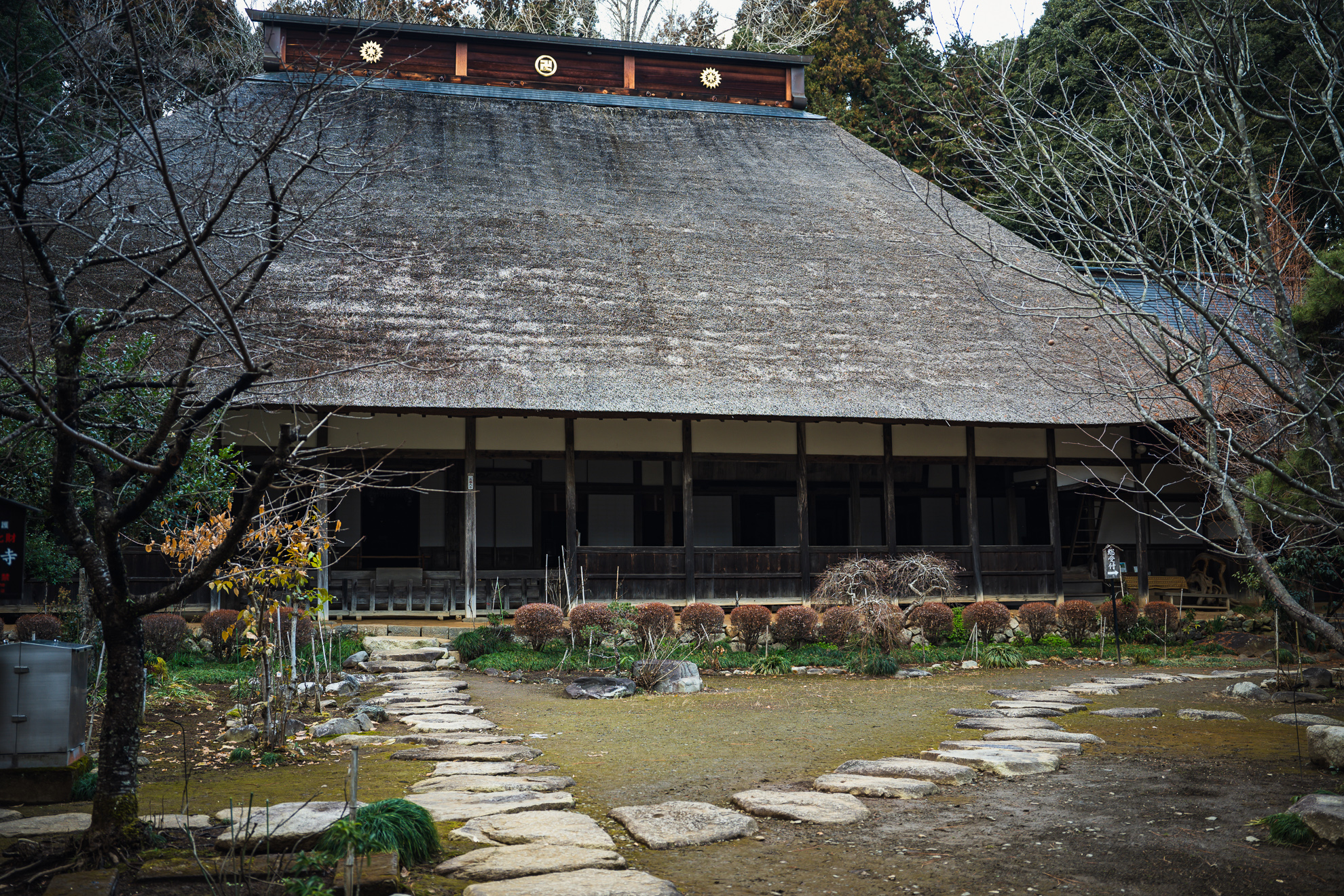
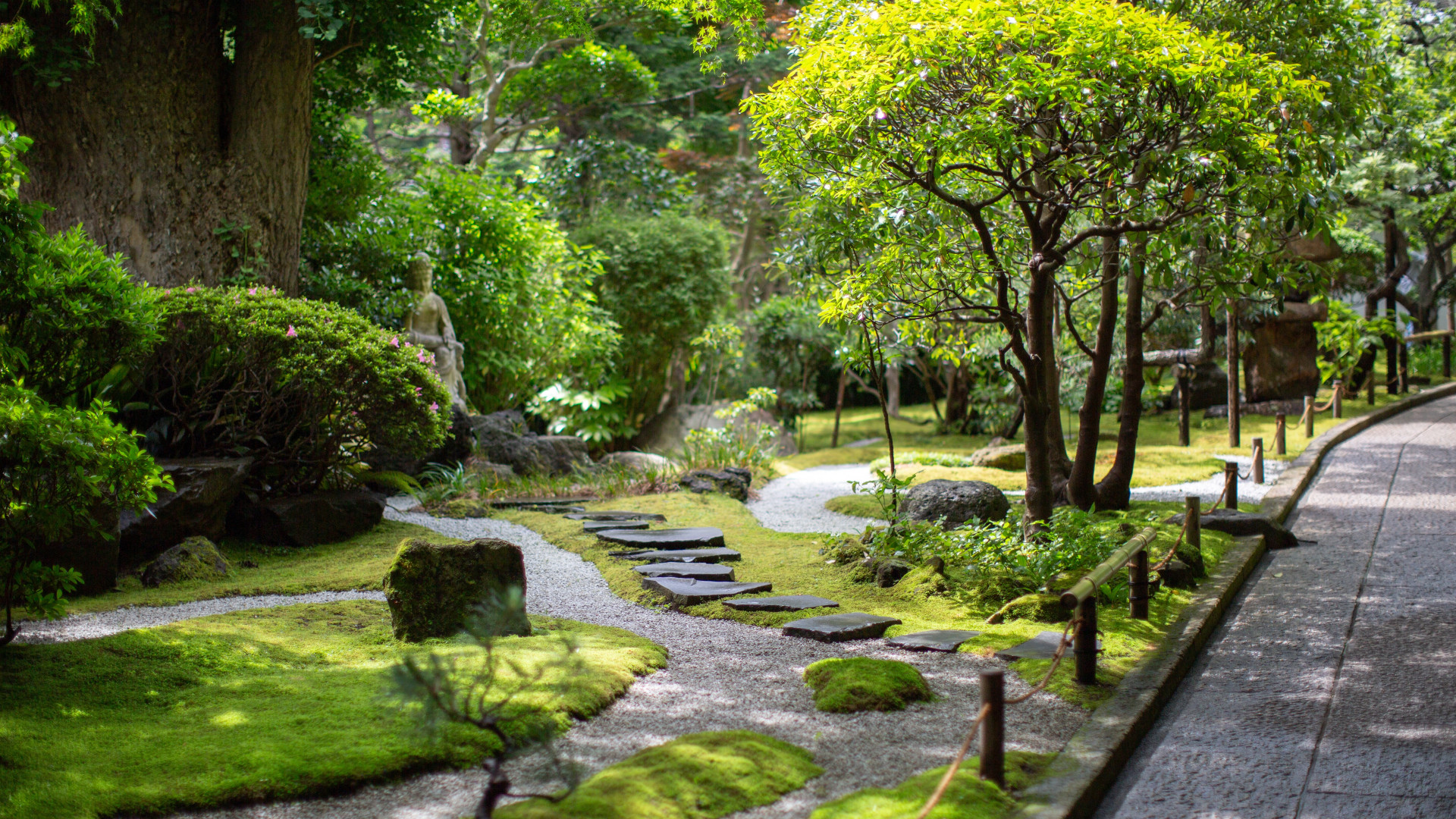
This ancient temple in Kamakura is known for the 1,000 moso bamboo trees on its grounds. Even in the present day, the solemn atmosphere of the temple conveys the tragedy of the Ashikaga clan. It also features a beautiful bamboo grove and garden. The “Sunday Zazen-kai” (Zen meditation), which has a reputation for being strict, is held every Sunday morning at 7:30 a.m. and is open to everyone. Please wear comfortable clothes to participate.This is probably the most impressive bamboo grove you will ever see. Be sure to get tickets for the temple's tranquil teahouse experience before entering.A temple in Kamakura with a beautiful garden and bamboo grove. A Sunday Zen meditation session is held at 7:30 in the morning every Sunday and is open to everyone. The session is reputed to be very strict, and be sure to wear comfortable clothing if you would like to participate.

Temples & Shrines Tokaido Koshu kaido KANAGAWA
Meigetsu-in Temple

Meigetsu-in Temple

Meigetsu-in Temple in Kita-Kamakura is also known as The Temple of Hydrangeas. For hydrangea season around June, many people flock here to view approximately 2,500 hydrangeas. The hydrangeas planted at Meigetsu-in are all a uniform blue color, dubbed "Meigetsu-in Blue."Visitors can admire the dry zen garden year-round. It is said to represent the mythical Buddhist Mount Shumi.The inner garden hosts a beautiful variety of shrubbery and foliage, and is beautiful all year round. Visitors can only enter the garden twice a year — otherwise, they can only get a peek of the garden through the Main Hall's Window of Enlightenment.The window of enlightenment is a circular window that can be seen when looking into the Main Hall. This window is said to symbolize enlightenment, reality, and the vastness of the universe.Lined with tatami, the minimalistic main hall fills visitors with a sense of calm, and perfectly frames the Window of Enlightenment.

Temples & Shrines Tokaido Koshu kaido KANAGAWA
Hakone-jinja Shrine

Hakone-jinja Shrine

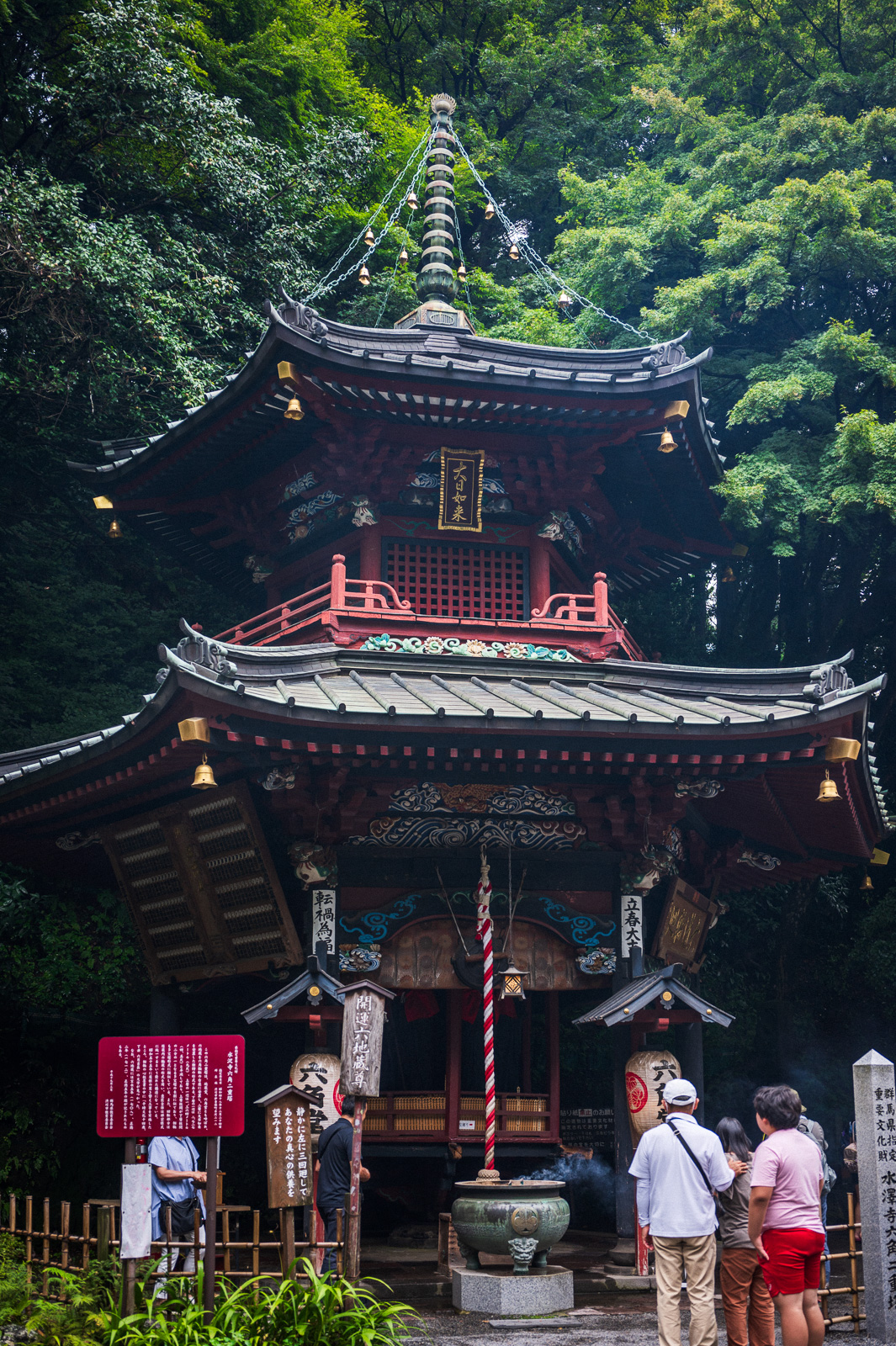
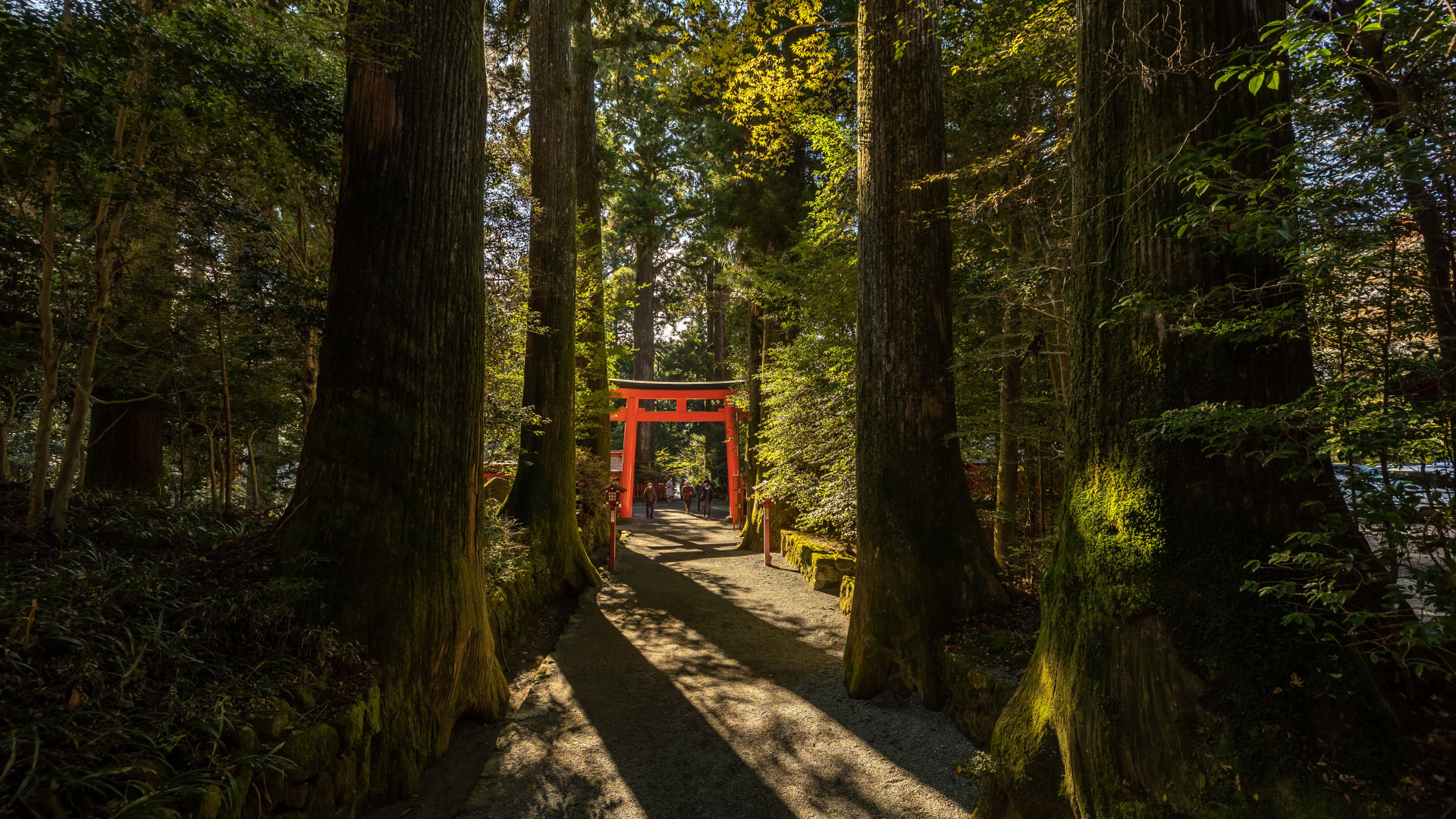
Hakone Shrine is an ancient shrine celebrating its 1266th anniversary. Founded in 757, the first year of the Tenpyo-Hoji Era, at the beginning of the Nara Period (710-794), when Mamaki Shonin, who was in ascetic training on Mount Hakone, was entrusted by the Great God of Hakone to the shrine at its current location by Lake Ashi. During the Kamakura period, Minamoto no Yoritomo deeply worshipped Hakone Shrine, giving birth to the custom of nishomode (pilgrimage to two shrines). Since then, the shrine has flourished as a place of reverence for warriors such as the regent Hojo and the warlord Tokugawa Ieyasu, as well as a sacred place for Shugen (Japanese mountain asceticism). In modern times, with the construction of the Hakone Road, Hakone became a sacred place of worship for the common people, and belief in Mount Hakone as a deity highly virtuous for protecting against bad luck, fulfilling one's desire, and ensuring traffic safety became even more popular. The approach from the Heiwa-no-torii (peaceful gateway) by Lake Ashinoko to the main shrine is flanked by rows of cedar trees more than 600 years old, giving the shrine a majestic appearance, behind the vermilion-lacquered Gongen-zukuri main shrine building is a pure forest of himeshara, a natural treasure of Kanagawa Prefecture, and the Gongen Mitarashi pond and Lake Ashi below reflect the vermilion Peace Gate and the sacred Mount Fuji, surrounding the shrine with beautiful nature. Many visitors from around the world come to pay their respects at the Kuzuryu Shrine (Shingu and Hongu), which is a shrine revered not only for its good fortune and prosperity, but also for its protection of money, prosperity in business, and match-making, particularly during the Tsukinamisai held at the main shrine on the 13th of each month. [Divine virtues] Good luck repelling of bad luck, fulfillment of one’s desires (protection against bad luck), traffic safety, match-making, family safety, and business prosperity On July 31st, the shrine organizes the Ashinoko Kosui Matsuri Festival to celebrate a legendary dragon. Monks sail the lake on pirate ships offering red rice to the depths below. Floating lanterns illuminate the lake waters while fireworks light the skies above.Lake Ashinoko Summer Festival Week: Hakone Summer Festival offers a variety of events such as the biggest annual festival of Hakone Shrine with Shinto celebrations and rituals, fireworks, and more. Many fireworks will be launched at a total of six fireworks festivals, adding color to the summer Hakone sky.

Temples & Shrines Tokaido Koshu kaido KANAGAWA
Daihonzan Engaku-ji Temple

Daihonzan Engaku-ji Temple

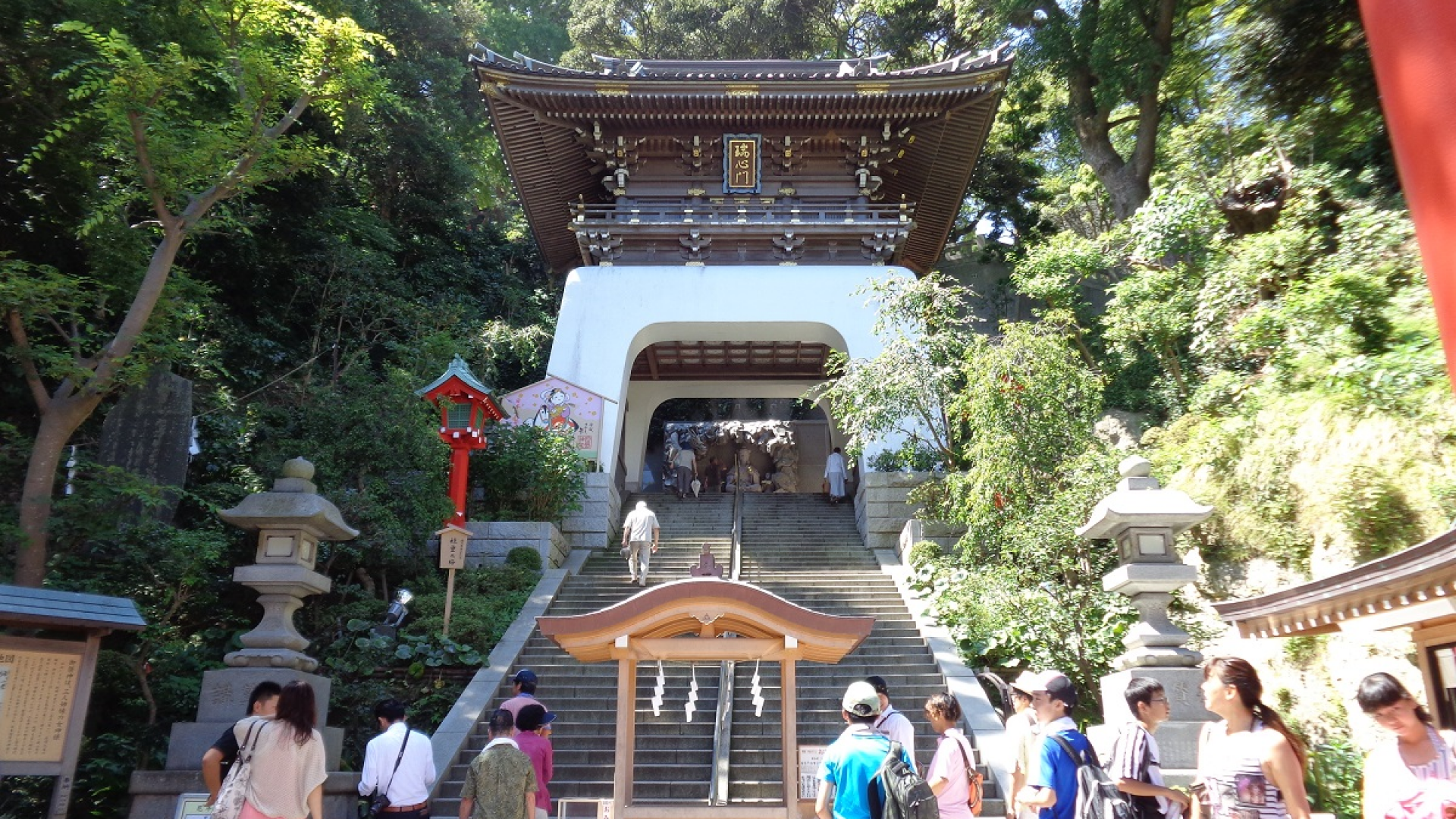
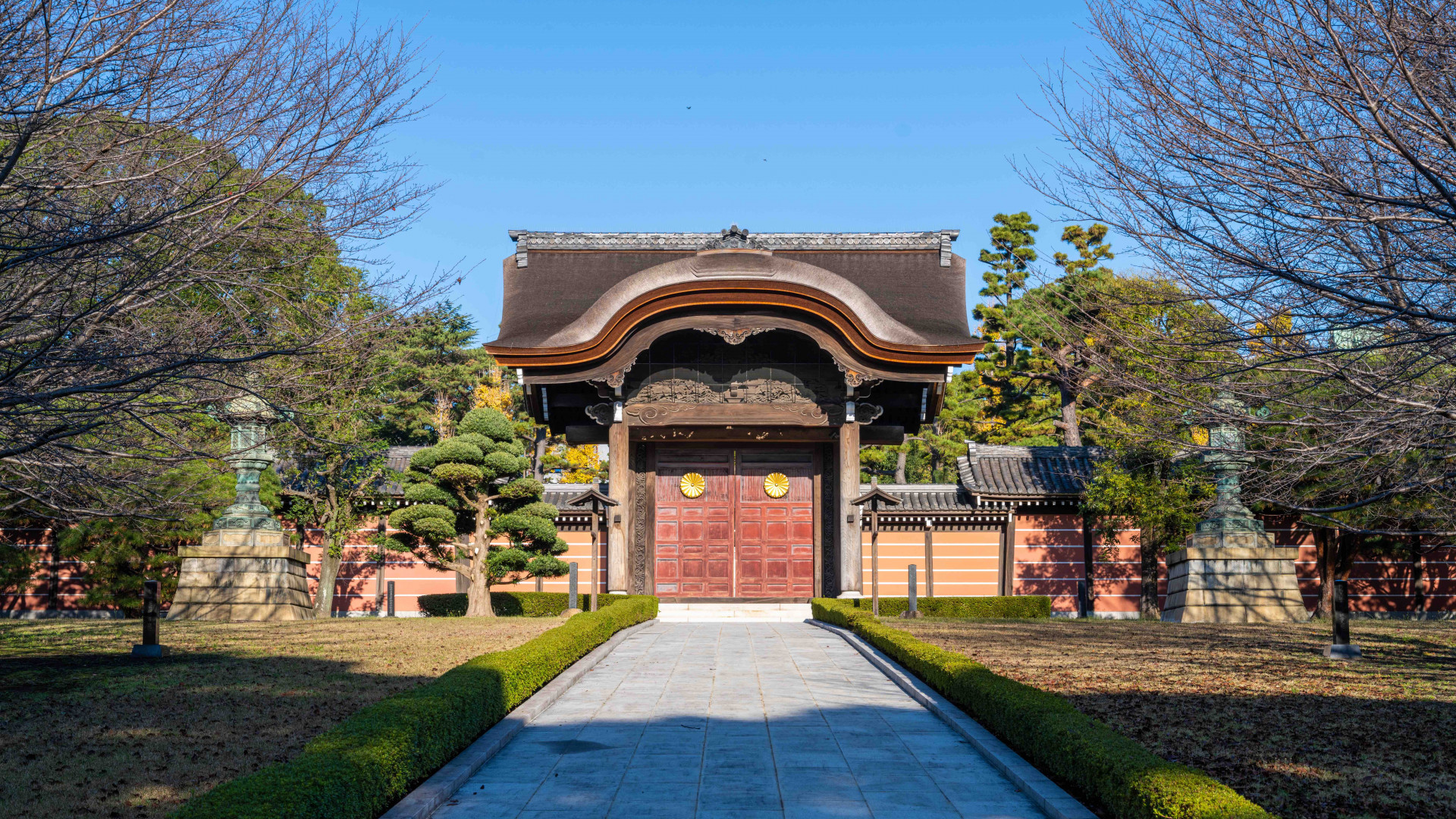
This ancient temple has many old buildings, including the temple bell and the Shari-den Hall, which are both national treasures. Here you can take a quiet breath in the cool morning air and adjust yourself physically and mentally, and start your day with a refreshed feeling. Monks will guide you through the Shari-den Hall, the only national treasure building in Kanagawa Prefecture, which is not normally open to the public. In addition, at Nyoian, you can enjoy a special sutra reading for guests, participate in Zen meditation, and chat with a Buddhist monk while enjoying matcha green tea and Japanese sweets.Built in 1783, visitors must first pass through this majestic structure to enter the Engaku-ji Temple.The temple's main hall houses a wooden statue of the Shaka Buddha. Painted on the ceiling of the building is a beautiful White Dragon.Just a one-minute walk from Kita-kamakura Station. Visit in late autumn when the leaves are at their most beautiful, and the teahouse is serving delicious hot sweet sake.Breathe in the cool air of the morning to prepare yourself physically and mentally, and start your day feeling refreshed.

Temples & Shrines Tokaido Koshu kaido KANAGAWA