Greater Tokyo

See & Do

reset
Okada Memorial Museum

Okada Memorial Museum

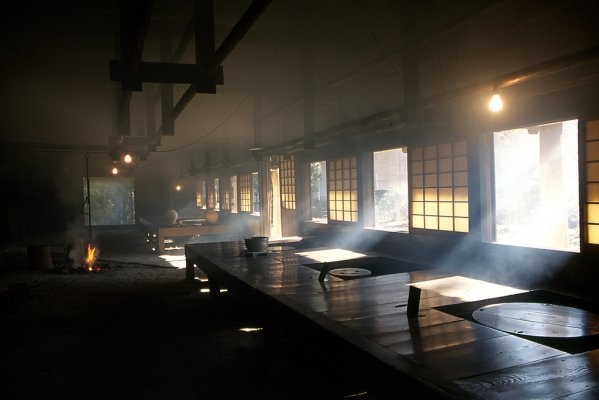
This memorial museum celebrates the Okada family, a family whose history dates back over 550 years and which was once one of the leading families of Tochigi City. The museum's expansive grounds sprawl across some 13,000 square meters, inside, the museum displays treasures passed down through the generations in the Okada family. Said to have moved to the area from distant Sanjo in Kyoto, in the Edo period the family is said to have provided leadership in creating the foundations of daily life and to have contributed to the building of a stable community. Later, the Tokugawa clan gave the area the title of Kauemon Shinden Village, which then became Kauemon Shinden Town (now Kauemon-cho)."

Oshu kaido Nikko kaido TOCHIGI
Yamaage Center

Yamaage Center

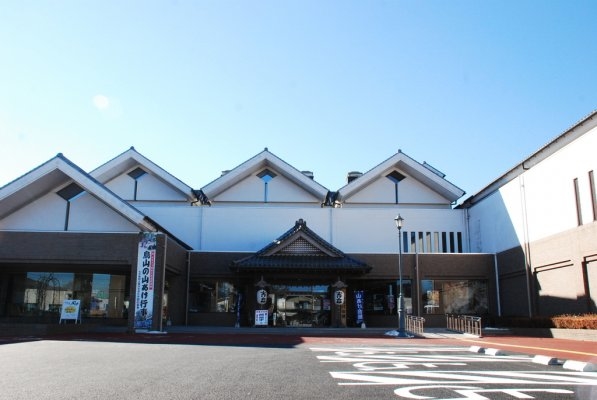
This museum features permanent exhibits about the Yamaage Matsuri of Karasuyama, UNESCO Intangible Cultural Heritage and a National Important Intangible Cultural Heritage. At this facility, a human-like robot named Kansuke Jiisan (Grandpa Kansuke) provides a detailed explanation of the Yamaage Festival. Visitors can get a close look at the large stalls actually used for the festival as well as a one-fifth-scale replica of the actual stage. Local specialty products are sold at the convenient tourist product corner offering the perfect souvenirs."

Nikko kaido Oshu kaido TOCHIGI
Stone Museum in Ashino, Nasu

Stone Museum in Ashino, Nasu

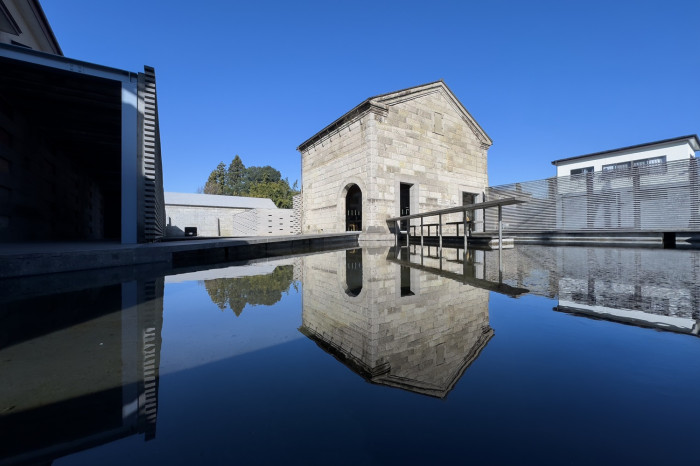
This modern art museum was created by transforming an old rice stone warehouse, redesigned by internationally acclaimed architect Kengo Kuma. The building itself is a beautiful space composed of stone, water, and light, making it not only a cultural site but also a popular photo spot. In winter, as the daylight fades, the lights from each building—divided by a flowing waterway—create a magical and dreamy atmosphere, offering a breathtaking seasonal view. Kengo Kuma (born 1954) is one of Japan’s most celebrated architects, known for projects such as the Nezu Museum in Aoyama, Tokyo, and GINZA KABUKIZA. More recently, he gained worldwide recognition for designing the new National Stadium in Tokyo. His architectural style, which features natural materials and lattice designs, is highly praised both in Japan and abroad. After a renewal in November 2024, the museum reopened with several new features. A café now adjoins the entrance, offering drinks brewed by a professional barista using an espresso machine. The revamped “Stone Lounge” invites visitors to relax while enjoying furniture designed by Kengo Kuma. The roof of the main gallery—the largest of the museum’s three historical stone warehouses—has also been renovated using Ashino stone, the same material as the building’s exterior. The entrance area is freely accessible without an admission ticket, allowing guests to enjoy shopping or a casual drink even without entering the exhibition area.


Nikko kaido Oshu kaido TOCHIGI
Suga Shrine

Suga Shrine

Birth of Suga Shrine Suga Shrine was built by a legendary samurai Fujiwara no Hidesato, who prayed to Susanoo-no-Mikoto for victory over his enemies. To thank God for their bless, he brought the God from Gion Shrine (Yasaka Shrine) to Oyama and built the shrine.   The site of the legendary “Oyama Council”, witnessed the birth of the Tokugawa hegemony. It is said that before the Battle of Sekigahara in A.D 1600, Tokugawa Ieyasu held the famous “Oyama Council” at Suga Shrine and prayed for the victory of the battle.   After Ieyasu’s victory and the establishment of the Edo Shogunate, Suga Shrine was greatly honored by the Shogunate. In 1658, staff members who had participated in the construction of Nikko Toshogu Shrine, created a miniature version of the Akamikoshi in Toshogu Shrine, which became the pressure of Suga Shrine.   Today Suga Shrine’s Akamikoshi has been designated as a “Cultural Property by Tochigi Prefecture”.   Enjoy the Gion Festival in Tochigi! As a famous Gion Shrine, Suga Shrine is also called “Gozu Tenno Shrine”. Suga Shrine holds “Gion Festival” on July 14 to 21 every year, 25 mikoshi including one massive one that weighs in at 2 tons are carried through the city in “Mikoshi Wataru” on July 20.   According to “Shimotsuke Province Choreography(下野国誌)” written in Edo period, Suga Shrine’s “Gion Festival” is the “best Gion Festival in Shimotsuke Province.”

Oshu kaido Nikko kaido TOCHIGI
Shiobara Imagination Archives

Shiobara Imagination Archives

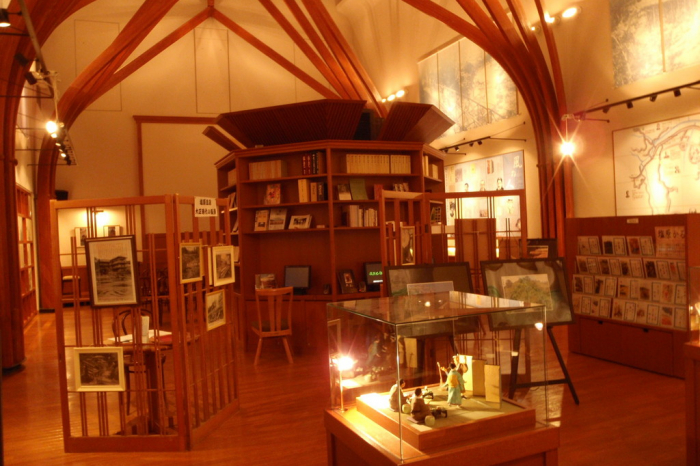
This composite facility can be found along the Shiobara Valley Line in Shiobara, Nasushiobara City. You’ll find exhibits on Shiobara’s history and literature as well as a shop selling souvenirs and local produce, a cafe and restaurant specializing in western dishes made with local ingredients. There’s also a foot bath facility utilizing on-site hot spring water as well as a tourism information section and valley observation platform. "

Nikko kaido Oshu kaido TOCHIGI
Saimyoji Temple

Saimyoji Temple

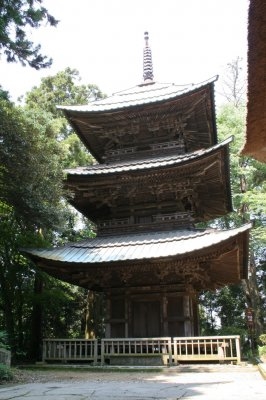
This Shingon Buddhist Sect Buzan School Temple in Mashiko City, Tochigi Prefecture is dedicated to the 11-headed Kanzeon Bodhisattva.  Saimyoji temple is the twentieth temple in the Bando (33 Kannon temples of kanto region) pilgrimage circuit. The gabled thatched two-story gate and three-story pagoda constructed in 1492 and the miniature shine in the main temple hall that is said to be created during the Muromachi period have all been designated Important Cultural Properties of Japan. A statue of a laughing Yama (king of Hell) next to the Bodhisattva Jizo who protects those who have fallen to hell is also found here at the temple. The laughing Yama (king of Hell) is said to be the incarnation of the jizo."

Nikko kaido Oshu kaido TOCHIGI
Tonoike Shuzo

Tonoike Shuzo

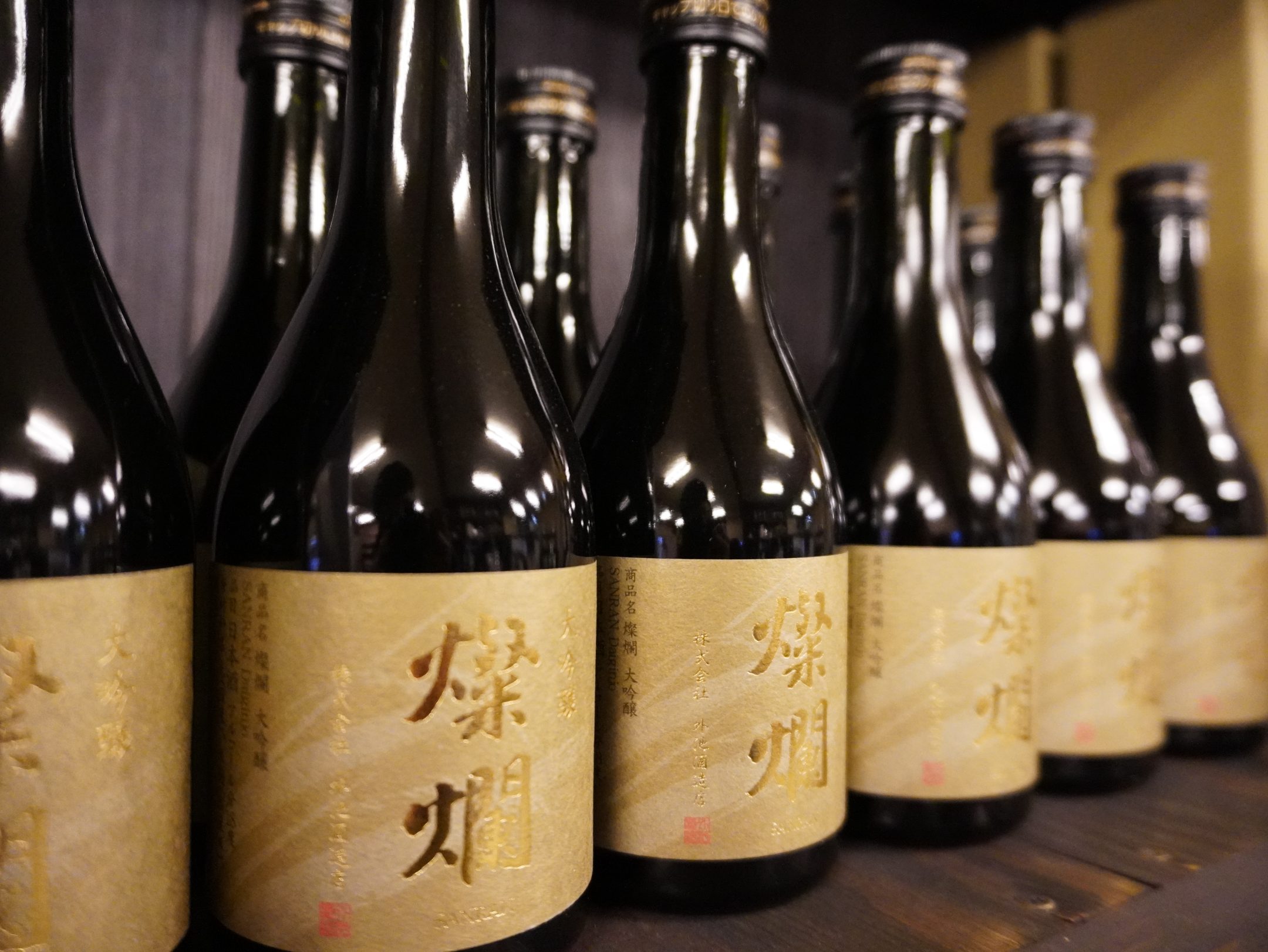
This brewery produces an array of choice sake and received a gold medal at the Annual Japan Sake Awards for its Sanran-daiginjo brew. Their facility tour is popular with tourists, where the brewer explains its history in detail. Come learn about the tradition and techniques of sake production. A gift shop on the grounds sells choice brews and cosmetics made with sake. Enjoy coffee brewed with the same water used for the sake, sweets with sake lees, a sake tasting set, and more at their café."

Nikko kaido Oshu kaido TOCHIGI
Tochigi Prefectural Museum of Fine Arts

Tochigi Prefectural Museum of Fine Arts

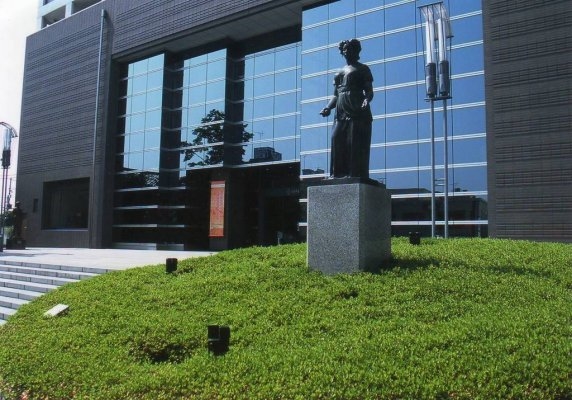
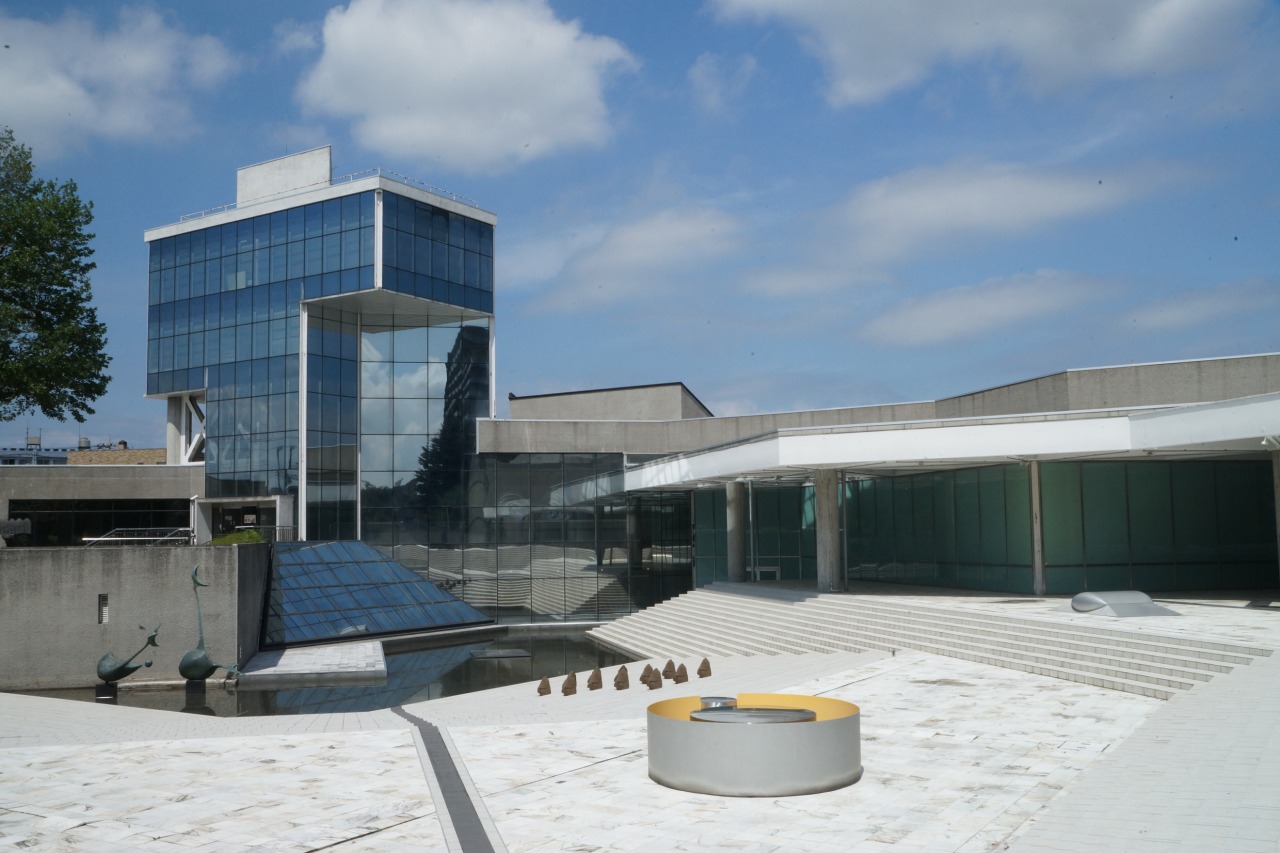
The Tochigi Prefectural Museum of Fine Arts opened in 1972 as one of the first public museums of modern and contemporary art in Japan. Kiyoshi KAWASAKI designed the museum architecture including the collection galleries built in 1981. This art museum's collection spans local and domestic artists as well as works from western Europe, and their 9,000-piece collection includes examples of paintings, woodblock prints, illustrations, photographs, and handicrafts. In the Meissen Porcelain Collection Room, around 100 works are displayed. The exhibits from the best collection of Meissen porcelain in Japan are rotated about 4 times annually."

Oshu kaido Nikko kaido TOCHIGI
Shiobara Onsen Yuppo no Sato

Shiobara Onsen Yuppo no Sato

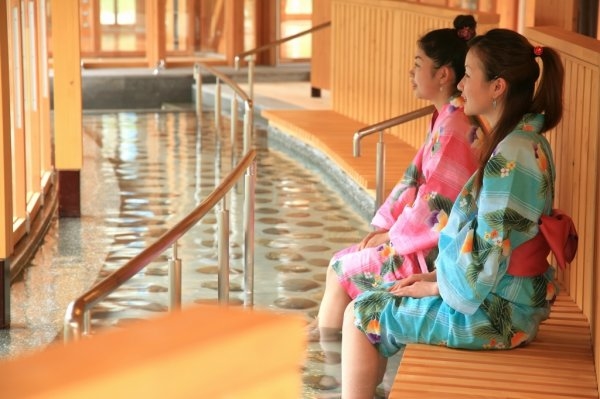
Shiobara Onsen Yuppo no Sato has opened on August 1, 2006, as a base tourist facility to advertise the rich amount of the water of Shiobara hot springs and rich natural surroundings to visitors from home and abroad. It has a 60-meter long footbath which is the largest in Japan. In addition, visitors can enjoy hot shower-baths, Insendo hot spring spot, and an exhibition hall that teaches about the history of Shiobara Hot Spring. You can also stroll about the site while taking in the seasonal blooms and monuments to literary and poem-inscribed monuments."

Nikko kaido Oshu kaido TOCHIGI