See & Do
Total: 1727 items
The Warehouses of Kitakata
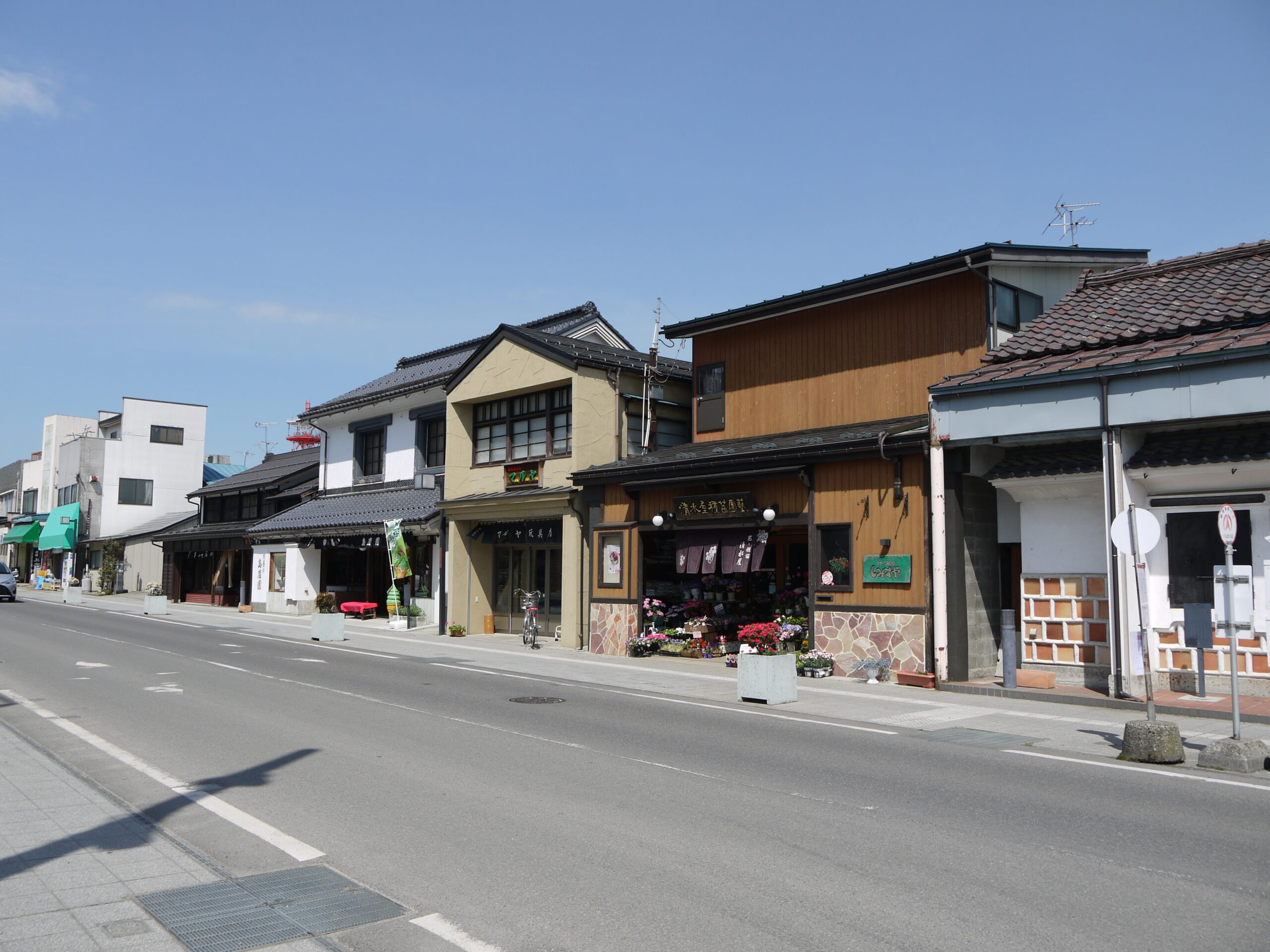
With more than 4,000 kura (traditional storehouses) still standing, Kitakata City is a living testament to Edo-period tradition.
Oginoya Yokokawa Store
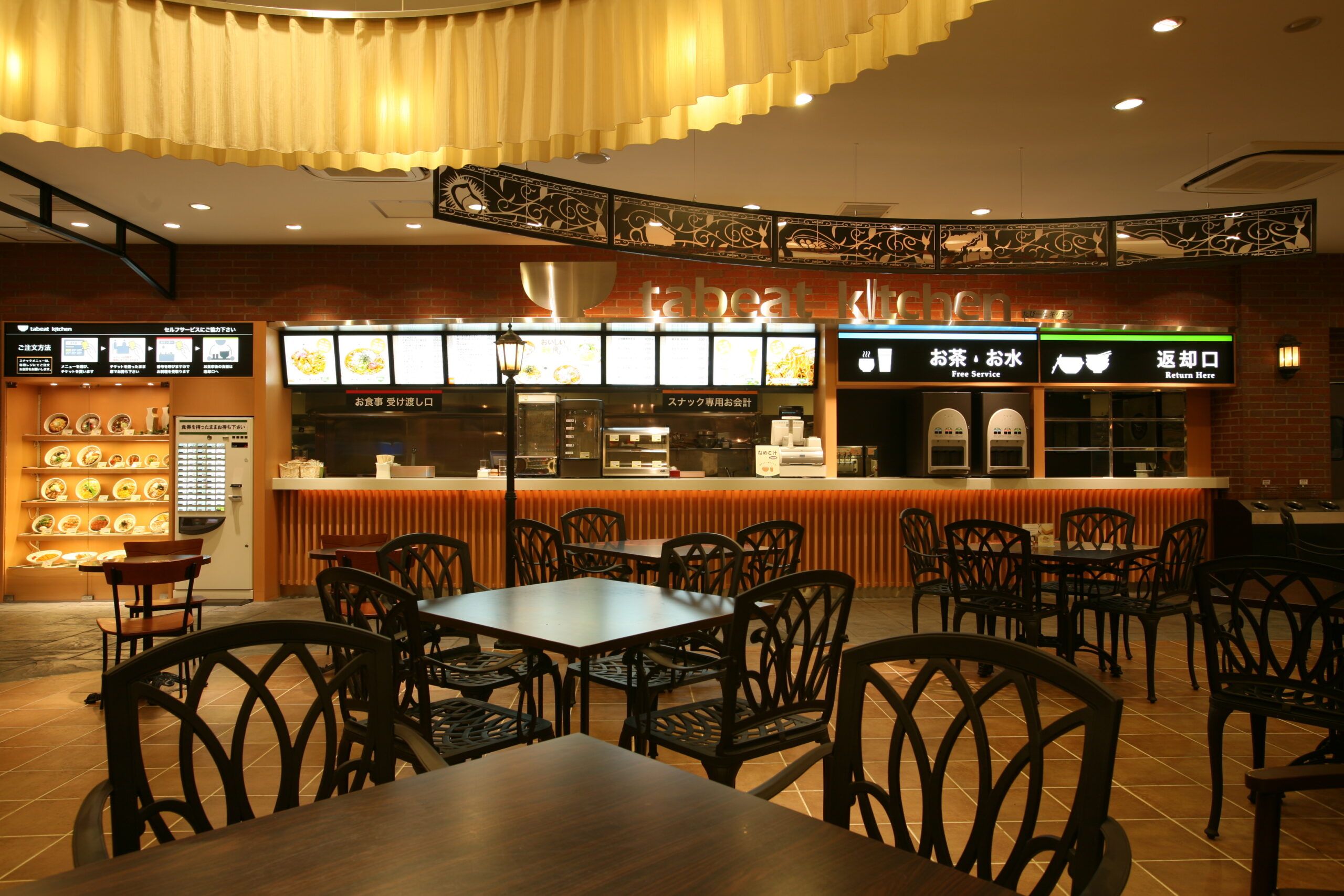
Oginoya is a restaurant and bento store specializing in kamameshi, a seasoned rice dish topped with various local ingredients. Kamameshi toppings at the Yokokawa store include Gunma-raised chicken, as well as mushrooms, bamboo shoots, burdock, and other mountain produce. The large facility is popular with individual travelers and group tours alike.
Inawashiro Ski Resort
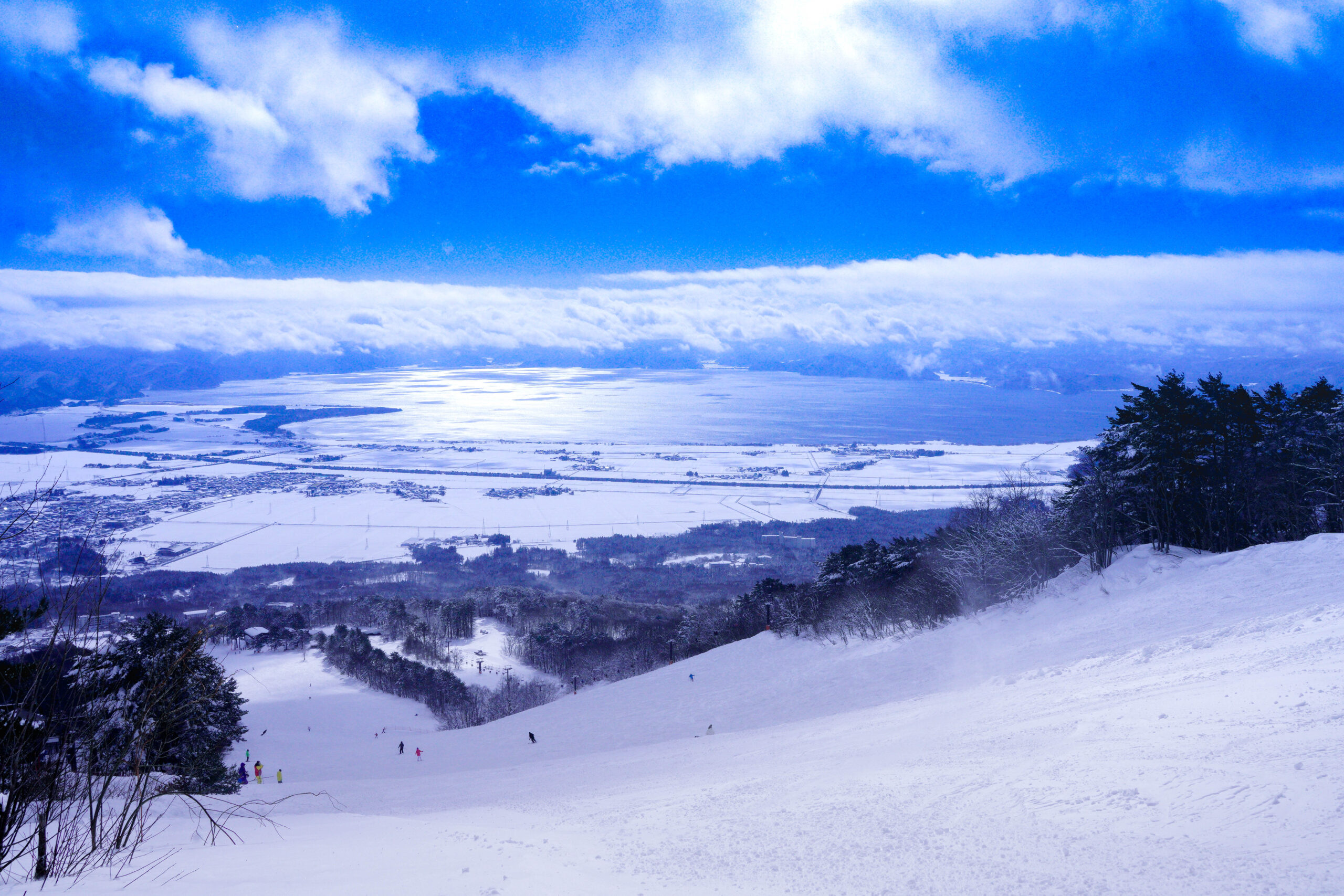
Discover sweeping mountain views, diverse slopes, and a one-of-a-kind Clear Dome experience at Inawashiro Ski Resort, where skiing meets quiet moments of awe.
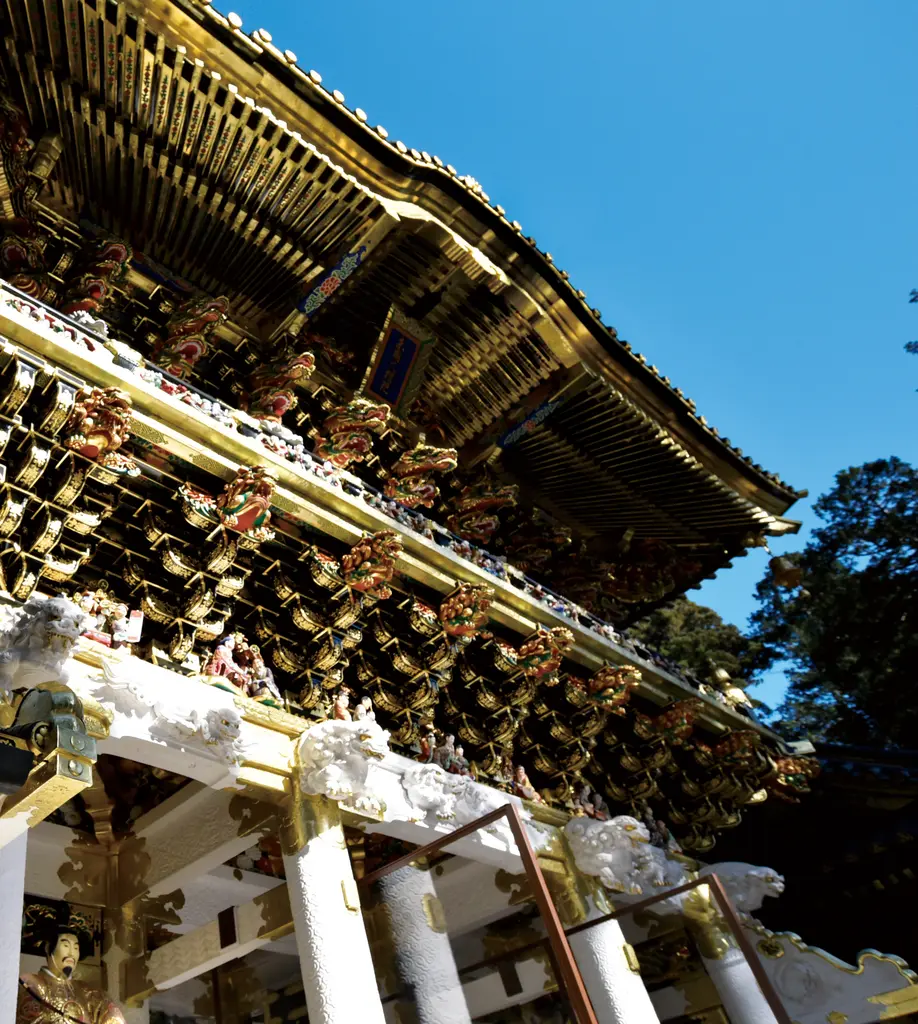
Nikko Toshogu Shrine
The most renowned shrine of “the Shrines and Temples of Nikko”-a UNESCO world heritage site where Ieyasu Tokugawa, the great Shogun who started the Edo Period, is enshrined. Most of the shrine complex you see today was rebuilt in 17th century. The shrine contains 55 buildings including 8 national treasures and 34 listed buildings. The highlights are many colorful buildings which are richly decorated with gorgeous carvings. Do not miss the symbol of peace “Sleeping Cat”, and the “Three Monkeys” with the “see no evil, hear no evil and speak no evil” poses!
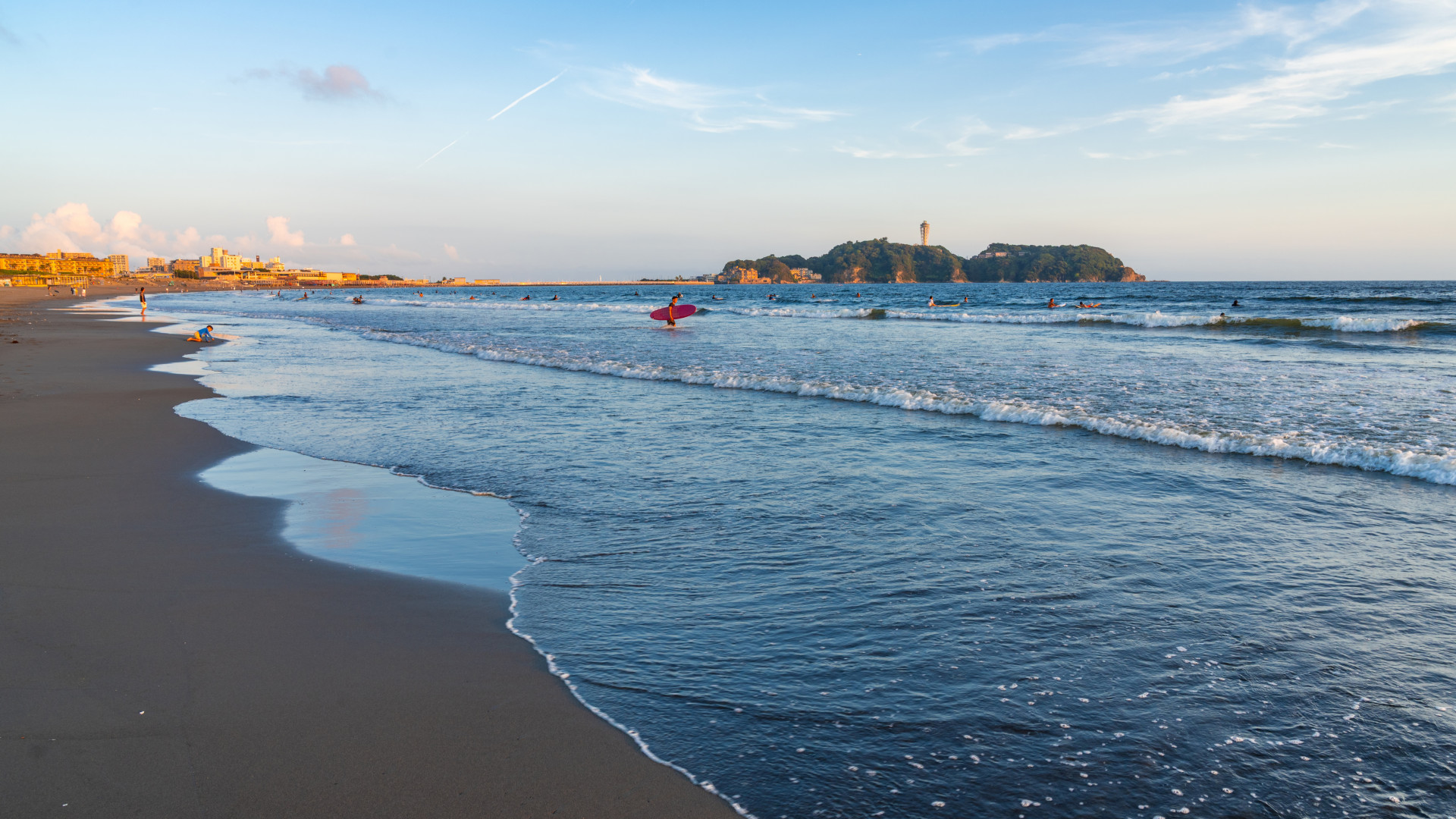
Shonan Beach Park
Shonan Beach Park is a gigantic park stretching about 2 km along the Kugenuma and Katase Coasts. The spacious 17-hectare grounds of Shonan Beach Park contain a surf village, which is bustling with surfers and people playing marine sports throughout the year. There is also a kids' space with big playground equipment and a sandbox, and a green lawn with palm trees that overlooks the ocean. The park is fully equipped for all purposes and is loved by visitors in summer as well as the local people.
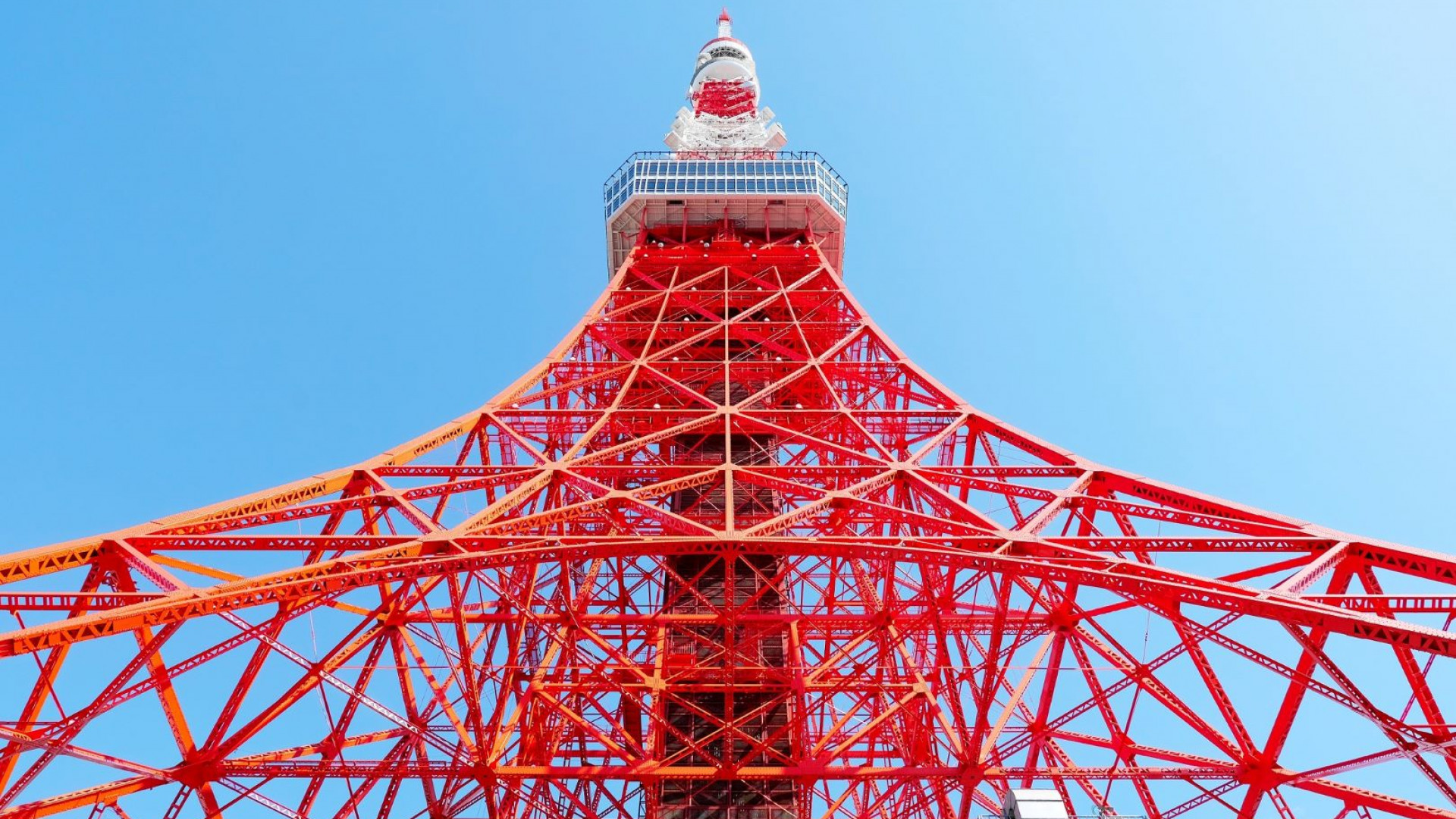
Tokyo Tower
Tokyo Tower has two observatories, with the main deck standing at 150m and the top deck standing at 250m. Get a taste of one of the world’s leading metropolises right from its center and enjoy panoramic views of the whole city. Foot Town is the multipurpose facility at the foot of the tower. Here, you can find souvenir shops, a food court and an event space. Keep your eyes open for the charming spots in the facility.
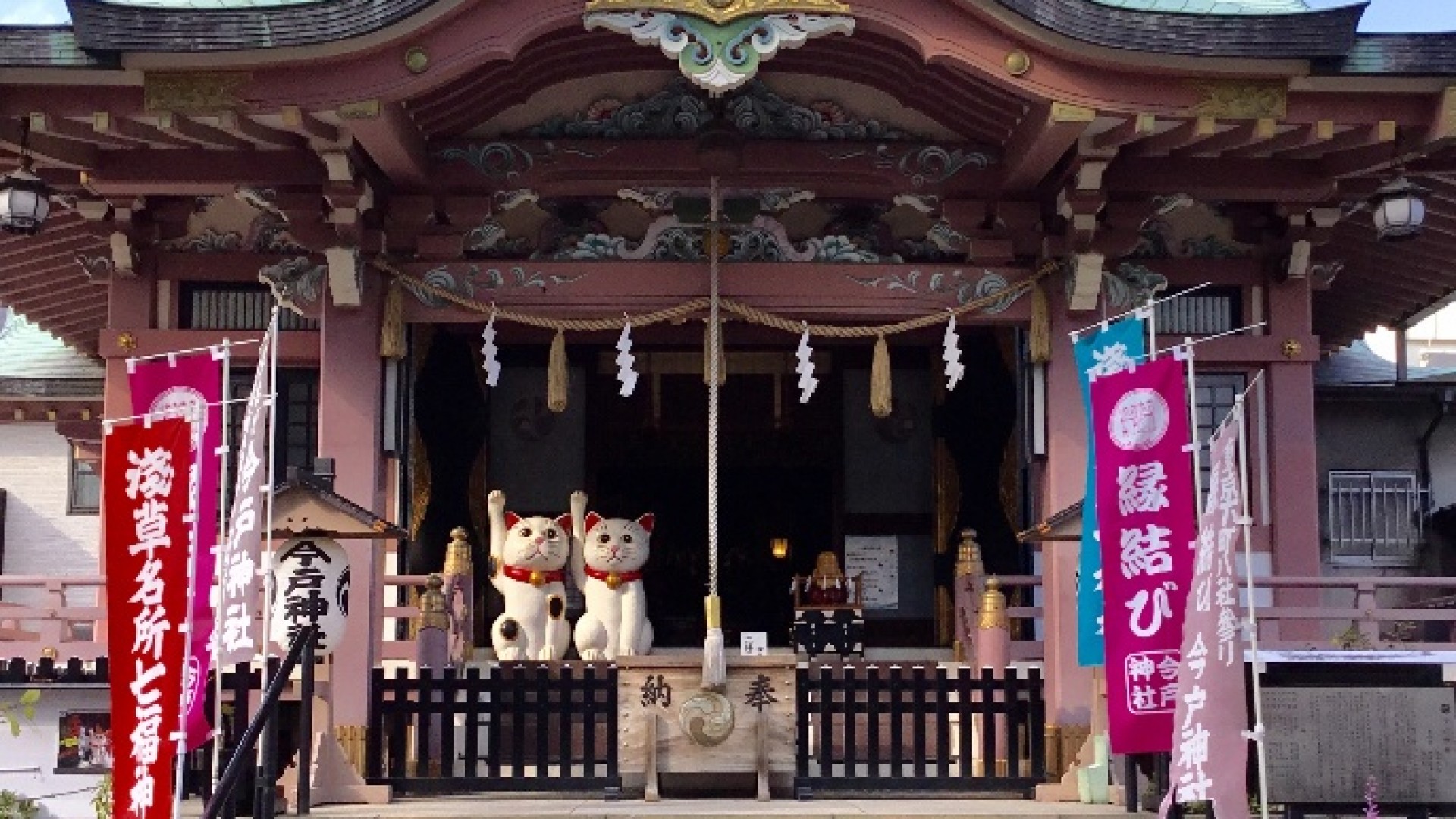
Imado Shrine
Imado shrine is known as the one which has the first welcoming cat "Maneki Neko" in Edo era. There are two welcoming cats in front of the shrine. Many people who want good luck in love come here.
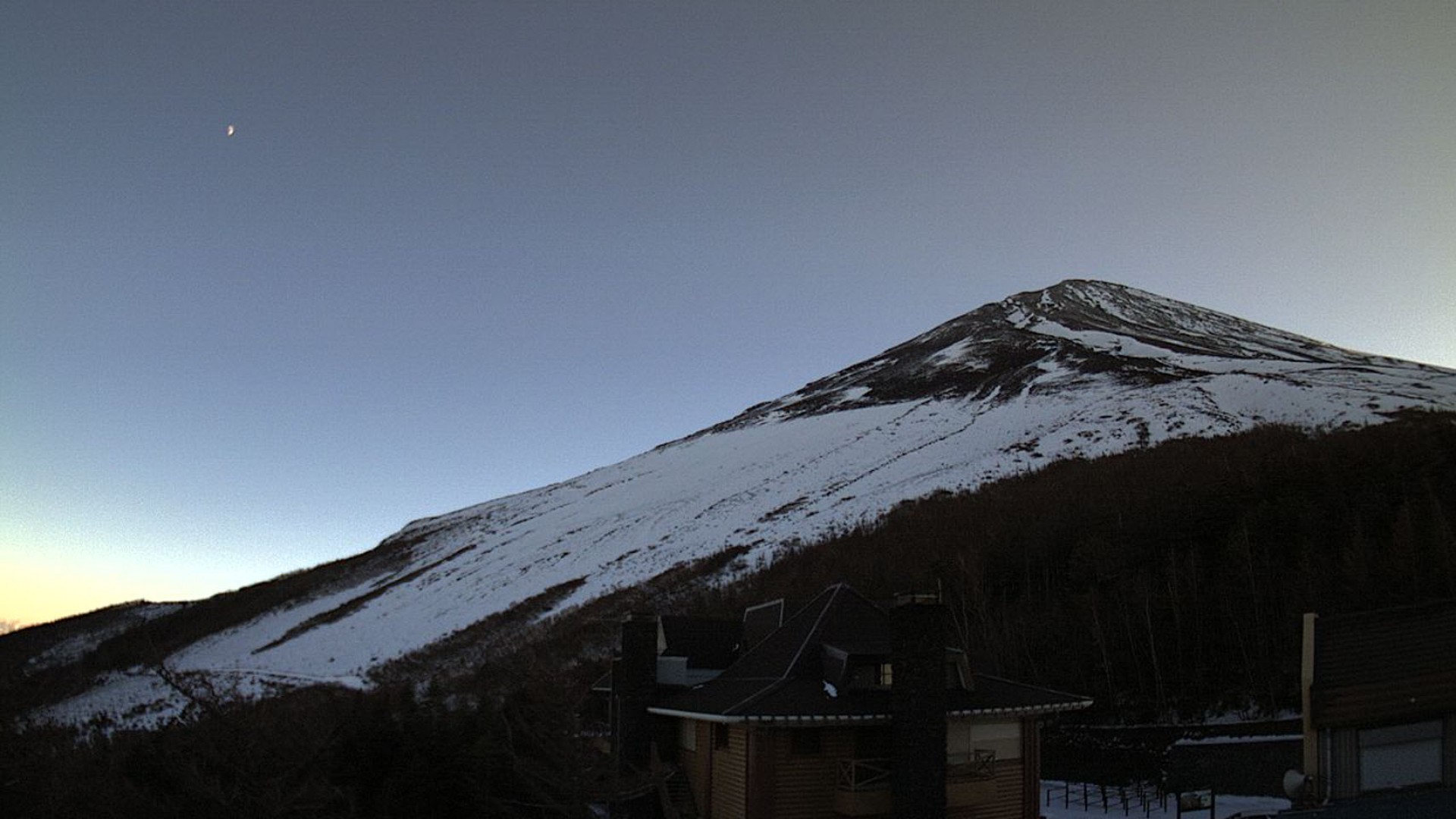
Mount Fuji (Mt Fuji) Subaru Line 5th Station
We recommend the Mount Fuji Subaru Line 5th Station as it is lively with lots of gift shops. It is famous for its beautiful view of Lake Kawaguchi. Fuji Subaru is a toll road (Round trip: 2000 yen).
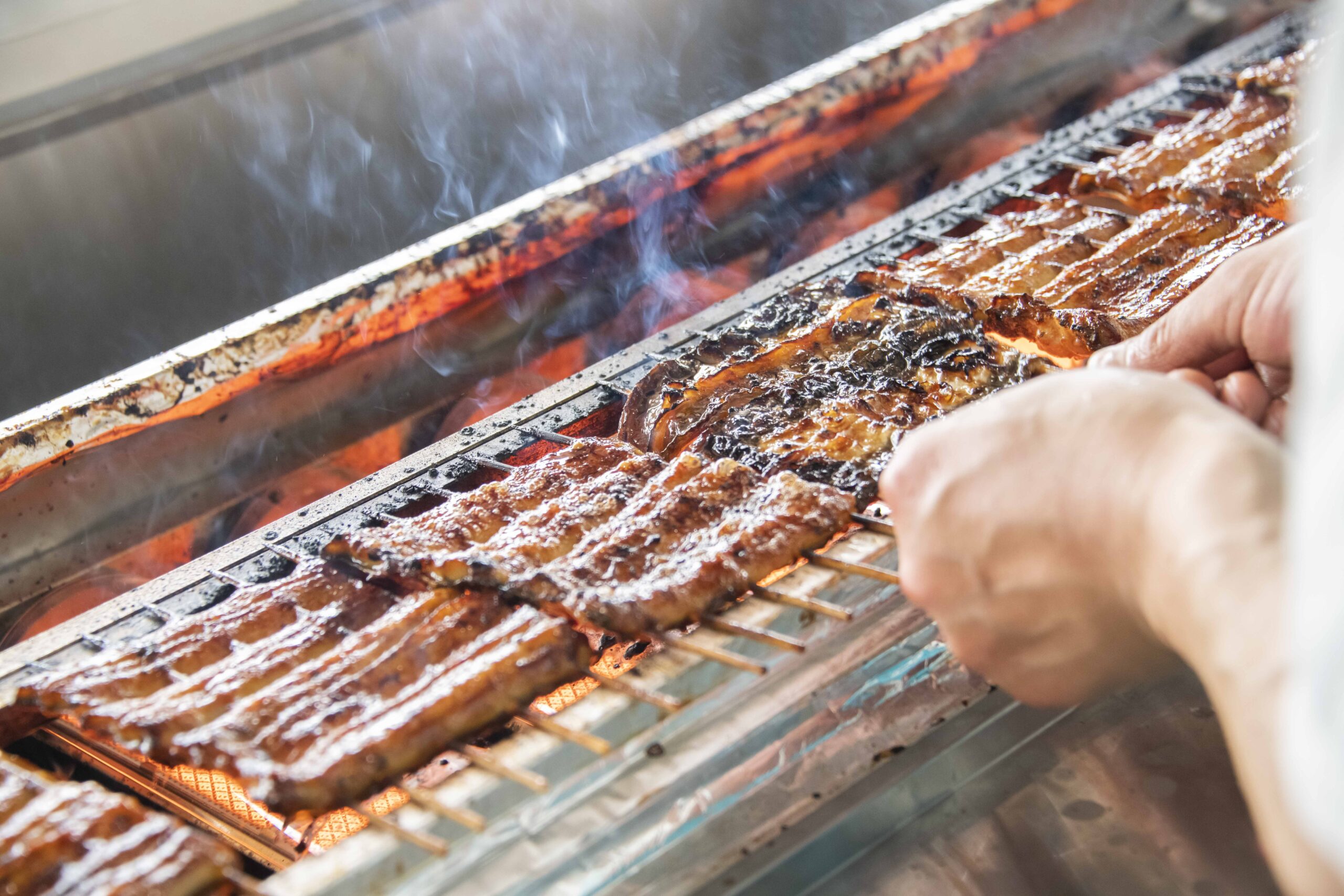
Tomurakawauoten
Taste Japan's finest eel at Tomurakawauoten, an approximately 130-year-old specialty shop in Katori City, Chiba Prefecture.
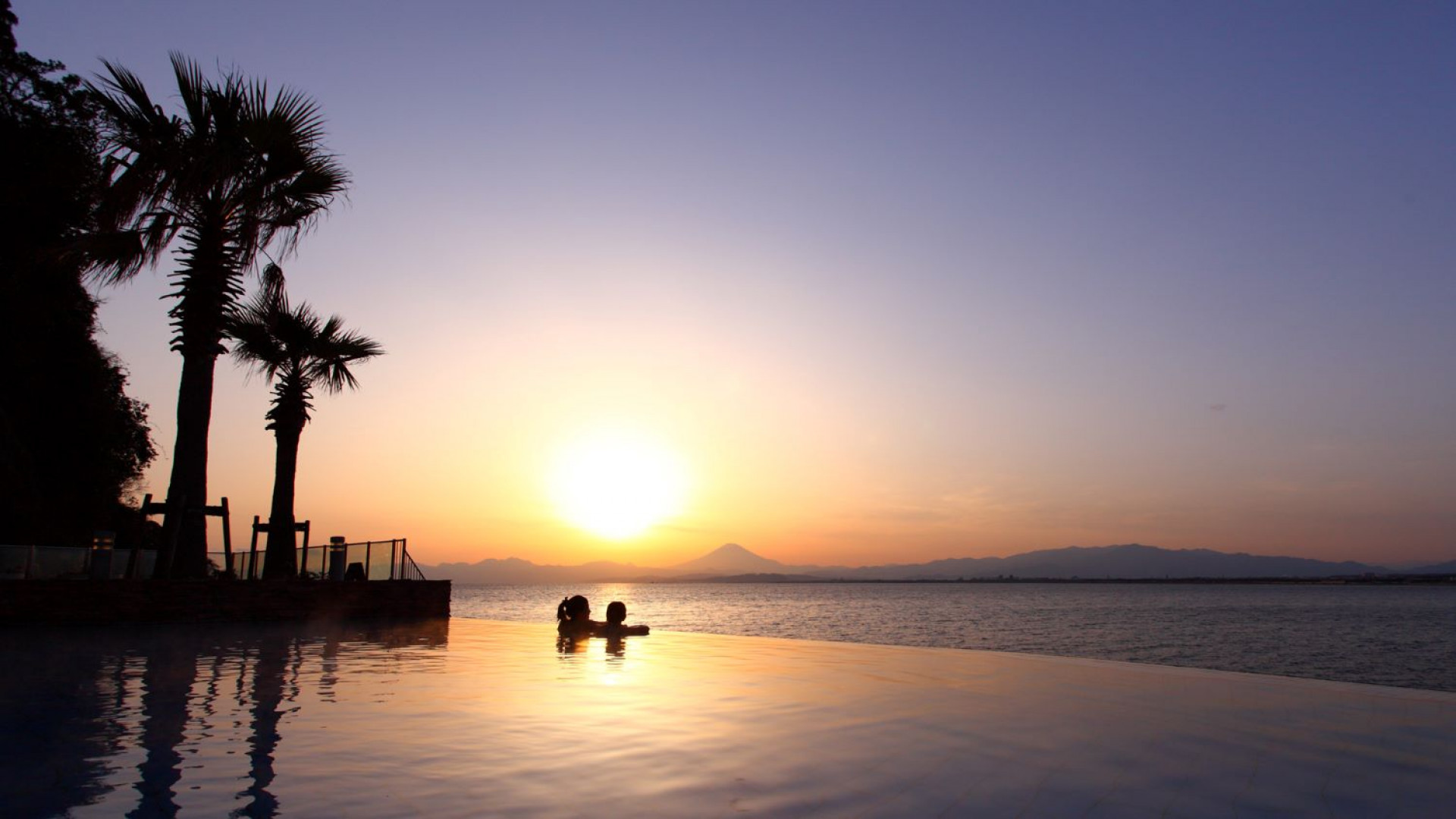
Enoshima Island Spa
Located at the entrance of Enoshima, Enoshima Island Spa is a hot spring facility with a natural hot spring and spa pool. It is situated in a great location with views of the sea of Shonan and Mt. Fuji on a clear day. The hotel building opened within a two-minute walk from the island in April 2020, allowing what was previously a day trip facility to cater to staying guests. The hot spring itself opens at 7am. Enjoy the charm of an "Enoshima morning," by taking a stoll through Enoshima in the crisp morning breeze, and taking in the spectacular views from your refreshing morning bath.
Oyakuen / The Lord’s Garden
Cherished by generations of Aizu’s feudal lords, Oyakuen Garden offers visitors a rare blend of natural beauty, traditional medicine, and the enduring spirit of Aizu’s samurai legacy.
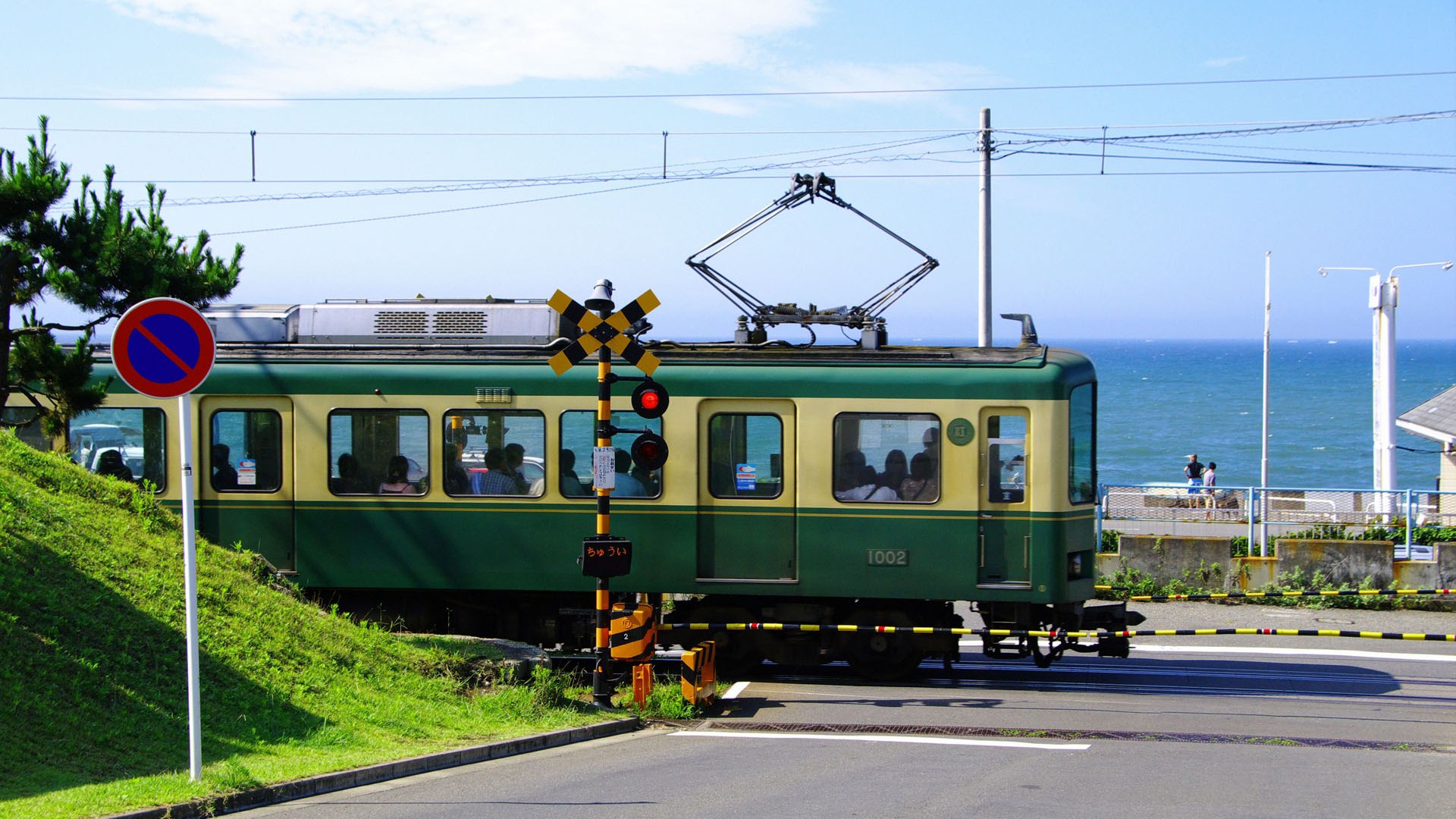
Kamakurakokomae Station
The railroad in front of Kamakura High School is a famous site in Slam Dunk.
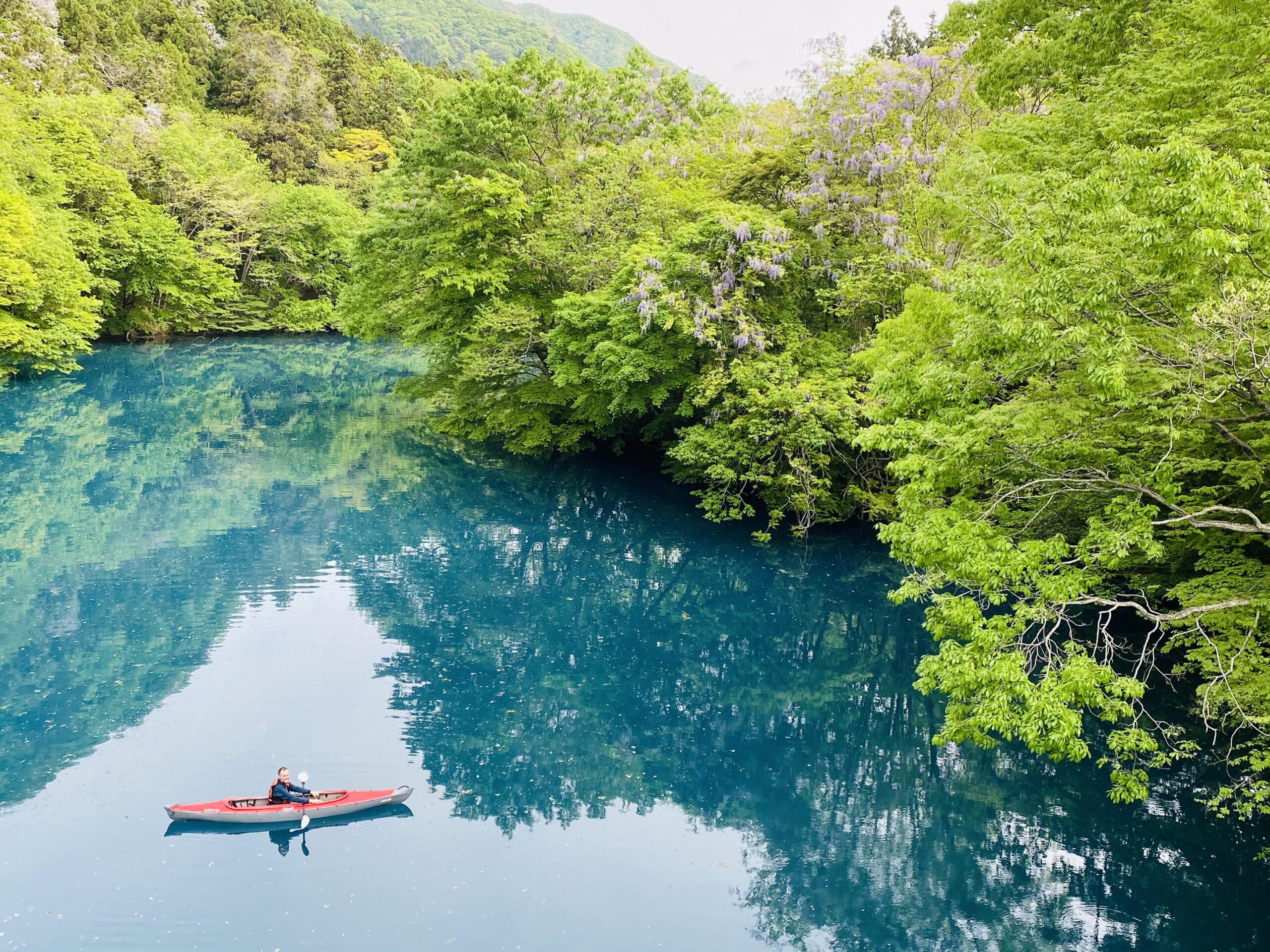
Lake Shima
Gongendo embankment
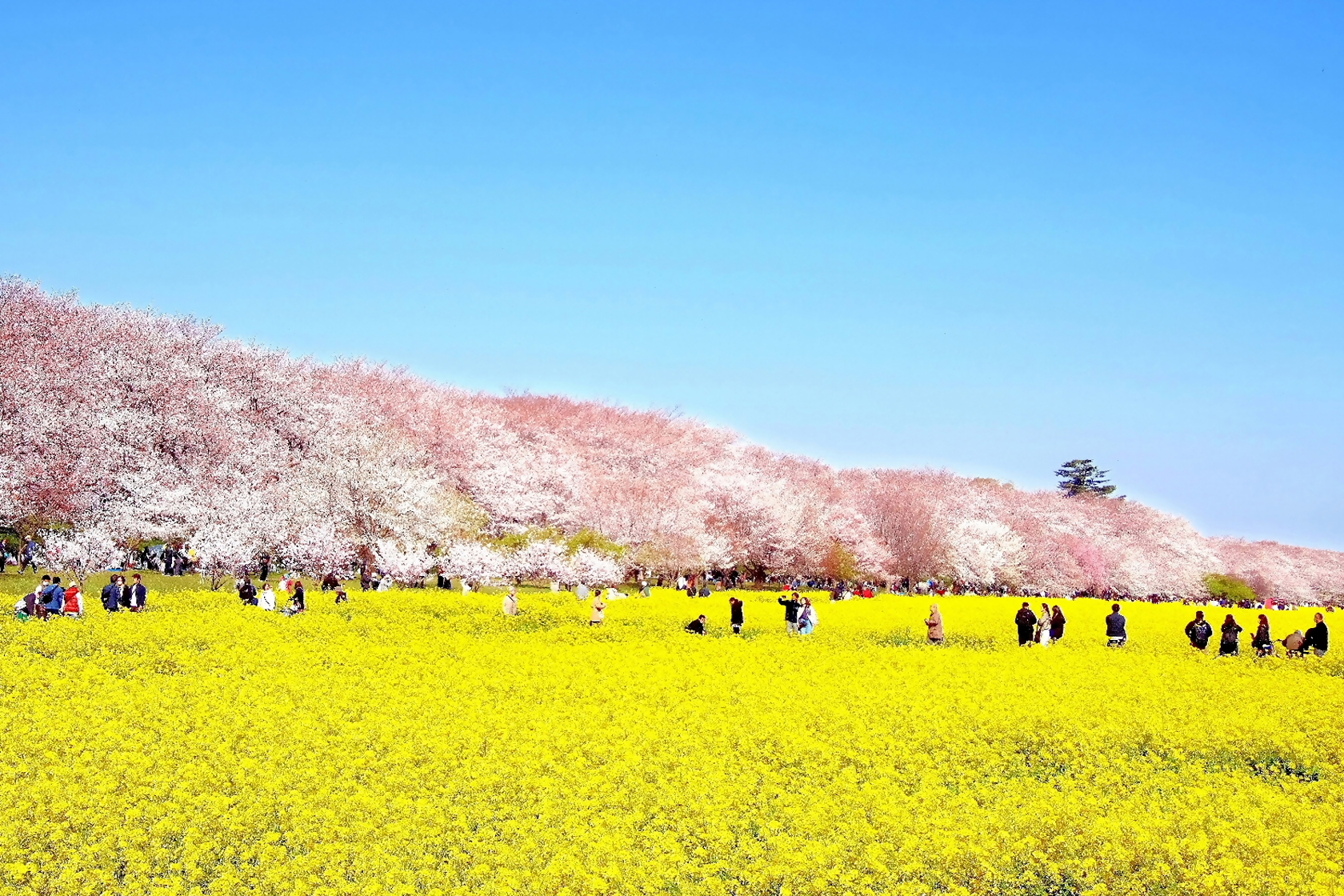
Once part of the embankment system that protected Edo, Gongendo Embankment now enchants visitors year-round with sweeping seasonal blooms.
Machi-Jyu
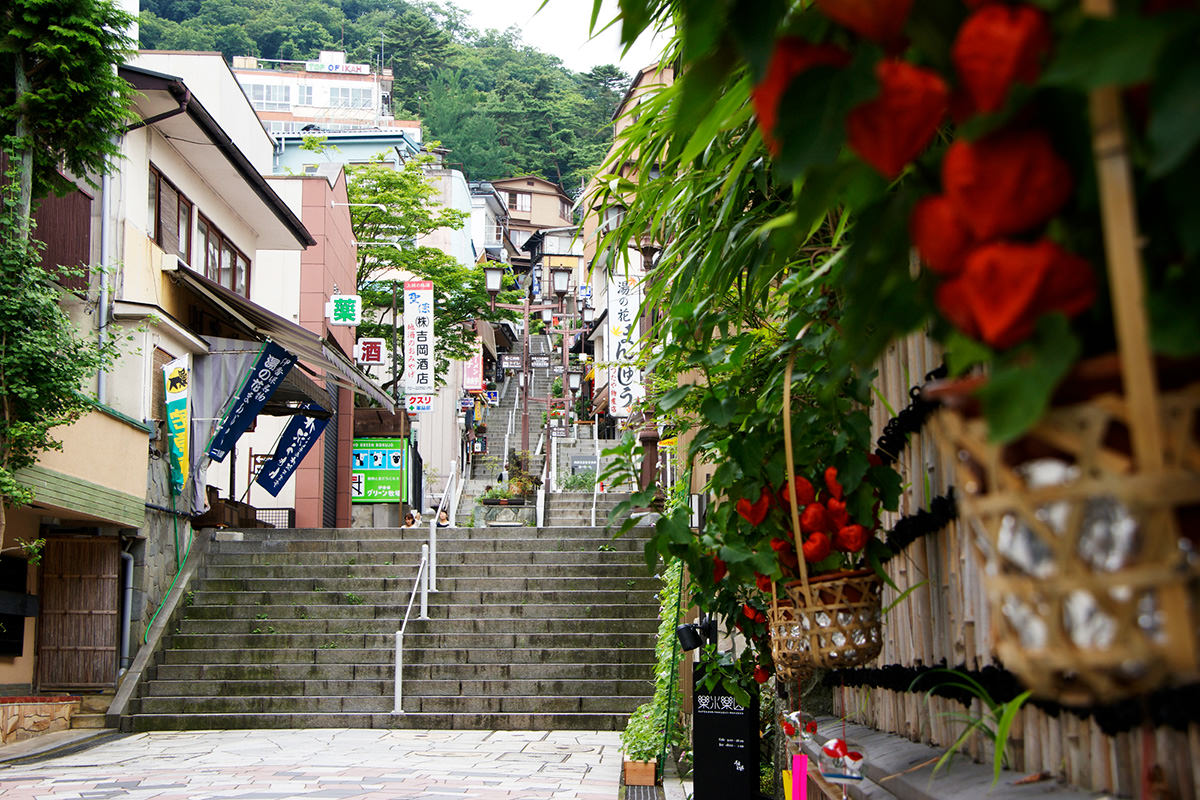
Immerse yourself like a true Chichibu resident as you traverse the steps of this traditional town.
Zushi Beach
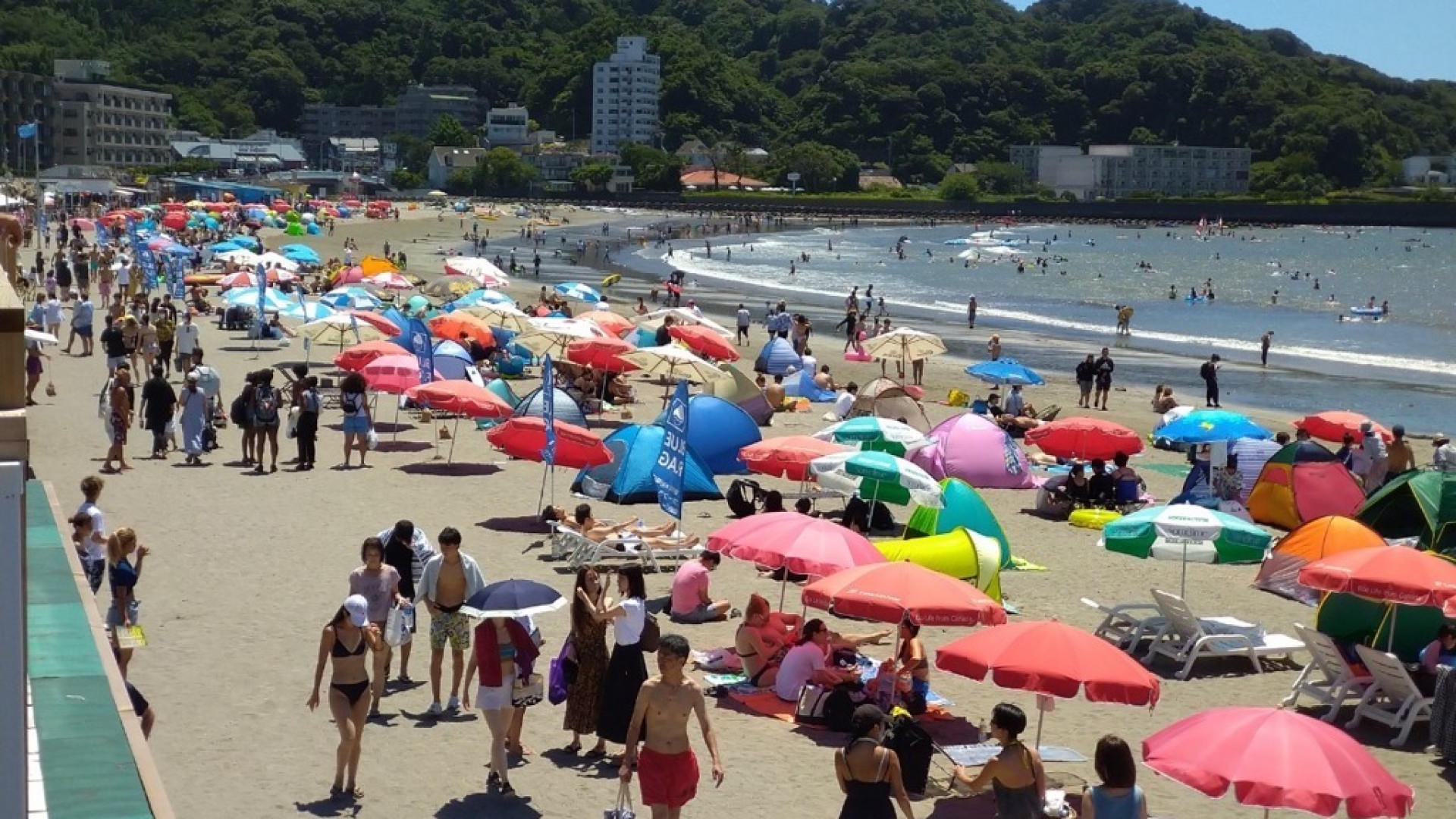
Zushi Beach, lovingly named "the half-mile beach where the sun was born," is a family beach with shallow waters and quiet waves. It has aquired the International environmental certification "Blue Flag". The beach is protected by ordinances and other rules, and can be enjoyed with a peace of mind. Note: Drinking alcohol, barbecuing, exposing tattoos, and using loudspeakers or other loud-speaking devices are prohibited on the beach during business hours. Failure to abide by the rules may result in expulsion from the beach.The closest natural beach to Tokyo, Zushi is typically a bit quieter than Kamakura and Enoshima although it will get quite crowded at times. One of the most convenient beaches to reach from Tokyo, you can reach Zushi in just under an hour from Tokyo Station.
Hakone Checkpoint
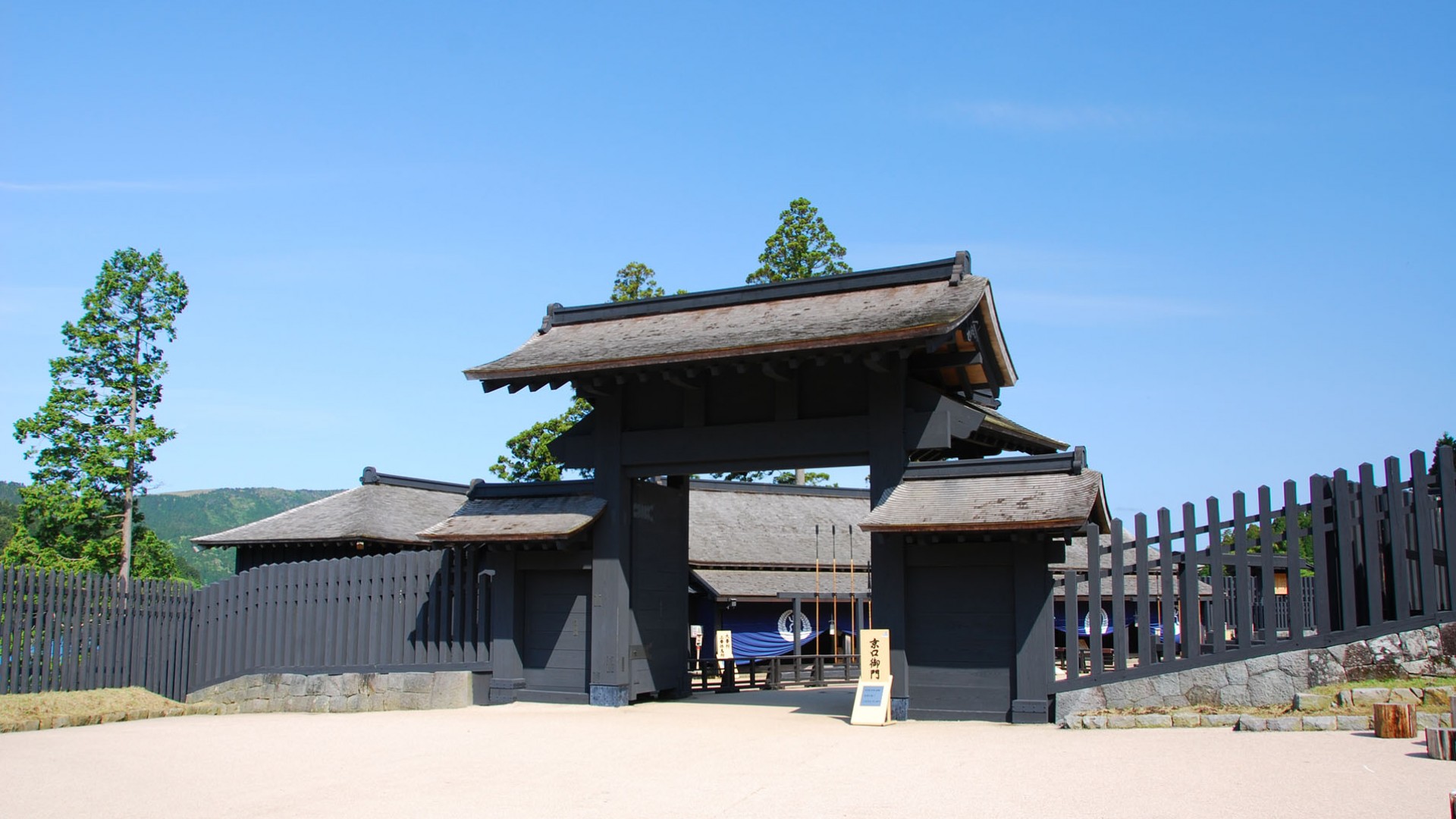
The current Hakone Checkpoint was rebuilt based on the “Report of the Restoration of Sōsyu Hakone Checkpoint in 1865” discovered in 1983, as well as in accordance with findings from excavation and research around the site, and has been open to the public since April 2007. Along with the restoration of the checkpoint buildings, including the main guardhouse, the senior guard lounge, and the foot soldier’s guardhouse, the stone walls and stairs and wooden fences were also restored. Environmental improvements were implemented, such as laying electric cables underground and maintenance of the cedar trees along the road. The museum next to the rebuilt checkpoint exhibits 300 historical items including old documents, checkpoint passes, official bulletin boards, official stamps, checkpoint diaries, and matchlock muskets.Hakone Sekisho was part of the Edo-period road from Tokyo to Kyoto. This checkpoint ensured weapons did not enter Edo (Tokyo) and prevented feudal lords' relatives from fleeing (their wives and children were de facto hostages). Nowadays, it is a good place to see historical buildings along the street.