Grand Maze Palladium
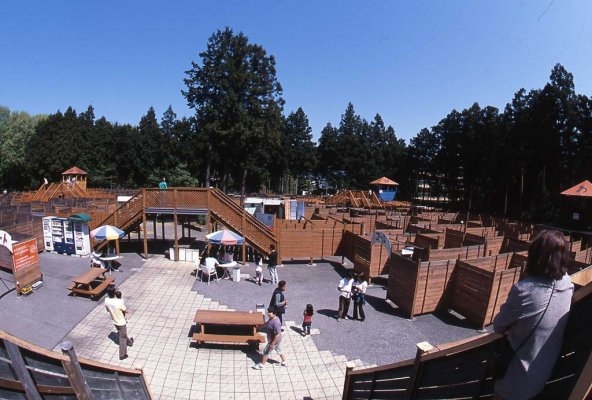
Encompassing 3,500 square meters, Grand Maze Palladium allows both children and adults to challenge themselves as they navigate this enormous maze."
Total: 1715 items
Encompassing 3,500 square meters, Grand Maze Palladium allows both children and adults to challenge themselves as they navigate this enormous maze."
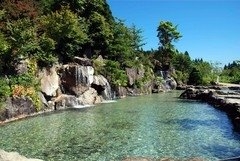
This facility offering hands-on nature experiences is located in Nasu County, Tochigi Prefecture. It features a fishing hole with a waterfall fed with a subterranean river from the Nasu Mountain Range. There, visitors can char-grill and eat the river fish they catch. One of the facility's other attractions includes a soba restaurant. There, visitors can enjoy items such as their Tochigi Shamo Tsukesoba. "
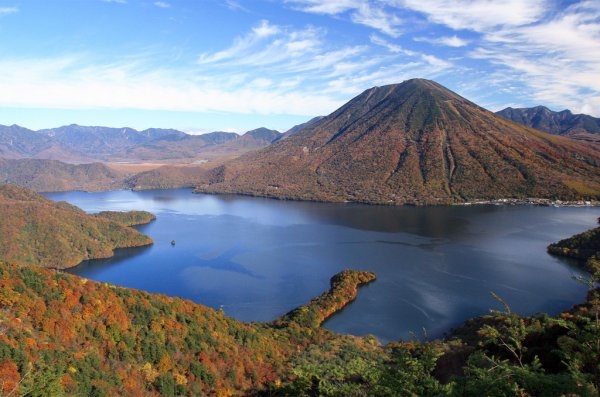
Hangetsusan is a mountain at the southeastern corner of Lake Chuzenji. Hiking trails lead up to the top of the mountain. Near the summit there is an observation deck with great views of the Okunikko region including Lake Chuzenji and Mount Nantai. From about mid October to early November each year, autumn colors add to the scenery viewed from here, making this a popular autumn leaf viewing spot. From there it takes approximately 30 minutes to ascend to the observation deck near the summit along a steep nature trail."
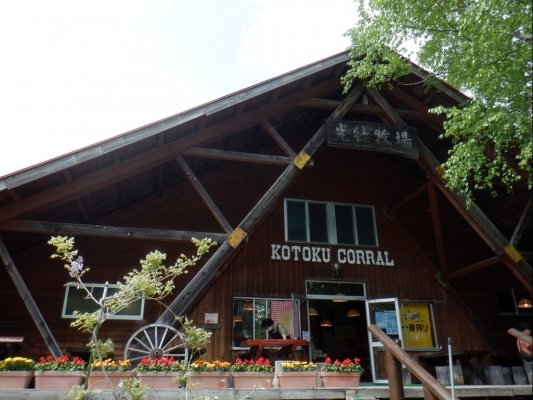
Enjoy an idyllic, pastoral atmosphere at the spacious Kotoku Farm, which stretches over 30,000 square meters. In addition to watching the cows and horses graze, you can indulge in some of their famous ice cream or drink some farm-fresh milk. It also has a restaurant with popular steaks and burgers. There is a walkable path around the farm, so you can stroll and enjoy some pastoral views of cows grazing."
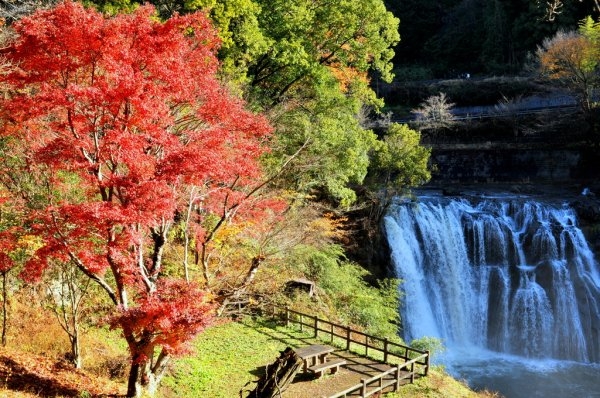
Near by the Nasukarasuyama City, Ryumon Falls is a large-scale waterfall that it is about 20-meter-high and 65-meter-wide. Halfway down the fall are two vertical holes called Ogama ("Male Cauldron") and Megama ("Female Cauldron"). Ogama has a diameter of 4 meters and Megama 2 meters. Due to the angle of the photo, you can see JR Karasuyama Line’s train through pass the Ryumon Falls. The cherry blossoms in the spring, the maple leaves in the fall, and the snow in the winter, along with the passing trams, make for a miraculously beautiful photo! Right next to the Ryumon Furusato Mingeikan is a path where you can walk to get a close-up view of the Ryumon falls.
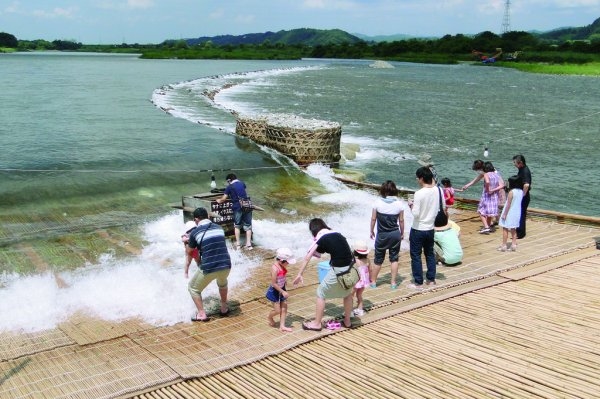
The Takase Kanko Yana is a weir on the fresh waters of the Ara River.Come try fresh sweetfish cuisine while looking at the clear waters of the nearby Nakagawa River. You can even try your hand at catching sweetfish with their Yana traps. Enjoy robata-yaki in the tatami rooms and food cooked directly in front of you. The restaurant is open from June to November each year in accordance with the sweetfish fishing season."
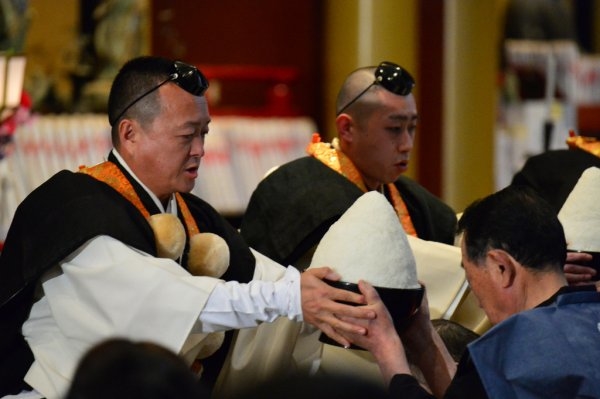
*Gohanshiki has been cancelled in 2020. This traditional ceremony is still observed only at Nikkosan Rinnoji Temple. In this ceremony, people are forced to eat a large amount of rice. Cooked rice are offered on a large plate and every grain are urged to eat. The big bowl contains 5.4 litres of rice. No one actually eats the rice, but it is said that those who participate in the ceremony will have a family fortune and a healthy life. This sacred rice dedication ceremony is part of Nikko's ancient mountain Buddhism. By doing that, it is believed that the blessing of Buddha will immediately eradicate the Seven Major Misfortunes such as fire, floods, devils, etc., and the people will receive the Seven Major Fortunes. It is said that even feudal lords such as the Tokugawa Shogun Families and other famous feudal lords across Japan joined this ceremony in the Edo period."
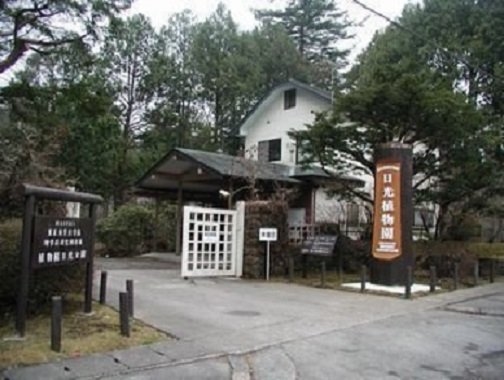
Nikko Botanical Garden is an institute for research and education of Graduate School of Science, University of Tokyo. The main activities of the Botanical Garden have centered on enriching the collections of temperate and alpine plants of Japan and adjacent regions for the purpose of botanical research and education. A total of 2,200 species (130 species of pteridophytes, 70 species of gymnosperms, and 2,000 species of angiosperms) are planted in the garden. Visitors can enjoy the garden's cherry blossoms in spring and the fall foliage in the fall."
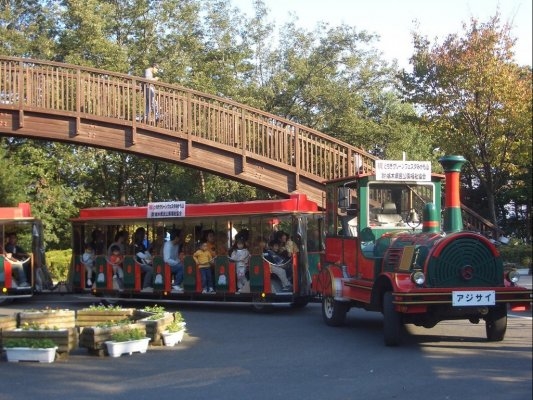
This park is located in Mikamoyama which is mentioned in the famous Manyoshu collection of poetry. The park has fun facilities for all ages including the Adventure Forest and Wanpaku Playground for children as well as an herb garden. You can also board the Flower Train for a trip through the park around Mikamoyama. And with a variety of nature trails and hiking courses the park is popular with those looking to hike or just explore the outdoors."
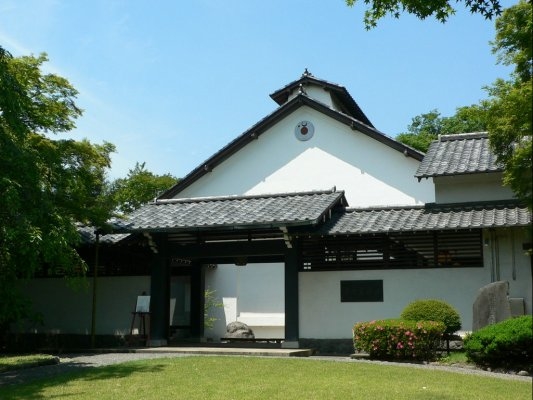
This art museum stands at the southern edge of Ashikaga Park. The museum displays the artwork as well as the personal effects of Tazaki Soun, a Southern School painter who was active in Ashikaga from the end of the Edo period through the Meiji period. Known as a late Edo period loyalist painter, Soun studied under artists such as Kanai Ushu and his works have been highly praised outside Japan. Soun was also chosen to be the first Imperial Household Artist, once the highest honor for an artist in Japan, and the museum stores, conserves, and presents his artwork and personal effects. A thatched roof residence believed to have been the home of Soun stands in the museum's garden."
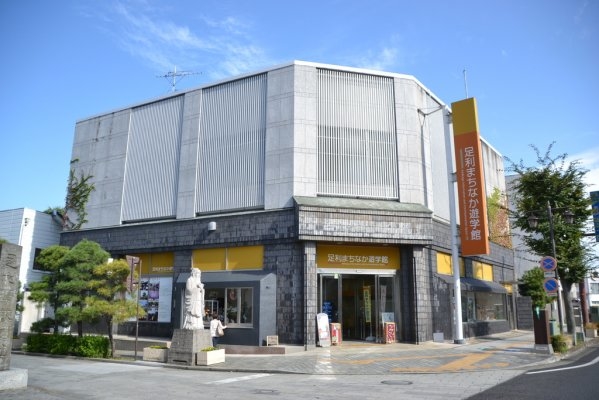
Ashikaga Machinaka Yuugakukan was opened in March 2003 as a facility to familiarize, enjoy, and learn about the history, culture, and nature of Ashikaga. Remodeled in 2016, the facility has a rest area and conference rooms, and provides tourist information. There are take-out shops for drinks, soups and lunch that can be enjoyed inside the building.On the second floor, visitors can try on traditional clothing made of Ashikaga Meisen silk."
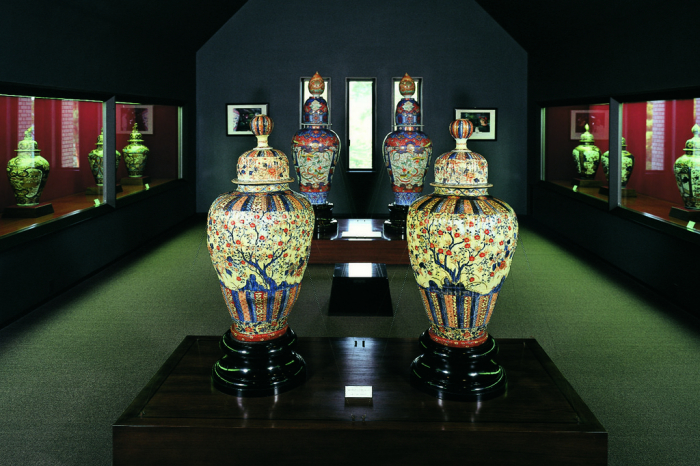
One of the largest museums of ceramics with Imari and Nabeshima collections in the world. Here, on the outskirts of Ashikaga, on 24.5 acres chosen for its picturesque scenery and taking advantage of nature, is a garden of mainly wild grass. In the garden is the main museum building, a historical building, a memorial church for unknown potters, and the pottery hall as well as the main gate, and the Holland Hall. A large feature of the museum is that it displays only Imari and Nabeshima pottery wares of the Edo period created by the Nabeshima clan."
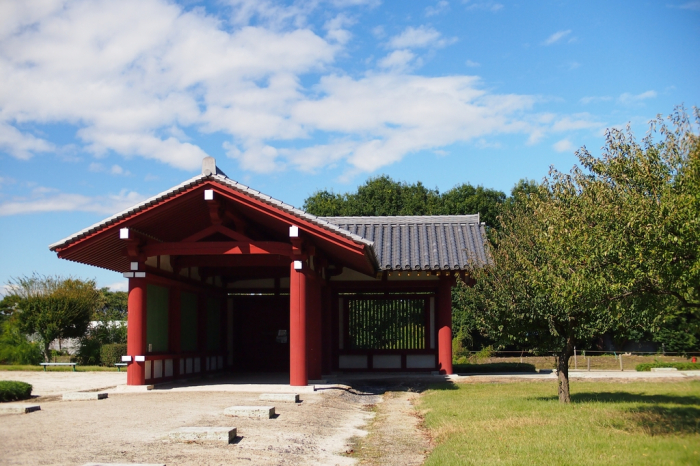
This Buddhist temple was the greatest in the Kanto provinces and was known for having one of the three most majestic ordination platforms in the country alongside the Todaiji temple and the Kanzeon-ji Temple. Built at the end of the seventh century, in the mid-eighth century, it is said to have been so prosperous. Today, a portion of the site of its ruins are maintained as a public park."
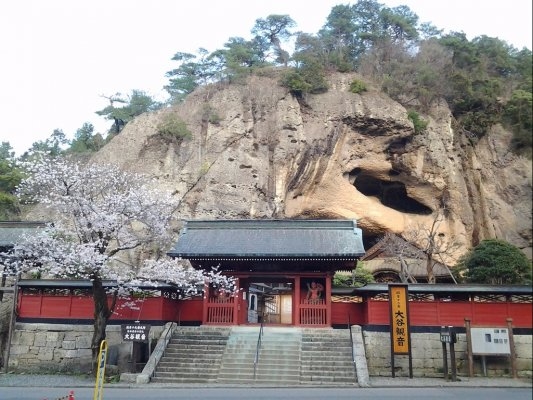
The beginning of Ooyaji Temple Nearby the Utsunomiya City, the Ooyaji Temple has been built surrounded by a cavern. Within the temple are 10 stone carvings of buddha carved directly into the cavern wall including Japan’s oldest statue of the goddess Kannon (the Oya thousand-armed Kannon). It is said that long time ago, a venomous snake was living in the Oya area and every creatures were killed by its poison. In A.D. 810, a famous monk Kukai Daishi heard this story and stayed at this area for a few days. When he left, he told people that the snake would never come back again. People found that there was a Senju Kannon (also known as Ooya Kannon) carved into the cavern, and built this temple for thanking Kukai Daishi. Symbol of Japan's Silk Road, the Ooya Kannon In recent study, scholars had found some similarities between Ooya Kannon and the Buddhas of Bamiyan. It is believed to be Japan’s Silk Road heritage carved by Afghan monks. When you visit, please join your hands in prayer for world peace and happiness for people while reflecting on Kannon’s great heart.

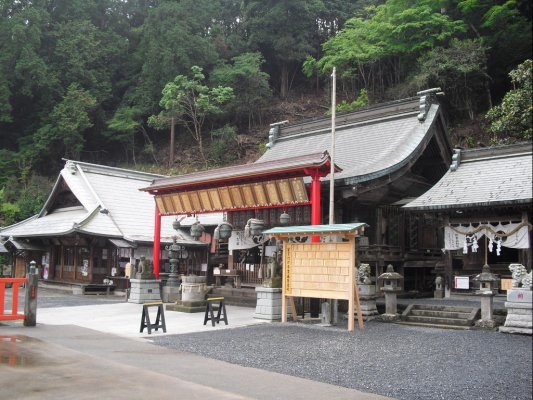
This shrine is in Tochigi City, Tochigi Prefecture. Located at the summit of Mt. Ohira, the shrine was founded by Lenin in 827. The stairs leading to the temple have almost 1,000 steps. A total of 42 gods and goddesses such as "Ninigi no Mikoto","Amaterasu Oomikami","Toyokehime no Ookami" are enshrined here."
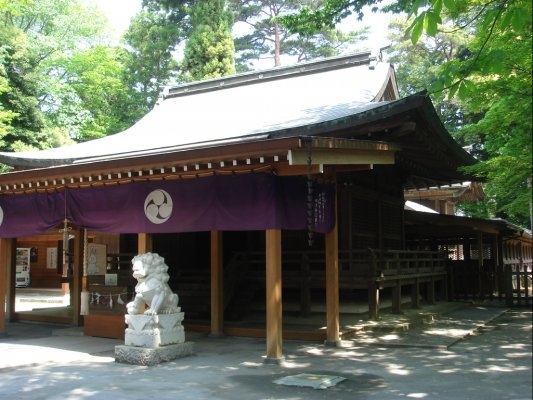
This shrine in Sano City, Tochigi Prefecture was founded in 1883 and enshrines Fujiwara-no-Hidesato. Built over the remains of Hidesato's castle, the area is a natural fortress surrounded by cliffs and valleys covered in Japanese Red Pine trees and some of the castle ruins still remain. En route to the main hall you'll pass the Sakura Horse Grounds in which numerous sakura cherry trees are planted."
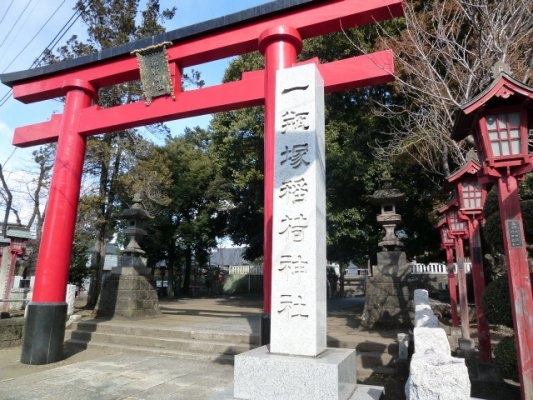
Ippeizuka Inari Shrine was historically the "souja" shrine of Sano City. The main shrine is vermillion painted in an avatar style, and the copper torii gate within the grounds is designated as a National Art Treasure. The hatsu uma matsuri (first horse day in March) has long been celebrated by large numbers of people in the past. The "shinkomanjyu" dumplings are especially popular."
This music box museum is located in Nasu County, Tochigi Prefecture. Its permanent exhibit features 100 items including antique music boxes, mechanical musical instruments, and other items, most of which are from the collection of music box collector Kiyoshi Sato. The museum mainly exhibits antique music boxes made in the 19th and 20th centuries in Europe and the Americas. Visitors can enjoy explanations and music box performances by the staff for 20 minutes every hour. Visitors to the museum, which is visited by many tourists, can also enjoy activities such as making their own music box."