
Greater Tokyo

See & Do

reset
Kamakura Prince Hotel

Kamakura Prince Hotel

The Kamakura Prince Hotel is located on a small hill. Here you can enjoy evening views of Sagami Bay, Enoshima, and Mt. Fuji. There are plenty of sunny days from December to March. The air is clear, and you can see the forms of Mt. Fuji, Enoshima, the Izu Peninsula appearing during the sunset. If you have dinner at the Restaurant Le Trianon during sunset time, you can indulge in this spectacular view with a glass of wine in your hand. Sunset colors and French food make for a great combination. You can also have a slow breakfast in the morning while watching the horizon spread out in front of you.

Onsen & Stay Koshu kaido Tokaido KANAGAWA
Kamakura Samurai Experience Center

Kamakura Samurai Experience Center

At the Kamakura Samurai Experience Center, we offer a samurai experience service in Kamakura, the ancient capital of the samurai class. ・Experience the costumes of the Genpei War (Heian and Kamakura periods). ・Archery experience ・Bow and arrow making experience (crafts for children) ・Armor making experience (crafting a piece of armor) ・Yabusame (horseback archery) experience (dates and locations fixed) ・Samurai meal experience And more!

Experience & Activities Tokaido Koshu kaido KANAGAWA
Tsurugaoka Hachimangu

Tsurugaoka Hachimangu

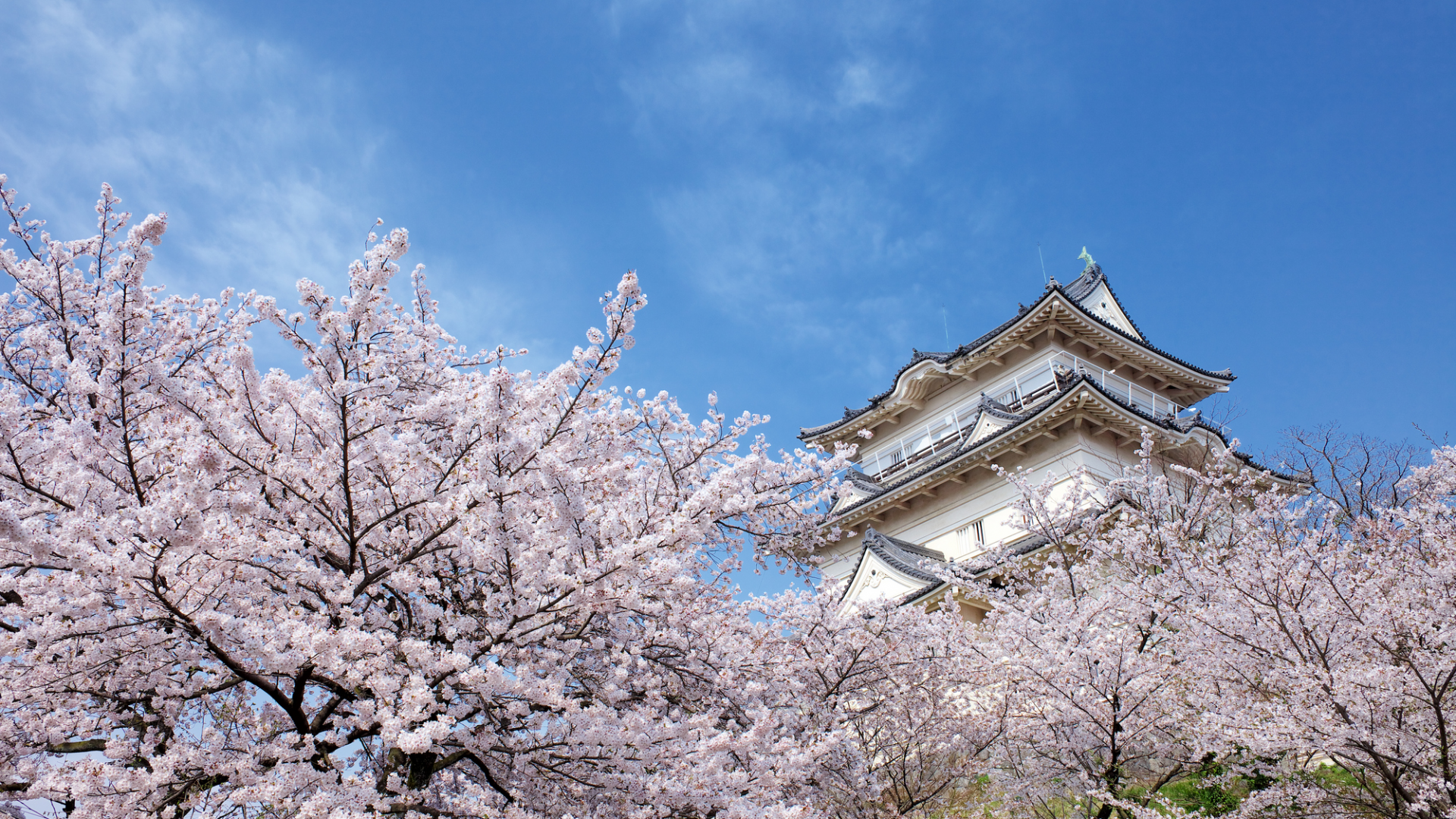
Alongside Usa and Ishimizu, Tsuruoka Hachimangu Shrine is one of the major Hachimangu shrines in Japan. In the 6th year of the Kouhei Era (1063), Minamoto no Yoriyoshi returned after subduing the Oshu region and entered Kamakura, where he secretly transferred Ishimizu Hachimangu Shrine to another shrine in Yui Township Tsuruoka near the coast and called it Tsuruoka Wakamiya Shrine. Later in the 4th year of the Jisho Era (1180), Minamoto no Yoritomo entered Kamakura and relocated the shrine to Kitayama in Kobayashi Township (the current site). In the 2nd year of the Kenkyuu Era (1191), the shrine pavilion was built on the hillside of the Mount Daijinyama, and the current spectacular upper and lower palaces were built. Since then, the shrine has been the head of the Kamakura Shogunate's religious order and has been revered as the deity of the Minamoto clan and the guardian deity of the warrior class. The present main shrine was rebuilt in 1828 by Ienari Tokugawa, the 11th shogun of the Edo Shogunate, and is designated as a National Important Cultural Property along with the regent shrine Wakamiya. Deities: Emperor Ojin, Himejin, and Empress Jingu. Regularly held festival day: September 15. The shrine has a Wakamiya regent shrine, Takeuchi Shrine, Maruyama Inari Shrine, Shirahata Shrine, Soreisha Shrine, Hatagami Benzaiten Shrine, and an Imamiya Shrine and Yui Wakamiya Shrine outside of the shrine grounds.An imposing shinto shrine founded in 1063, Tsurugaoka Hachimangu is the spiritual center of Japan's ancient capital Kamakura, so important that the city was built around it. In spring, the 1.8 km approach from the station is lined with vibrant pink cherry blossoms.The best time to visit a shrine is in the morning, so start your day with a visit and breathe in the crisp morning air.

Temples & Shrines Tokaido Koshu kaido KANAGAWA
Rinkokaku

Rinkokaku

Rinkokaku is a complex of three wooden buildings that served as a state guest house for VIPs. The main building was constructed in 1884 and is an exemplary instance of Japanese architecture at the beginning of Japan's modernization. The complex overlooks the Tone River from its location next to Maebashi Park, which is particularly popular for its cherry blossoms in spring. The Rinkokaku annex, built in 1910, continues to be used for receptions today.

Culture & Arts Nakasendo Mikuni kaido GUNMA
Nissan Motor Yokohama Plant Guest Hall / Nissan Engine Museum

Nissan Motor Yokohama Plant Guest Hall / Nissan Engine Museum

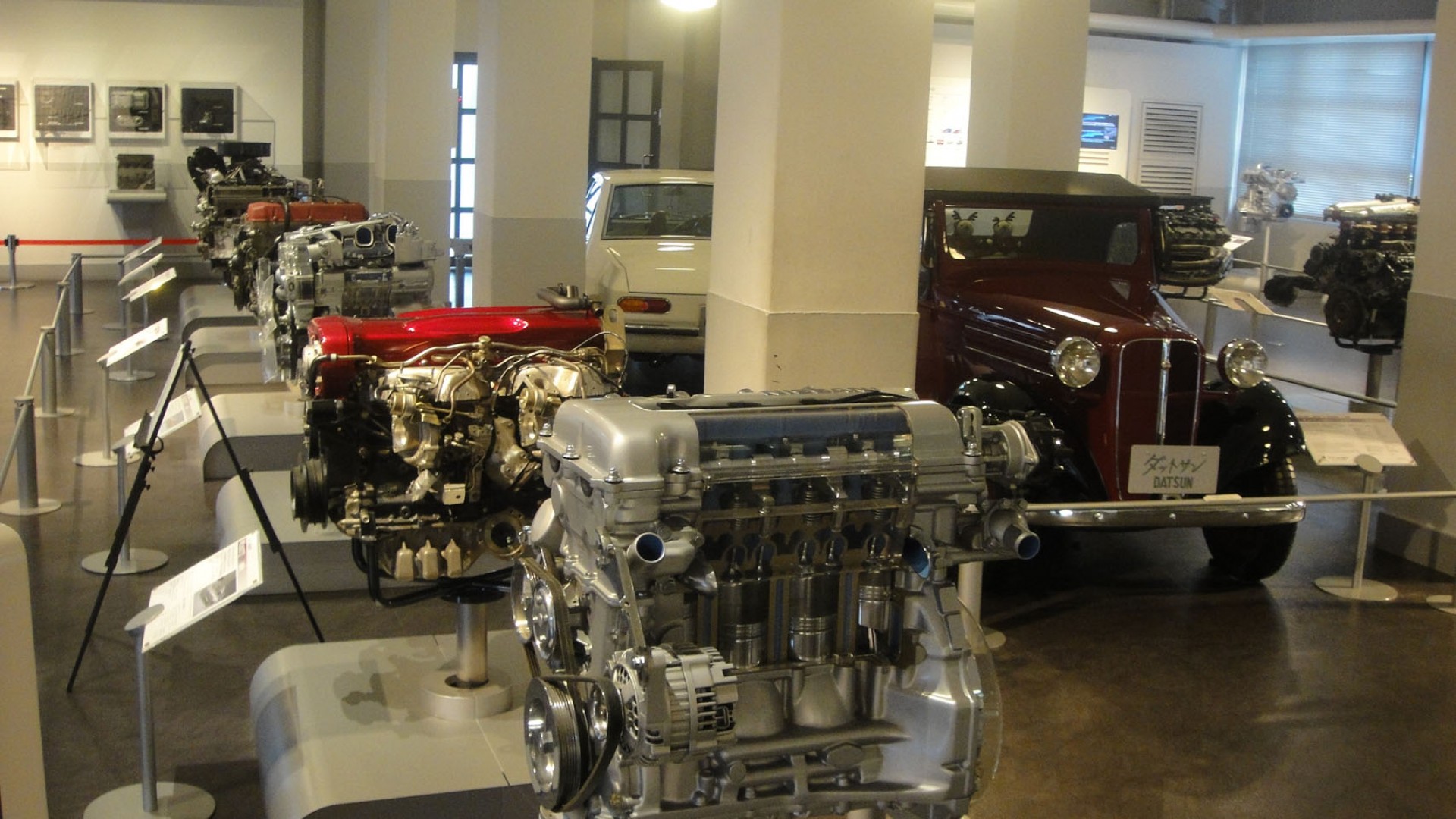
From their collection of roughly 200 engines, the Nissan Engine Museum permanently displays 28 engines representing Nissan Motor Company, allowing visitors to view engines from throughout Nissan's history and the very engines that made strides in racing. The museum building itself originated as Building No. 1 of the Yokohama Plant in 1934, which served as the company headquarters until its relocation to Ginza, Tokyo, in 1968. The building was designated as a Historic Building by Yokohama City in 2002 and was recognized as a Modern Industrial Heritage Site by the Ministry of Economy, Trade and Industry in 2007.

Culture & Arts Tokaido Koshu kaido KANAGAWA
Kannonzaki Prefectural Lighthouse

Kannonzaki Prefectural Lighthouse

The Kannonsaki Lighthouse is Japan's first Western-style lighthouse, designed by the Frenchman, F.L. Verny. He was invited in 1977 from his home country as a foreign engineer and pioneer of Western culture in Japan. The lighthouse collapsed later in an earthquake and was rebuilt, with the current being the third version. Located in the scenic Kannonsaki Park, it features views of boats sailing in Tokyo Bay, as well as the Boso Peninsula on the opposite shore. The lighthouse has an exhibition and reference room, where valuable materials such as lighthouse lenses are displayed. Please contact Tokokai for any inquiries (see website).

Experience & Activities Tokaido Koshu kaido KANAGAWA
Kannonzaki Park

Kannonzaki Park

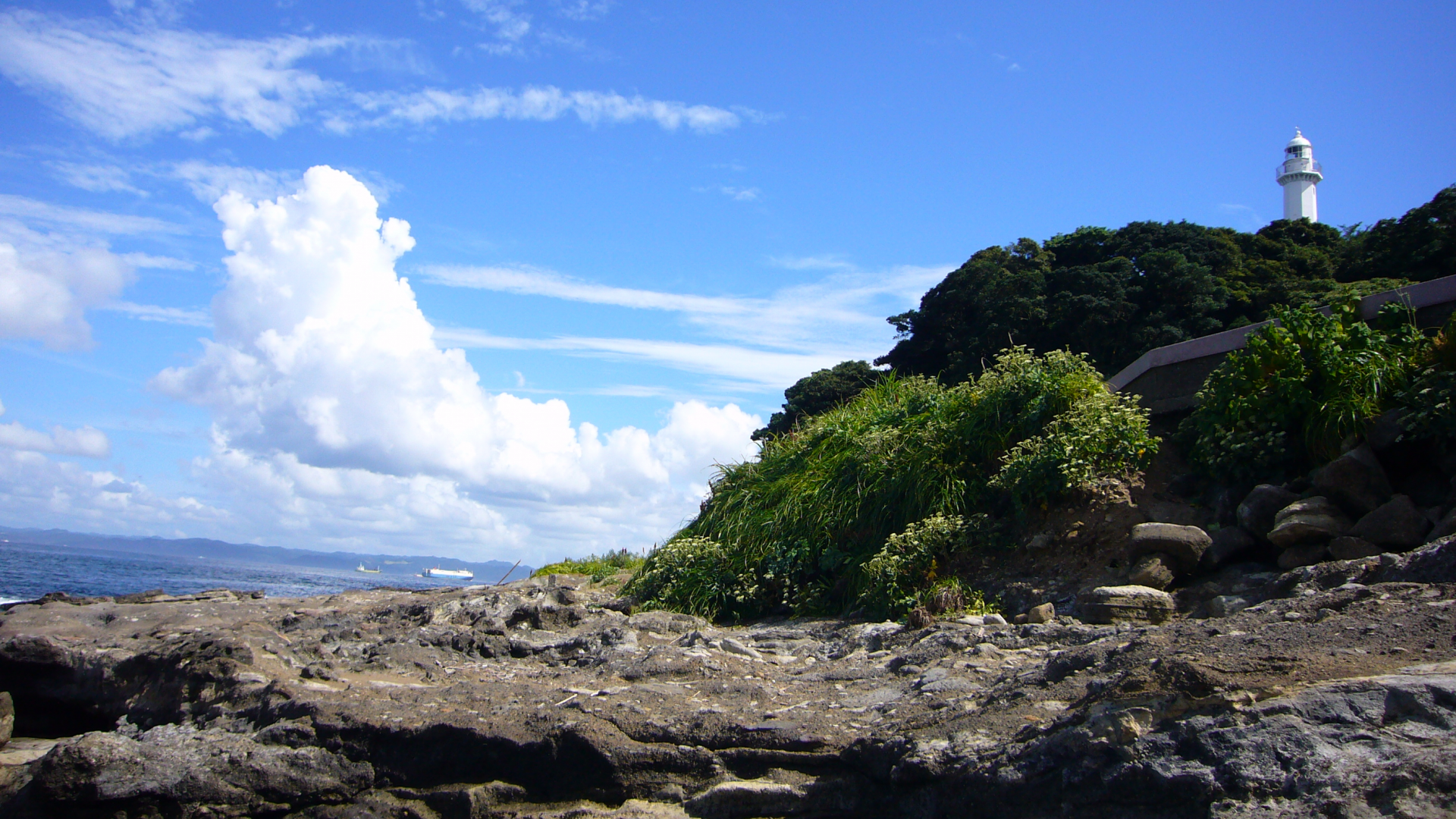
The prefectural Kannonzaki Park extends to almost all of Kannonzaki, sticking out Tokyo Bay. You can enjoy various kinds of activities such as watching coming and going ships, or walking in the forest. There are many tourist attractions around this park. For example, Kannonzaki Lighthouse which is the first western style lighthouse in Japan, Kannonzaki Nature Museum which displays the forest, river, sea, or other nature in Tokyo Bay, and finally the Yokosuka Museum of Art that displays arts of Yokosuka's ocean and Miura Pensinsula.

Nature & Views Tokaido Koshu kaido KANAGAWA
Oi Matsuda Horse Riding Club

Oi Matsuda Horse Riding Club

Founded in 1972, the Oi Matsuda Horse Riding Club has a long history of fostering countless numbers of horse riding champions and horse lovers. We provide lessons not only for equine competitions but also for beginners, as well as for people who want to keep fit. We also provide trial lessons and serious training lessons regularly. Oi Matsuda Horse Riding Club can be enjoyed by all people, from beginners to experienced riders.

Experience & Activities Tokaido Koshu kaido KANAGAWA
Oyama-dera Temple

Oyama-dera Temple

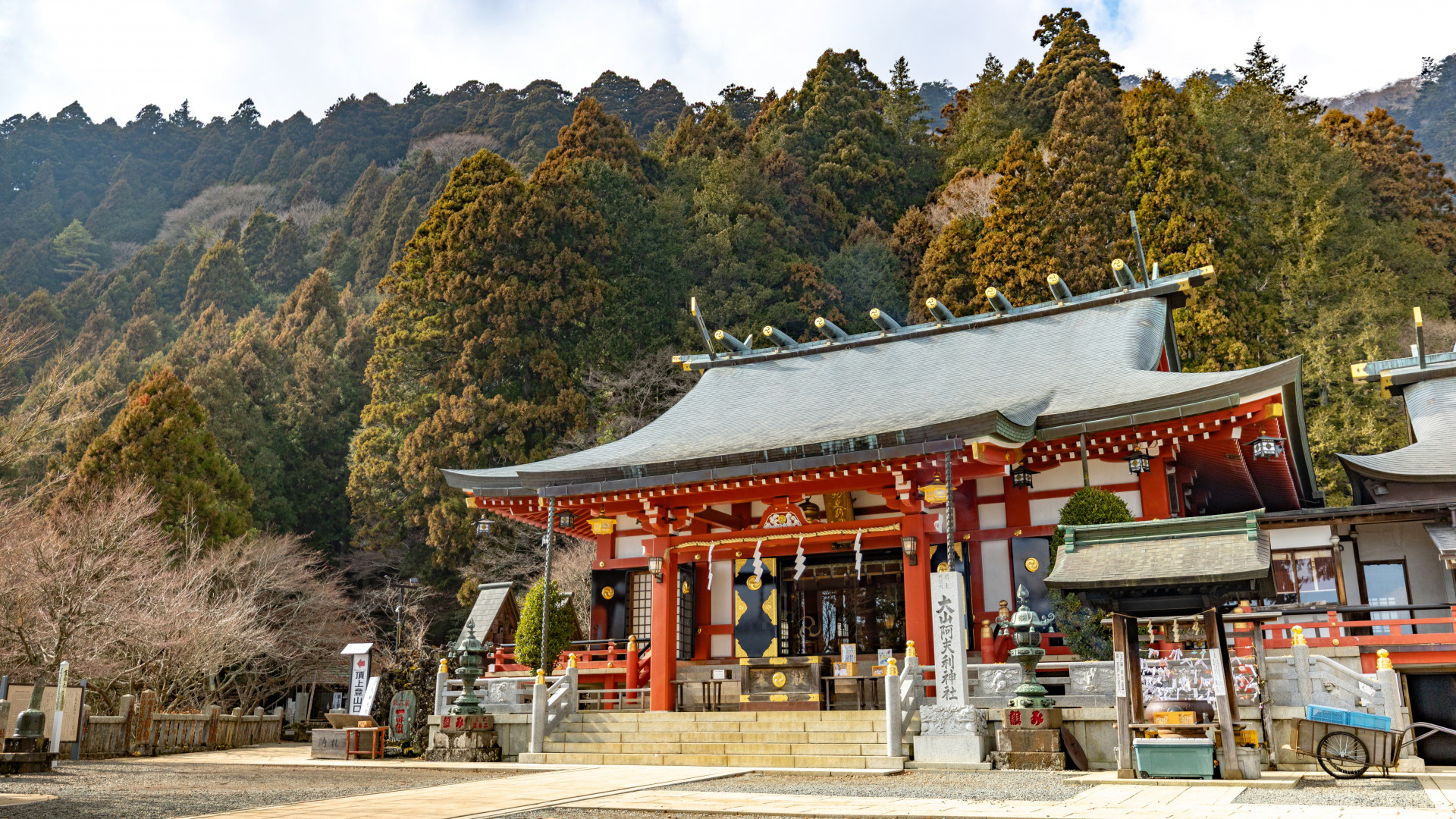
Known affectionately as "Fudo-san in Oyama," this is one of the three major fudo in the Kanto region. It is also the first of the 36 fudo (immovable buddhas) in the Kanto region. The temple was founded in 755 by Priest Rouben, who was a separate head priest of Todaiji Temple in Nara. The main image of Fudo Myoo, an iron statue of Fudo Myoo, and Nidoko (two children) are designated as national important cultural properties. In November, the leaves in front of the gate change color and are illuminated, creating a different atmosphere than seen during the daytime.Observe the autumn leaves along the temple’s tree-lined steps or ride the cable car to the summit for spectacular aerial views. For a different perspective, visit the temple at night when the autumn colors and grounds are illuminated.

Temples & Shrines Tokaido Koshu kaido KANAGAWA
Kanagawa Prefectural Hadano Togawa Park

Kanagawa Prefectural Hadano Togawa Park

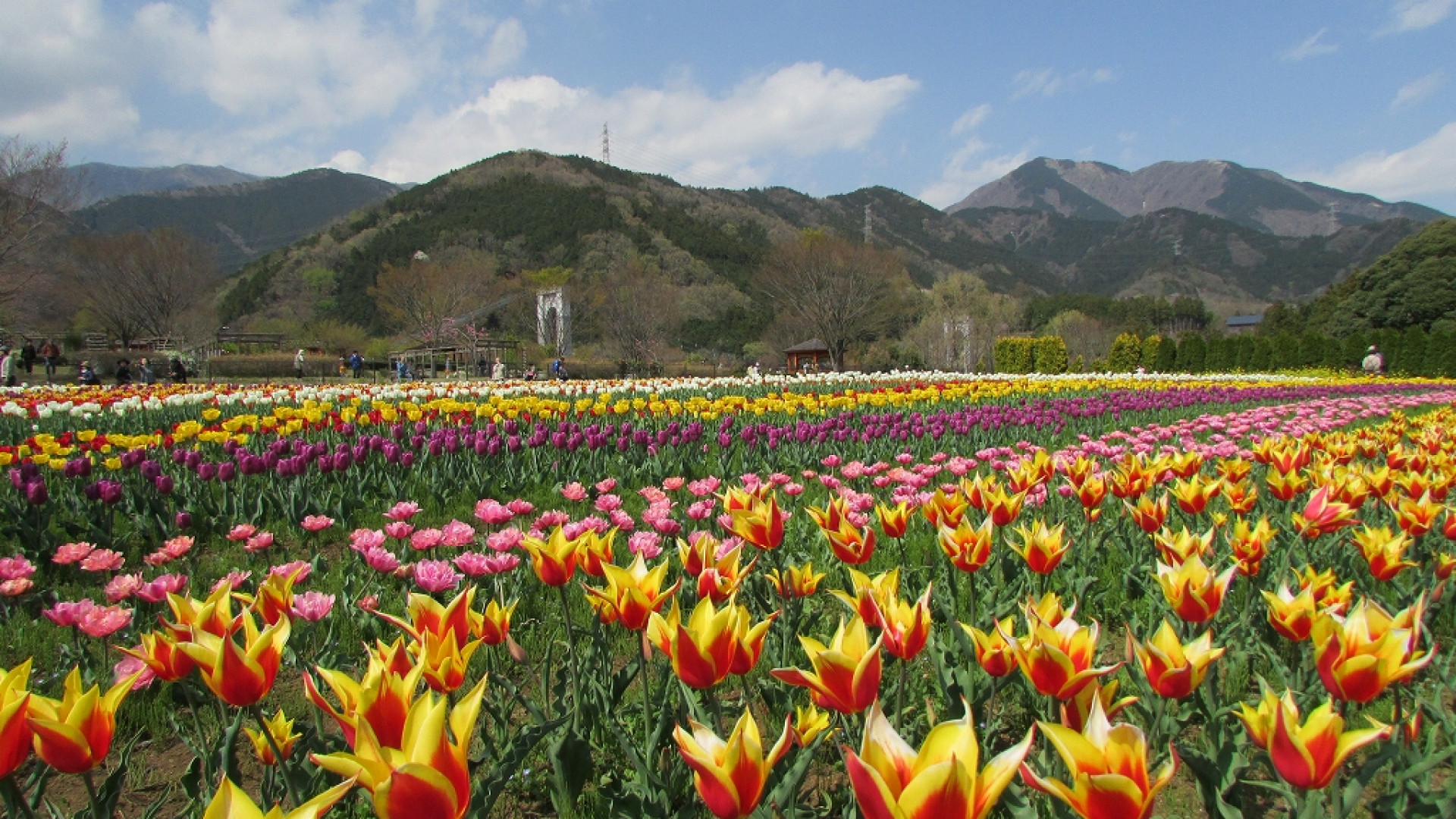
Hadano Tokawa Park is a city park that showcases the nature of the Mizunashi River that flows from the mountains of Tanzawa. There is a barbeque site where you can also enjoy playing in the river against the stunning backdrop of the Tanzawa mountain ranges. There is also a tea room where you can enjoy matcha and Japanese sweets while looking out at the Japanese garden. You can look out across the majority of the park from its Wind Suspension Bridge. The various flowers in the park can be enjoyed throughout the year, with tulips in spring, sunflowers in summer, and cosmos in autumn, as well as the autumn leaves.

Nature & Views Koshu kaido Tokaido KANAGAWA
Kibune Festival

Kibune Festival

Kibune Shrine’s Kibune Festival, set in Manazuru, is considered one of Japan’s three major ship festivals and occurs annually in late July. It is designated as an Important Intangible Folk Cultural Property.During this two-day event, numerous boats—including one carrying a mikoshi (portable shrine)—are adorned with vibrant flower decorations and towed by oar-operated boats called Kaidenma in Manazuru Port. Both the daytime and illuminated nighttime visuals, which are accompanied by traditional songs and instruments, are mesmerizing. Manazuru celebrates this festival for prosperity in fishing and good health.The festival also features traditional Kashima dancing and mikoshi processions. It is a unique cultural experience you won’t want to miss!

Culture & Arts Tokaido Koshu kaido KANAGAWA