

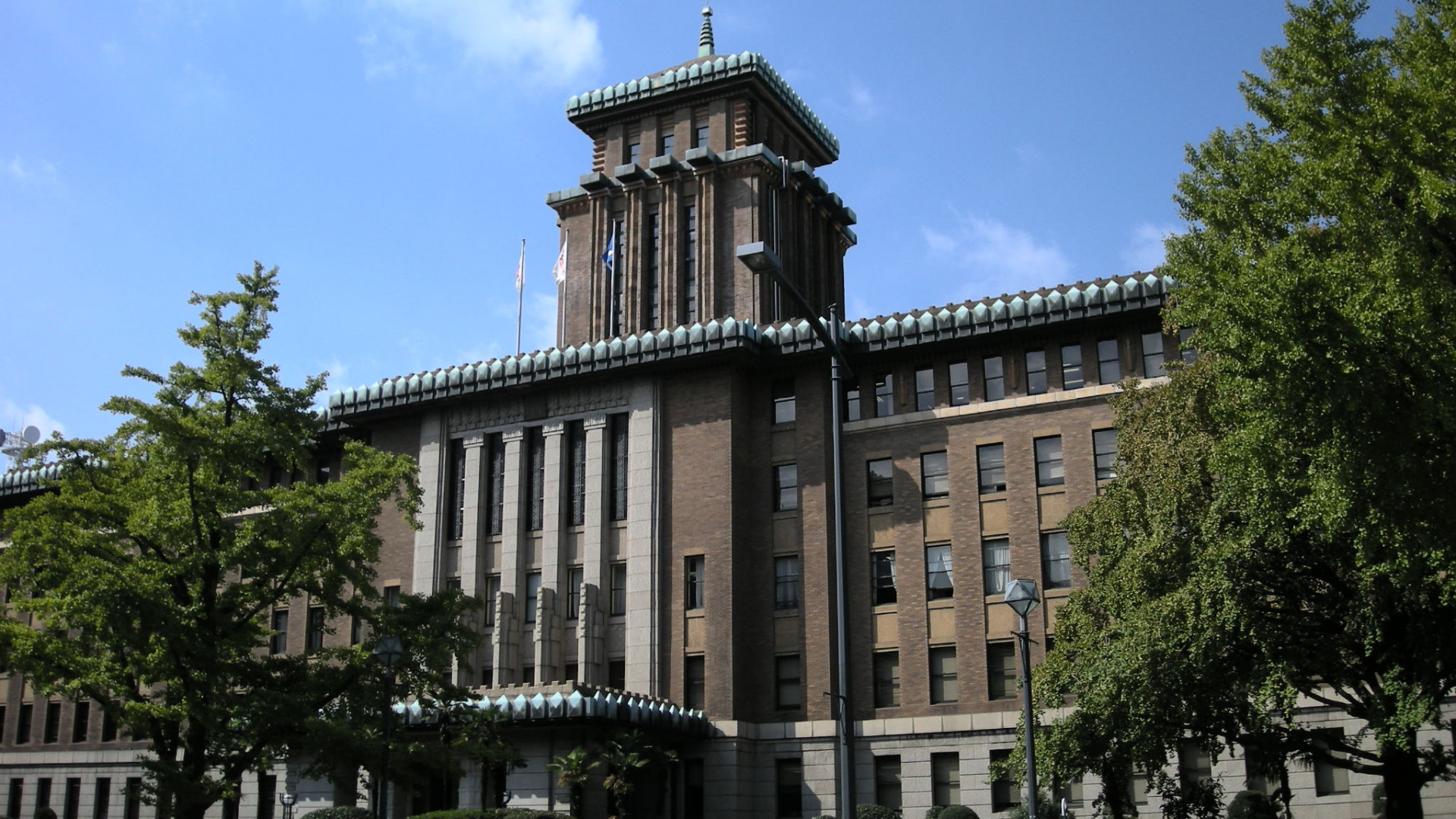
Kanagawa Prefectural Government’s Office (King’s Tower)
Enjoy a video and light display projected on the ground at the Shinko Chuo Hiroba, along with a special program that integrates the surrounding buildings in a light show.
Total: 1140 items
Enjoy a video and light display projected on the ground at the Shinko Chuo Hiroba, along with a special program that integrates the surrounding buildings in a light show.
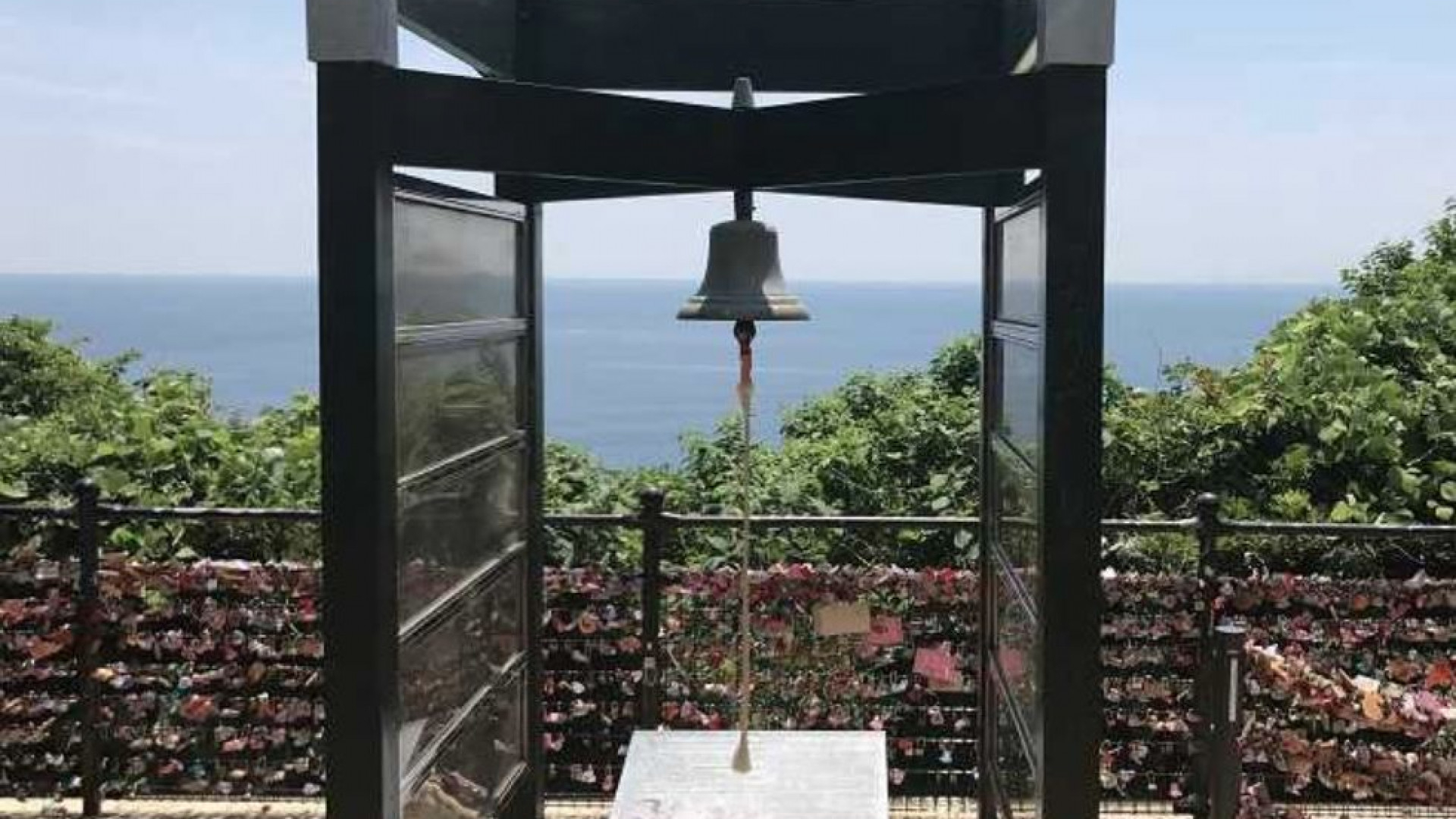
This bell was crafted based on the Enoshima love story of the celestial maiden and the five-headed dragon. Young people and couples visit to ring the bell in hopes to share in the legend's fortune. The fence underneath the bell is covered with countless padlocks attached by lovers. To top it off, the view from the bell is spectacular, and on clear days, you can see as far as Izu Oshima.
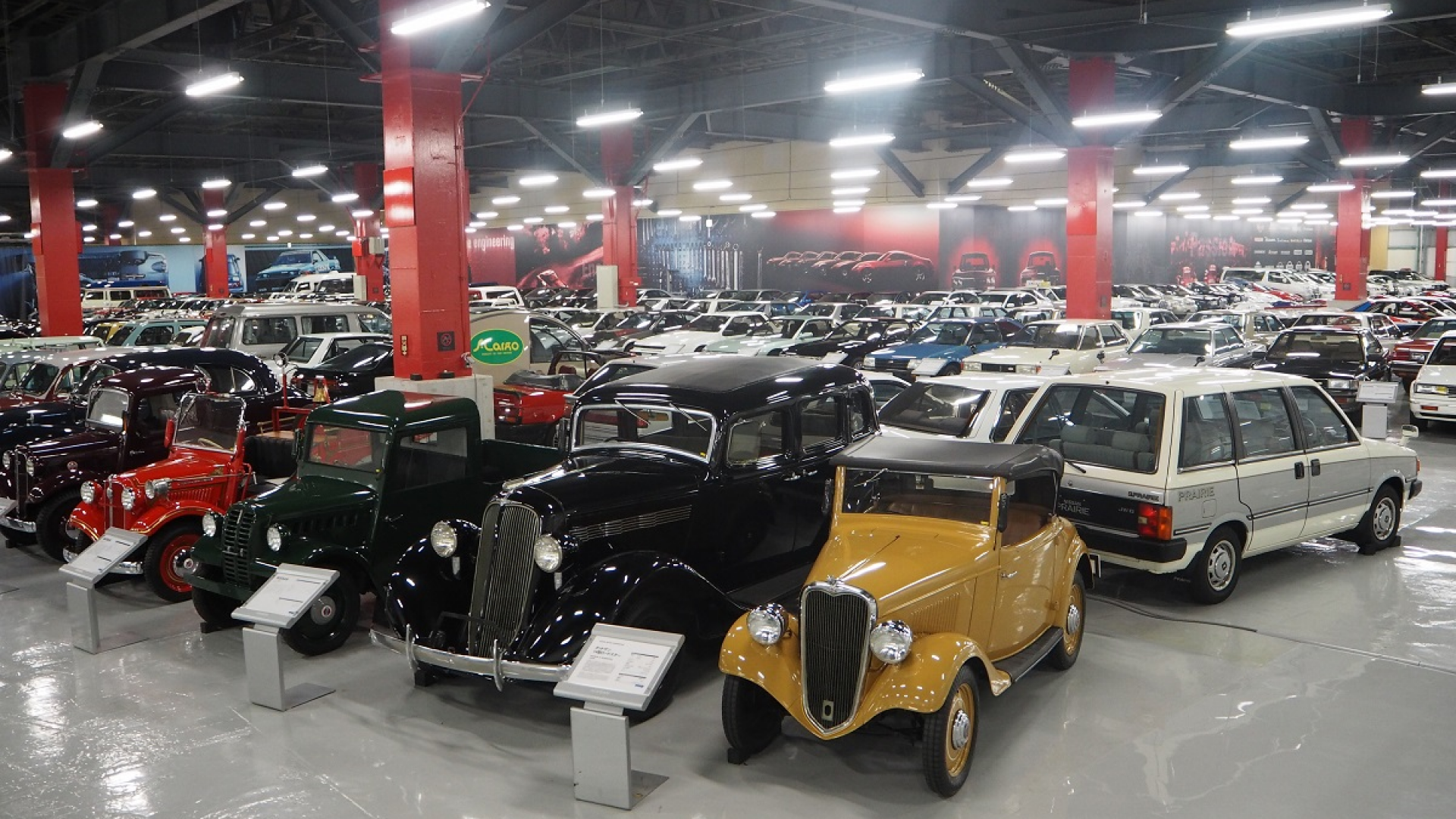
The tour includes the viewing of historic and valuable Nissan cars. There are old cars from the 1930s, like production cars, historic race cars, Nissan street motorcycles, off-road vehicles, and other vintage vehicles. The museum owns around 400 memorial vehicles, with 300 of them on display. ・No smoking in the building ・Do not take photos of the building outside ・Try not to touch the cars. (If you want to touch, please notify a staff) ・Japanese only
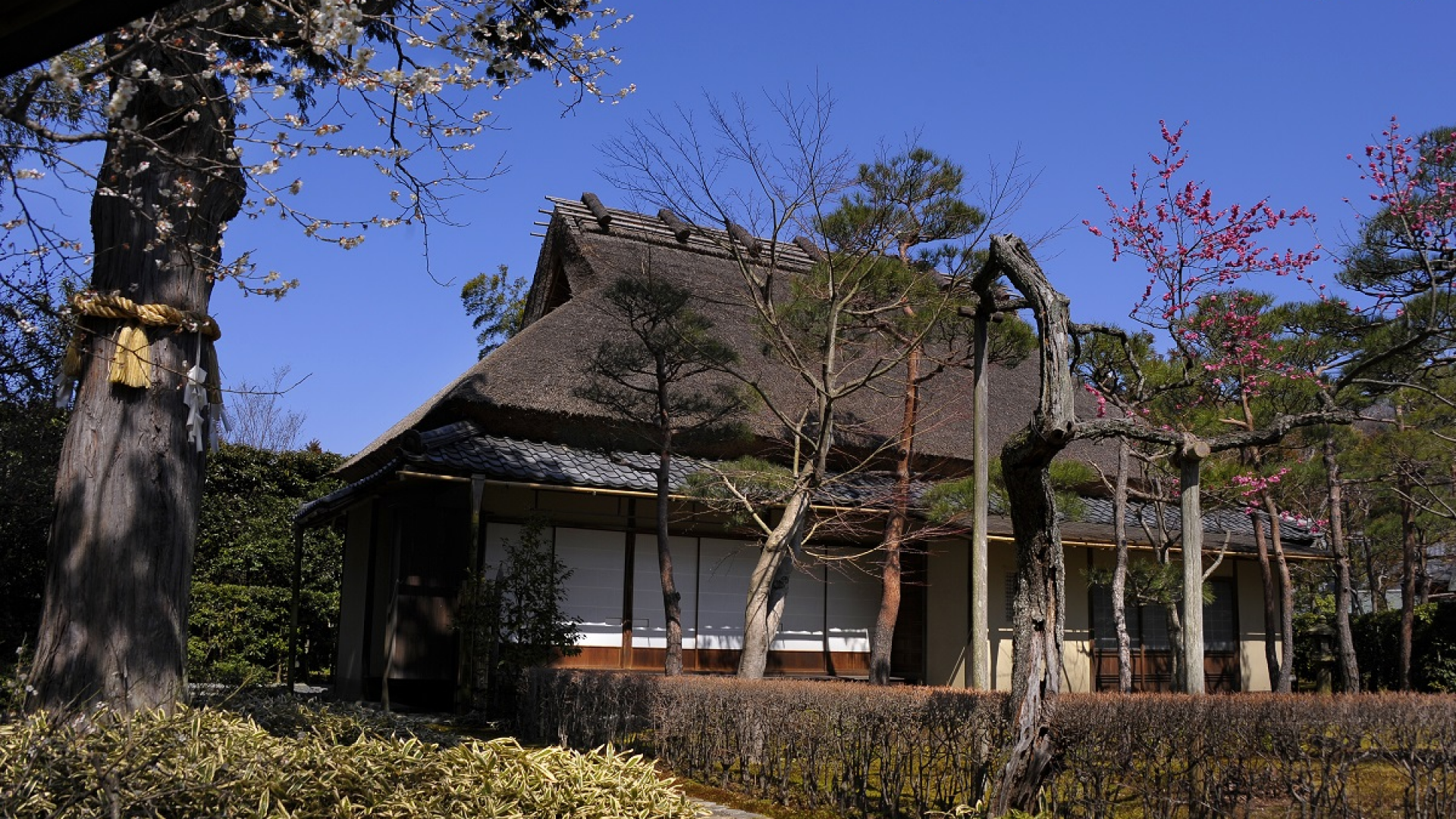
Ichijo Ekan Sanso Villa, a nationall designated Important Cultural Property villa with sukiya-style architecture, is surrounded by its beautiful garden, a space where hydrangeas, autumn foliage, red pines, and moss thrive. With the murmuring of the Nameri River flowing nearby and the chirping of wild birds, it is a lush Japanese garden where you can enjoy Japan's four seasons with all five senses. There is also a cafe within the garden where you can enjoy seasonal Japanese sweets. Tours of the villa are held regularly (advance reservations required so please check the website).
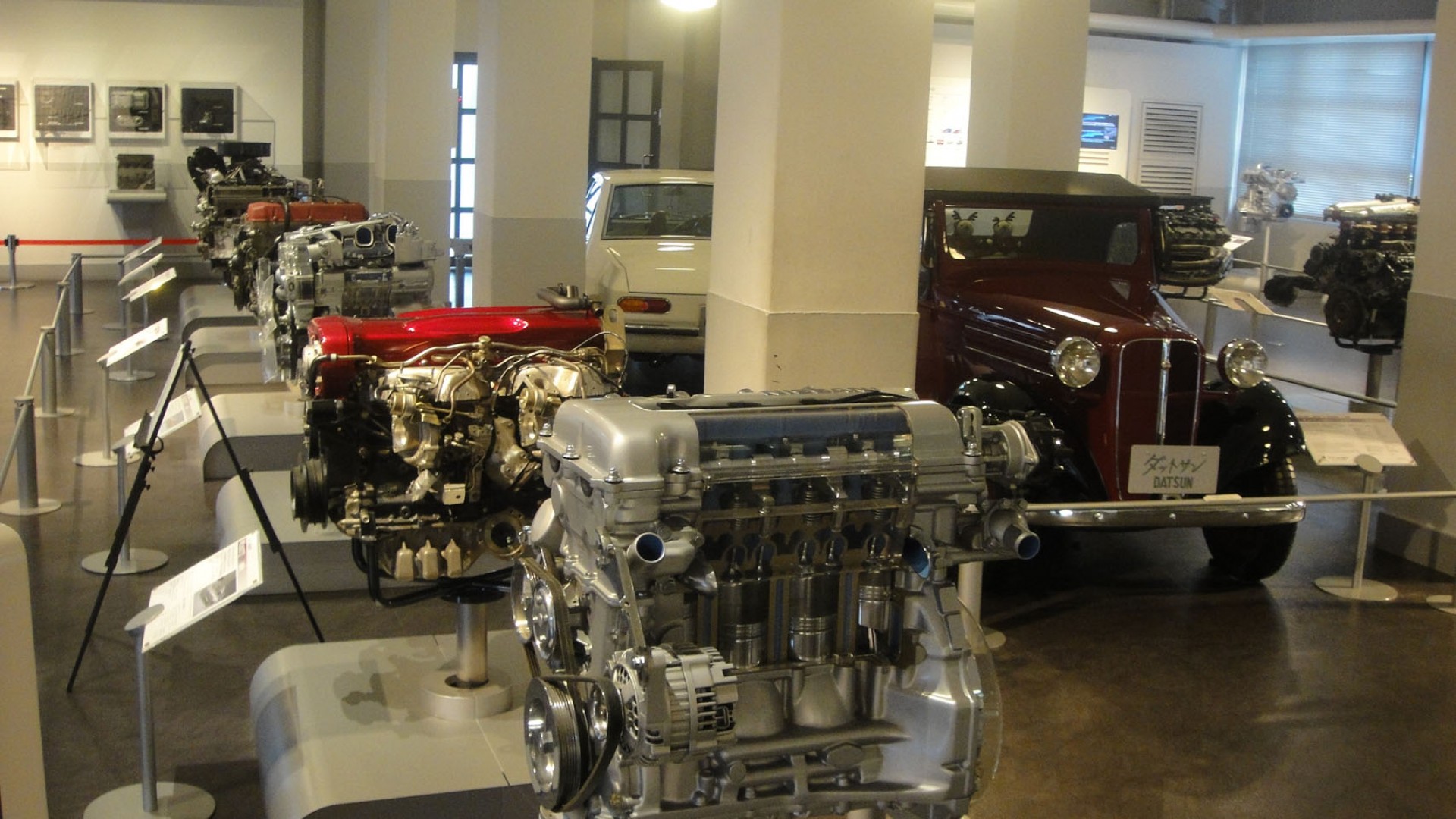
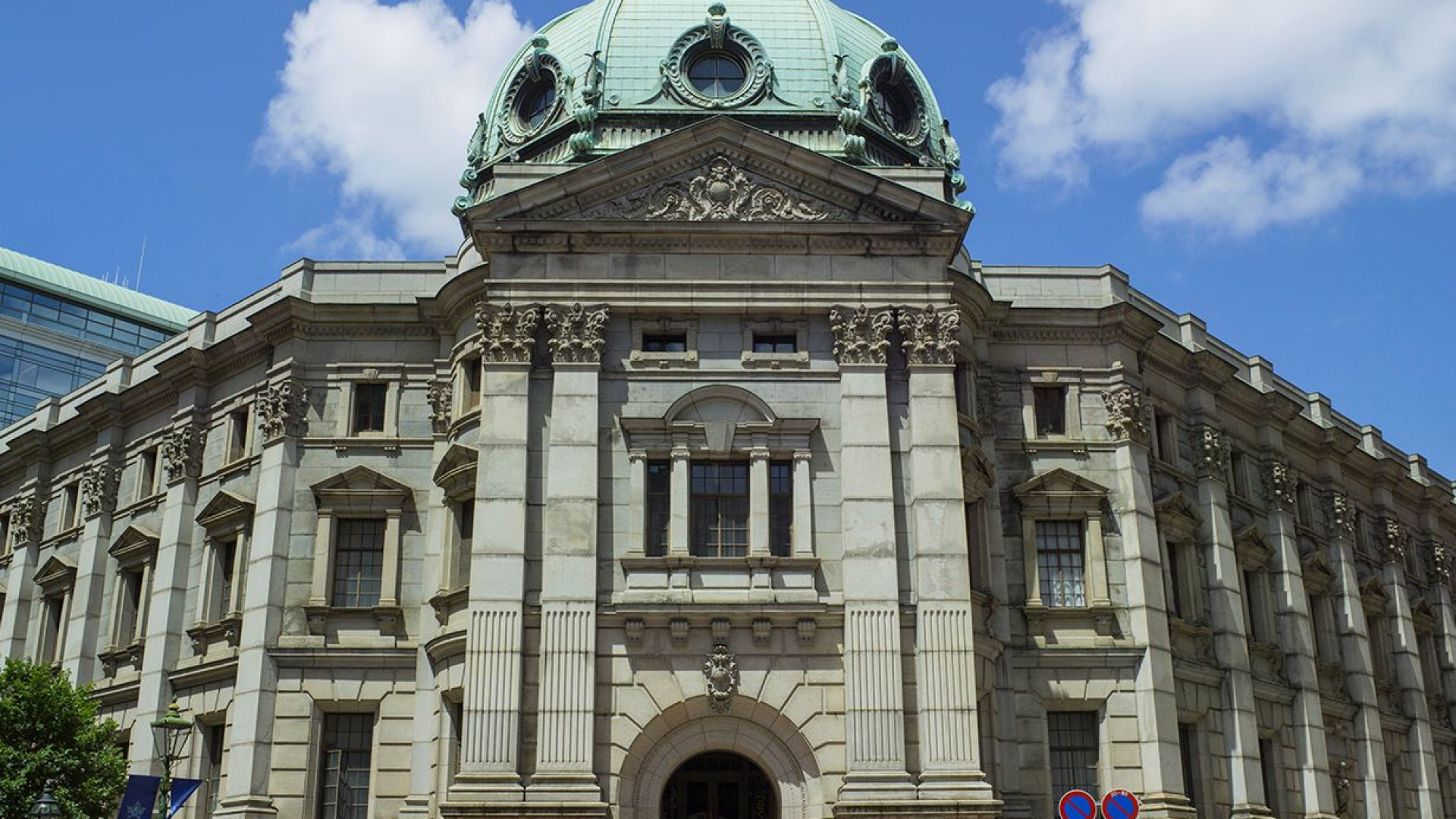
From their collection of roughly 200 engines, the Nissan Engine Museum permanently displays 28 engines representing Nissan Motor Company, allowing visitors to view engines from throughout Nissan's history and the very engines that made strides in racing. The museum building itself originated as Building No. 1 of the Yokohama Plant in 1934, which served as the company headquarters until its relocation to Ginza, Tokyo, in 1968. The building was designated as a Historic Building by Yokohama City in 2002 and was recognized as a Modern Industrial Heritage Site by the Ministry of Economy, Trade and Industry in 2007.
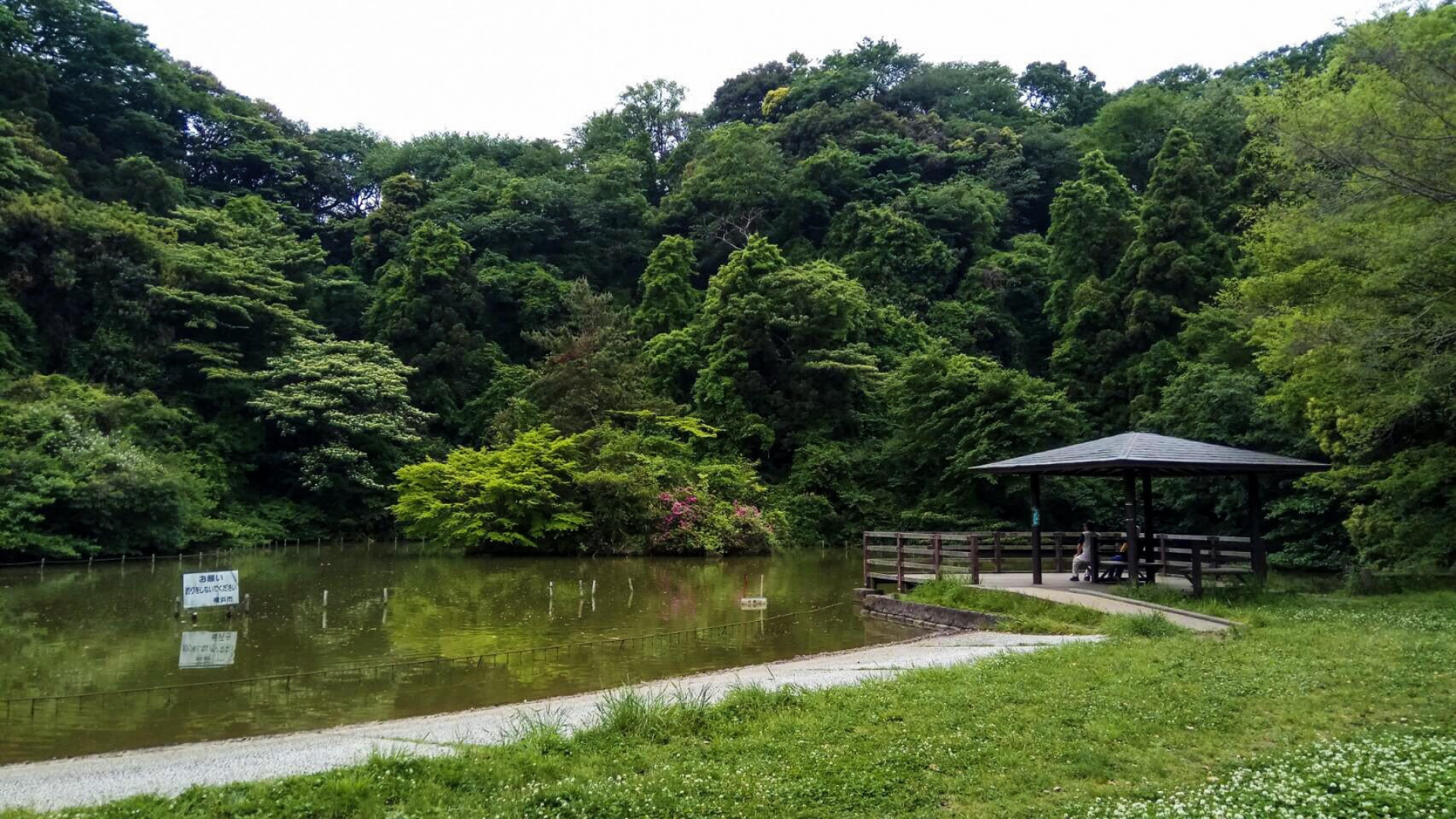
This is a quiet little pond located in Noukendo Green. It is said to be visited by birds such as kingfishers.
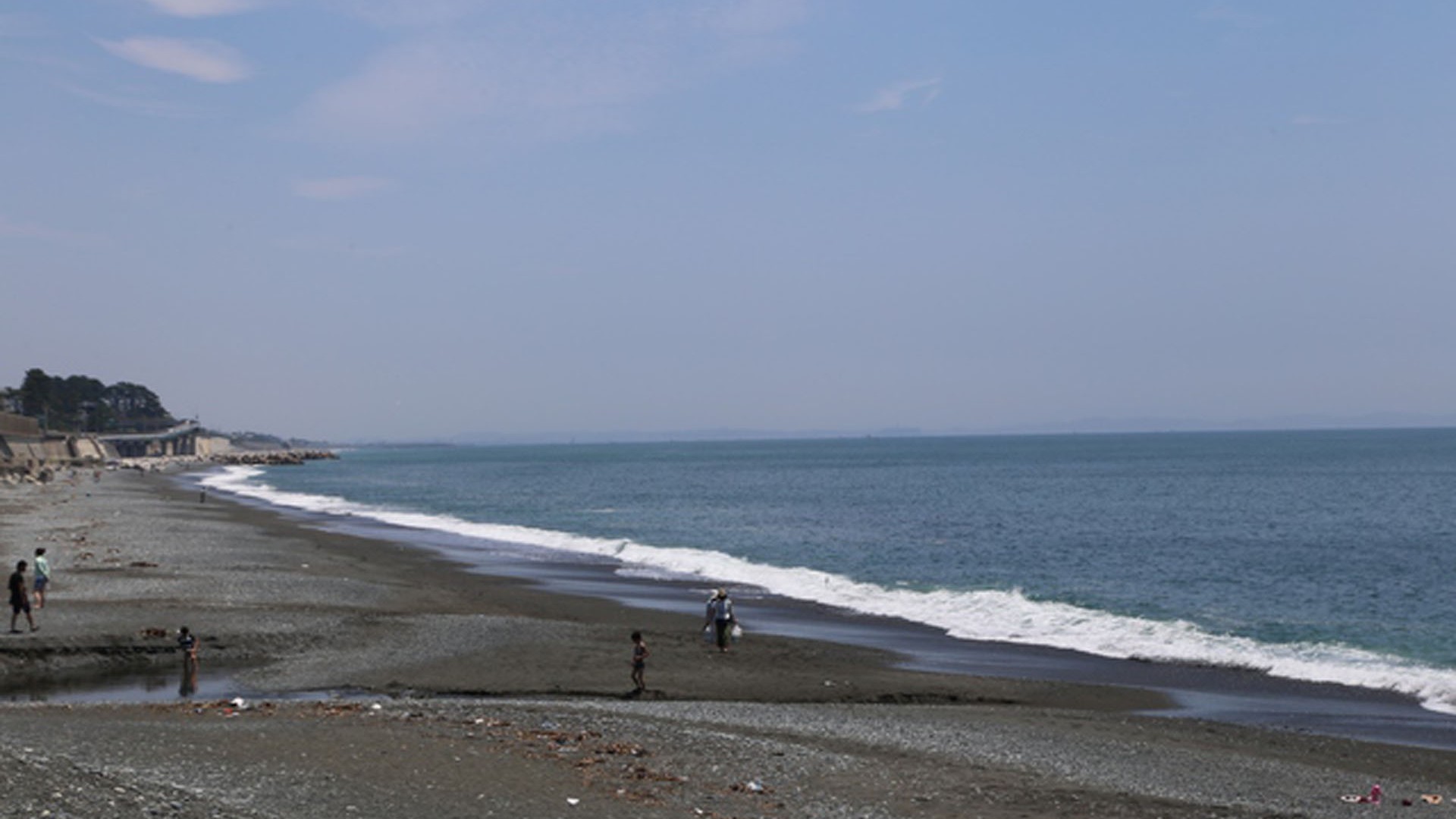
This beach is located in Ninomiya Town, Kanagawa Prefecture. Enjoy a dragnet fishing experience at Sodegaura Beach, just a 7 minute walk from Ninomiya Station on the JR Tokaido Line. Thanks to its prime location, this dragnet fishing experience is widely used for company and community events, hands-on learning, and school trips. We provide thorough explanations so that even first-time visitors can feel at ease. It's as simple as pulling a rope in tug-of-war, making for an enjoyable experience from children to adults. The real excitement lies in the sheer wonder as to what could be inside as the net is pulled ashore. Participants can even directly touch marine life caught in the net, offering a valuable learning experience about biology, nature, and diet. The "come-as-you-are BBQ" plan is also extremely popular, featuring delicious Shonan Shirasu (whitebait)♪
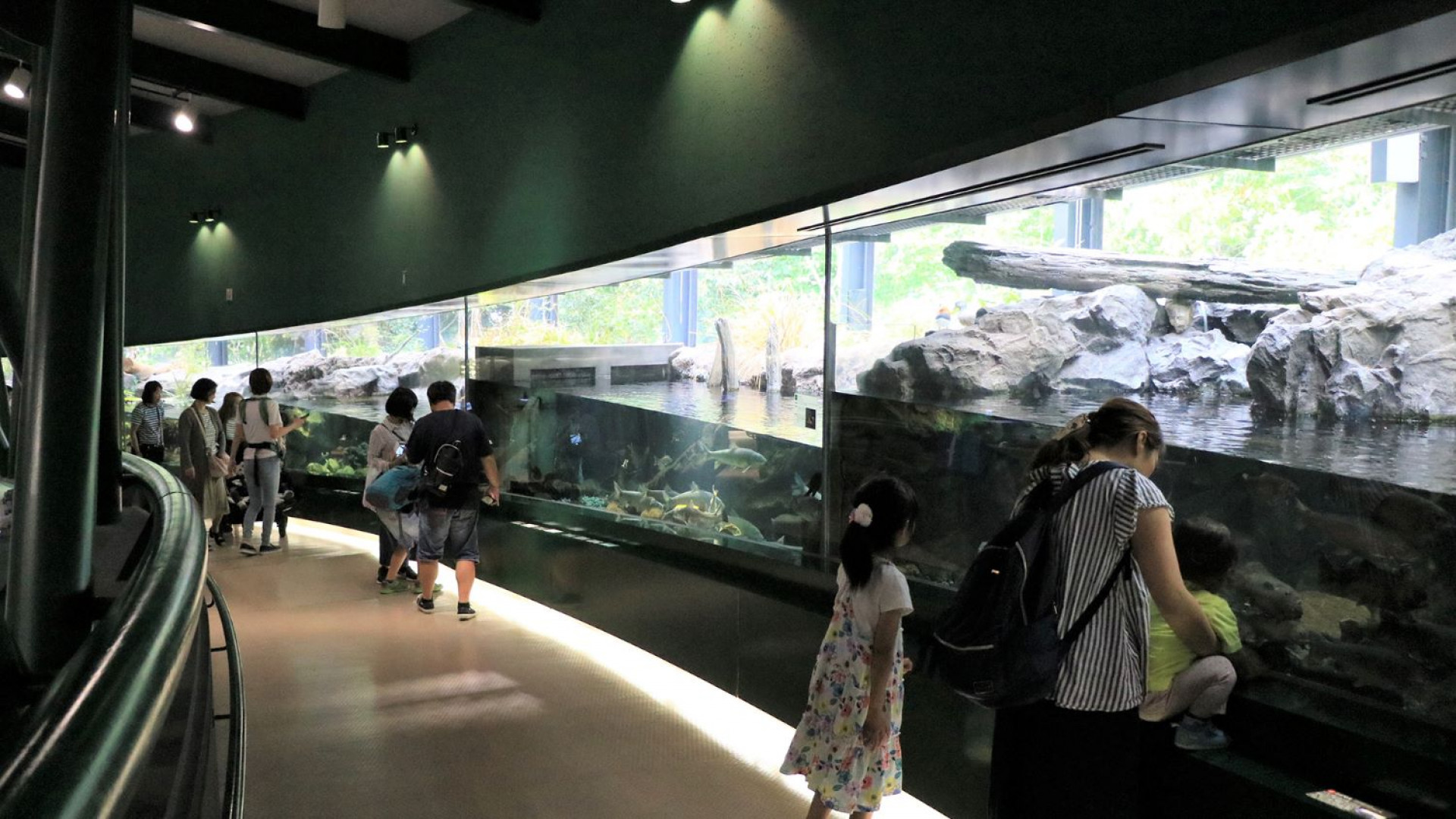
Sagami River Fureai Science Museum Aquarium Sagamihara is an aquarium that mainly exhibits creatures that inhabit the Sagami River. Children and adults alike can enjoy the "flow aquarium," which recreates the Sagami River from upstream to the mouth, the "walking water tank," where you can observe the fish swimming at your feet, and the "fish with food," where you can feed the fish. Guided tours and workshops are also available!
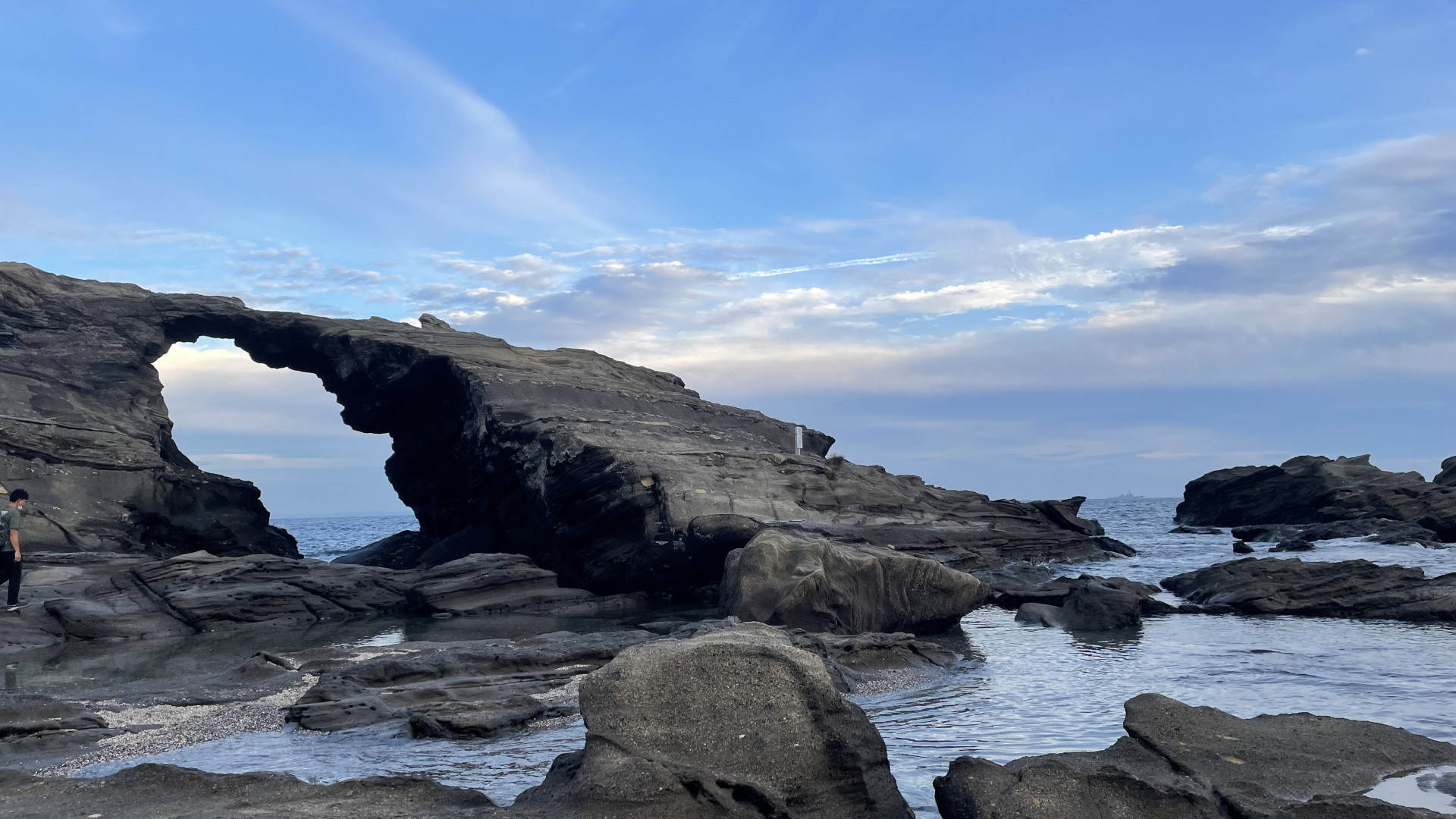
The island has been listed as a two-star destination in the revised third edition of Michelin Green Guide Japan. It has many scenic spots, with the southern hiking course offering views of the majestic Pacific Ocean and the strangely-shaped rock ‘Horseback Cave Mouth', while on the western part of the island, you can see views of Mt. Fuji over Sagami Bay. In addition, about 700,000 double-flowered daffodils planted all over the island are at their best from mid-January to early February.The southern part of Joagashima features untouched nature. Jagged cliffs hang over the white and blue waves, creating a remarkable landscape. It is also home to hiking trails and is a dream site for hikers and photographers alike. On the south side of the island you can find Jogashima Park. The park has an observatory, a picnic area, and a 16-meter-tall green lighthouse with a vegetable motif, the Awasaki Lighthouse. The gorgeous cliffs make a perfect place for hiking and resting.Jogashima is a wonderful place to visit at any time of the year. In particular, from mid-January to mid-February, approximately 700,000 double-layered daffodils are in full bloom. You can also observe the Japanese cormorant, which is designated a protected species by Kanagawa Prefecture.
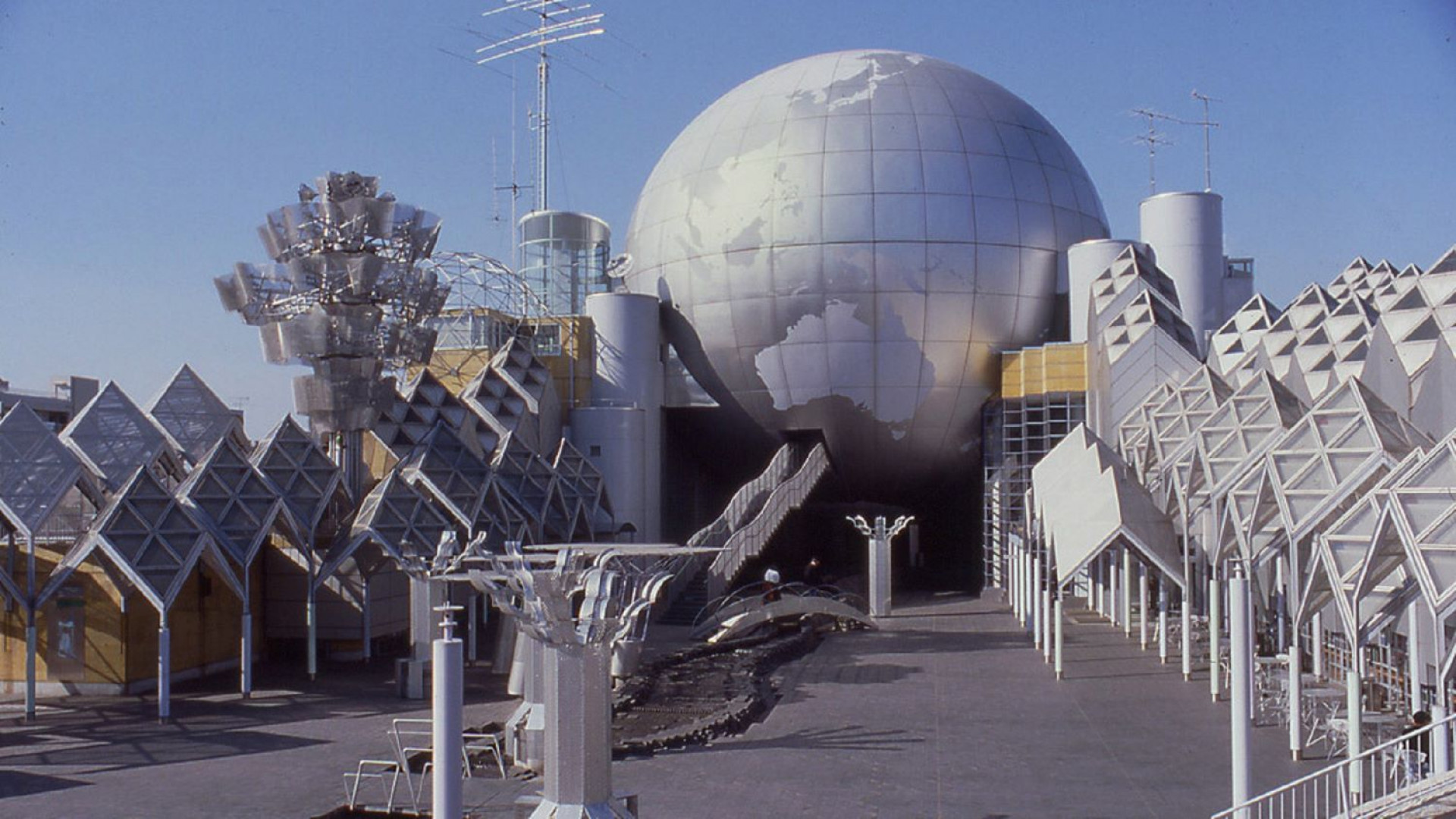
The Shonandai Cultural Center is a large facility with unique buildings such as a large globe, a civic theater and children's hall, and a community center. The children's museum has an exhibition hall where children can learn hands-on while having fun playing with toys from around the world and ethnic musical instruments. We also offer a planetarium with live commentary, a “space theater” with realistic full-dome movies, and a workshop room where many workshops are held.
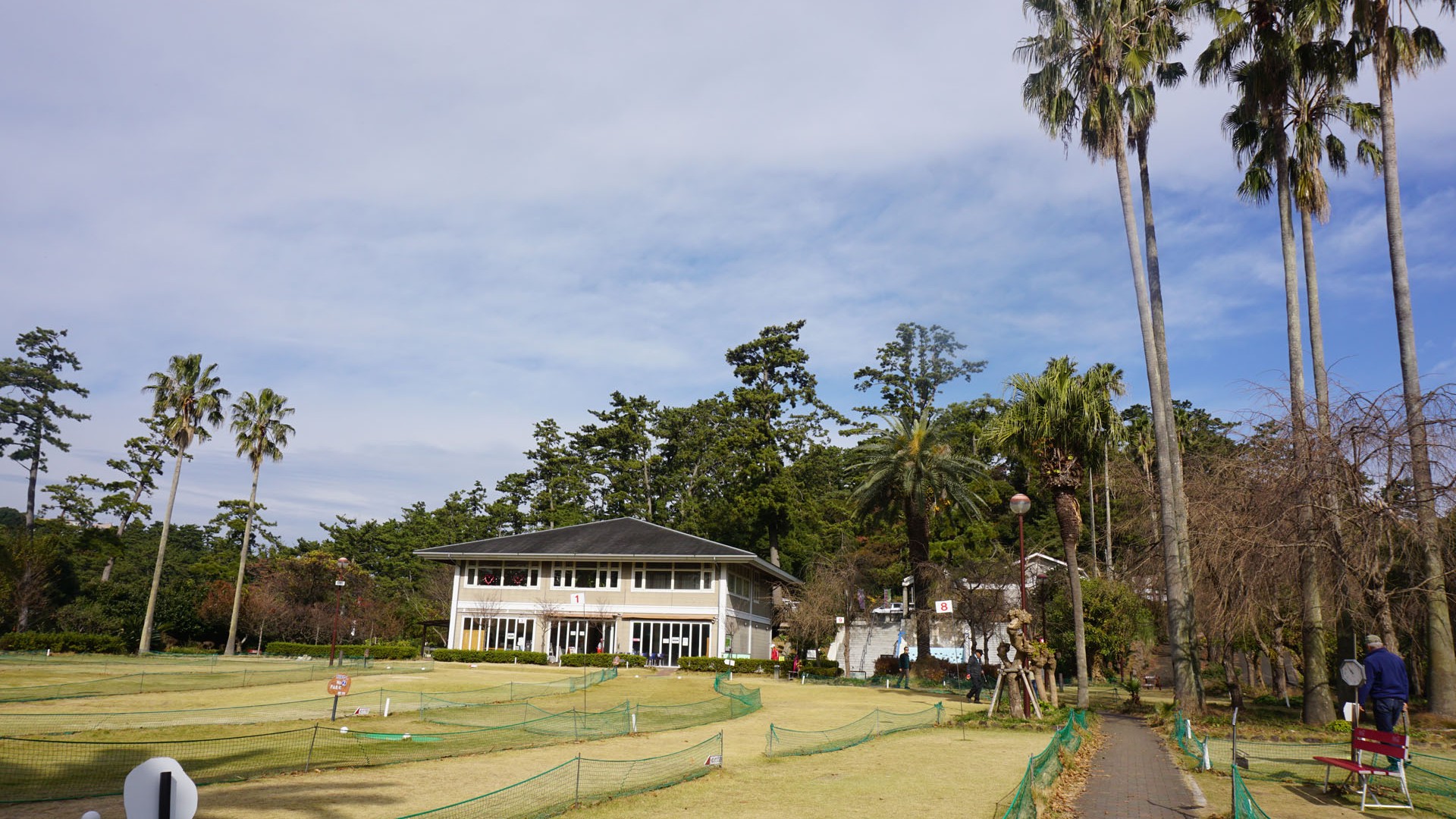
In the park, there’s a golf course and a barbecue pit where everyone young and old can enjoy themselves. At the tip of the park, there is an observatory where you can enjoy a view of Hatsushima island and Oshima island.
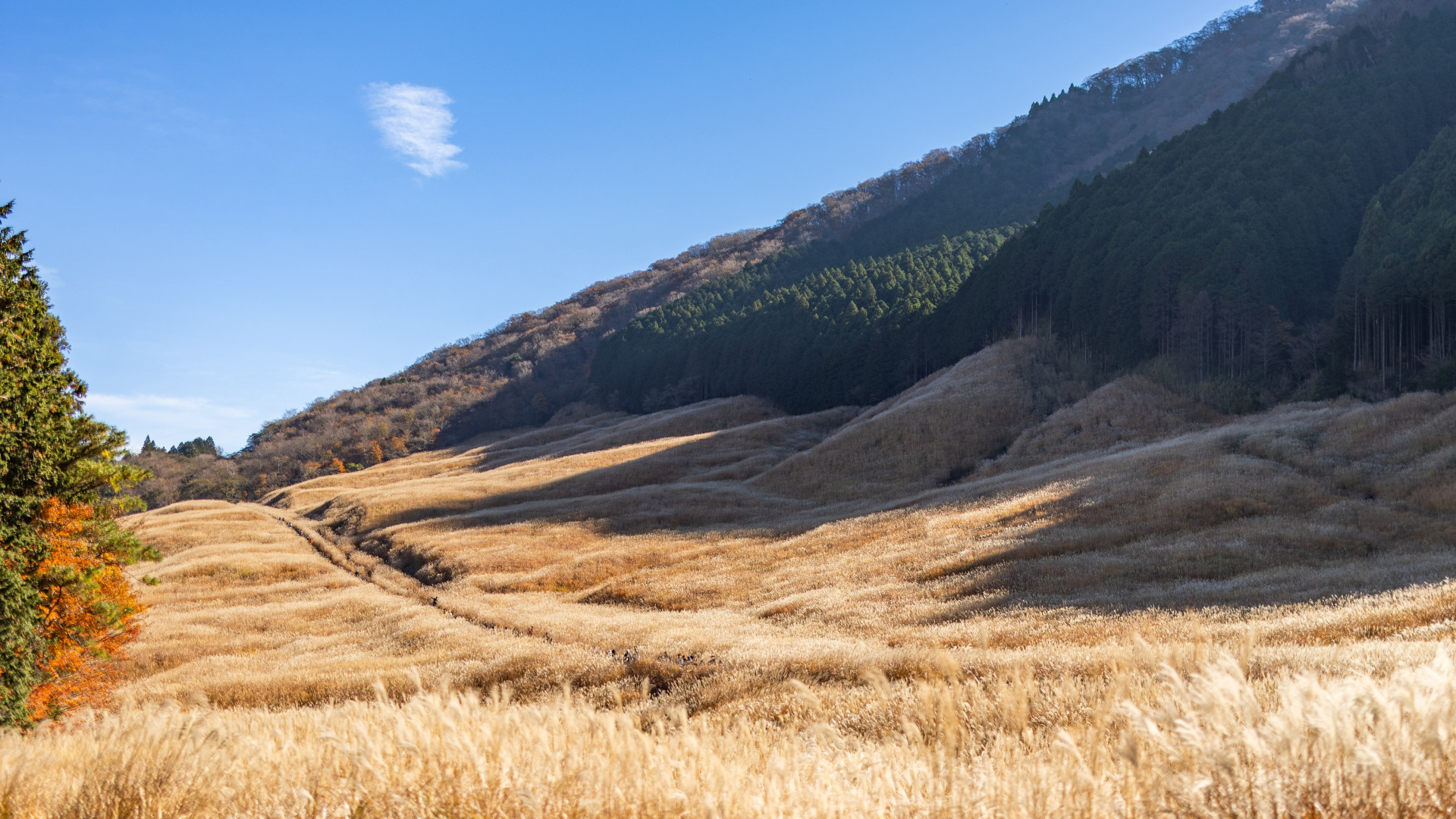
The Sengokuhara Silver Grass Plains is prided as one of the best in the Kanto Region. Stretching until the vicinity of the southern foot of Mount Kintoki and the northwestern foot of Mount Daigatake, the glimmering Silver Grass Plant Community is one of the sceneries representing Hakone in autumn. It is listed as one of the “Top 50 Scenic Spots in Kanagawa” and “Top 100 Flower Places in Kanagawa” and attracts many tourists every year.During the afternoon hours, when the sun is hidden behind the mountains, the silver grass is illuminated by the sun, creating a golden meadow. There is also a light up event for a limited time. For more information, please check the Hakone Town website.
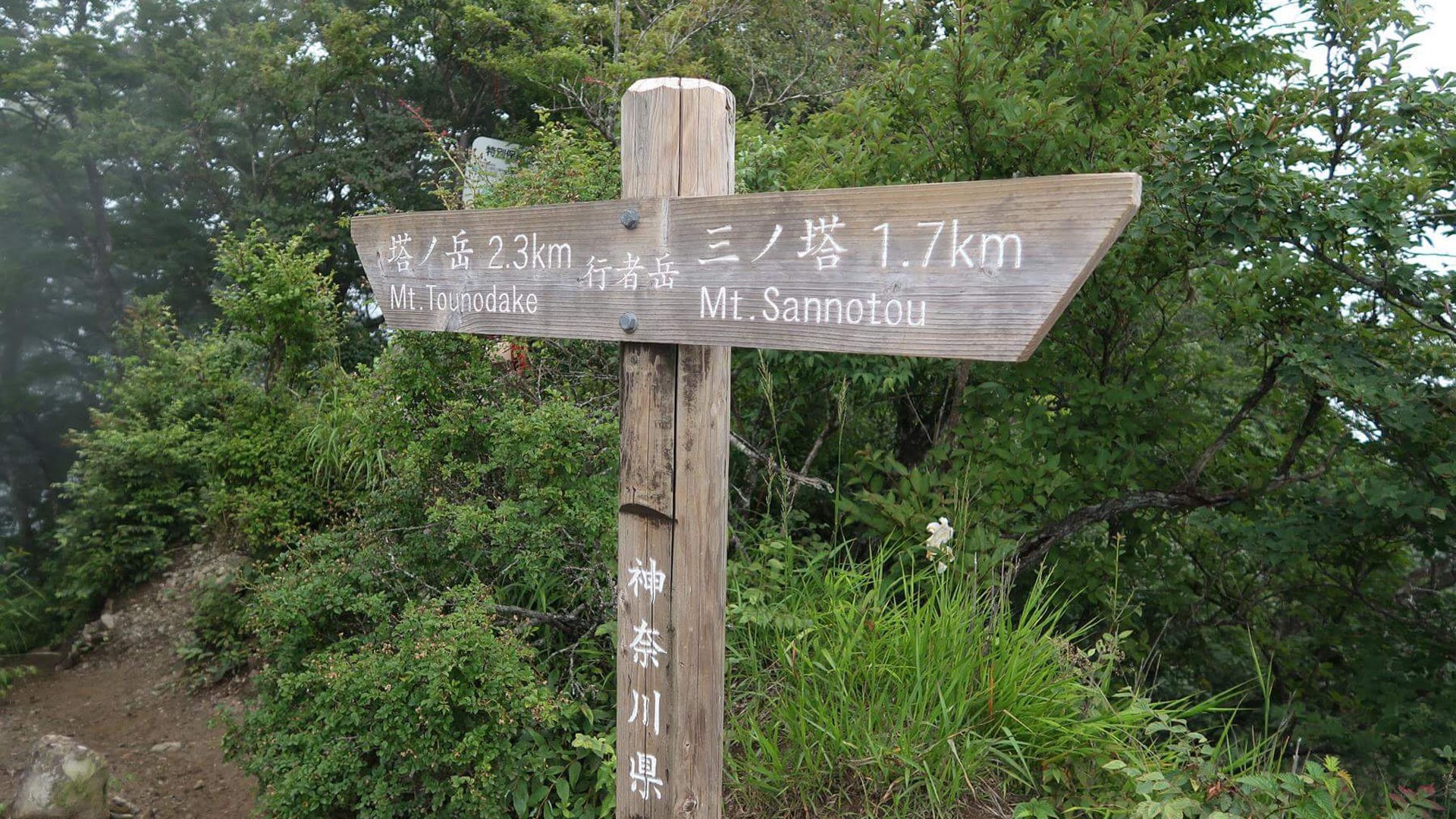
From the summit, you can enjoy a panoramic view of the Omoteone mountain range and Mount Fuji. There is a rest area and restroom at the summit.Please use the "Tanzawa Omote Ridge Traverse Course" as a reference and plan your hike accordingly.Early morning trekking allows you to enjoy a special experience with fewer people and clear air.
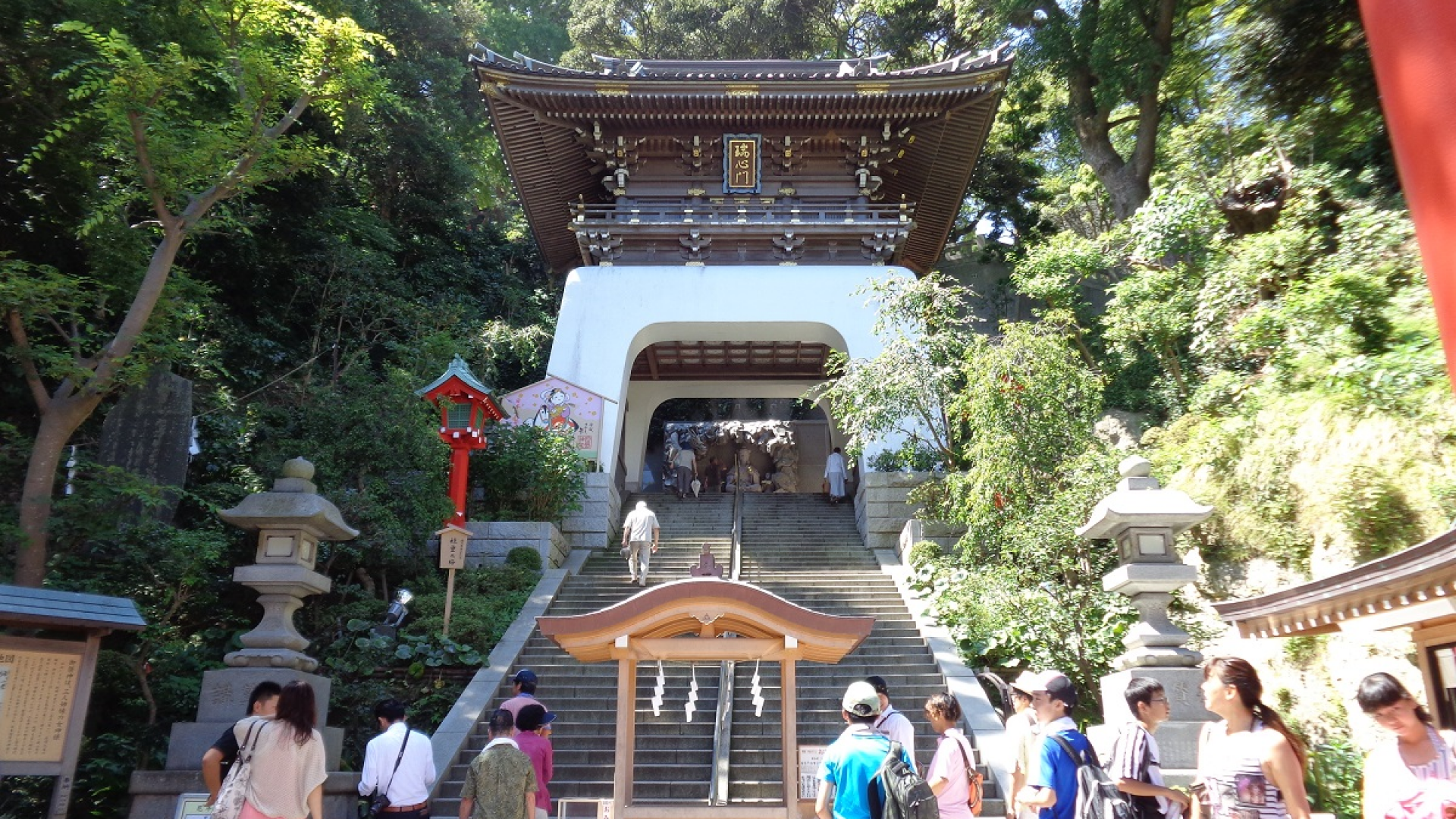
It is a general term for three shrines, Hetsu-miya, Nakatsu-miya, and Okutsu-miya. Each shrine enshrines three sister goddesses, as well as eight-armed Benzaiten and Myon Benzaiten, part of Japan's three major Benzaiten.
This place is temporarily closed. Please check the official website on reopening, operational information and more.This comprehensive themed permanent exhibit divides the history of Kanagawa into five eras. From ancient times and the Middle Ages to the Yokohama port opening and modernization, the exhibit looks at various historical perspectives under the theme of modern and traditional Kanagawa, taking into account people's lives and beliefs, political and economic changes, the influence of foreign cultures, etc. In addition, we regularly hold special exhibitions that are different from the permanent exhibits based on the research results of curators. Special exhibitions are held based on materials in the museum and collection exhibitions.
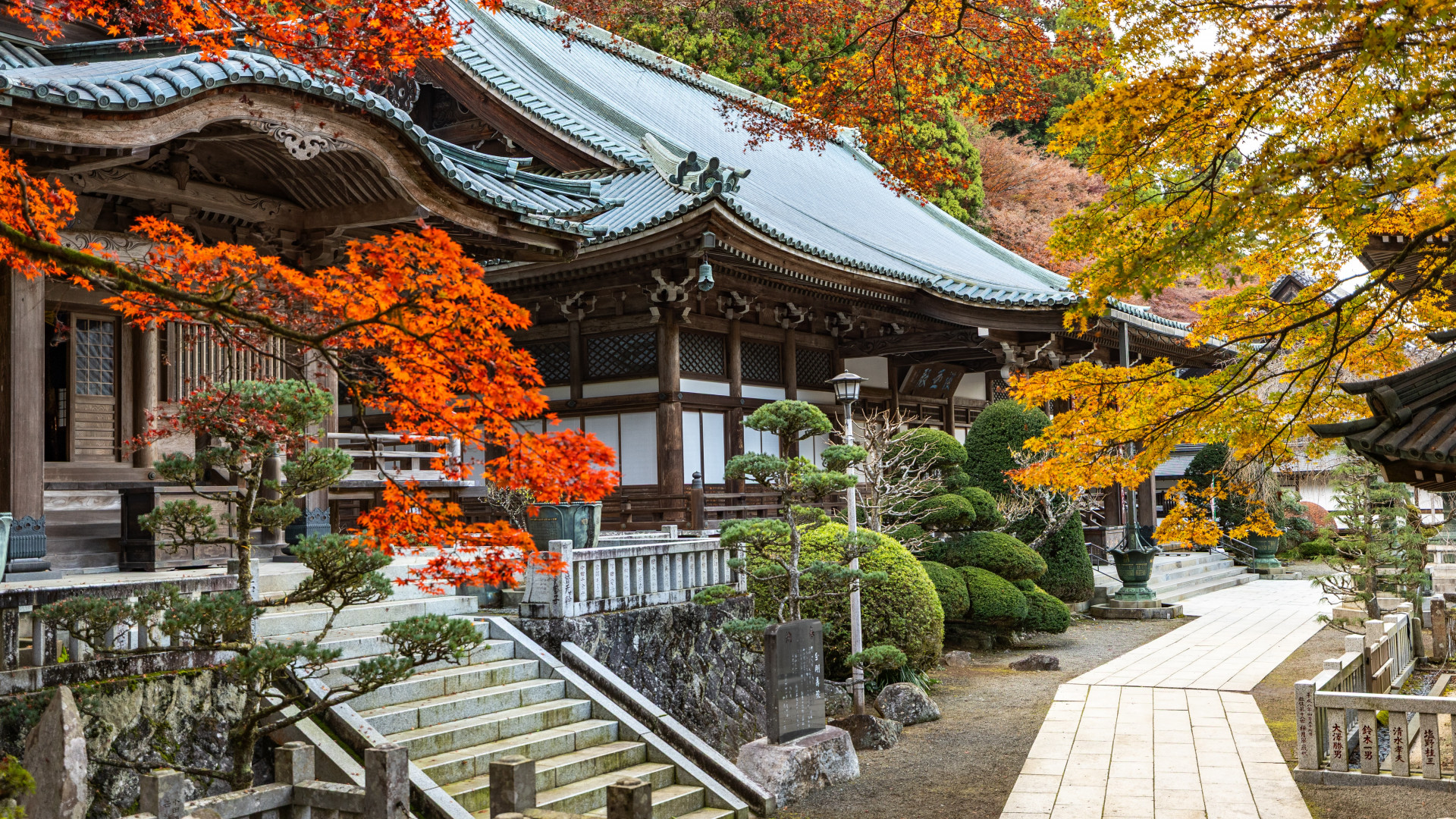
Founded in 1394 by Soto Zen monk Ryoan Emyo Zenji, this ancient temple is a Soto sect training center renowned as one of the sect's three major prayer temples. Its natural beauty changes with the seasons, with its autumn foliage illuminated at night for seasonal viewing. Prayer services, zazen meditation experiences, and shojin-ryori vegetarian cuisine are available (reservation required). Temple legends feature tengu (mountain bird-like goblins), and the main hall enshrines the world's largest iron geta (wooden clogs).A unique aspect of this temple is its larger than life geta. These wooden sandals are left out for the tengu, winged spirits, that guard the temple grounds. The shoes vary in size, and some are even as tall as humans. Be sure not to miss this popular photography spot!One of the most sacred places in the Kanto region. Zen meditation sessions are held every second and fourth Sunday and Buddhist statue carving lessons every second and fourth Saturday of the month. There are spiritual spot tours around the grounds and other events as well.
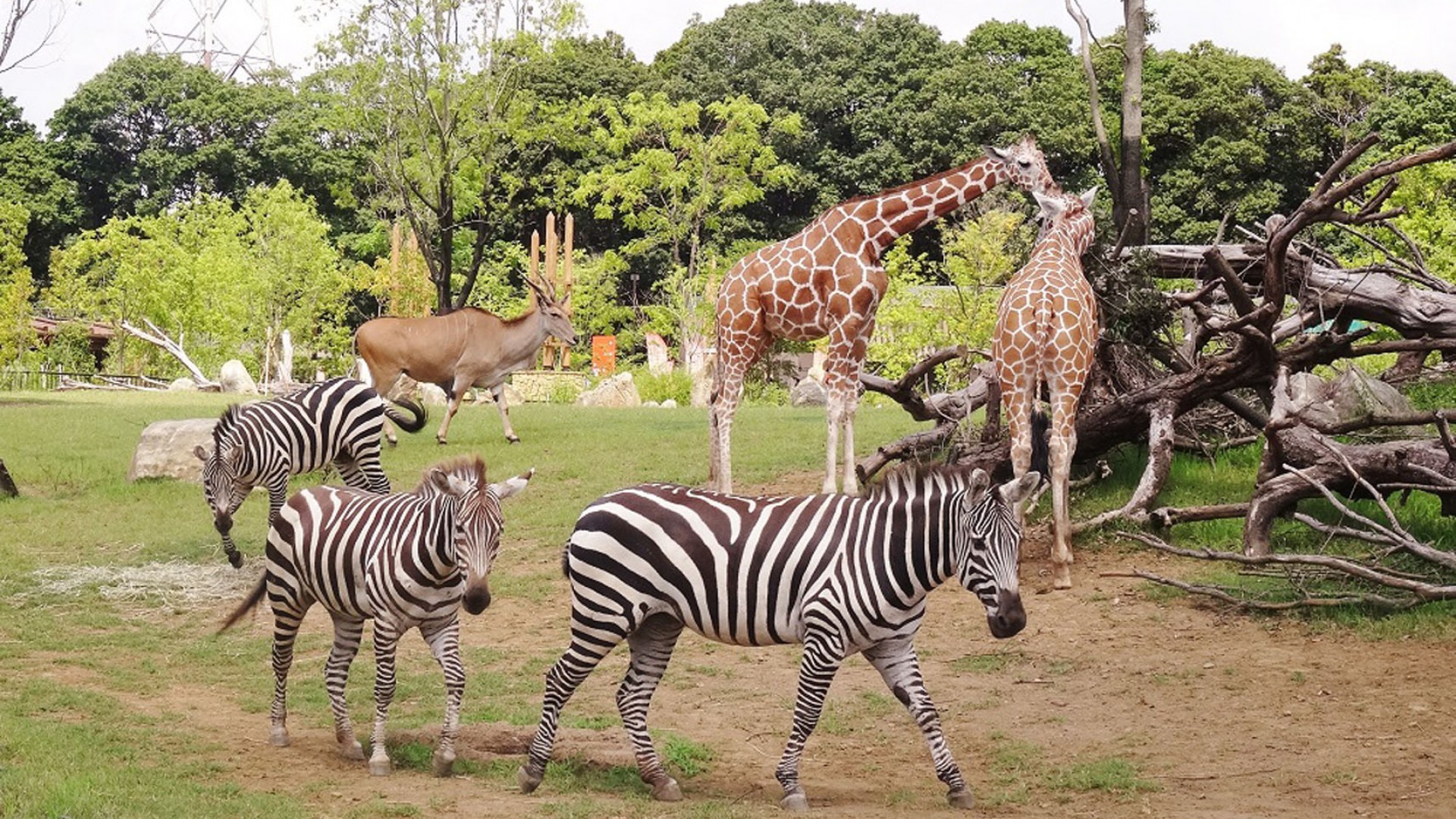
Yokohama Zoological Gardens "ZOORASIA" is a zoo themed around “coexistence and harmony of life and nature.” It is divided into 8 zones according to the world's climatic regions, with 570 animals of around 100 species (as of the end of March 2025), including rare animals like okapi and proboscis monkeys. Feel like you've taken a trip around the world at this zoo, and enjoy the special menu at the dining area.The zoo will extend its opening hours on Saturdays, Sundays, and holidays in August, and will hold a special summer evening event where the zoo will open to the public at night, an experience otherwise unavailable to the public. Visitors can enjoy a different view of the zoo at night when the zoo is decorated with illuminations and the animals are more active!
From the observatory, you can enjoy the night view of Yokohama Bay Bridge, Marine Tower, and Honmoku Pier. Bench seating makes it an ideal meeting place.The Yokohama Bay Bridge is lit blue from 40 meters to the top of the main tower for 10 minutes every 20 to 30 minutes and every 50 minutes until midnight.