Greater Tokyo

See & Do

reset
Lake Sagami Park

Lake Sagami Park

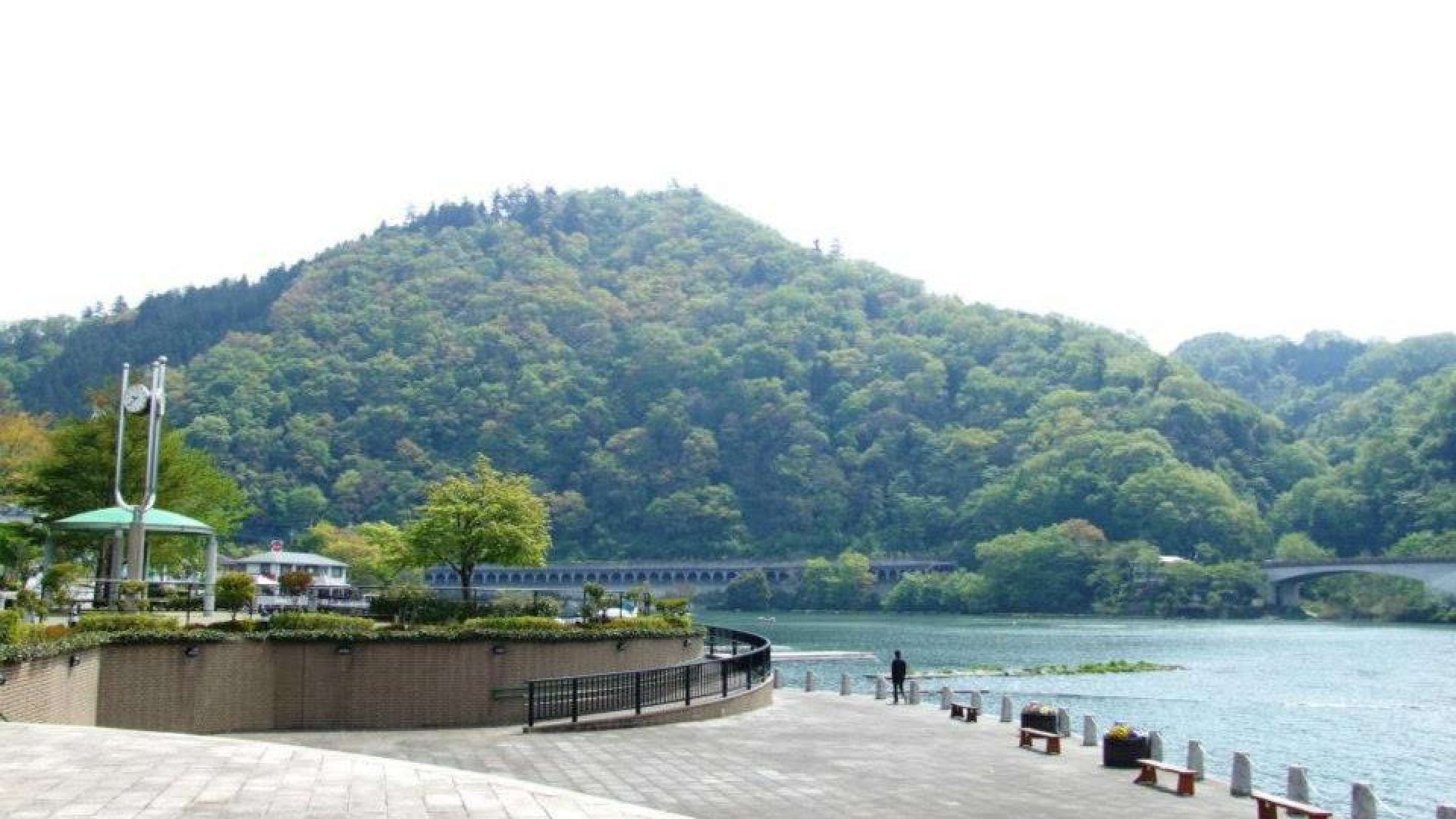
Lake Sagami is an artificial lake, like Lake Biwa, which is renowned for being a mecca for rowing and canoeing races. The deep forests surrounding the lake, as well as activities such as fireworks and Japanese pond smelt fishing mean that the area can be enjoyed in all four seasons. Lake Sagami Park offers a sweeping view of Lake Sagami and is a great place to enjoy having lunch on the lawn. You can feel the cool breeze blow through your hair whilst you relax and enjoy the view. On holidays it is bustling with families and couples.

Nature & Views Tokaido Koshu kaido KANAGAWA
Yokohama Royal Park Hotel

Yokohama Royal Park Hotel

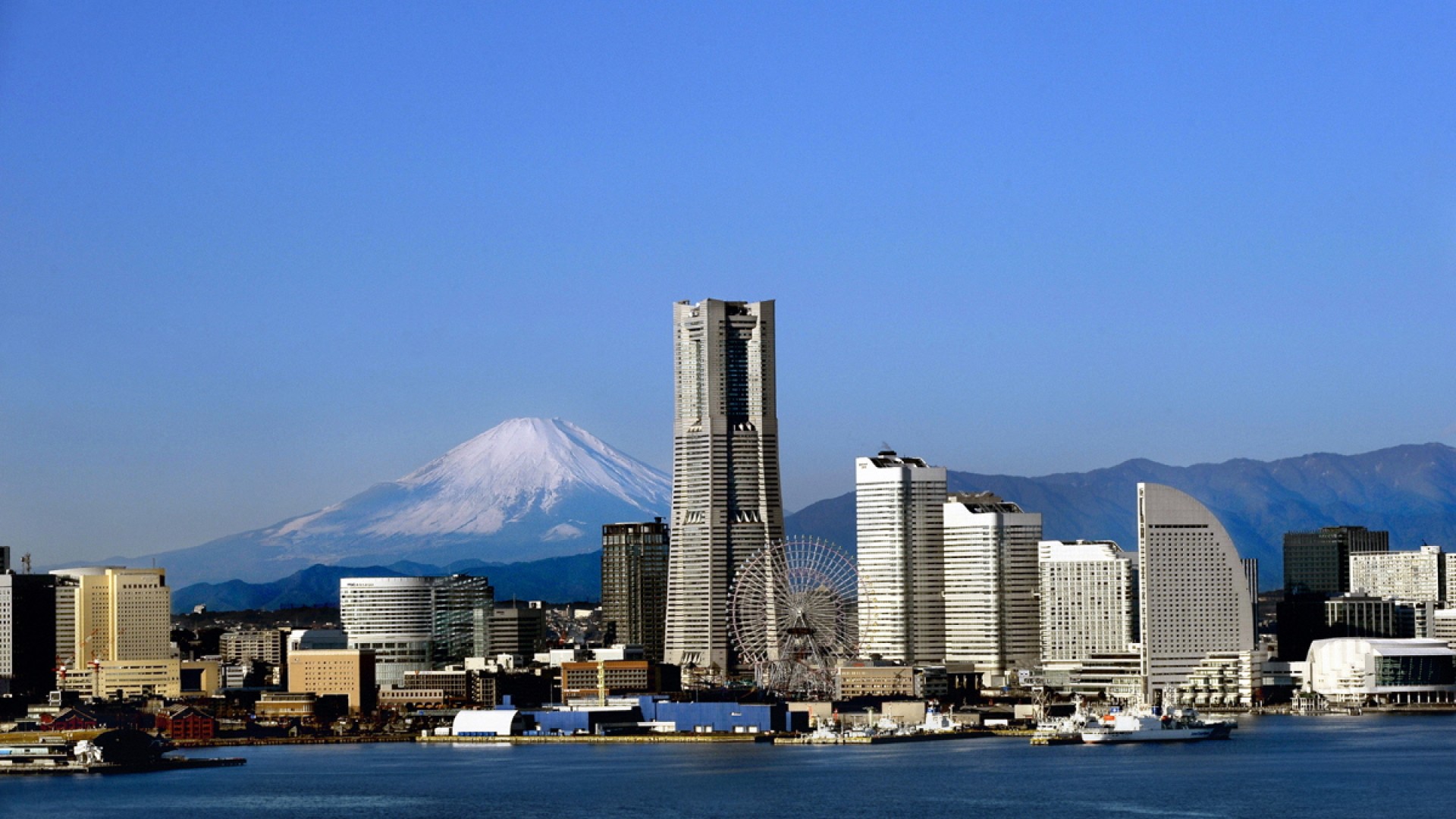
Our high-rise hotel is located in the Yokohama Landmark Tower, an iconic symbol of Yokohama Minato Mirai. The hotel itself consists of 70 floors above ground and 1 below. With every one of our 603 guest rooms located approximately 210 meters above ground level and above, guests can enjoy their own personal observatory-like view of the city. Facilities include the Sky Lounge on the top floor, a Japanese and Western-style restaurant on the 68th floor, and other dining offerings for any and all occasions. Equipped with 12 banquet halls of various sizes, including one of the largest in Yokohama City, and complete, comprehensive wellness facilities, our staff are looking forward to welcoming you with a heartfelt smile. Check-in at 3pm, Check-out at 11am *If the accommodation plan has a check-in or check-out time stipulation, that stipulation will take precedence.

Onsen & Stay Tokaido Koshu kaido KANAGAWA
Ikuta Green Space

Ikuta Green Space

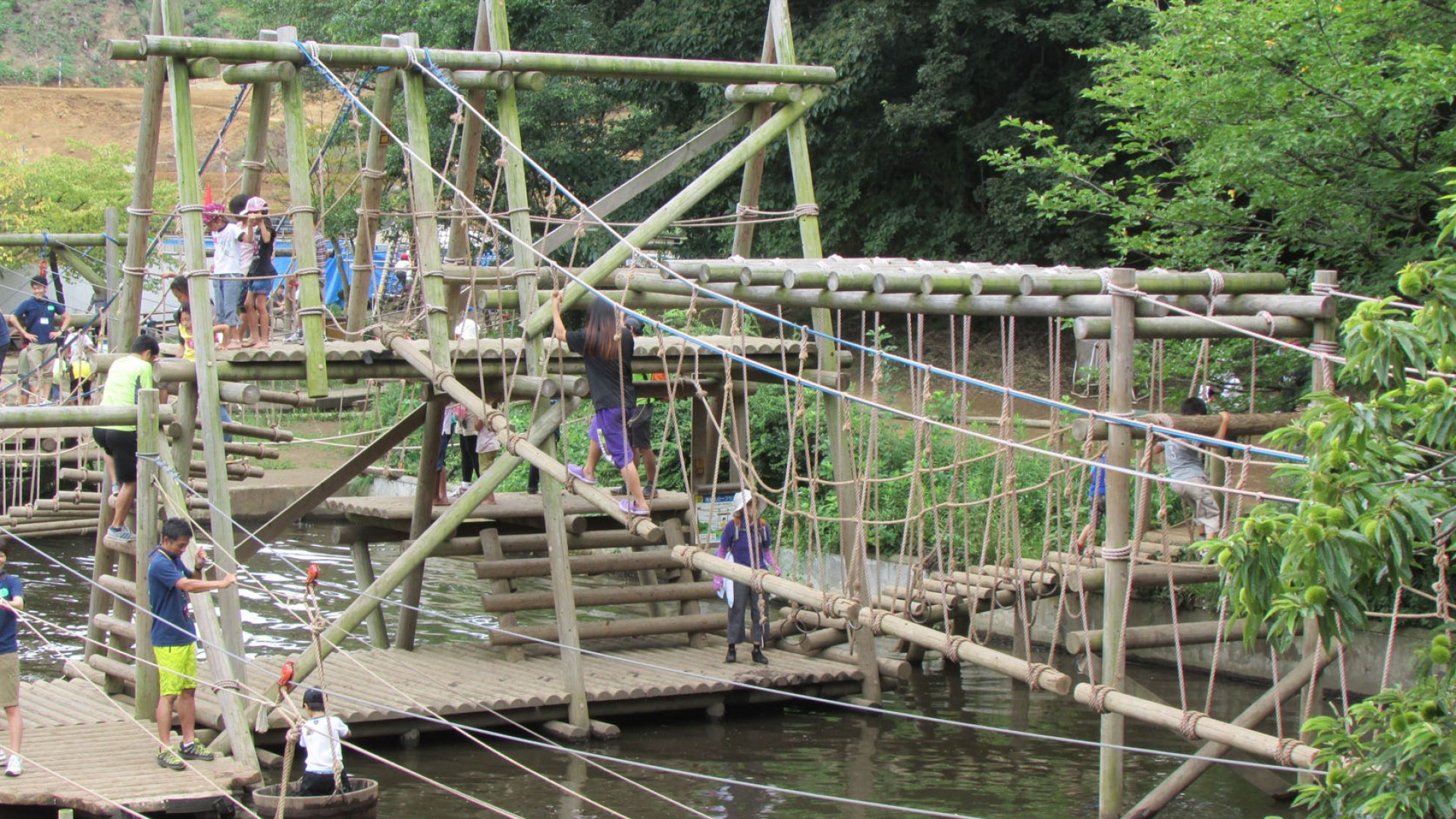
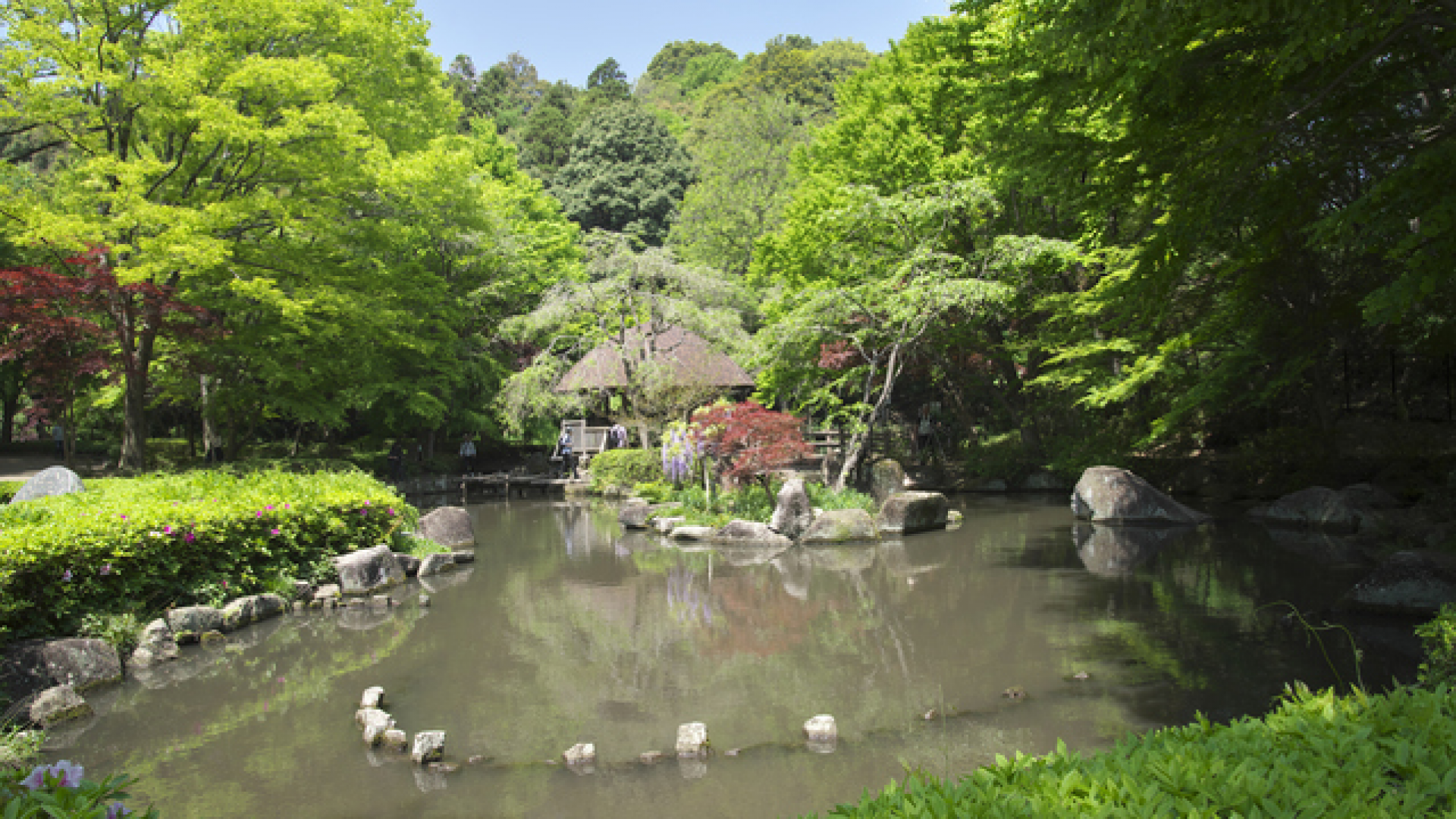
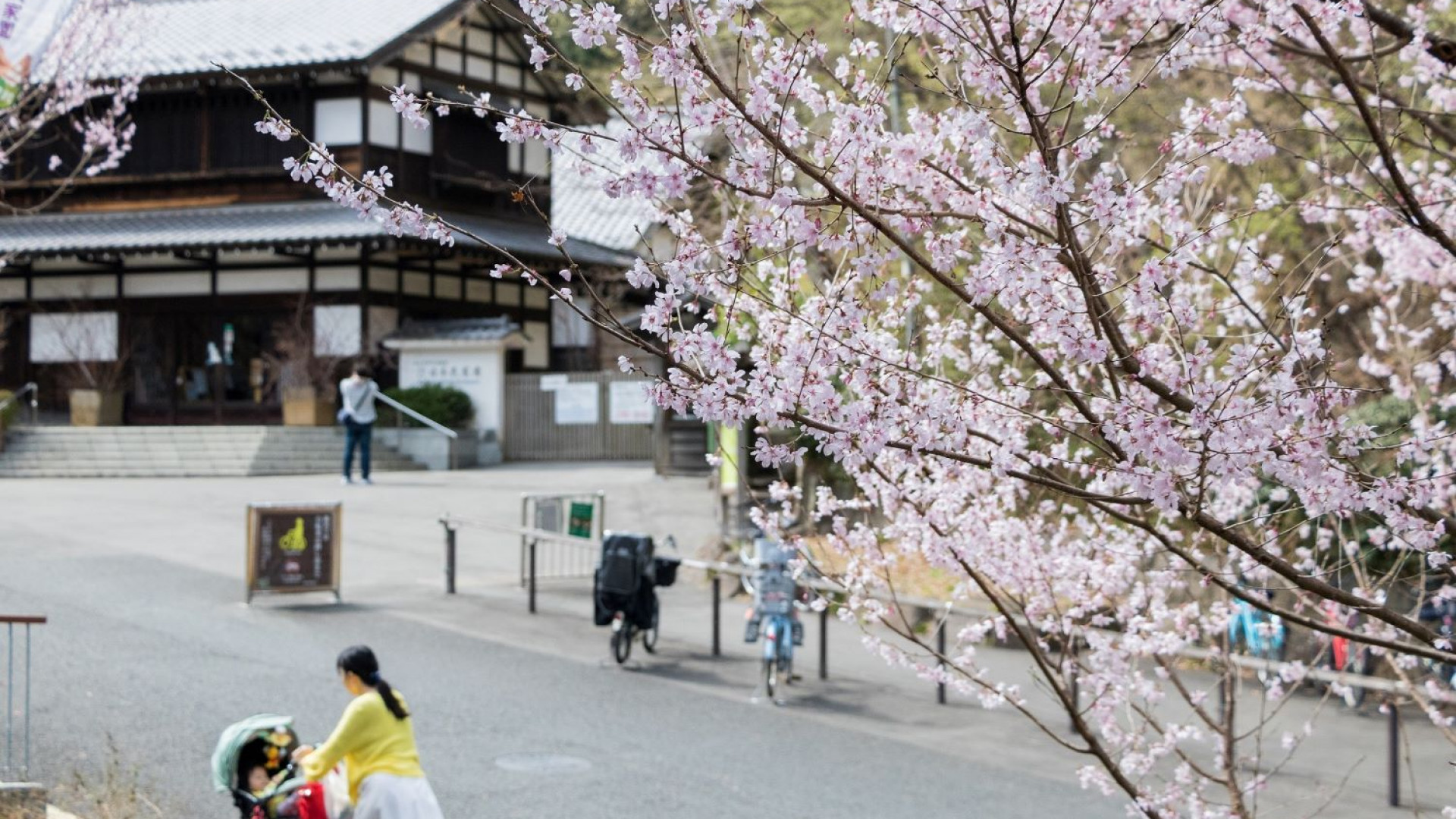
Ikuta Ryokuchi Park is the largest natural environment in the capital. In spring Masugatayama has cherry blossoms, and at the beginning of summer irises are in season. Autumn is a good time to see the maple leaves. Every season has something to enjoy. The Japan Open-air Folk House Museum, the Taro Okamoto Museum of Art, the Kawasaki Municipal Science Museum and many other sites are also located in Ikuta Ryokuchi Park.Visitors can fully enjoy the lush, green nature in the quiet morning air.

Nature & Views Tokaido Koshu kaido KANAGAWA
N’s YARD

N’s YARD

N's YARD is a private modern art space displaying the works of modern artists and was created with the intention of making a space available for visitors to casually see the works of the artist and sculptor, Yoshitomo Nara. The museum has a café and a museum shop, too. Five exhibition rooms showcase not only Nara’s works including paintings, drawings, and 3D art pieces, but also Nara’s collections of other artists’ works, records, and dolls. Exhibitions are planned and designed by Nara. Besides the exhibition rooms, there is also a café, which offers light meals, drinks, and desserts, made with carefully selected ingredients, and a museum shop that sells items produced exclusively for this museum. Photo: Mie Morimoto ※The images may differ from the current facility appearance.

Nikko kaido Oshu kaido TOCHIGI
Oya History Museum (Ohya)

Oya History Museum (Ohya)

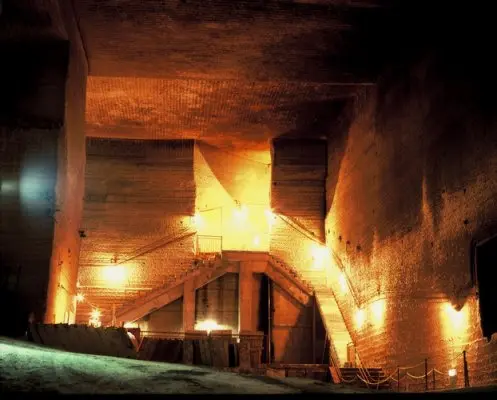
The old mining site of Utsunomiya’s famous,Oya Stone,has now been turned into a historical museum. The exhibition features the long history of the mining since the 17th century,with many materials on display. The underground cavern,covering 20,000 sq. metres,is large enough to fit a baseball field. With a fantastic atmosphere reminding visitors of the ruins of Ancient Rome.It is used in various scenes such as movie shooting, music videos shooting, weddings, concert, etc. due to its mysterious scenery.

Nikko kaido Oshu kaido TOCHIGI
Yayoi Festival

Yayoi Festival

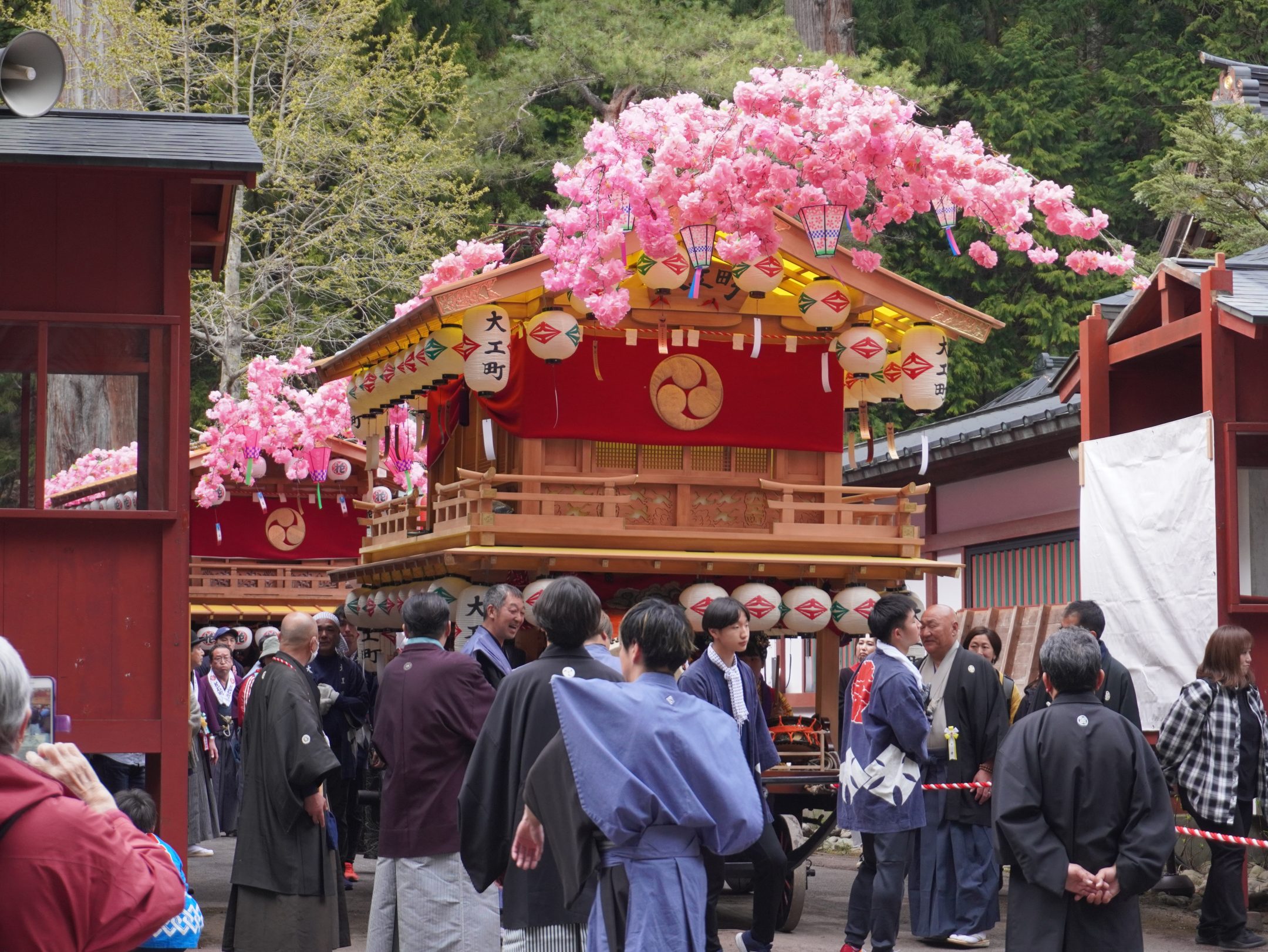
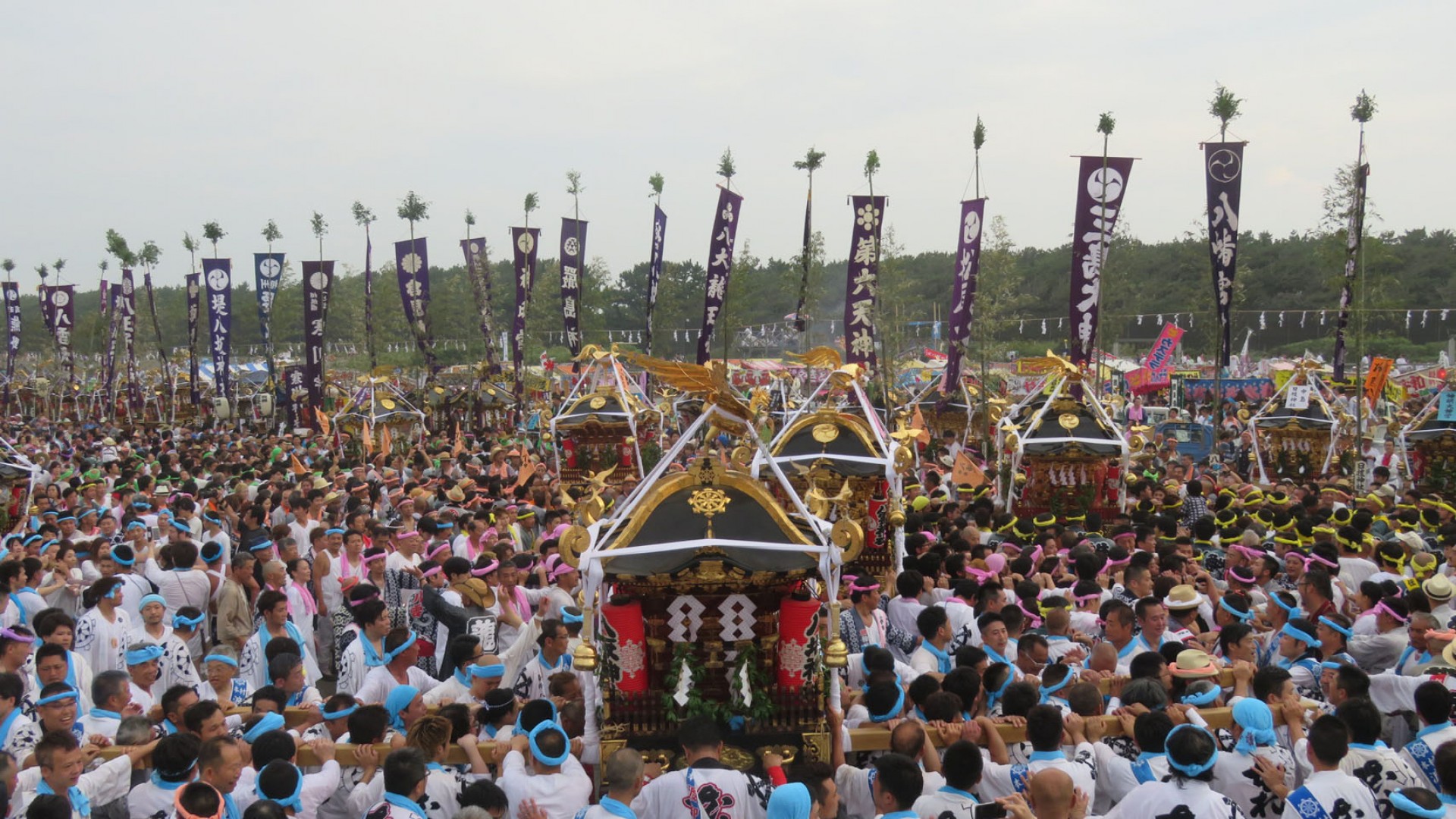
The Yayoi Festival is a traditional event in Nikko that marks the arrival of spring. Held annually from April 13 to April 17, this historic festival has been a part of Nikko’s cultural heritage for centuries. The festival is believed to have originated during the Jingokeiun era (767–770) as a grand ritual to celebrate the changing seasons. It was originally held in the third month of the lunar calendar, which is called "Yayoi" in Japan, meaning a time when nature flourishes. After the adoption of the Gregorian calendar in 1873, the festival continued in its current form, maintaining its deep-rooted traditions. Festival Highlights The festival officially begins on April 13 with a procession of beautifully decorated mikoshi (portable shrines) from the Honsha, Takiou, and Hongu Shrines. However, the most spectacular part of the event takes place on the final day, April 17. During the five-day celebration, various rituals are performed to honor the deities, but the most anticipated events are the Grand Festival (April 16) and the Procession of Floats (April 17). On these two days, eleven different neighborhoods from eastern and western Nikko bring out their elaborately adorned azalea floats and lively traditional musical bands, parading through the streets of the city. The highlight occurs when all the floats gather within the shrine grounds. Following an ancient custom, representatives from each town exchange greetings and name cards before the floats, accompanied by traditional hayashi (festival music), circle the shrine. On April 17, the festival reaches its climax when representatives from Ishiya-machi, the town responsible for that year’s festival, lead the crowd with spirited chants as they push the massive floats up the stone steps of the shrine’s sando (approach path) in a dramatic display of strength and unity. A Festival Steeped in Tradition The Yayoi Festival strictly follows ancient traditions, with every step of the ritual conducted as it has been for generations. Locals believe that any deviation from the traditional methods could bring misfortune, adding to the festival’s reputation as a “troublesome” or “chaotic” festival. Because of this, some people even refer to it as the “GOTA Festival”, where "GOTA" symbolizes trouble or disputes. This nickname has also led to the festival being called the “Quarrel Festival”, highlighting the passionate dedication and fiery energy of its participants. Steeped in history and rich cultural significance, the Yayoi Festival is a must-see event for anyone visiting Nikko in spring. It offers a rare opportunity to witness Japan’s traditional rituals, dynamic parades, and the deep community spirit that has kept this festival alive for over a millennium.


Nikko kaido Oshu kaido TOCHIGI
Hakone Open-Air Museum

Hakone Open-Air Museum

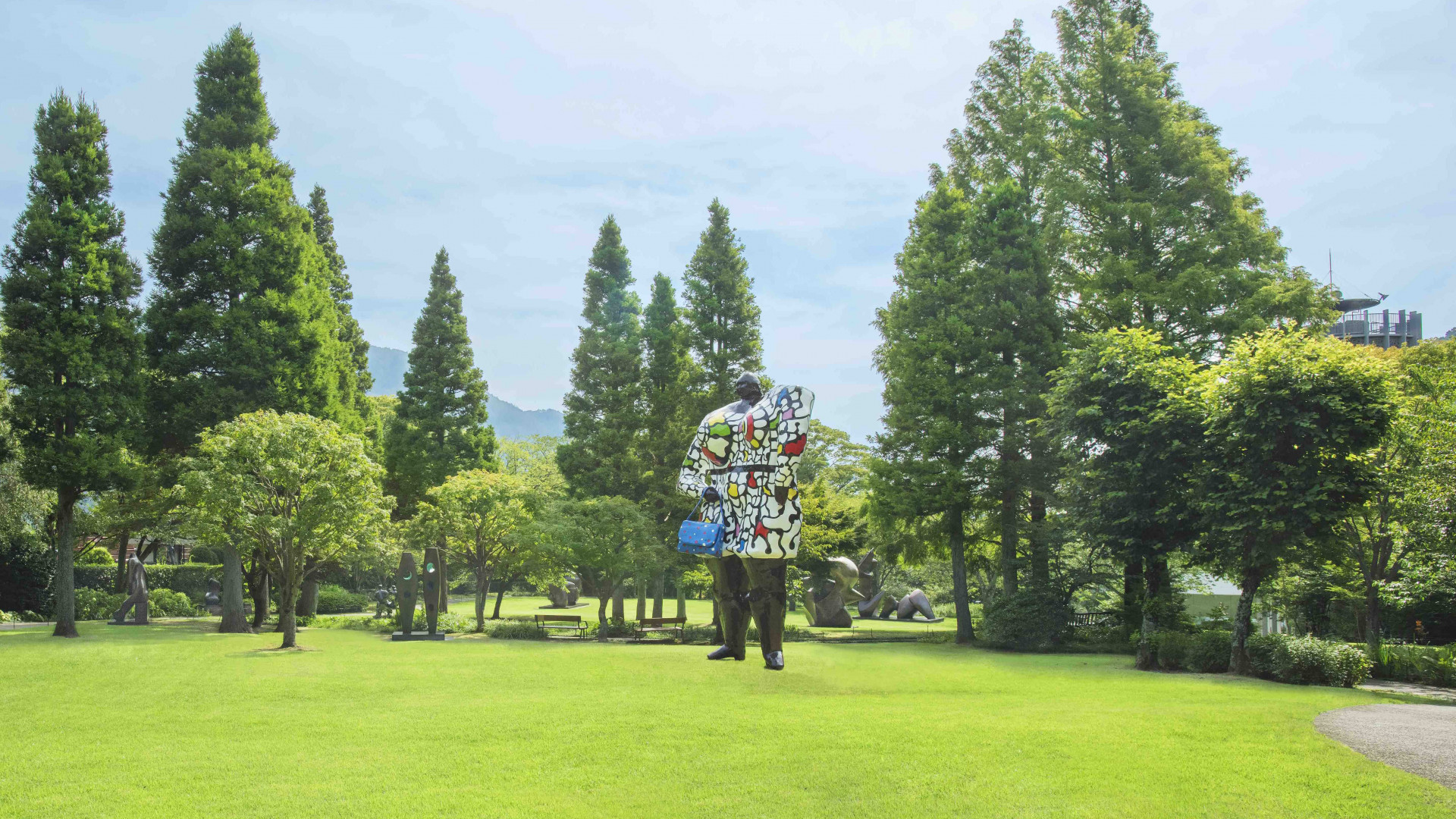
Biggest feature is the outdoor art museum. With the beautiful scenery and mountains of Hakone in the background, you can enjoy art. There are approximately 120 modern and contemporary pieces of artwork made by famous sculptors displayed here.The Picasso Pavillion houses 319 works in the museum's Picasso Collection, of which a curated set of artworks are rotated for display for unique exhibitions.By Fernand LégerBy Emilio GrecoBy Emilio GrecoBy Emilio GrecoOf all the great museums in Hakone, the kids will probably enjoy this one the most. Lots to do and see, and it's outdoors!

Culture & Arts Tokaido Koshu kaido KANAGAWA
Samukawa Shrine

Samukawa Shrine

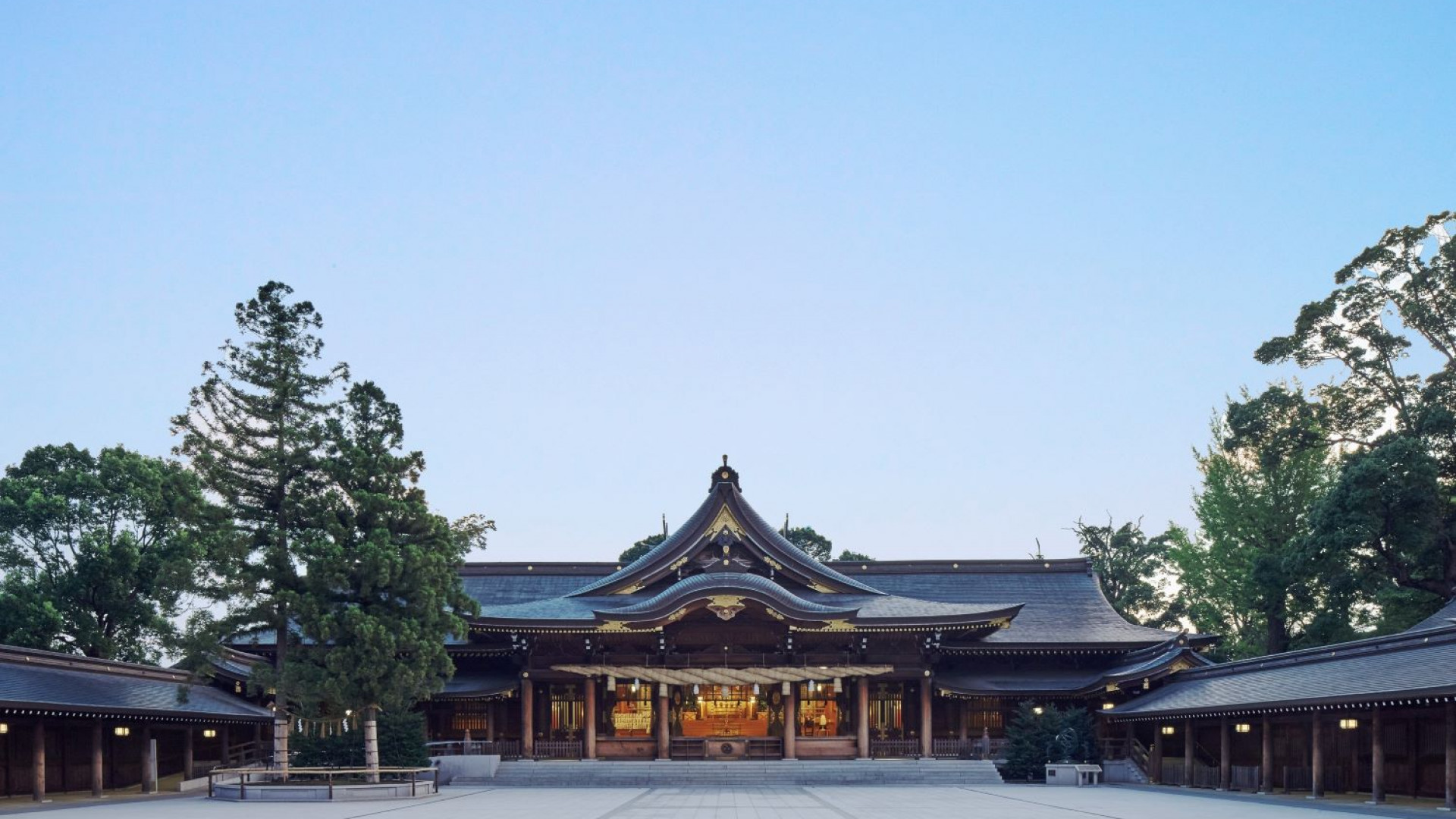
This shrine pays worship to the nations only guardian deity that protects all eight cardinal and ordinal directions, and removes misfortunes originating from geographical features, house layout, cardinal direction or daily bad luck. After undergoing purification, visitors can enter the “Kantakeyama Shinen" located in the inner garden of the main shrine. The Japanese garden features "Namba no Koike," which has a long history, a teahouse where you can enjoy green tea, and also a museum.

Temples & Shrines Tokaido Koshu kaido KANAGAWA
Shogetsuan Kawasaki (Soba)

Shogetsuan Kawasaki (Soba)

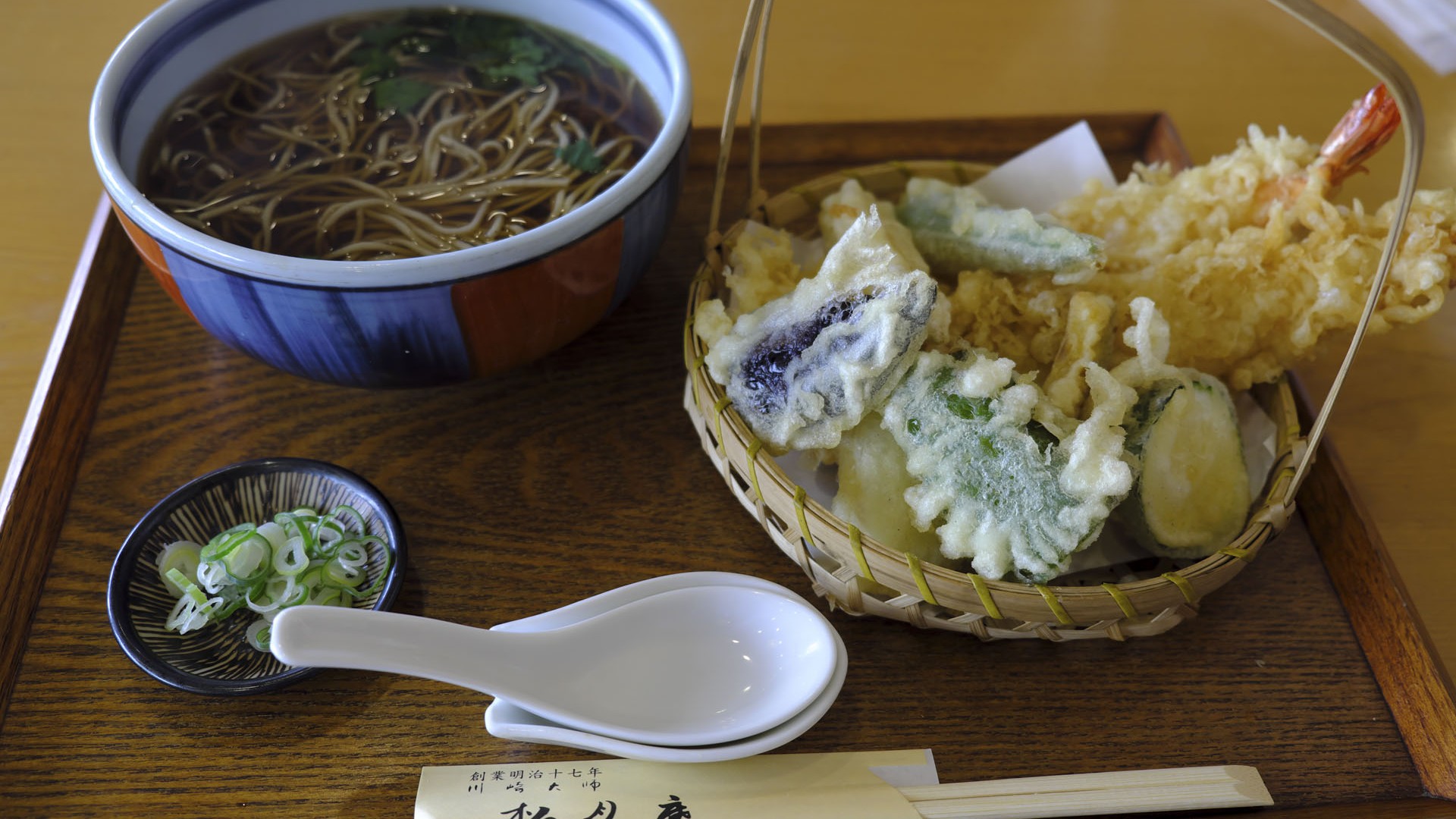
The natural fragrance, springiness and texture of soba noodles come from two masterful hands working in a kibachi kneading bowl. The crisp clearness of the dipping sauce is a product of upholding traditional methods. This natural culture of taste has been passed from generation to generation. The restaurant aspires to bring a modern sensibility to soba, all while paying respects to memories of the past. It is a small-scale store built on Kawasaki Daishi land in 1884, and they have protected the tradition of Edo noodles ever since.

Eat & Drink Koshu kaido Tokaido KANAGAWA