Greater Tokyo

See & Do

reset
Rinkokaku

Rinkokaku

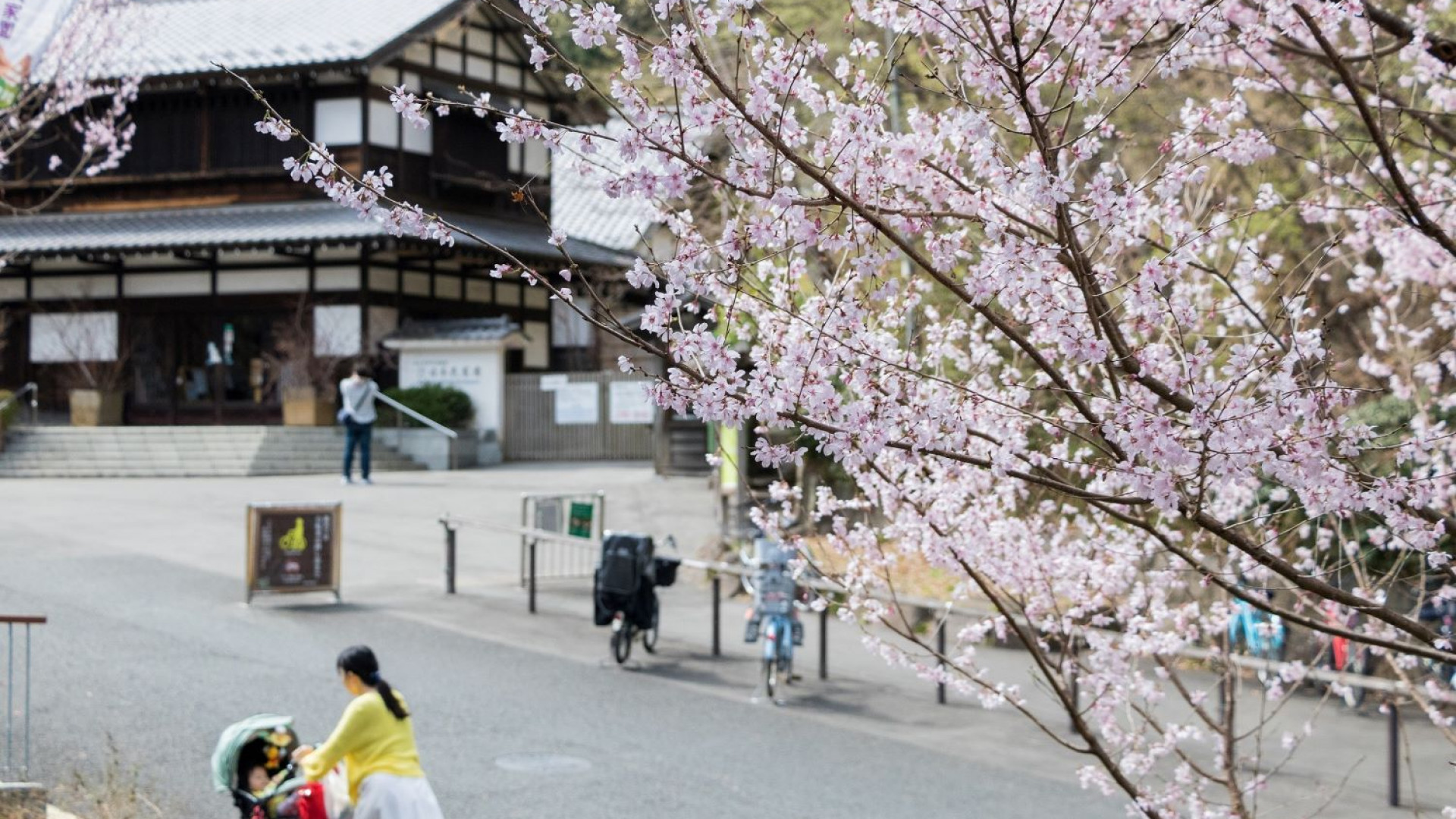
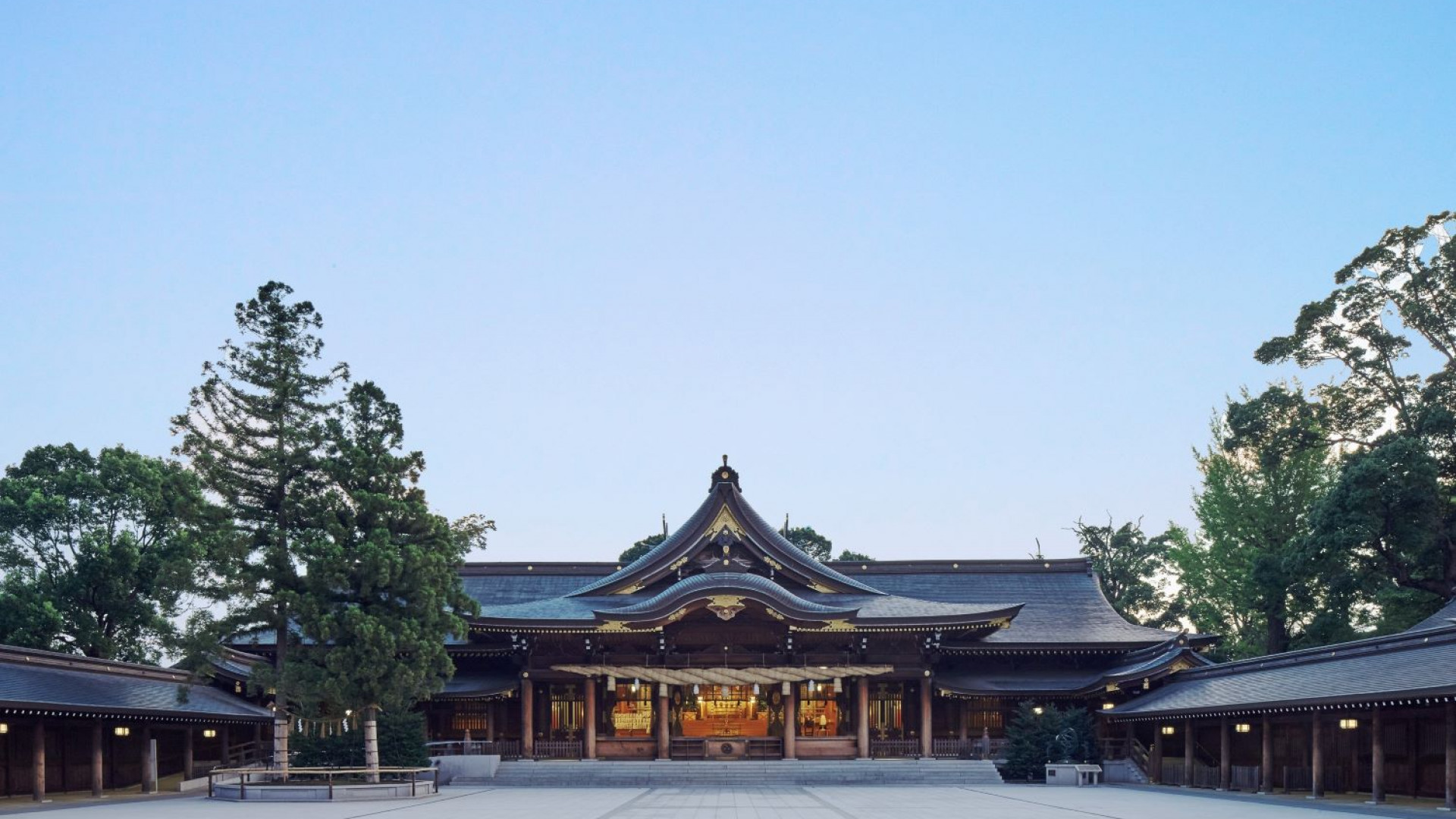
Rinkokaku is a complex of three wooden buildings that served as a state guest house for VIPs. The main building was constructed in 1884 and is an exemplary instance of Japanese architecture at the beginning of Japan's modernization. The complex overlooks the Tone River from its location next to Maebashi Park, which is particularly popular for its cherry blossoms in spring. The Rinkokaku annex, built in 1910, continues to be used for receptions today.

Culture & Arts Nakasendo Mikuni kaido GUNMA
N’s YARD

N’s YARD

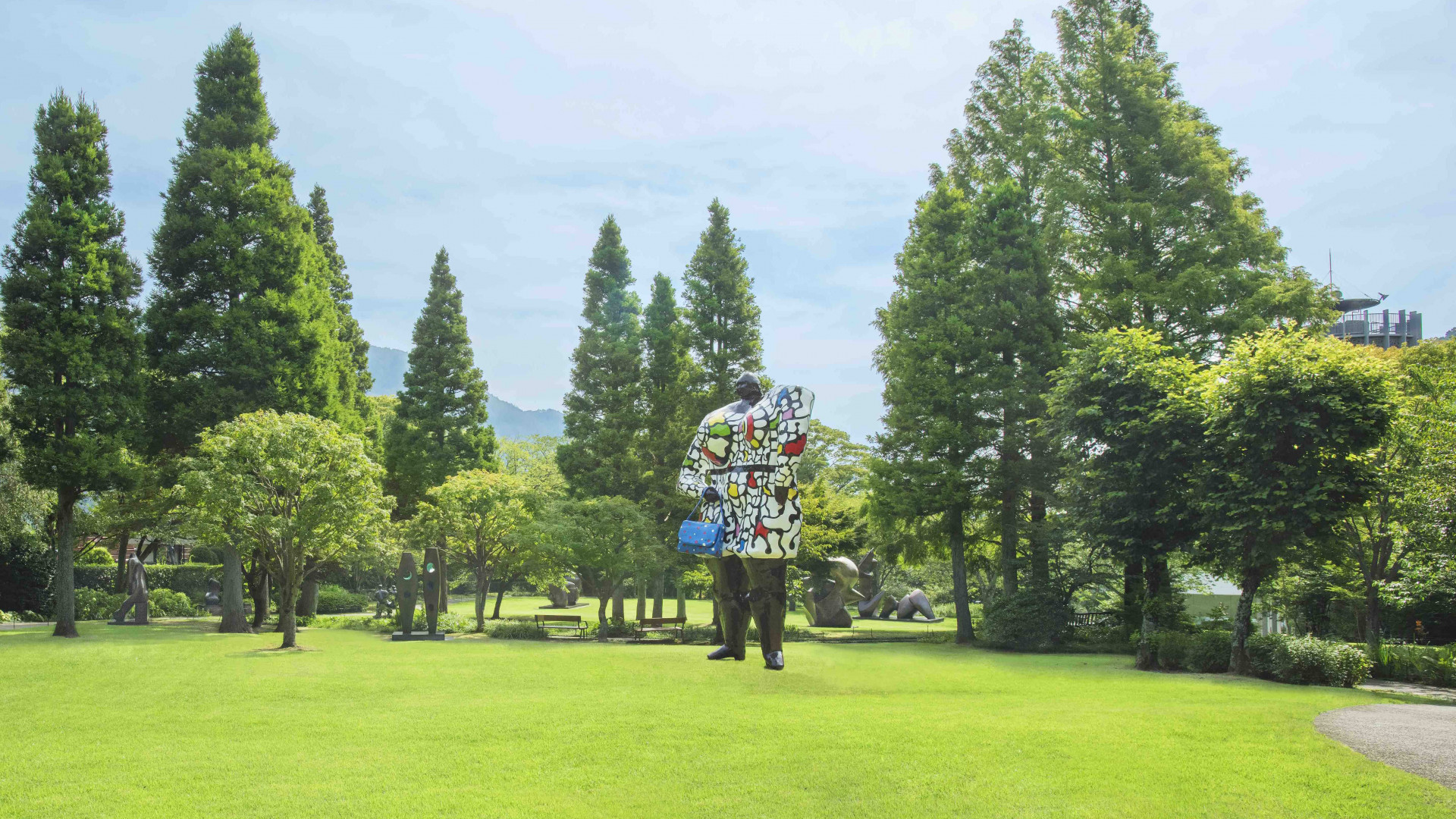
N's YARD is a private modern art space displaying the works of modern artists and was created with the intention of making a space available for visitors to casually see the works of the artist and sculptor, Yoshitomo Nara. The museum has a café and a museum shop, too. Five exhibition rooms showcase not only Nara’s works including paintings, drawings, and 3D art pieces, but also Nara’s collections of other artists’ works, records, and dolls. Exhibitions are planned and designed by Nara. Besides the exhibition rooms, there is also a café, which offers light meals, drinks, and desserts, made with carefully selected ingredients, and a museum shop that sells items produced exclusively for this museum. Photo: Mie Morimoto ※The images may differ from the current facility appearance.

Nikko kaido Oshu kaido TOCHIGI
Yayoi Festival

Yayoi Festival

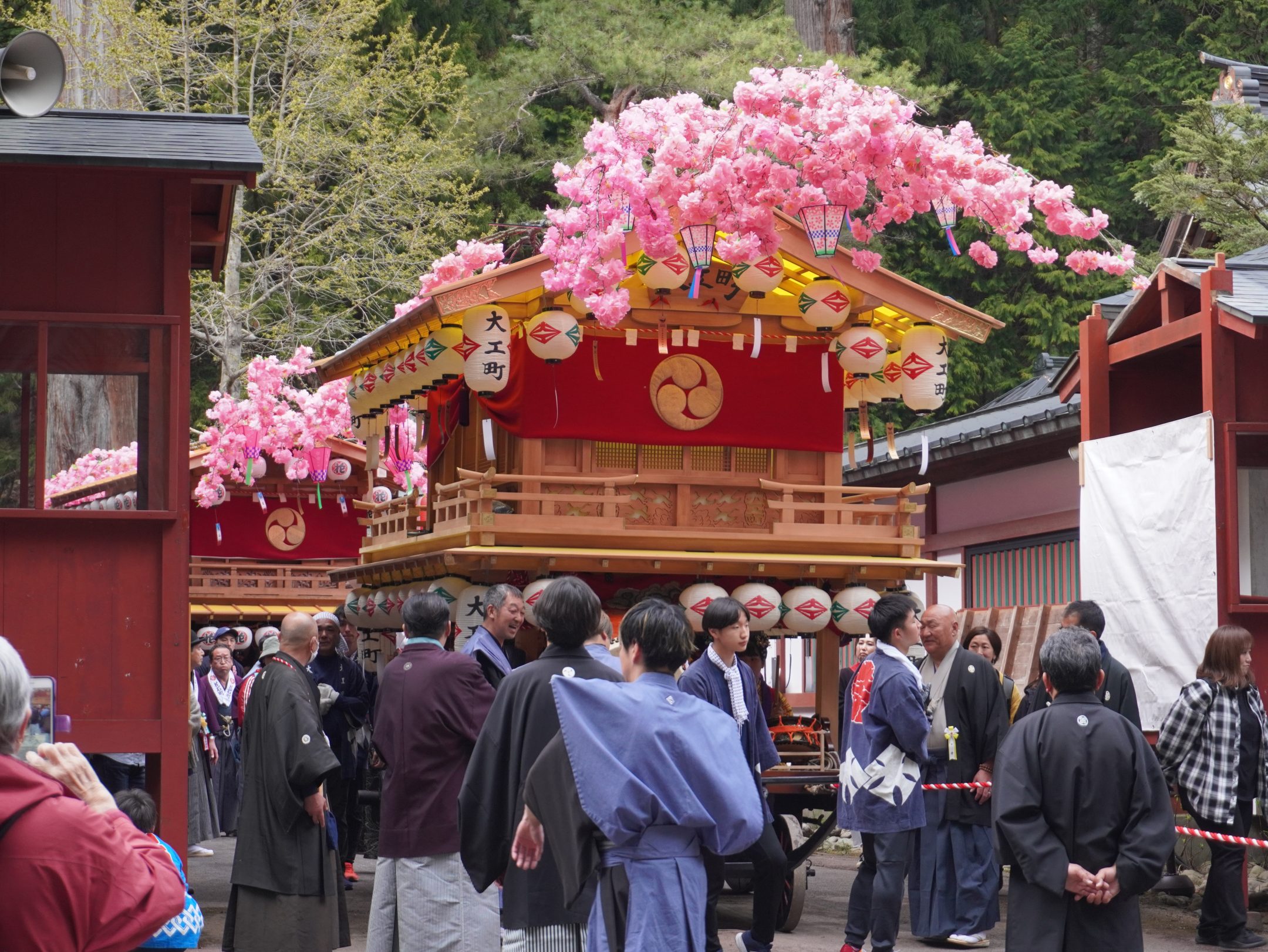
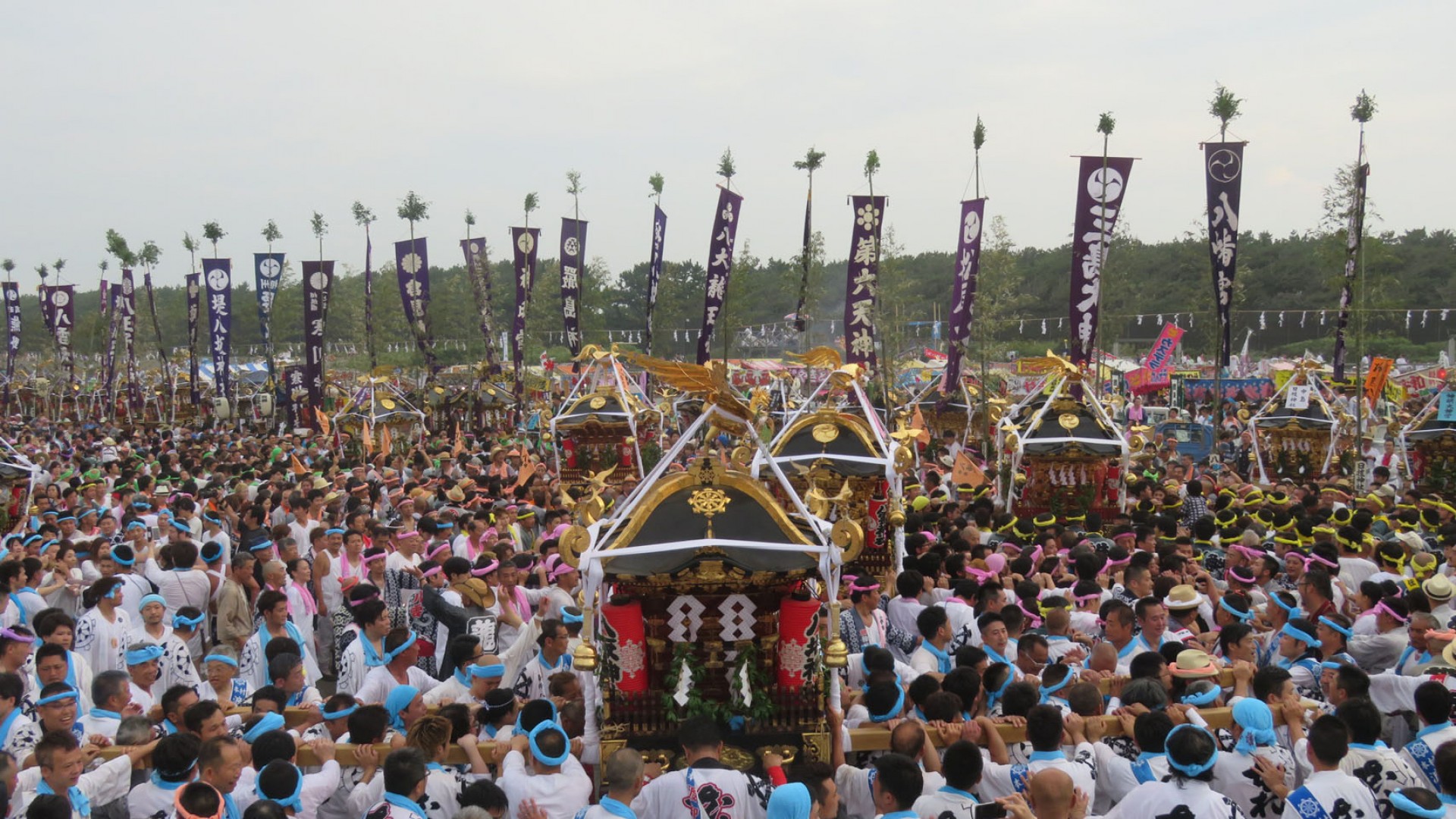
The Yayoi Festival is a traditional event in Nikko that marks the arrival of spring. Held annually from April 13 to April 17, this historic festival has been a part of Nikko’s cultural heritage for centuries. The festival is believed to have originated during the Jingokeiun era (767–770) as a grand ritual to celebrate the changing seasons. It was originally held in the third month of the lunar calendar, which is called "Yayoi" in Japan, meaning a time when nature flourishes. After the adoption of the Gregorian calendar in 1873, the festival continued in its current form, maintaining its deep-rooted traditions. Festival Highlights The festival officially begins on April 13 with a procession of beautifully decorated mikoshi (portable shrines) from the Honsha, Takiou, and Hongu Shrines. However, the most spectacular part of the event takes place on the final day, April 17. During the five-day celebration, various rituals are performed to honor the deities, but the most anticipated events are the Grand Festival (April 16) and the Procession of Floats (April 17). On these two days, eleven different neighborhoods from eastern and western Nikko bring out their elaborately adorned azalea floats and lively traditional musical bands, parading through the streets of the city. The highlight occurs when all the floats gather within the shrine grounds. Following an ancient custom, representatives from each town exchange greetings and name cards before the floats, accompanied by traditional hayashi (festival music), circle the shrine. On April 17, the festival reaches its climax when representatives from Ishiya-machi, the town responsible for that year’s festival, lead the crowd with spirited chants as they push the massive floats up the stone steps of the shrine’s sando (approach path) in a dramatic display of strength and unity. A Festival Steeped in Tradition The Yayoi Festival strictly follows ancient traditions, with every step of the ritual conducted as it has been for generations. Locals believe that any deviation from the traditional methods could bring misfortune, adding to the festival’s reputation as a “troublesome” or “chaotic” festival. Because of this, some people even refer to it as the “GOTA Festival”, where "GOTA" symbolizes trouble or disputes. This nickname has also led to the festival being called the “Quarrel Festival”, highlighting the passionate dedication and fiery energy of its participants. Steeped in history and rich cultural significance, the Yayoi Festival is a must-see event for anyone visiting Nikko in spring. It offers a rare opportunity to witness Japan’s traditional rituals, dynamic parades, and the deep community spirit that has kept this festival alive for over a millennium.

Nikko kaido Oshu kaido TOCHIGI
Uirou

Uirou

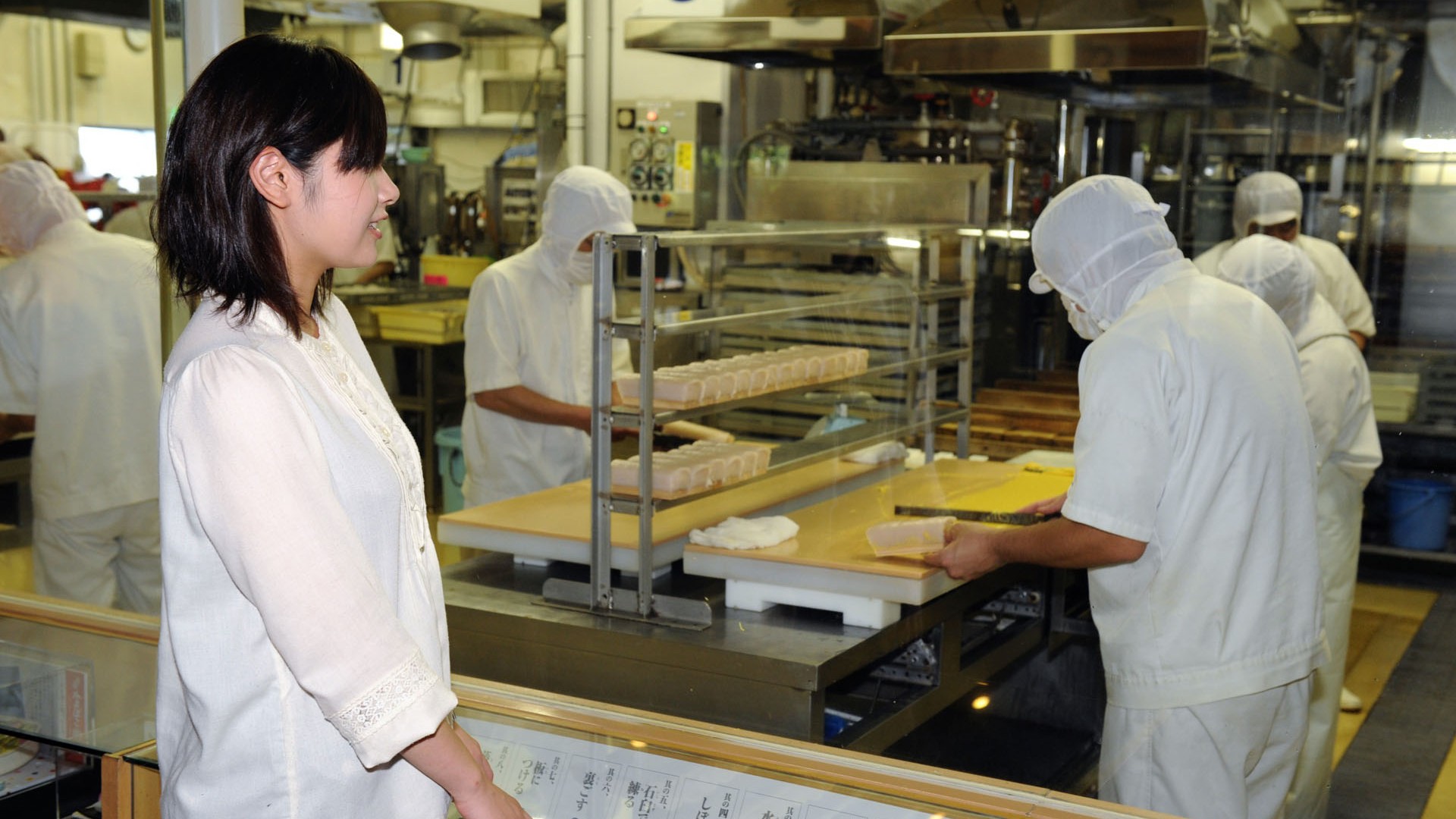
The Uiro family has been making medicine and sweets for over 650 years, so they are both named "uiro" after the family. Uiro is a steamed rice flour confectionery that was invented during the Muromachi period (1336-1573) for entertaining foreign envoys and is characterized by its springy texture and subtle sweetness. It is loved by people of all ages and was selected as one of Kanagawa's top 100 specialties. Due to its wide range of medicinal effects, many anecdotes have been spread about the medicinal uiro, including the "Kabuki Uirouri.” The traditional eight-building structure is worth seeing. The museum is in an old storehouse and exhibits different craft items (admission is free and includes a guide). You can also enjoy handmade seasonal Japanese sweets in the sweets shop.

Shopping Tokaido Koshu kaido KANAGAWA
Yokohama DASKA

Yokohama DASKA

Located in the center of Yokohama’s Chinatown, in front of the Tencho-mon gate, stands the eight-story entertainment unit Yokohama Daisekai. Based on Shanghai Daska, it was created as part of the 30th anniversary of friendship between the two cities, recreating the entertainment zone of China’s pulsating metropolis in the bayside city of Yokohama.Filled with souvenirs from Chinatown and the wider city of Yokohama, Daska Market hosts a bunch of thrilling goodies on the first and second floors, including a Hello Kitty store.On the third floor is a food court where you can feast on an array of delicious Chinese dishes, while a section of beauty and health services is found on the fourth. There are also restaurants such as Kaikarou on the first floor that specializes in gigantic dumpling dishes and soups. To enter a mysterious world of mirrors and fun, head up to the fourth through eighth floors for the Trick Art Museum, which costs 1,300 yen for adults, 1,000 yen for high-school or junior-high students, 600 yen for children, and is free for under-threes.For families or groups of friends, as well as for tourists and travelers passing through, Yokohama Daisekai is a taste of the real China in the middle of Chinatown, and its eight fun-packed floors have something for everyone to get excited about. 

Experience & Activities Tokaido Koshu kaido KANAGAWA
Nikko Toshogu Shrine

Nikko Toshogu Shrine

The most renowned shrine of “the Shrines and Temples of Nikko”-a UNESCO world heritage site where Ieyasu Tokugawa, the great Shogun who started the Edo Period, is enshrined. Most of the shrine complex you see today was rebuilt in 17th century. The shrine contains 55 buildings including 8 national treasures and 34 listed buildings. The highlights are many colorful buildings which are richly decorated with gorgeous carvings. Do not miss the symbol of peace “Sleeping Cat”, and the “Three Monkeys” with the “see no evil, hear no evil and speak no evil” poses!

Nikko kaido Oshu kaido TOCHIGI
Yokohama Royal Park Hotel

Yokohama Royal Park Hotel

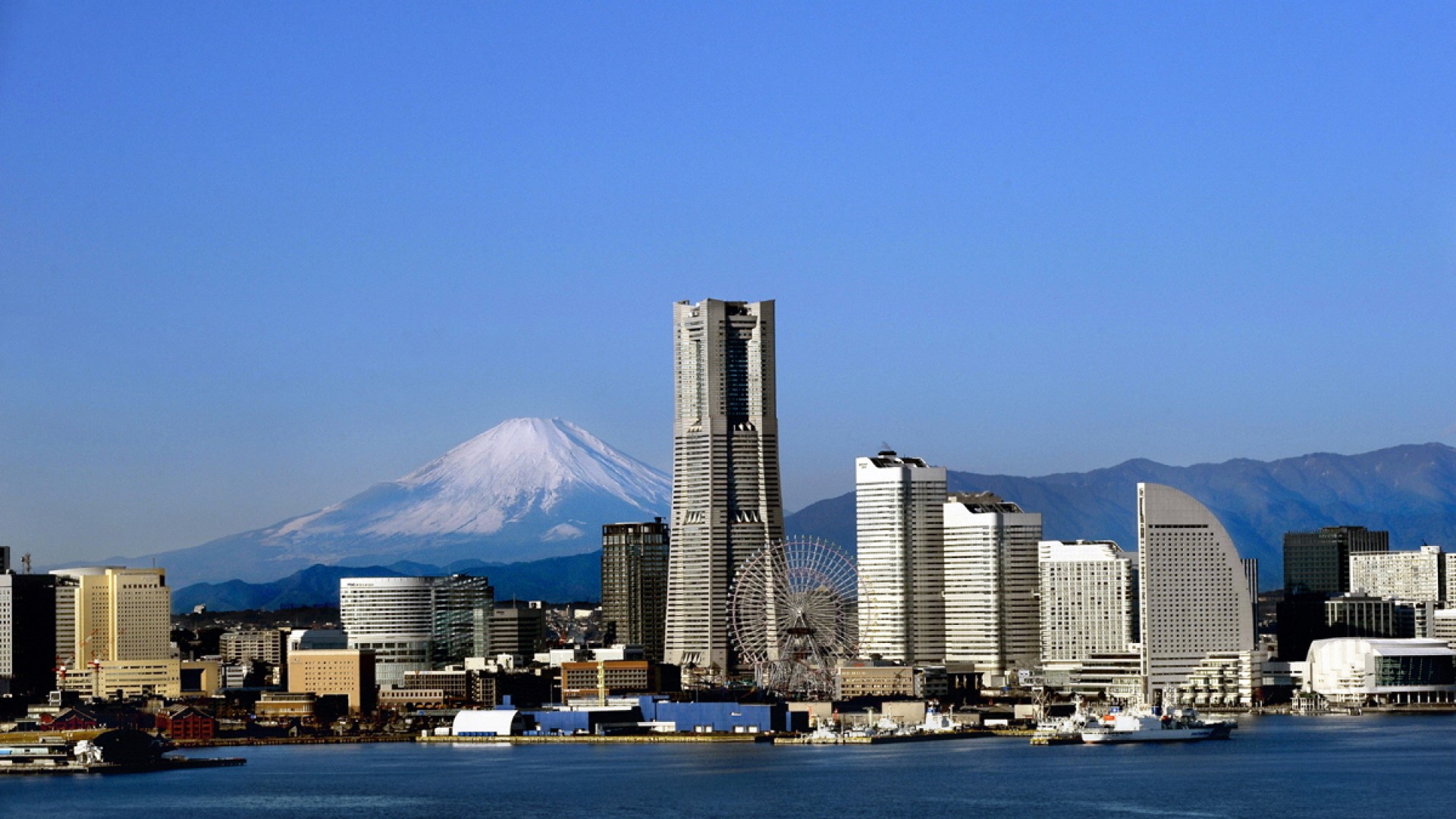
Our high-rise hotel is located in the Yokohama Landmark Tower, an iconic symbol of Yokohama Minato Mirai. The hotel itself consists of 70 floors above ground and 1 below. With every one of our 603 guest rooms located approximately 210 meters above ground level and above, guests can enjoy their own personal observatory-like view of the city. Facilities include the Sky Lounge on the top floor, a Japanese and Western-style restaurant on the 68th floor, and other dining offerings for any and all occasions. Equipped with 12 banquet halls of various sizes, including one of the largest in Yokohama City, and complete, comprehensive wellness facilities, our staff are looking forward to welcoming you with a heartfelt smile. Check-in at 3pm, Check-out at 11am *If the accommodation plan has a check-in or check-out time stipulation, that stipulation will take precedence.

Onsen & Stay Tokaido Koshu kaido KANAGAWA
Kureha Environment Westec Kanagawa

Kureha Environment Westec Kanagawa

Kureha Ecology Management Wastech Kanagawa incinerates waste to both render it harmless and reduce its volume while simutaniously generating electricity using the heat from waste incineration, thus supplying surplus power to the local community. In addition, efforts to attain decarbonization are being made through various initiatives, including maximized power generation efforts, energy conservation within the plant, and transition to carbon-free electricity and fuel for plant operations. Visitors can tour each step of the process, from waste reception to crushing, incineration, and post-incineration residue treatment. Factory tours are available for groups of 10 or more.

other Tokaido Koshu kaido KANAGAWA
Kamakura Samurai Experience Center

Kamakura Samurai Experience Center

At the Kamakura Samurai Experience Center, we offer a samurai experience service in Kamakura, the ancient capital of the samurai class. ・Experience the costumes of the Genpei War (Heian and Kamakura periods). ・Archery experience ・Bow and arrow making experience (crafts for children) ・Armor making experience (crafting a piece of armor) ・Yabusame (horseback archery) experience (dates and locations fixed) ・Samurai meal experience And more!

Experience & Activities Tokaido Koshu kaido KANAGAWA