

Greater Tokyo

See & Do

reset
Yugawara Plum Grove “Banquet of Ume (Plums)”

Yugawara Plum Grove “Banquet of Ume (Plums)”

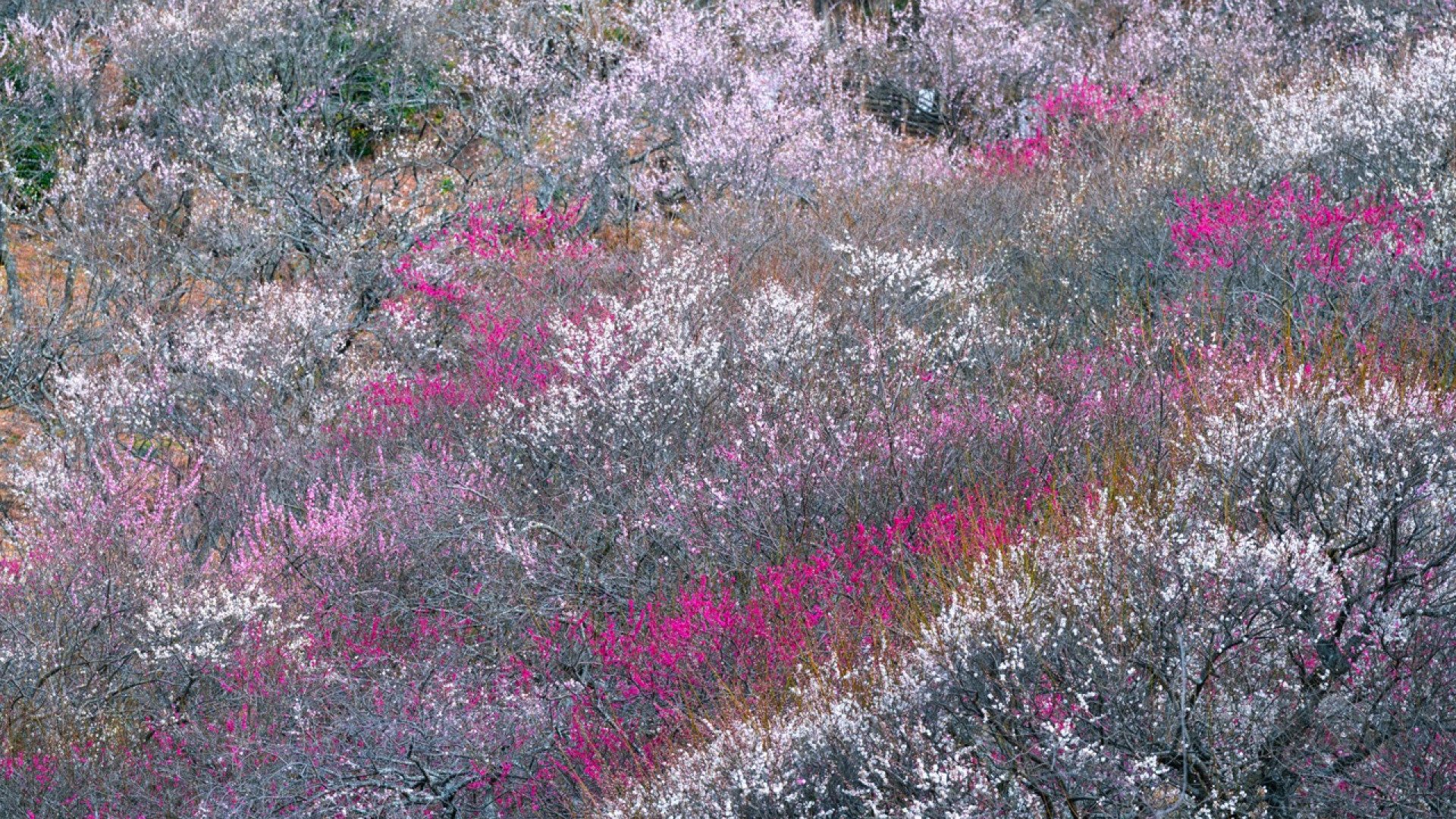
This event is held every year from early February to mid-March in the Yugawara Plum Grove (Makuyama Park). On the foot slope of "Makuyama" where magnificent natural scenery can be seen throughout the four seasons, approximately 4,000 red and white plum trees bloom like a carpet of plum blossoms, and fill the park with the fragrance of plum blossoms, allowing you to enjoy a "plum blossom banquet".Mt. Makuyama has roughly 4,000 plum trees that bloom red and white. The park holds its Umenoen event, a plum blossom festival when the flowers reach their peak. The plum grove is lit up at night, offering a completely different scene from the day.

Nature & Views Tokaido Koshu kaido KANAGAWA
Yokohama Tram Museum

Yokohama Tram Museum

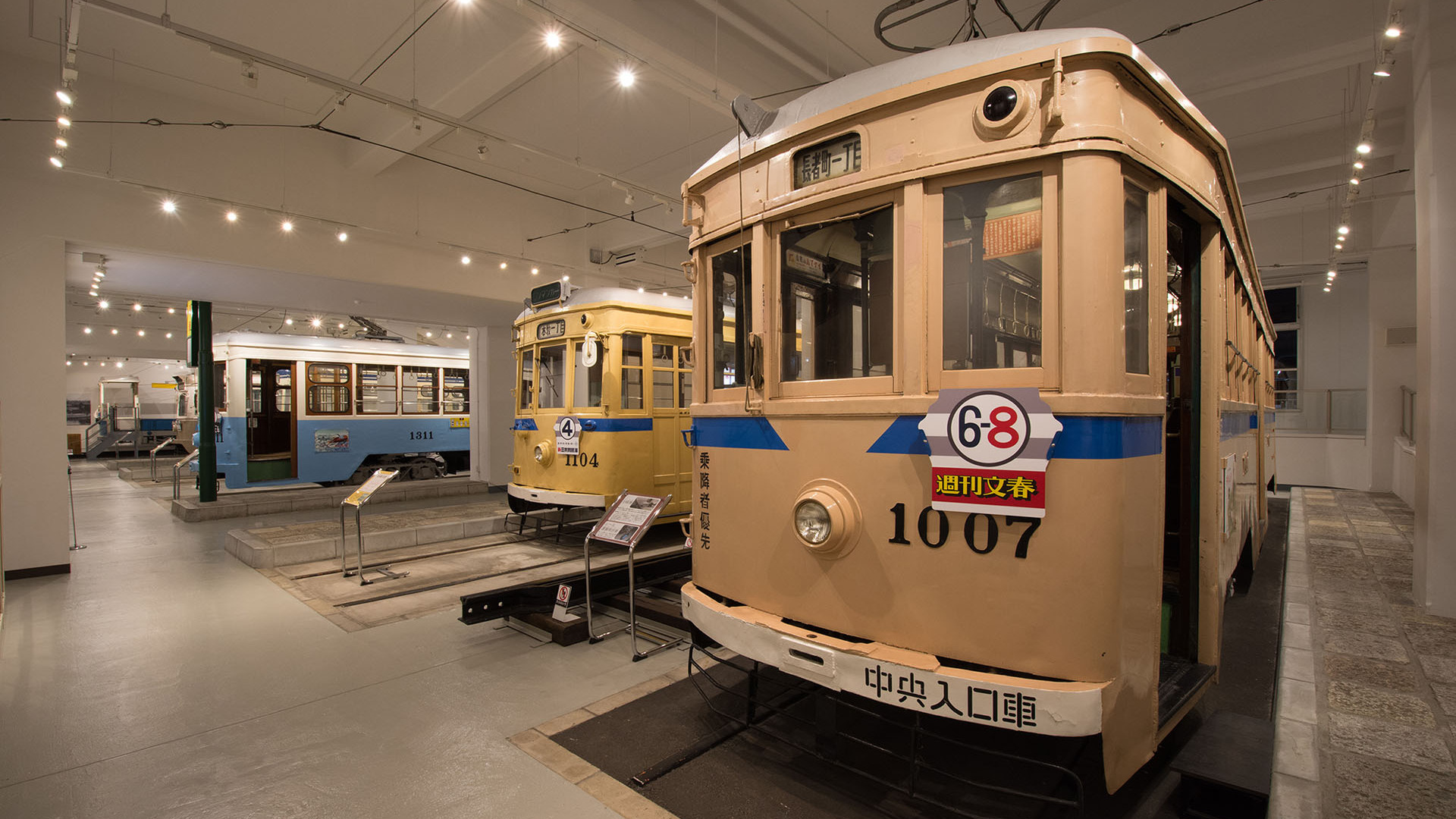
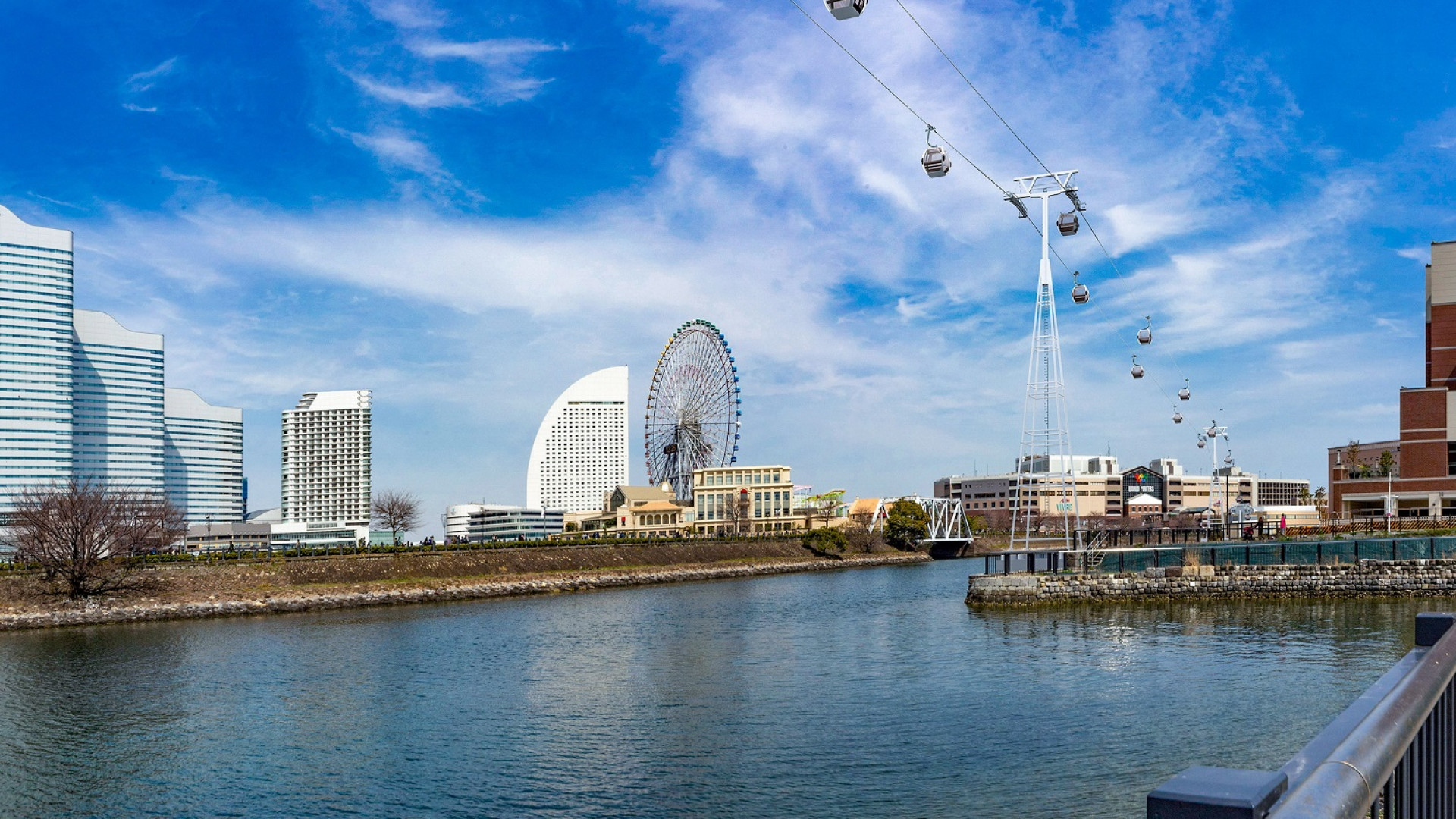
The Yokohama Tram Museum opened on the site of the Takigashira rolling stock factory in 1973, one year after the tram was abolished. In 1983, it was then rebuilt on the first floor of the current municipal housing building. In the hall, stop signs, paving stones and seven tram cars are all preserved as they were at that time, and reproduce the atmosphere of the time when the tram was running.Yokohama was not only the site of the very first rail station in Japan, but also home to a great trolley system. Walk through the many restored cars where you can sit and imagine being transported around the city.

Culture & Arts Koshu kaido Tokaido KANAGAWA
Hinata Keikoku Trout Fishing, Trout fishing experience・Trout grabbing experience・BBQ

Hinata Keikoku Trout Fishing, Trout fishing experience・Trout grabbing experience・BBQ

This is a nature-rich managed fishing and barbecue area located in Tanzawa Oyama National Park. Visitors can enjoy mountain stream fishing in a natural setting and barbecue along the river while fishing. There is also a fishing pond for children and beginners, and trout catching can also be enjoyed in summer. Only 10 minutes from the Isehara-Oyama Interchange on the Second Tomei Expressway, it is easily accessible from the city center, making it an easy place to enjoy outdoor recreation.

Experience & Activities Koshu kaido Tokaido KANAGAWA
Shinbayashi Park (Stroll/Bird-watching)

Shinbayashi Park (Stroll/Bird-watching)

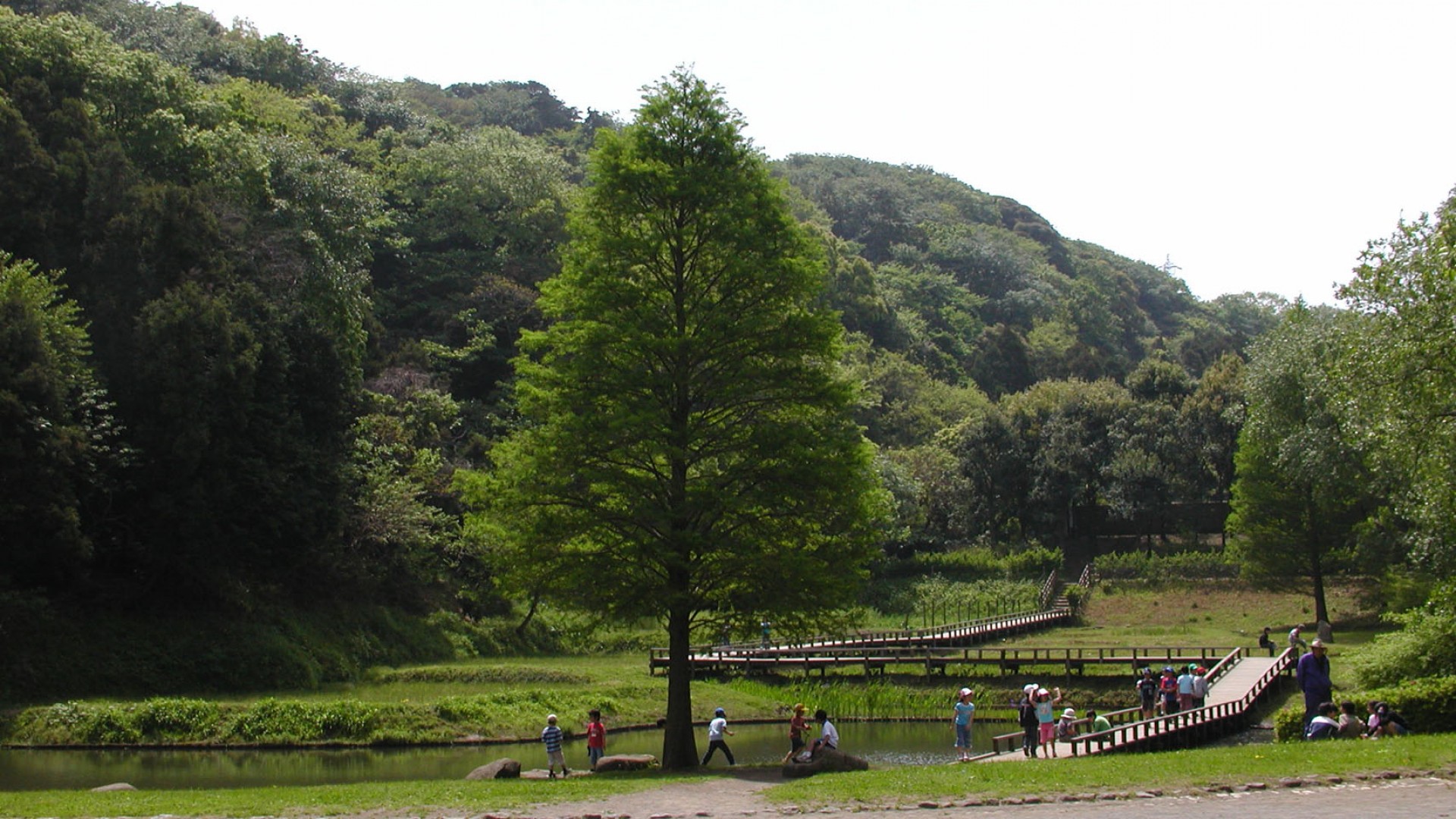
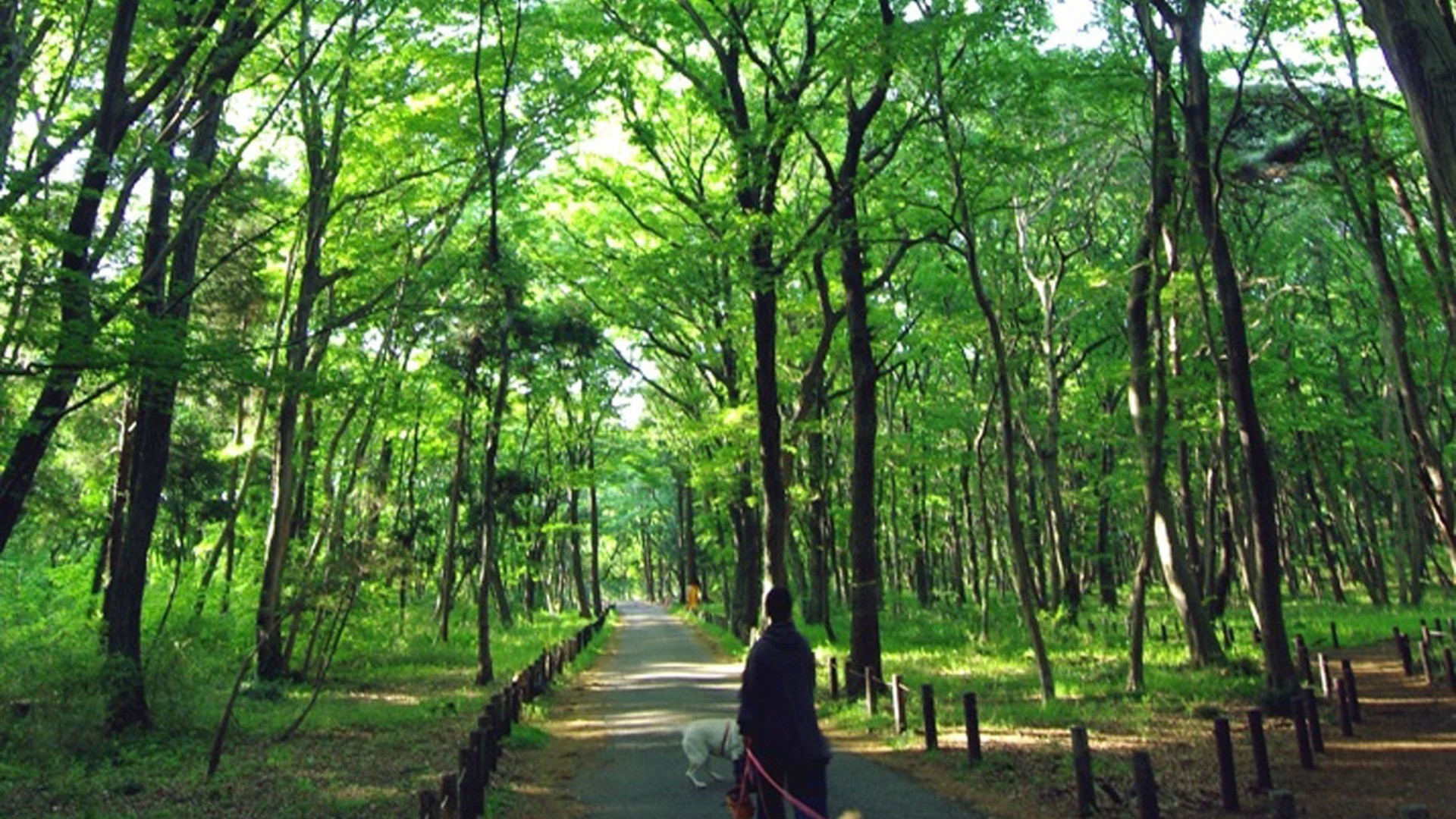
In this 16.2 hectare park, there is a 1.5km nature trail along the ridges of the mountains, an adventure park with playground equipment, and the Kawana Oike springs. You can find various plants such as the golden-banded lilies etc. on the nature trail which also serves as a hiking trail, and at the Kawana Oike springs, you can observe wild birds such as Kingfishers. At the wetlands area, you can find wetland plants there and at the banks of the pond, there's a traditional home from the Edo period (the former Koike Residence).

Nature & Views Tokaido Koshu kaido KANAGAWA
Old Hakone Highway Cedar-lined Road

Old Hakone Highway Cedar-lined Road

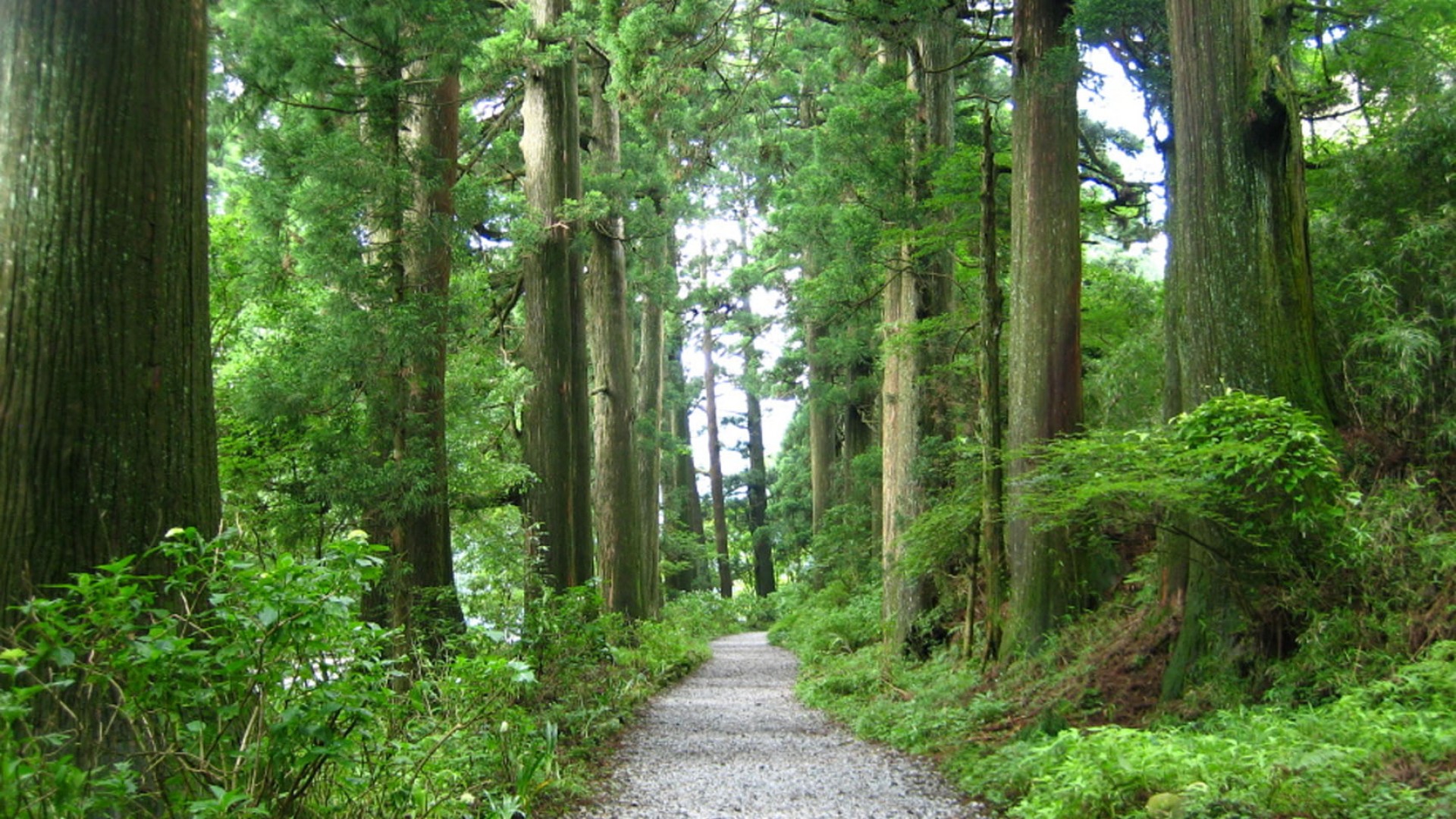
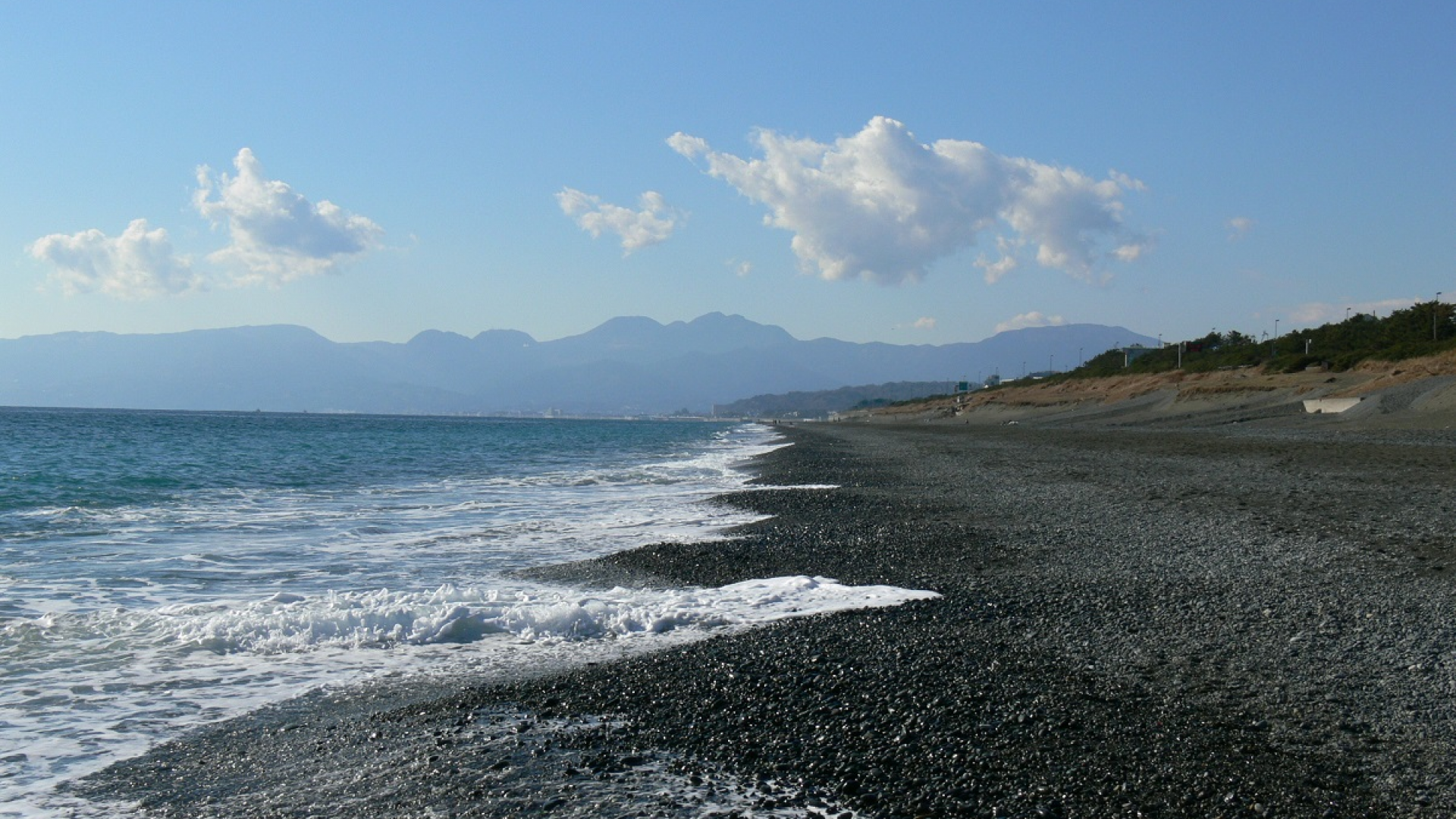
The Hakone Old Highway was once part of the Tokaido Highway, established by the Edo Shogunate at the beginning of the Edo period (1603-1867), and was known as the most difficult part of the Tokaido Highway to cross, stretching roughly 32km from Odawara-juku to Mishima-juku via Hakone-juku by Lake Ashi. Even today, some of the roadways from those days remain on the east (Hakone Town and Odawara City) and west (Mishima City and Kannami Town) sides of Mt. Hakone, where stone-paved paths, rows of pine and cedar trees, distance milestones, and even a reconstructed Hakone Sekisho (barrier) can still be seen. The cedar trees, which are found only along Lake Ashi, are believed to have been planted because they were suited to the climate of Mt. Hakone, whereas most of the trees along the highway are pine trees. Walking among the rows of cedar trees, some of which are more than 350 years old and some of which have grown up to 30 to 40 meters high, you are sure to experience the ancient highway as if an Edo-era traveler.This hiking path, as well as Hakone Shrine, are the two best places to see magnificent cedar trees. Descending is easier than the climb, but is tough on the knees.

Nature & Views Tokaido Koshu kaido KANAGAWA