

Enoshima Benzaiten Nakamise Street
This historic shopping street stretches along the entrance of Enoshima to Enoshima Shrine. It is lined with accommodations, restaurants, souvenir shops, and more, making it a popular tourist spot.
Total: 1140 items
This historic shopping street stretches along the entrance of Enoshima to Enoshima Shrine. It is lined with accommodations, restaurants, souvenir shops, and more, making it a popular tourist spot.
Kanagawa Prefecture Sagamihara City's Asamizodai area has been popular for poultry farming since long ago and there are currently seven houses. The poultry farmers formed the Asamizo Livestock Industry Association. We call the road where poultry houses and markets are located as "Tamago Kaido" and are working on revitalizing local commerce. At the market we are working on our sixth industry, confectionaries and cafes.
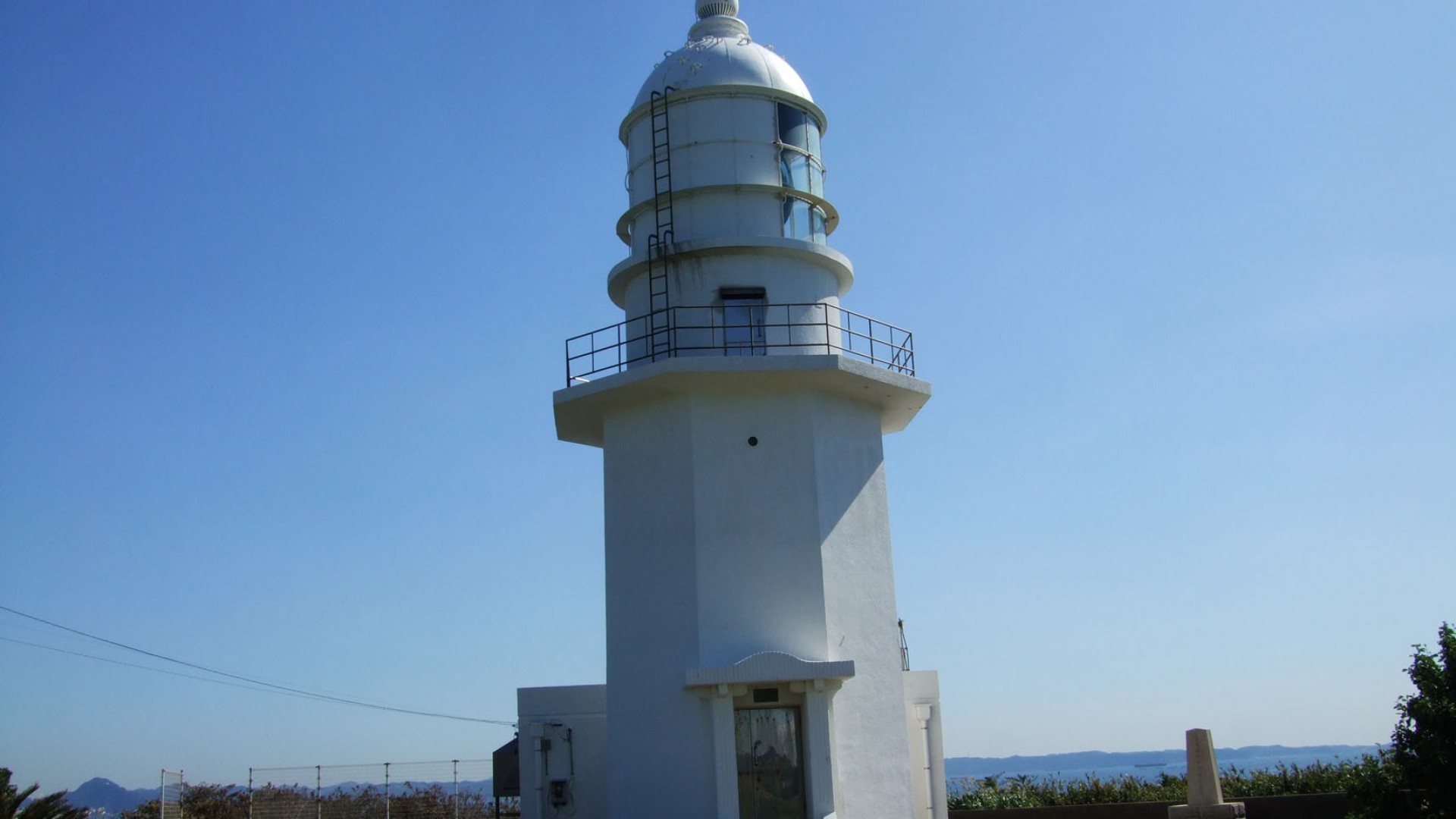
The prefectural Kannonzaki Park extends to almost all of Kannonzaki, sticking out Tokyo Bay. You can enjoy various kinds of activities such as watching coming and going ships, or walking in the forest. There are many tourist attractions around this park. For example, Kannonzaki Lighthouse which is the first western style lighthouse in Japan, Kannonzaki Nature Museum which displays the forest, river, sea, or other nature in Tokyo Bay, and finally the Yokosuka Museum of Art that displays arts of Yokosuka's ocean and Miura Pensinsula.
With a trunk circumference of 4.5 meters, it is the largest inumaki tree in Odawara City and is designated as a natural monument of the city. Out of all of the large trees in the Odawara Castle Ruins, this inumaki is the most magnificent in shape.
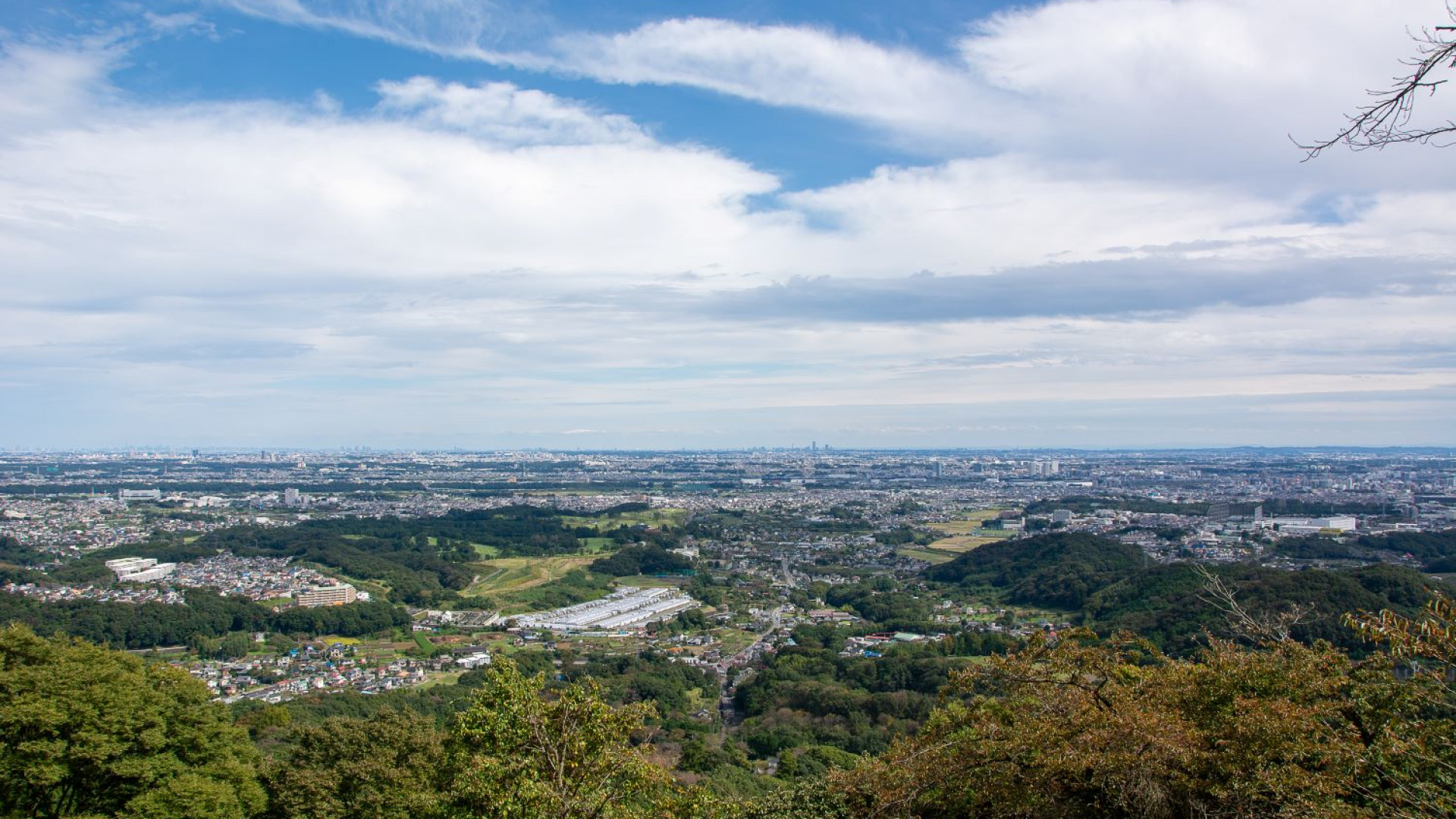
Mt. Oyama has been a theme for rakugo "Oyama Mairi" and a subject matter of Ukiyoe. Afuri Jinja (Shinto shrine) and Aburisan Oyamadera (Buddhist temple) were deeply believed in by the common people in Edo and this religious development had led to prosperity of shukubo (pilgrims' lodging) and souvenir shops at Mt. Oyama.About 50 shukubos are still in business and their specialty are tofu dishes. Clear spring water is used in making tofu. Each shukubo provides a variety of tofu dishes. Tamagaki (a fence around a shrine), Temizuya (place to wash hands and mouth), and Kabukimon (gate) create an atmosphere and liveliness of Edo period. The view from Oyama Afuri Jinjya was published on Michelin Green Guide Japon in June 2015 (Heisei 27) as a two-star scenic spot. Furthermore, "Oyama Mairi" was registered as Japan Heritage in April 2016 (Heisei 28). Mt. Oyama will draw many visitors/tourists' attention.
The shrine enshrines Okuninushi no Mikoto, the deity of Izumo Taisha, Shimane Prefecture. It formally became a branch of the Izumo Taisha sect in 1888. It has a unique wooden shrine building that combines Taisha-zukuri and Gongen-zukuri styles and features a long hall called the "Winged Hall". The shrine itself is known as the "Izumo of Kanto" and features the 1,000-year-old zelkova tree, which towers over the grounds rich in nature, and the famous Hadano spring. The Yuzuri no Mizu (Yuzuri Water) drawn from 50m below the forest is also very popular among visitors (it is drinkable, and health inspections are carried out yearly). Seasonal events are often held, and many worshippers come throughout the year, as well as visitors for Goshuin (shrine stamps). (Free parking available for up to 130 cars. Tour buses require reservations.)
Hakone, an area shaped by volcanic activity, is dotted with captivating natural attractions: craters spewing smoke, a majestic caldera lake, and historic ruins surrounded by forests. Volunteers guide visitors around Hakone's main sights, and a dedicated guide will accompany your group of family and friends. Locations, itinerary details, and tour duration can be adjusted to your preferences through advance consultation.The standard tour includes visits to the following locations: ・Ride the Hakone Tozan Cable Car ・View the crater and Mount Fuji at Owakudani ・Ride the Hakone Sightseeing Cruise (a pirate ship on Lake Ashi) ・Visit historical monuments such as Hakone Shrine, Hakone Checkpoint, and the Old Tokaido Road
One of Japan's largest citywide illumination events. A spectacular show of the harbor's waterfront, historical buildings, and modern buildings will be synchronized with light and music, and a large-scale projection mapping at the Port of Yokohama's Osanbashi International Passenger Boat Terminal and an interactive light show in Yamashita Park will create a beautifully lit Yokohama on a winter night. Please enjoy the most brilliant harbor lights of the year.
This experience-based themepark is a gateway to the real outdoors, where visitors can experience the attractions of the outdoors through an outdoor BBQ experience. The park is divided into three areas with different concepts: the Tree Land Circle, a symbolic circular promenade deck on the Yokohama Hammerhead Side; the Fire Forest, a glamping experience area making use of the forest on the Goddess Bridge Side; and the Wonder Field, a multipurpose field sandwiched between the two areas. Each offers a different way to enjoy the area.You can enjoy an authentic BBQ while taking in the night view of Yokohama.
Illumination event that started in 2007 and is opened from November until February.
Spanning 64,925 square meters, Ashinoko Camp Village is a beautiful camping site located on the shore of Lake Ashi (Ashinoko), Kanagawa. Visitors can stay in a private cabin, equipped with a fully-furnished kitchen, a toilet and bath, and six beds. Alternatively spend a night under the stars at the camping grounds, with necessary facilities conveniently located nearby. Visitors are also welcome to use the campsite’s barbequing grounds, where food items can be brought, or purchased from the Camp Village’s set menu. Of course, late-night snacks and drinks are readily available at the campsite’s in-house convenience store and the multiple vending machines located around the campsite. The campsite also offers rental bicycles, so guests can conveniently move around and explore beyond the campsite. Nightly campfires are lit, so pass the time by making new friends by the fire and roasting marshmallows, and enjoy the camping experience to its fullest. If you’re looking to make a short getaway with your friends and family, Ashinoko Camp Village is sure to meet all your needs.
In 2026, there will be a tour bus that operates between Minamiashigara's popular cherry blossom spots, including Haruki Path and Happiness Road (Harukimichi and Shiawasemichi). The bus will operate on March 14 (Sat), 15 (Sun), 20 (Fri), 21 (Sat), and 22 (Sun), 2026.Harukimichi Happy Sakura Festival is a spring festival that takes place on the riverside walk along the Kari River in Minami Ashigara City. When spring comes, the 171 or so cherry trees on the riverbank bloom in unison. Visitors can enjoy strolling along the riverside walk admiring the wonderful view of cherry trees, field mustard flowers and the blue sky with the magnificent Mt. Fuji in the background. There are food stalls lined up along the riverside walk and visitors can enjoy shopping for local farm products and more. Many people also enjoy the bustling fleamarket.
You can enjoy eating a large amount of soba (buckwheat noodles) in the shape of Mount Fuji at a reasonable price. There are 17 stores in Yokohama.
Located on the 4th floor of Grandtree Musashi Kosugi, this indoor playground welcomes parents and children alike. Please find your favorite play place, such as our "Baby Garden," a playground exclusively for babies, or our ball pool with large wooden playsets and slides.
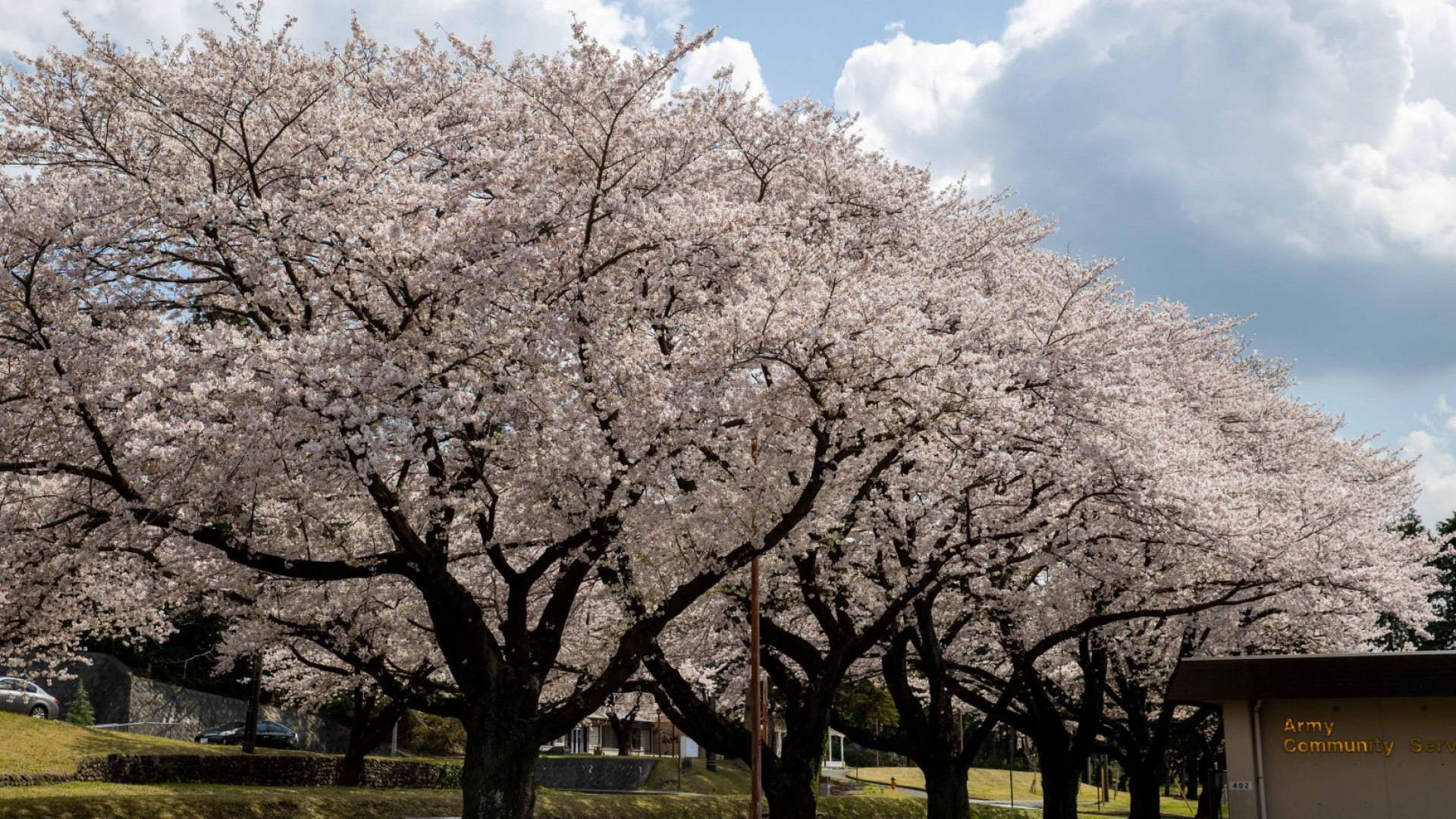
Children's Nature Park is a large athletic facility which includes Makigahara Chibikko Zoo, where you can touch small animals such as guinea pigs and mice. In spring, the cherry blossoms bloom all at once, and the view from the top of Sakurayama is amazing.
Since its founding in 1900, Kamakura Ham Tomioka Co. has continued to maintain its painstaking manufacturing techniques for over a century. Their headquarters factory has an archive where you can learn about the story and history behind the creation of the brand, and in the factory itself, you can view the treasured traditional manufacturing techniques they use. You can also experience those techniques with your own hands. There is also a shop where you can purchase souvenirs before you head home.
Odawara lacquerware is created using a technique passed down since the Muromachi period (1336-1573). The artist repeatedly rubs unrefined lacquer using a potter's wheel and combines the “kijironuri” and “irourushinuri” techniques, blending together to create handmade lacquerware which accentuates the beautiful wood grain of the natural materials. At Okawa Mokkoujo (wood turning and potter's workshop) we create various types of lacquerware, including trays and bowls, as well as polishing experiences for soup bowls, dish boxes, and balls. We also create one-of-a-kind patterns using water paper. Any items made can be taken home the same day and used at home. (Optional: apply lacquer to the item for a glossy finish. This takes around three weeks to complete and costs 1,500 yen, including shipping).
It is said that the ume (plum) groves were first planted by the Hojo clan during the Warring States period to provide food for the troops (some theories exist). Among the three plum groves: Bessho, Hara and Nakagawara, around 35,000 plum trees are in full bloom during the correct season and are framed by Mt. Fuji and Hakone. During the Ume Festival from early February to early March, events such as Odawara Chochin Odori, a local performing art, and lion dances are held. (Photo by photolibrary)