

Greater Tokyo

See & Do

reset
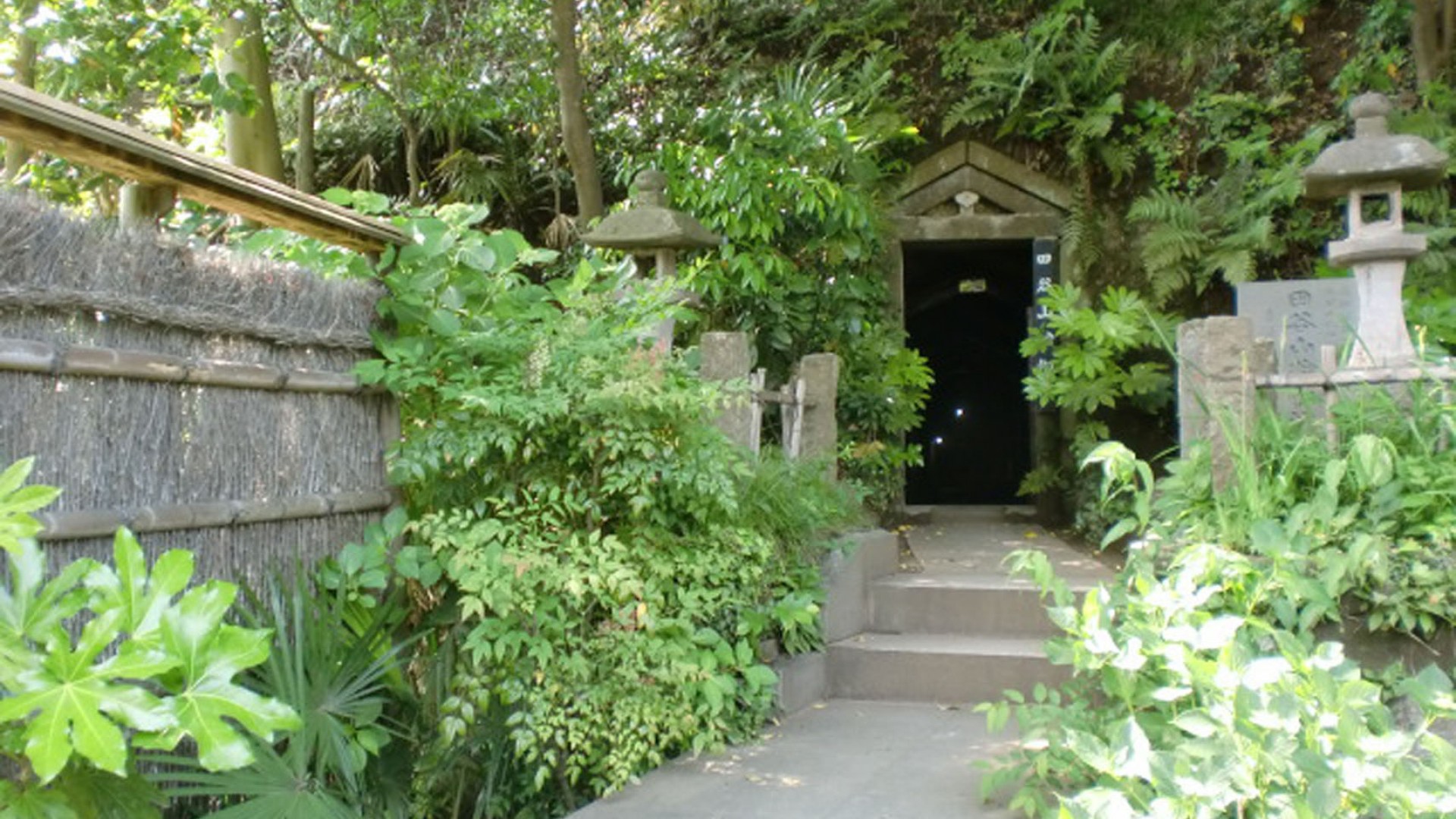
Taya Cave, Josenji Temple

Taya Cave, Josenji Temple

Taya-no-dokutsu (Taya Caves), located within the precincts of Josen-ji Temple on Mount Taya in the Daikaku-ji School of Shingon Buddhism, is officially called Yugado, a man-made cave dug by Buddhist ascetic monks for pilgrimages to sacred sites in Shikoku, Saigoku, Bando, and Chichibu. Josenji Temple was built in the first year of the natural calendar (1532) by high monk Takatsugu, a pupil of the highest ranking priest, Kaigen, a monk of Soshoin, a 25-bo temple in Tsurugaoka. But the cave in Taya is said to have been opened even earlier, in the Kamakura period, as a place for practicing esoteric Shingon Buddhism. Since then, from time to time the cave has been expanded and now measures 570m in actual size. The cave has three levels, upper, middle, and lower, with 17 large and small spaces connected by passageways, with walls and ceilings carved with mandalas, eighteen arhats, and Buddhist stories by Doshin Karukaya.Experience a historic Buddhist meditation cave with many beautiful wall carvings and murals. Explore the cave with a candle in hand, while entering different chambers including the meditation hall for a true spiritual experience.

Temples & Shrines Tokaido Koshu kaido KANAGAWA
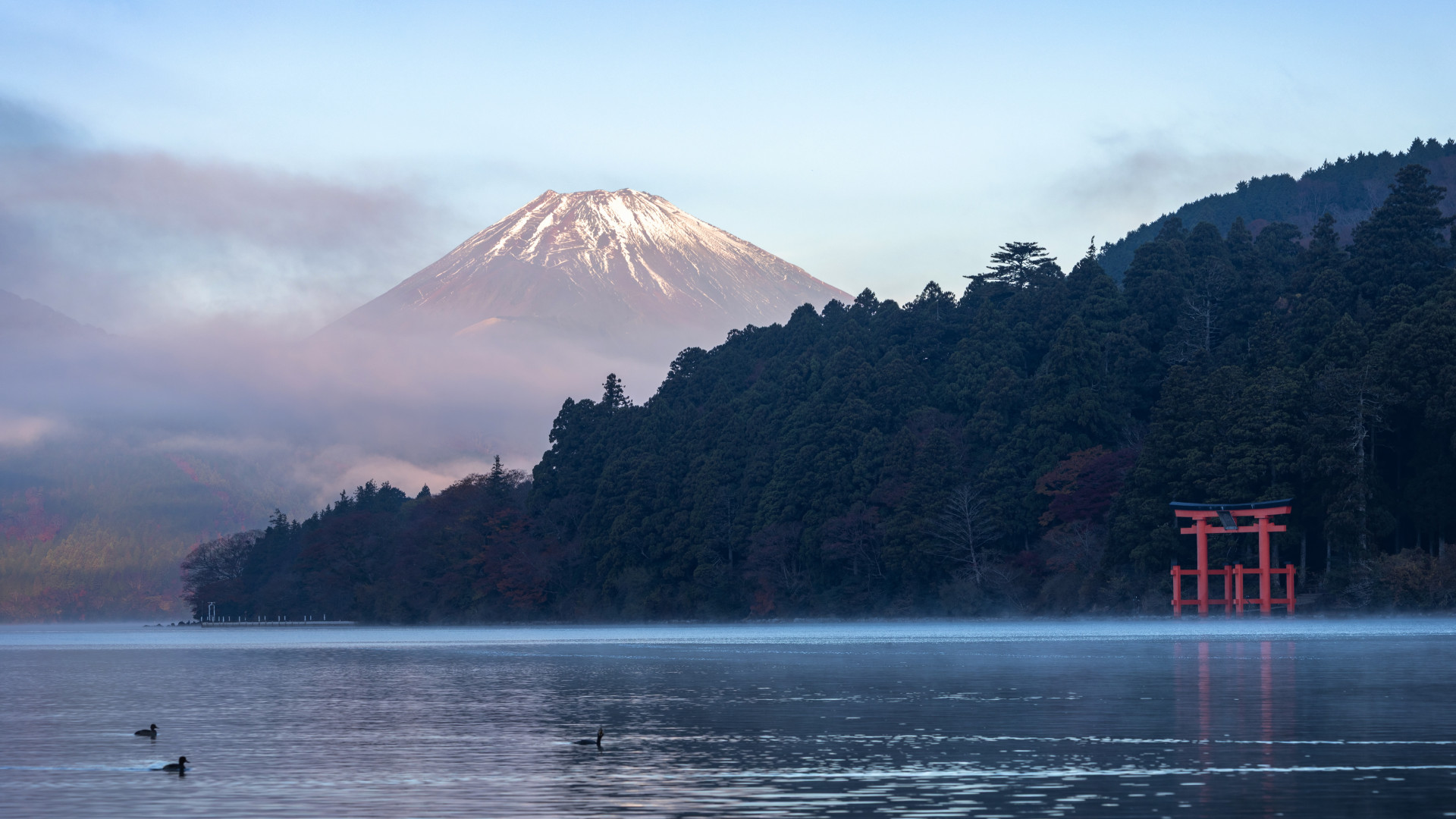
Lake Ashi

Lake Ashi

Lake Ashi, also known as Ashinoko, was created by a steam explosion of Mount Kamiyama about 3000 years ago. This caused a river to be dammed, which formed the lake. The majority of the lake’s water comes from a spring at the bottom of the lake. The area is often bustling with hikers along the shore, picnickers, and people fishing.The Hakone Sightseeing Cruise Pirate Ship is one of Ashinoko's most famous experiences. Pirate ships come in three different designs, but all cruises offer the same, smooth journeys across Ashinoko, promising a beautiful view of Mt. Fuji on clear days.Togendai Port is one of the three ports where the Hakone Sightseeing Cruise docks. It is also directly connected to the Hakone Ropeway.The Hakone Ropeway connects visitors from Togendai Port to the Owakudani observation platform, Hakone's most famous tourist spot. While the view of Mt. Fuji from the observatory is stunning on its own, the view from taking the ropeway alone will take your breath away.A 15-minute walk from Togendai pier, this small observation square is a lesser-known observatory that also provides beautiful views of Mt. Fuji and Ashinoko. If you feel like skipping Owakudani and taking a shortcut, this observatory is for you.Enjoy a magnificent view of Mt. Fuji, Lake Ashi, and the red torii gate, in the morning or evening at Motohakone Port. Depending on your luck, you can see the reflection of Mt. Fuji on the clear lake surface in the early morning if weather conditions permit.

Nature & Views Tokaido Koshu kaido KANAGAWA
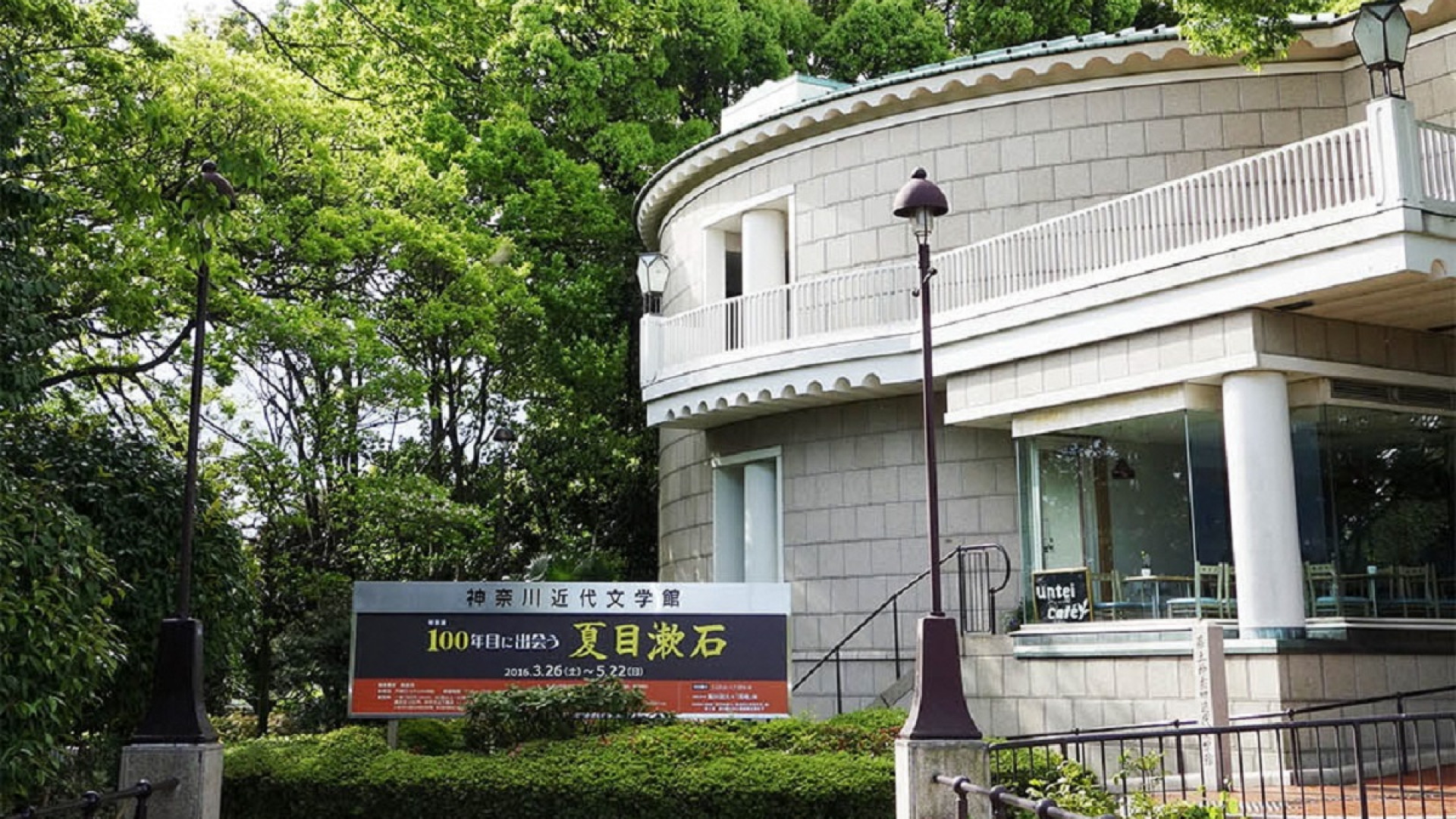
Kanagawa Museum of Modern Literature

Kanagawa Museum of Modern Literature

Please visit the facility's website for the latest information.This museum has information of Kanagawa related and/or born writers and literature. It is used both as a library of Japanese modern literature and event site. They have more than 1.2 million collections. Some of them are entitled famous writers' names, such as Yasushi Inoue library, Shohei Ooka library and Soseki Natsume special collection. They usually exhibit Kanagawa literature. The museum also displays personal exhibitions of Sosuke Natsume, Ryunosuke Akutagawa and other Kanagawa related writers.

Culture & Arts Tokaido Koshu kaido KANAGAWA
Karasuoyama

Karasuoyama

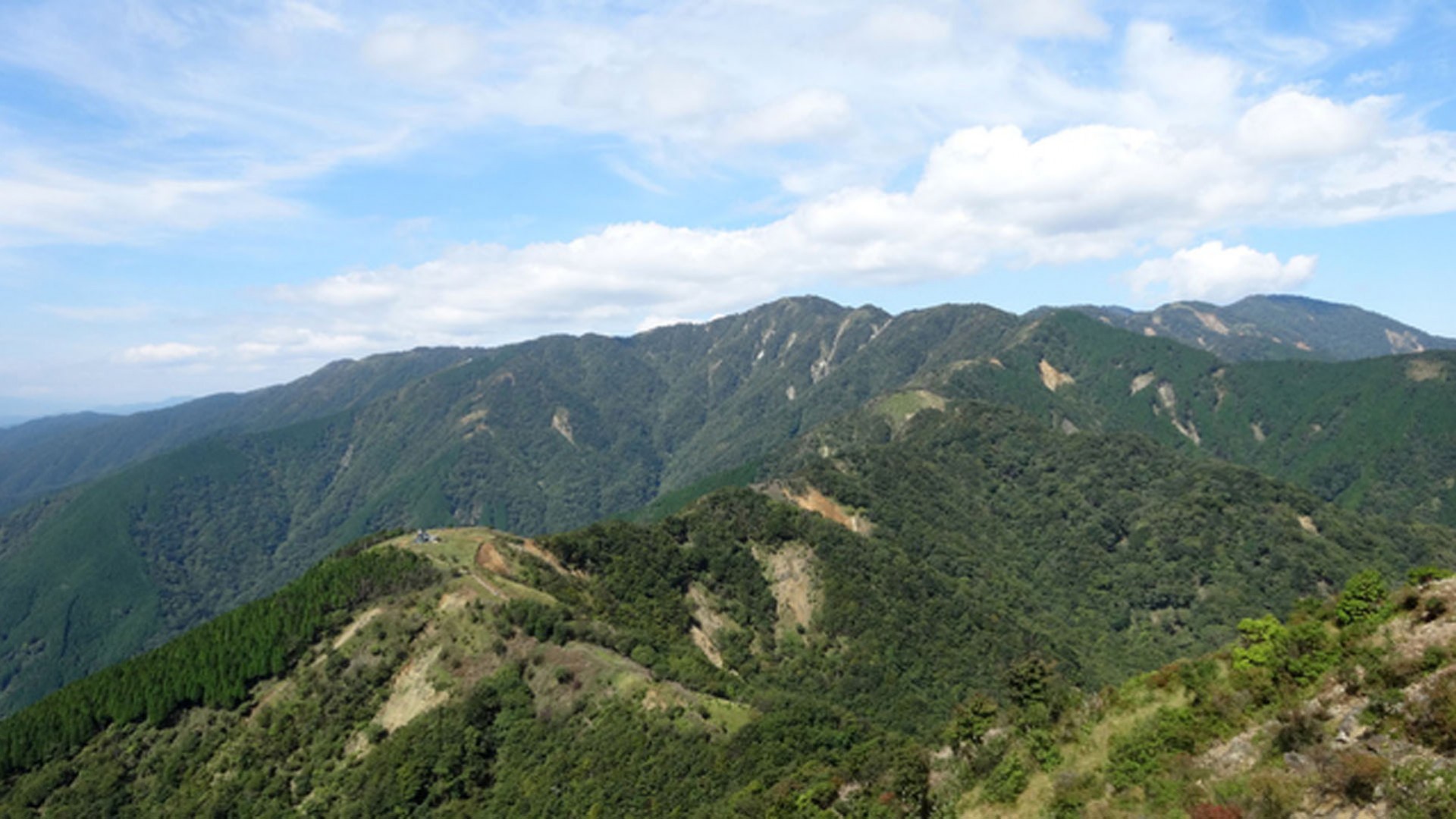
Atop Mt. Karasuo, one can enjoy a fully panoramic view of Hadano city over the San-no-tou Ridge and the mountains of the Omote Ridge, such as San-no-tou and Tonotake. The origin of the name "Mt. Karasuo" is said to have come from an ascetic practitioner on this mountain, who prayed to a crow that flew over during his asceticism for blessings and the fulfillment of his ascetic practices.Please use the "Tanzawa Omote Ridge Traverse Course" as a reference and plan your hike accordingly.Early morning trekking allows you to enjoy a special experience with fewer people and clear air.

Nature & Views Tokaido Koshu kaido KANAGAWA
Higeta Indigo Dyeing Workshop

Higeta Indigo Dyeing Workshop

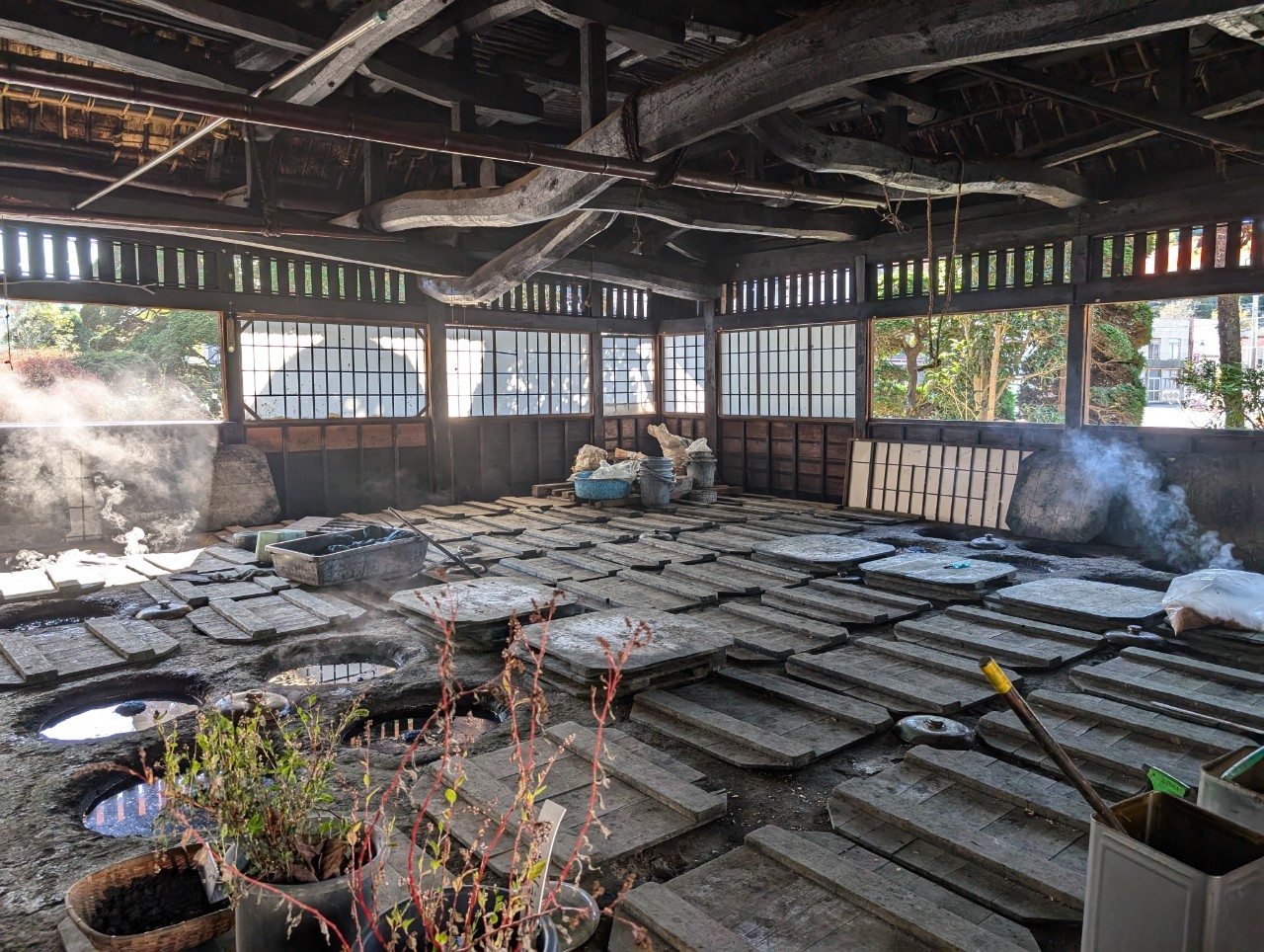
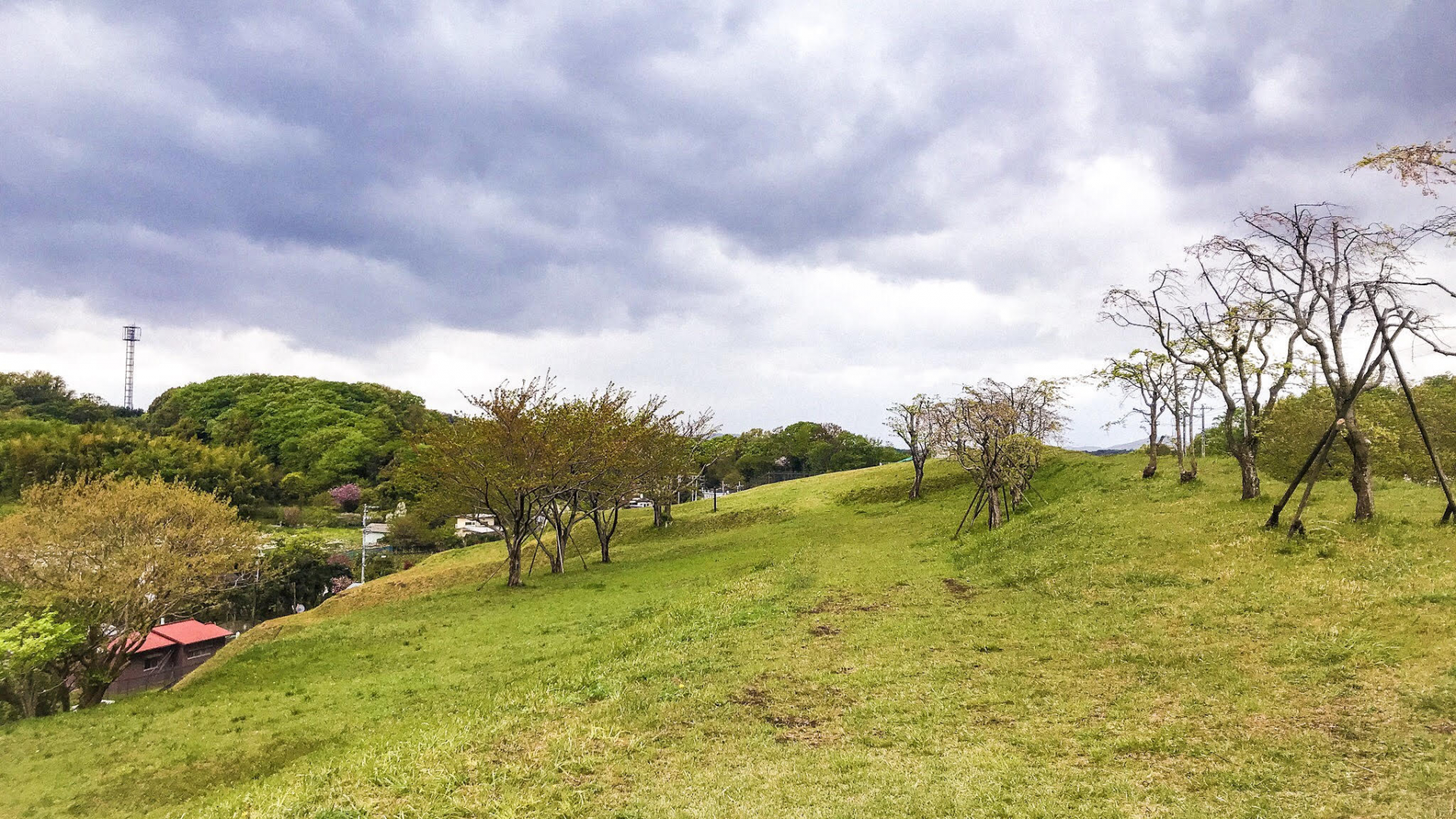
Higeta Indigo Dyeing Workshop, established during the Kansei era (1789–1801), is a fabric-dyeing and weaving workshop. It is a rare workshop in Tochigi that inherited traditional indigo dyeing. It still uses the dyeing area created at the time of its establishment to dye the fabric in the traditional manner. Inside the 200-year-old building with a thatched roof, 72 earthenware indigo vats are neatly arranged. The building and the vat area are Tochigi Prefecture’s tangible cultural assets, and visitors can freely visit and see them. Indigo is a plant dye that has long colored ethnic costumes. Long ago in Japan, 80% of commoners’ cloths were dyed with indigo. The indigo color produced by the traditional Japanese indigo dyeing and plant dyeing methods is called Japan Blue and, together with the dyeing methods, is highly recognized around the world. The workshop engages not only in dyeing but also cotton cultivation, yarn-making, yarn dyeing, and handweaving in order to preserve the cotton tradition essential to the indigo dyeing culture. The workshop sells indigo-dyed cotton fabric, coasters, and tablecloths. Please come and see the traditional techniques and the beauty of indigo.

Nikko kaido Oshu kaido TOCHIGI
Uraga Community Center Branch (Folk Museum)

Uraga Community Center Branch (Folk Museum)

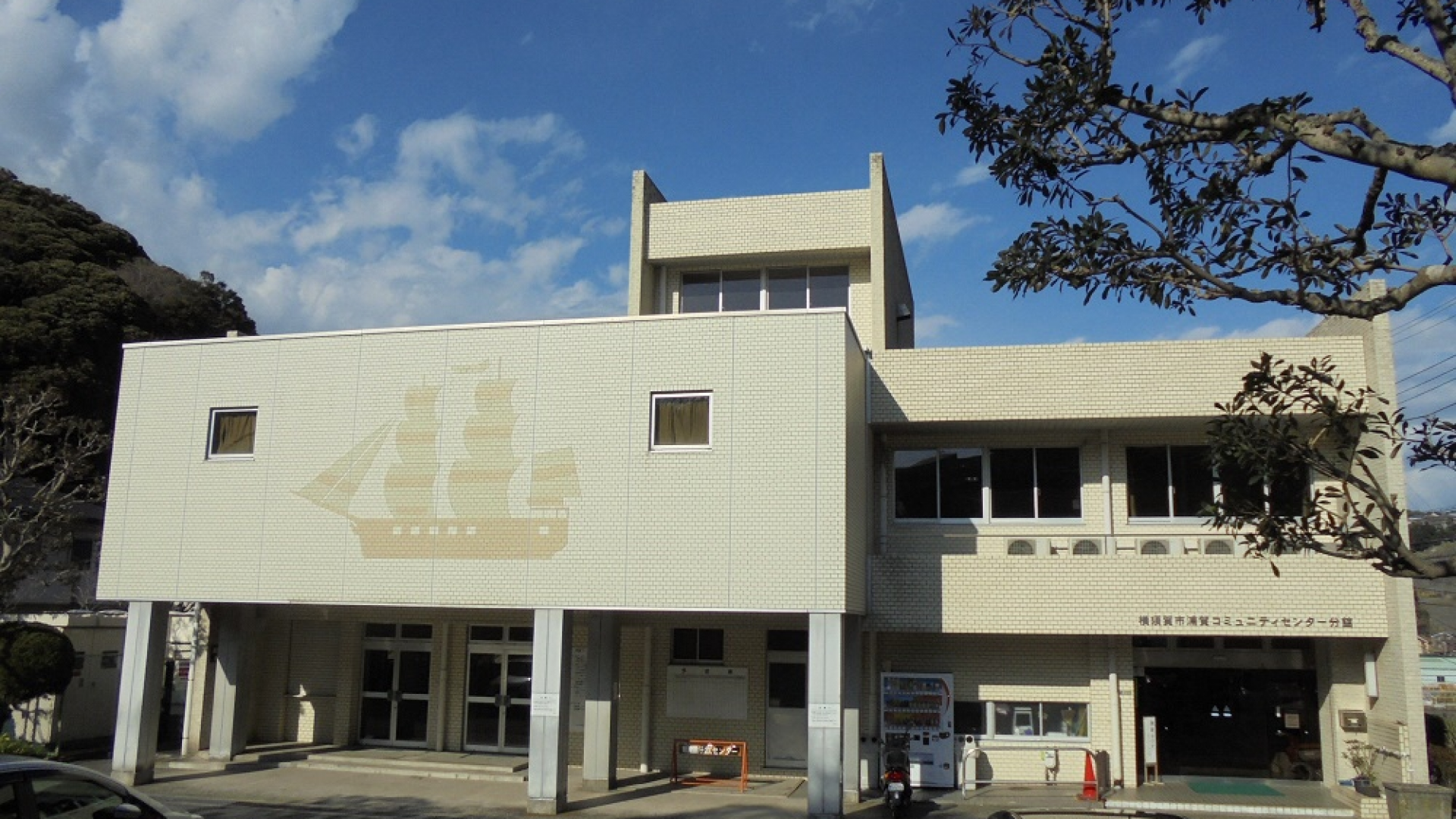
This facility provides a place and opportunity for local people and organizations where they can casually interact and discuss things. It also hosts a variety of events, such as lectures, hobby classes, practical workshops, and others to improve knowledge and education, health, social welfare as well as to promote lifestyle and culture. Local literature and documents of Uraga are displayed in the center as well.

Culture & Arts Tokaido Koshu kaido KANAGAWA
Kainan Shrine

Kainan Shrine

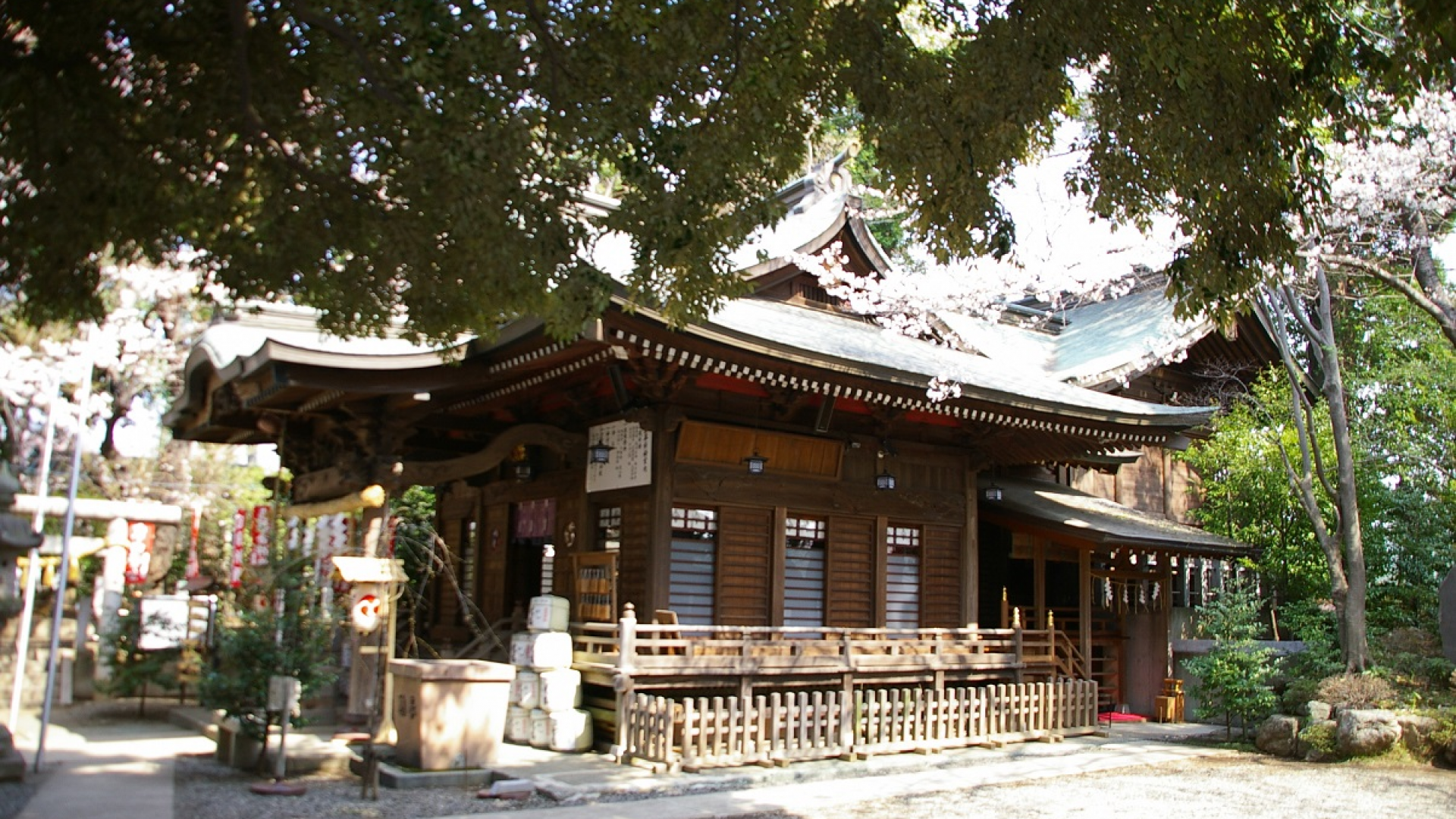
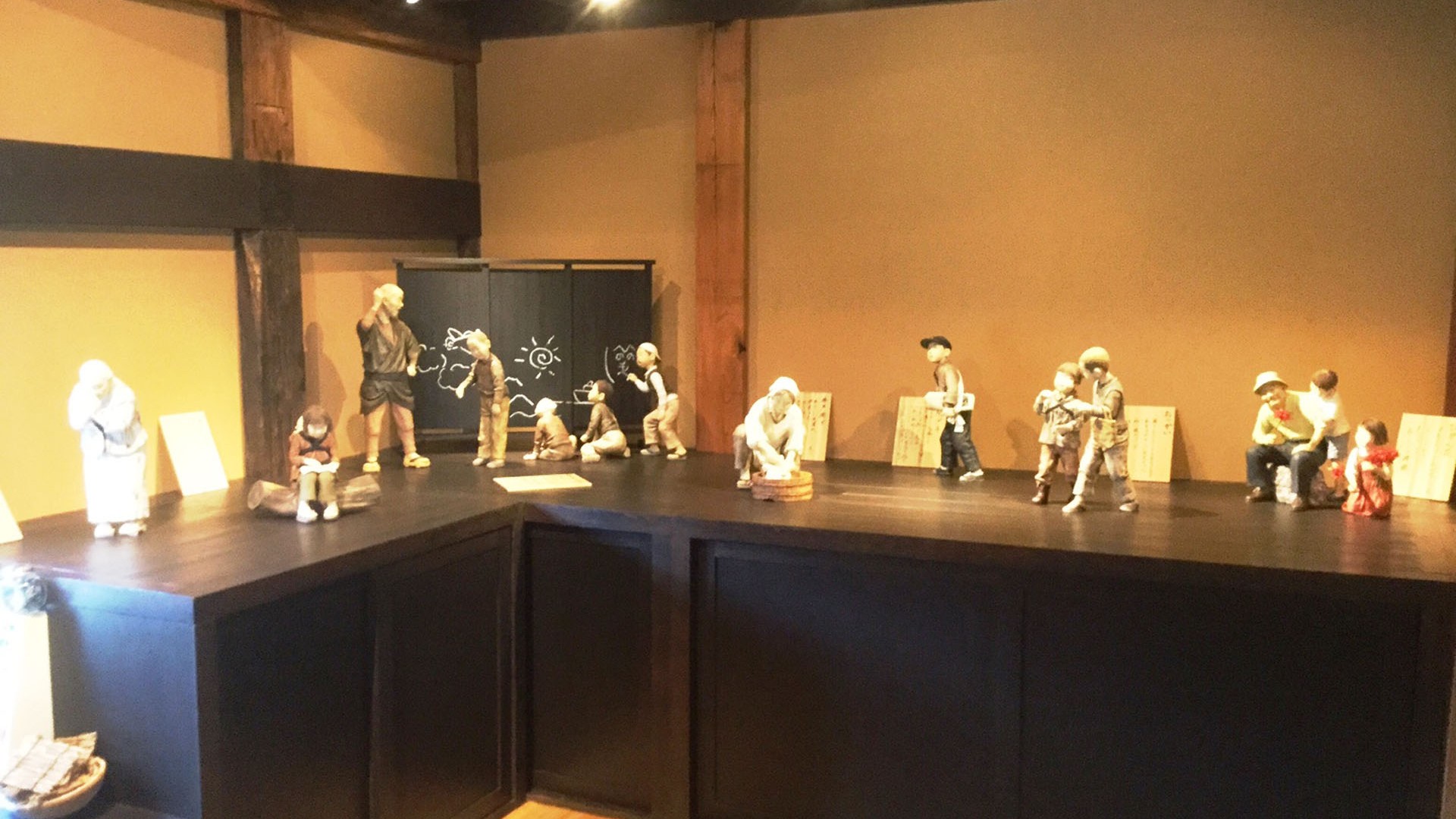
Built in the March of the 2nd of the Jouou Era (1653), Kainan Shrine was awarded Shouichii (the highest rank given to a shrine) by the Yoshida Family of the Yoshida Shintō religion. In the 4th of the Kyouhou Era (1719), the shrine became the Souchinju (the protecting shrine) of the Miura Peninsula. In the 6th year of the Meiji Era it was designated a Gosha (a village shrine) and in the 40th year it was designated a Shinsenheihakuryokyoshin-sha (a type of village shrine that was able to receive fees/offering for the gods).

Temples & Shrines Tokaido Koshu kaido KANAGAWA