
Greater Tokyo

See & Do

reset
Strawberry House Ebina

Strawberry House Ebina

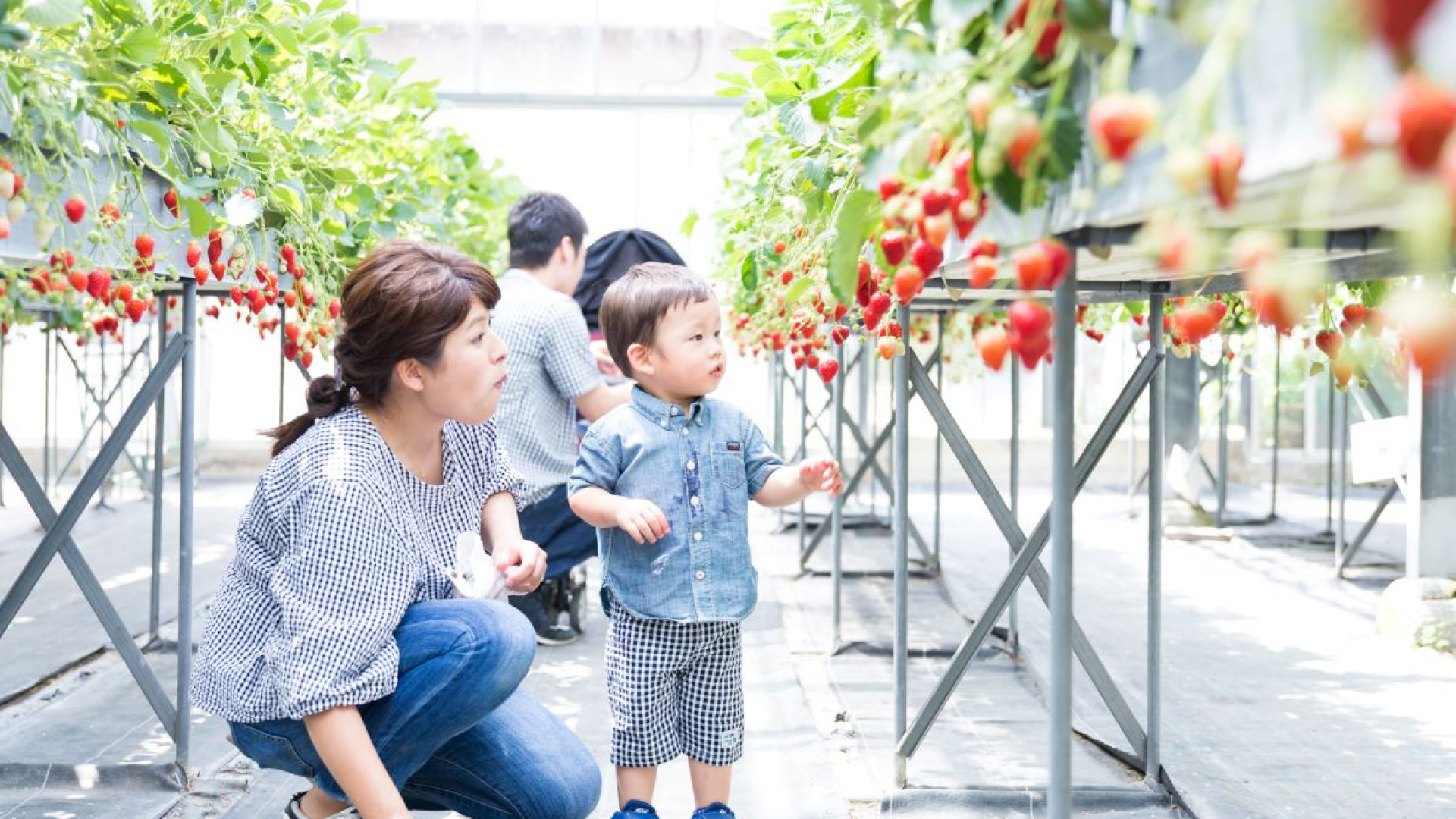
Savor the taste of up to 10 strawberry varieties (depending on growth conditions)! Advance reservations are required and can be made via the website. The elevated cultivation system allows for standing strawberry picking, with wide aisles accessible for guests with strollers or wheelchairs. A kids' play area is also available so families with young children can relax. Come taste the sweet deliciousness of perfectly ripened strawberries grown right here in Ebina!

Experience & Activities Tokaido Koshu kaido KANAGAWA
Egara Tenjin Shrine

Egara Tenjin Shrine

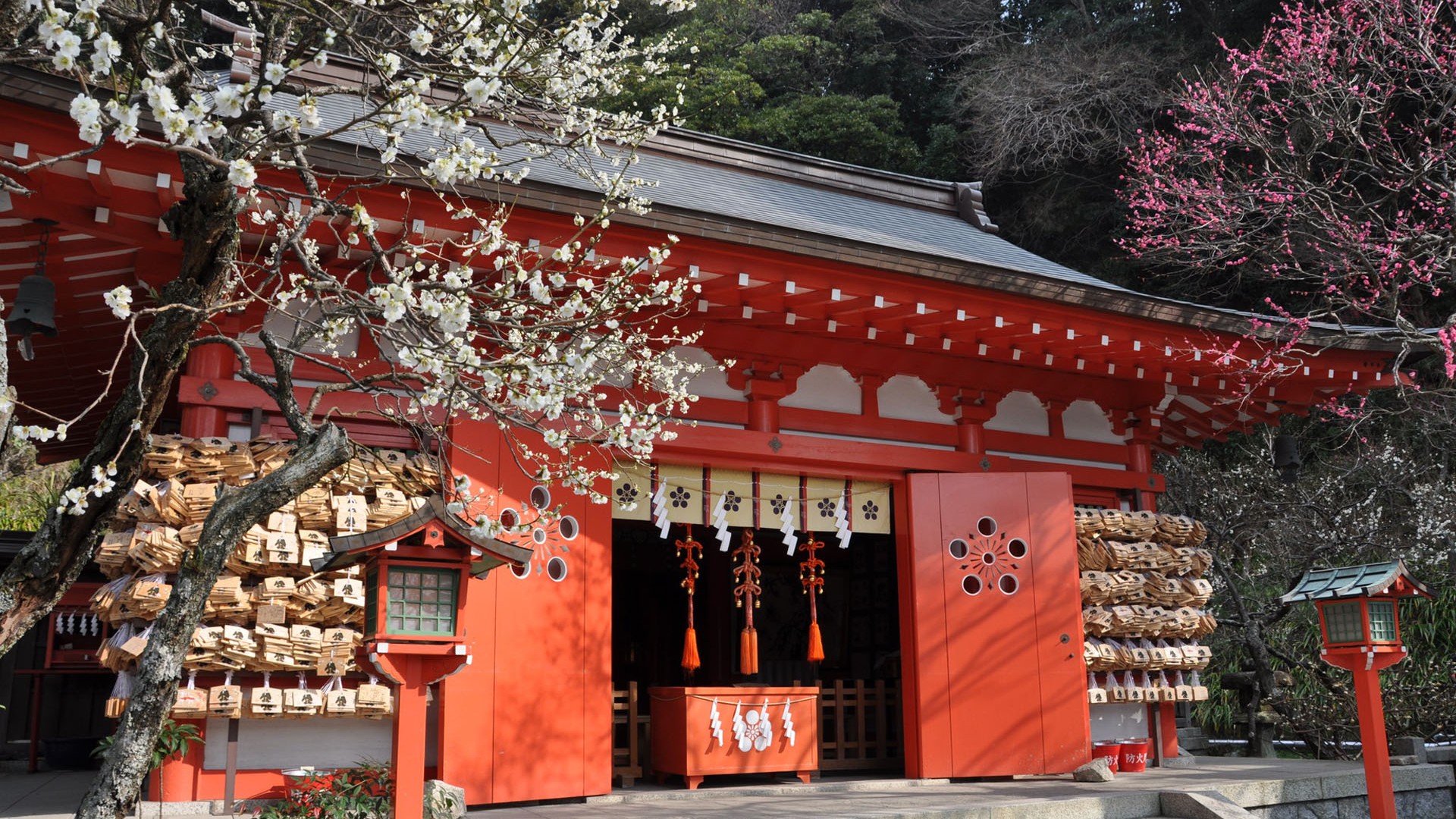
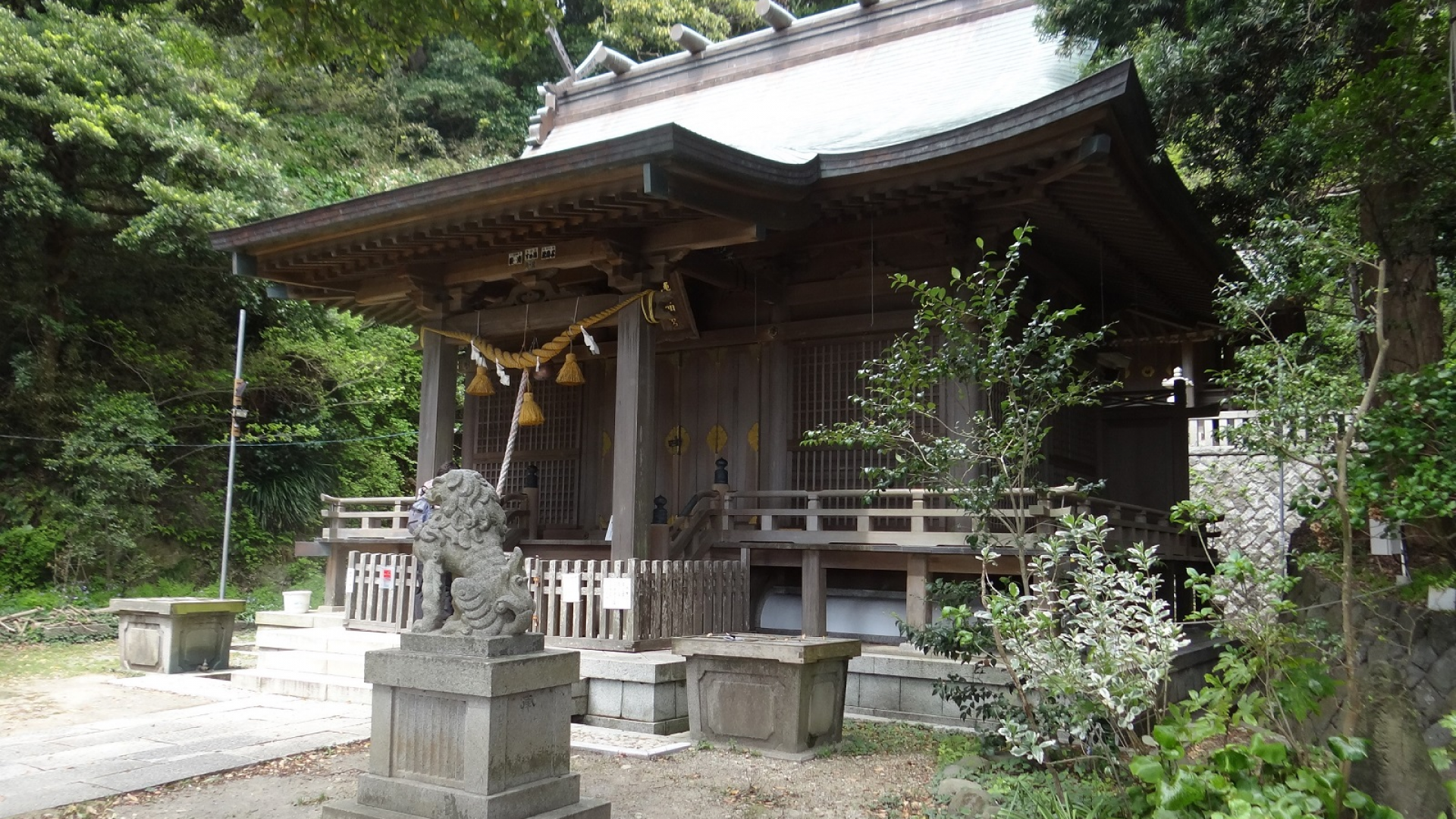
The Egara Tenjin Shrine was built in the Heian period. Together with the Kitano Tenmangu Shrine and Dazaifu Tenmangu Shrine, it is known as one of the three oldest Shinto shrines in Japan. Since Sugawara no Michizane, the deity of the shrine, excelled in academics, it is popular as a place to pray for success in academics and entrance examinations. The shrine is also famous for its two brush mounds associated with Showa and Heisei-era cartoonists.

Temples & Shrines Tokaido Koshu kaido KANAGAWA
Tsumada Yakushi

Tsumada Yakushi

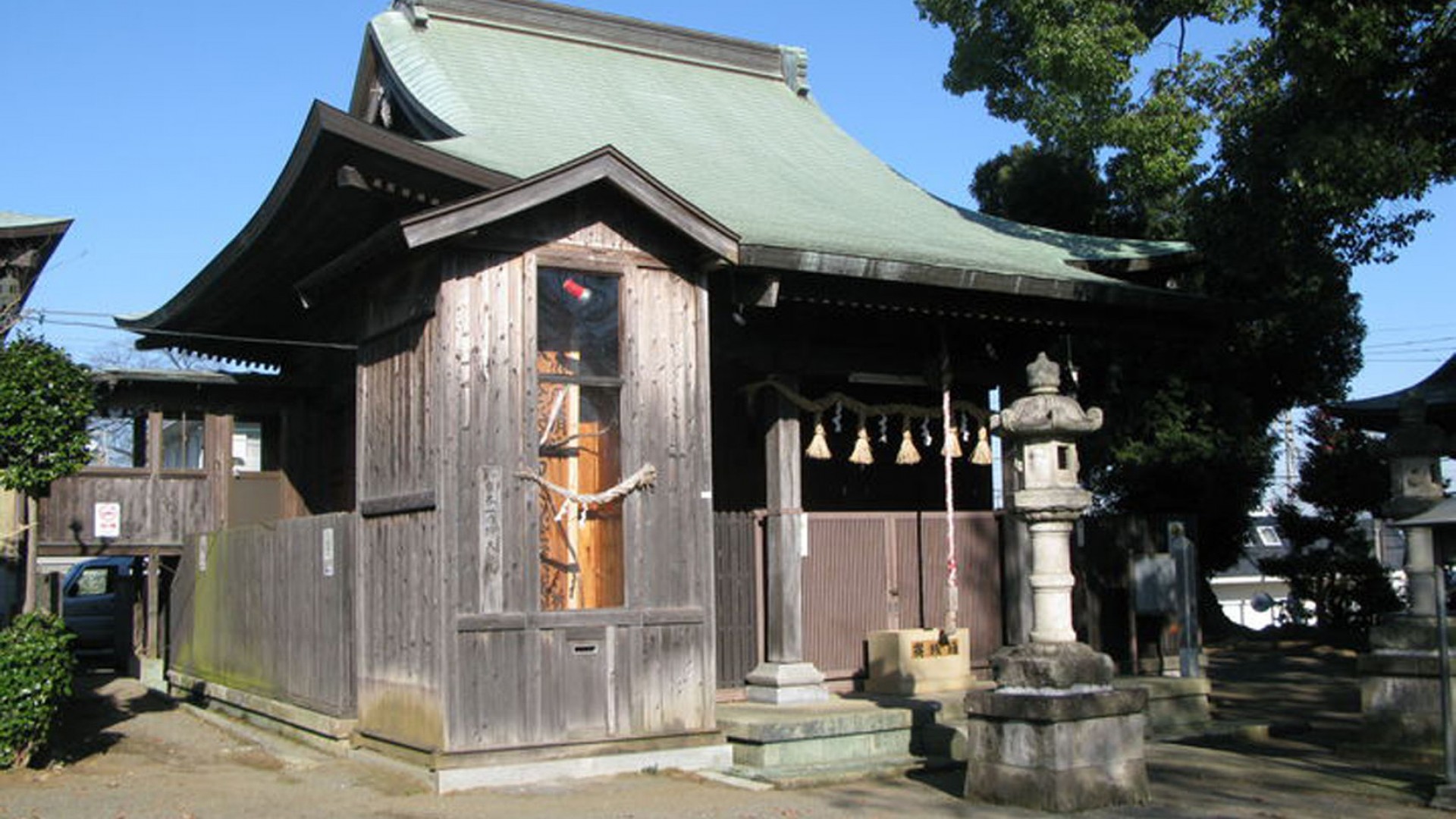
The temple enshrines Yakushi Nyorai, known as the Buddha who saves people from illness, injury, and other suffering. In particular, the dumplings served on the temple fair, also known as "omedama-san," are said to be beneficial for eye diseases. There are many cultural assets on the temple grounds, including the Yakushido Hall, camphor tree, and bronze bell. The current Yakushido was reconstructed in 1758, but the raigo-hashira (pillars that surround the kitchen) are the same as those used when the temple was rebuilt in 1584. It is written in the Shinpen Sagami-no-Kuni Fudoki Manuscript that the earlier building was destroyed by fire during the attack on Odawara Castle by the Takeda clan in 1569. The temple is open to the public once every 60 years on the Kanoetora anniversary of the opening of the main sanctuary. The next one will be in 2070.

Temples & Shrines Tokaido Koshu kaido KANAGAWA
Amanawa Shinmei Shrine

Amanawa Shinmei Shrine

This shrine was founded in 710 (Wado 3) by famous priest Gyoki and constructed by Tokitada Someya, a powerful and rich man. It is dedicated to the sun goddess Amaterasu. Minamoto no Yoriyoshi prayed to this shrine and his son, Minamoto no Yoshiie was born here. Founder and the first shogun of the Kamakura Shogunate, Minamoto no Yoritomo, his wife, Masako, a political leader, and their son, Minamoto no Sanetomo also worships this shrine. Here, you can find the well used for Tokimune Hojo’s (regent of the shogun) first bath and said to be Marquis Nijo’s favourite well. There is also an Man’yōshū (collection of Japanese poetry) inscription originating from the rear mountain named Mikoshiyama Mountain. This place also appears in the novel “The Sound of the Mountain” by Yasunari Kawabata.The greenery enveloping the worship hall and the straight, symbolic shrine path is lit up, creating a mystic and sublime atmosphere that beckons visitors.

Temples & Shrines Tokaido Koshu kaido KANAGAWA
Meiji-No-Yakata

Meiji-No-Yakata

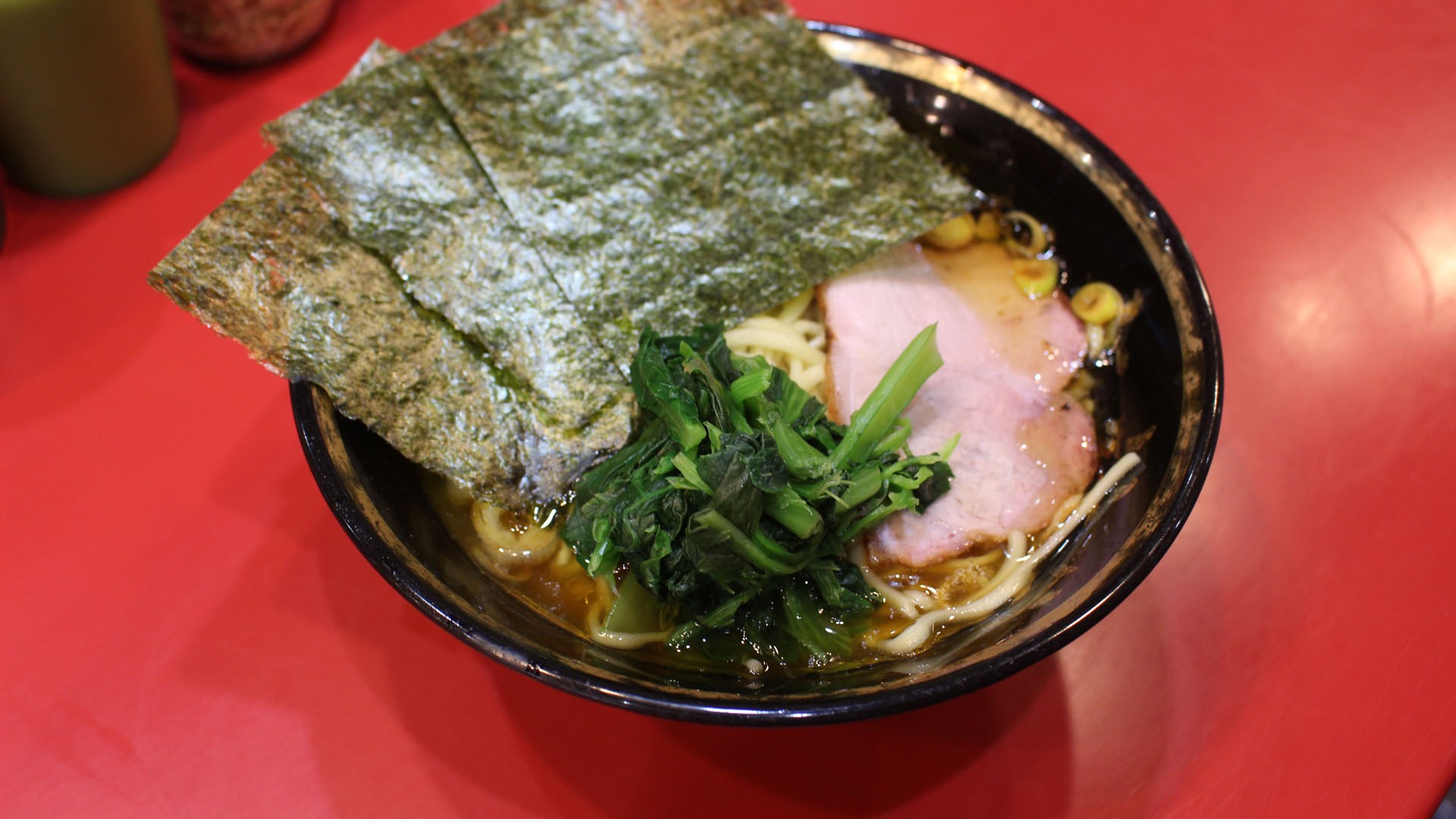
Meiji-No-Yakata is a restaurant remodeled from a villa built by an American merchant during the Meiji period (1868-1912). Japan at that time was just beginning to be introduced to Western culture. At the restaurant, you will see the fusion of Japanese and Western culture. The stone wall technique, used in construction of Japanese castles, was used to build the villa, and its interior was adorned with Western decor. Today, these features make the restaurant building very tasteful. Signature dishes are hamburger steak, omelet and rice (“omurice”), and hashed beef and rice (“hayashi rice”), which are all popular home-cooked dishes in Japan. The chef turns these dishes into masterpieces that you can experience only at Meiji-No-Yakata. Other strongly recommended dishes are multi-course meals featuring choice “Tochigi” steak using locally produced Tochigi Wagyu. Enjoy a relaxing dining experience in a classic atmosphere at Meiji-No-Yakata, a building selected as a cultural property, that transcends time and space.

Nikko kaido Oshu kaido TOCHIGI
Experience Traditional Japanese Crafts at the Crafts Studio Village

Experience Traditional Japanese Crafts at the Crafts Studio Village

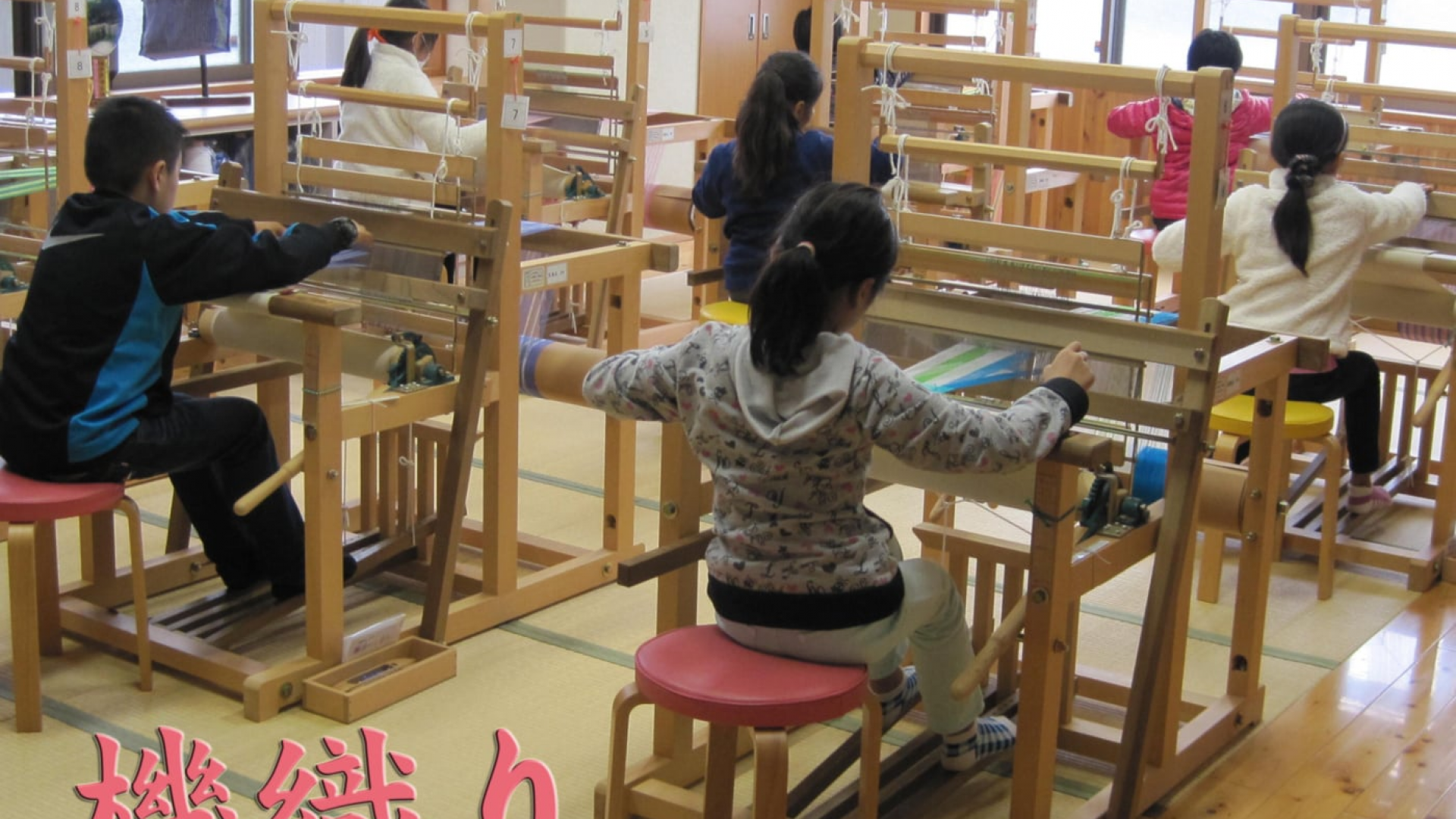
The Crafts Studio Village is a facility in which you can experience the traditional crafts of garment weaving, indigo dyeing, paper making, pottery making, and wood bamboo crafting in Aikawa Town’s prefectural Aikawa Park. You can try out activities that you would usually not get the opportunity to try, such as garment weaving and using a potter's wheel in order to create your own original items. It is a fun way to learn about the history of traditional crafts.

Experience & Activities Tokaido Koshu kaido KANAGAWA
Odawara Plum Blossom Festival

Odawara Plum Blossom Festival

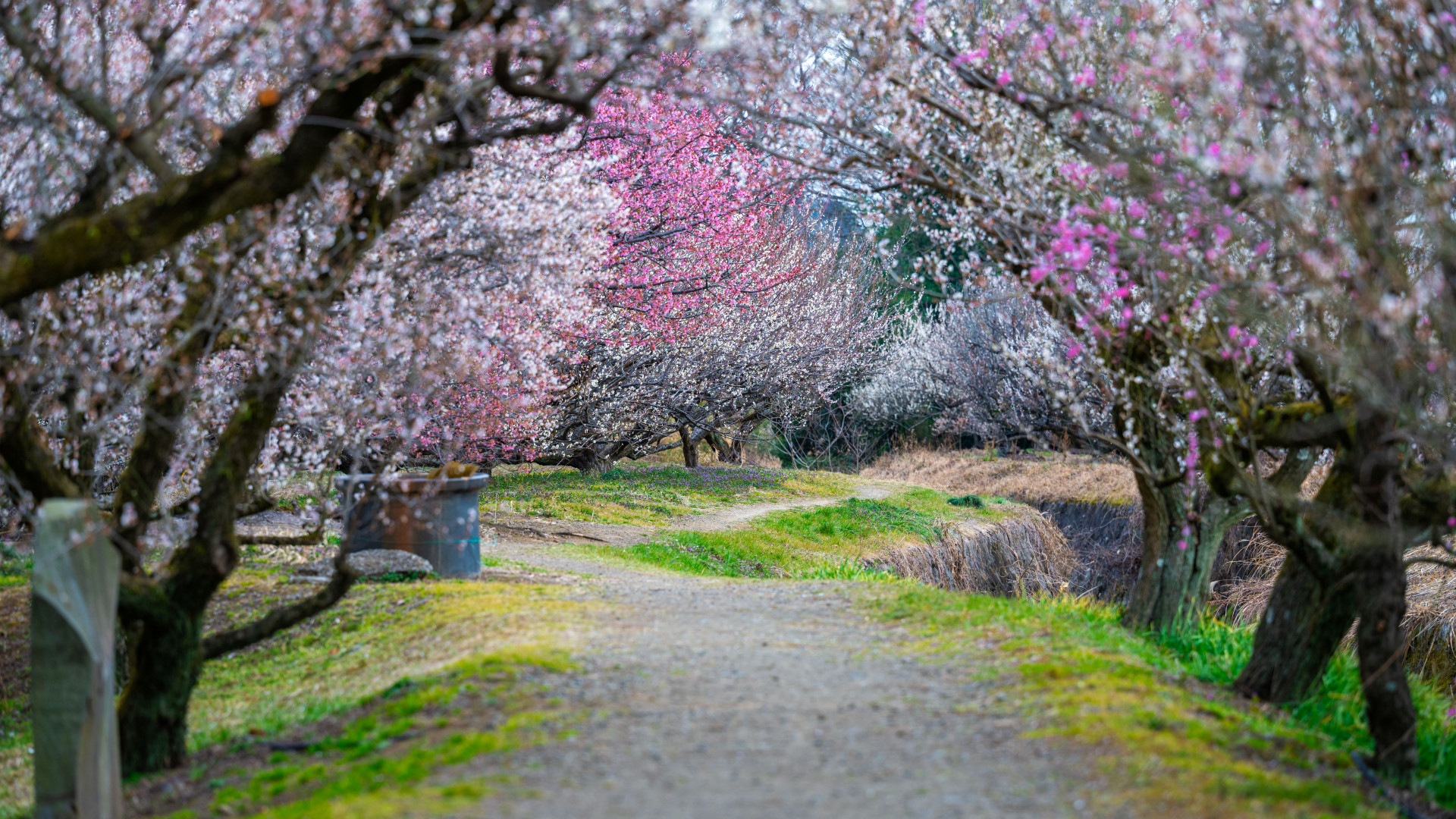
It is said that the ume (plum) groves were first planted by the Hojo clan during the Warring States period to provide food for the troops (some theories exist). Among the three plum groves: Bessho, Hara and Nakagawara, around 35,000 plum trees are in full bloom during the correct season and are framed by Mt. Fuji and Hakone. During the Ume Festival from early February to early March, events such as Odawara Chochin Odori, a local performing art, and lion dances are held. (Photo by photolibrary)

Culture & Arts Tokaido Koshu kaido KANAGAWA