
Greater Tokyo

See & Do

reset
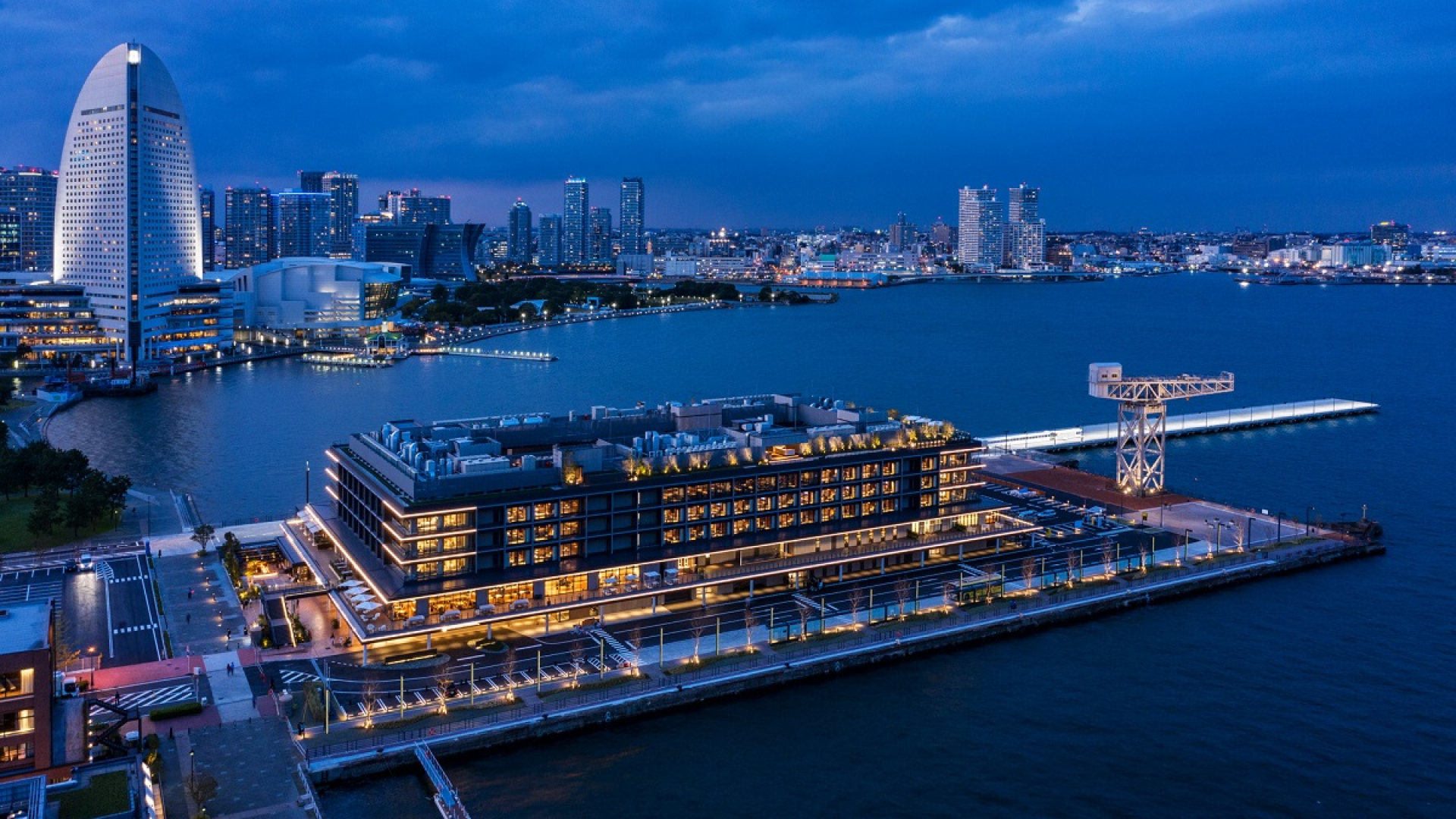
Yokohama Hammerhead

Yokohama Hammerhead

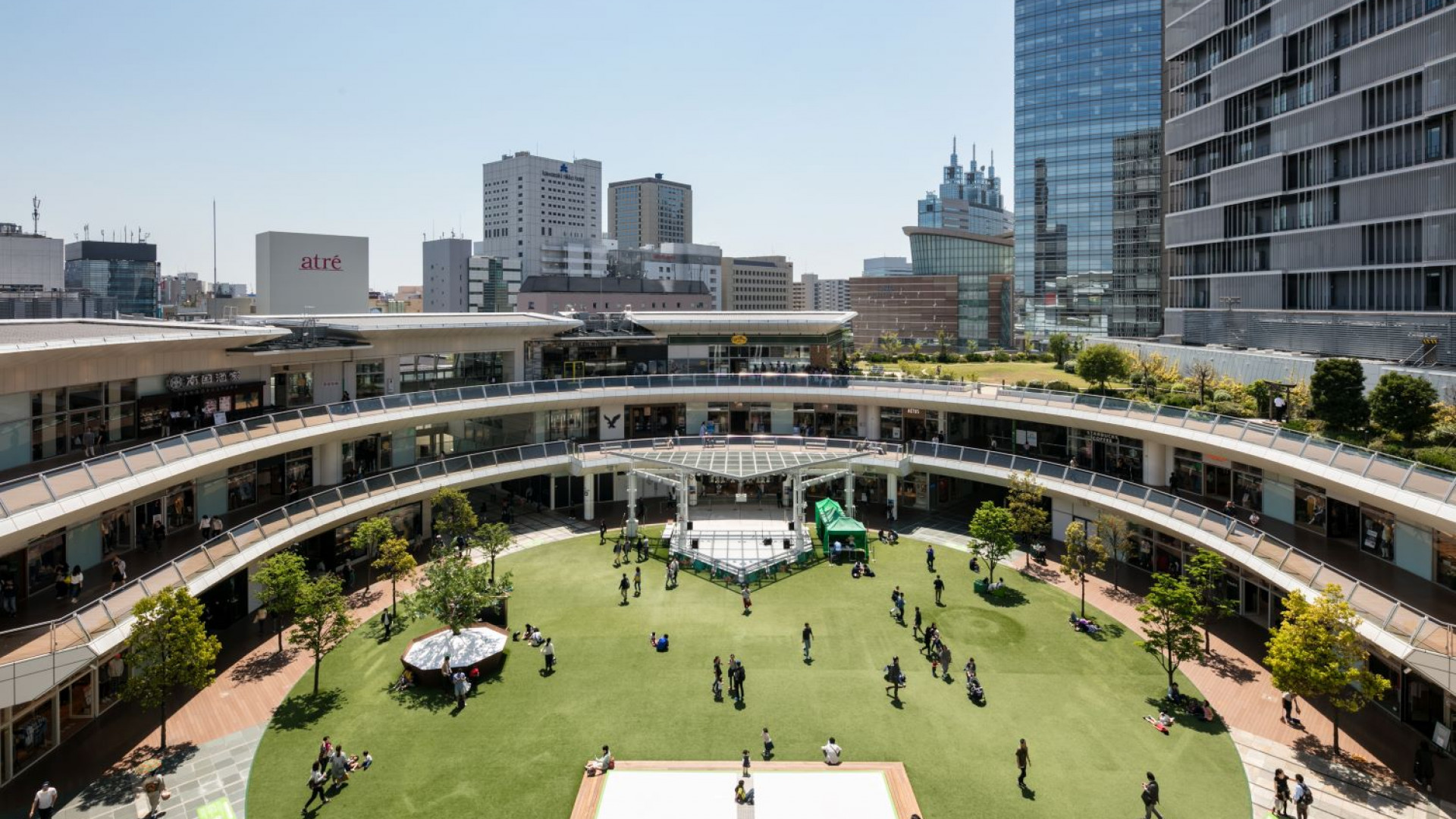
For a one of a kind experience, visit Kamakura Beniya Kurumicco Factory where you can make your own Kurumicco, a popular caramel and chestnut dessert. Watch the masters at work, and then try your hand at crafting the delicious treat. Leave with the perfect souvenir, your handmade Kurumicco, and be sure to stop by the factory’s cafe to refuel with sweets and drinks before exploring the rest of Yokohama Hammerhead.From Hammerhead Park, enjoy the night view of Minato Mirai and the factory area.

Shopping Koshu kaido Tokaido KANAGAWA
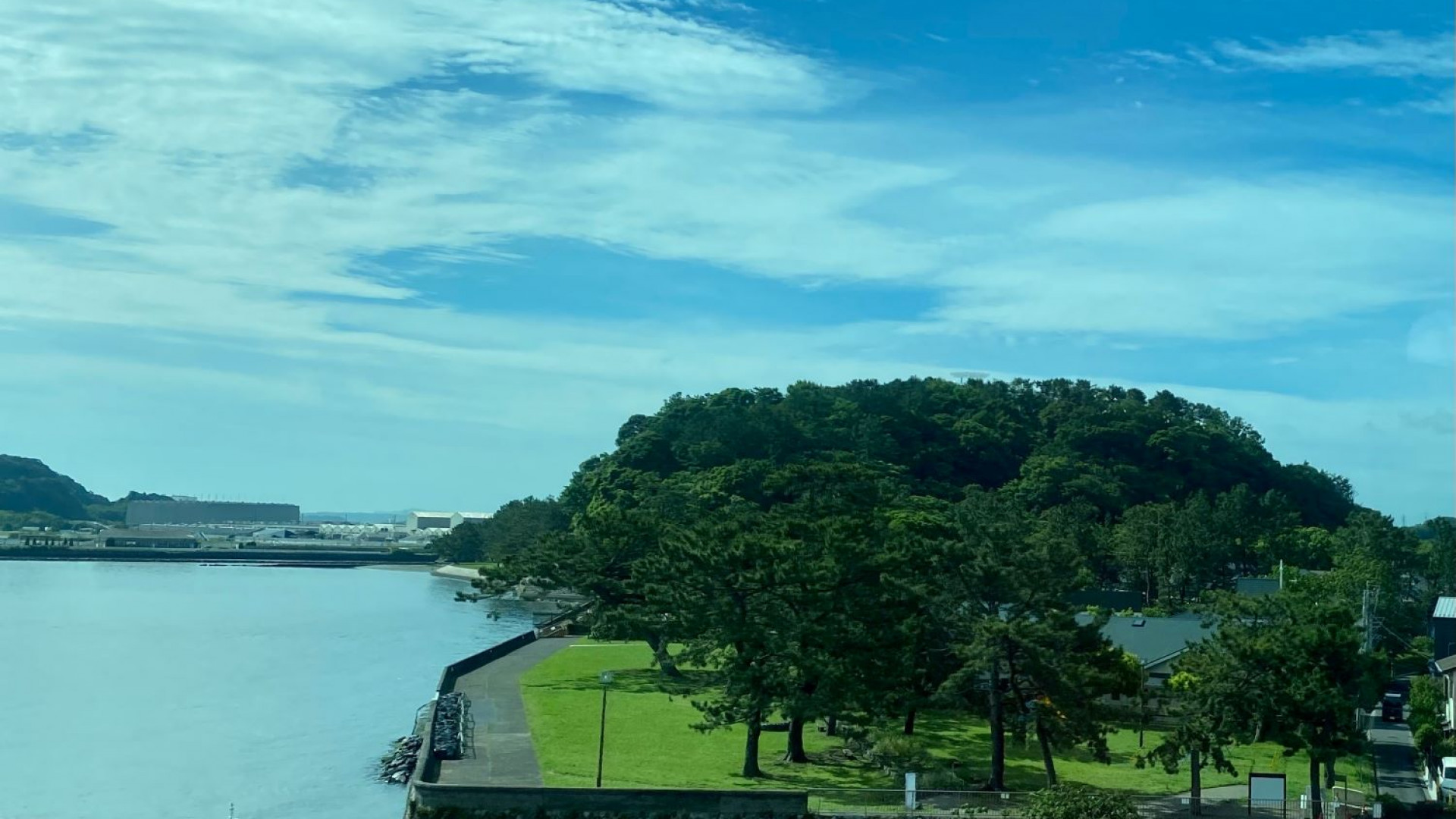
Nojima Park

Nojima Park

The park is located on an island called Nojima at the entrance to Hirakata Bay in the southernmost part of Yokohama City. The area is famous for "Nojima no Sekisho" (a brocade picture depicting a sunset over the fishing village of Nojima)—part of the "Kanazawa Hakkei" (Eight Famous Views of Kanazawa) collection painted by Hiroshige Utagawa, an ukiyoe artist active in the late Edo period. Centered on Mount Nojima, 57m above sea level, the park features a number of facilities such as an observatory, barbecue area, campground, and baseball field, and from the observatory, you can see the sea of Yokohama, Boso Peninsula, and Mount Fuji. Other historical spots include the former Kanazawa residence of Ito Hirobumi, a Yokohama City-designated Tangible Cultural Property, and the Nojima Shell Mound.

Nature & Views Tokaido Koshu kaido KANAGAWA
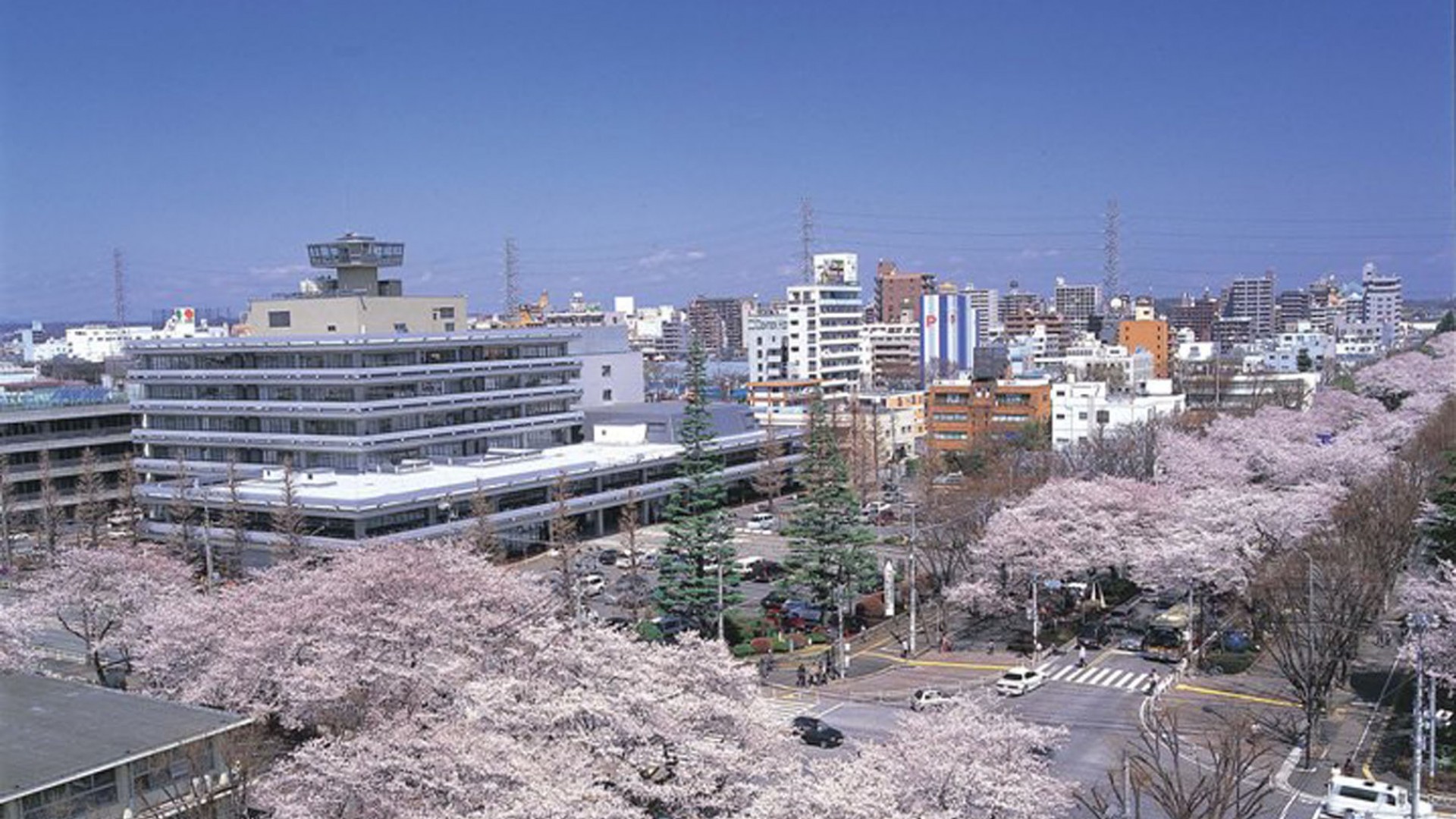
Kanagawa Prefectural Kanazawa-Bunko Museum

Kanagawa Prefectural Kanazawa-Bunko Museum

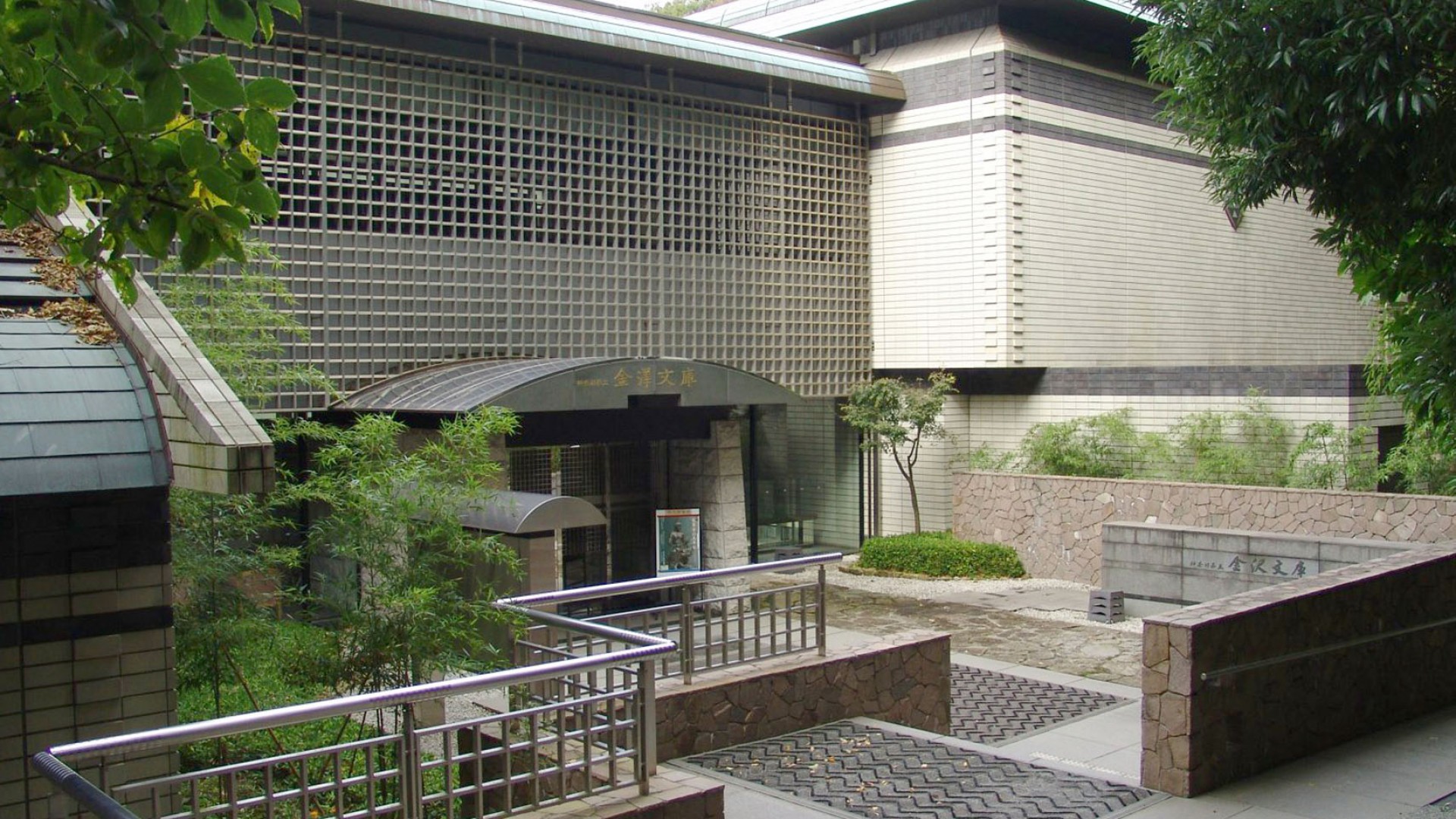
The Kanazawa Bunko was a samurai library built by Hojo Sanetoki, a member of the Hojo clan (Kanazawa Hojo) in the middle of the Kamakura period (1185-1333). The collection covers a wide range of subjects, including politics, literature, and history, and the policy of collecting books was continued by three successive generations of the Hojo family: Akitoki, Sadaaki, and Sadamasa, further enriching the collection. The Kanazawa-Hojo clan shared the same fate with the fall of the Kamakura shogunate, and the collection was administered by the adjacent family temple, Shomyoji Temple, which has continued to manage it into the modern era. The present Kanazawa Bunko was restored as a Kanagawa Prefecture facility in 1930, and since 1990, it has been a museum of history. The Prefectural Kanazawa Bunko is dedicated to preserving for future generations the valuable cultural assets that have handed down the legacy of the Kamakura period, exhibiting the results of its research and studies, and providing public access through lectures and other programs.

Culture & Arts Tokaido Koshu kaido KANAGAWA
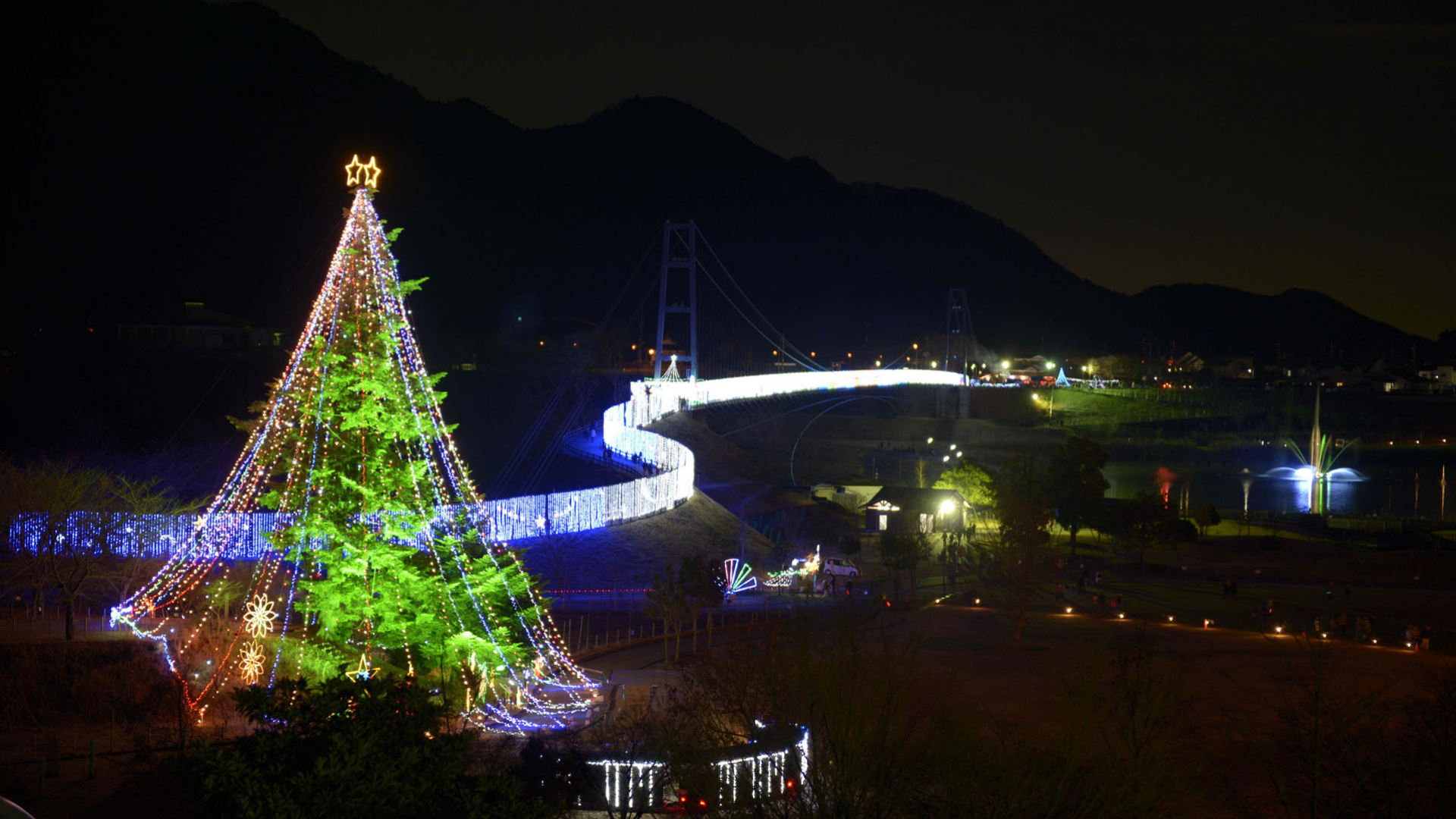
Miura Kaigan Cherry Blossom Festival

Miura Kaigan Cherry Blossom Festival

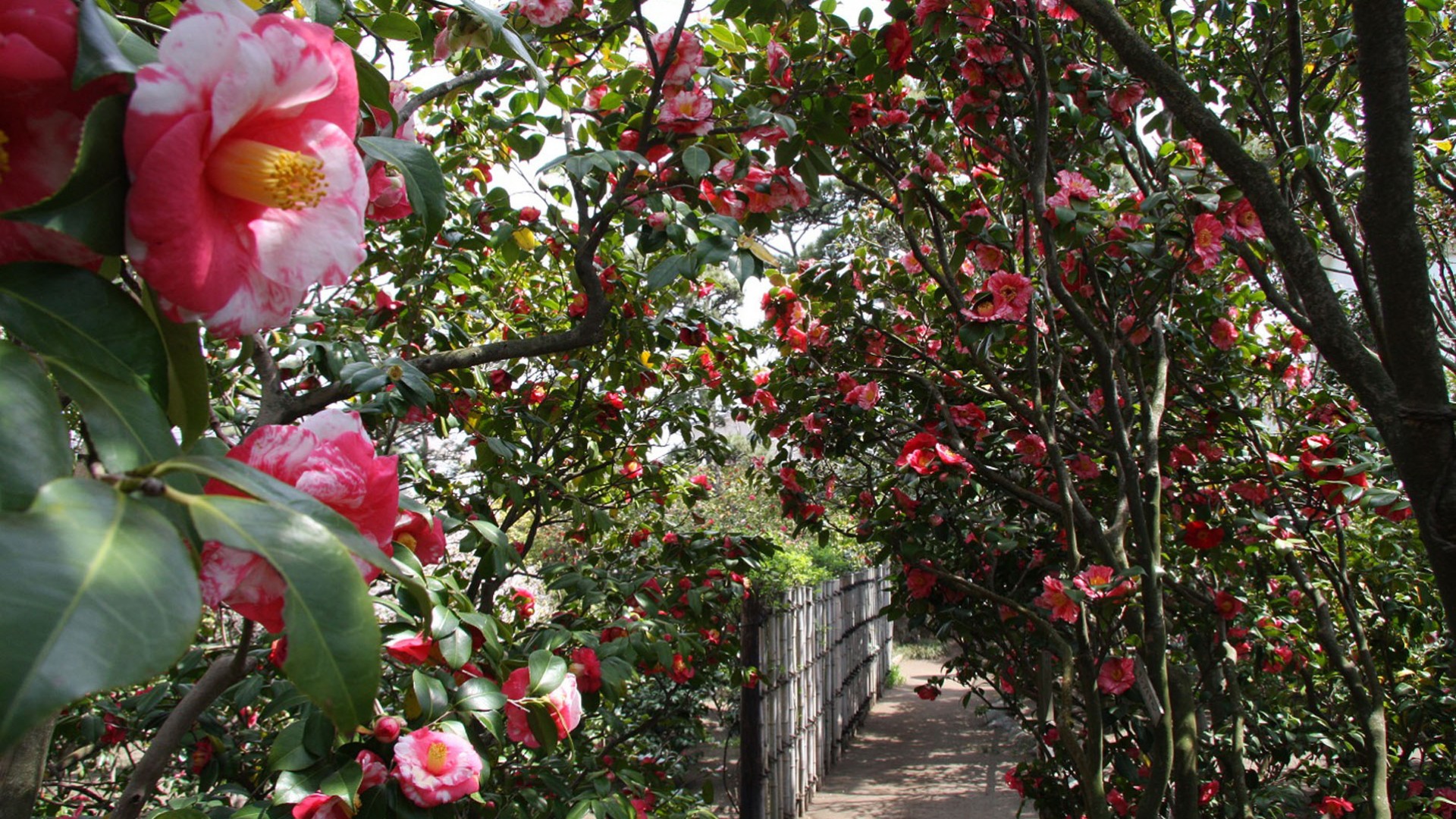
The Miura Kaigan Sakura Festival is held along the railroad from Miurakaigan Station to Komatsugaike Park from the middle of February to the middle of March. There are approximately 1000 kawazu-zakura trees planted along the railroad. Kawazu-zakura cherry blossoms are known to bloom early and have large pink flowers. Flowers also bloom at the same time so you can enjoy the beautiful colorful scenery. At the tents in front of the station, local products such as fresh vegetables are sold.For a scenic view, stand on the overpass near Miurakaigan Station where you can observe the cherry blossoms and passing trains from above. The juxtaposition of the red trains against the soft pink flowers is a coveted view. Trains run fairly frequently, so you will have many opportunities to snap the perfect shot.During the cherry blossom festival, enjoy the fantastic illuminated night cherry blossoms that emit a different atmosphere from daytime. In particular, the 1km illumination along the railroad track that runs from the station to Komatsugaike Park is spectacular. Please check the Miura City website for details on the light-up.

Culture & Arts Tokaido Koshu kaido KANAGAWA
Zushi Beach

Zushi Beach

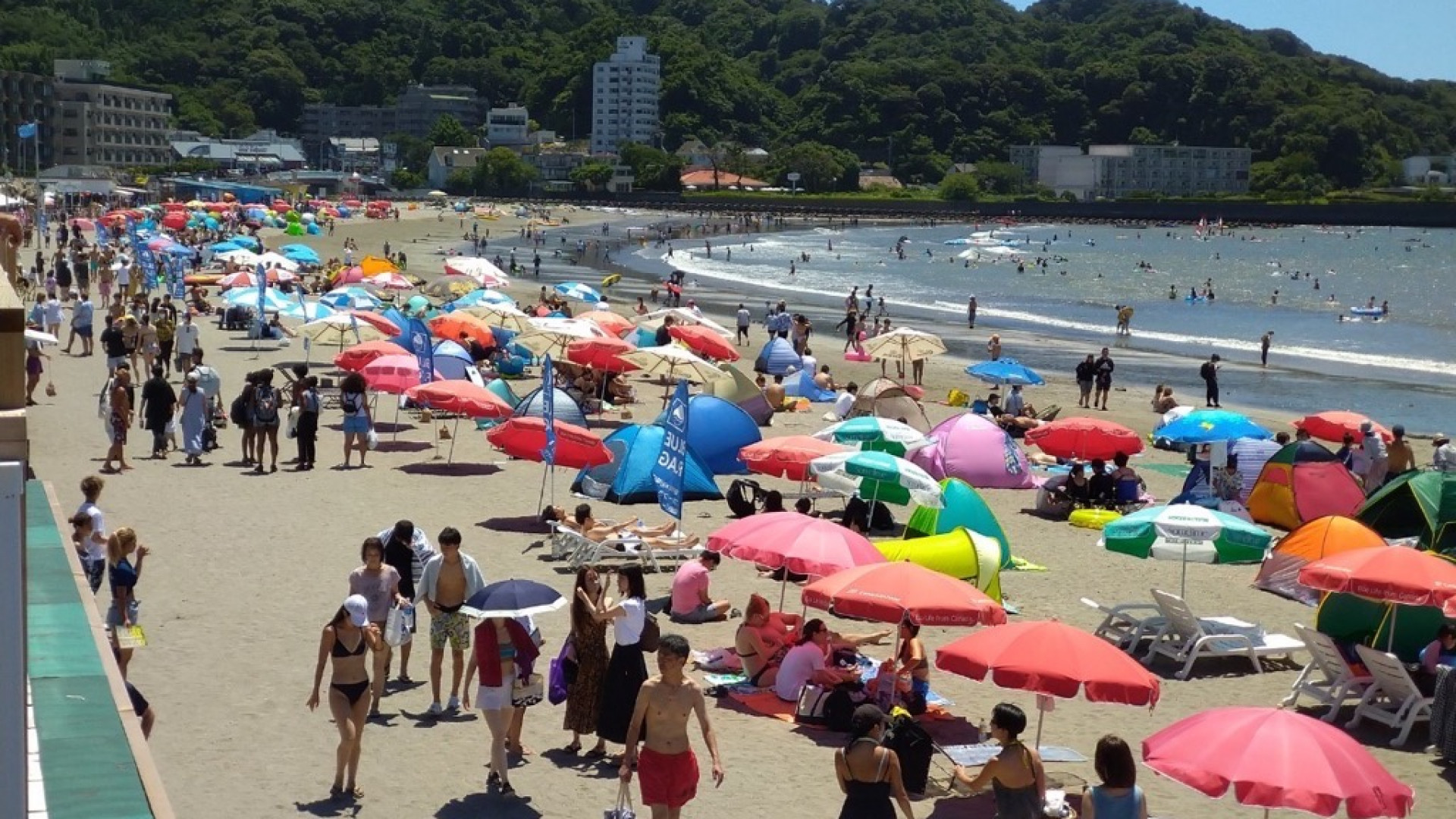
Zushi Beach, lovingly named "the half-mile beach where the sun was born," is a family beach with shallow waters and quiet waves. It has aquired the International environmental certification "Blue Flag". The beach is protected by ordinances and other rules, and can be enjoyed with a peace of mind. Note: Drinking alcohol, barbecuing, exposing tattoos, and using loudspeakers or other loud-speaking devices are prohibited on the beach during business hours. Failure to abide by the rules may result in expulsion from the beach.The closest natural beach to Tokyo, Zushi is typically a bit quieter than Kamakura and Enoshima although it will get quite crowded at times. One of the most convenient beaches to reach from Tokyo, you can reach Zushi in just under an hour from Tokyo Station.

Nature & Views Tokaido Koshu kaido KANAGAWA