
Greater Tokyo

See & Do

reset
Kubo Memorial Tourism and Cultural Exchange Center

Kubo Memorial Tourism and Cultural Exchange Center

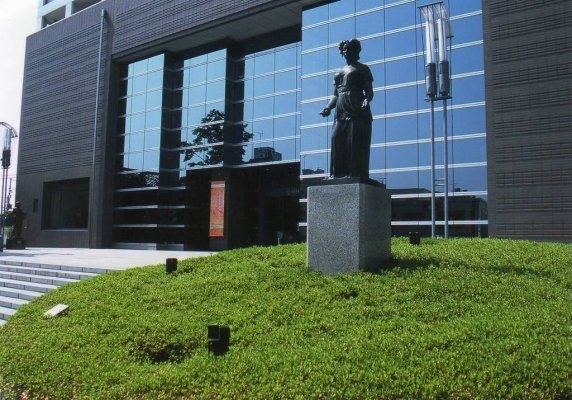
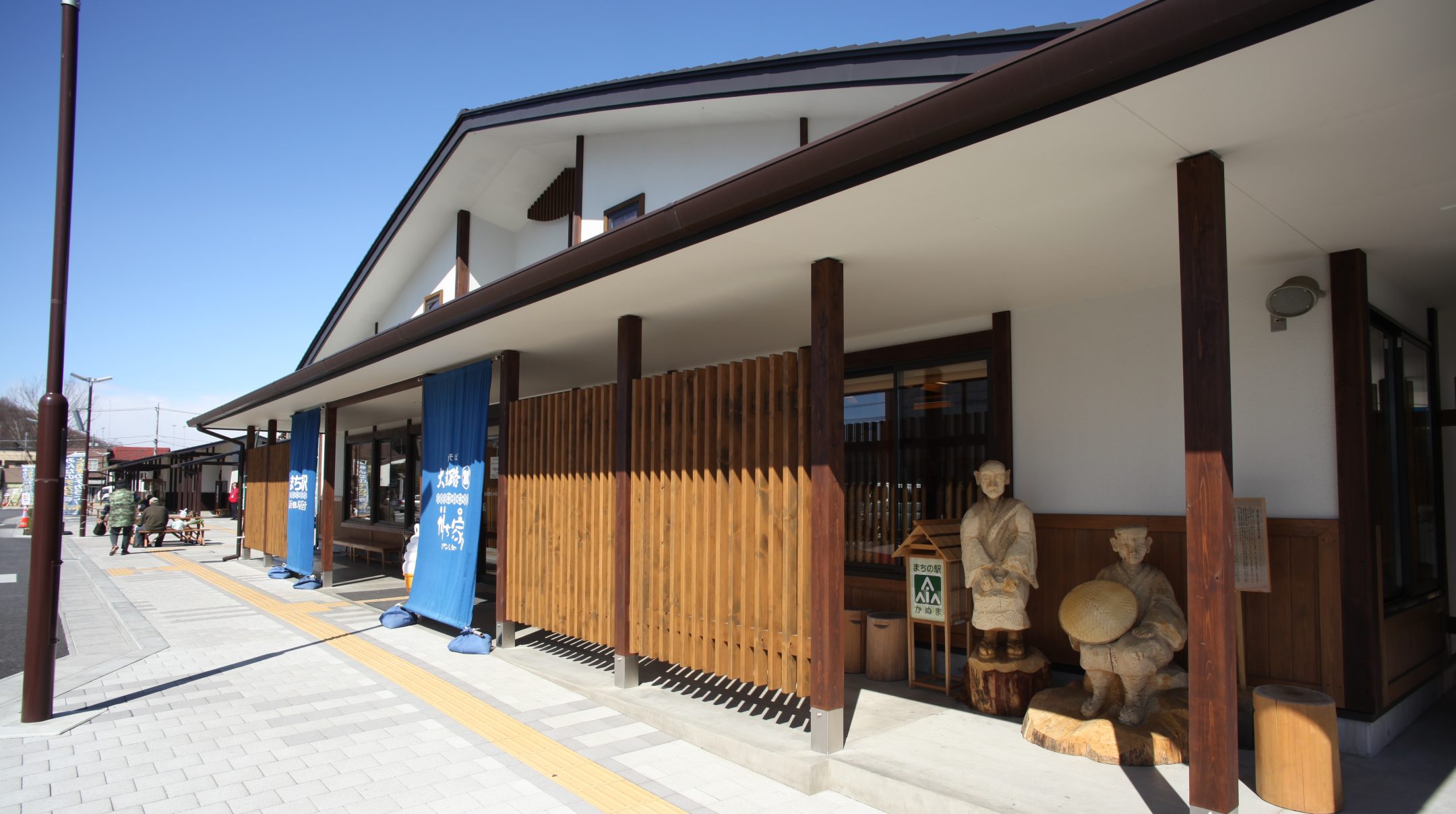
The residence of Sadajiro Kubo, an art critic connected with Moka City, has been given new form as a tourism center. There are a total of five buildings here, which include a Tourism Product Promotion Center and an Italian restaurant, in addition to historical buildings consisting of an Art Exhibition Hall built in 1923, a Tourism Town Development Center built in 1879, and the Kubo Memorial Hall built in 1907.

Oshu kaido Nikko kaido TOCHIGI
Yuki Tsumugi Kimono Dressing at the Oyama Honba Yuki Tsumugi Craft Museum

Yuki Tsumugi Kimono Dressing at the Oyama Honba Yuki Tsumugi Craft Museum

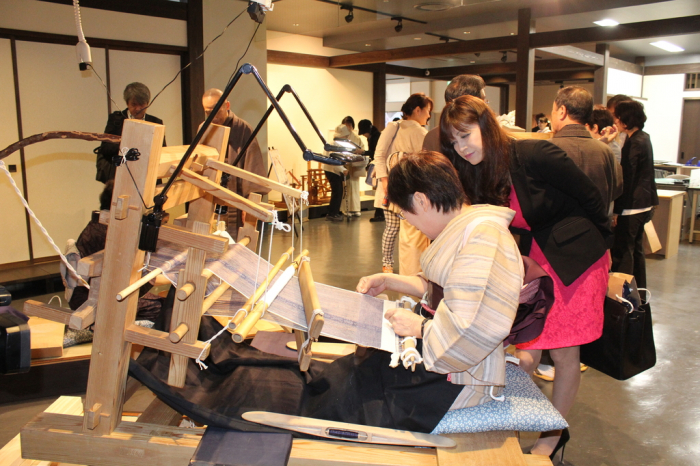
The Oyama Honba Yuki Tsumugi Craft Museum offers visitors the experience of wearing an elegant kimono made from the fine silk textile “Yuki Tsumugi”. The process of refining the traditional Yuki Tsumugi silk is inscribed on UNESCO’s Representative List of the Intangible Cultural Heritage of Humanity. In order to allow people to fully appreciate the comfort of their garments the museum provides all-day kimono rental including kimono and obi with dressing assistance included free. Come and experience the light and warm texture of genuine Yuki Tsumugi!

Nikko kaido Oshu kaido TOCHIGI
Mount Kamakura

Mount Kamakura

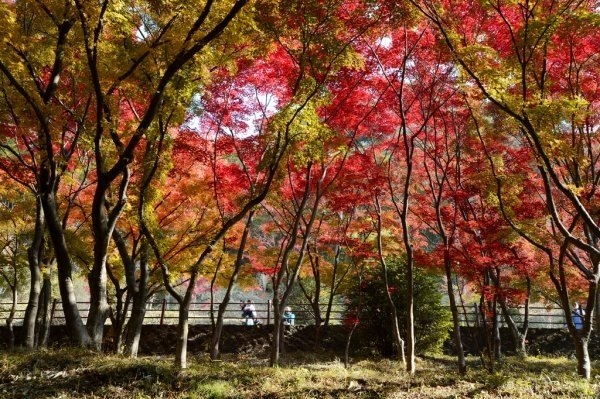
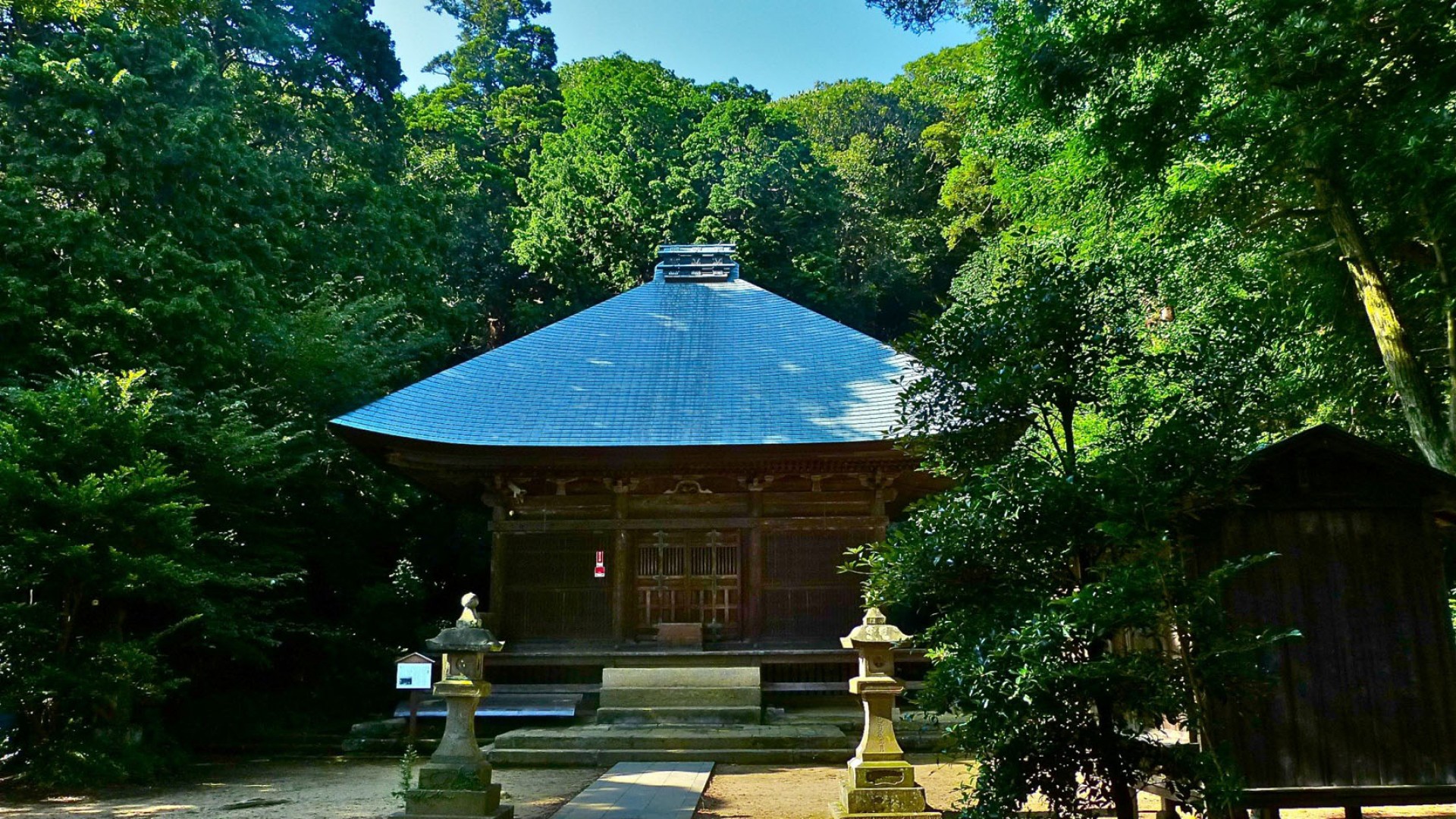
Mount Kamakura towers 100 metres above the Nakagawa River and is 216 metres above sea level. The summit affords the most fantastic views in all of the Nakagawa Prefectural Natural Park.   The best viewing season is from late-October to mid-December when the area is blanketed with a layer of misty clouds, a phenomenon arising from the mixture of the cool mountain air and the warm waters of the Nakagawa River. During early and mid-November, when misty clouds glow in the morning sun, views of the autumn mountain foliage are mesmerising.   Come and see this renowned late-autumn scenery!

Nikko kaido Oshu kaido TOCHIGI
Tenpyo-no-Oka Park

Tenpyo-no-Oka Park

The vast grounds of Tenpyo-no-Oka Park consist of pristine forest containing a number of historic sites. A great number of visitors come to the Tempyo flower festival held in mid to late April when the 450 double-flowered cherry trees bloom. Enjoy strolling through the woods and travel back in time with a visit to one or more of the various museums in the park. The “Botchan Bus” departs from in front of the folklore museum for a 15-minute circumnavigation of the park – popular for families and perfect for sightseeing. A popular sight is the stone-walled keyhole-shaped ancient tomb of Kunimiyama. Clap your hands under the stairs in the ring-shaped area of the tomb, and hear the echoing sounds of a roaring dragon reverberate back from the large stone above. On the first Sunday of November the Tenpyo Imoni Festival is held here serving home-style Imoni soup to 3,000 guests. The soup is made with local produce including dried gourd strips, taro roots and leeks in a huge pot measuring 2.5 metres across. ☆

Nikko kaido Oshu kaido TOCHIGI
Kitsuregawa Onsen

Kitsuregawa Onsen

Kitsuregawa is a historic castle town and prospered as a post station on the Edo road. The Onsen is located along the rivers running through the town. The light-brown, salty, slightly alkaline water is one of the best in quality containing the three key elements of hot spring water: sulphur, salt and iron. Accessible in about 30 minutes from Utsunomiya, the prefectural capital, this is a popular Onsen for a day visit. You can also stop by the nation’s first roadside station with Onsen facilities inside.

Nikko kaido Oshu kaido TOCHIGI
Itamuro Onsen

Itamuro Onsen

A peaceful Onsen resort in the mountain ravines located in the western Nasu mountains. The clear alkaline hot spring water is known for its health benefits and the Onsen was designated as a “National Health Spa” by the Ministry of the Environment in 1971. Nestling into a natural landscape and surrounded by a richly preserved environment, most visitors come here for in search of the renowned health effects. Long known as a rustic therapeutic spa, the Onsen maintains its distinctive atmosphere. The temperature of the source of spring water is from 38℃ to 45℃, and its lukewarm water is gentle to the body.

Nikko kaido Oshu kaido TOCHIGI
Ichikai-machi Shibazakura Park

Ichikai-machi Shibazakura Park

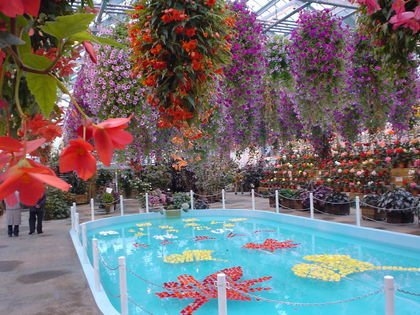
One of the largest in mainland Japan, the park is known for its 280,000 beautiful Shibazakura in bloom from mid-April to May, covering an area of 1.8 hectares. A must-see is the panoramic view of the floral carpet from the observatory, where various shades of red, white, mauve and pink lawn cherry blossoms form beautiful patterns. You can taste handmade soba noodles at the restaurant in the park. Local vegetables and Shibazakura plants are available at the farmer's market.

Nikko kaido Oshu kaido TOCHIGI
The site of Ashikaga School

The site of Ashikaga School

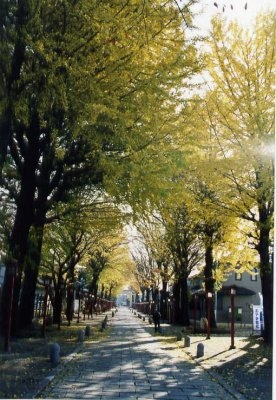
It is said that over 3,000 students studied at the school during the disturbances of the 10-year civil war (Onin War) starting in the 15th century.   When the Catholic missionary Francis Xavier came to the country in 1549, he described it as “Japan’s largest and most famous school” in his correspondence. Ashikaga thus became widely known overseas as well.   Today buildings have been restored,and visitors can view classrooms in their original historic form and join a program reading The Analects of Confucius on Sundays.

Nikko kaido Oshu kaido TOCHIGI
Edo Wonderland Nikko Edomura

Edo Wonderland Nikko Edomura

Edo is the former name of Tokyo used until the late 19th century. This theme park authentically recreates town life in the Edo period. The huge village consists of rows of merchant houses, a samurai mansion, a Ninja village and much more. The culture of the Edo period comes alive through the townspeople and events, you can even put on a costume and join in yourself! The cultural park offers a real experience of the life and culture of the Edo period via their seven theatres, museums on history and culture and even Edo-style restaurants.

Nikko kaido Oshu kaido TOCHIGI