
Greater Tokyo

See & Do

reset
Takinoo Shrine

Takinoo Shrine

About a kilometer from Futarasan-jinja Shrine stands Takinoo-jinja Shrine, standing quietly amid the cedar trees. The atmospheric Takinoo-jinja is a popular place to pray for a successful marriage, pregnancy or birth, but people also come in search of more general luck. According to the legend, if you throw a coin through the small hole atop the torii gate at the entrance, you’ll be blessed with good fortune—but you only get three tries, so aim carefully."

Nikko kaido Oshu kaido TOCHIGI
Auto Camp Nakagawa Station

Auto Camp Nakagawa Station

Auto-Camp Nakagawa Station is a drive-up camp ground where you can see the blue waters of the Naka River, the Kanto region's greatest, flowing right before your eyes. It's a great location to watch the river's flow reverse and is also an optimal base camp for mountain biking, hiking and river recreation such as canoeing and kayaking.There canoe and kayak rides and rentals, as well as a school where you can challenge yourself at a pace that suits you. In addition to camping in tents, campers can also stay in air-conditioned bungalows and lodges with AC power (outlets are for charging cell phones only) or in teepee tents (Native American tents) equipped with sunken fireplaces."

Nikko kaido Oshu kaido TOCHIGI
Nasu Kogen Visitor Center

Nasu Kogen Visitor Center

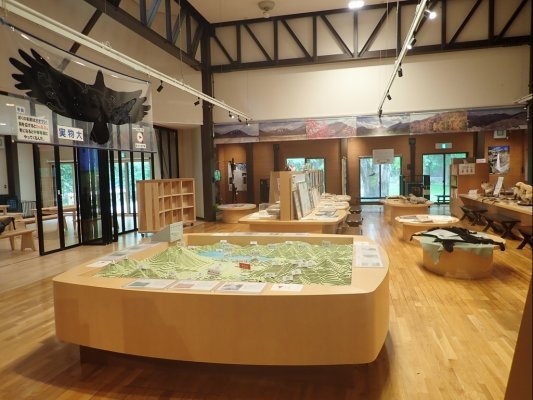
This information center is located in Nikko National Park. The center features videos, pictures, and other information exhibits about the history, nature, and other aspects of the Nasu Kashi region. Head to the exhibition room and experience the interactive exhibits to find out more about flora and fauna of the Nasukashi area, or enter the special exhibition room to learn about the center’s connection to Japan’s royal family and the nearby Nasu Imperial Villa. The lecture hall and conference room regularly host nature appreciation activities. Join these free activities and interact with local volunteers for a deeper understanding of the Nasu area's offerings."

Nikko kaido Oshu kaido TOCHIGI
Deai no Mori Strawberry Farm

Deai no Mori Strawberry Farm

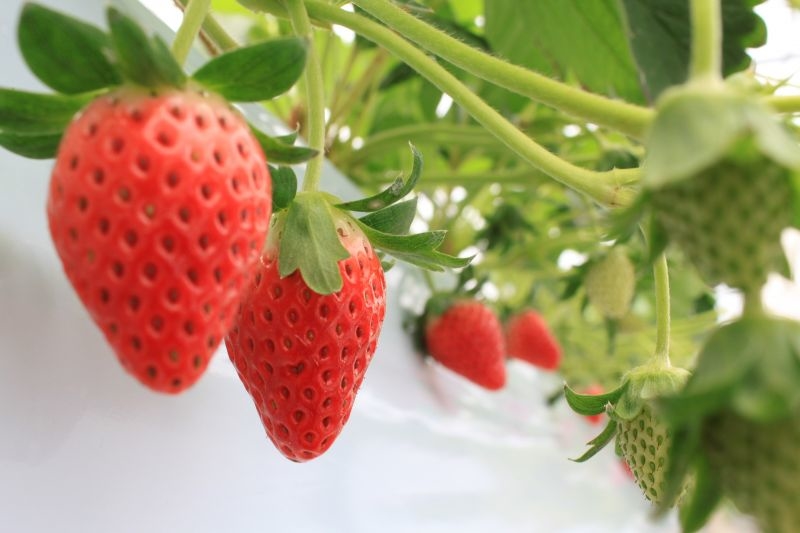
This strawberry farm is operated by a company created through a collaboration between Kanuma City and JA. At the farm, you can enjoy picking Tochigi's representative strawberry varieties, Tochiotome and Tochi-Aika. Reservations are required for strawberry picking, and you can eat as much as you want for 45 minutes. The greenhouses are barrier-free and equipped with toilets, so anyone can pick strawberries in safety. The shop also sells Tochihime, a strawberry that has been dubbed a phantom variety because of its soft flesh and rare availability, as well as the luxury variety Skyberry.

Nikko kaido Oshu kaido TOCHIGI
Suga Shrine

Suga Shrine

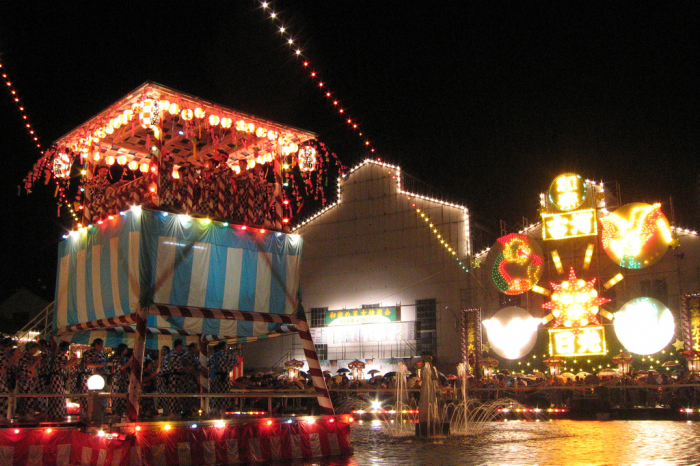
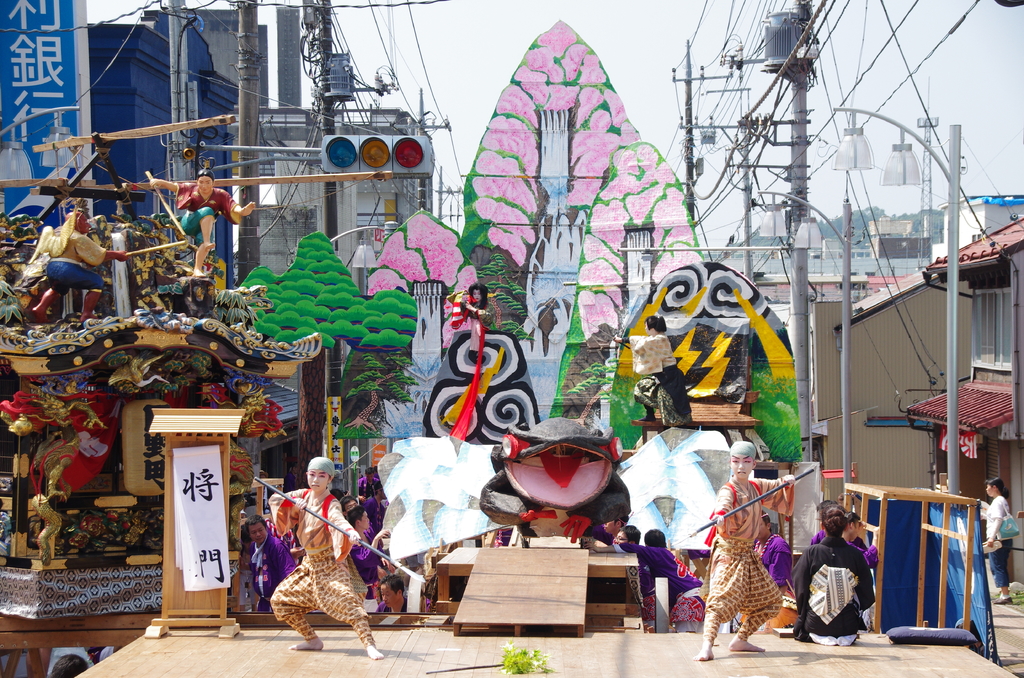
Birth of Suga Shrine Suga Shrine was built by a legendary samurai Fujiwara no Hidesato, who prayed to Susanoo-no-Mikoto for victory over his enemies. To thank God for their bless, he brought the God from Gion Shrine (Yasaka Shrine) to Oyama and built the shrine.   The site of the legendary “Oyama Council”, witnessed the birth of the Tokugawa hegemony. It is said that before the Battle of Sekigahara in A.D 1600, Tokugawa Ieyasu held the famous “Oyama Council” at Suga Shrine and prayed for the victory of the battle.   After Ieyasu’s victory and the establishment of the Edo Shogunate, Suga Shrine was greatly honored by the Shogunate. In 1658, staff members who had participated in the construction of Nikko Toshogu Shrine, created a miniature version of the Akamikoshi in Toshogu Shrine, which became the pressure of Suga Shrine.   Today Suga Shrine’s Akamikoshi has been designated as a “Cultural Property by Tochigi Prefecture”.   Enjoy the Gion Festival in Tochigi! As a famous Gion Shrine, Suga Shrine is also called “Gozu Tenno Shrine”. Suga Shrine holds “Gion Festival” on July 14 to 21 every year, 25 mikoshi including one massive one that weighs in at 2 tons are carried through the city in “Mikoshi Wataru” on July 20.   According to “Shimotsuke Province Choreography(下野国誌)” written in Edo period, Suga Shrine’s “Gion Festival” is the “best Gion Festival in Shimotsuke Province.”

Nikko kaido Oshu kaido TOCHIGI
Nasu Teddy Bear Museum

Nasu Teddy Bear Museum

The Nasu Teddy Bear Museum exhibits teddy bears created by 100 artists from all over the world in order to further cultivate teddy bear culture. The museum building is modeled after a British manor house. You’ll find a collection that includes “artist bears” based on artists from around the world, as well as antique bears and Teddy Edward, the teddy bear that has traveled the most around the world. There are also planned exhibitions. The teddy bear museum features the works of Studio Ghibli into the museum as well as famous teddy bears. One of the museum highlights is the full-sized Cat Bus from My Neighbor Totoro. Unlike the Ghibli Museum that can only accommodate small children on the cat bus, even adult tourists can hop on and take pictures of this iconic bus. In addition, there’s a museum shop with a variety of teddy bear goods, as well as a tea room with teddy bear-themed menu items."

Nikko kaido Oshu kaido TOCHIGI
Ryuka falls

Ryuka falls

Ryuka Falls is a famous waterfall which flows and falls over 3 drops, and is both beautiful and imposing. There is a viewing platform close to the waterfall basin where visitors can feel the force of the waterfall. Even among the many waterfalls of Shiobara, said to be as many as 100, this fall ranks in the top 10 most famous. There is a promenade which makes for an easy to walk course, which is only a short distance and with very little height variation, making it easy for even for families to enjoy the walk together."

Nikko kaido Oshu kaido TOCHIGI
Ashikaga Machinaka Yuugakukan

Ashikaga Machinaka Yuugakukan

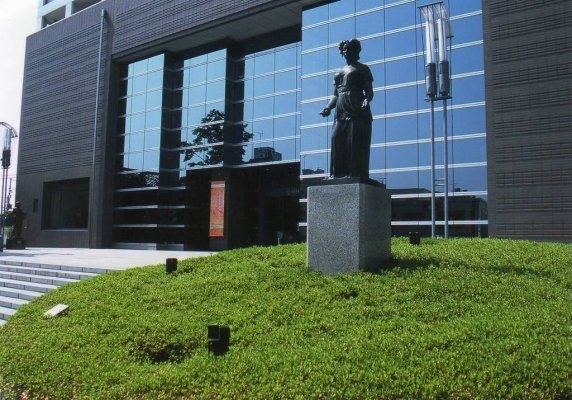
Ashikaga Machinaka Yuugakukan was opened in March 2003 as a facility to familiarize, enjoy, and learn about the history, culture, and nature of Ashikaga. Remodeled in 2016, the facility has a rest area and conference rooms, and provides tourist information. There are take-out shops for drinks, soups and lunch that can be enjoyed inside the building.On the second floor, visitors can try on traditional clothing made of Ashikaga Meisen silk."

Nikko kaido Oshu kaido TOCHIGI
Takinoo-jinja Shrine

Takinoo-jinja Shrine

About a kilometer from Futarasan-jinja Shrine stands Takinoo-jinja Shrine, standing quietly amid the cedar trees. The atmospheric Takinoo-jinja is a popular place to pray for a successful marriage, pregnancy or birth, but people also come in search of more general luck. According to the legend, if you throw a coin through the small hole atop the torii gate at the entrance, you’ll be blessed with good fortune—but you only get three tries, so aim carefully."

Nikko kaido Oshu kaido TOCHIGI
Lake Ikari

Lake Ikari

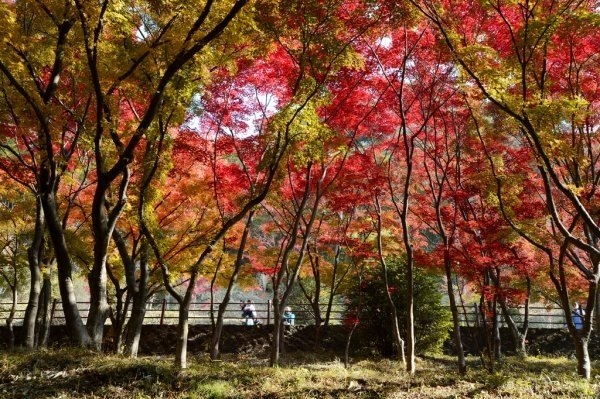
Lake Ikari is a reservoir on the Ojikagawa River, downstream of Yunishigawa Dam.The lake's name, which means ""50 'ri' lake,"" is derived from the fact the lake is located 50 'ri' from Nihonbashi in Edo. During the fall foliage season from mid-October to early November, the lake and the fiery leaves of the trees on its shore create a beautiful contrast, attracting large numbers of visitors. Around May 5th each year, koinobori carp streamers can be seen ""swimming"" as they are flown from the top of Ikari Dam.""

Nikko kaido Oshu kaido TOCHIGI