
Greater Tokyo

See & Do

reset
Tour of the Taishi Food Inc. Nikko Factory

Tour of the Taishi Food Inc. Nikko Factory

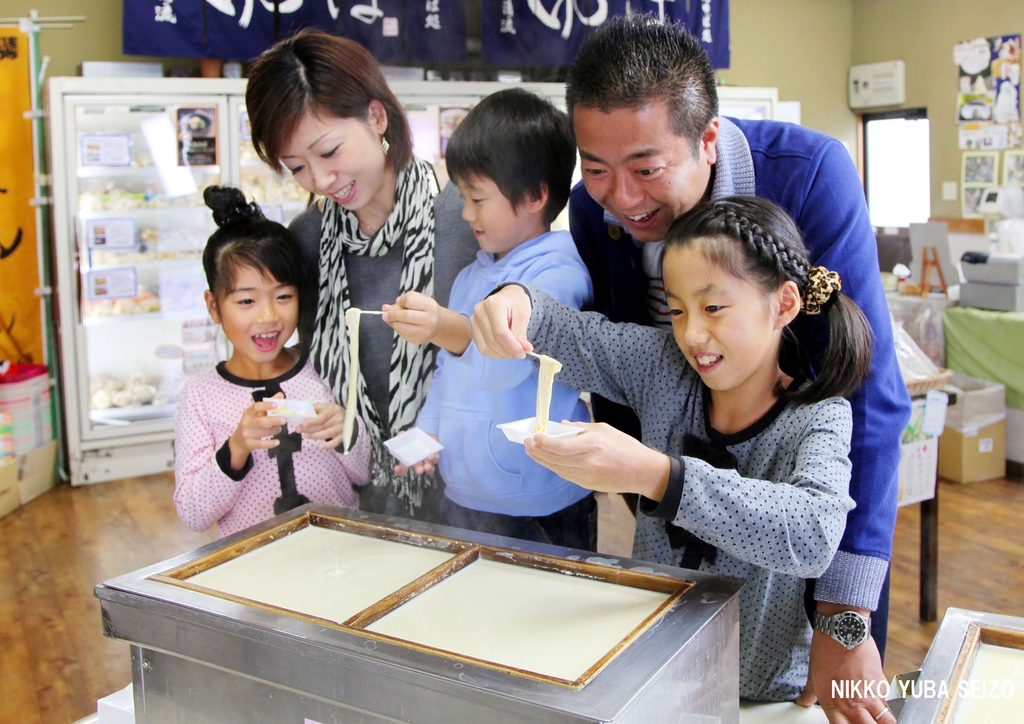
The Taishi Food Inc. Nikko plant is located close to the Daiya River and produces tofu and soybean-processed foods made with clear spring water and selected ingredients. Visitors are free to come inside the factory, look around and learn about the healthy and nutritious soybeans via displays and videos. Other attractions offered at the factory include a tofu-making experience and sampling freshly made tofu and fried tofu. [Tofu making workshop] Hours  (1)10:30am - 11:30am    (2)1:30pm - 2:30pm Fare    300yen/per person Booking  6 people to max. 50 people Please make a reservaion 7days in advance, by phone or fax.

Nikko kaido Oshu kaido TOCHIGI
Furumine Shrine

Furumine Shrine

Furumine Shrine was built to worship the legendary hero Yamato Takeru 1,300 years ago. The shrine is where the monk Shodo Shonin, founder of the temples in Nikko, was trained. The shrine is also known for the enshrined Tengu, a messenger from the gods who protects people from bad luck. People come here to pray for good luck, fire protection, safe voyage, rich harvests, traffic safety, business success and family health as the god is believed to make all these wishes come true.

Nikko kaido Oshu kaido TOCHIGI
Utsunomiya Futaarayama Shrine

Utsunomiya Futaarayama Shrine

The history of the Utsunomiya Futaarayama Shrine dates back 1,600 years when the shrine was dedicated to the founder of Utsunomiya,Toyoki-Irihiko-no-Mikoto. Most of the festivals held in the city are related to this historic shrine. Many people come to the shrine on special occasions such as New Year and Shichi-Go-San seasons. The illuminated gate and approach to the shrine are an incredible evening sight. The shrine is also home to some nationally important works of art.

Nikko kaido Oshu kaido TOCHIGI
Utsunomiya Joshi Park

Utsunomiya Joshi Park

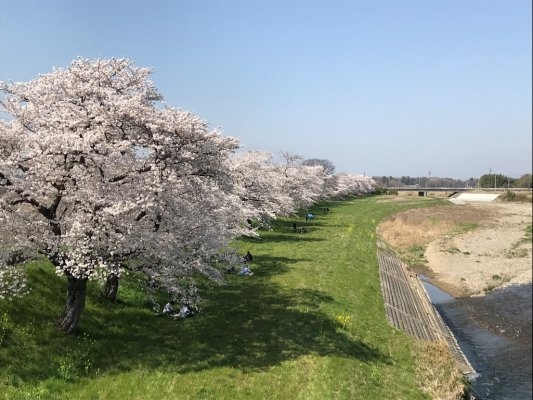
The History of Utsunomiya Castle Utsunomiya Castle is believed to have been originally built by the legendary Japanese warrior Fujiwara no Hidesato. During the medieval period, it served as the stronghold of the Utsunomiya clan for generations. After the Utsunomiya clan was stripped of its land by Toyotomi Hideyoshi, Utsunomiya Castle became the residence of fudai daimyō (samurai families who had pledged loyalty to the Tokugawa clan before the Battle of Sekigahara) during the Edo period. The castle also played an important role as a key stopover point for Tokugawa shoguns traveling to Nikkō Tōshō-gū to pay their respects. In 1868, the castle was engulfed in the flames of war during the Boshin War, a conflict between the new Meiji government forces and the remnants of the Tokugawa shogunate. Most of the original structures were destroyed in the battle. Today, the castle ruins have been transformed into a historical park, with efforts focused on reconstructing parts of the Edo-period (1600–1867) main keep (Honmaru) to preserve its legacy. Utsunomiya’s Earliest and Most Famous Cherry Blossom Viewing Spot From March to April, Utsunomiya Castle Ruins Park is adorned with beautiful cherry blossoms. The season begins in mid-to-late March with the early-blooming Kawazu-zakura, followed by Somei Yoshino, Shidare-zakura, and finally culminating in the Oyama-zakura in mid-April. For a full month, visitors can immerse themselves in a breathtaking sea of pink petals. During cherry blossom season, the park hosts the Utsunomiya Sakura Festival, featuring stage performances, local street food stalls, and festive activities in addition to stunning cherry blossoms. This makes it one of Utsunomiya’s most renowned hanami (cherry blossom viewing) spots.

Nikko kaido Oshu kaido TOCHIGI
Yunishikawa Onsen

Yunishikawa Onsen

Legend has it that Samurai refugees found these spring waters and settled down in the village to heal their wounds. Today a row of inns and local houses are located along the valley. In addition to the abundant hot spring water, you can also enjoy seasonal local cuisine served around a fireplace (irori), including simply grilled wild ingredients such as freshwater fish, Sansai (wild vegetables), venison, bear and other delicacies. Miso paste grilled on a spatula is also a local specialty. If you visit here in the winter, do not miss the fantastic “Yunishikawa-onsen KAMAKURA Snow House Festival” from late January to early March. About 800 small snow houses are illuminated from inside candles.

Nikko kaido Oshu kaido TOCHIGI
Michi-no-Eki(Roadside Rest Stops)  Utsunomiya Romantic Village

Michi-no-Eki(Roadside Rest Stops) Utsunomiya Romantic Village

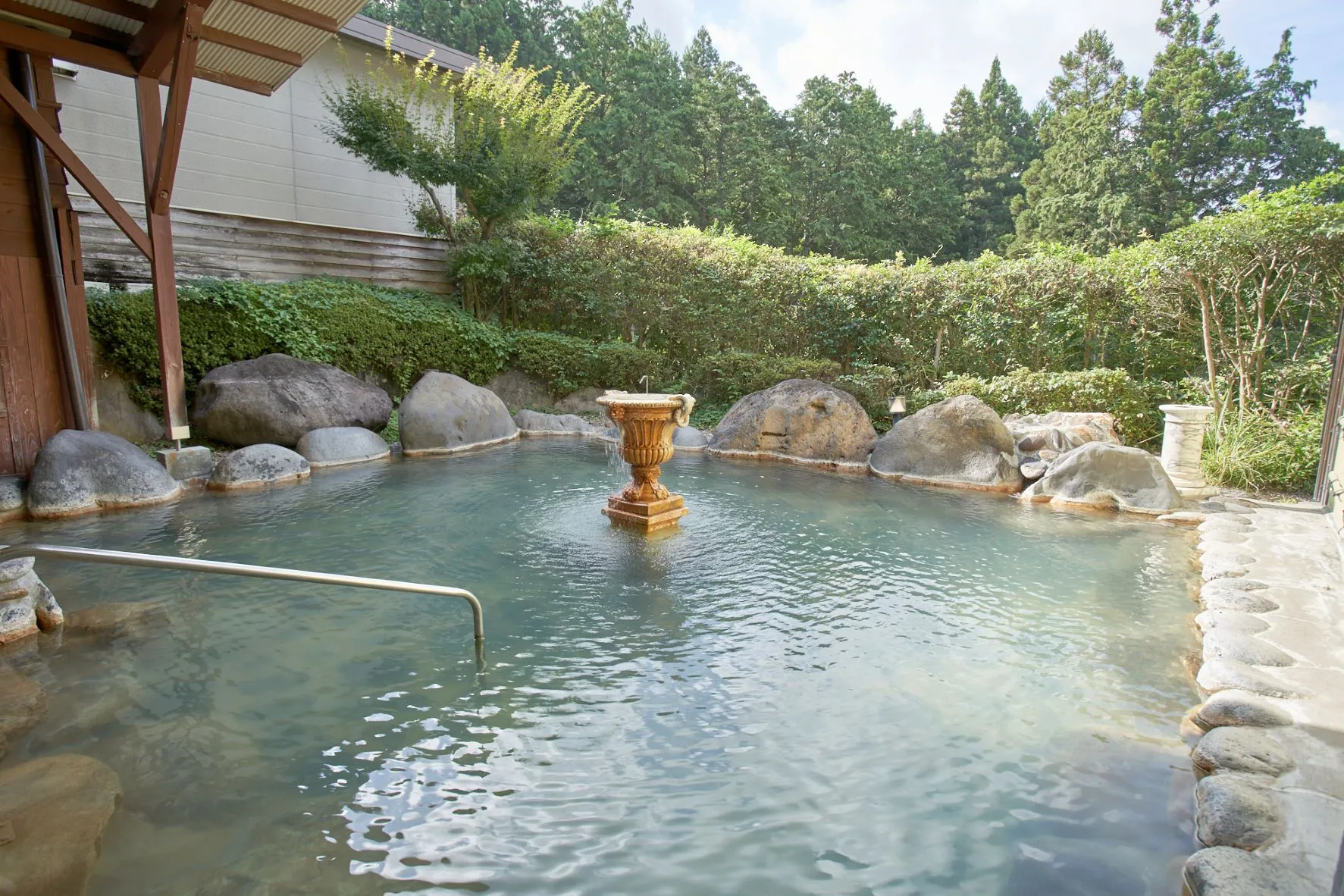
This Roadside Rest Stops offering a farming and forest experience, dog park, hot spring, pool, and accommodation. Tochigi Prefecture has the largest production of two-rowed barley – an ingredient used to make beer. Romantic village's brewery has a full lineup of beers including staple original beers, the Mugitaro brand, and Gyoza Roman, a beer that pairs well with Gyoza .Be sure to try a freshly brewed one!

Nikko kaido Oshu kaido TOCHIGI
The Kurobane Hydrangea Flower Festival

The Kurobane Hydrangea Flower Festival

Kurobane Castle Ruins Park is known and loved for its flowers; the Kurobane Hydrangea Flower Festival is held here when the roughly 6,000 hydrangeas in the area come into bloom.   From inside the park, visitors can admire the flowers that line the old moat from the bridge. During the festival, various events including a haiku contest and photography contest are held, and stalls are set up. In the evening (from 7:00 pm to 9:00 pm), the hydrangeas are lit up so that visitors can admire them even at night-time.

Nikko kaido Oshu kaido TOCHIGI
Utsunomiya Gyoza Dumpling

Utsunomiya Gyoza Dumpling

Utsunomiya Gyoza is an important part of the culinary culture of Utsunomiya City. The city has over 300 Gyoza restaurants,and people enjoy queuing in front of their favourite restaurants. These eateries compete in creating unique recipes to be recognised as “one of the best” Gyoza in the city,with all sorts of ingredients and cooking methods. Go from one eatery to another like the locals do,and sample some of thier wide selection! You can even join Gyoza-making classes led by veteran lecturers. Gyoza-related goods are also popular as souvenirs.

Nikko kaido Oshu kaido TOCHIGI
Kinugawa Onsen

Kinugawa Onsen

Discovered more than 300 years ago, these venerable Onsen were open only to monks and daimyo samurai visiting Nikko at that time. Since opening to the public in late 19th century, the hot springs have had many visitors and developed into a great spa resort. The hot spring water is smooth and gentle on the skin with a light alkalinity, and is thought to help nerve pain and stiff shoulders, relieve tiredness and promote good health. There srounded many theme parks or sightseeing spots, and good place for the base to go sightseeing in Nikko.

Nikko kaido Oshu kaido TOCHIGI
Irohazaka

Irohazaka

Irohazaka is a pair of winding roads (ascending and descending) connecting Nikko-city and the mountainous Lake Chuzenji area. The roads are named after the 48 syllables of the Japanese alphabet (kana) as they contain 48 hairpin turns while rising and falling 440 metres in elevation. The best viewing spot is the Akechidaira observatory on the descending road. The picturesque landscape is known as the most beautiful place to celebrate autumn leaves in Nikko, and it is well worth putting up with the traffic on the roads at this popular time.

Nikko kaido Oshu kaido TOCHIGI
Motegi Showa Museum

Motegi Showa Museum

This is a mini theme park with a ""Showa Retro"" theme. Inside, you'll find thousands of retro items densely displayed, including classic enamel signs, old cigarette vending machines, and everyday household goods from the Showa era. The moment you step inside, you'll feel as if you've been transported back in time to the Showa era. Building No. 2 features exhibits of retro stationery and toys, and also has a shop selling dagashi. It's a place that transcends generations, offering a fun experience for young people who find the Showa style refreshingly new, and for older visitors who feel a deep sense of nostalgia. ※ ""Showa Retro"" is a term that refers to the culture, design, and atmosphere of Japan from the 1950s through the 1980s. It is characterized by a nostalgic and warm feeling. This aesthetic is popular across all generations, feeling new and fresh to younger people while evoking a sense of deep nostalgia for the older generation.

Oshu kaido Nikko kaido TOCHIGI
Tochigi Prefectural Central Park

Tochigi Prefectural Central Park

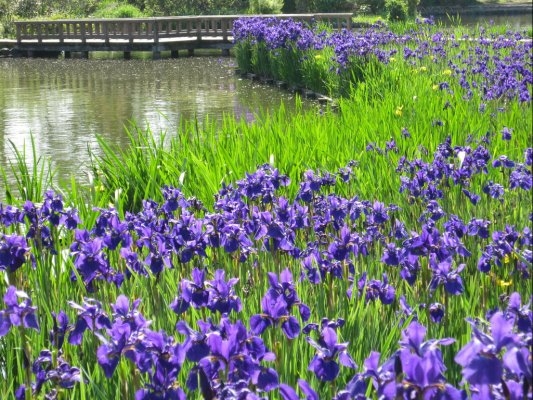
A prefectural park combining Japanese and Western garden design with nature, culture, and disaster-prevention functionsTochigi Prefectural Central Park is located in the center of Utsunomiya City and was created under the theme of “water, greenery, and culture.” Within the park are Western-style sunken gardens, Japanese-style ponds, and multipurpose plazas, which also interact with the neighboring Tochigi Prefectural Museum. Visitors can enjoy a wide variety of landscapes, including waterfalls, stone gardens, and the expansive Noh Stage Plaza with its modern fountain pool. Seasonal flowers and meticulously maintained lawns add to the park’s charm. The park also features the “Midori no Shōkansho” (Green Consultation Office), which regularly holds exhibitions and workshops, providing advice on gardening and tree care for citizens. This space serves as a multipurpose area for relaxation, recreation, and environmental education. As a disaster-prevention park, it also has emergency response functions, making it an important part of daily life for local residents.

Nikko kaido Oshu kaido TOCHIGI