
Greater Tokyo

See & Do

reset
TOWA PURE COTTAGES

TOWA PURE COTTAGES

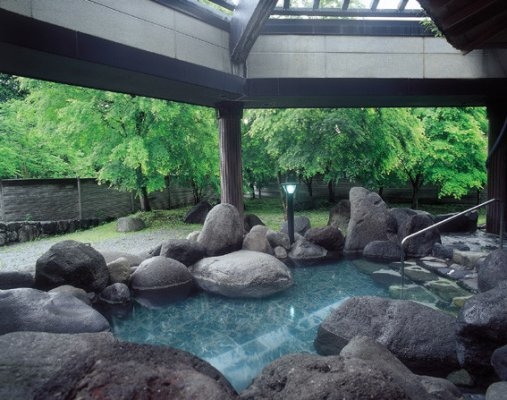
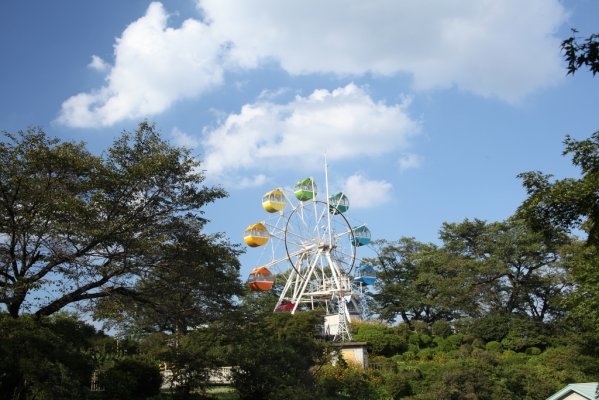
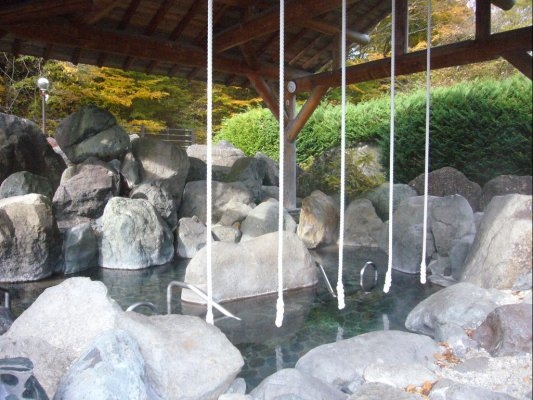
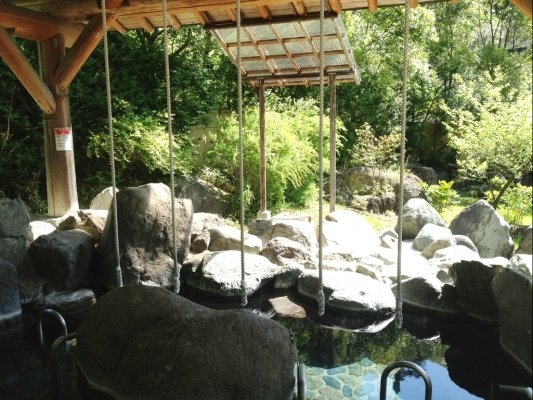
If you’re staying overnight in Nasu Highland (Tochigi Prefecture), stay at Nasu Highland TOWA PURE COTTAGES. Everything including fun, relaxation, and food is found amid the great outdoors of Nasu Highland at this cottage-style hotel where you can relax to your heart’s content. Each cottage has a fireplace made in Northern Europe and a rich variation of living rooms offering a comfortable setting with a spacious feel that promises an all-out resort lifestyle. Pet-friendly guest rooms allow you to sleep with your pets so you can spend the entire restful time with your furry friend. After experiencing the magnificent nature of Nasu, you can choose from a Western-style, Japanese-style, or barbecue dinner meticulously prepared with local ingredients by the chef. In addition, the large bath and open-air bath with natural, free-flowing hot spring water will gently envelop you in soft hot water for a full-body experience that soothes and promotes beautiful skin. As the official cottages for the neighboring Nasu Highland Park, there are a variety of perks, including being able to enjoy Nasu Forest Sky Athletic NOZARU, one of Japan’s largest adventure courses, as well as a dog run, tennis, karaoke, and glamping. The swaying of the trees and tranquil experience unique to a resort provide the ultimate in relaxation that can’t be experienced in the metropolis. Glamping is also available The word ‘glamping’ is a combination of the words ‘glamorous’ and ‘camping.’ The setting lets you fully enjoy the great outdoors even if you are new to outdoor activities such as camping. Not only is there a bed and sofa inside the tent, but a refrigerator, electric power, and other furnishings necessary for a comfortable experience are also included. Meals can be eaten at the hotel restaurant. Guests can choose from Japanese-style meals, Western-style meals, or a barbecue. The barbecue can be eaten out on the terrace, so you can enjoy the delicious food in comfort while immersed in the nature of Nasu. Don’t miss viewing the thrilling starry sky and fireflies in summer, experiences you could never have in the big city. Glamping can provide a unique hands-on experience that ordinary camping can’t, such as spending precious time with a special someone and creating family memories to look back on.

Nikko kaido Oshu kaido TOCHIGI
Shirasagi Shrine

Shirasagi Shrine

The Shirasagi Shrine enshrines Yamato Takeru, the son of the Emperor Keiko the 12th emperor of Japan who was enshrined in 783.During those ancient days, Yamato Takeru carried the sword Kusanagi and travelled throughout Japan, leading the country to peace. Legend says that as a result, his soul turned into a swan and he continues to protect peace still.The shrine is also home to Japan's largest votive picture at a width of 8m and a height of 4m, which is known a votive picture which grants wishes and bestows happiness."

Nikko kaido Oshu kaido TOCHIGI
Shiobara Onsen Visitor Center

Shiobara Onsen Visitor Center

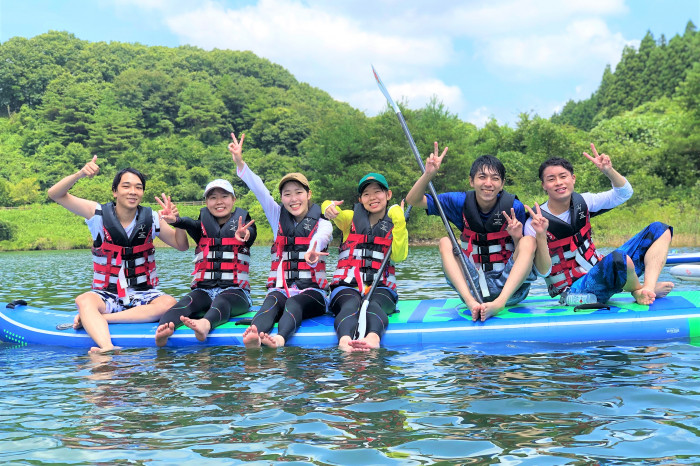
This tourist information center located in Nasushiobara City, Tochigi Prefecture provides explanations and guidance for the nature and promenade in Shiobara, and operates various walking plans. For example, it coordinates nature walking plans corresponding to the season and members, hikes with park conductors and nature learning activities. In addition, the visitor center has a rest corner where you can rest yourself after walking."

Nikko kaido Oshu kaido TOCHIGI
Yugyo willow Tree

Yugyo willow Tree

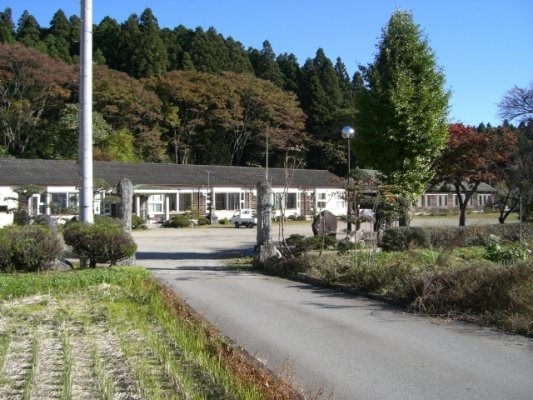
A huge willow tree standing amidst a tranquil, rural landscape. The renowned poet Saigyo spied willow while on a journey and wrote a haiku about standing in its shade on the side of the road amidst the pure waters flowing through the surrounding rice paddies. Later, the playwright Kanze Nobumitsu wrote a play based on this poem, making the willow famous. The famed poet Basho also wrote about this willow in his “Narrow Road to the Interior,” described its moving beauty. Monuments inscribed with poems by Saigyo, Basho, and Buson have been placed next to the tree."

Nikko kaido Oshu kaido TOCHIGI
Bike rental and cycling in Mashiko

Bike rental and cycling in Mashiko

Why not enjoy cycling through the historic town of Mashiko and its natural surroundings? The local railway journey to Mashiko passes through picturesque countryside. On arrival the town of Mashiko offers bike rental to tourists at several bike stations including Yoshimura Farm, Michi-no-Eki Mashiko and the Mashikoyaki Pottery Sales Centre. Mashiko station is also available for returns only. Hire a bike and explore the streets of the old town lined with cafes and art galleries. All the rental bikes are Pedelecs (electrically assisted pedal cycles) and perfect for cycling around this hilly town. Enjoy exploring the town’s narrow streets and find your hidden gems!

Nikko kaido Oshu kaido TOCHIGI
Yunishikawa Onsen

Yunishikawa Onsen

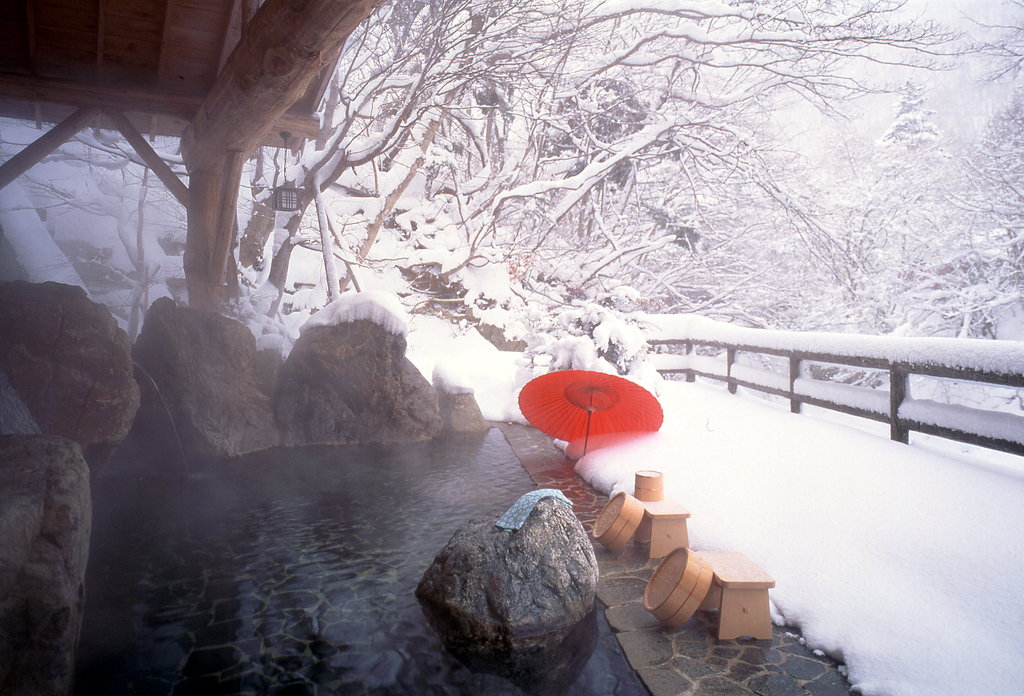
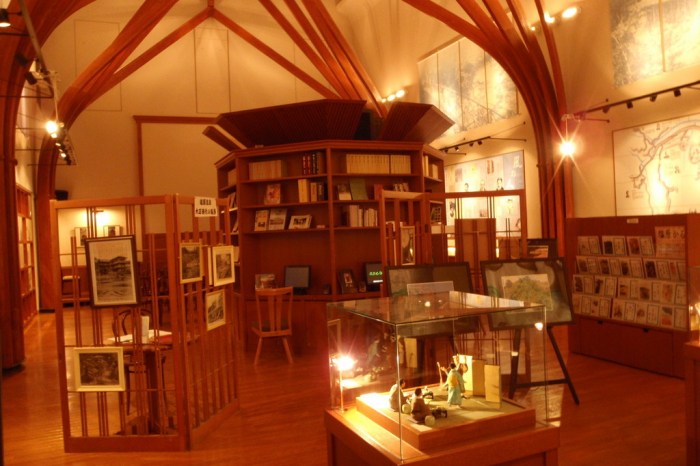
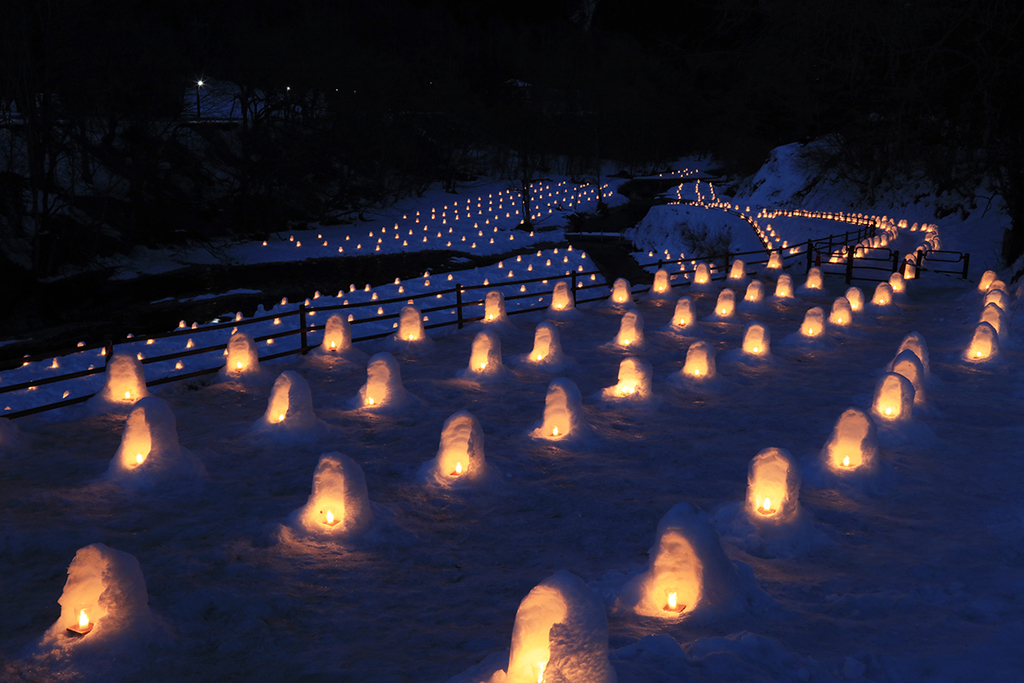
Legend has it that Samurai refugees found these spring waters and settled down in the village to heal their wounds. Today a row of inns and local houses are located along the valley. In addition to the abundant hot spring water, you can also enjoy seasonal local cuisine served around a fireplace (irori), including simply grilled wild ingredients such as freshwater fish, Sansai (wild vegetables), venison, bear and other delicacies. Miso paste grilled on a spatula is also a local specialty. If you visit here in the winter, do not miss the fantastic “Yunishikawa-onsen KAMAKURA Snow House Festival” from late January to early March. About 800 small snow houses are illuminated from inside candles.

Nikko kaido Oshu kaido TOCHIGI
Kanuma Autumn Festival

Kanuma Autumn Festival

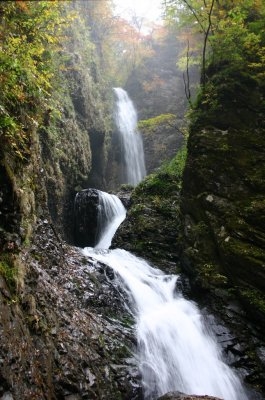
The Kanuma Autumn Festival, a UNESCO Intangible Cultural Heritage event, will be held in Kanuma, Japan, in grand style, bringing the tradition and elegance of the Edo Period festivals to the present day. The “Yatai Event of Kanuma Imamiya Shrine Festival,” the core of this festival, was designated as a National Important Intangible Folk Cultural Property in February 2003, and was also registered as a UNESCO Intangible Cultural Heritage on December 1, 2016 as one of the “Yama, Hoko, Yatai Event”.   For two days, 26 gorgeous yatai, which are also called “moving Yangmyongmon,” will parade through the streets of Kanuma in a heroic manner.   On the first day of the festival, “Nuriikomi” begins around noon, when 26 yatai pass through the torii gate and enter the precincts of Imamiya Shrine. At around 5:00 p.m., all the yatai will light lanterns and return to their respective neighborhoods with a musical accompaniment.   On the second day, after the “Citizens' Parade” of “marching bands” and “Mikoshi” in the morning, “Yatai Aligned Pulling (Yatai Parade)” will be held around 2:00 p.m., in which 26 yatai will simultaneously drive along the Kominehara Palace Road (commonly called “Festival Road”).   The highlight of the festival is a musical performance called “Buttsuke” in which three to seven yatai perform at a junction. The music of the festival is a spectacular sight to behold, and the sounds of the heroic “Buttsuke” music will echo through the night on both days of the festival.

Nikko kaido Oshu kaido TOCHIGI
Utamaro Festival

Utamaro Festival

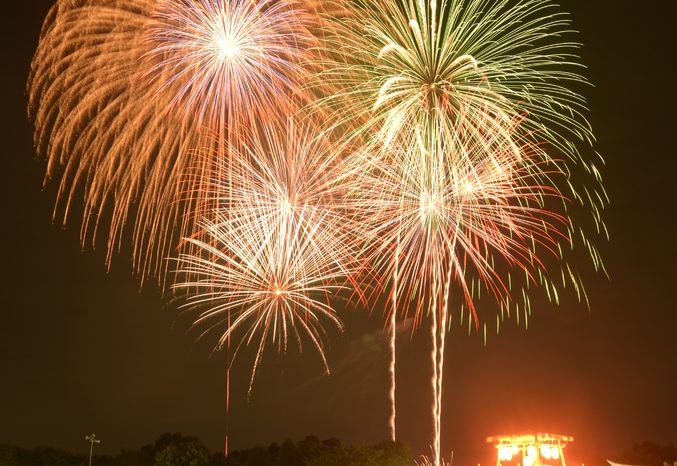
Held in early October each year, the Utamaro Festival celebrates the legacy of Kitagawa Utamaro, a renowned ukiyo-e artist of the mid-Edo period who had close ties to Tochigi City. Many of his works were created here, and the city, with its well-preserved Edo-period architecture, is often called “Little Edo.” The festival’s highlight is the Utamaro Dōchū parade, where performers dressed in gorgeous kimono proceed slowly along Kuranomachi Ōdōri Street, recreating the elegance of the Edo era. The festivities also feature music performances, fireworks, street illuminations, and a handmade market, immersing the entire town in a joyful celebration of culture and tradition. Notably, Kitagawa Utamaro will also be featured in the 2025 NHK Taiga drama Unbound, bringing renewed attention and respect to this ukiyo-e master. Visiting the Utamaro Festival offers a rare opportunity to experience the fusion of historical culture and modern creativity. Strolling through the lantern-lit streets of Kuranomachi, you can enjoy the vibrant atmosphere of the parade and illuminations while discovering the timeless charm of Japanese traditional arts—an unforgettable highlight of any autumn trip.

Nikko kaido Oshu kaido TOCHIGI
KINUGAWA ONSEN HOTEL

KINUGAWA ONSEN HOTEL

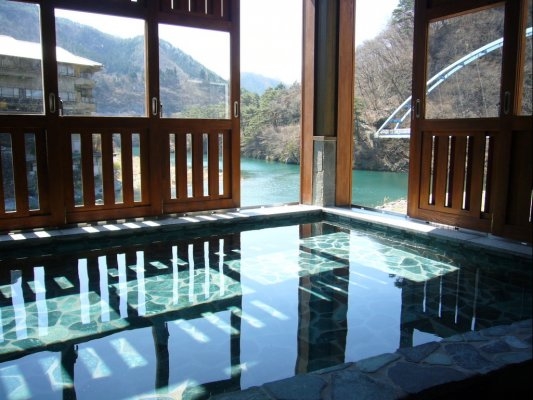
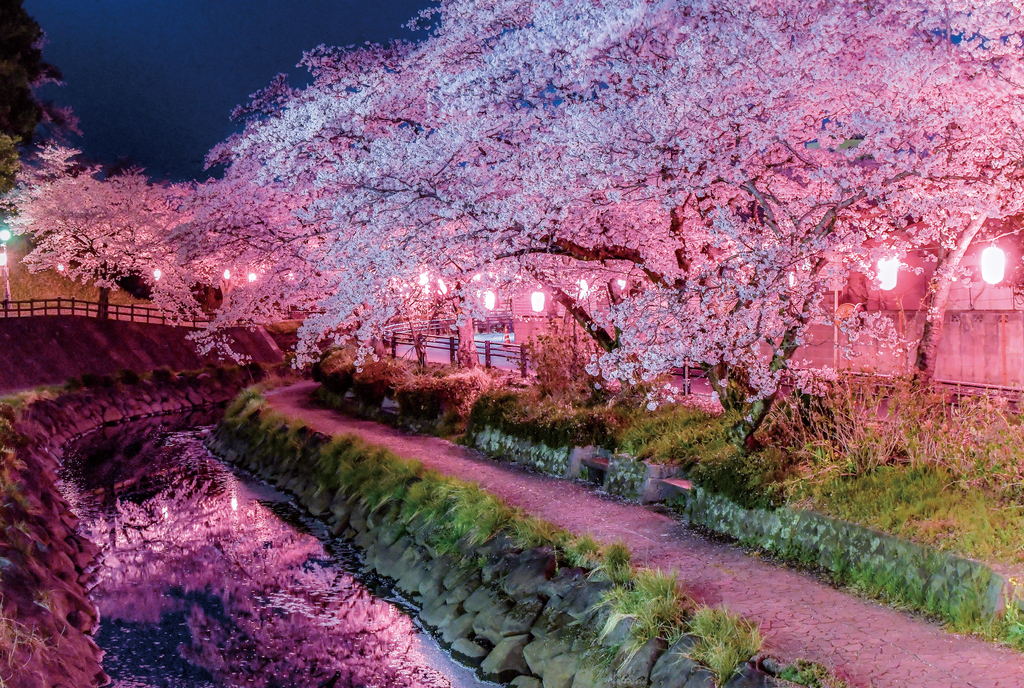
The Kinugawa Onsen Hotel in Nikko City, Tochigi Prefecture, is a long-established hot spring inn founded in 1931, with roots in Japan's oldest hotel. With the concept of “Yui-tabi” (bonding), we support memorable trips that deepen the bonds between family members and loved ones. Enjoy a buffet-style meal and choose from a variety of rooms to suit your preferences, and enjoy a relaxing hot spring trip to your heart's content.   【About the Hot Springs】 Kinugawa Onsen is renowned for its healing waters, often referred to as “wounds heal by the river, burns heal by the waterfall” (now known as Kinugawa Onsen). The alkaline simple spring water is known for its skin-soothing properties, making it gentle on children and those with sensitive skin. In addition to the large public bath, private baths (reservation required) are also available. Water color: Clear Water type: Simple hot spring Benefits: Neuralgia, muscle pain, joint pain, frozen shoulder, paralysis, joint stiffness, bruises, sprains, chronic digestive disorders, hemorrhoids, cold hands and feet, post-illness recovery, fatigue recovery, and overall health improvement.  

Nikko kaido Oshu kaido TOCHIGI
Kinugawa Grand Hotel Yume no Toki

Kinugawa Grand Hotel Yume no Toki

The hotel stands quietly on the hill of a hot spring resort town against the backdrop of mountains that change colors each season. It is an eight-minute-walk from Kinugawa-onsen Station and features a superb Japanese garden. Enjoy the seasonal multi-course kaiseki meal and relax in five uniquely designed private open-air baths. Free yourself from daily stress and indulge yourself in slow and luxurious time. The hotel offers the Wellness Escape Plan for one group a day. To ensure high-quality time to rest, the plan includes a high-end air purifier in the guest room, morning activities with an instructor, and breakfast featuring tasty rice porridge that is gentle on the stomach and intestines. Why don’t you plan a trip to improve your health from the inside out with hot springs, activities, and meals? *Reservation for the Wellness Escape Plan is accepted only through the official hotel website. 【About the hot spring】 Water color: clear Spring water type: simple alkaline spring water Efficacy: alleviates stiff shoulders, nerve pain, sprains, sore muscles, sleeplessness, etc.

Nikko kaido Oshu kaido TOCHIGI
Ryushun Falls

Ryushun Falls

The waterfall can be reached via a 10 minute walk from the Ryushun parking area on the left side of the road past the Saruiwa Tunnel on National Route 400. Just past the Ryushun no Tsuribashi suspension bridge, the falls are 15 meters tall. The falls’ name means “spring flowing,” said to be an allusion to the fact that the falls dry up for three months in winter and don’t start flowing again until spring. Although not a particularly strong waterfall, the sight of the waters quietly flowing over the bare rock wall is elegant and soothing. The area around where the Ryushun no Tsuribashi suspension bridge crosses Senryu Gorge is also quite beautiful and popular destination to walk."

Nikko kaido Oshu kaido TOCHIGI
Tochigi Central Park

Tochigi Central Park

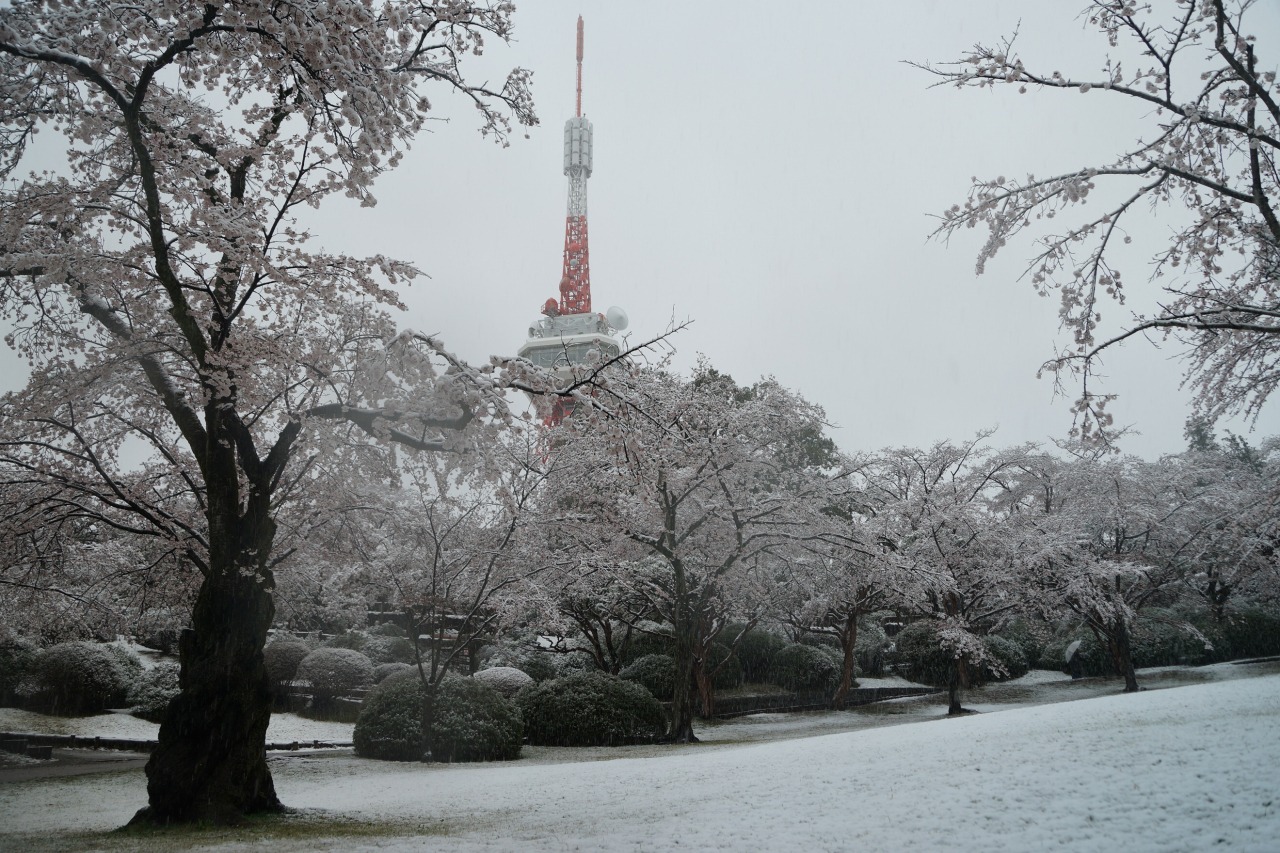
This park in Mutsumi-cho, Utsunomiya City has a theme of "Water, Greenery, and Culture." It's arranged like a strolling garden and has a Western style sunken garden centered on a pond, as well as a Japanese garden. Their Green Consultation Center holds horticultural exhibits and other events. The Tochigi Prefectural Museum is also on the grounds. Astroll through Central Park in Utsunomiya reveals the beauty of each season. For example, in March and April camellias and tulips bloom; in June, find roses, hydrangea and wisteria; April to mid-June brings peonies; November, deciduous trees light up the park with red, yellow and orange."

Nikko kaido Oshu kaido TOCHIGI