

Asakusa Ame-shin
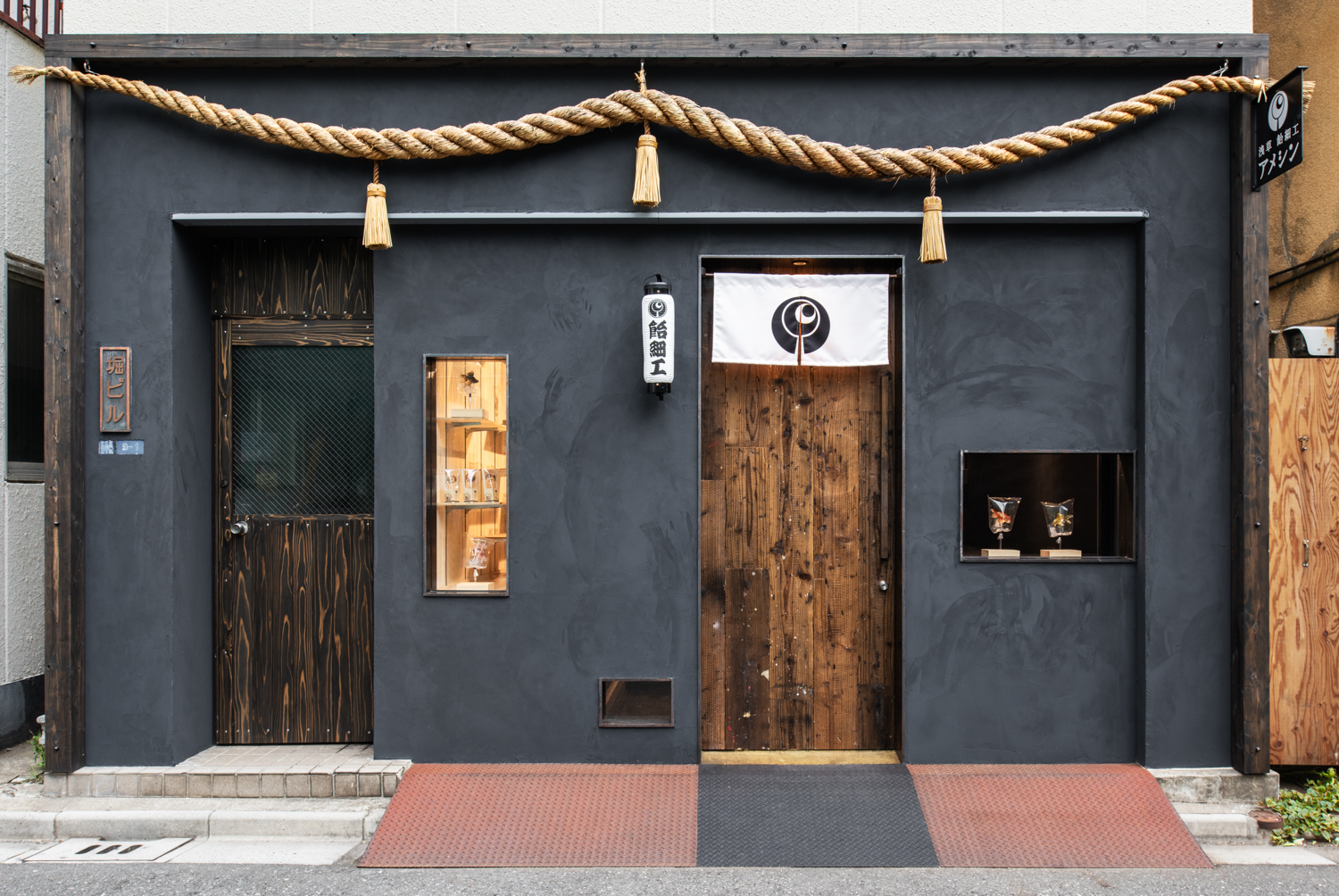
Discover the exquisite artistry of Amezaiku, Japan’s traditional candy craft. At Asakusa Ame-shin, you can witness the creation of intricate sugar sculptures and even try your own hand at crafting these edible works of art.
Total: 351 items
Discover the exquisite artistry of Amezaiku, Japan’s traditional candy craft. At Asakusa Ame-shin, you can witness the creation of intricate sugar sculptures and even try your own hand at crafting these edible works of art.
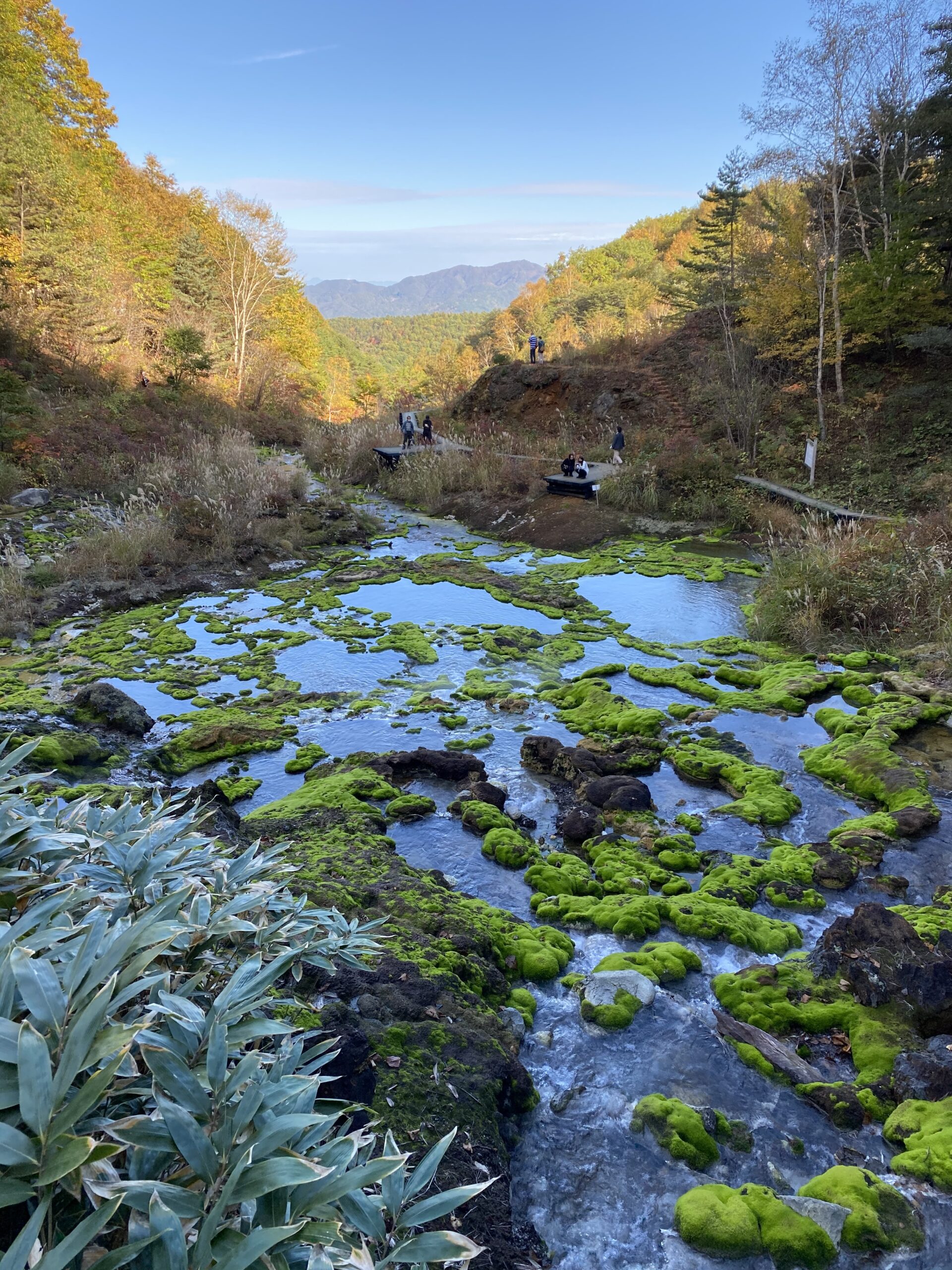
Visit this Japanese nature park to see a unique moss colony. Located in Nakanojo Town in Gunma Prefecture, Chatsubomi Moss Park offers visitors a breath of fresh air in an area designated as a national natural monument.
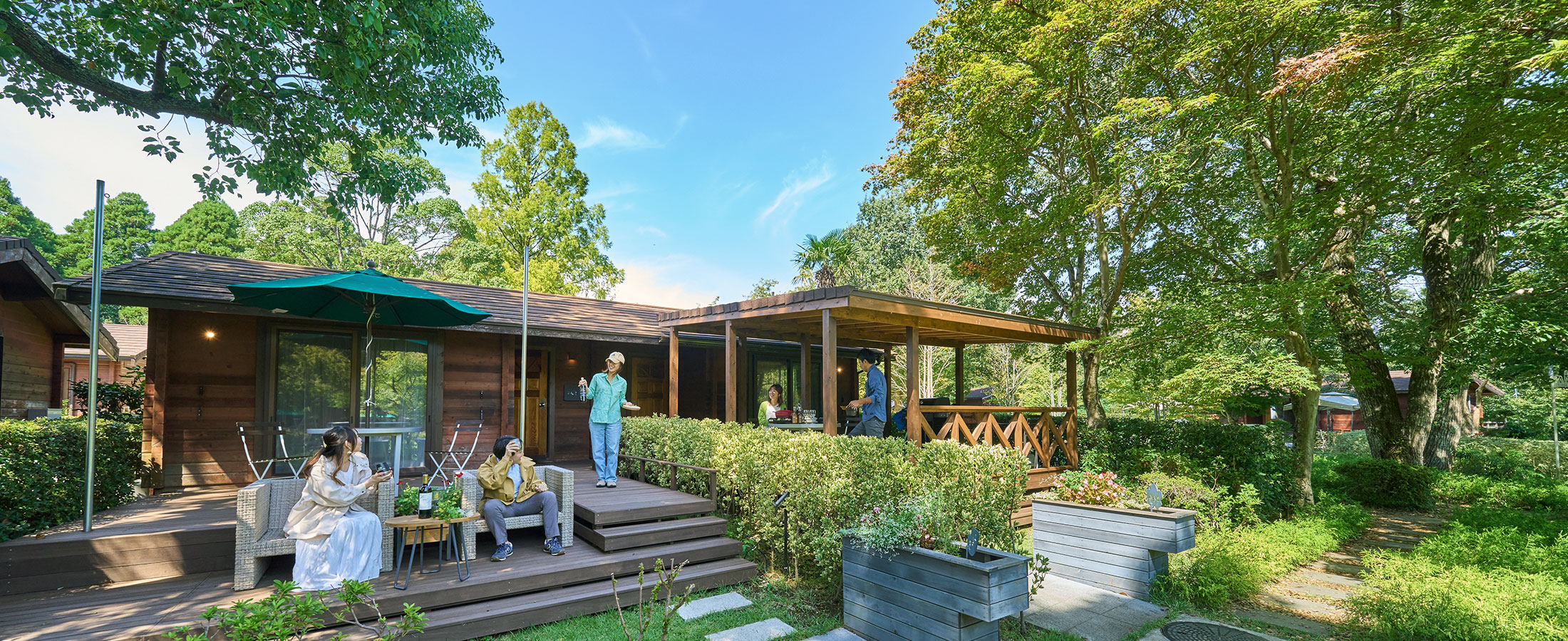
Unwind and take a step back from daily life to enjoy a peaceful retreat in the lush forests of Chiba Prefecture. Check in to Resol no Mori to experience luxurious spa treatments and glamping in a peaceful natural setting, as well as a multitude of exciting outdoor activities.
Explore Chichibu’s beautiful nature, ancient historical sites, and spiritual power spots along a route taken by travelers for centuries. Whether you are seeking a spiritual renewal or a quiet trek through the beauty of rural Saitama, close to Tokyo, the Chichibu Fudasho might be just what you’re looking for. The Chichibu Fudasho is a 100 kilometer long pilgrimage route connecting 34 of the area’s Kannon Buddhist temples, with a history dating back almost 800 years. The popularity of the route peaked in the Edo Period, when many of the city’s common folk traveled here to gain wisdom and clarity by participating in the pilgrimage.
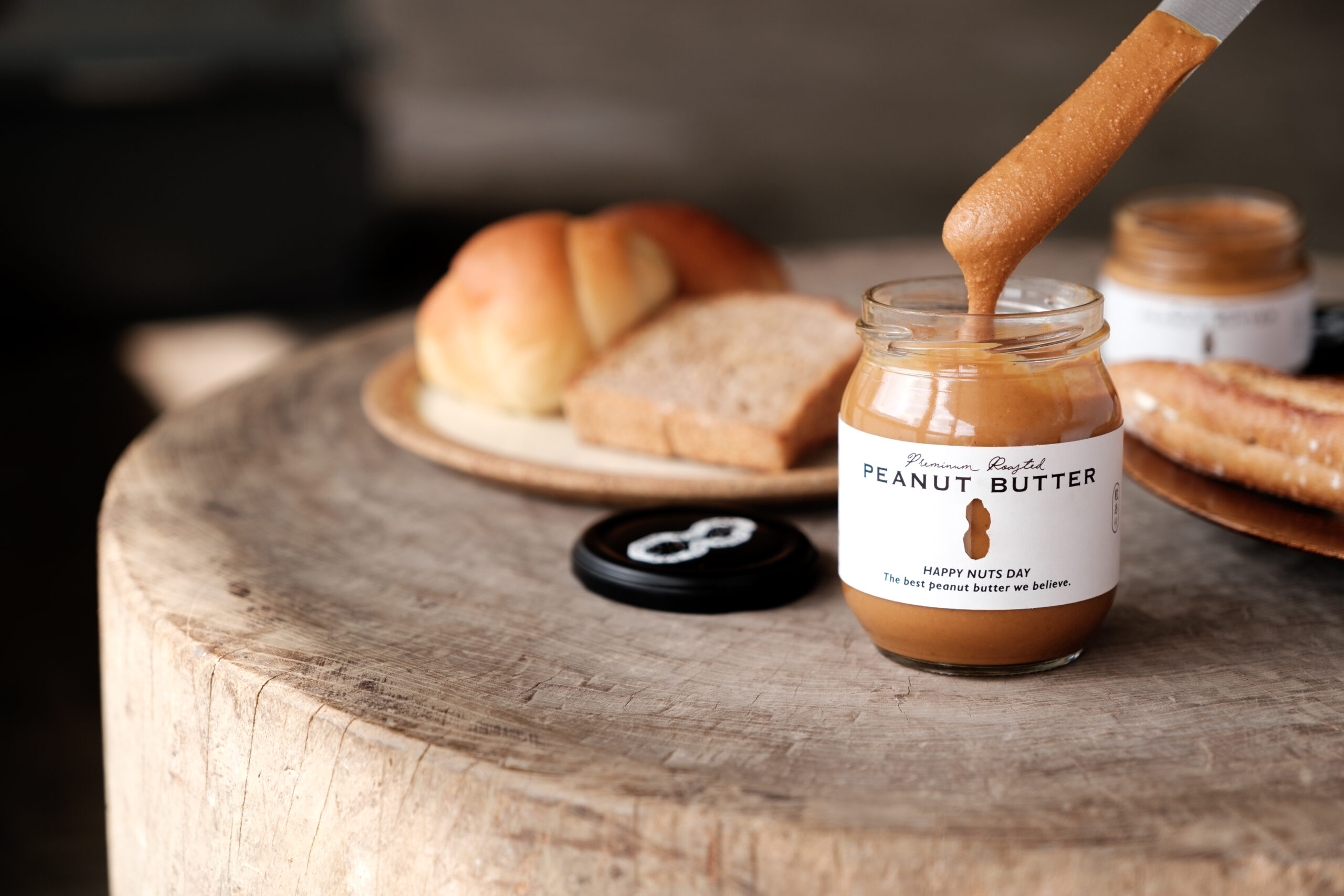
Taste this classic snack in its place of origin and visit the eco-friendly factory in Sammu.
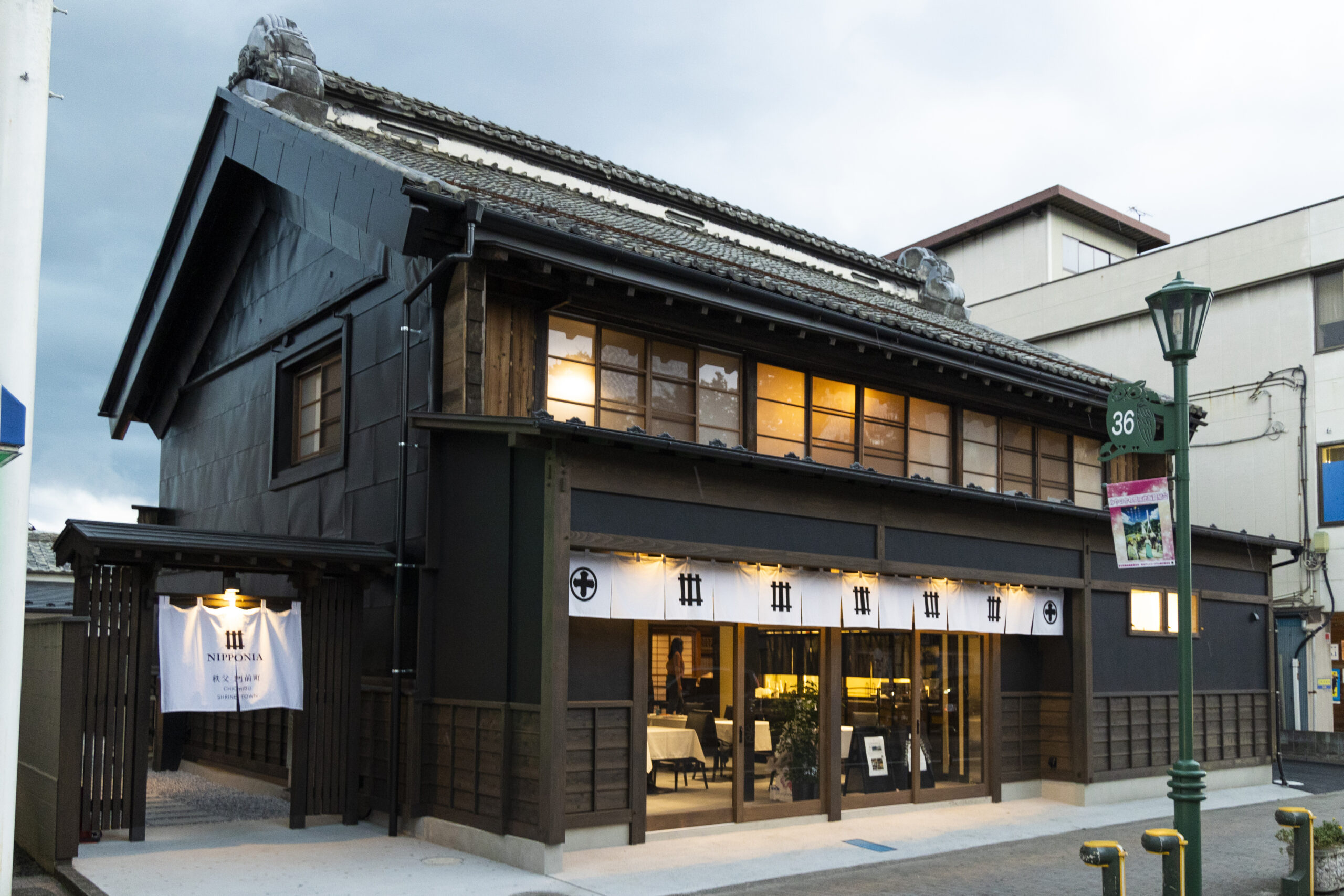
Making use of Chichibu’s historical shops and houses, NIPPONIA Chichibu Shrine Town helps preserve the town’s cultural heritage while supporting responsible tourism to the area through partnerships with local businesses. Saitama’s Chichibu is nestled in a basin dotted with dozens of historical shrines, a world of serene beauty just outside Tokyo’s doorstep. The city was also home to a thriving silk textile industry in the days when wearing kimono was more common than Western-style clothing.
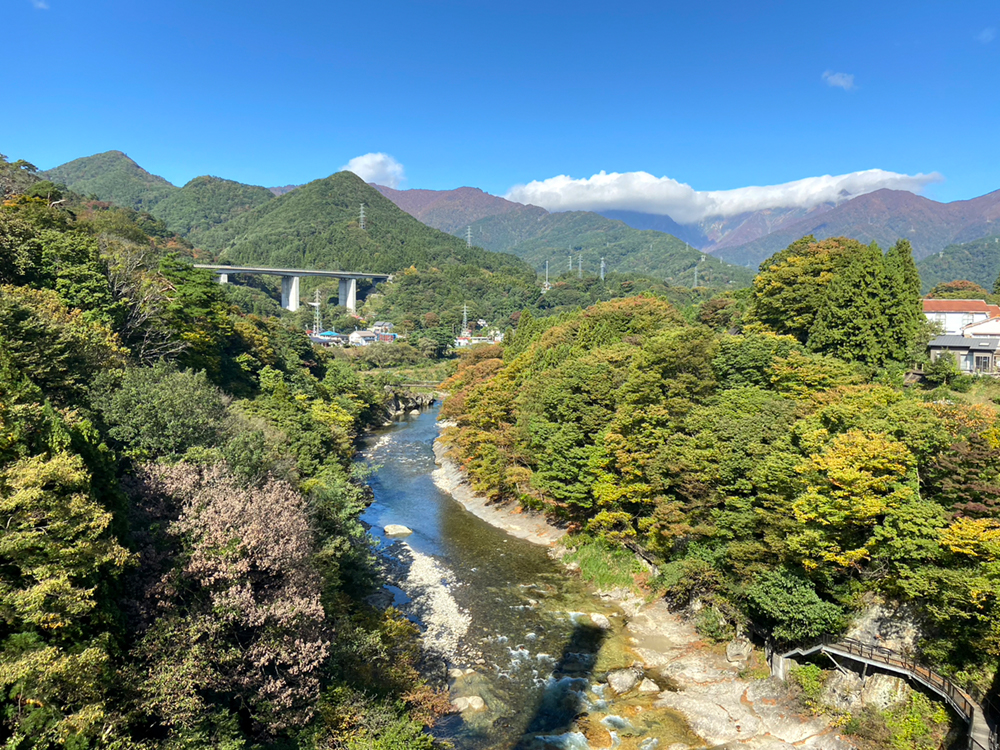
Become one with nature in this rural area filled with fun outdoor activities and spectacular scenery that offers something new at every turn. A trip to Gunma is not complete without a visit to Suwakyo Gorge, a beautiful valley famous for its stunning surroundings and the immaculate waters of the Tone River. Easily accessible from metropolitan Tokyo, the gorge is a natural wonder that offers relaxation, excitement, and a breath of fresh air.
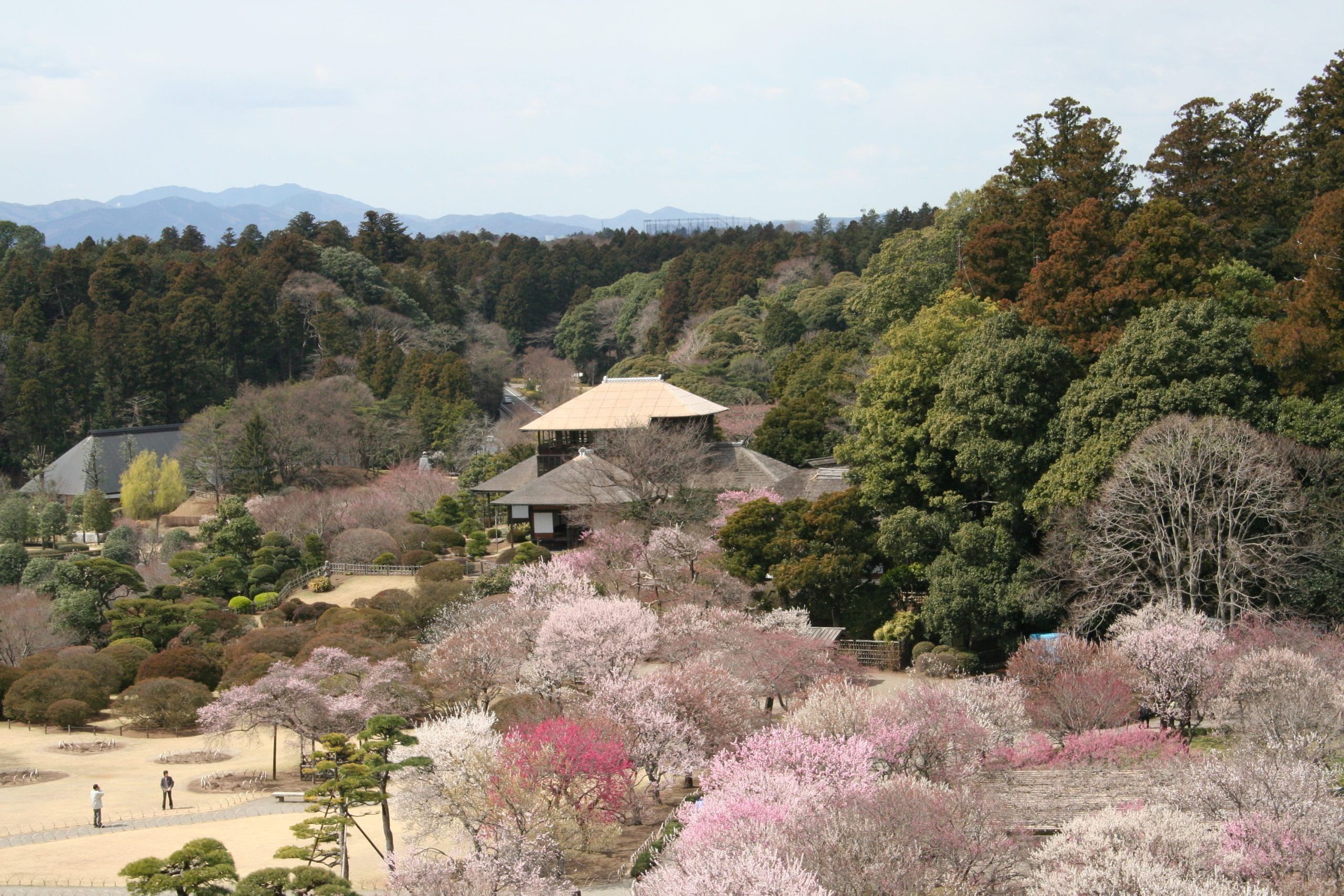
You’re invited to escape the crowds of the major cities and journey to Ibaraki Prefecture, where you can take a carefree walk of one of Japan’s most famous gardens, before learning about the culture and etiquette of Japan.
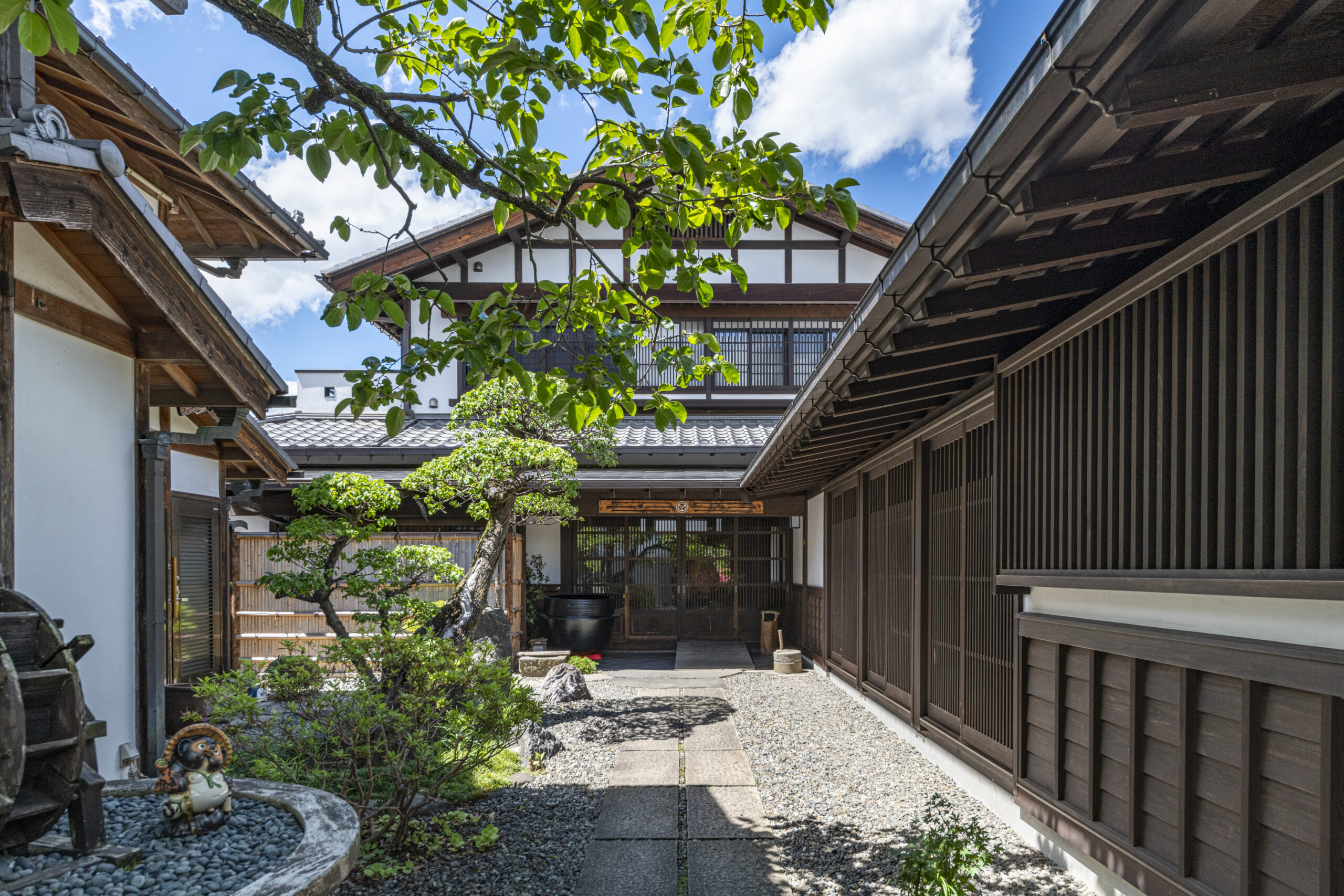
Step back in time and experience the charm of Edo and Meiji-era Japan at the Nipponia Sawara Merchant Town Hotel in Katori City, Chiba. Located in Sawara, an area designated as a Preservation District for Groups of Traditional Buildings, this one-of-a-kind accommodation invites guests to immerse themselves in the history and culture of a flourishing merchant town once known as "Edo’s Kitchen." With its blend of traditional Japanese architecture and modern comforts, the hotel provides a stylish and unforgettable stay.
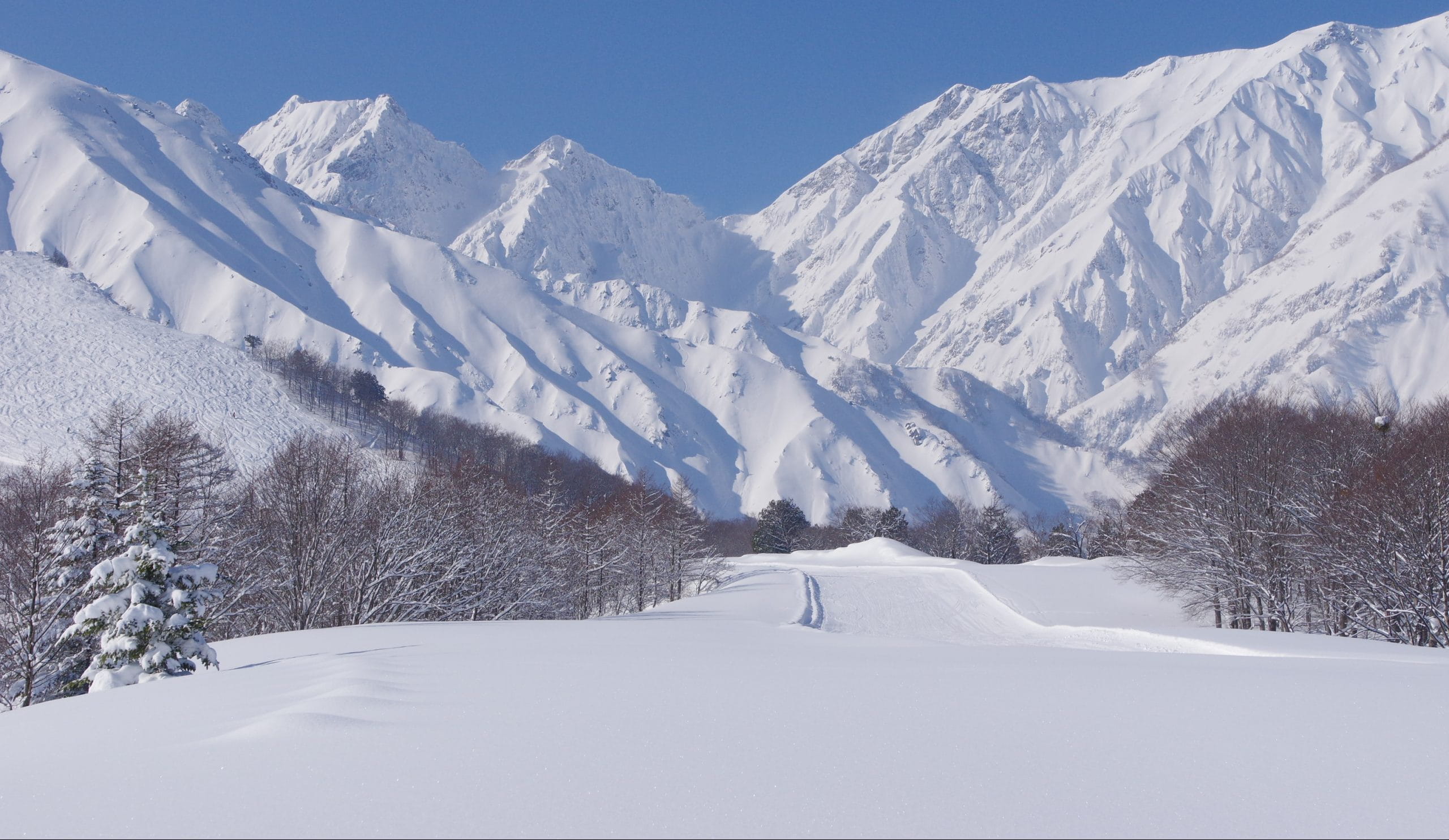
As any snow junkie in Japan might tell you, few locales on earth can compare to the powder slopes of the Land of the Rising Sun. And the Happo-One resort is up there with the very best.
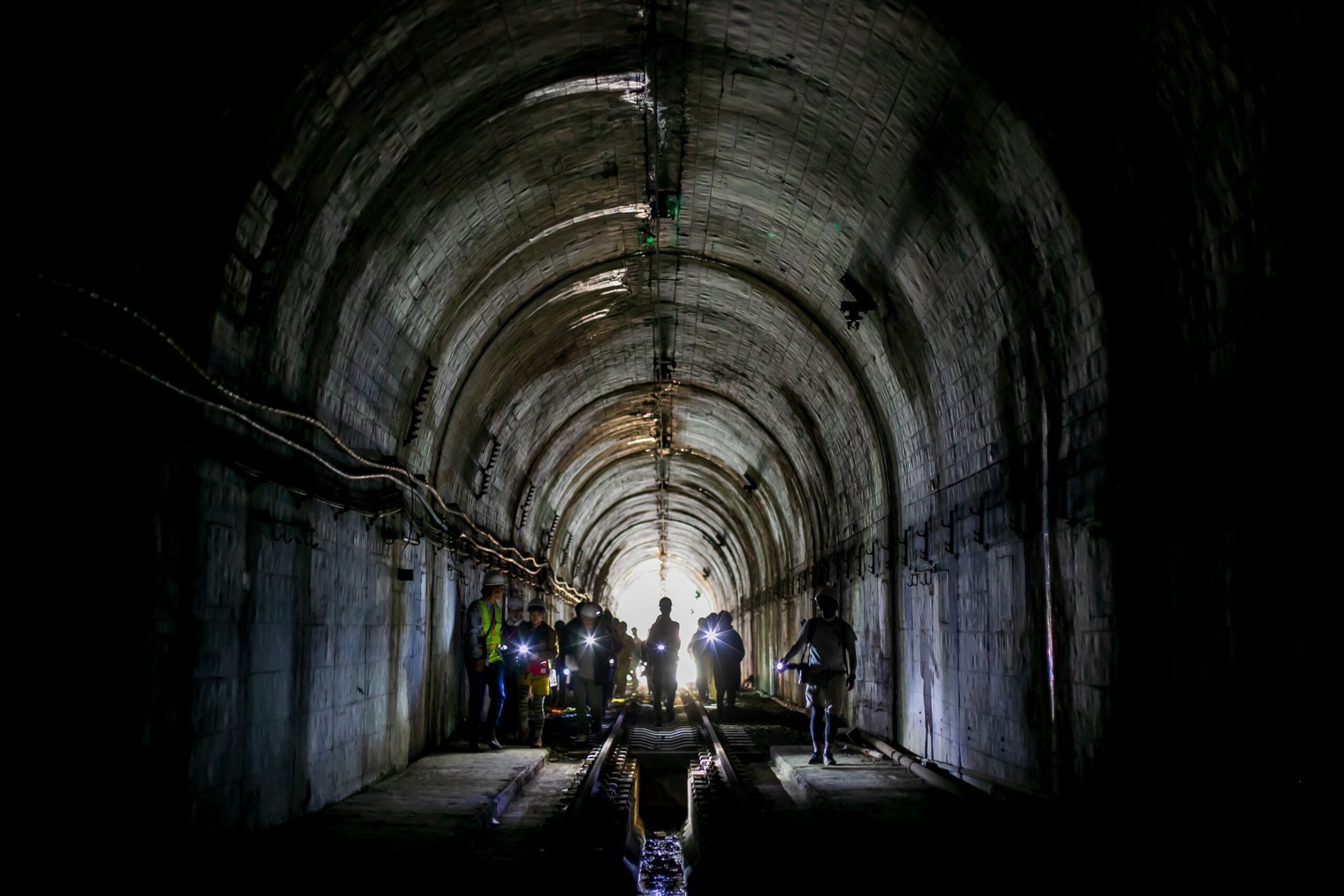
Abt Road in Annaka, Gunma Prefecture, is a world away from high-speed bullet trains, timely commuter rails and subway systems. The 11.2-kilometer portion of railway on the Usui Main Line between Yokokawa and Karuizawa stations had been active for 104 years until it finally closed on September 30, 1997. The Usui Main Line and others like it connected Gunma, Nagano, and Niigata prefectures to Tokyo, paving the way for travel today. The Usui Line has since opened to visitors in the form of Abt Road, which welcomes hikers, adventurers and history enthusiasts from far and wide to enjoy the historic railway and make new kinds of memories on these tracks.
This 200-year-old farmhouse has been lovingly restored as a luxurious ryokan for guests who want to experience an authentic retreat in the Japanese countryside near Tokyo. For a luxurious ryokan experience just outside of Tokyo, Miyamotoke offers guests countryside hospitality in a traditional Japanese farmhouse, plus something unique.
Treat yourself to an accommodation experience in Saitama that has it all - spa, barbeque, and stunning natural scenery. O Park Ogose offers a getaway from city life and a breath of fresh air deep in the countryside of Saitama Prefecture, a location perfect for relaxing and feel rejuvenated and refreshed amongst nature.
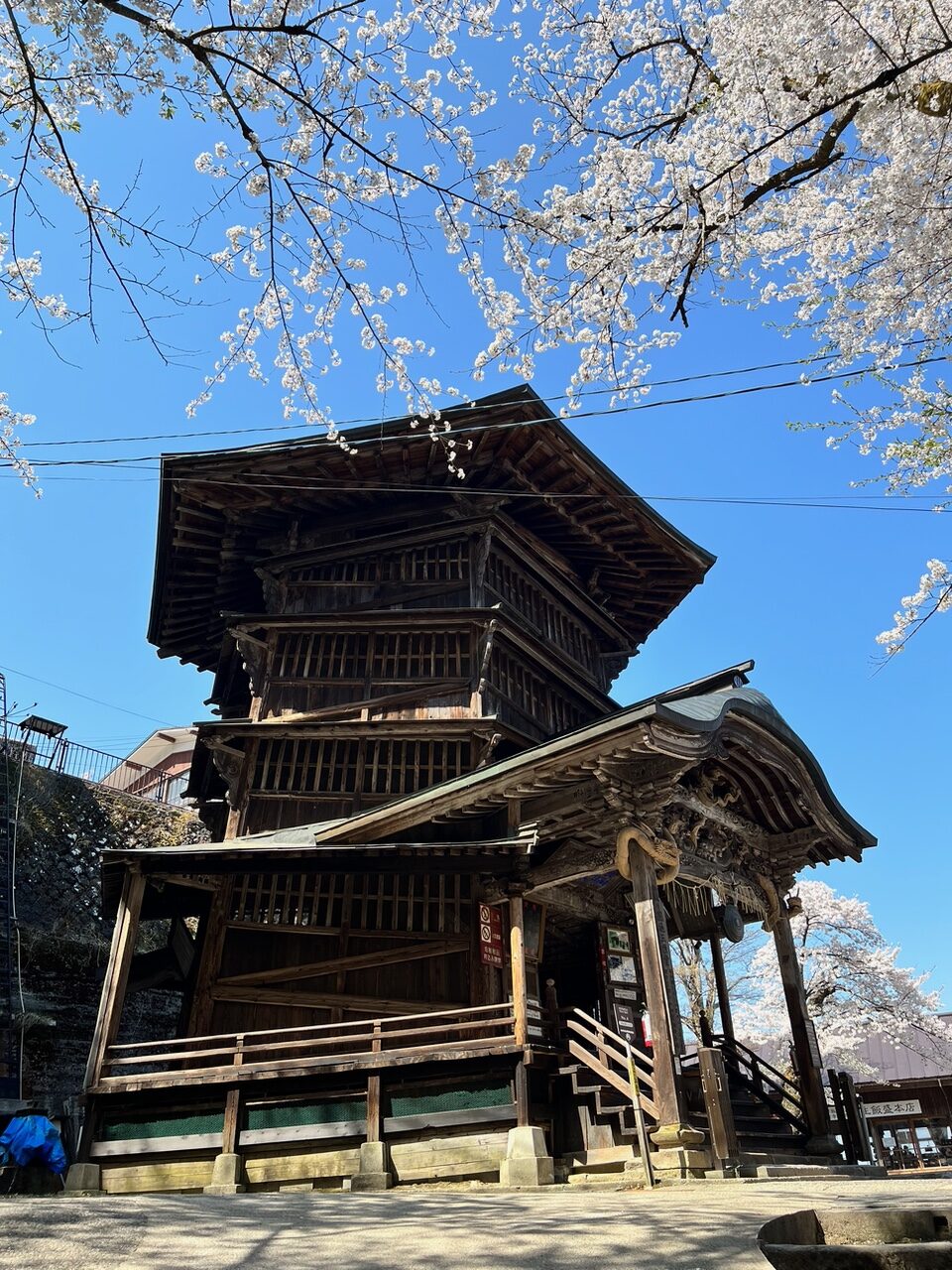
The only wooden double-helix styled building in Japan, this mysterious temple located in Aizuwakamatsu must be experienced to be believed. Located partially up the slopes of Mt. Iimoriyama, the site of the tragic end of the 19 samurai boys of the Byakkotai during the Boshin War, Sazaedo Temple is a curious architectural anomaly that has fascinated visitors from around the world.
Rent a bike and ride through three rural towns filled with charming cafés, parks and museums on the way to the Kujukuri coastline on this active sightseeing adventure.
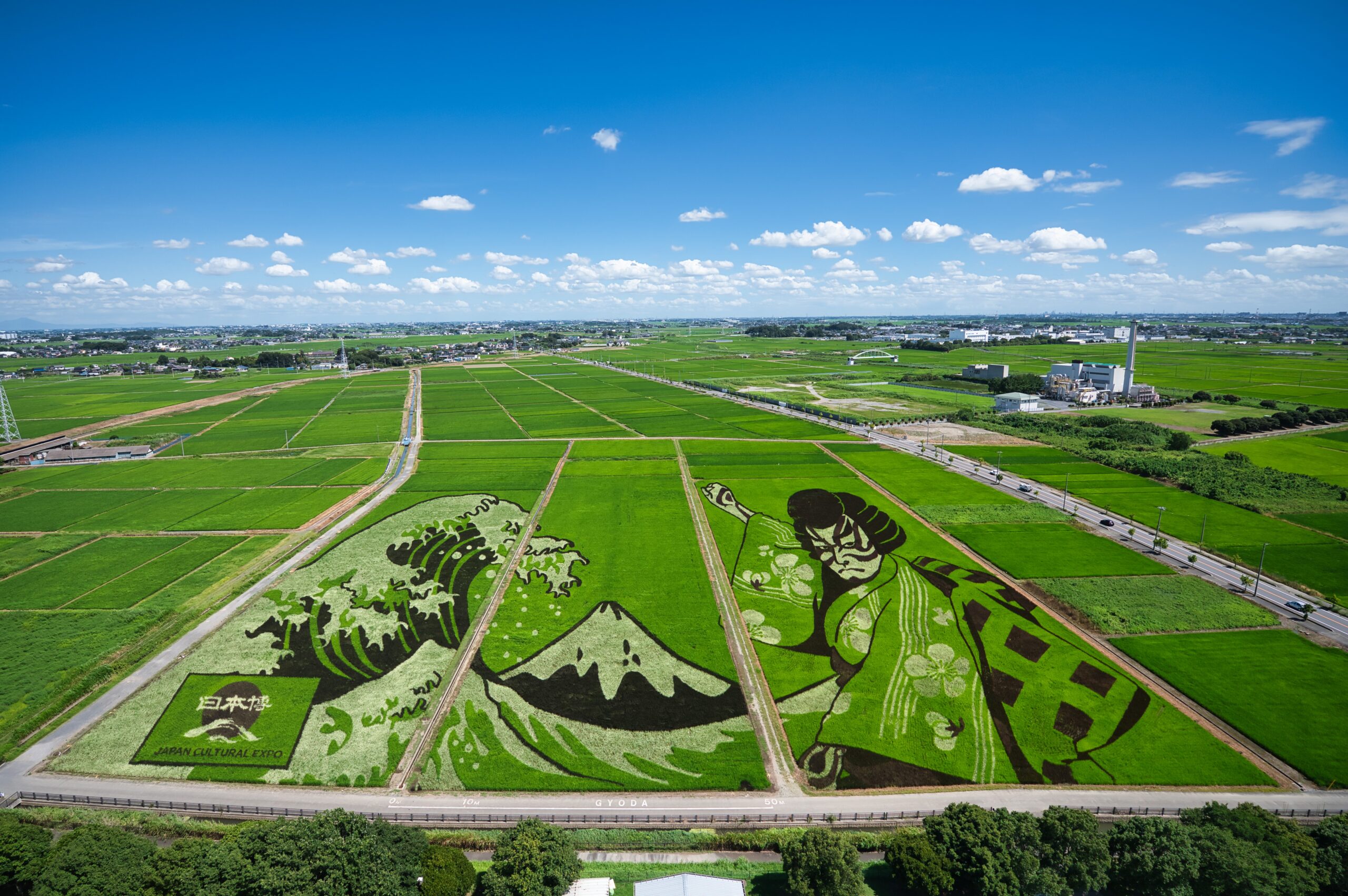
In Gyoda (Saitama Prefecture), a new tradition has been established: “Tanbo Art” (rice field art), a stunning seasonal display that transforms large rice fields into colorful canvases. Various shades of rice plants create elaborate artworks that showcase the region's agricultural tradition in a modern and impressive way. As one of Japan’s most innovative rural attractions, Gyoda’s rice paddy art combines farming techniques with contemporary creativity, drawing visitors from around the world.
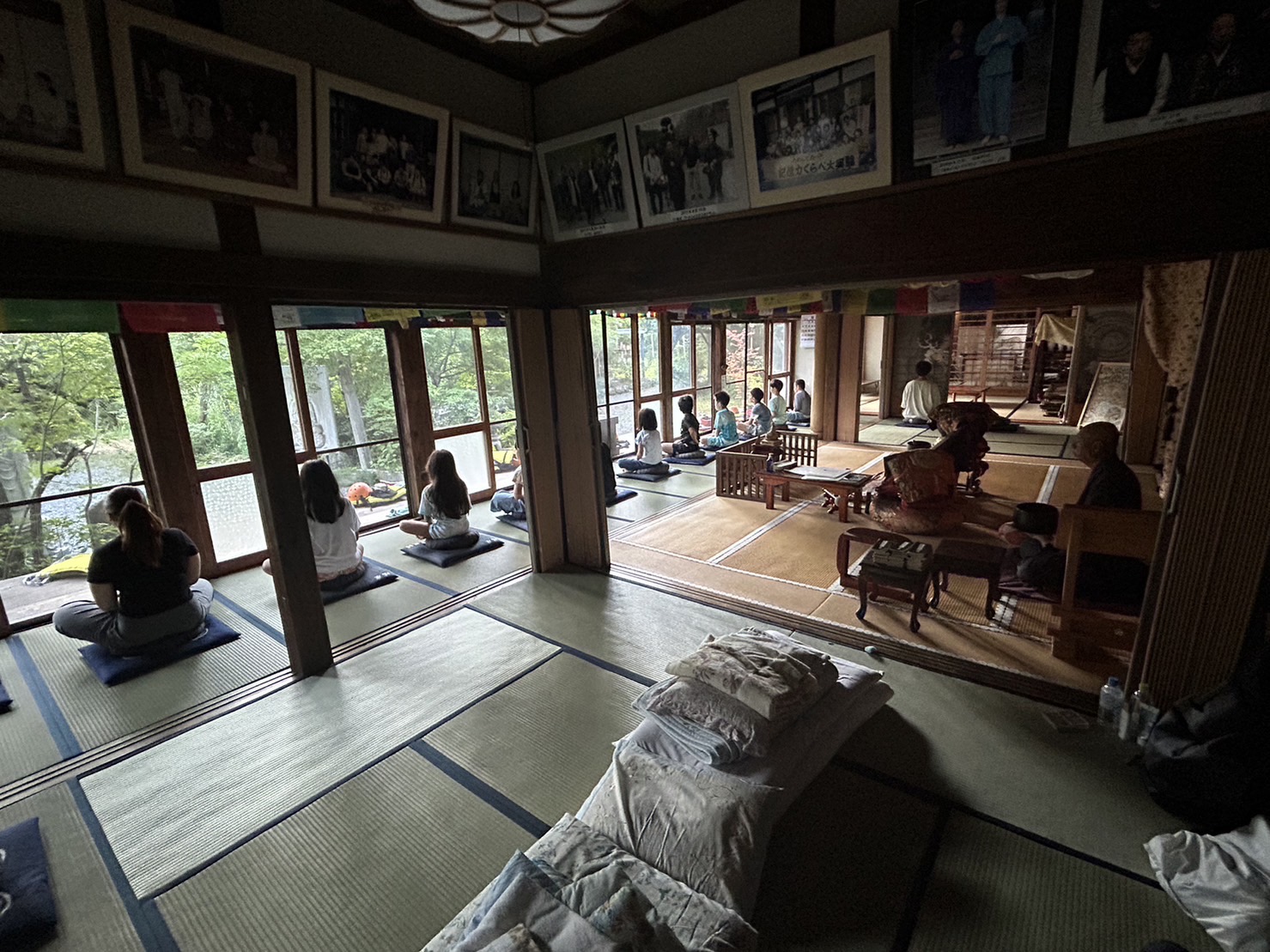
At Shougaku-ji, a 15th-century Soto Zen temple nestled in the forests of Hanno, visitors can experience an overnight retreat that delves into the calmness of zazen meditation and the gentle discipline of temple life.
Discover the unique flavors of Fukushima Prefecture with a visit to the Fukushima Ouse Winery in Koriyama City. Established in 2015, this winery is more than just a place to taste wine: it’s a symbol of the region’s resilience and creativity after the hardship of the Great East Japan Earthquake. With a new business model that combines the production, processing, and sales of locally grown fruits, the winery is part of the “Fukushima Winery Project,” supporting local farmers and brands.