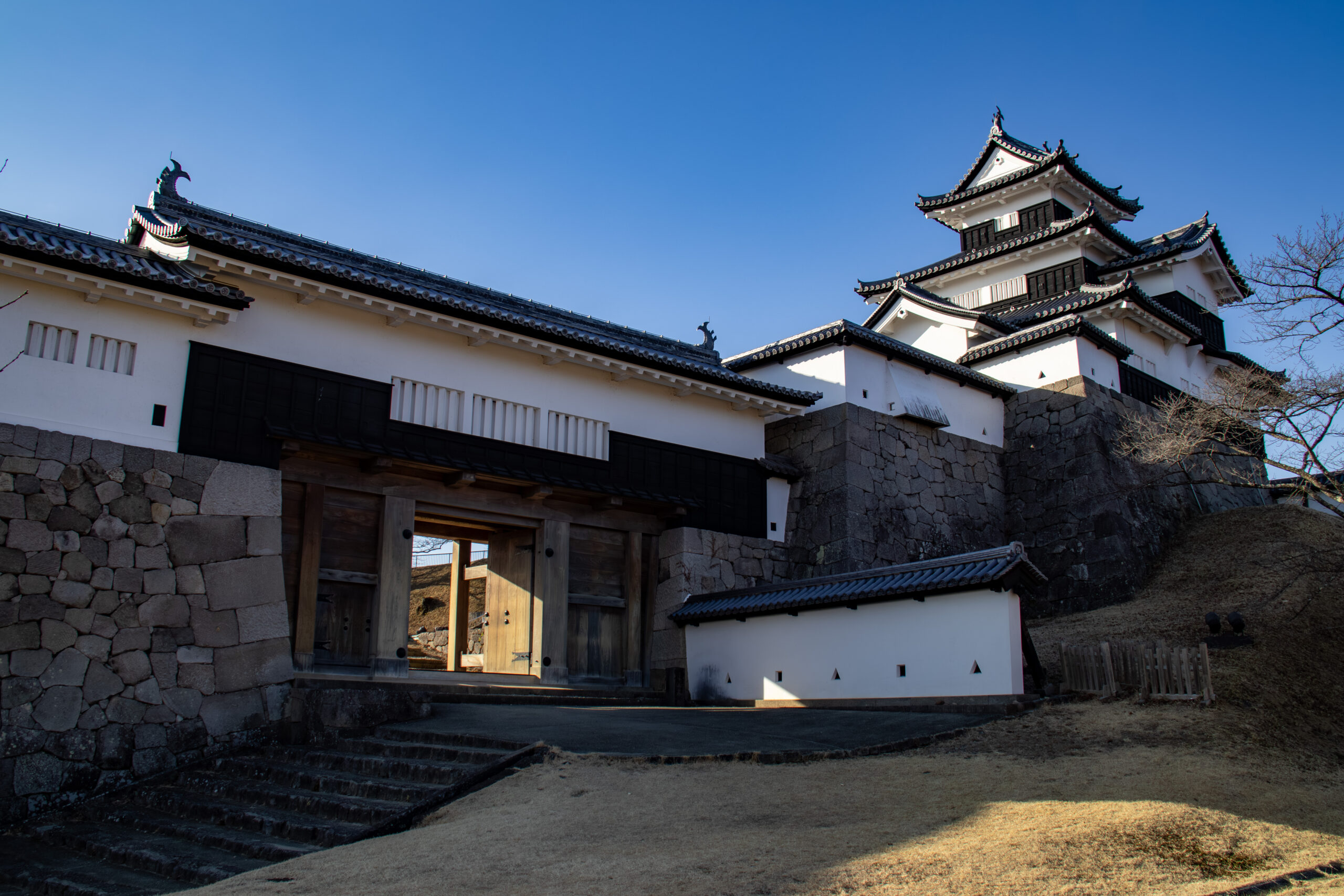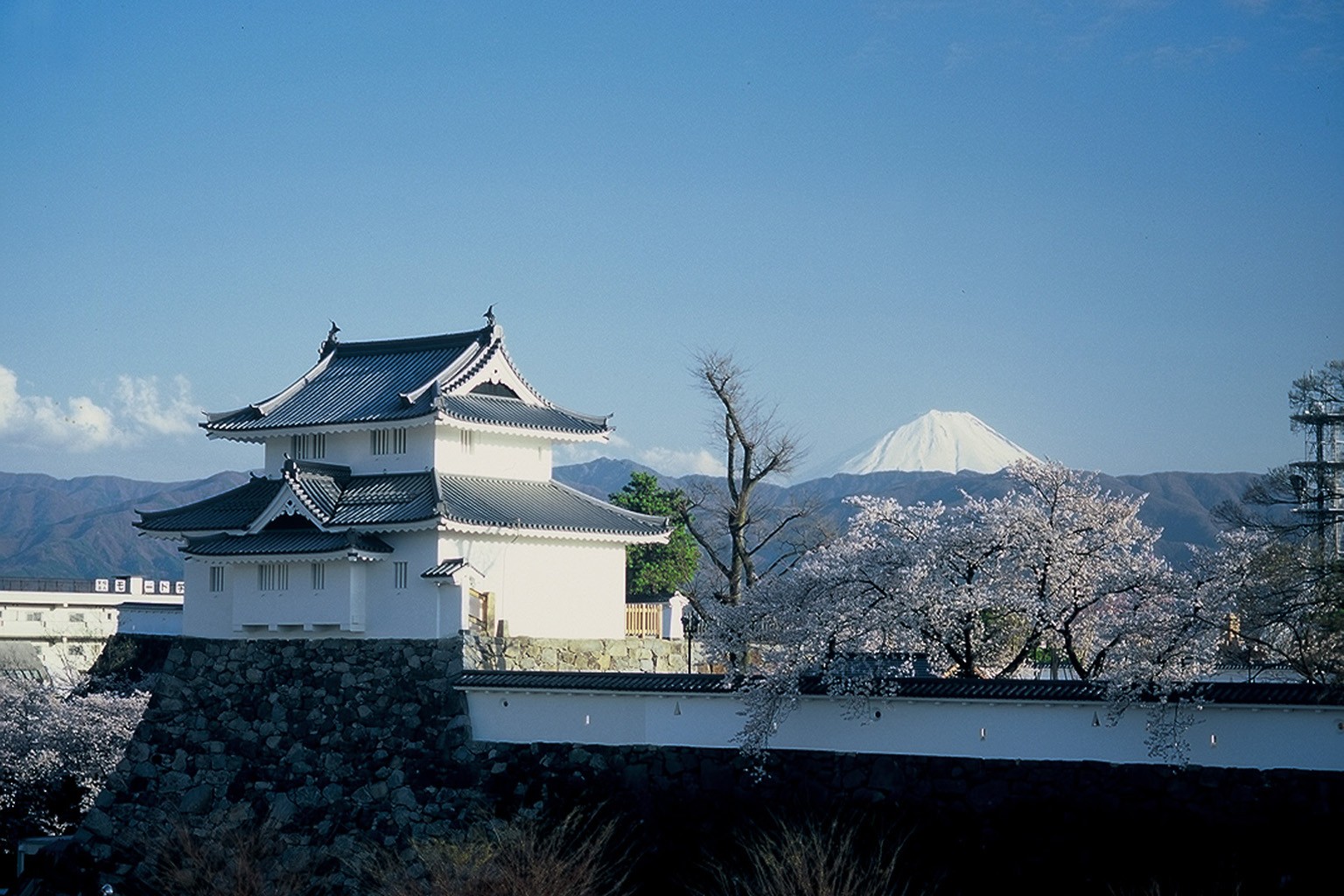
Kofu Castle Ruins (Maizuru Castle Park)
Kofu Castle is a historic site where powerful stone walls and restored structures tell its past. Known as Maizuru Castle, its white walls evoke a crane in flight, blending beauty and warfare.
Total: 347 items
Kofu Castle is a historic site where powerful stone walls and restored structures tell its past. Known as Maizuru Castle, its white walls evoke a crane in flight, blending beauty and warfare.
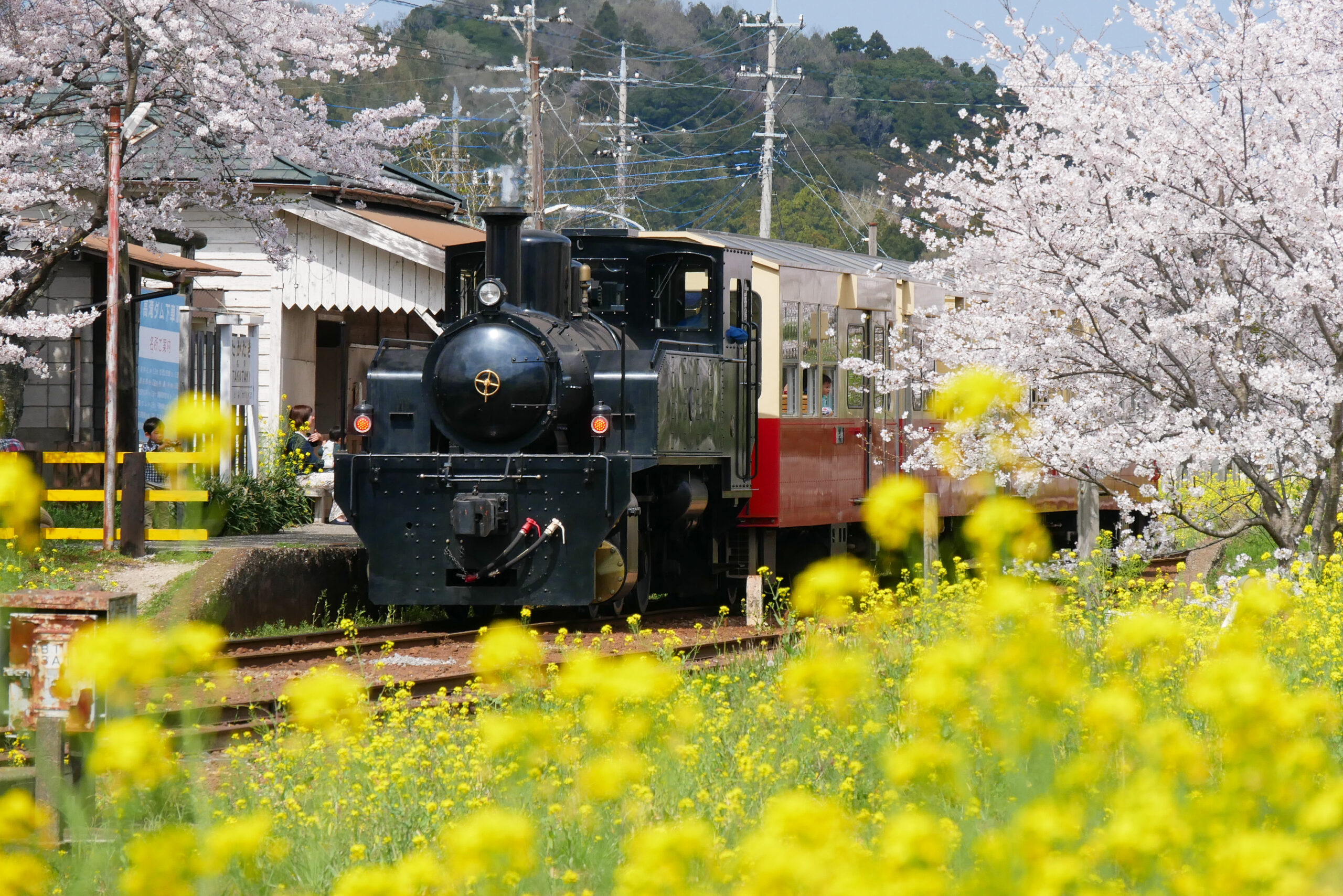
Experience the charm of rural Japan aboard the Satoyama Torocco, an open-air sightseeing train that glides through peaceful countryside and historic stations along the Kominato Railway.
On the shores of Lake Ashi, Hakone Sekisho evokes Edo-period travel. Inspired by the relief and awe of travelers who gazed upon Mount Fuji, a single step inside draws visitors into their world.
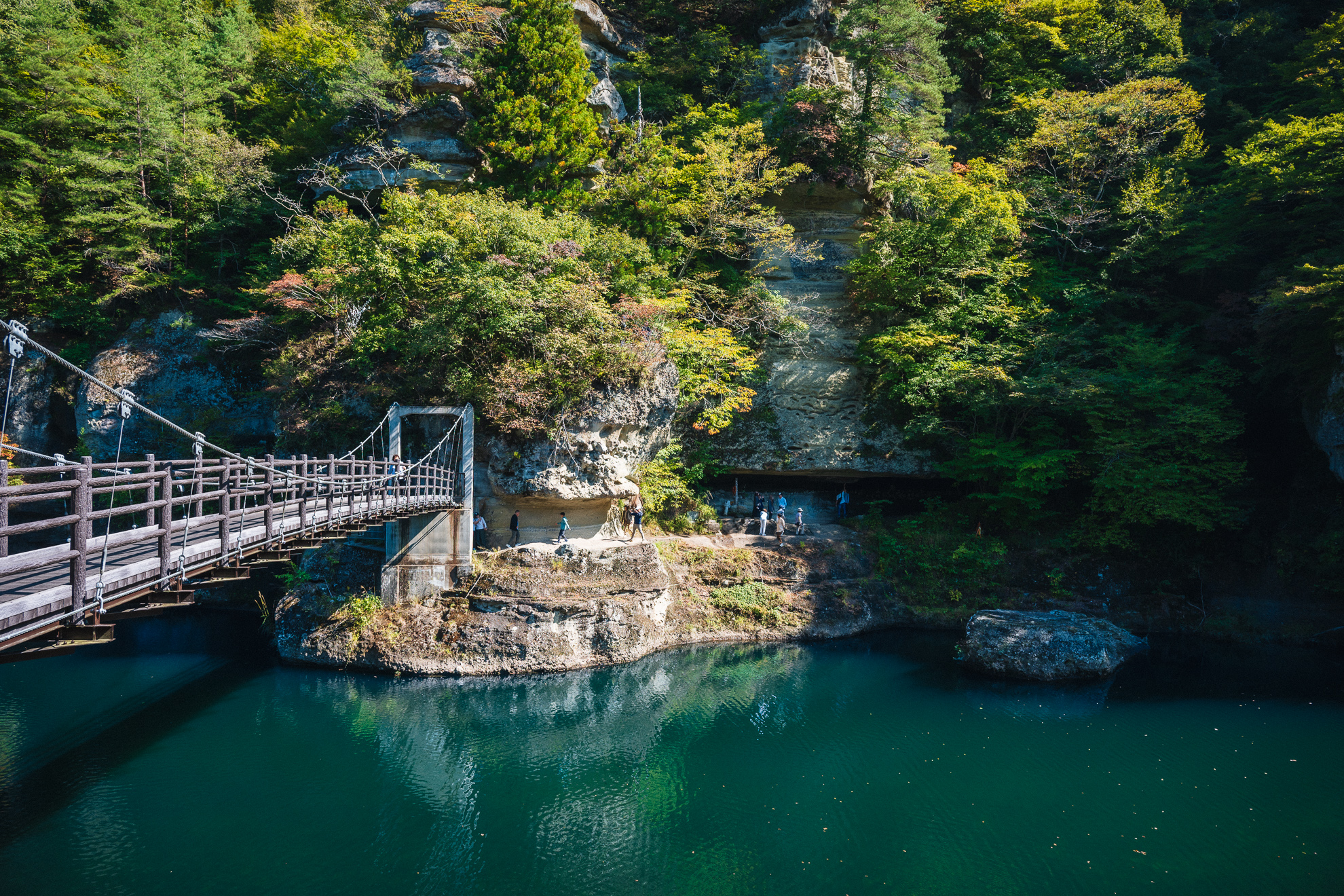
Over one million years, these riveting rock formations have been shaped into a thing of beauty.
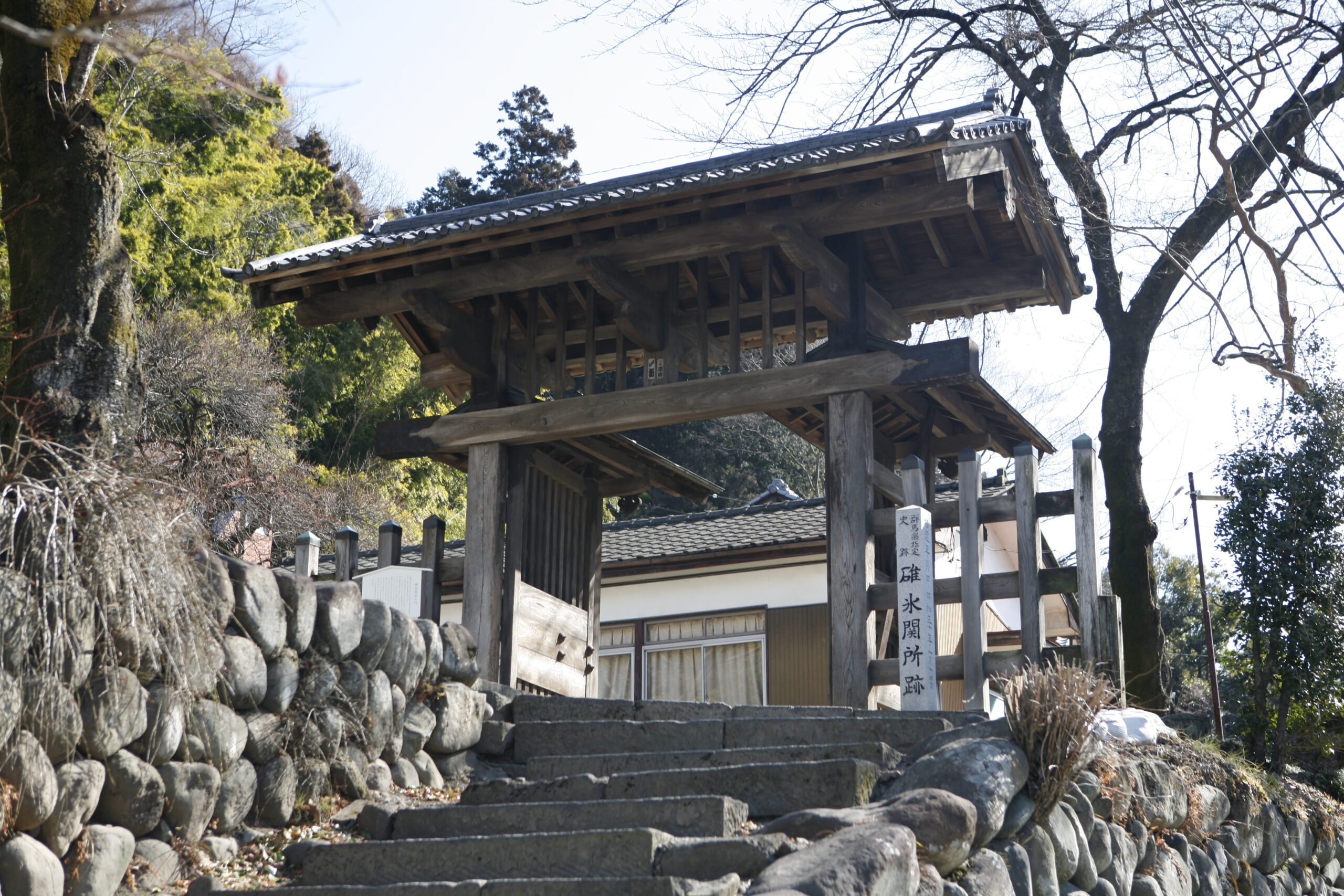
Surrounded by deep mountain ranges, this former checkpoint stood on the front line of Edo’s defenses, strictly monitoring the movement of travelers.
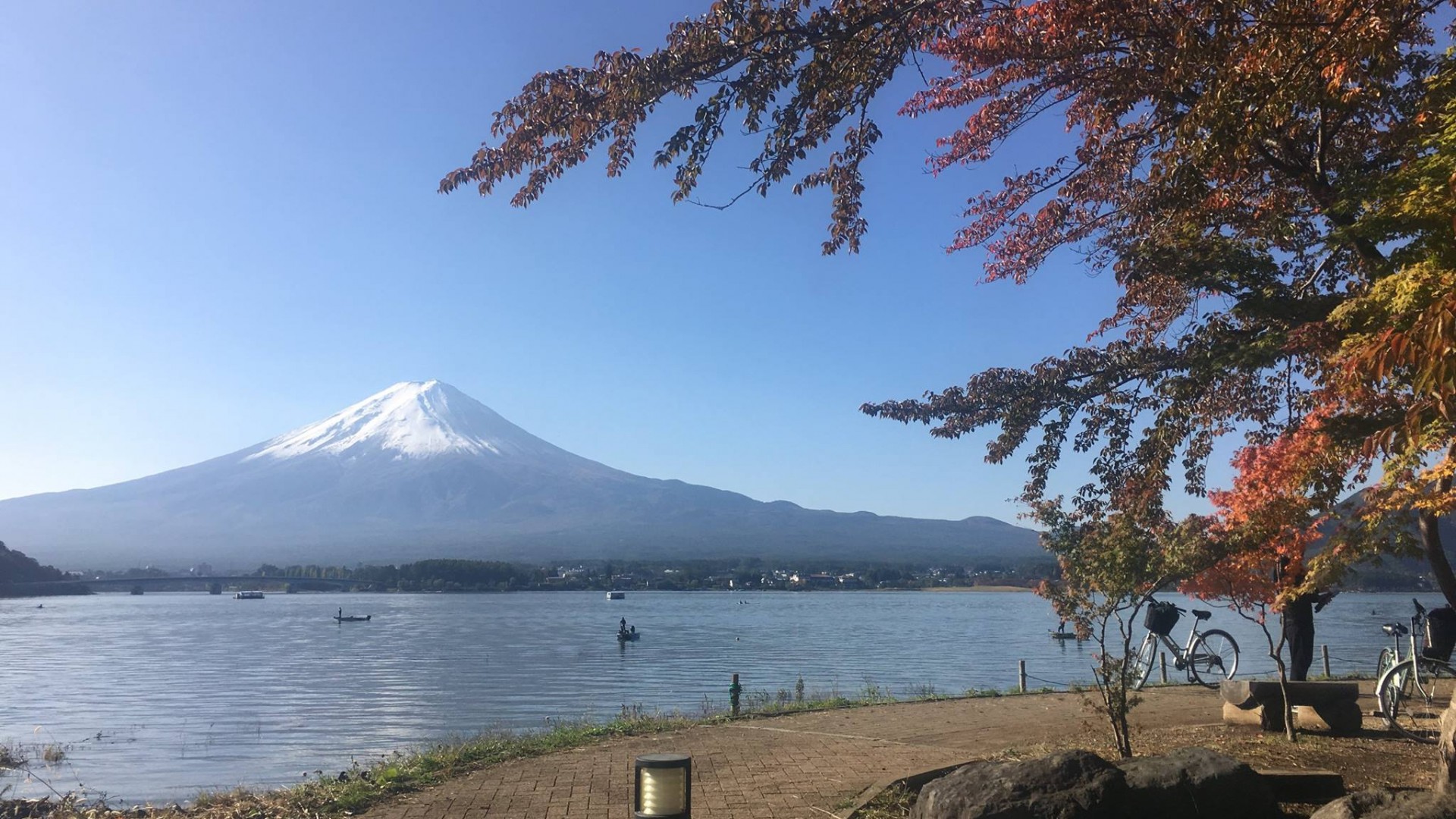
Lake Kawaguchi is one of the Fuji Five Lakes. You can see beautiful Mt. Fuji from here.
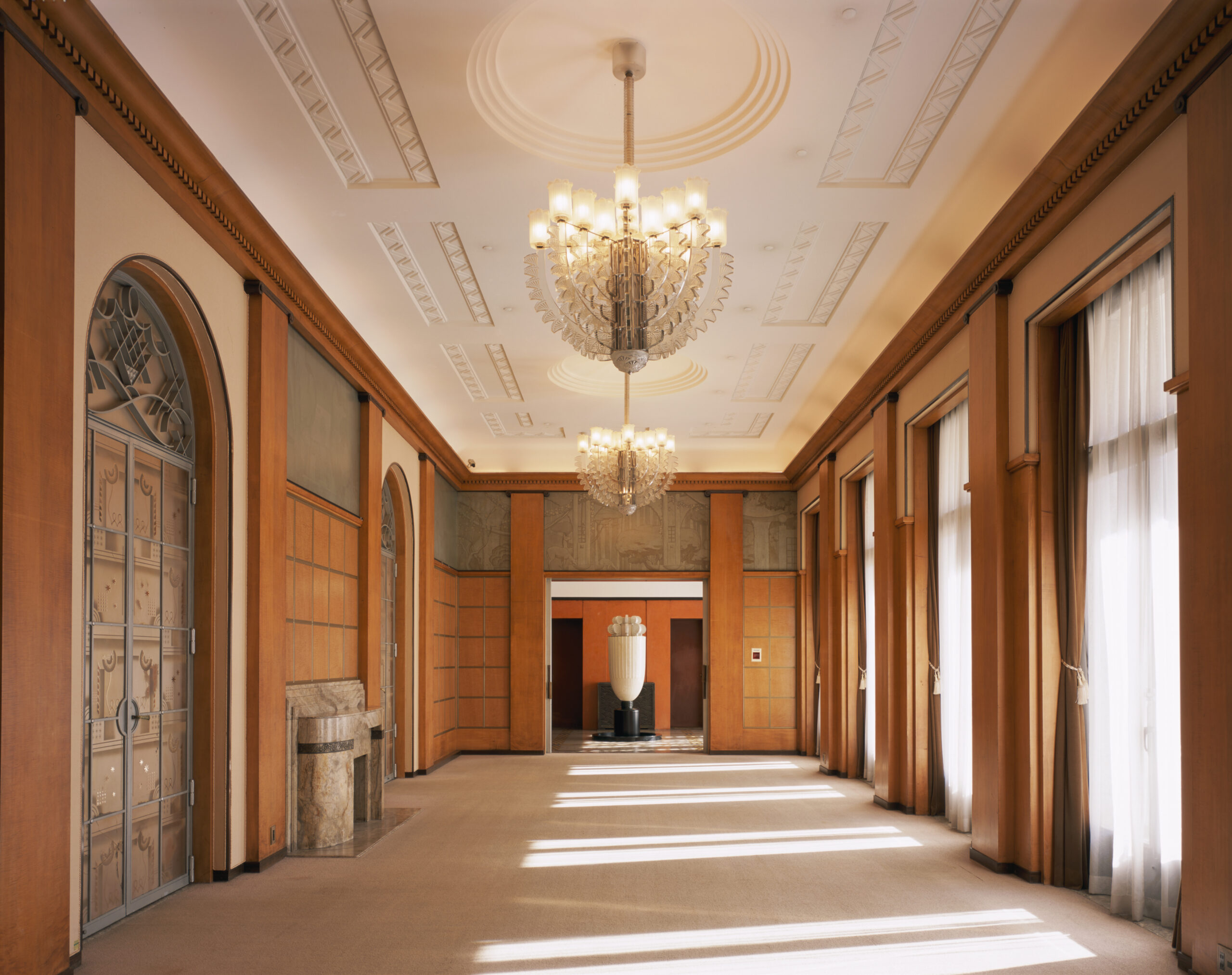
The historic former residence of a prince transformed into an art museum.
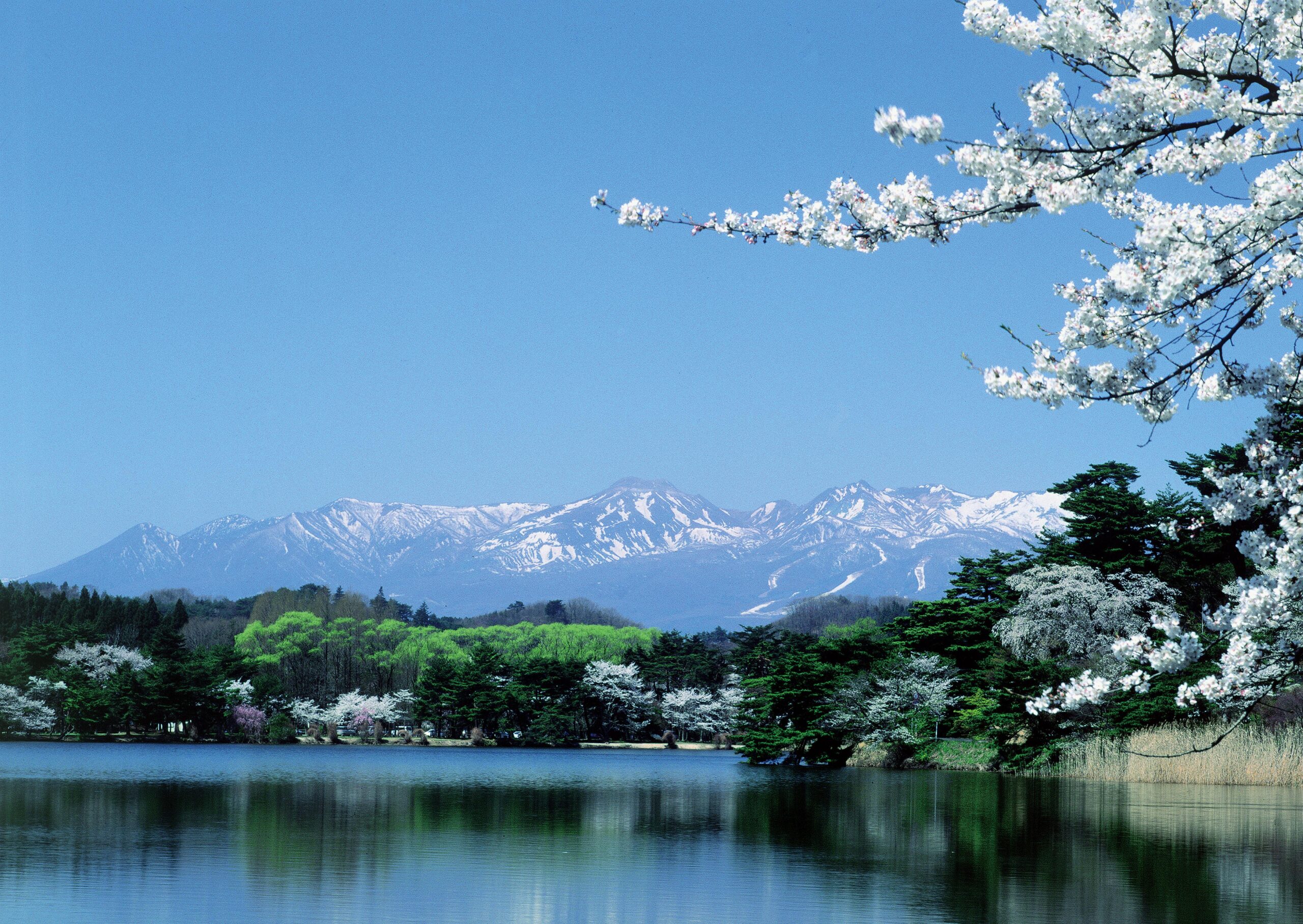
Created in 1801 under Sadanobu’s ideal of shared enjoyment, Nanko Park remains a tranquil historic landscape where nature, culture, and daily life harmonize.
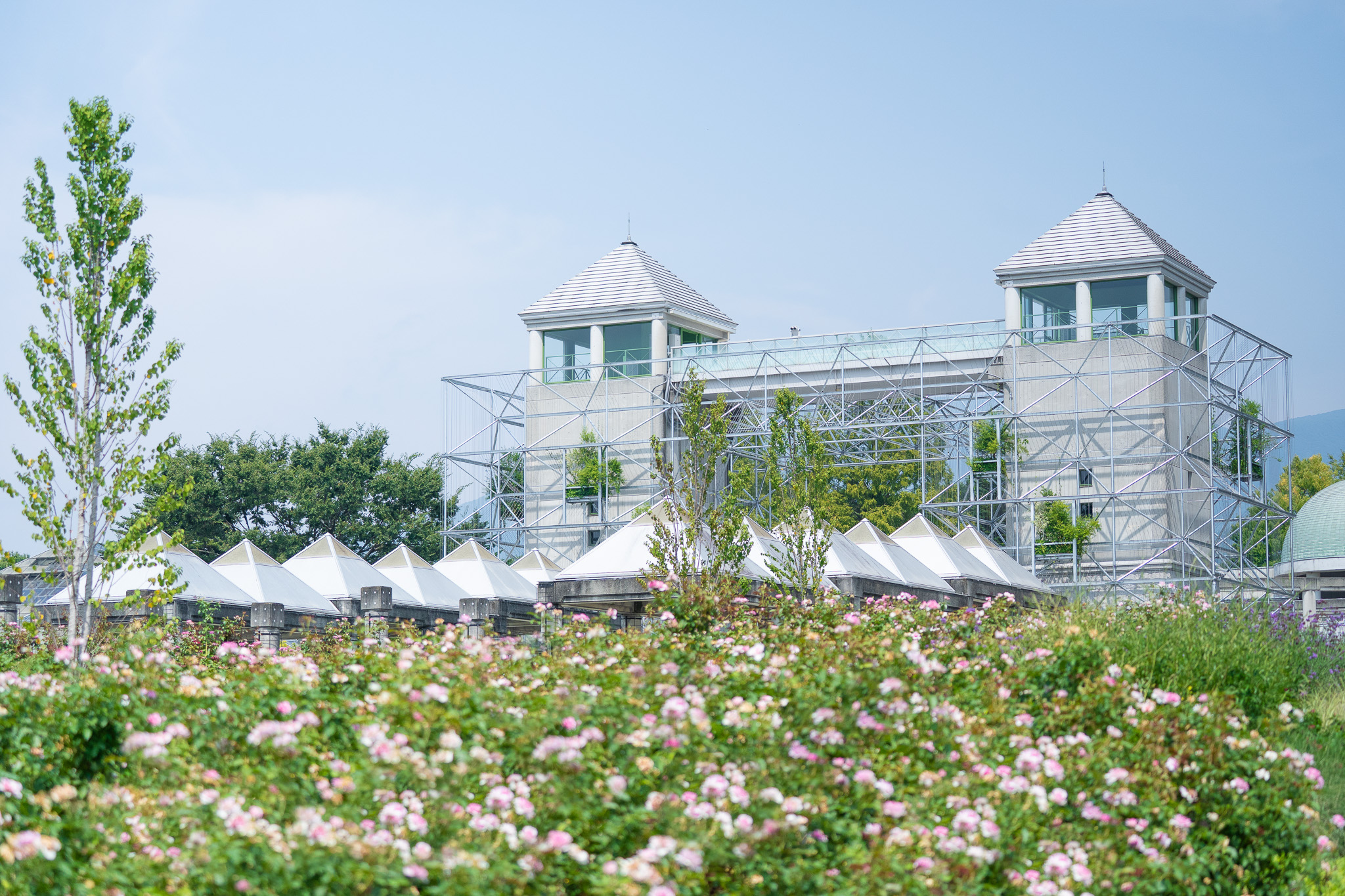
Reimagined as a space for reconnection rather than observation, Gunma Flower Park + invites visitors of all ages to engage with flowers through play, learning, and everyday experiences rooted in Gunma’s landscape.
Explore a 400-meter long man-made cave filled with exquisite Kannon statues and an adjacent Japanese garden for a unique fusion of spiritual devotion and artistic vision.
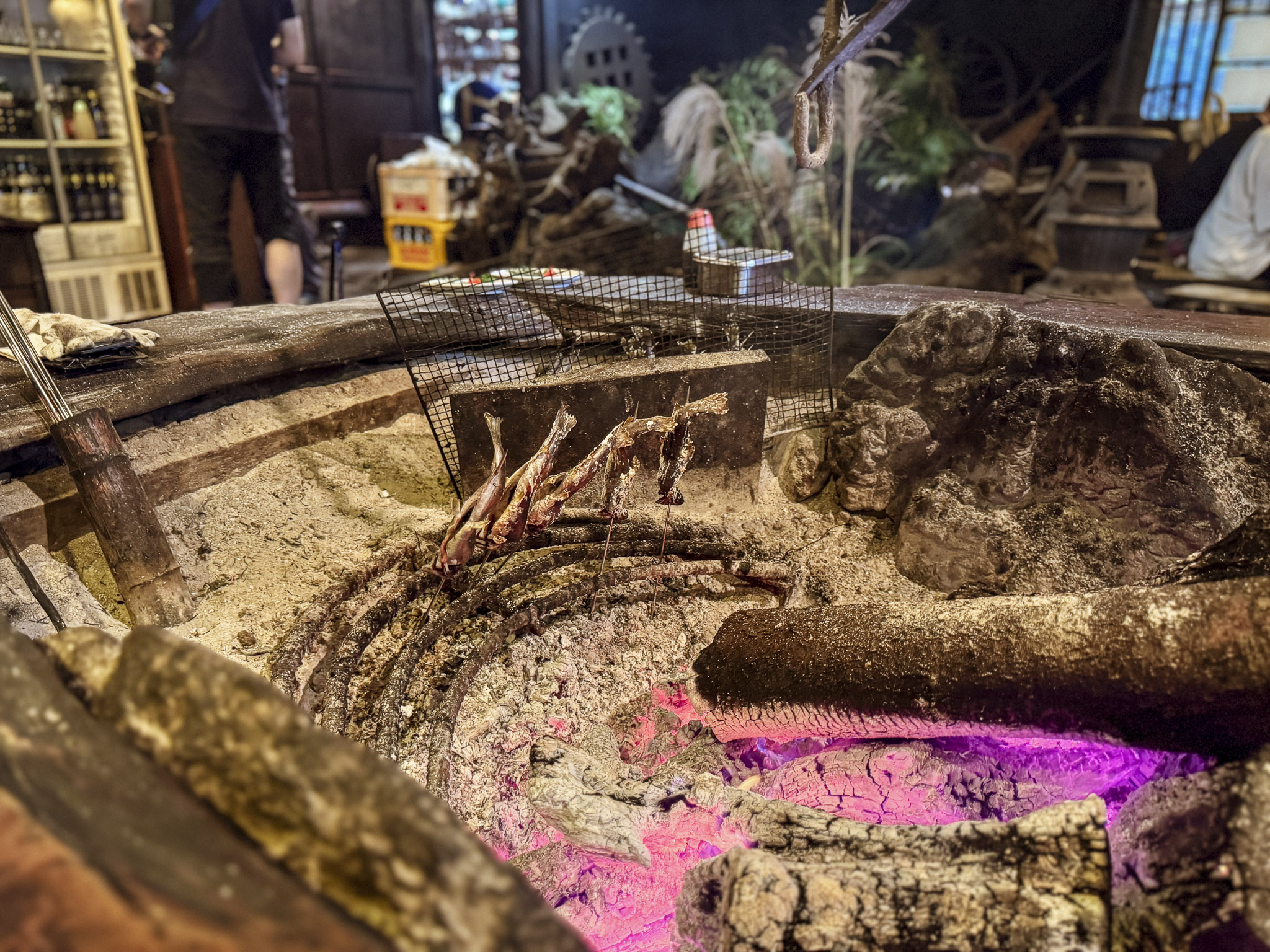
Savor authentic country cooking at Bikuya, a family-run restaurant in Gunma Prefecture specializing in fresh river fish, wild mountain vegetables, and handmade soba.
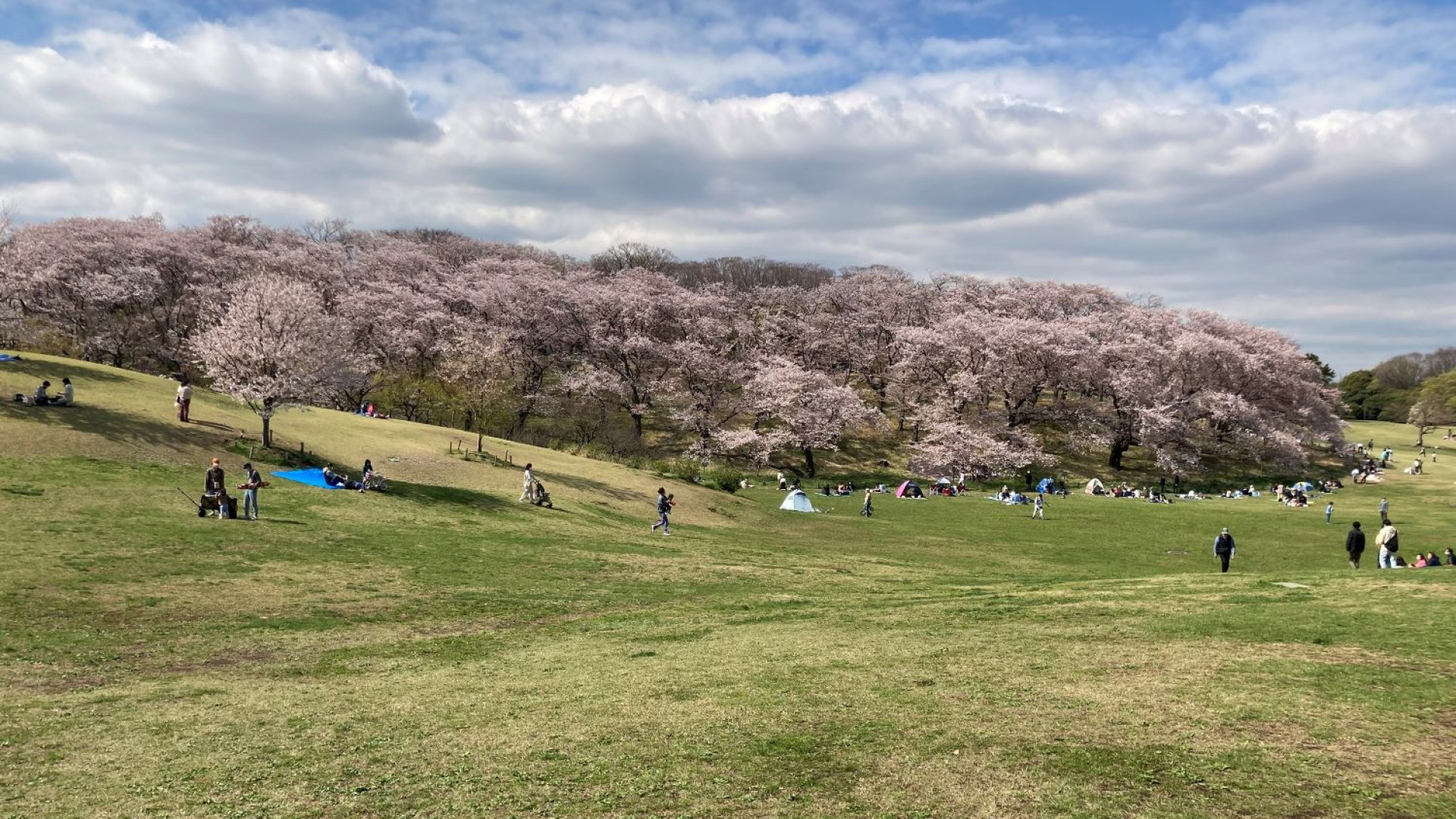
Negishi Forest Park was established in 1866 as the first permanent facility in Japan where Western-style horse racing was held and sponsored by a foreigner's club. It was the largest racecourse in the East and was always crowded with people until it closed in 1943 due to the war. It was later opened in 1977 as a forest park and featured a large lawn at its center. Come watch the four seasons pass with the changing foliage. The park becomes especially crowded during cherry blossom season.Negishi Park is a happening place during cherry blossom season, however, no matter what time of year you need to visit the Equine Museum of Japan. This museum is not only about history, but also houses the imperial carriage and many retired racehorses.
Guarding a vital gateway to the Tohoku region, Komine Castle and its museum offer an engaging blend of history, scenery, and immersive experiences.
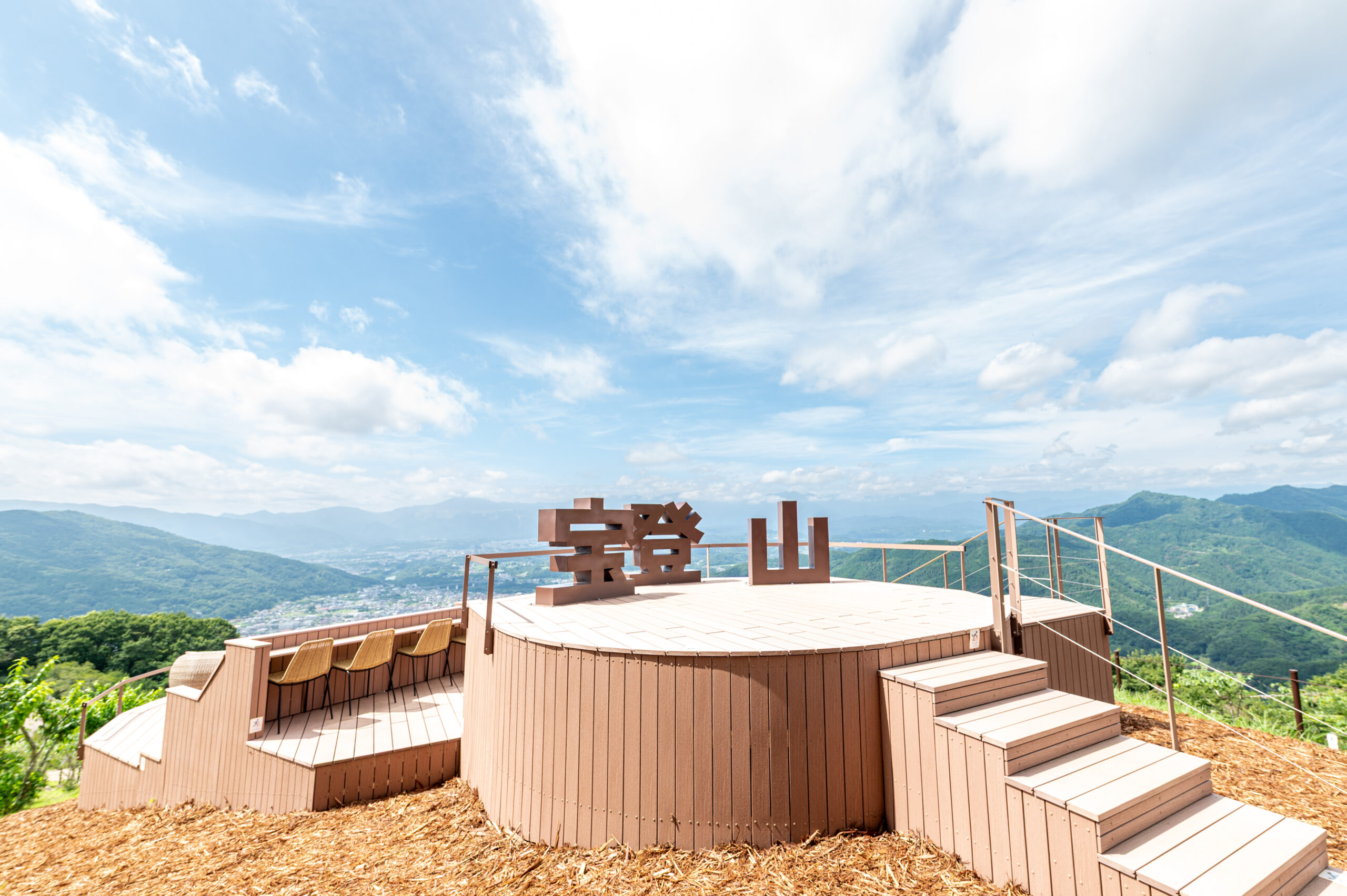
Reached by a short ropeway ride up Mount Hodosan, the new SUSABINO TERRACE introduces “susabi time,” a gentle way of lingering in the landscape through thoughtfully designed spaces, seasonal drinks, and nearby mountaintop attractions.
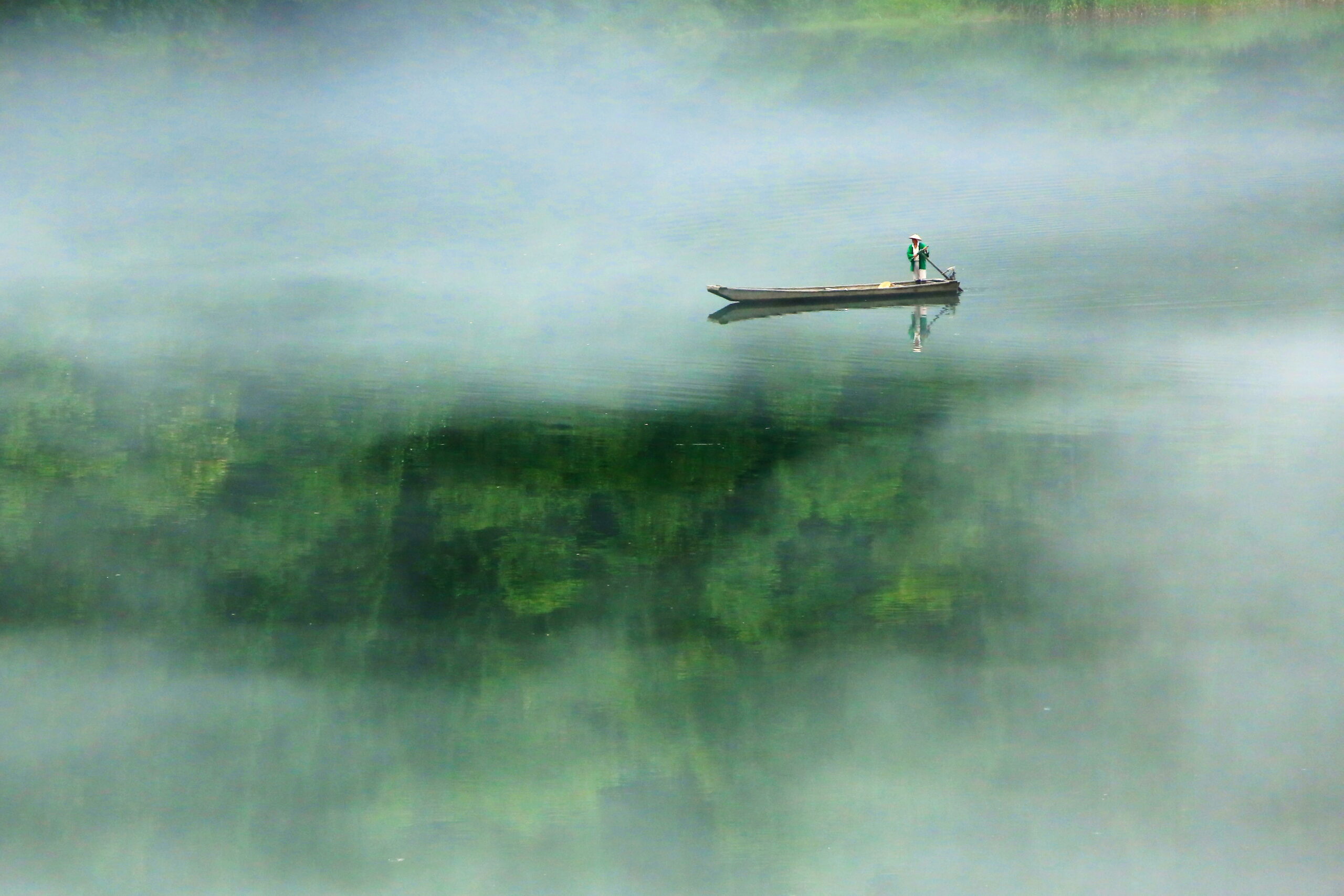
Mugenkyo no Watashi offers a rare river-crossing through Mugenkyo, a mist-veiled gorge in Okuaizu, where traces of a vanished village invite visitors into an immersive landscape of memory.
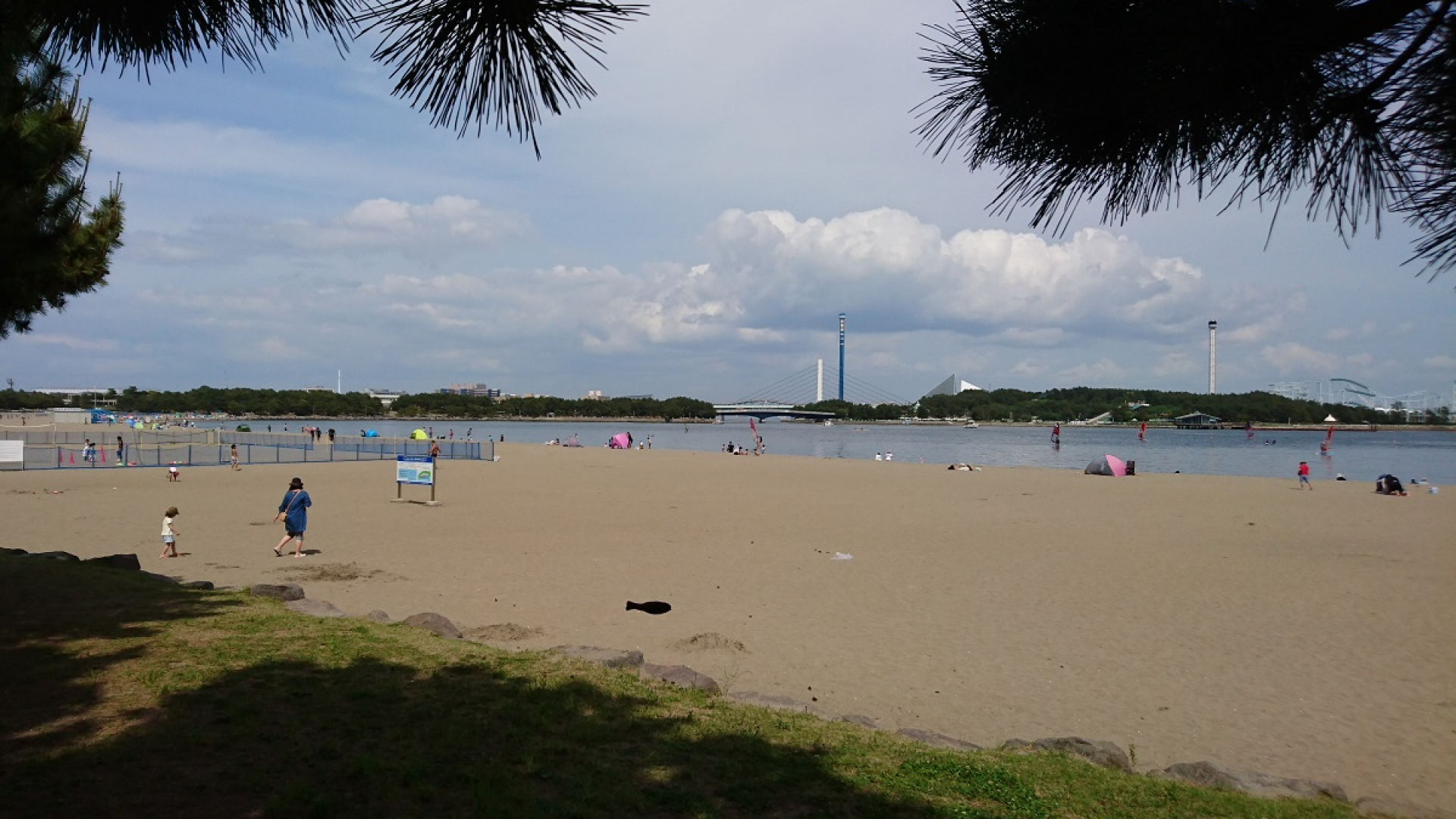
This is Yokohama's only park featuring a seaside swimming beach! Along the coastline, a sandy beach lush with greenery stretches approximately 1 kilometer, making the perfect space for visitors to interact with the ocean. Despite its natural appearance, this sandy beach was artificially created using sand transported from Chiba Prefecture. Today, it is home to numerous creatures such as crabs and clams. In early spring, visitors can enjoy clam digging, and in summer, the beach comes alive with the start of swimming season. The calm waves and gently sloping shoreline make it the ideal beach for sand play and windsurfing. The park also features marine sport facilities like beach volleyball courts and a windsurfing storage shed. In addition, the Nagisa Plaza hosts a grass field suitable for soccer and other fun, as well as a barbecue area, allowing visitors to enjoy a variety of seaside leisure activities.
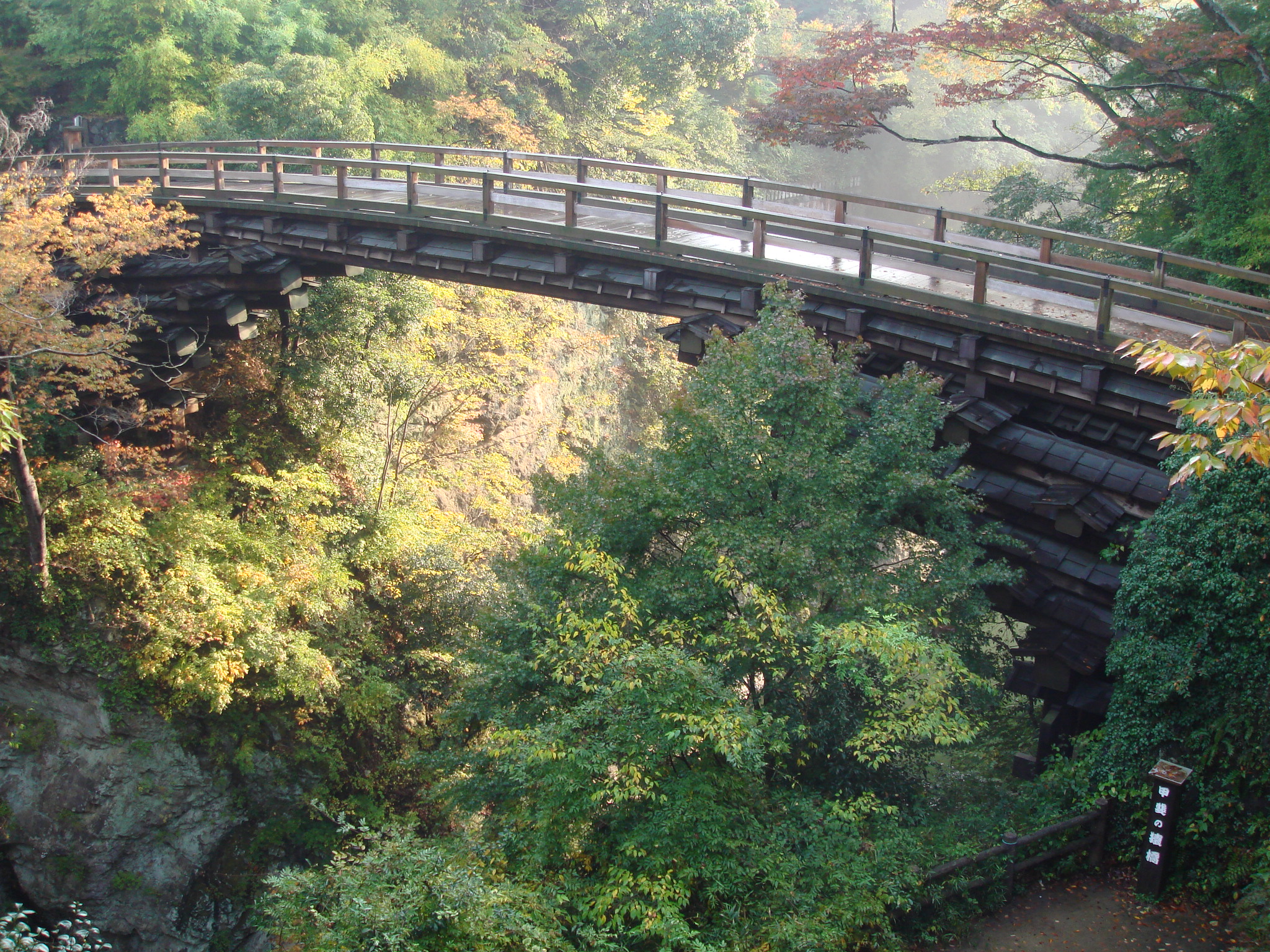
Saruhashi Bridge, one of Japan’s Three Remarkable Bridges, spans a deep gorge without pillars, preserving a timeless scenic view depicted in Edo-period ukiyo-e by Utagawa Hiroshige.
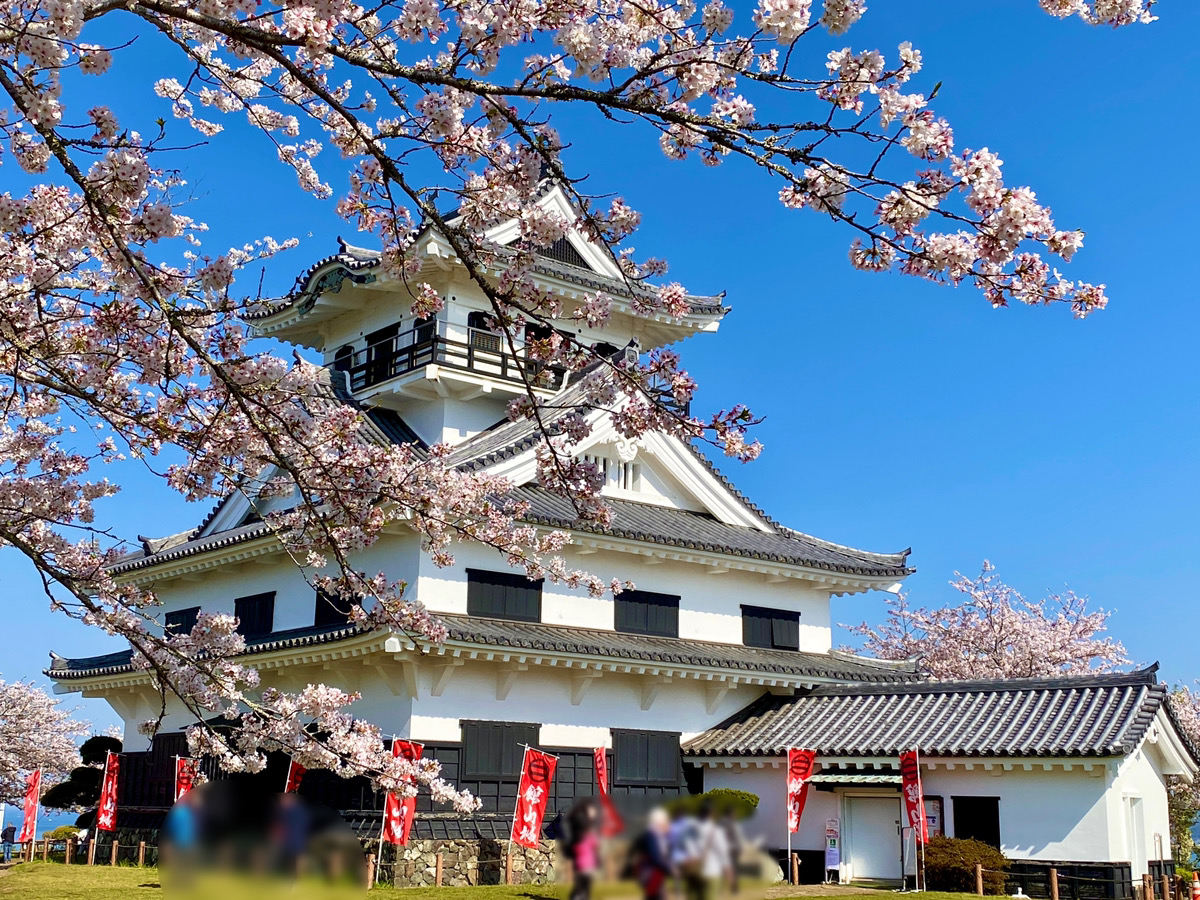
Experience the perfect blend of history and nature at Shiroyama Park, where Tateyama Castle stands, built on the ruins of the former castle site, over beautiful seasonal gardens and harbor views in southern Chiba Prefecture.