Mount Fuji (Mt Fuji) Subaru Line 5th Station
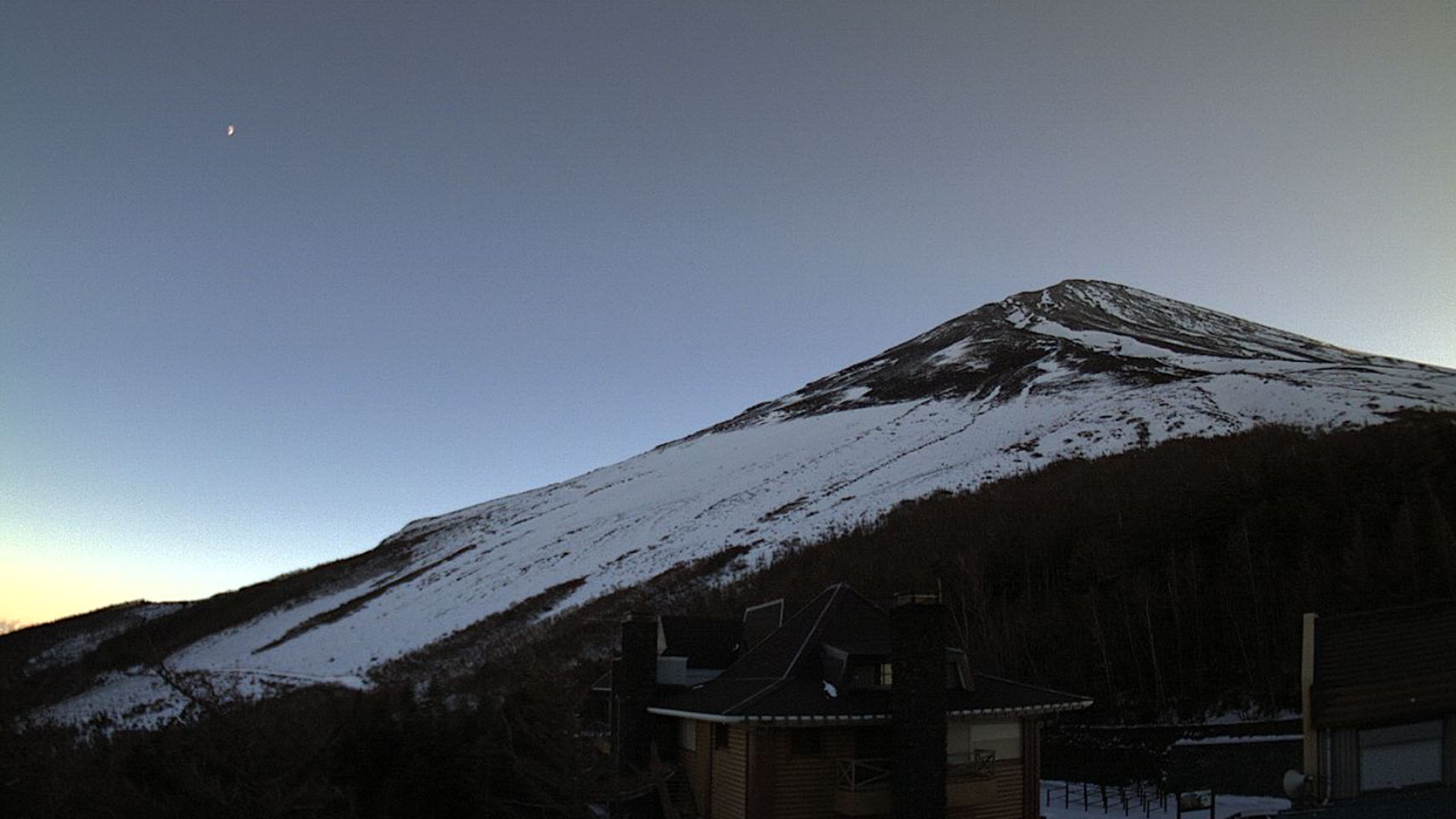
We recommend the Mount Fuji Subaru Line 5th Station as it is lively with lots of gift shops. It is famous for its beautiful view of Lake Kawaguchi. Fuji Subaru is a toll road (Round trip: 2000 yen).
Total: 343 items
We recommend the Mount Fuji Subaru Line 5th Station as it is lively with lots of gift shops. It is famous for its beautiful view of Lake Kawaguchi. Fuji Subaru is a toll road (Round trip: 2000 yen).
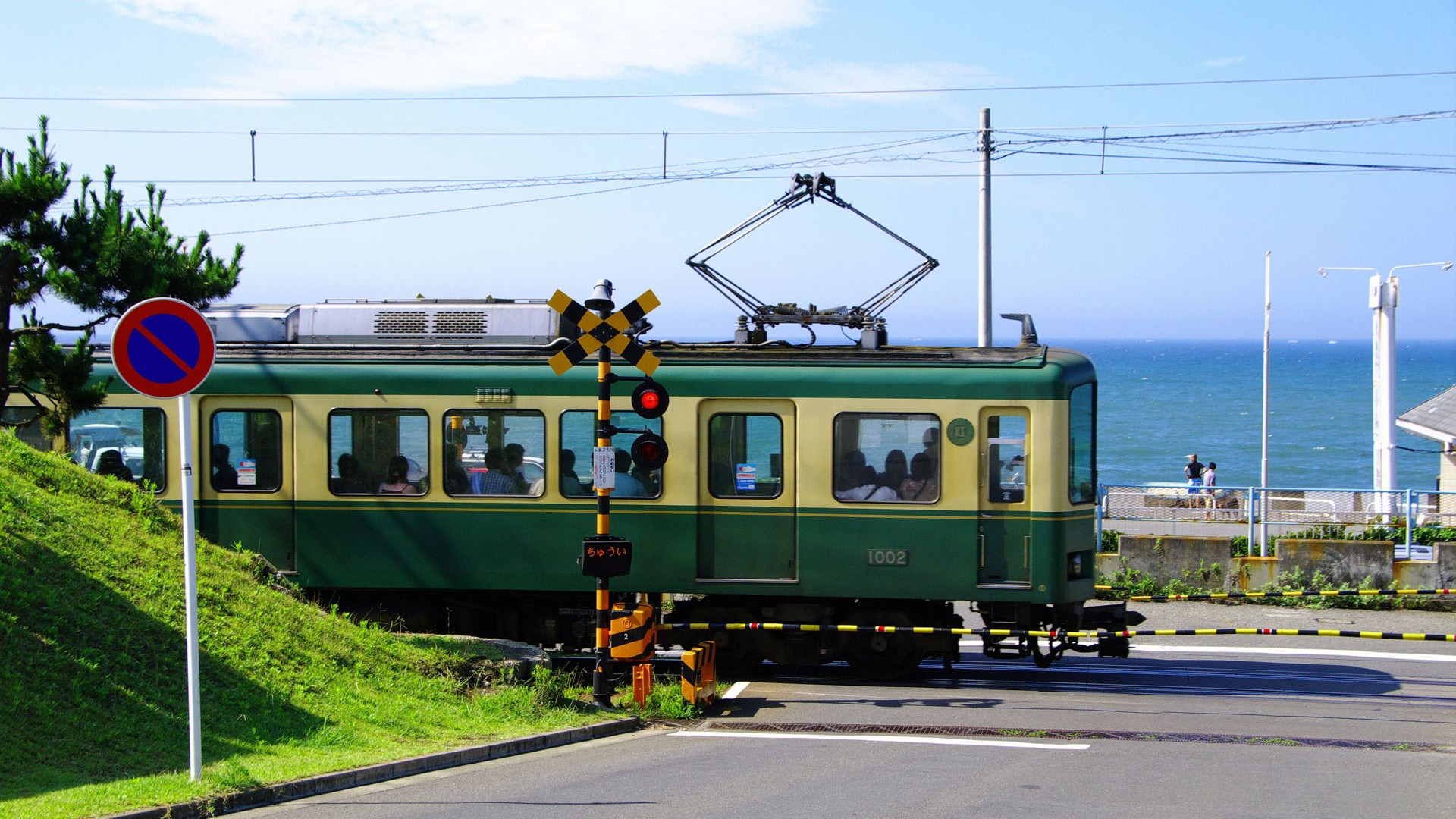
The railroad in front of Kamakura High School is a famous site in Slam Dunk.
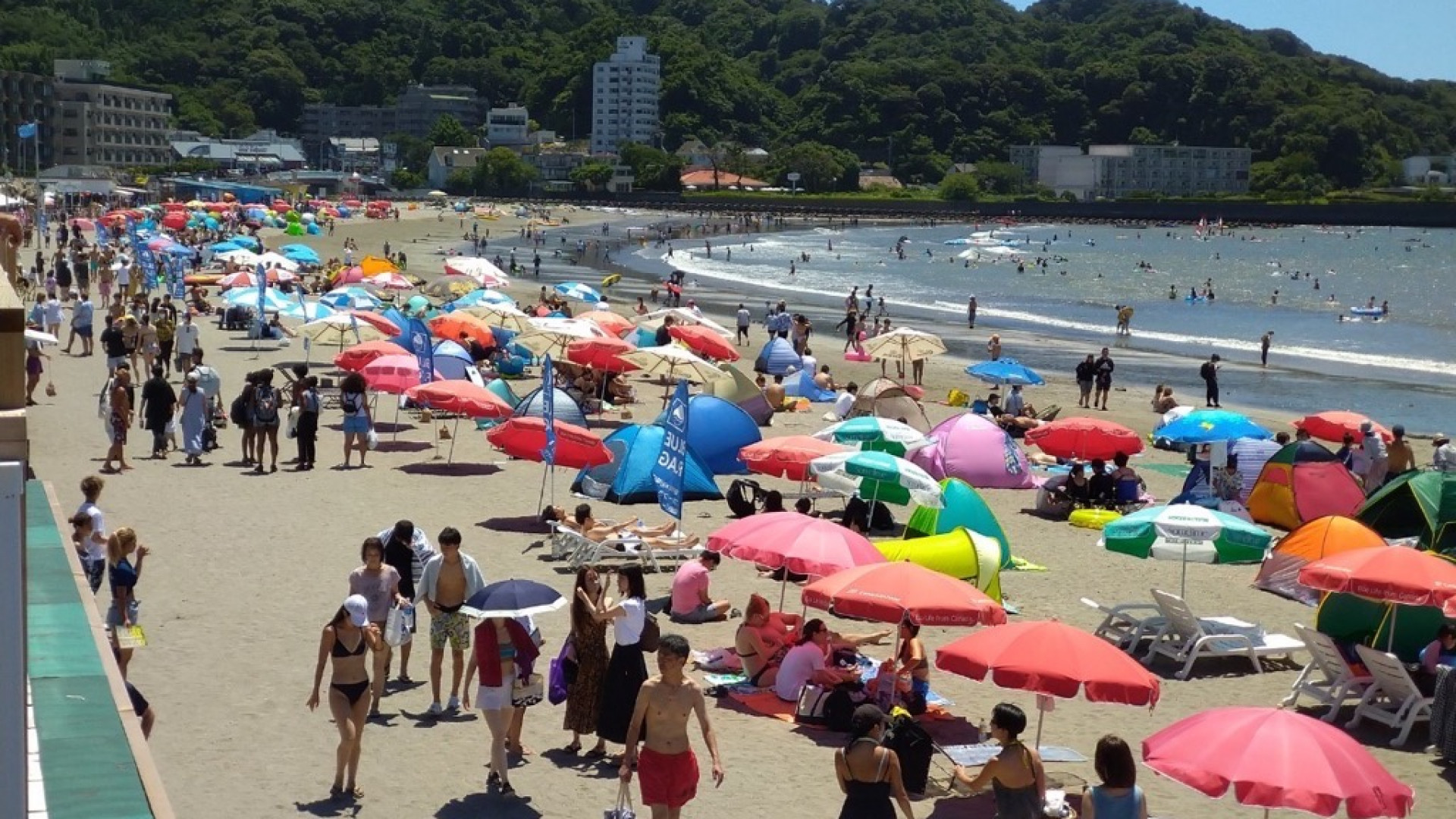
Zushi Beach, lovingly named "the half-mile beach where the sun was born," is a family beach with shallow waters and quiet waves. It has aquired the International environmental certification "Blue Flag". The beach is protected by ordinances and other rules, and can be enjoyed with a peace of mind. Note: Drinking alcohol, barbecuing, exposing tattoos, and using loudspeakers or other loud-speaking devices are prohibited on the beach during business hours. Failure to abide by the rules may result in expulsion from the beach.The closest natural beach to Tokyo, Zushi is typically a bit quieter than Kamakura and Enoshima although it will get quite crowded at times. One of the most convenient beaches to reach from Tokyo, you can reach Zushi in just under an hour from Tokyo Station.
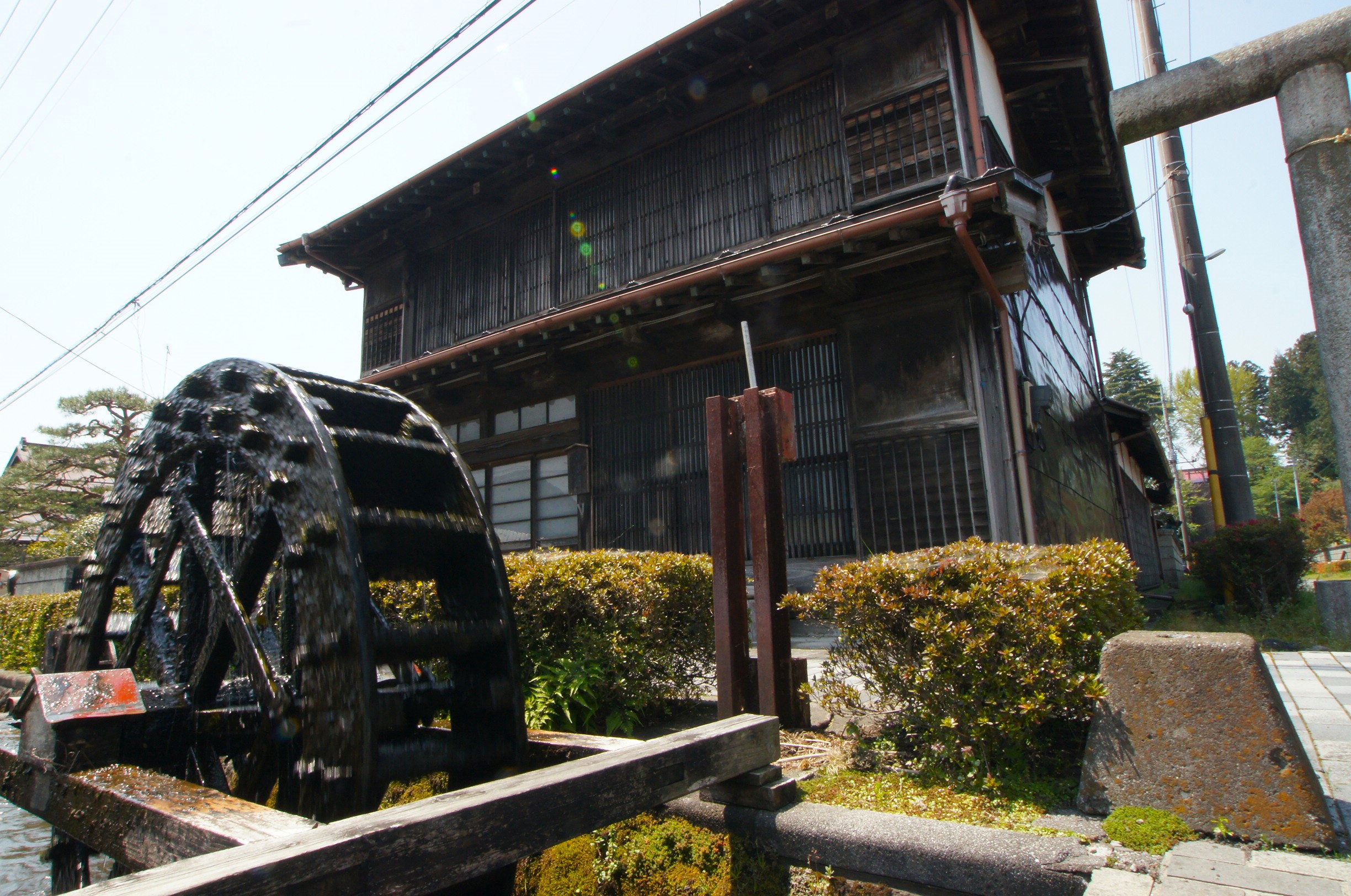
Once a lively Oshu Kaido post town, Shirasawa-juku still invites visitors to walk its streets and discover traces of travelers from centuries past.
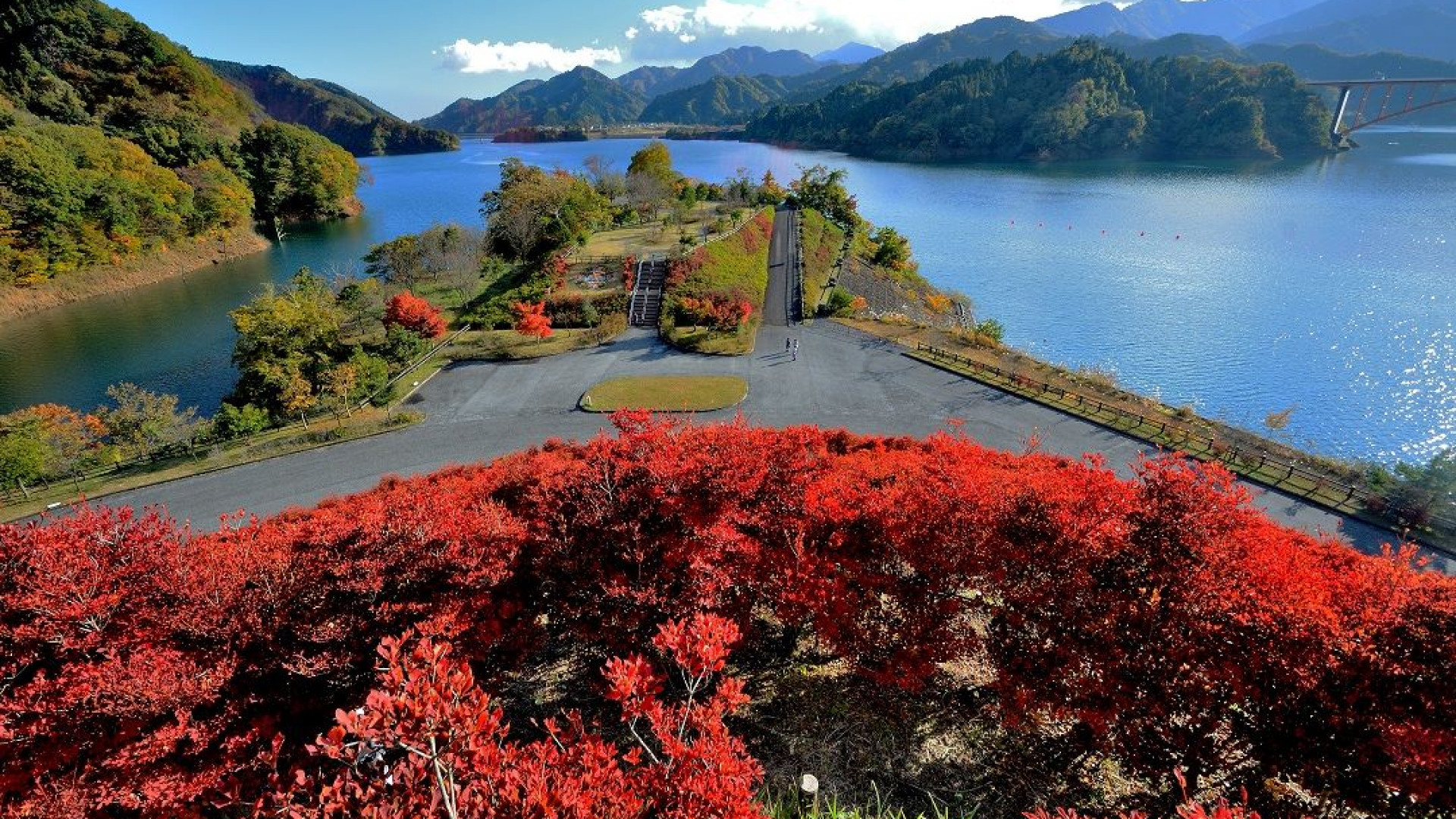
Miyagase Lake, which spans three municipalities, has three areas with different attractions (Miyagase Lakeside Area, Toriihara Area, and Dam Site Area), which can be enjoyed for a day while touring around. Each area offers a variety of rides and activities. You can enjoy driving and strolling around the area while taking in the spectacular scenery.
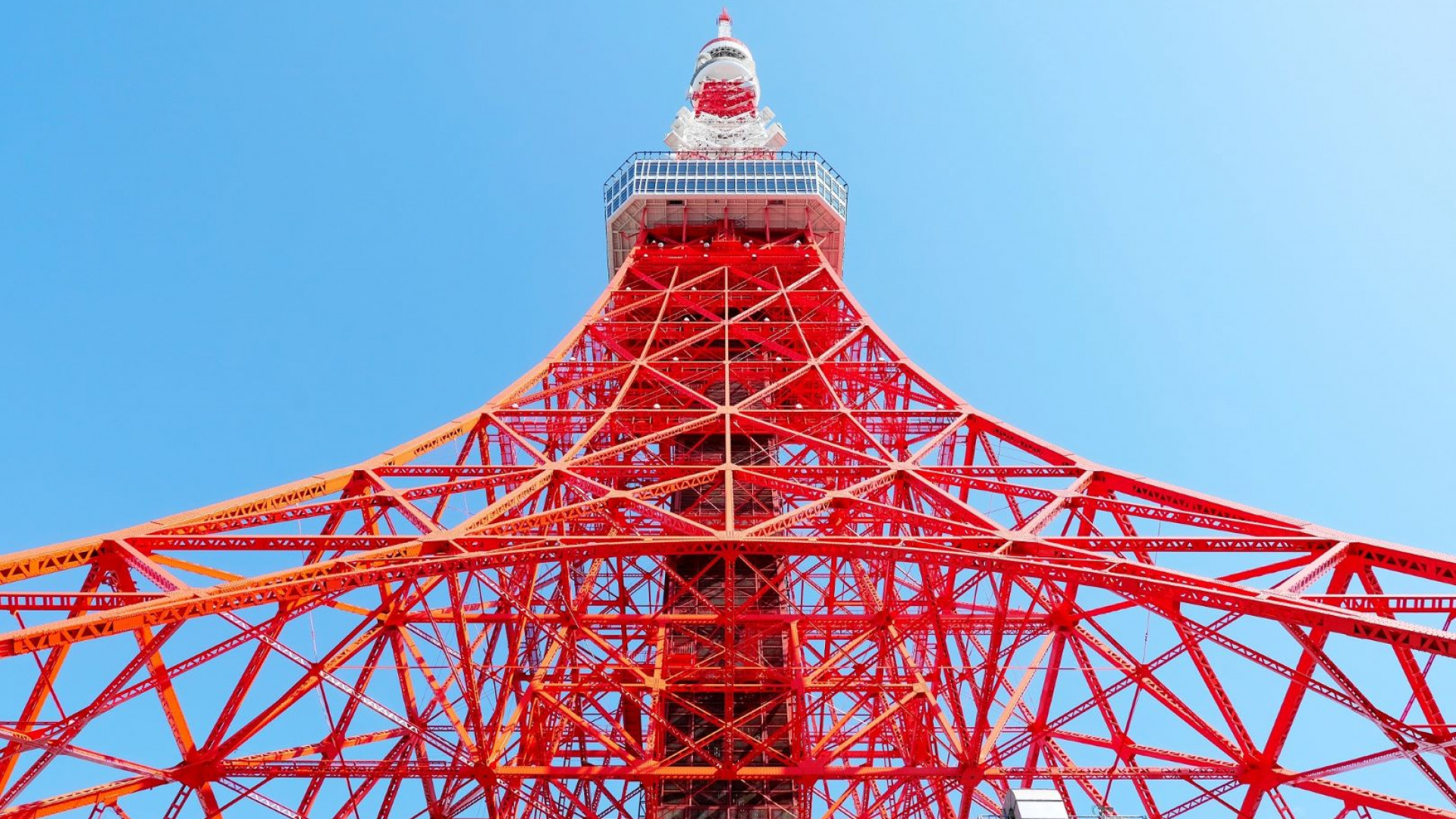
Tokyo Tower has two observatories, with the main deck standing at 150m and the top deck standing at 250m. Get a taste of one of the world’s leading metropolises right from its center and enjoy panoramic views of the whole city. Foot Town is the multipurpose facility at the foot of the tower. Here, you can find souvenir shops, a food court and an event space. Keep your eyes open for the charming spots in the facility.
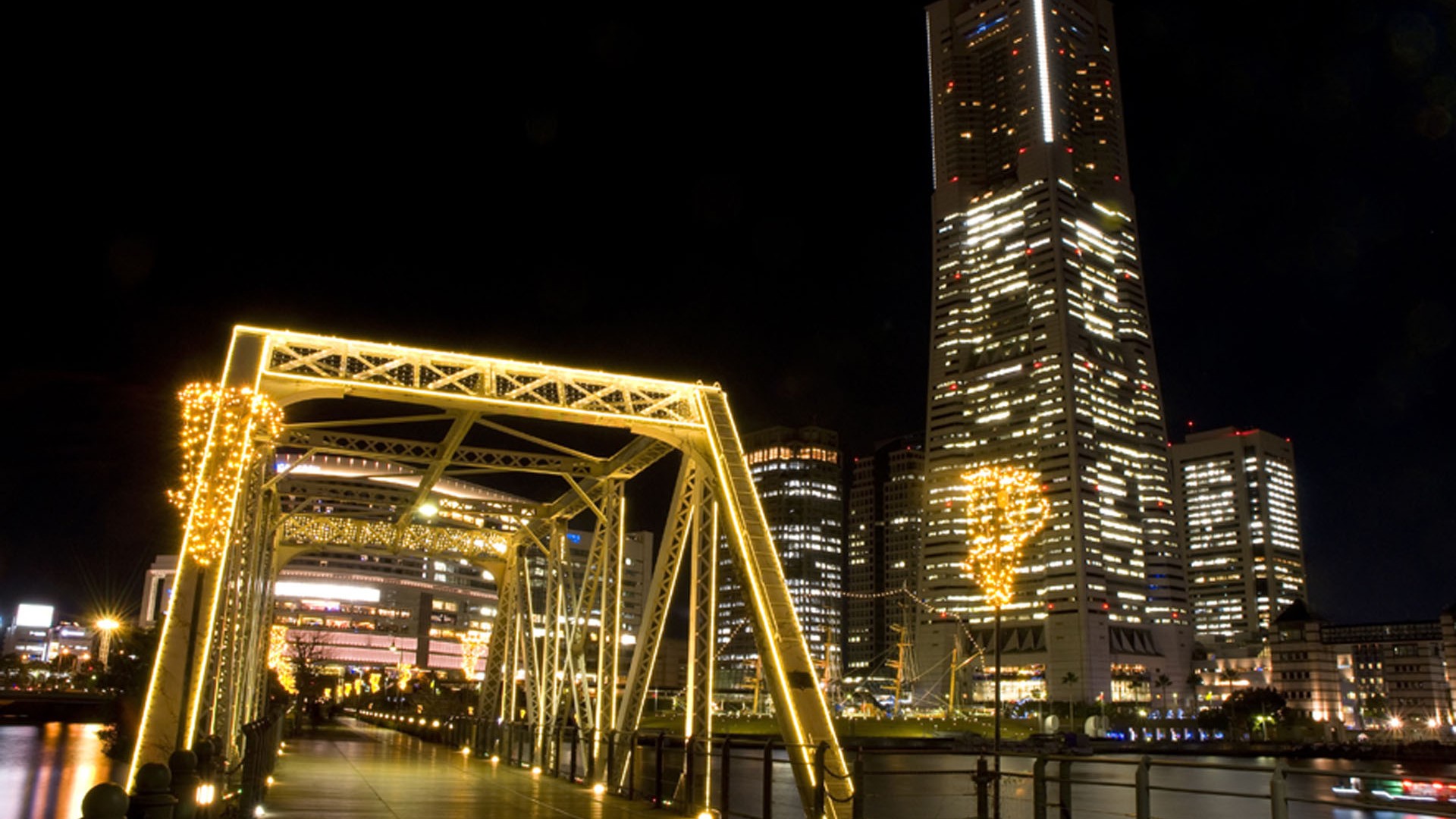
A promenade made by overhauling a dead track used by the former Japan National Railways that opened in 1911. It consists of three bridges connecting the Nihonmaru Memorial Park to the Shinko area. Skyscrapers of the Minatomirai area can be viewed from this 500-meter long boardwalk. Rubblework constructed at the time of the opening of the railways, a US-made railroad bridge and other historical structures are left in their original places. The Unga Park located at the end of Kisha Michi in the Shinko area has a plaza facing the promenade.
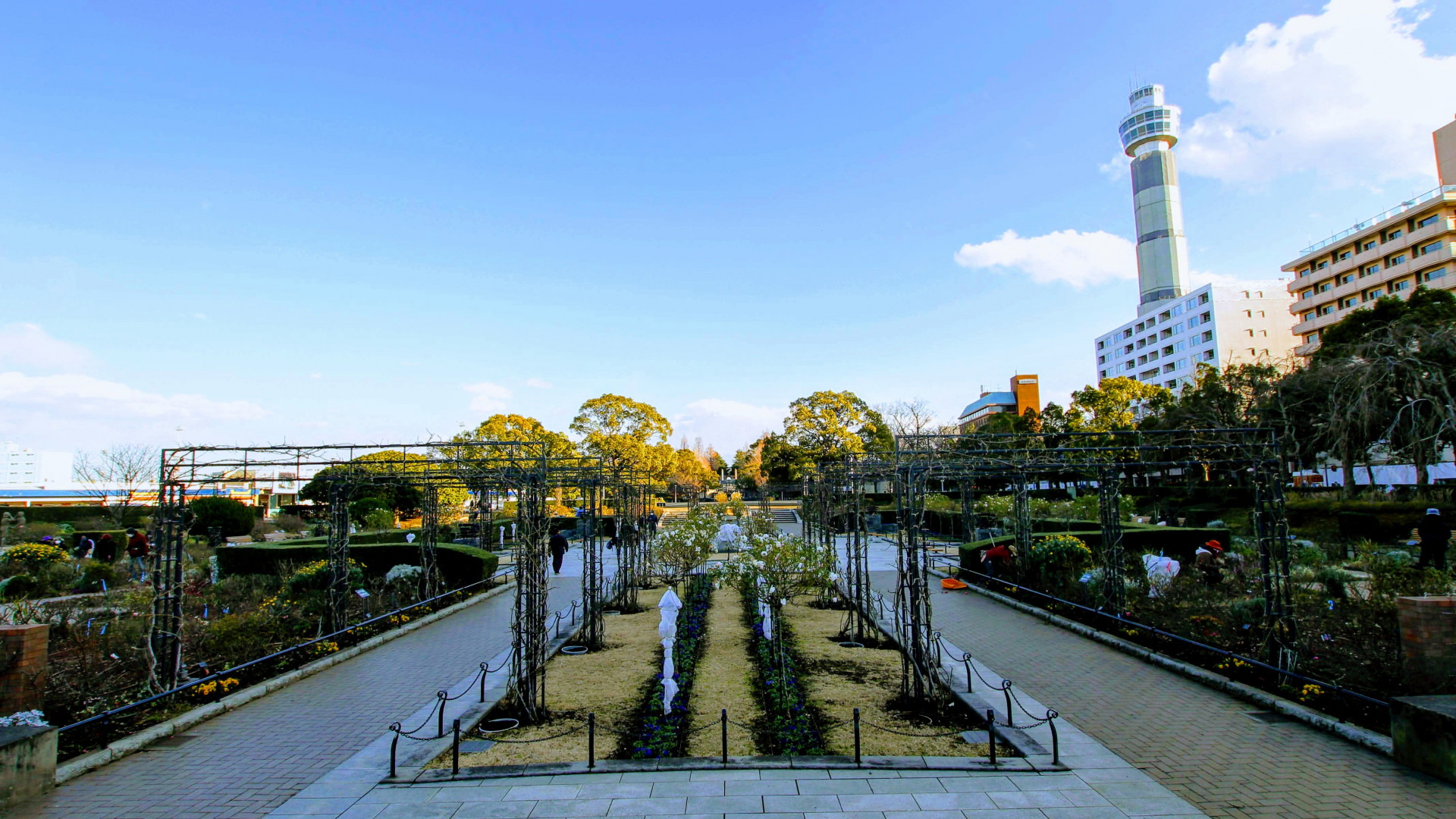
Yamashita Park is a seaside park that was opened in 1930 as a reconstruction project after the Great Kanto Earthquake, using rubble and other materials to reclaim the sea. There are many tourist attractions, such as the Red Brick Warehouse, Osanbashi Bridge, Chinatown, and the harbor sightseeing boat terminal in the vicinity. Inside the park itself is a statue of a girl wearing red shoes, inspired by Ujo Noguchi's nursery rhyme "Akai Kutsu" (Red Shoes), as well as the monuments of "the statue of the guardian god of water", donated by the city of San Diego, USA, the "seagull sailor monument" and the "Indian water tower". The luxury cruise ship "Hikawa Maru," which was called the "Queen of the North Pacific," is moored in the park, and visitors can not only enjoy an overview of the ship but can also tour the interior for a fee during the daytime. The park is also a famous spot for roses, a place to enjoy 1,900 roses of 160 varieties twice a year, both in spring and autumn. It is also a popular spot for sightseeing and date nights, attracting tourists and families during the day and couples at night throughout the year. The sunrise from the sea is the perfect cue for strolling, jogging, exercising, yoga, tai chi, and other activities. The morning view of Yamashita Park with Minato Mirai 21 in the background is one of Yokohama's most famous morning scenes.With the sun rising over the sea as your landscape, experience physical activities in Yamashita Park, which includes walking, jogging, exercising, yoga, Tai Chi, and more. A Yamashita Park morning with Minato Mirai 21 in the background is an iconic morning view of Yokohama.
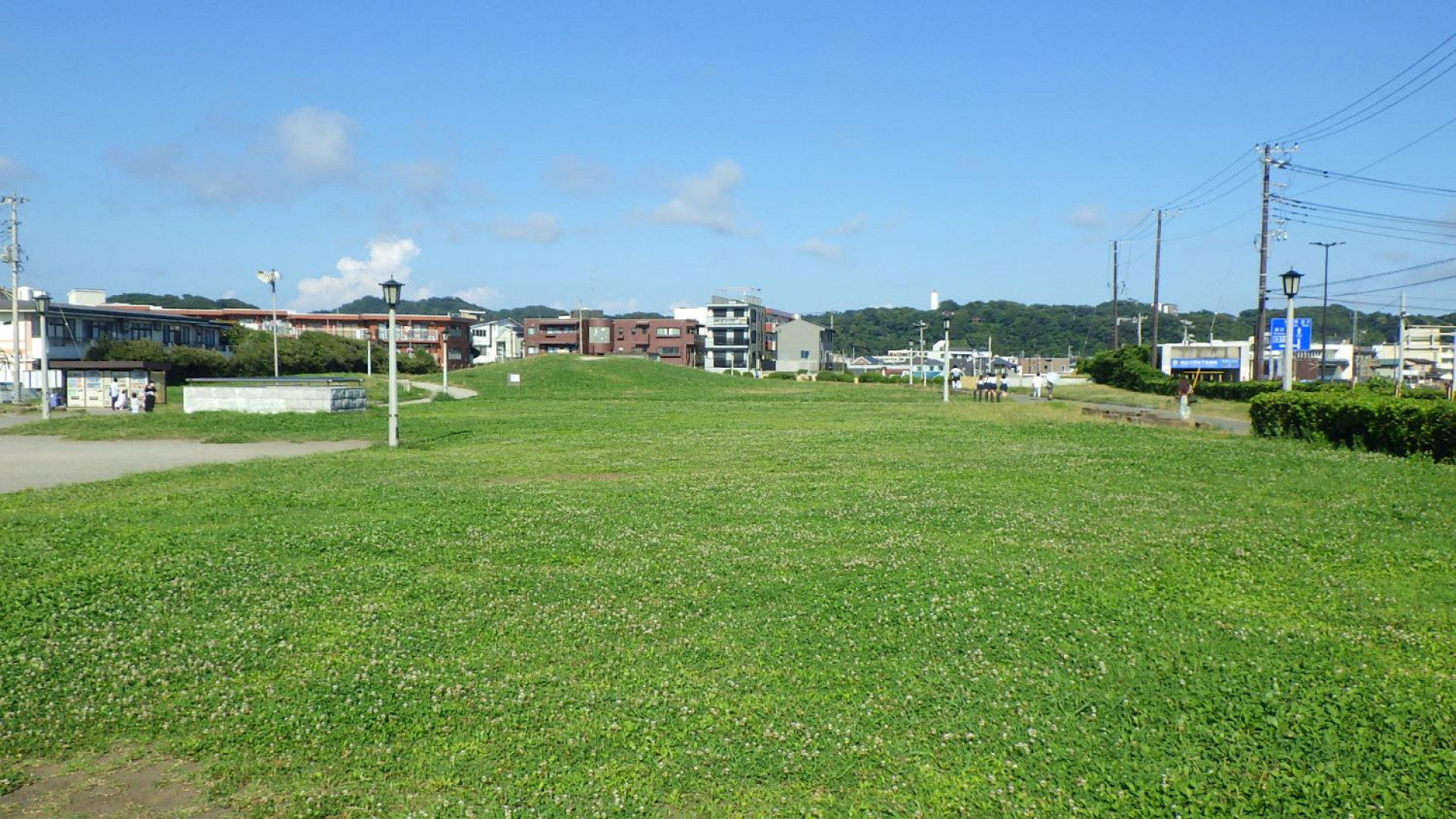
The Kamakura Seaside Park faces the coastlines of Yuigahama Beach and Inamuragasaki. The area is divided into three districts: The Yuigahama area with an open grassy square and playground equipment, the Inamuragasaki area which is a historical site with an observation deck, and the Sakanoshita area which is right by the sea. Loved by many people, the area offers views of Izu Oshima Island and the Izu Peninsula on sunny days. The Inamuragasaki area makes use of the natural geography and has an open grassy lawn where visitors can enjoy beautiful views. In the winter, Mt Fuji is sometimes visible in the background behind views of Enoshima. It is also a designated historical site well known for the legendary story of Nitta Yoshisada’s campaign.
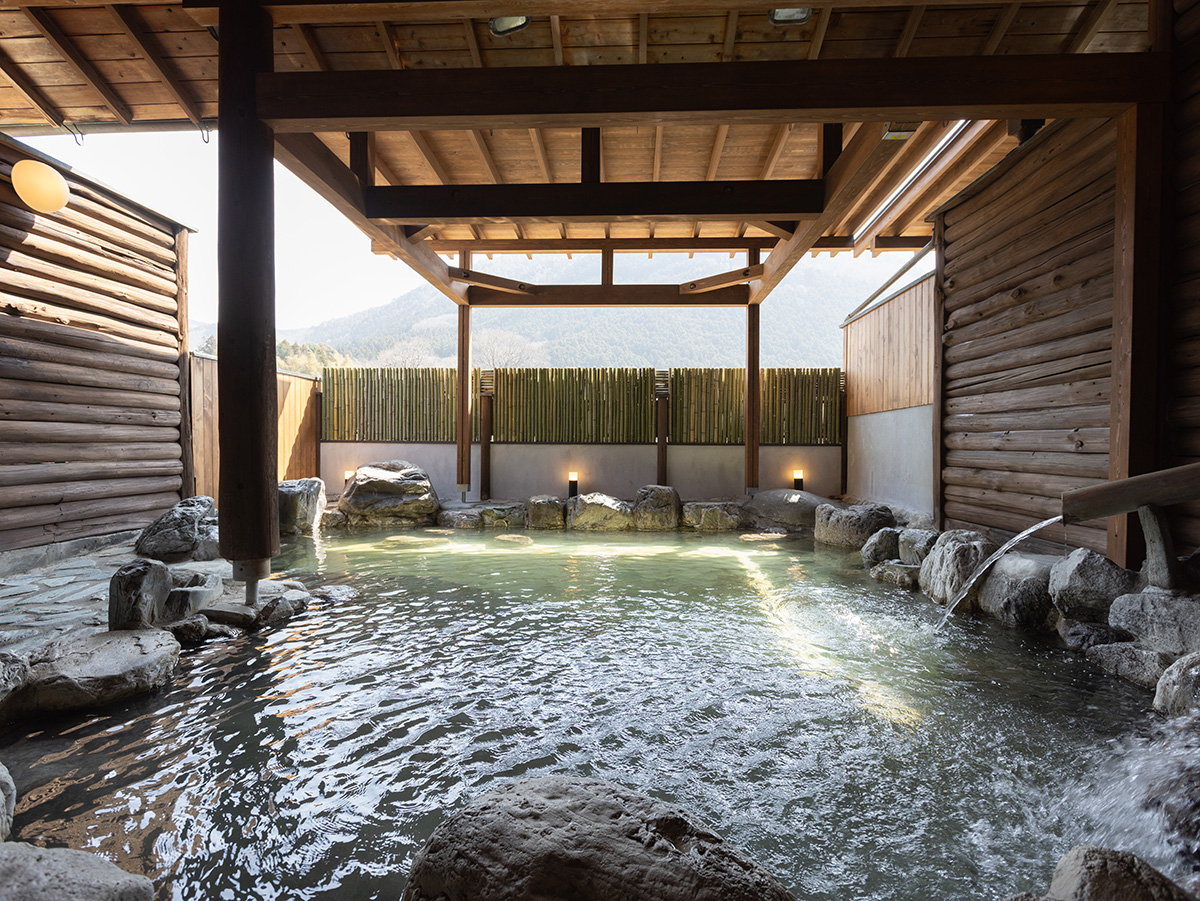
Opened in April 2025, Mizunuma no Yu offers more than just a bathing experience; it offers fabulous views of Mount Kojin.
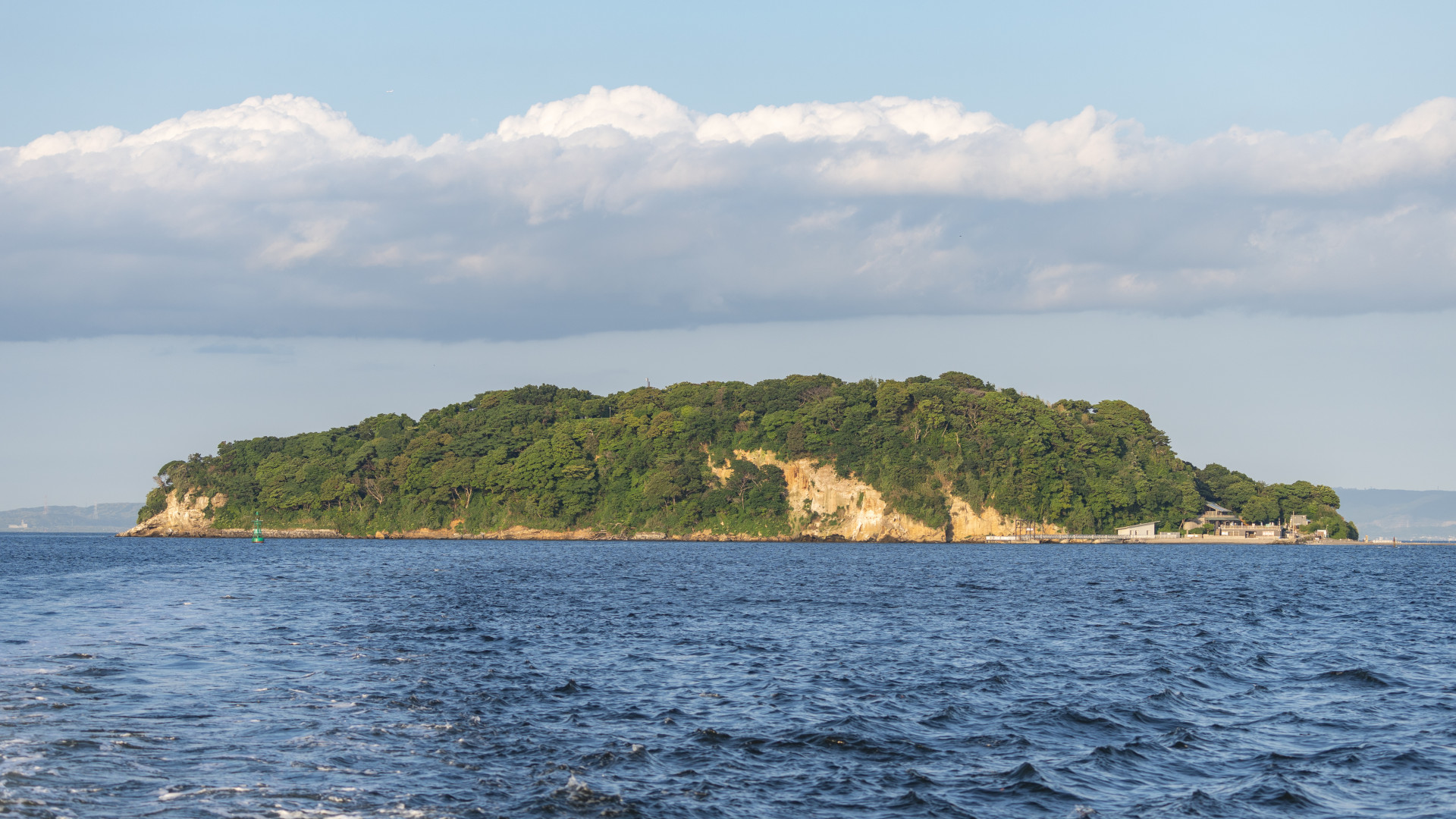
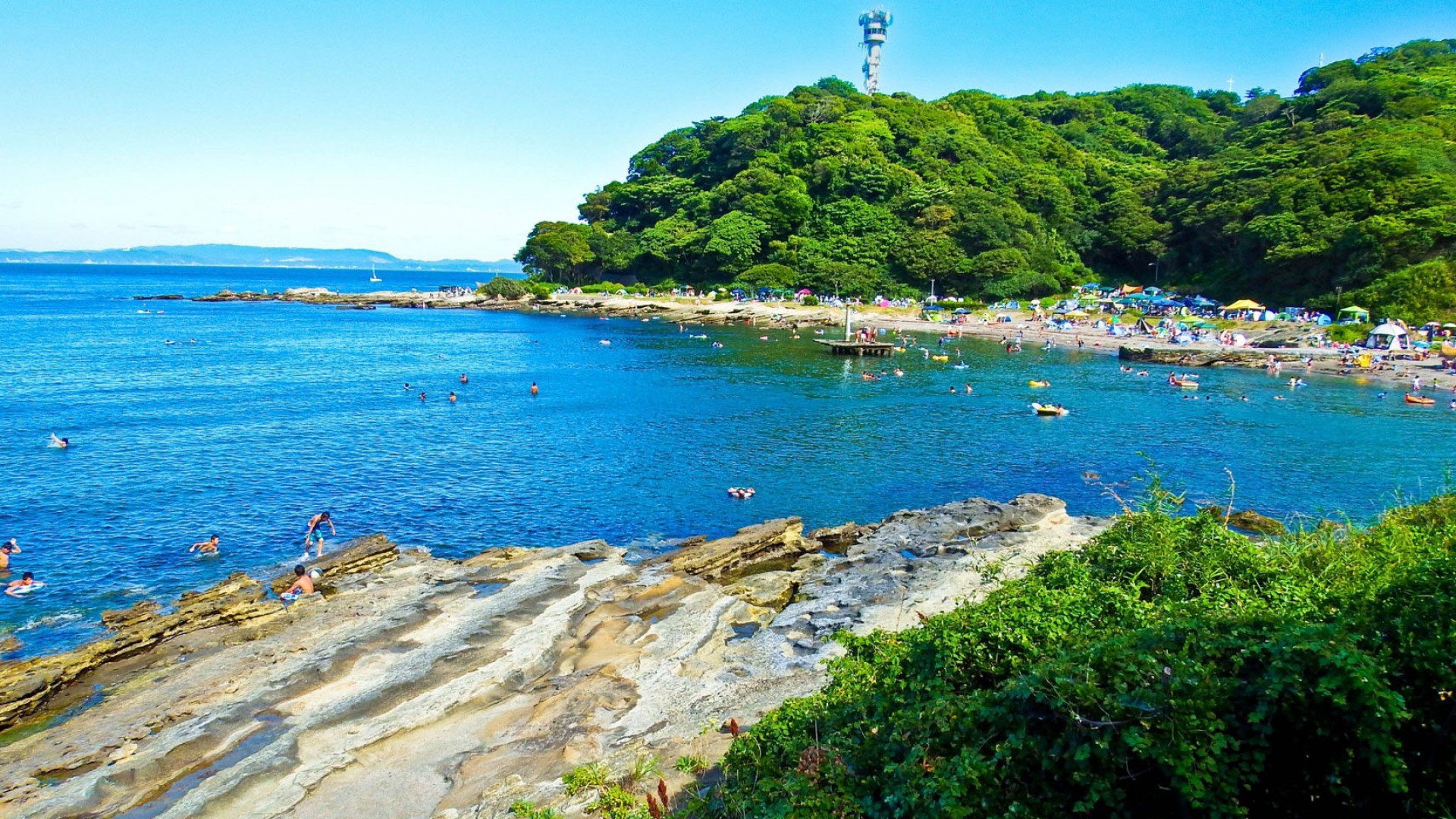
Sarushima is the only deserted island in the Tokyo Bay area and is also the biggest natural island. Here you can enjoy many activities such as barbecue, fishing, and strolling around major historical ruins. It takes approximately 30 minutes to get there by boat from the Keikyu Line Yokosuka Chuo Station. (The boats to Sarushima have different capacities, ranging from 80 people to 200 people maximum depending on the season.) This easily accessible sightseeing spot is designated as a National Historic Site.Sarushima was originally a defensive outpost. These brick tunnels, alongside other abandoned structures, are signs of its military history.Before or after getting the boat to Sarushima, we recommend checking out the memorial warship Mikasa, which is in Mikasa Park adjacent to the pier. Mikasa is the oldest surviving steel battleship in the world and is recognized as a Cultural Property of Japan. On board, you will find a great number of historical exhibits. Additionally, on the first floor of the Mikasa Terminal (opened in July 2020), you can buy tickets for the boat to Sarushima, as well as souvenirs and light meals. There is also a tourist information center. We recommend that you visit the Sarushima Visitor Center on the second floor while you wait for the boat. There is no reservation system for boarding, so please arrive well in advance of your desired departure time. The Mikasa Terminal is also the base for landing tours to Tokyo Bay's No.2 Sea Fort.
From the observatory, you can enjoy the night view of Yokohama Bay Bridge, Marine Tower, and Honmoku Pier. Bench seating makes it an ideal meeting place.The Yokohama Bay Bridge is lit blue from 40 meters to the top of the main tower for 10 minutes every 20 to 30 minutes and every 50 minutes until midnight.
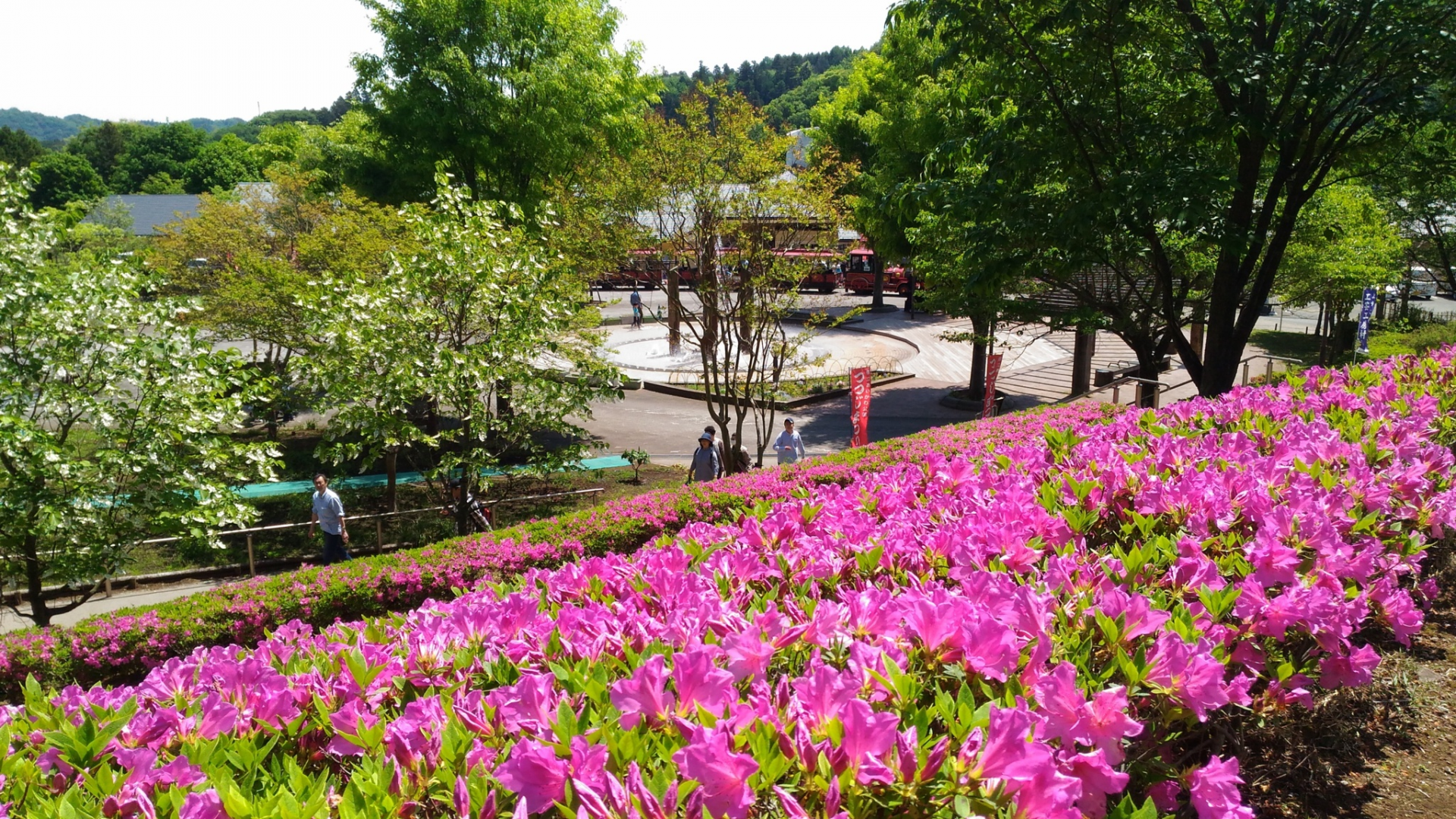
Prefectural Aikawa Park is located on a river terrace directly below the Miyagase Dam. The 51-hectare expanse includes the "Flower Slope," where 44,000 colorful azaleas of 40 varieties bloom all over in spring, and "Wind Hill," which offers an excellent view of the Yokohama Landmark on a clear day! You'll be amazed by the impressive scenery from all seasons! In addition, the "Adventure Forest" and the "Fluffy Dome" are equipped with large playground equipment that allow children to play all day long, and during the water season, the "Jabu-Jabu Pond" is filled with the sound of children's cheers all year round. From April to November, the park is used as a base for observing the dynamic discharge of the Miyagase Dam, and the "Ai-chan-go" road train, popular with children, runs from in front of the Park Center to below the dam. The "Craft Workshop Village" in the park is operated as a base for disseminating information on the traditional crafts of the local town of Aikawa to the rest of the prefecture and beyond, as well as a place to increase local interest and promote interaction between visitors and the community through creative experiences that allow visitors to come into contact with traditional crafts. Please make reservations in advance.
The largest and widest beach on the Miura Peninsula is close to the station, and during peak season it is crowded with many beachgoers, including families. In August, the "Miura Kaigan Noryo Matsuri Fireworks Festival" is held, and every year hundreds of thousands of tourists are intoxicated by the large flowers that color the summer night sky. With Tsukui Beach to the north and Kikuna Beach to the south, it is the largest beach on the Tokyo Bay side of the Miura Peninsula.
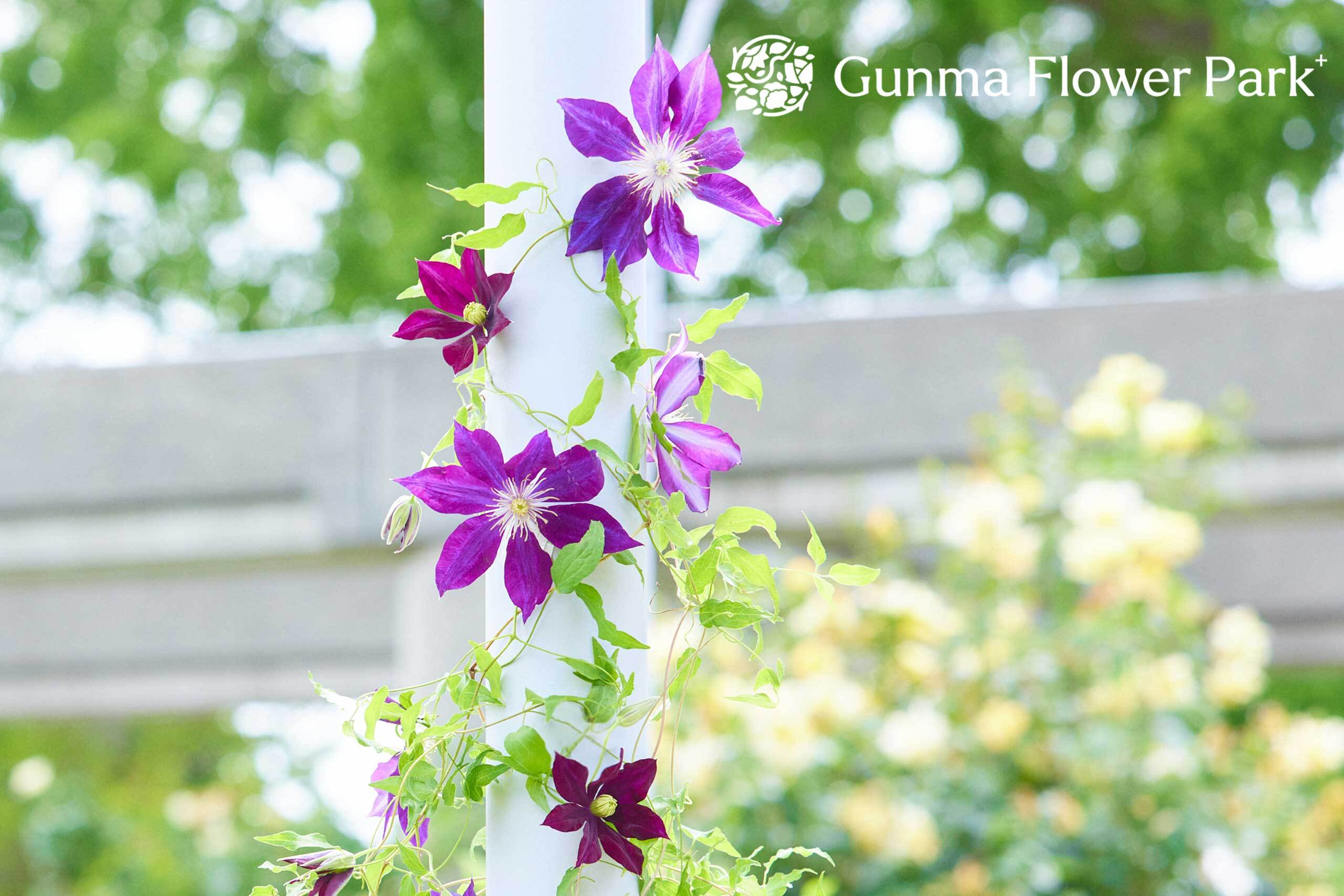
Lush blooms flower in Gunma Flower Park + every season. Its central floral display reflects the time of year, including colorful tulips in spring. Other attractions include an English garden, a Japanese garden, and a rock garden. The greenhouses feature plant life from various tropical countries. A kids' area features a range of slides, mazes, and play structures. Gunma Flower Park + is located on the southern side of Mt. Akagi, about 35 minutes by car from Maebashi Station.
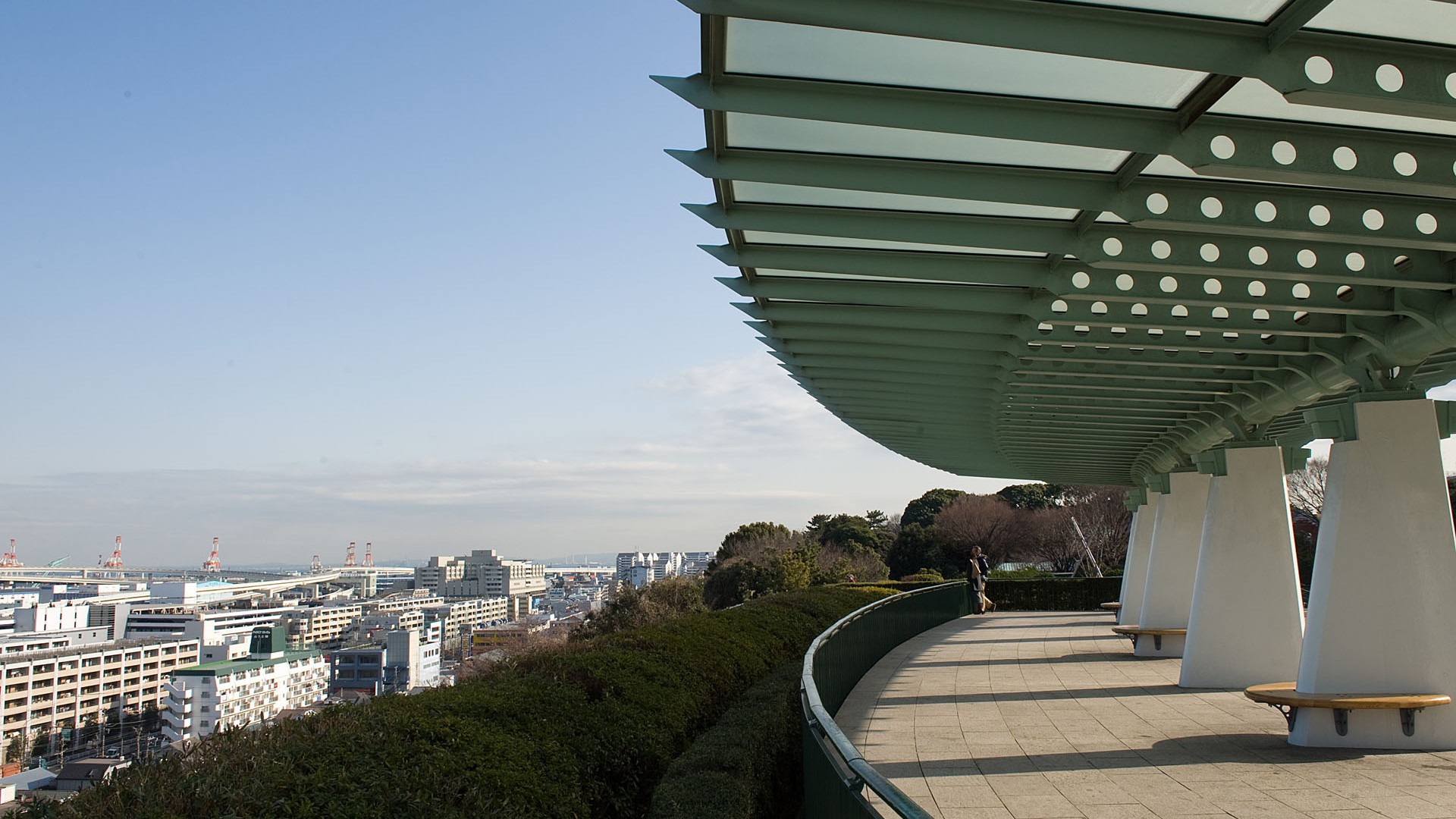
A viewpoint along the ocean at Kannonzaki Park. When the sky is clear, you will be able to see the Landmark Tower in Yokohama as well as Tokyo Skytree
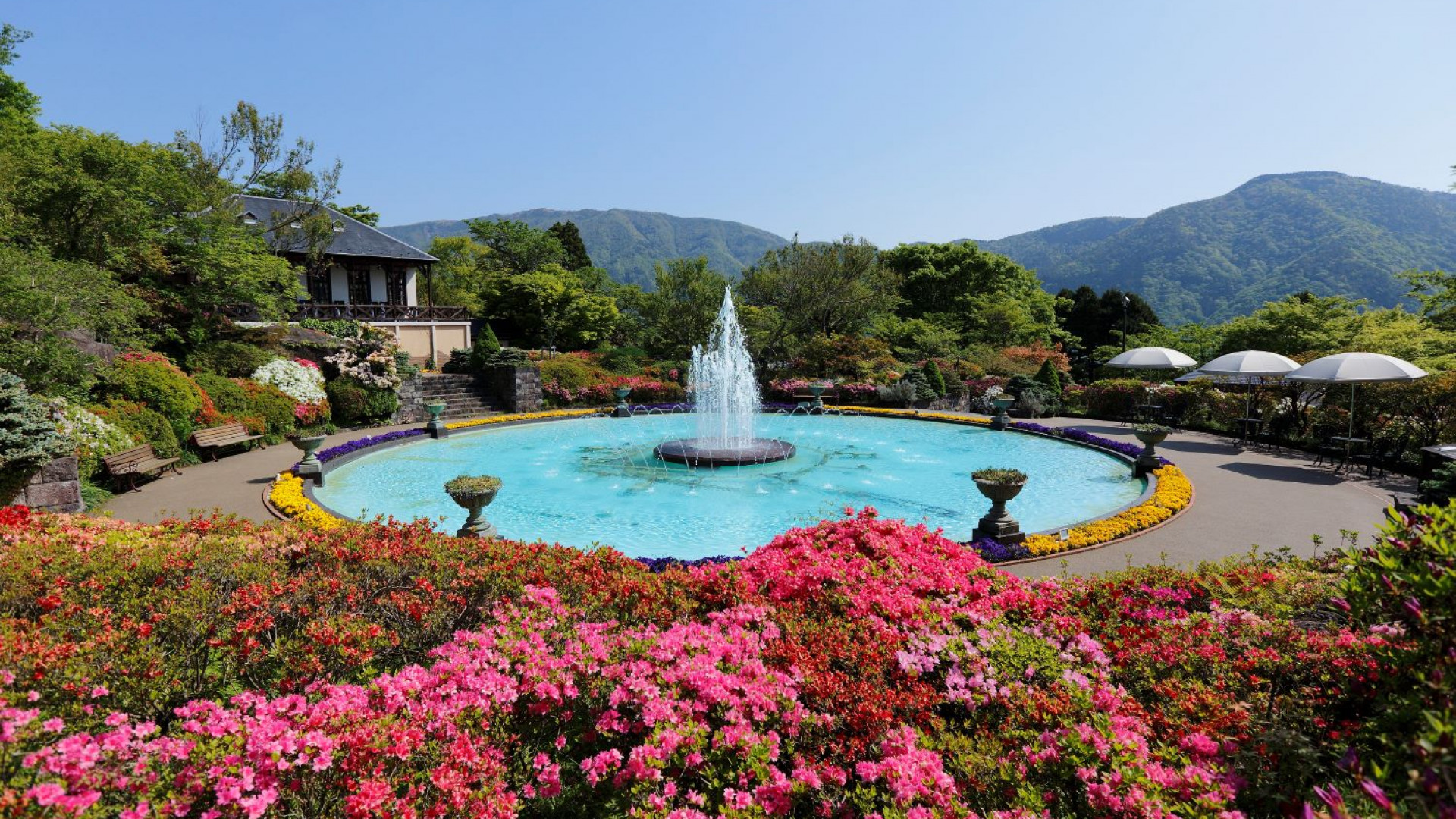
Hakone Gora Park was opened at 1914 and you can see seasonal flowers such as cherry blossoms, azaleas, hydrangeas, autumn leaves and roses. It offers various activities and facilities including tea ceremony experience, pottery, glass blowing and botanical garden. This park is an excellent choice for enjoying the Hakone trip.