
Greater Tokyo

See & Do

reset
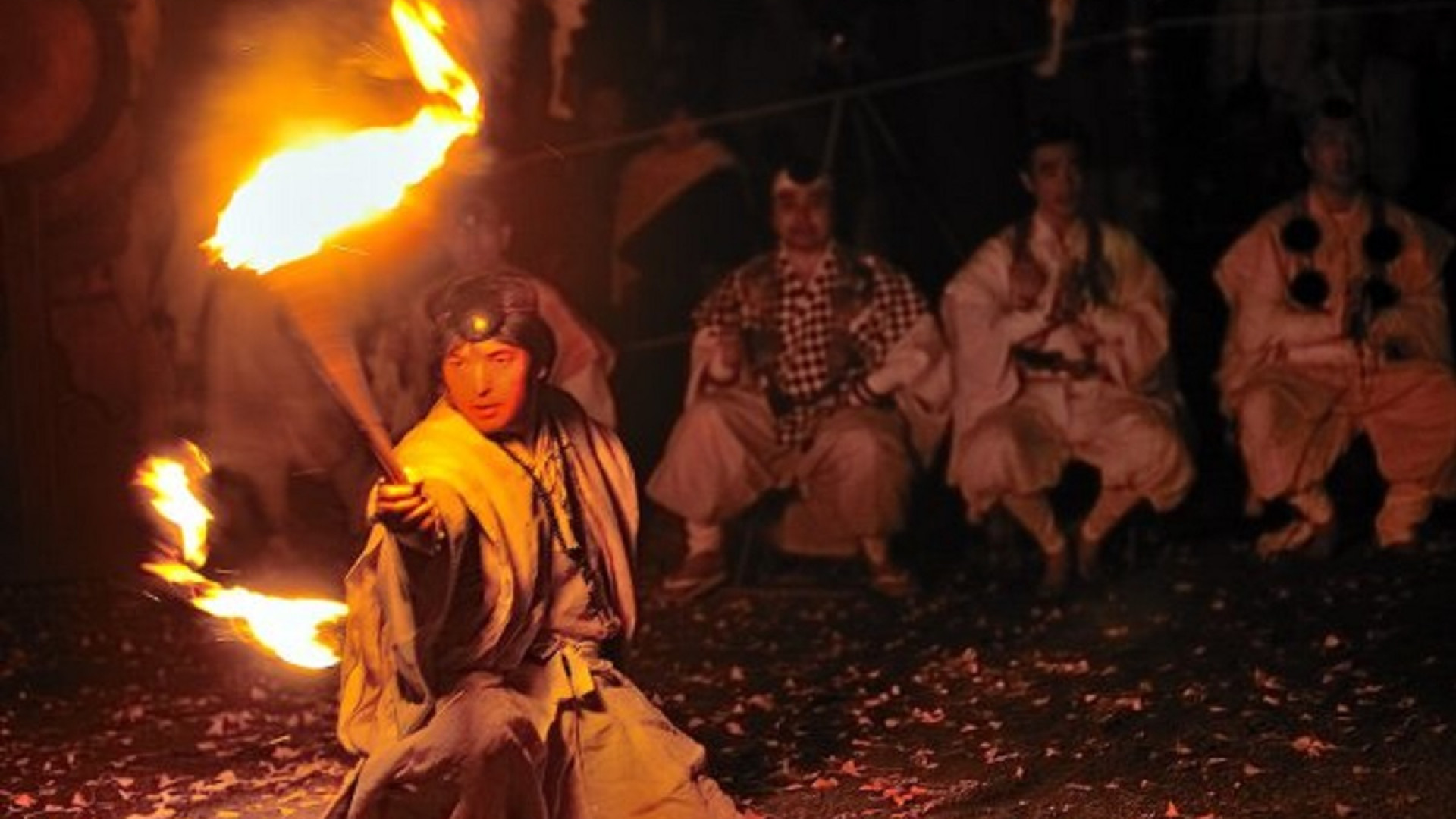
The Hibuse Festival at Ryogaku-in on Mount Akihasan

The Hibuse Festival at Ryogaku-in on Mount Akihasan

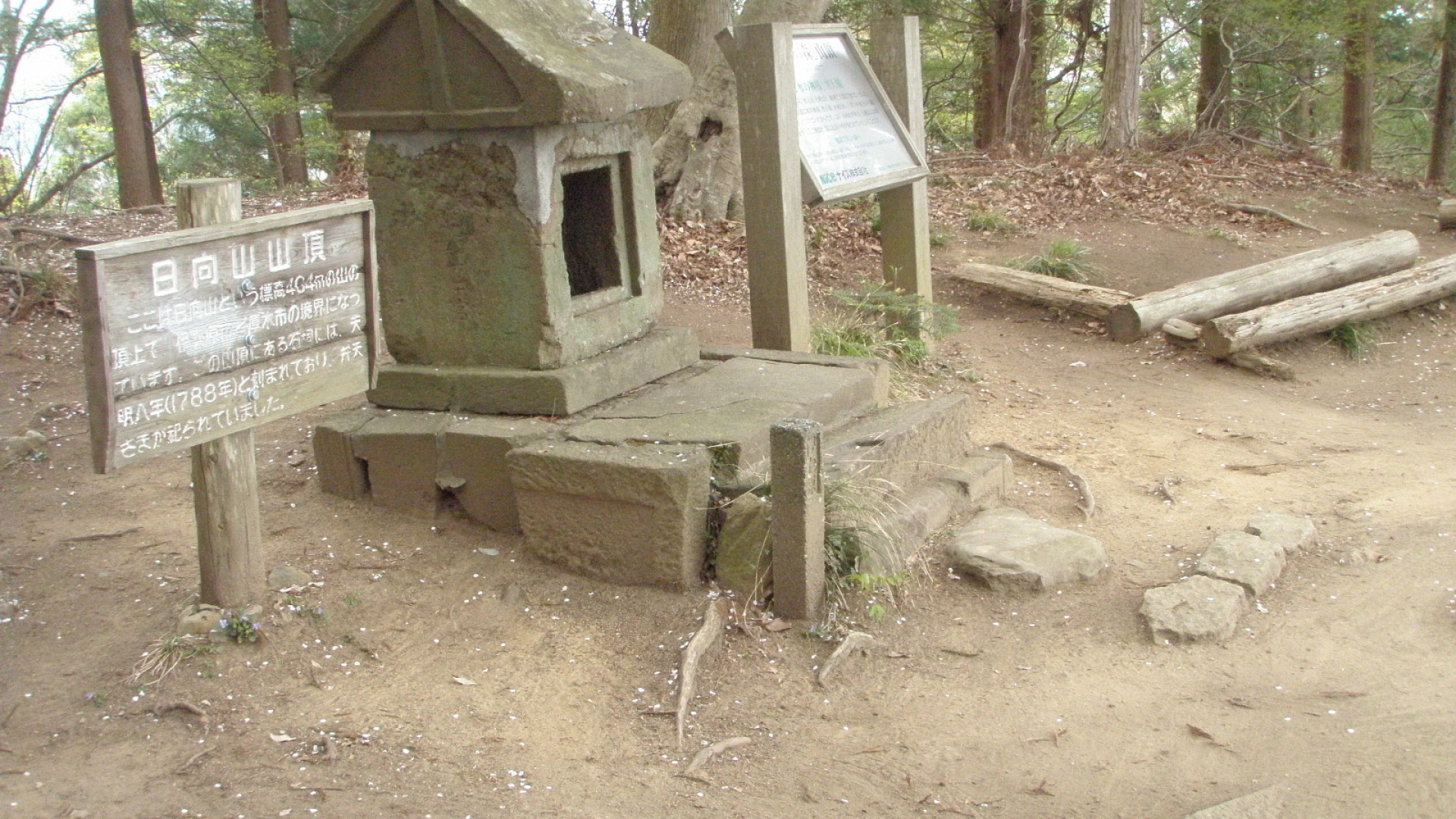
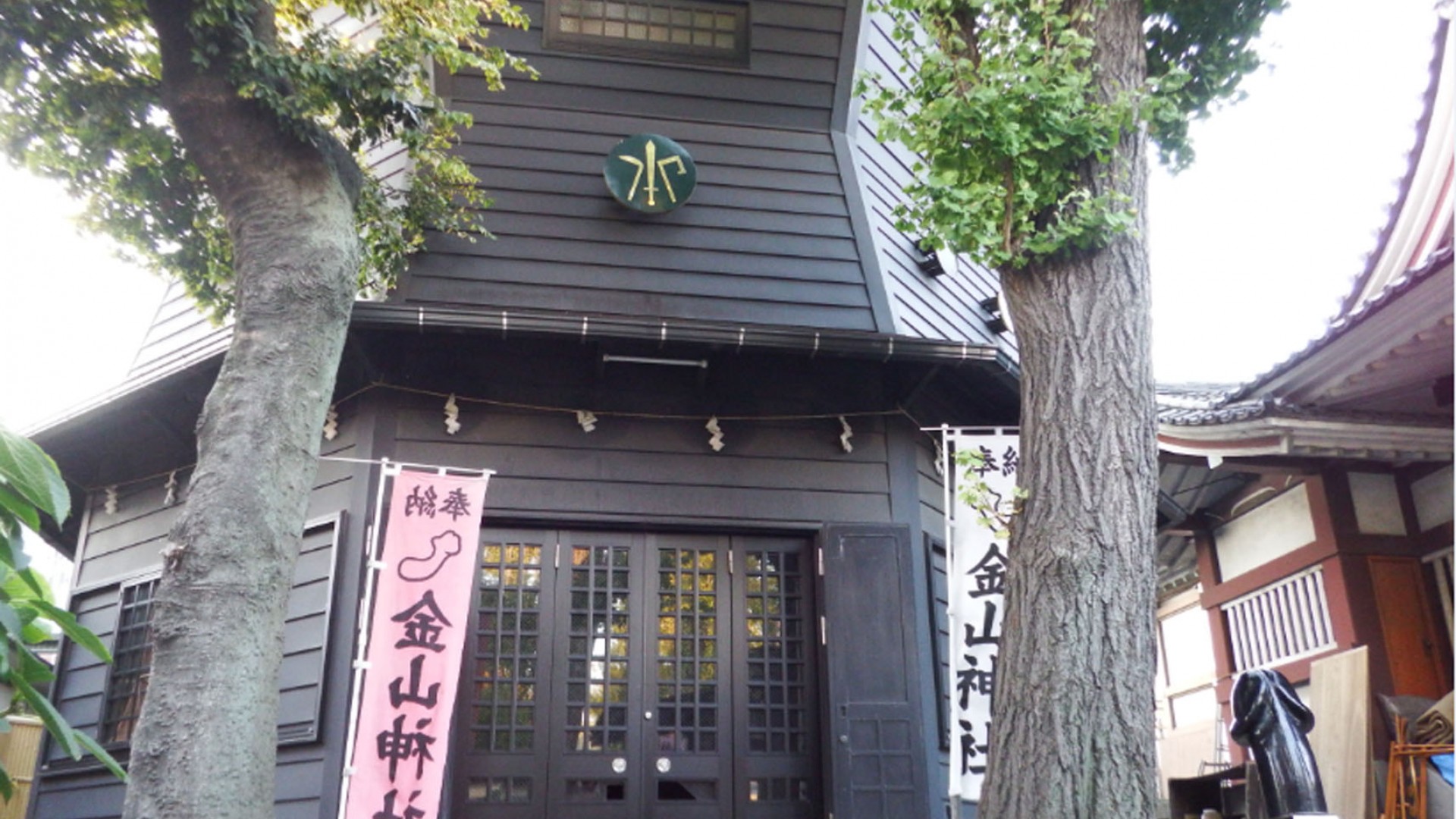
On December 6th the Yamabushi (ascetic monks) in their traditional clothing pray for peace and tranquility across the country. They carry out Yamabushi-Mondou, a Buddhist ceremony in which questions in relation to Buddhism are both asked and answered.After this, they participate in the Hiwatari (fire-crossing) Ceremony, which involves the monks walking over glowing embers and praying for sound health. Firefighters, workers of the thermal power generation industry, and people of other fire-related professions come to this shrine both to worship and buy ofuda (amulets).

Culture & Arts Tokaido Koshu kaido KANAGAWA
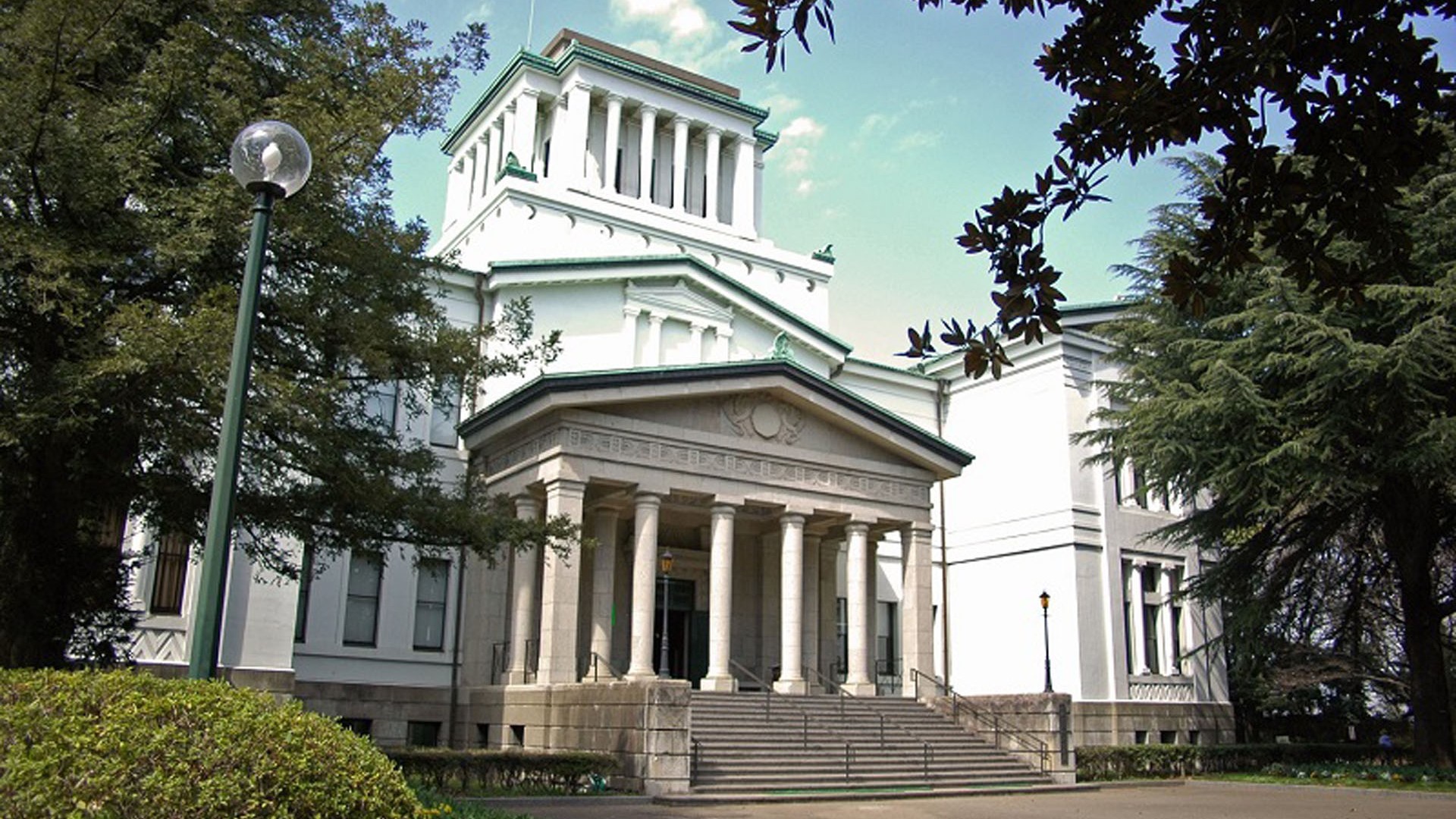
Okurayama Memorial Hall

Okurayama Memorial Hall

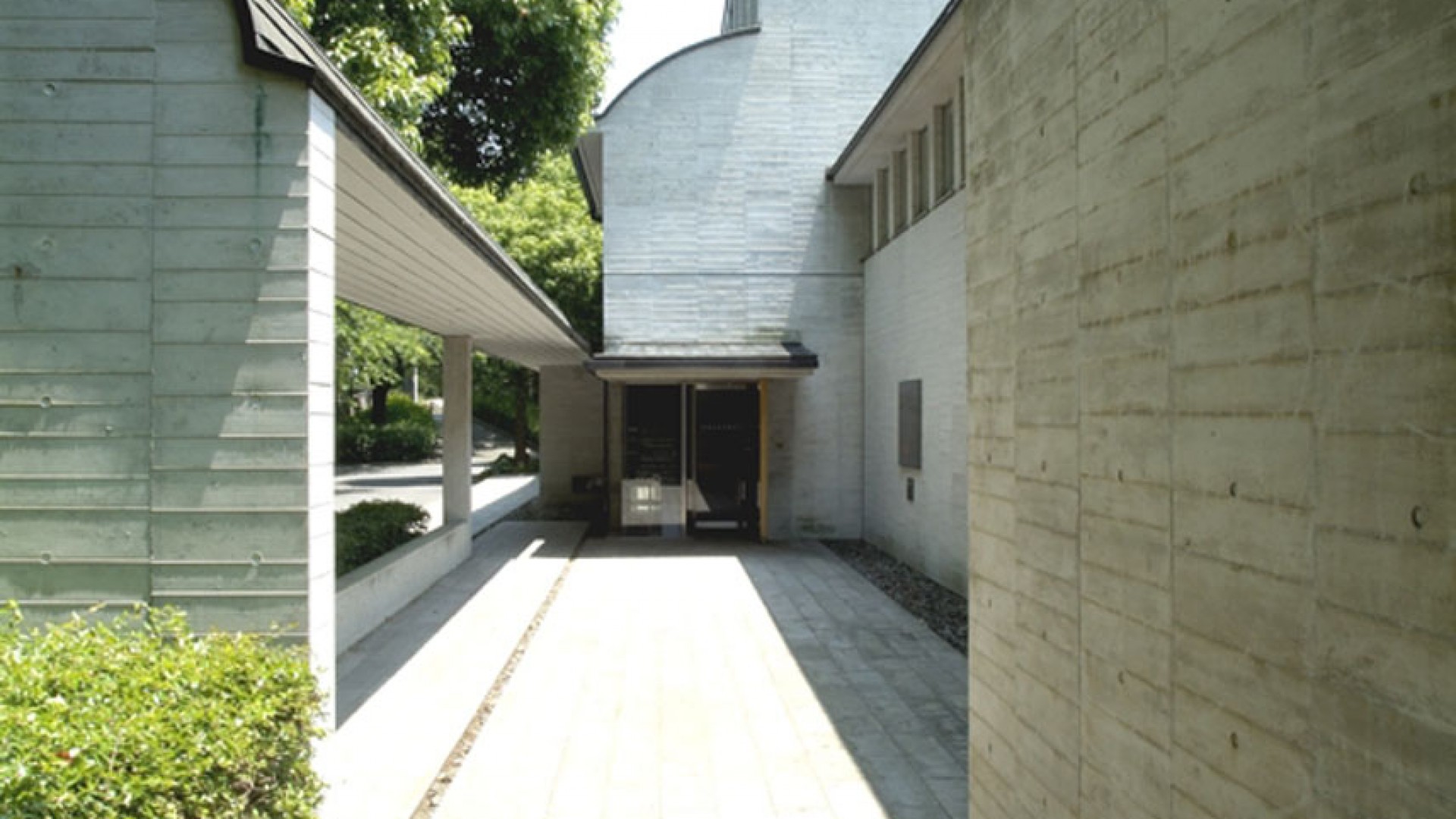
This hall was built in 1932 as the main building of Okura Mental and Cultural Laboratory, by a business-man Okura Kunihiko, who bacame the dean of Toyo University. The hall was donated to Yokohama City in 1981, and after a major renovation to preserve the building, the hall was transformed into Okurayama Memorial Hall in 1984.The hall was designated as a tangible cultural property of Yokohama City in 1991, as the hall occupies an important place in the modern architechtural market. You cannot view the hall and the meeting room as the building is usually used as a local facility, but you can see the common space such as the entrance. The building is famous for being the site of filming, and over 30 films are shot in a year.

Culture & Arts Koshu kaido Tokaido KANAGAWA
Mitsuzawa Park

Mitsuzawa Park

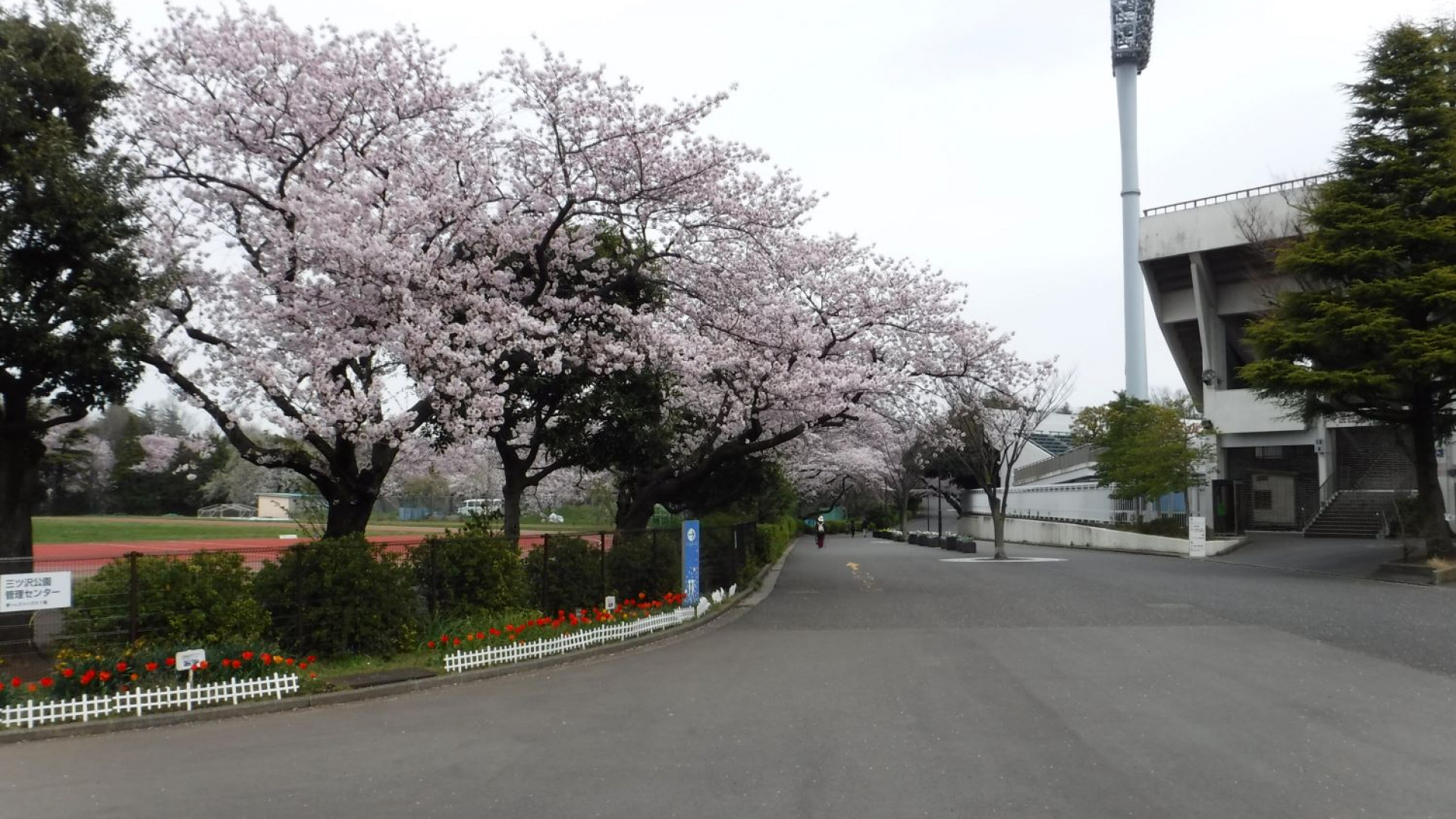
Opened to the public in 1949, this sports park has been the site for national sporting events and the Tokyo Olympics. Along with Nippatsu Mitsuzawa Stadium, where J.League and Rugby Top League matches are held, and the JAAF (Japan Association of Athletics Federations) certified class 2 track stadium, this park has a wide variety of sports facilities including tennis court, horse riding area, Hiranuma Memorial Gymnasium, Kanagawa prefecture sports center.

Experience & Activities Tokaido Koshu kaido KANAGAWA
Kamakura Museum of History and Culture

Kamakura Museum of History and Culture

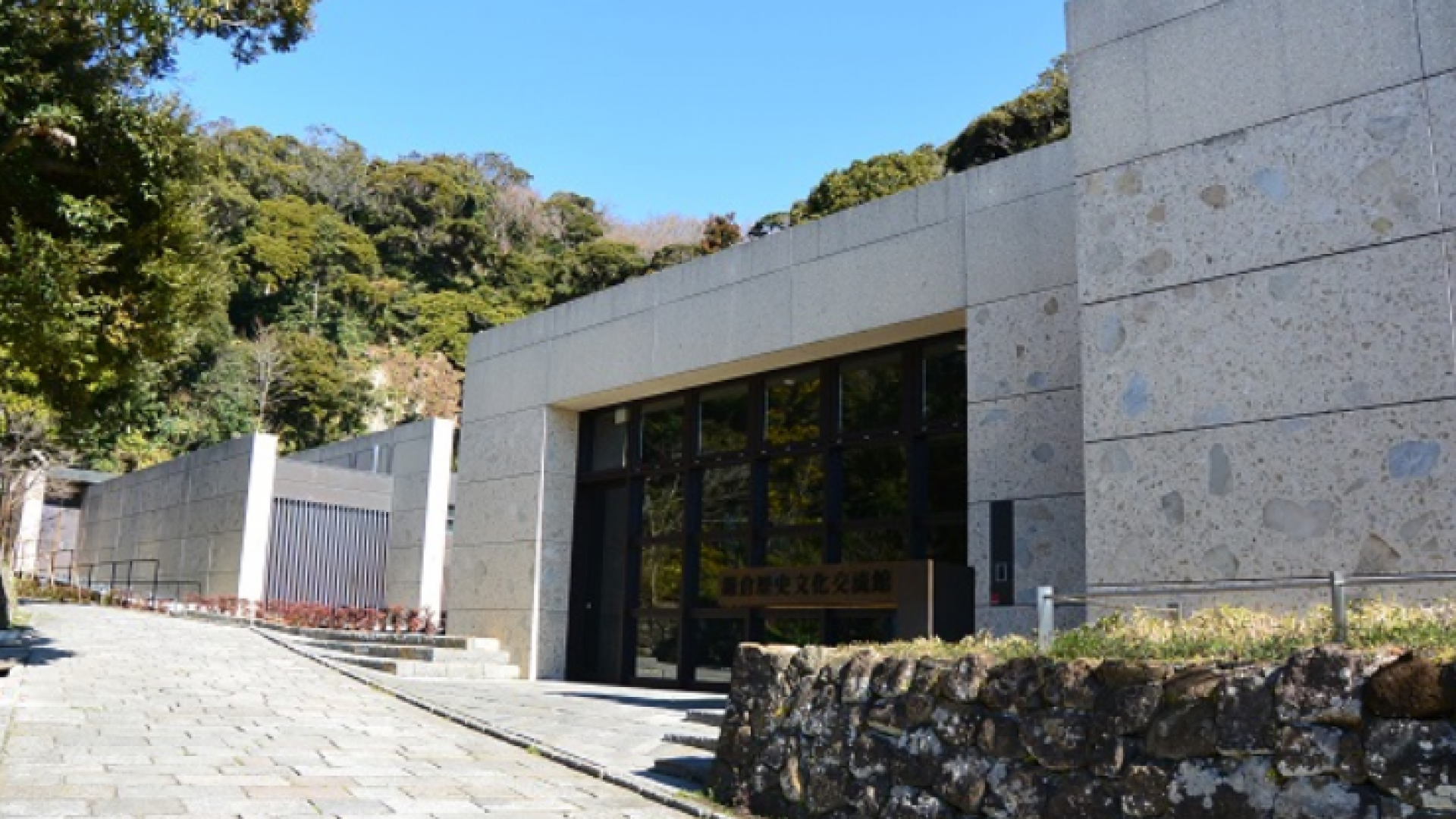
The museum opened in May 2017 as a place where children and adults alike can learn about, experience, and interact with Kamakura's historical and cultural heritage. The history of Kamakura, from primitive and ancient to modern times, is displayed, centering on artifacts excavated in Kamakura. The museum utilizes buildings designed by Foster + Partners, represented by the world-famous architect Norman Foster. Even first-time visitors can enjoy learning about Kamakura through diorama projection mapping and the latest video exhibitions, such as VR. From the special building materials to the medieval landscape garden and the sea view, there is plenty for you to enjoy.

Culture & Arts Tokaido Koshu kaido KANAGAWA
Oyama Afuri Shrine

Oyama Afuri Shrine

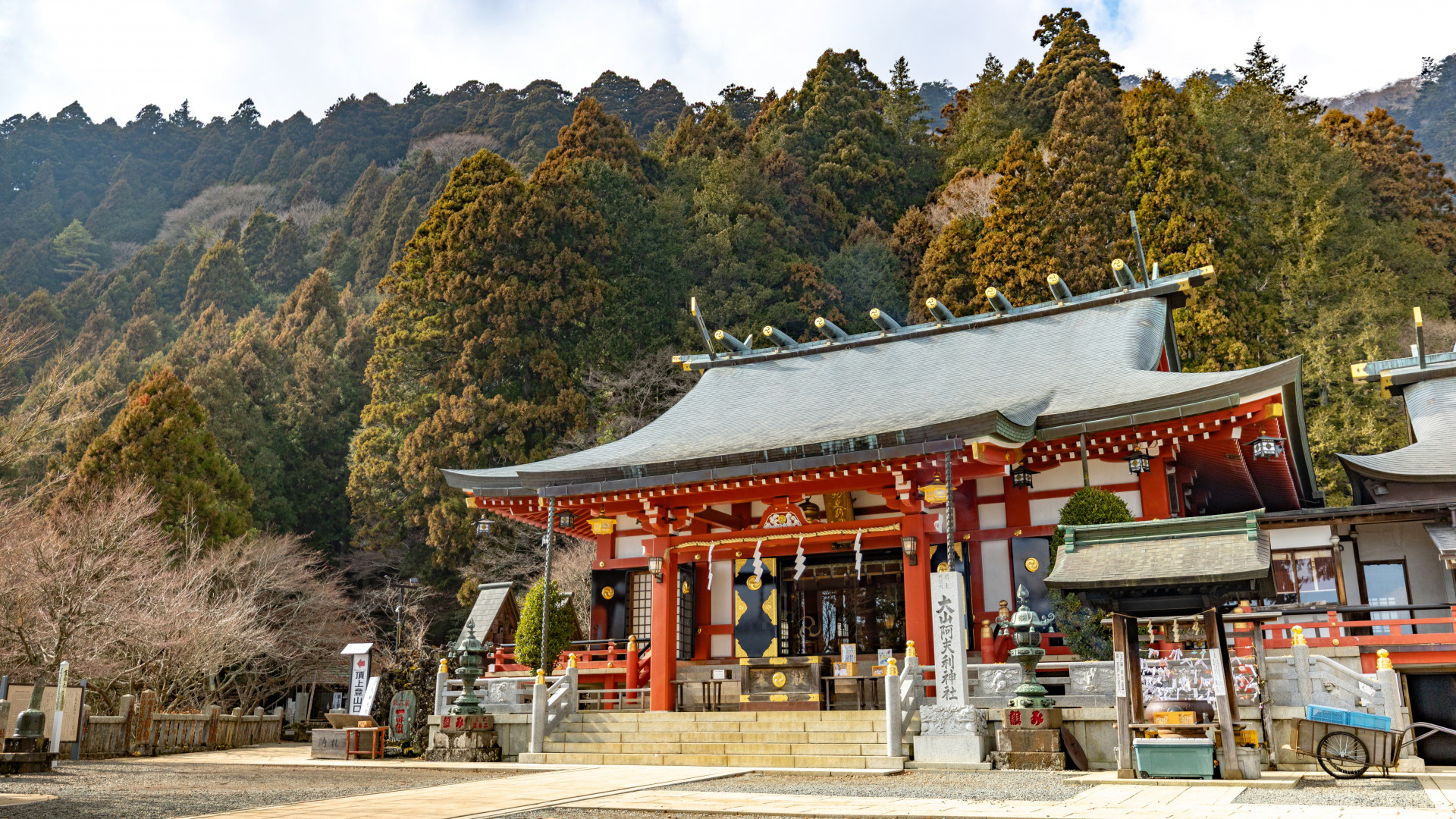
This ancient shrine is said to have been built over 2,000 years ago. As a sacred site revered by many warlords, such as those who partook in rainmaking rituals, and pilgrimages to the shrine became very popular during the Edo period. In the 28th year of the Heisei period (2016), the pilgrimage to Mount Oyama was recognized as a piece of important Japanese heritage, and the view from Afuri Shrine became a two-star Michelin-starred site.Admire the Shonan plains with views stretching as far as Sagami Bay and Enoshima on the horizon — rated two-stars by the Michelin Guide.Just inside the tori gate entrance is one of Japan's three greatest lion statues, Oyama-Shishi.This beautiful teahouse was designed by Yasushi Horibe and constructed by the shrine's own architect, Yukio Uchida. Enjoy the terrace seating with stunning views as far as Sagami Bay while enjoying their green tea tirmasu or other treats.

Temples & Shrines Tokaido Koshu kaido KANAGAWA
Aka-Renga Soko (Yokohama Red Brick Warehouse)

Aka-Renga Soko (Yokohama Red Brick Warehouse)

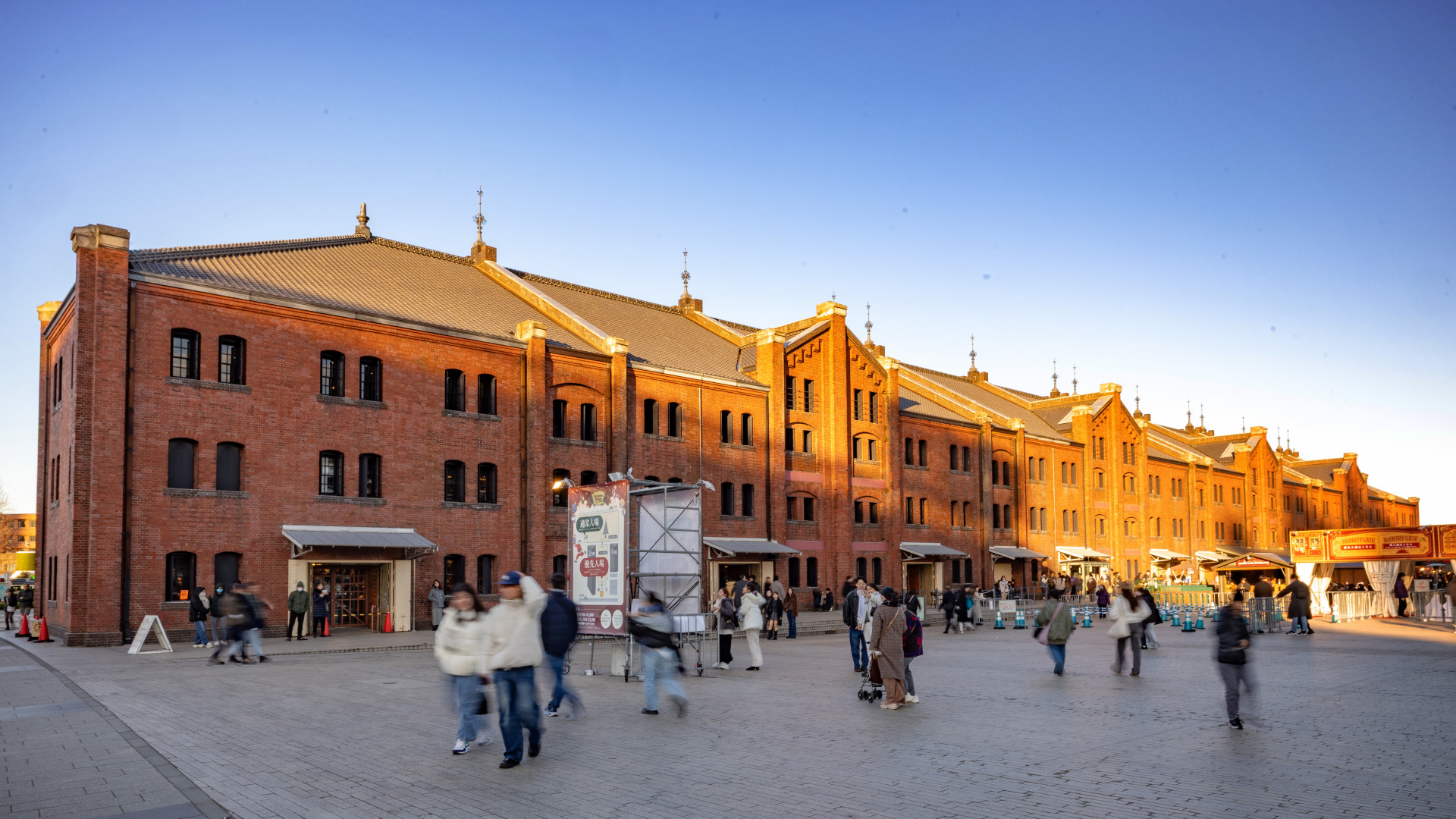
A cultural and commercial facility that utilizes a historic building built over 100 years ago. Various shops and restaurants line the halls, which still retain the features of the original warehouse. In addition, there are also spaces for exhibits and dance and theatre performances, where the fascinating art and culture is showcased to both locals and visitors.At the facility's outdoor event plaza, various seasonal events, such as Yokohama Oktoberfest and Christmas Market at Yokohama Red Brick Warehouse, are held and visited by many people.Another attractive feature is the facility's sea-facing location, where you can have the opportunity to relax on the lawn and enjoy views of boats passing through the harbour, Minatomirai, and cruise ship trips from the pier opposite. At night, the building's red bricks are lit up in orange, creating a fantastic atmosphere that contrasts to the daytime.A pair of handsome restored former warehouses in an attractive waterfront location, Akarenga Sogo is now an elegant, enjoyable place to shop and dine. Look out for seasonal events such as a Christmas market and outdoor skating rink, and Oktoberfest beer festival.

Shopping Tokaido Koshu kaido KANAGAWA
Hakone Checkpoint

Hakone Checkpoint

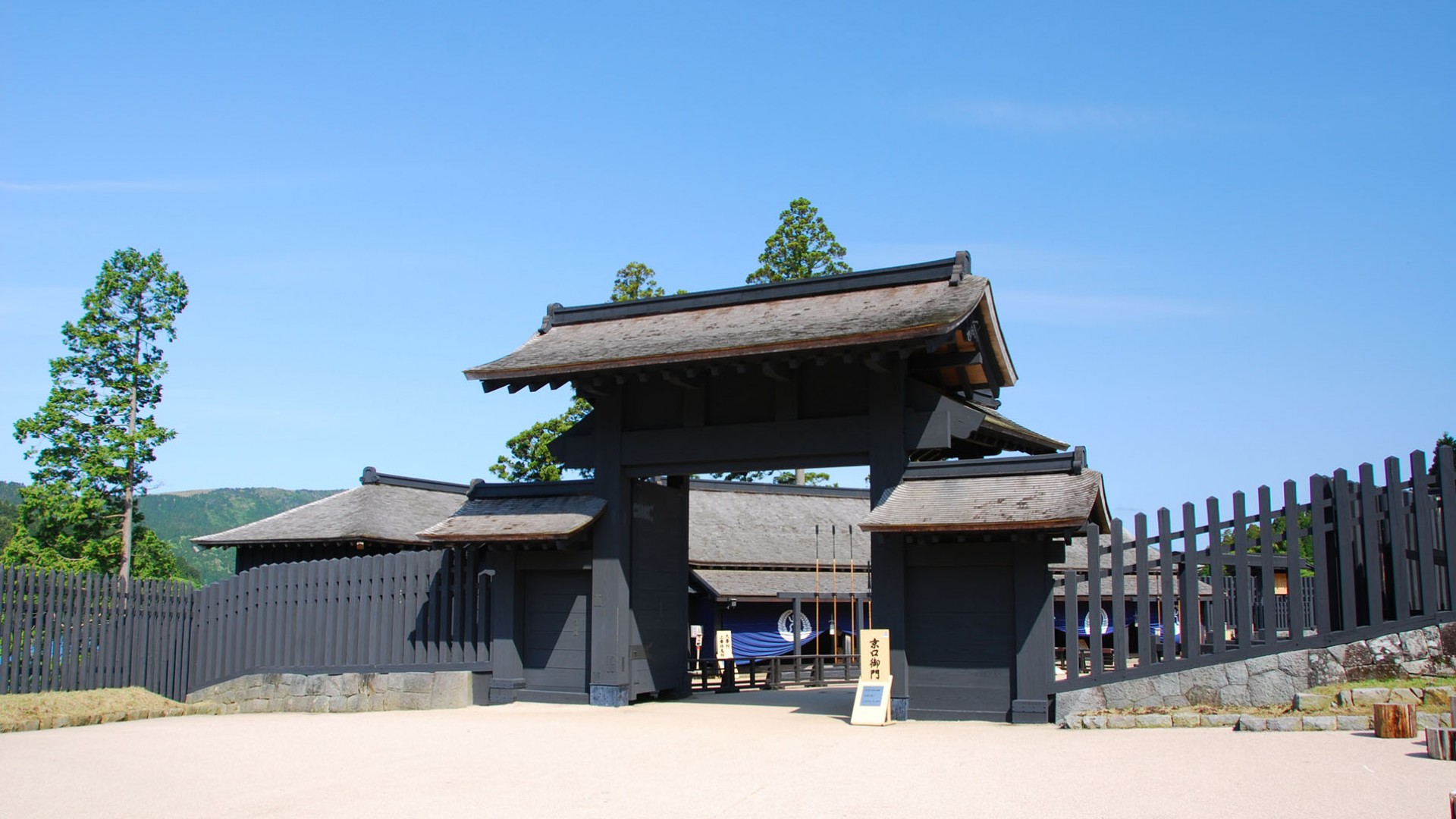
The current Hakone Checkpoint was rebuilt based on the “Report of the Restoration of Sōsyu Hakone Checkpoint in 1865” discovered in 1983, as well as in accordance with findings from excavation and research around the site, and has been open to the public since April 2007. Along with the restoration of the checkpoint buildings, including the main guardhouse, the senior guard lounge, and the foot soldier’s guardhouse, the stone walls and stairs and wooden fences were also restored. Environmental improvements were implemented, such as laying electric cables underground and maintenance of the cedar trees along the road. The museum next to the rebuilt checkpoint exhibits 300 historical items including old documents, checkpoint passes, official bulletin boards, official stamps, checkpoint diaries, and matchlock muskets.Hakone Sekisho was part of the Edo-period road from Tokyo to Kyoto. This checkpoint ensured weapons did not enter Edo (Tokyo) and prevented feudal lords' relatives from fleeing (their wives and children were de facto hostages). Nowadays, it is a good place to see historical buildings along the street.

Culture & Arts Tokaido Koshu kaido KANAGAWA