UNDOKAIYA’s “Kimino Koko”
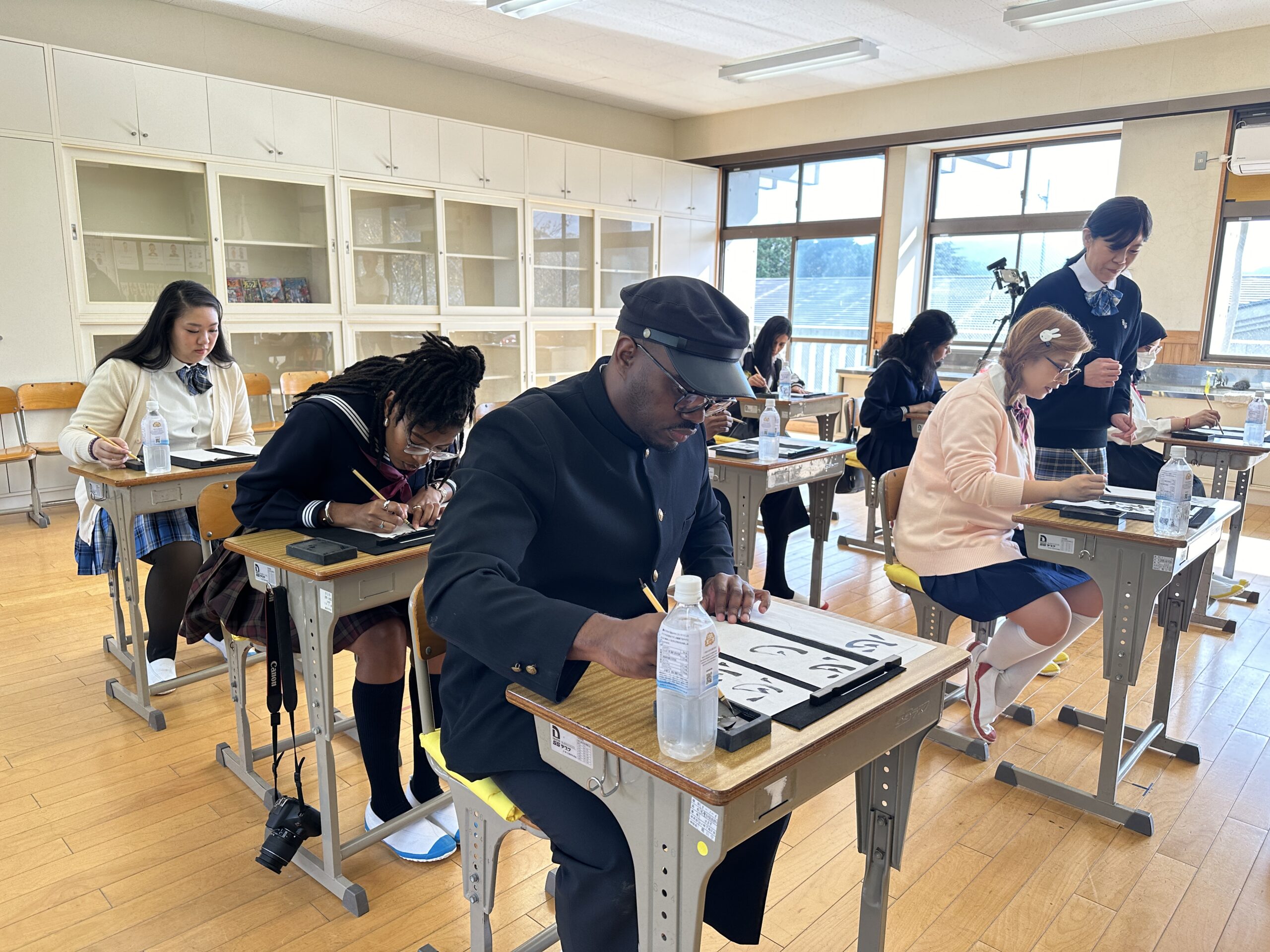
Step back in time to experience an authentic Japanese school sports day in Chiba Prefecture, complete with vintage uniforms, traditional games, and the infectious spirit of community competition.
Total: 1715 items
Step back in time to experience an authentic Japanese school sports day in Chiba Prefecture, complete with vintage uniforms, traditional games, and the infectious spirit of community competition.
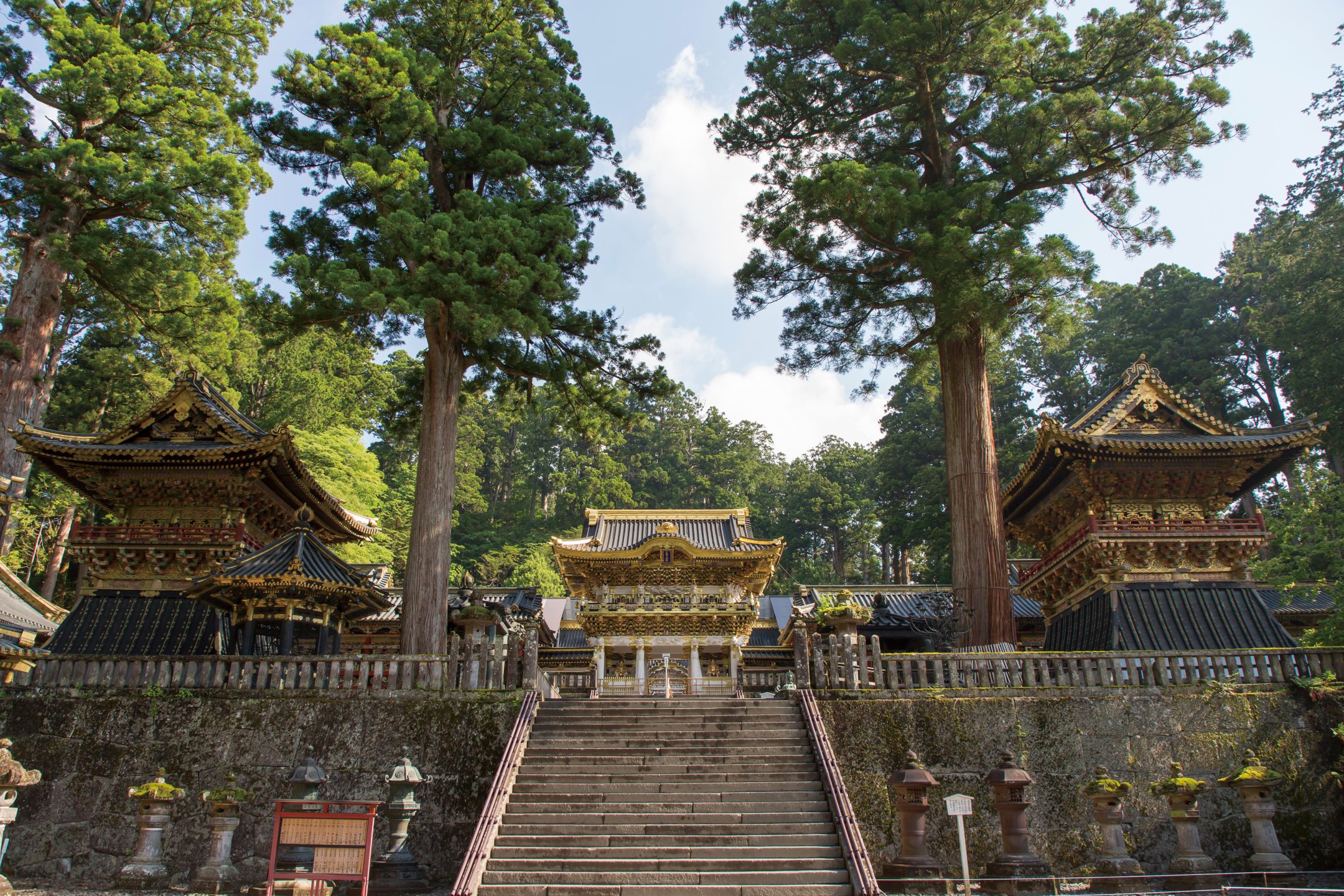
Nikko, the land where the gods lives. Nikko has been an important area for “Mountain Beliefs” since the Japanese monk Shodo Shonin became the founder of Nikko in 766. Many temples and shrines have been established in the Nikko area, making Nikko an extremely important center of faith and a place where spiritual energy meets. After Tokugawa Ieyasu, who founded the Edo Shogunate, was named “Tosho Daigongen” and buried in Nikkō Tōshō-gū Shinto Shrine, Nikko was honored and cared for by the Shogunate, and became a well-known religious shrine. With the support of the Shogunate, many of Nikko's temples were properly maintained, and even the carvings on the buildings are lavish and beautiful, crystallizing the traditional craftsmanship of the whole of Japan. World Heritage Site "Shrines and Temples of Nikko" The “Shrines and Temples of Nikko”, which was officially recognized as a World Heritage Site in 1999, consists of three temples and shrines, Nikko Toshogu Shrine, Nikko Rinnoji Temple, and Nikko Futarasan Shrine, and has a total of 103 buildings (9 National Treasures and 94 Important Cultural Properties). Nikkō Tōshō-gū is famous for honoring Tokugawa Ieyasu, the first shogun of the Edo Shogunate, and there are many splendid and delicate carvings inside the shrine, which are said to be the masterpieces of the best craftsmen from all over Japan. Today, this traditional art has been passed down from the descendants of these craftsmen to the local Nikko traditional art of Nikko Bori (Nikko carving). Nikkosan Rinnoji Temple, originally founded by Shodo Shonin, has a long history in Nikko. In addition to the main hall of the temple, which is known for being the largest wooden complex in the entire Eastern Japan region, the “Taiyuin Temple,” dedicated to Tokugawa Iemitsu, the third shogun of the Edo Shogunate, also attracts travelers with its intricate and beautiful carvings. Nikko Futarasan Shrine was also built by Shodo Shonin and has been called “Shimono Province's first Shrine (present-day Tochigi Prefecture)” since ancient times. In addition to managing Mt. Nantai, which is a symbol of mountain beliefs, Nikko Futarasan Shrine also holds the “Yayoi Festival” every year, which symbolizes the visit of spring to the Nikko area and is a must-see festival for tourists.
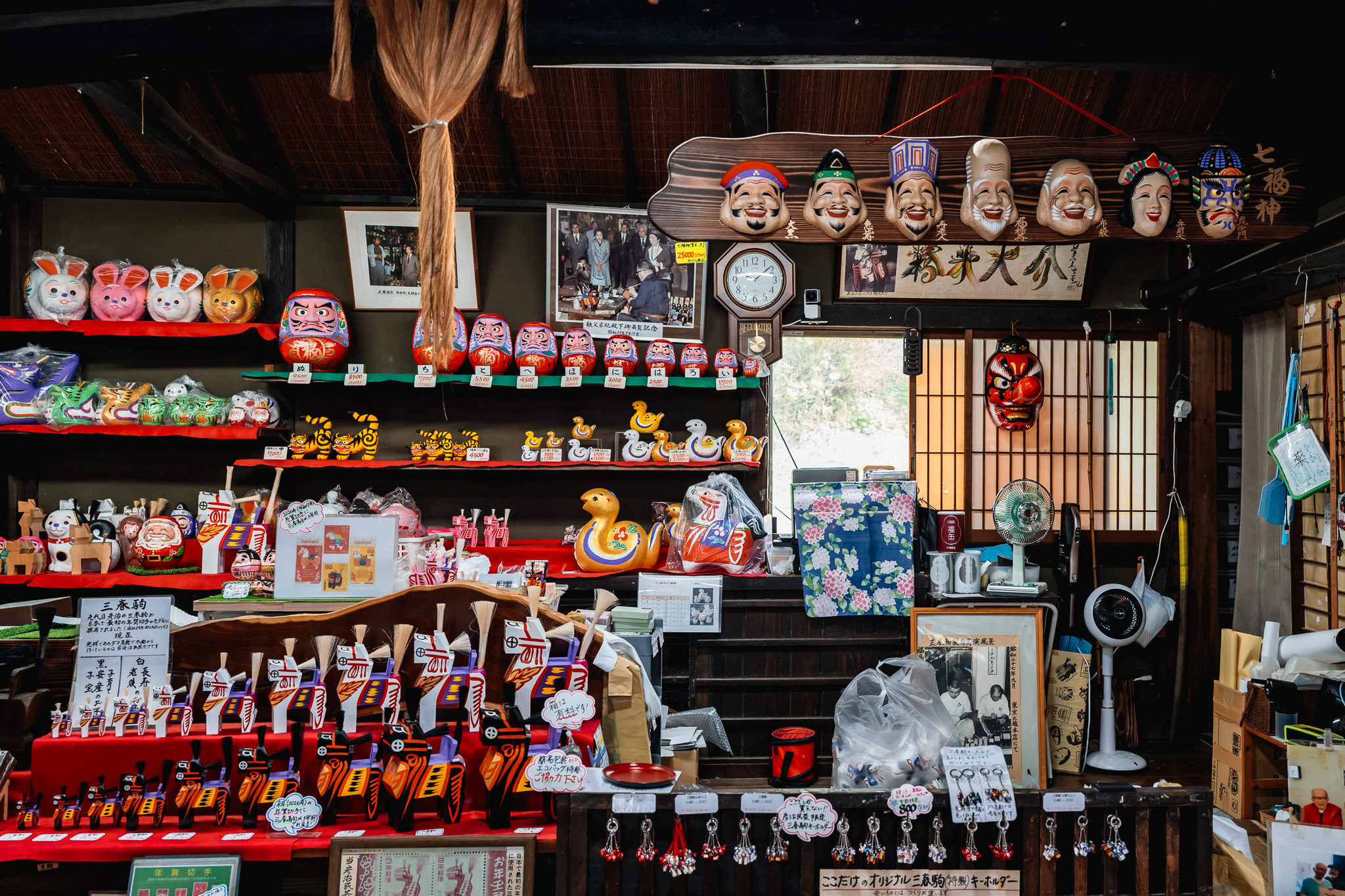
Takashiba Dekoyashiki is a historic craft village that preserves the art of toymaking.
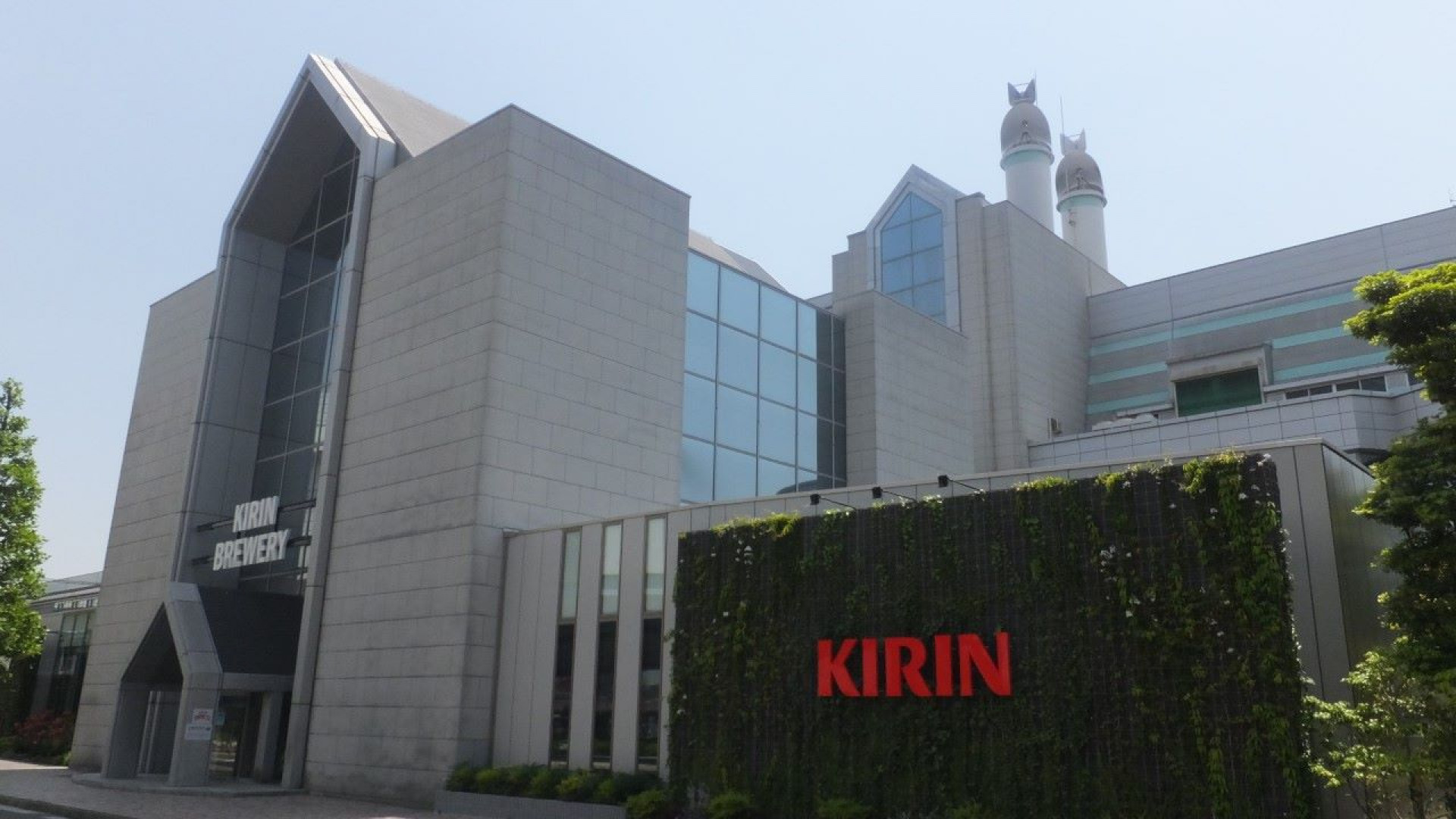
A factory with a long history, originating from Spring Valley Brewery (Yokohama Yamate), one of Japan's first breweries. During the hour-long factory tour, you can learn about the process of making beer, including preparation, fermentation, and packaging. At the end of the tour, you can taste freshly brewed beer and experience the mini-seminar on how to fully enjoy Ichiban Shibori. In addition to the tour, you can enjoy seasonal plants in the factory garden. Reservations are required for the tour.Head over to the Kirin Yokohama Beer Village tour and find out what it takes to make a high-quality beer. Enjoy the free beer tasting at the culmination of the tour.
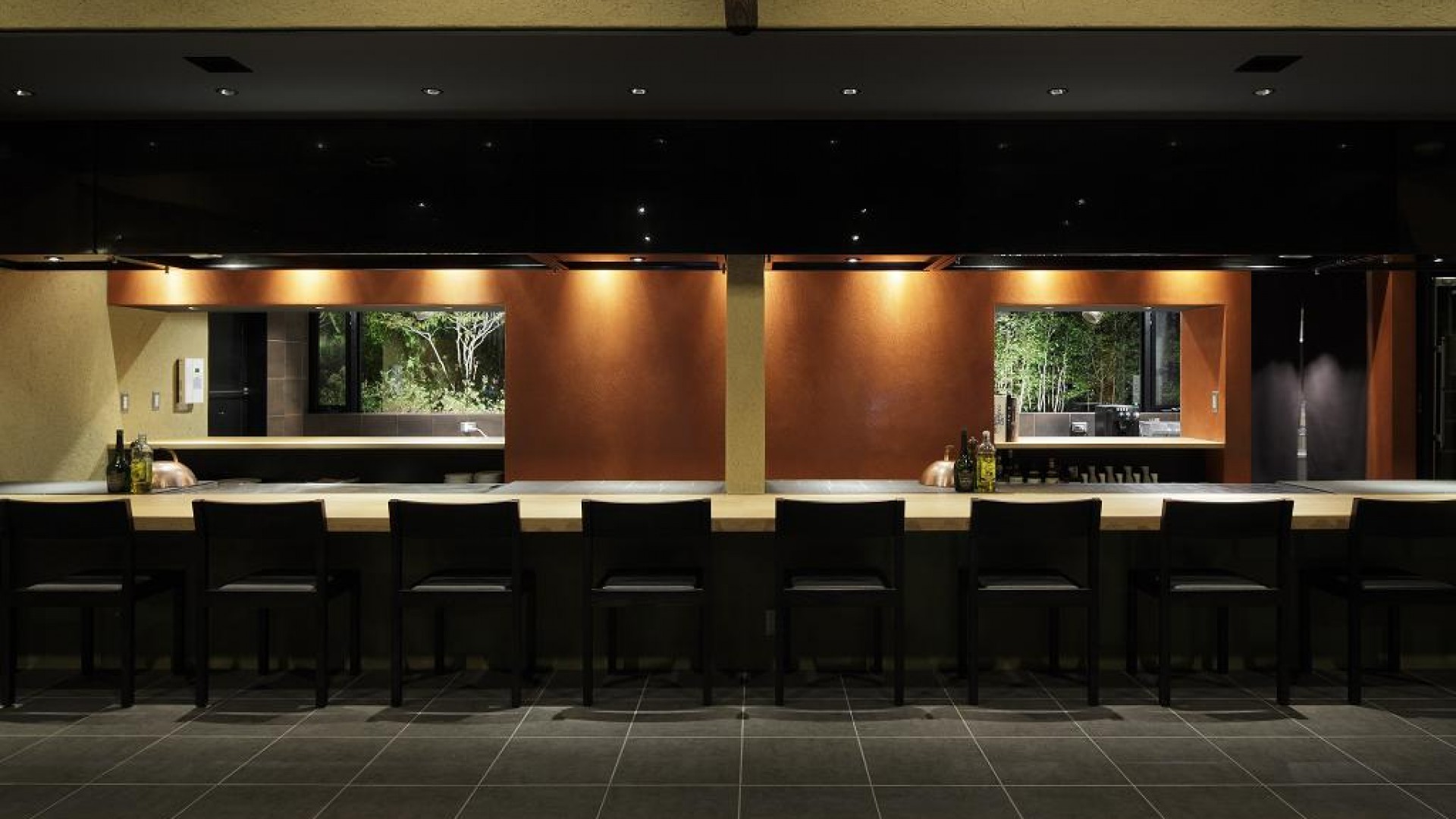
Super Chef NOBU, Nobuyuki Matsuhisa and ITOH DINING has colaborated and opened a completely style restaurant in Hakone, Gora. Kobe beef, seafood from Sagami Bay and Hakone Mishima vegetables are used affluently in this Teppanyaki style menu. Gora Brewery and Grill is also in Hakone, Gora. The restaurant was designed by the LEAF award winner architect,Takushi Nakamura. The LEAF award is one of the awards of International Architects awards. In Gora Brewery, you can enjoy Nobu style dishes with a craft beer.
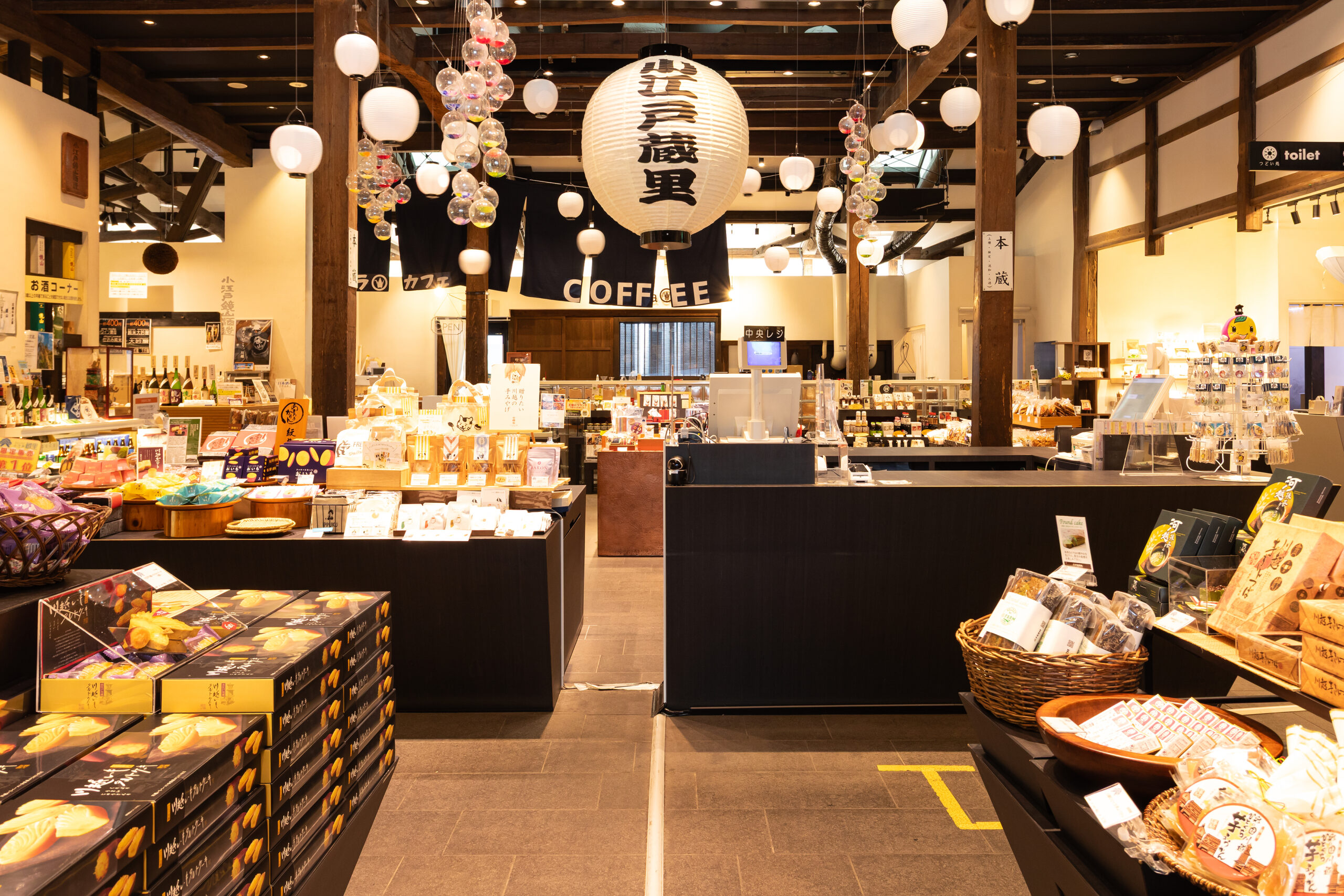
Step into a about 120-year-old sake brewery transformed into a vibrant cultural hub where you can taste premium Saitama sake, shop for regional specialties, and dine on local cuisine—all within three historic kura storehouses designated as National Tangible Cultural Properties.
Discover Urayasu's rich maritime heritage at this immersive community museum, featuring a full-scale recreation of a 1952 fishing town complete with wooden houses, narrow alleys, and authentic cultural exhibits.
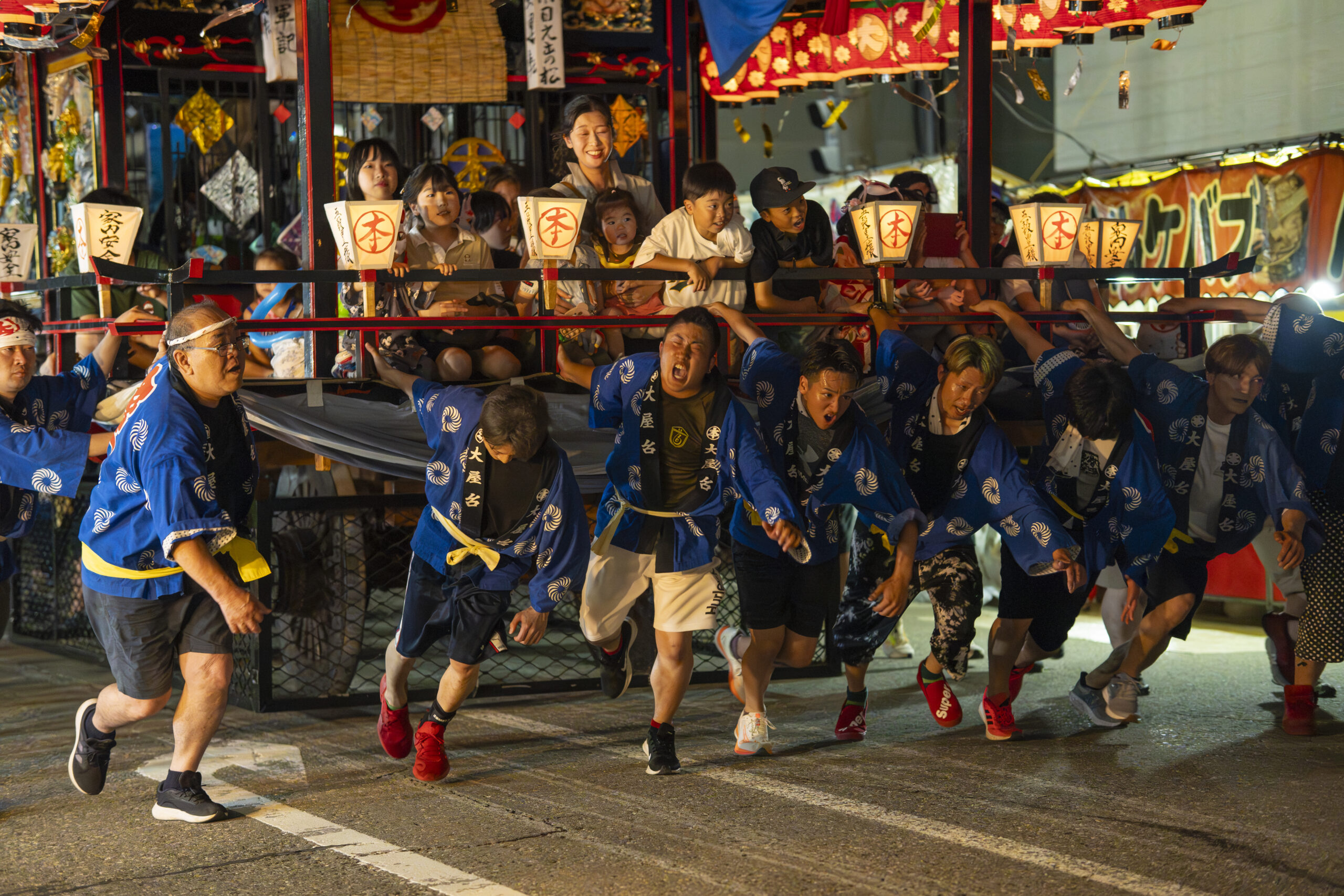
With a history spanning more than 800 years, this great summer festival is a testament to Japan’s reverence for the most beautiful traditions.
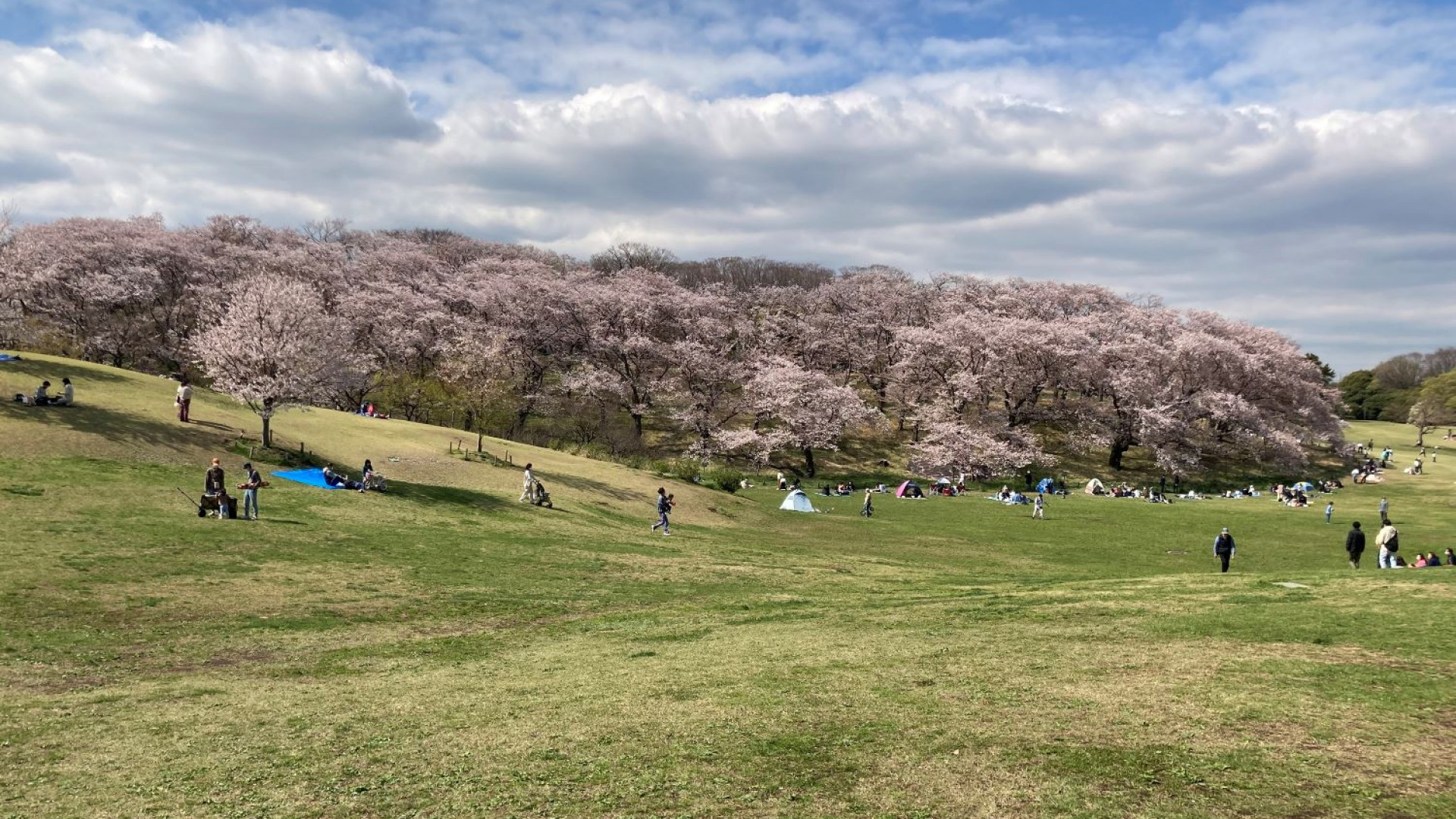
Negishi Forest Park was established in 1866 as the first permanent facility in Japan where Western-style horse racing was held and sponsored by a foreigner's club. It was the largest racecourse in the East and was always crowded with people until it closed in 1943 due to the war. It was later opened in 1977 as a forest park and featured a large lawn at its center. Come watch the four seasons pass with the changing foliage. The park becomes especially crowded during cherry blossom season.Negishi Park is a happening place during cherry blossom season, however, no matter what time of year you need to visit the Equine Museum of Japan. This museum is not only about history, but also houses the imperial carriage and many retired racehorses.
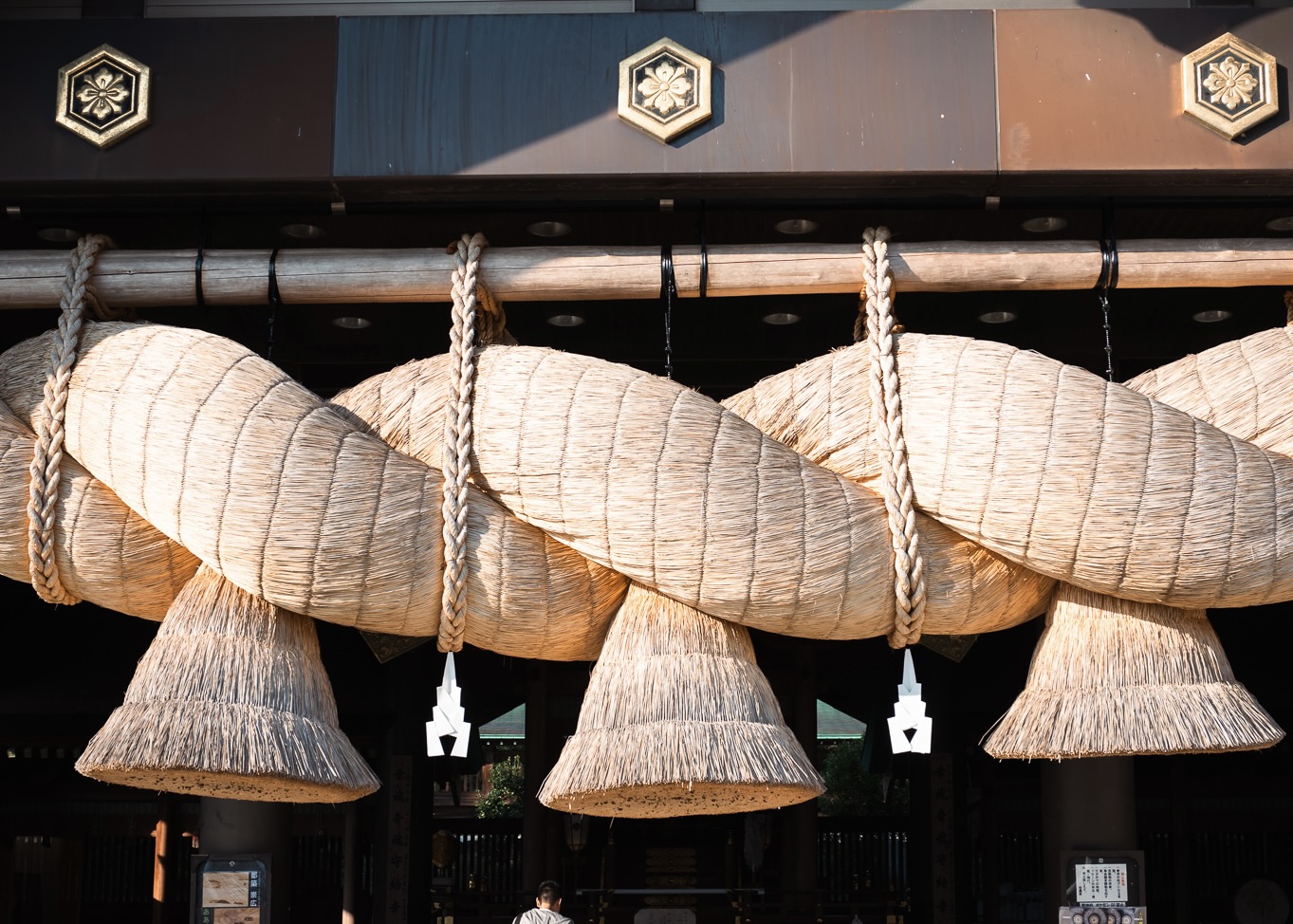
Hitachinokuni Izumo Taisha stands on a hillside in Kasama City, bringing the traditions of Izumo Taisha to the Kanto region.
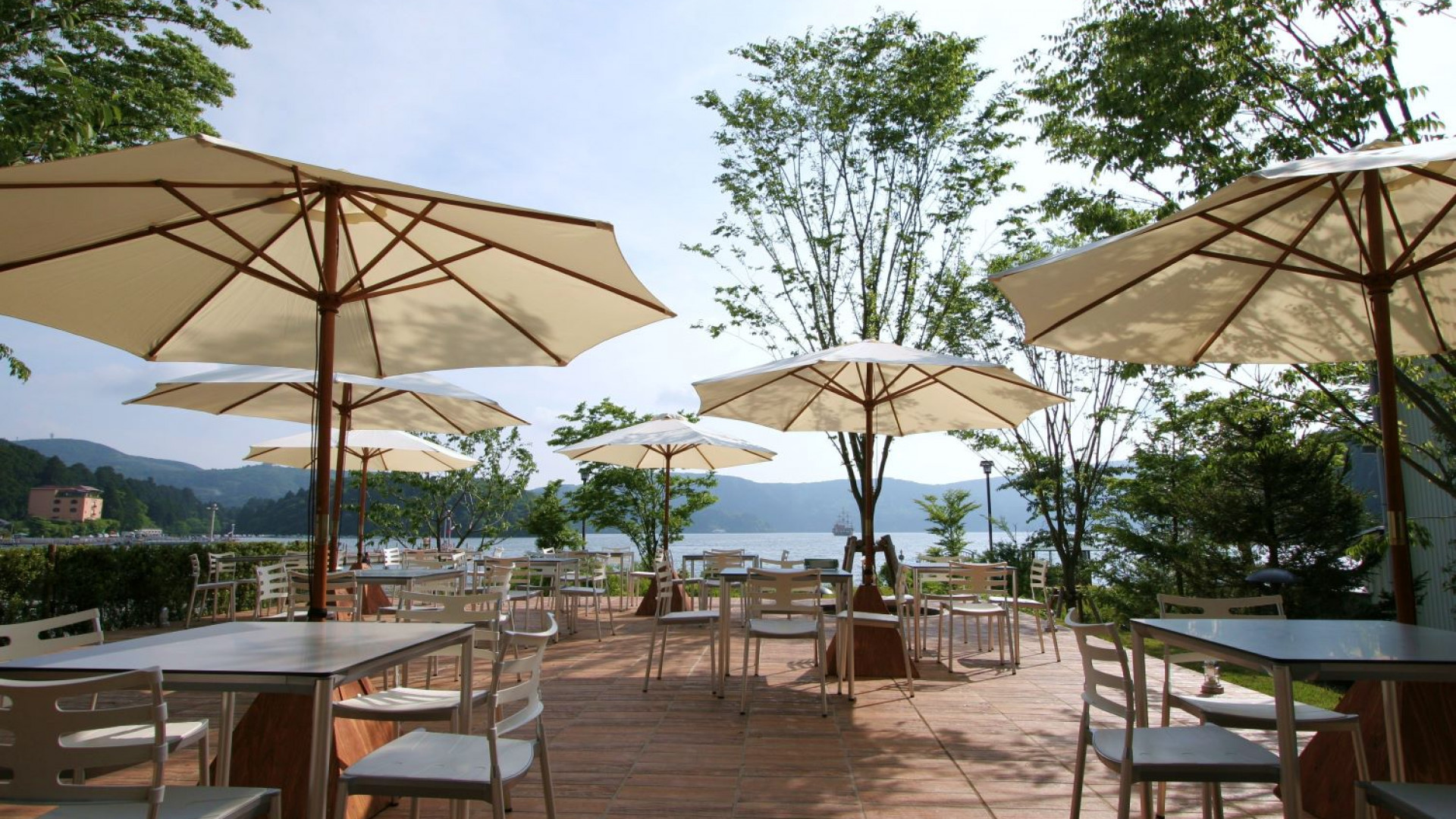
Pizzeria in harmony with Ashinoko's rich nature. You can savor 30 types of Napolitan pizza cooked using a stove from Italy, Italian cuisine using fresh fish provisioned from Odawara and Numazu port as well as vegetables from Hakone Nishifumoto, with local wine and cheese!
On the shores of Lake Ashi, Hakone Sekisho evokes Edo-period travel. Inspired by the relief and awe of travelers who gazed upon Mount Fuji, a single step inside draws visitors into their world.
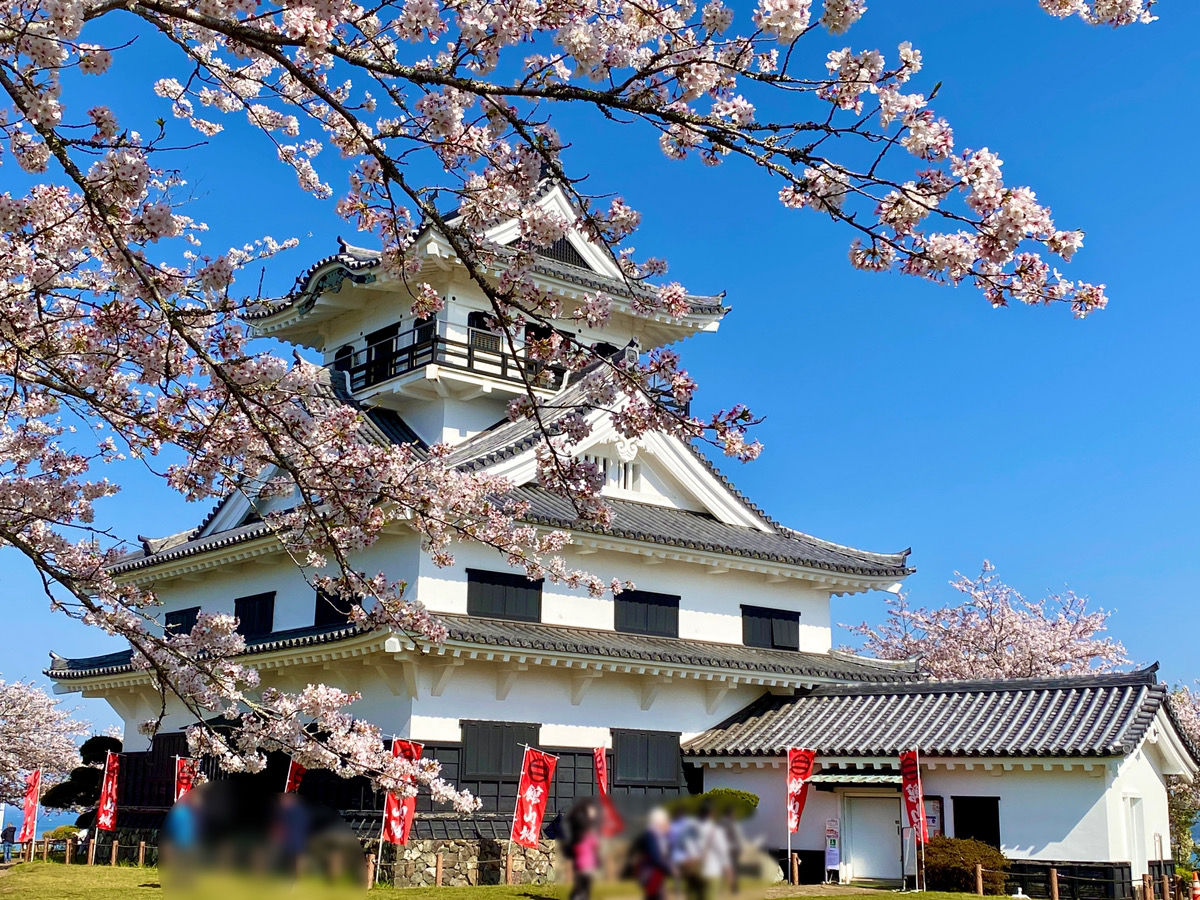
Experience the perfect blend of history and nature at Shiroyama Park, where Tateyama Castle stands, built on the ruins of the former castle site, over beautiful seasonal gardens and harbor views in southern Chiba Prefecture.
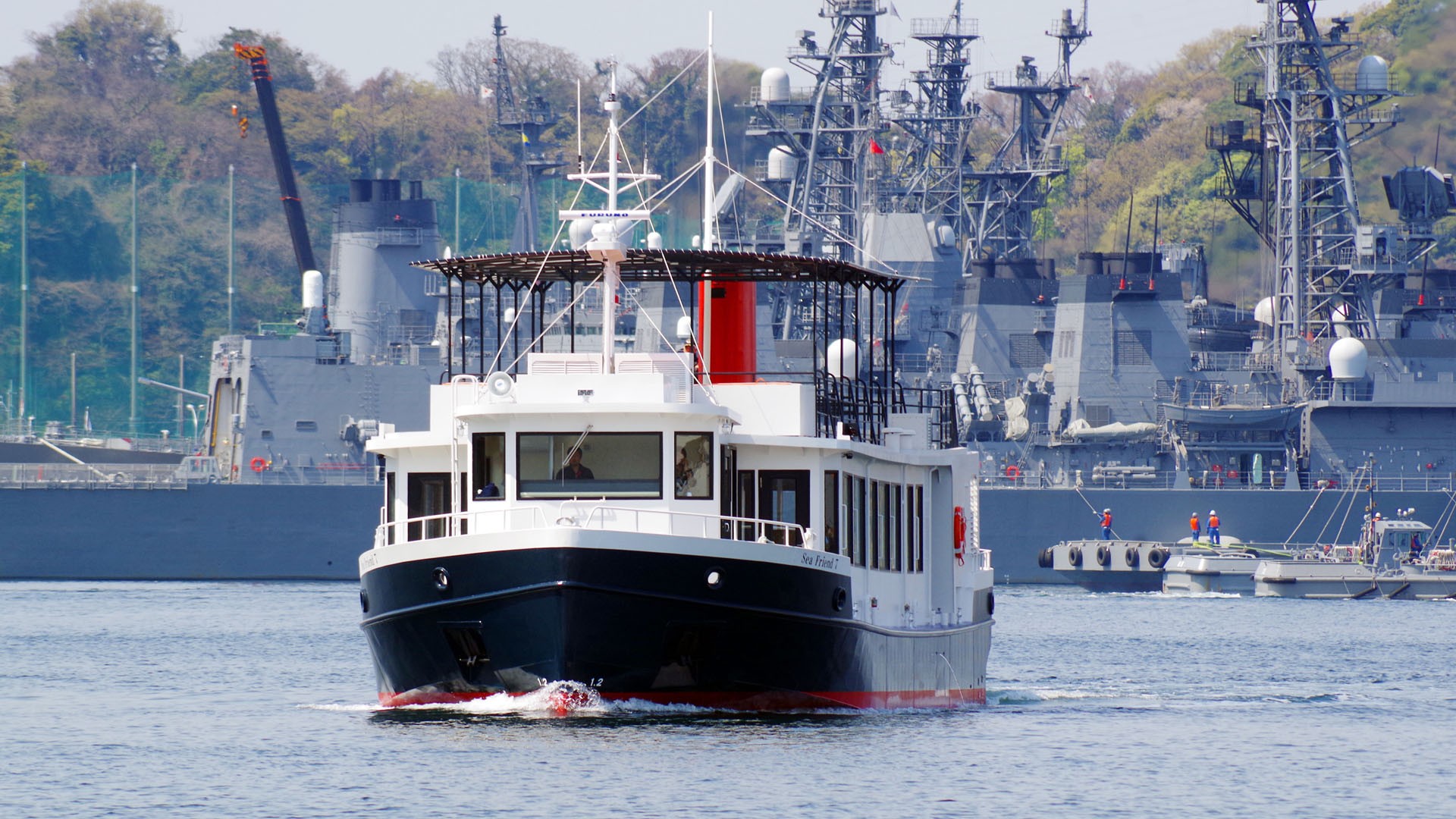
Yokosuka Port has developed as a naval port ever since the American vessels commanded by Commodore Matthew C.Perry landed in Japan 160 years ago. Yokosuka is known for having the U.S. Naval Base United States Fleet Activities Yokosuka, and the headquarters of the Marine Self-Defense Force. In this cruise, you can enjoy a tour of these facilities as well as an up-close viewing of the battles ships used by the U.S. Navy and Japan’s Marine Self-Defense Force. To see U.S. Navy and Japanese Maritime Self-Defense Force ships up close take the Yokosuka Naval Port Cruise. Make sure to pick up the English brochure as the cruise guide presentation is in Japanese only, but well worth the ride.
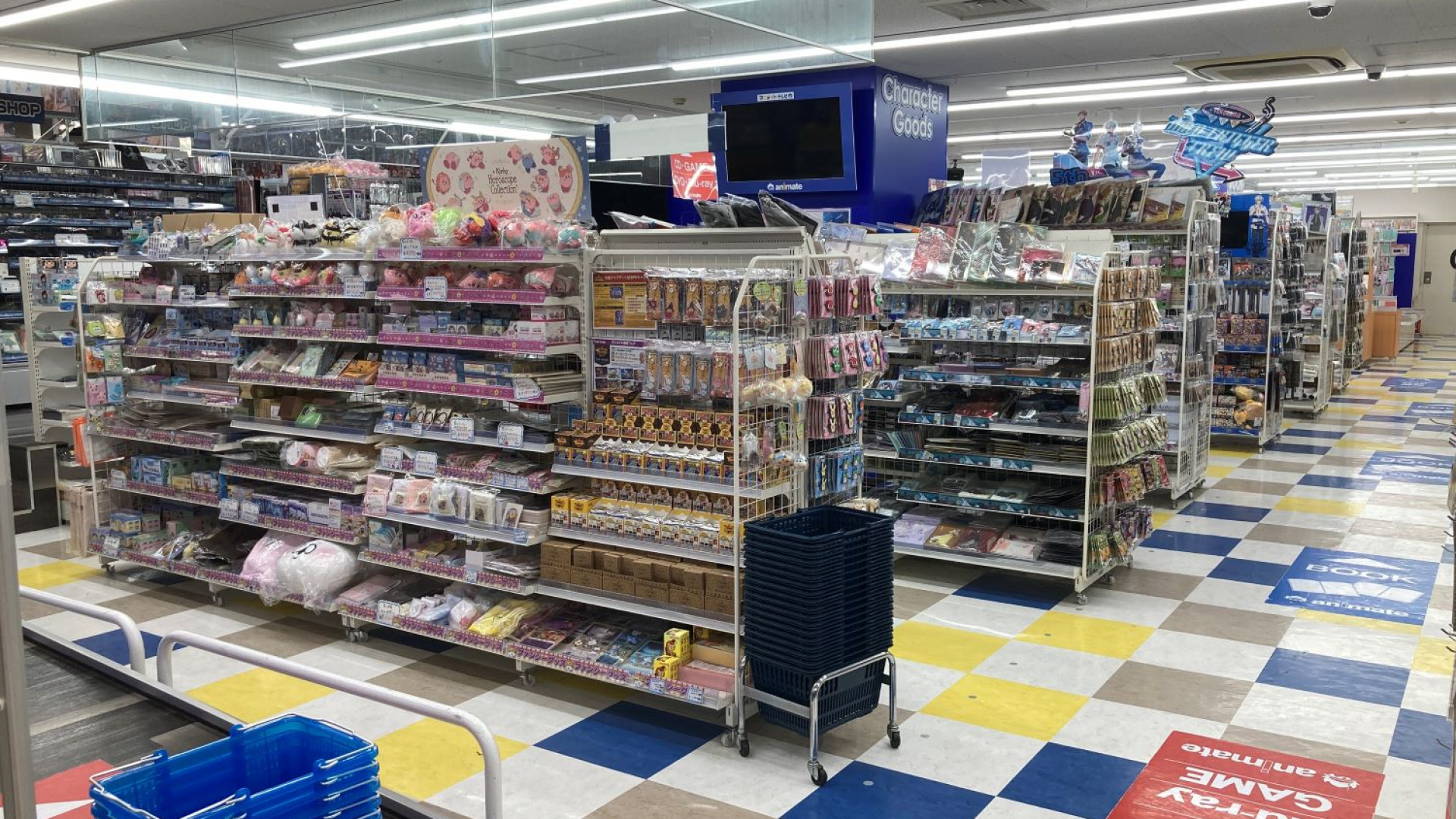
We are open at Yokohama VIVRE 8F (Yokohama Station West Exit)! Come and visit us for all your comic, manga, light novel, character goods, trading cards, anime goods (such as candy toys), games, CDs, DVDs, and Blu-ray needs. Our selection of anime goods is the largest in the area, plus we have a store-exclusive area in-store! After perusing, why not stop by our cafe, Cafe Gratte? We look forward to your visit!
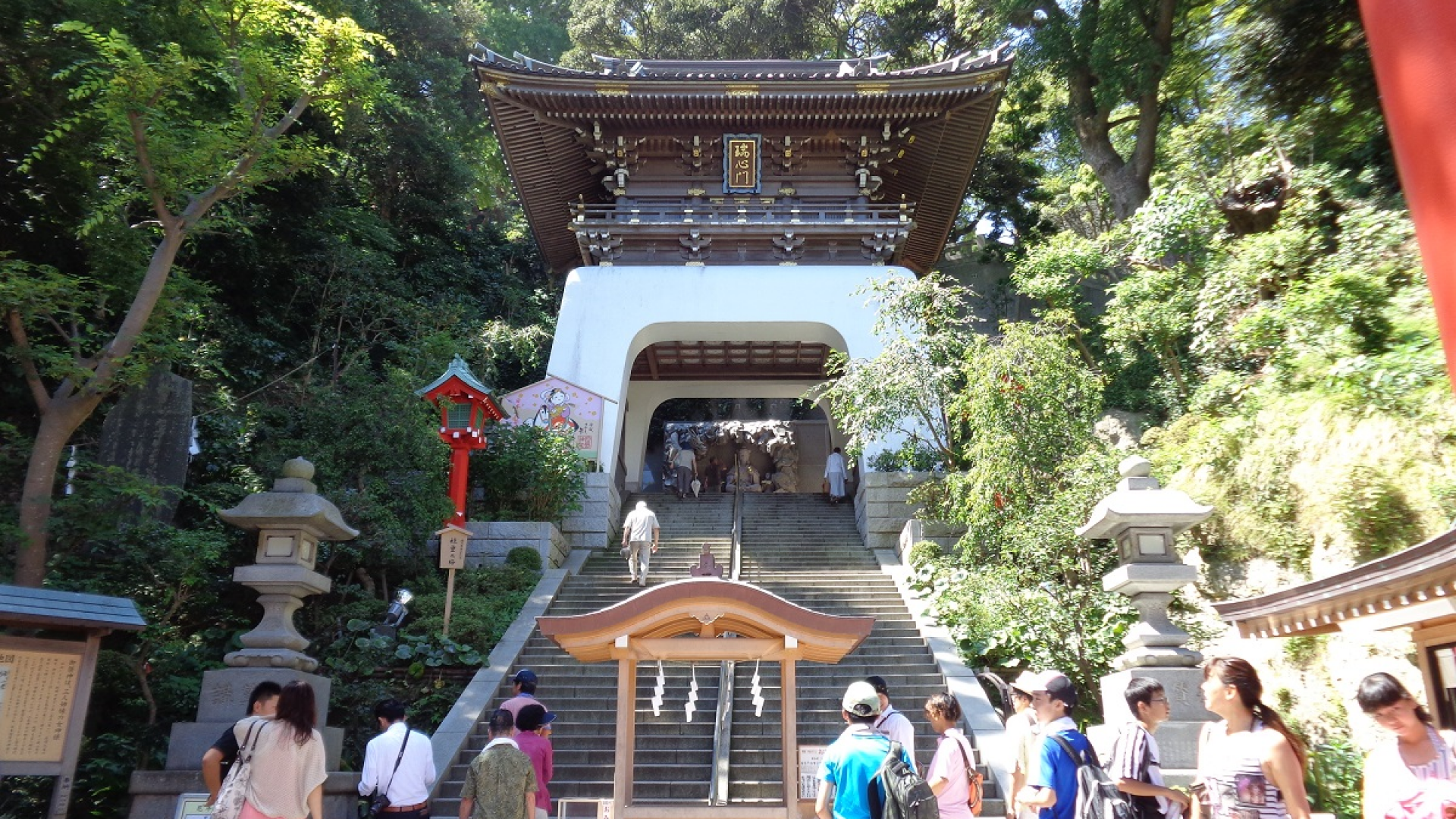
It is a general term for three shrines, Hetsu-miya, Nakatsu-miya, and Okutsu-miya. Each shrine enshrines three sister goddesses, as well as eight-armed Benzaiten and Myon Benzaiten, part of Japan's three major Benzaiten.
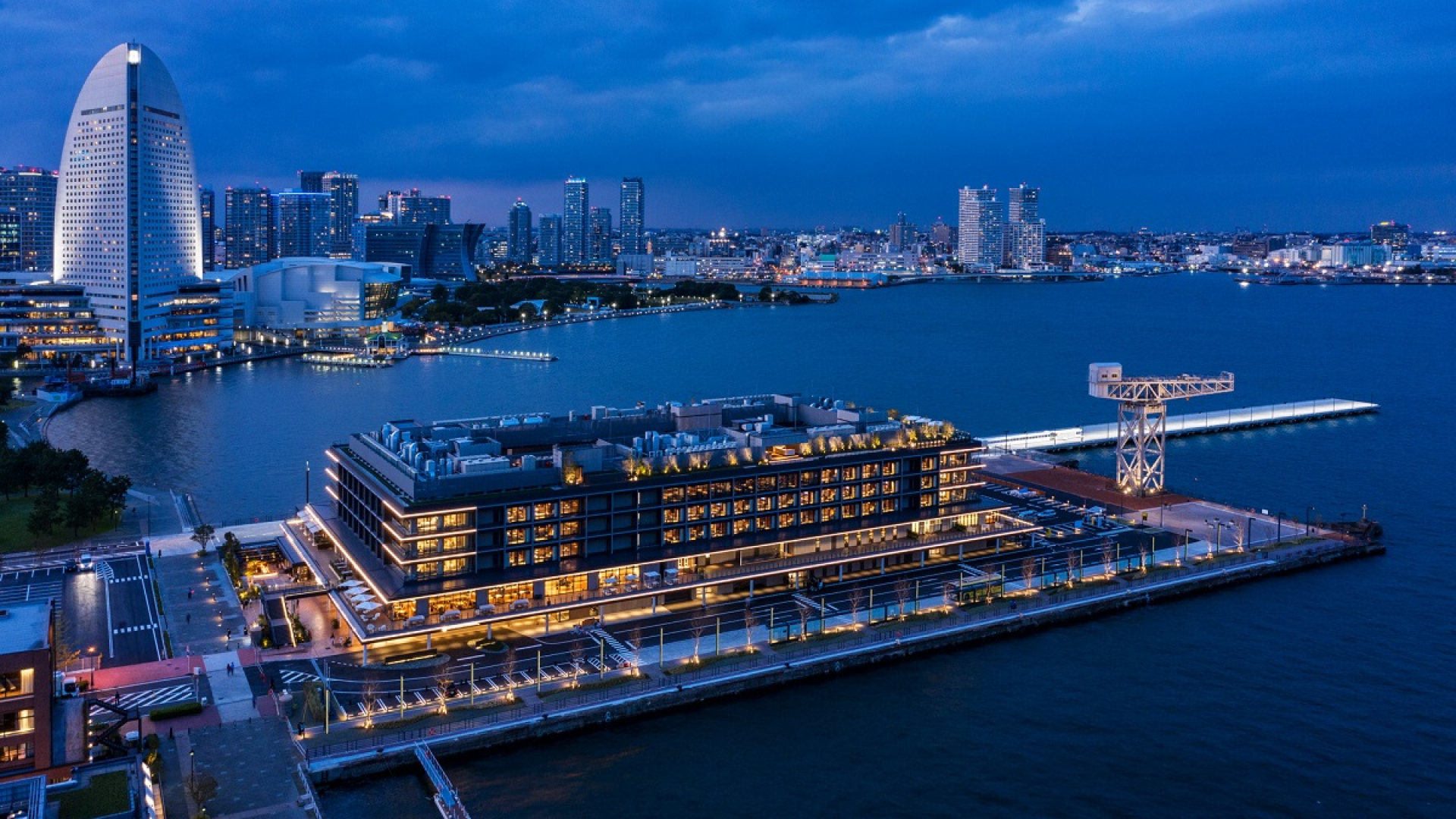
For a one of a kind experience, visit Kamakura Beniya Kurumicco Factory where you can make your own Kurumicco, a popular caramel and chestnut dessert. Watch the masters at work, and then try your hand at crafting the delicious treat. Leave with the perfect souvenir, your handmade Kurumicco, and be sure to stop by the factory’s cafe to refuel with sweets and drinks before exploring the rest of Yokohama Hammerhead.From Hammerhead Park, enjoy the night view of Minato Mirai and the factory area.
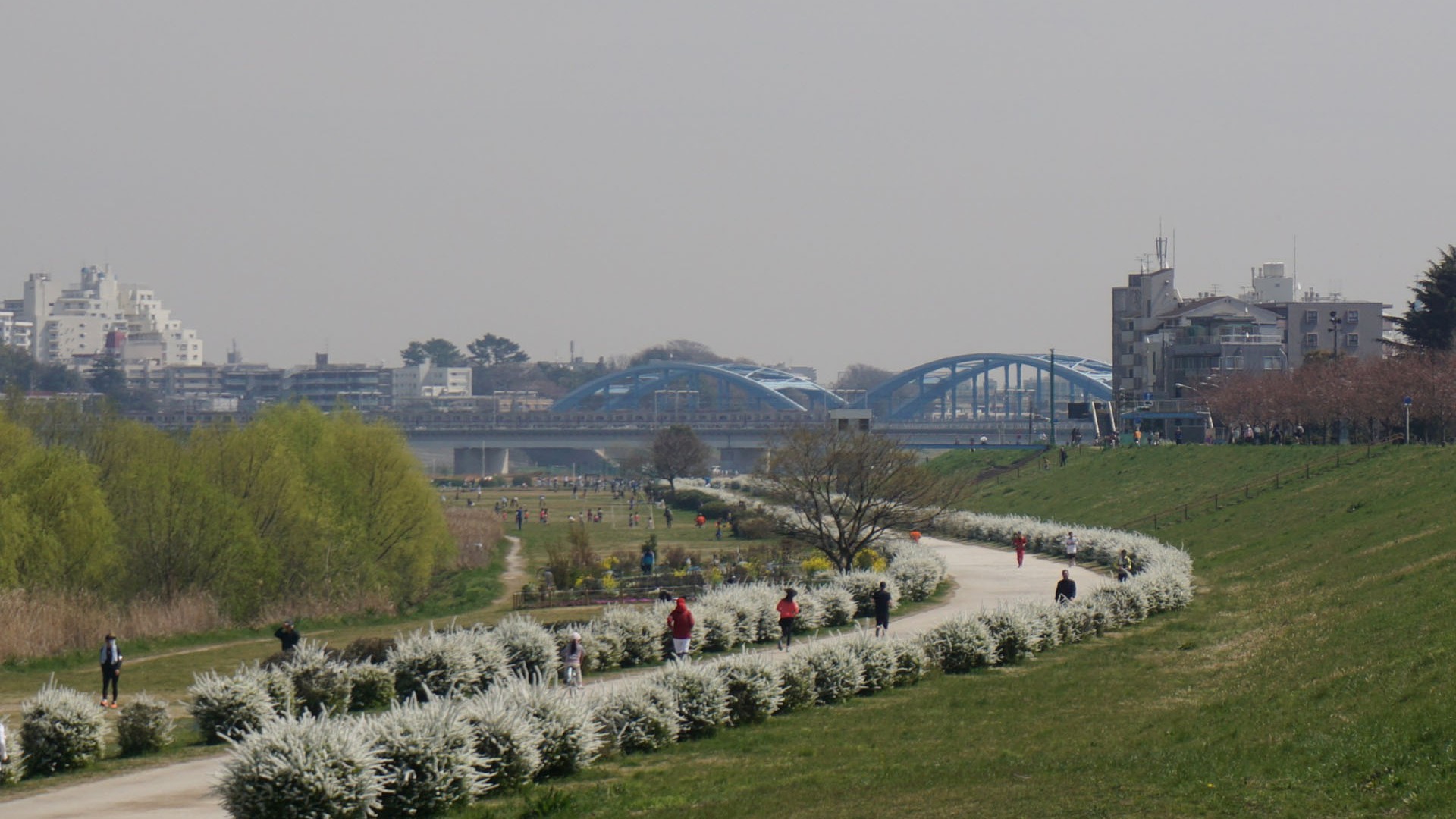
The river tearrace that surrounds the Tama river in Kawasaki City has a baseball field, soccer pitch, multipurpose area, and half marathon course. It is a place for sports and recreation for the local community.