
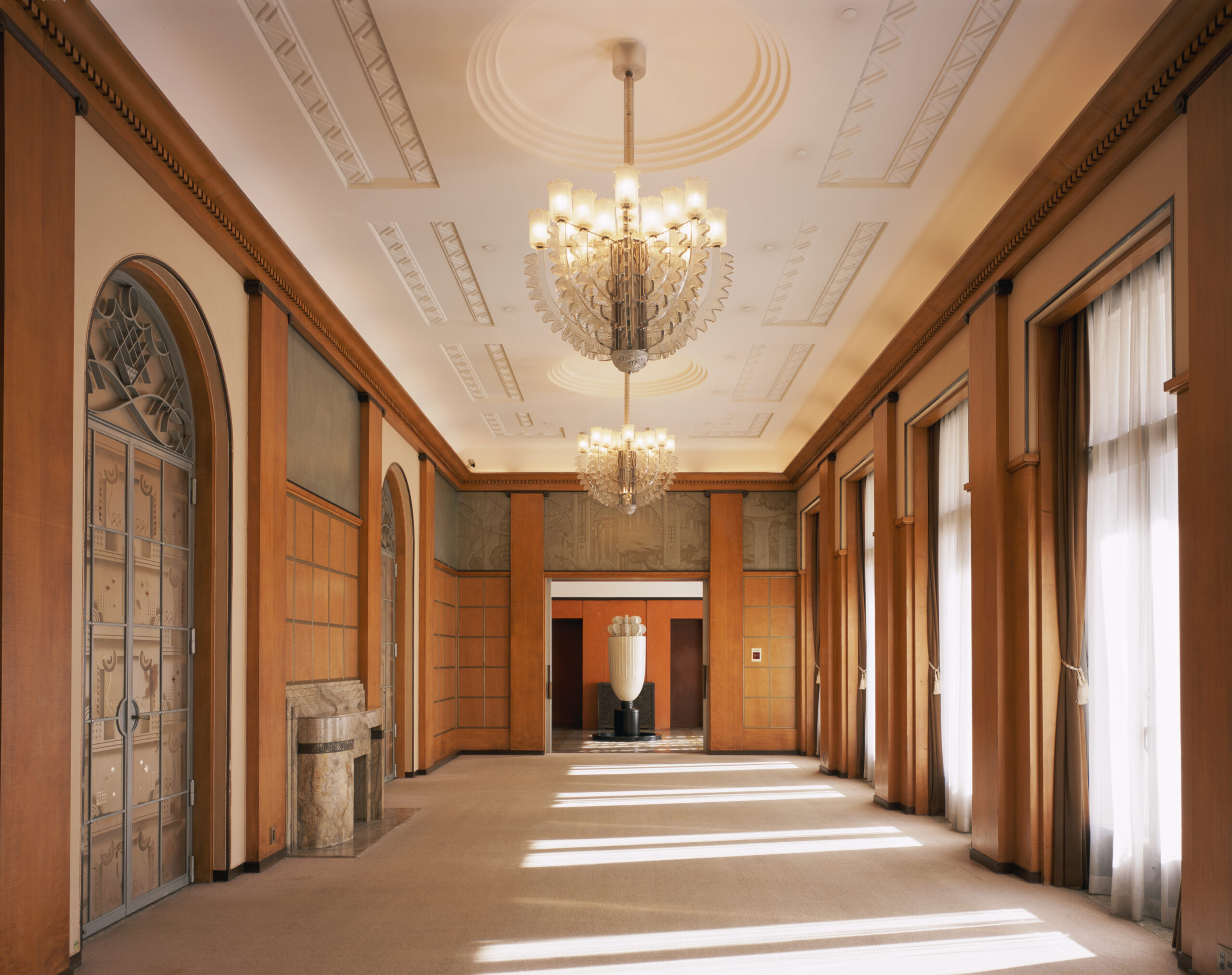
Tokyo Metropolitan Teien Art Museum
The historic former residence of a prince transformed into an art museum.
Total: 1715 items
The historic former residence of a prince transformed into an art museum.
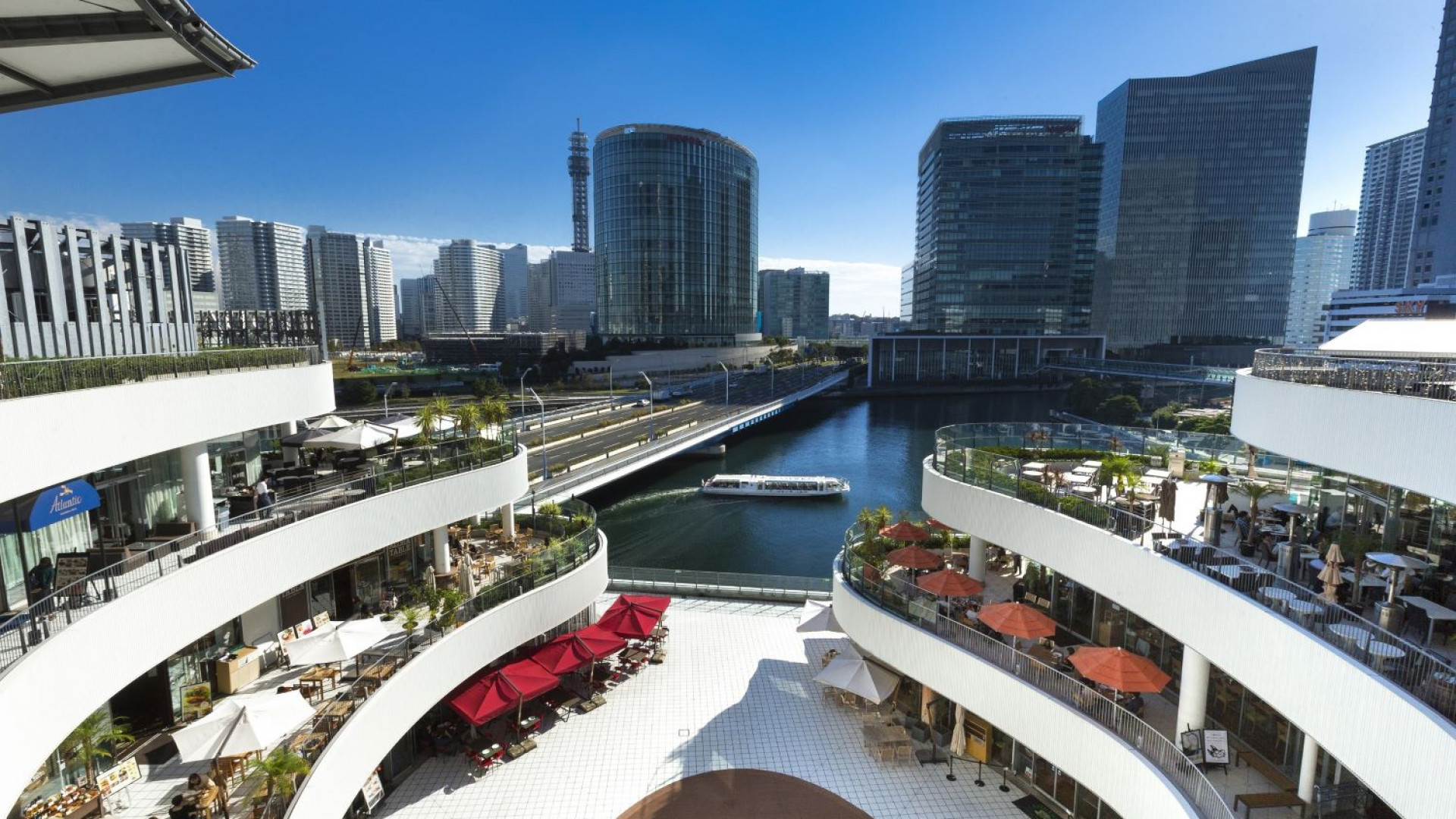
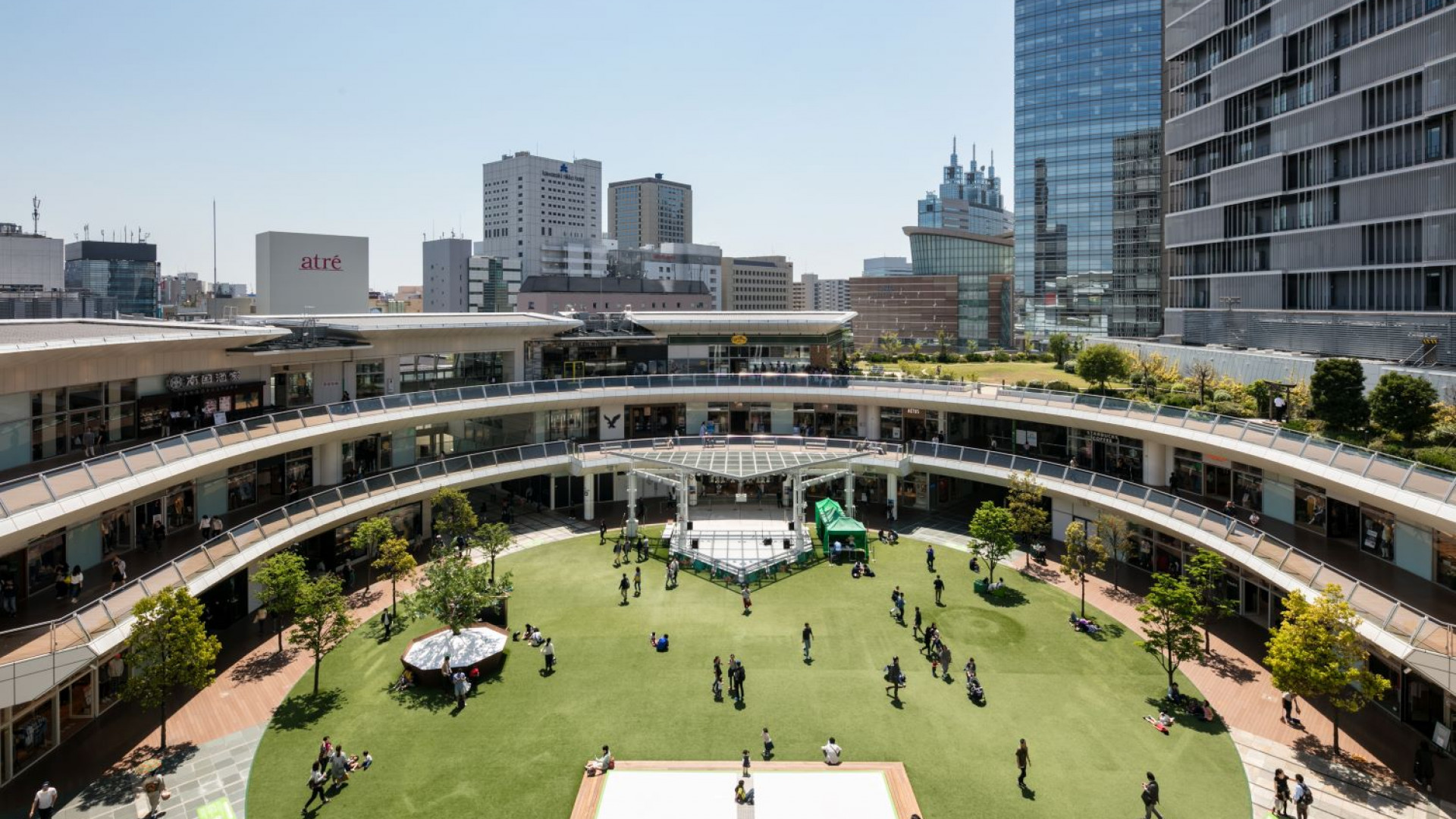
A 3-minute walk from the East Exit of Yokohama Station, this shopping mall allows visitors to enjoy shopping and dining while feeling the sea breeze. The open-air shopping mall, decorated in the motif of a cruise ship, has about 80 stores, including restaurants with terrace seating and unique stores. There is also a "Sea Bus" stop, a water bus that connects Minato Mirai, the Red Brick Warehouse, Yamashita Park, Chinatown, and other sightseeing spots in Yokohama.Illumination events will be held from November to December. A real fir Christmas tree will be decorated in the plaza, creating a romantic atmosphere along with the illumination.
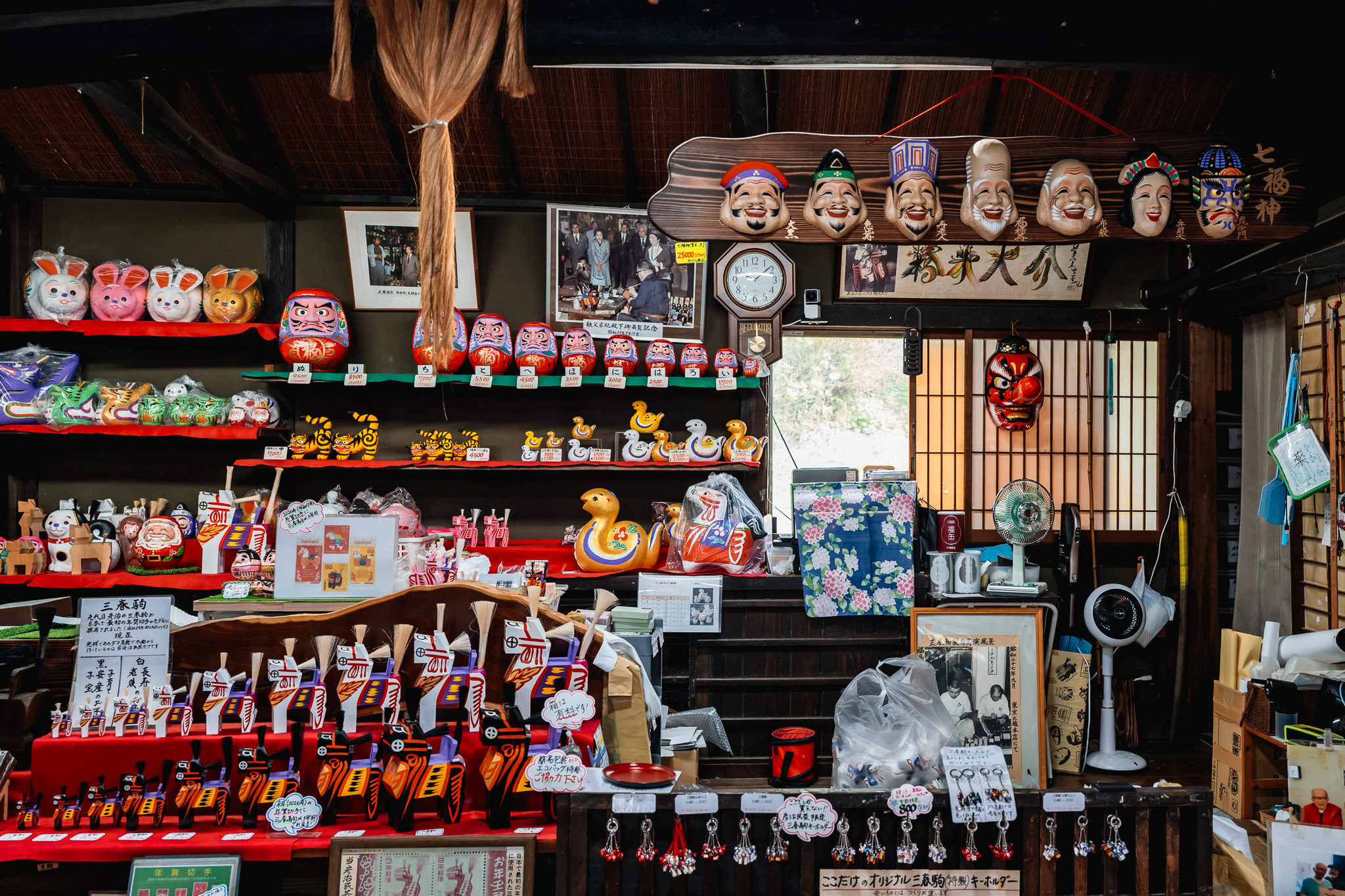
Takashiba Dekoyashiki is a historic craft village that preserves the art of toymaking.
By using the jet of a water scooter, you can experience the water sport in which you “fly by water pressure”, that is, “Aquaboard”. You can enjoy aquaboarding at a location with a splendid view, in which Mount Fuji can be seen behind Sagami Bay and Enoshima.
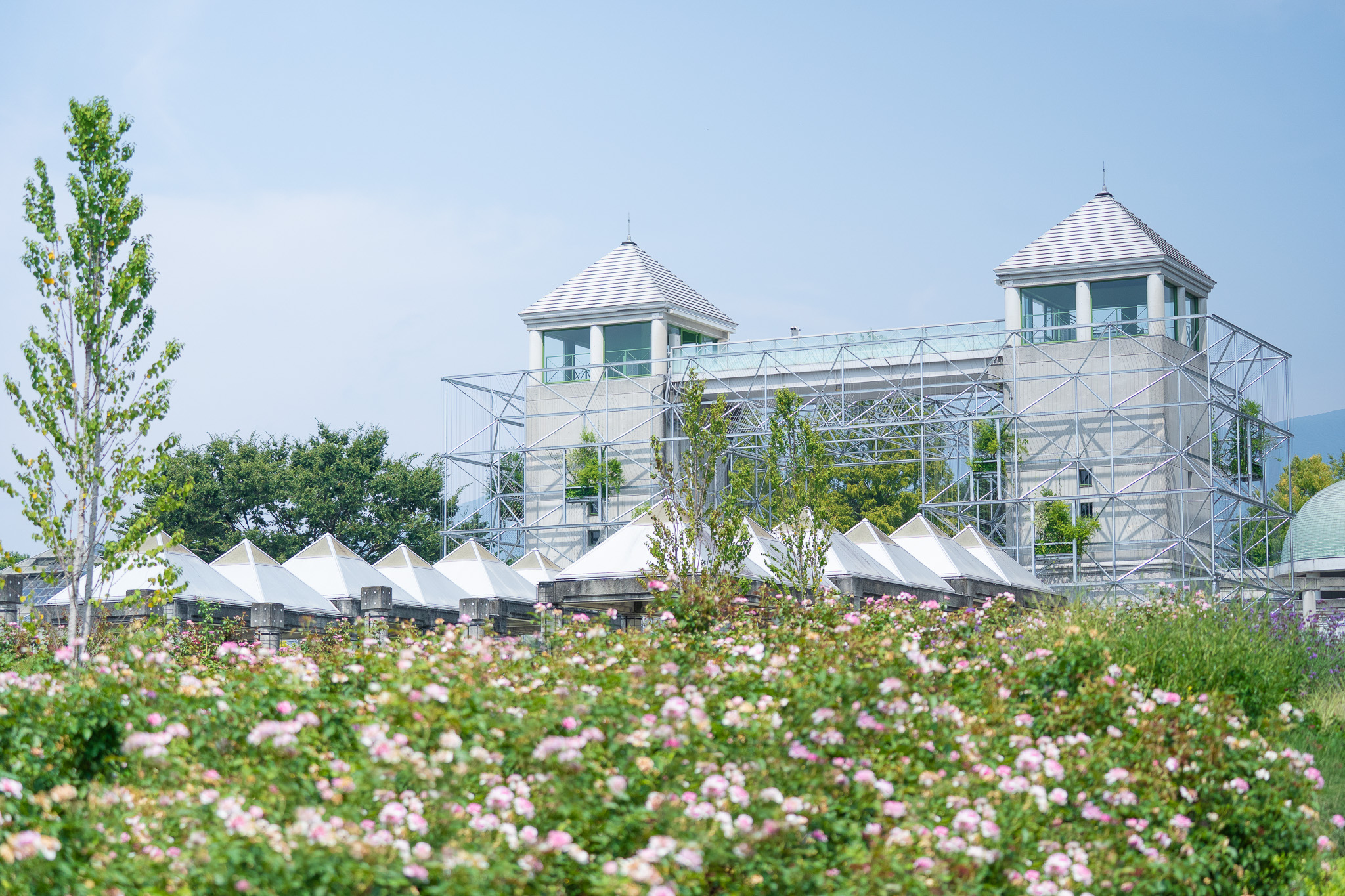
Reimagined as a space for reconnection rather than observation, Gunma Flower Park + invites visitors of all ages to engage with flowers through play, learning, and everyday experiences rooted in Gunma’s landscape.
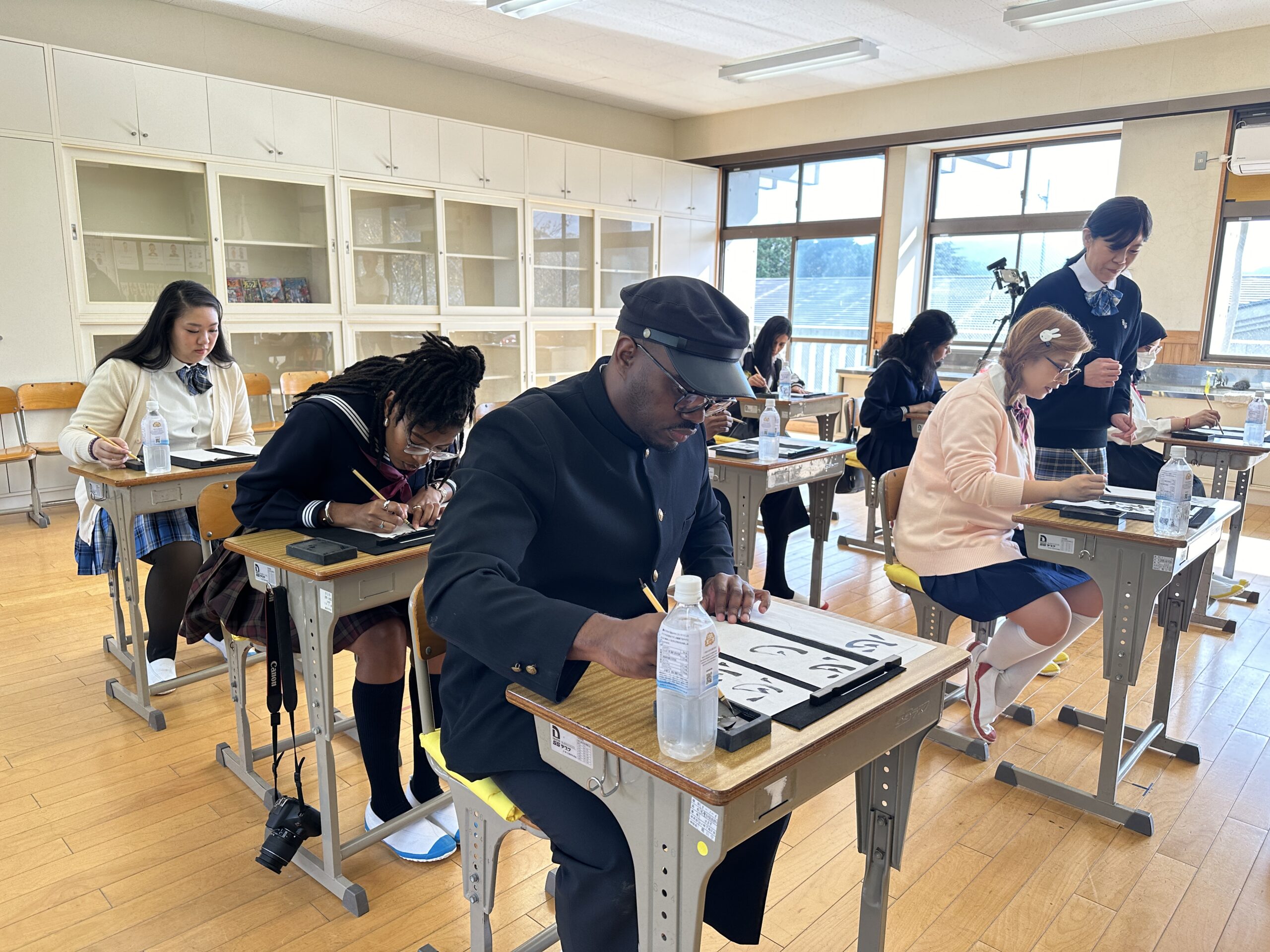
Step back in time to experience an authentic Japanese school sports day in Chiba Prefecture, complete with vintage uniforms, traditional games, and the infectious spirit of community competition.
A large-scale commercial facility directly connected to JR Kawasaki Station, consisting of specialty stores such as fashion, food, a cinema complex, and gymnasium. Seasonal events are held at "LAZONA Recreation Ground", a grassy plaza with a diameter of approximately 60 meters.
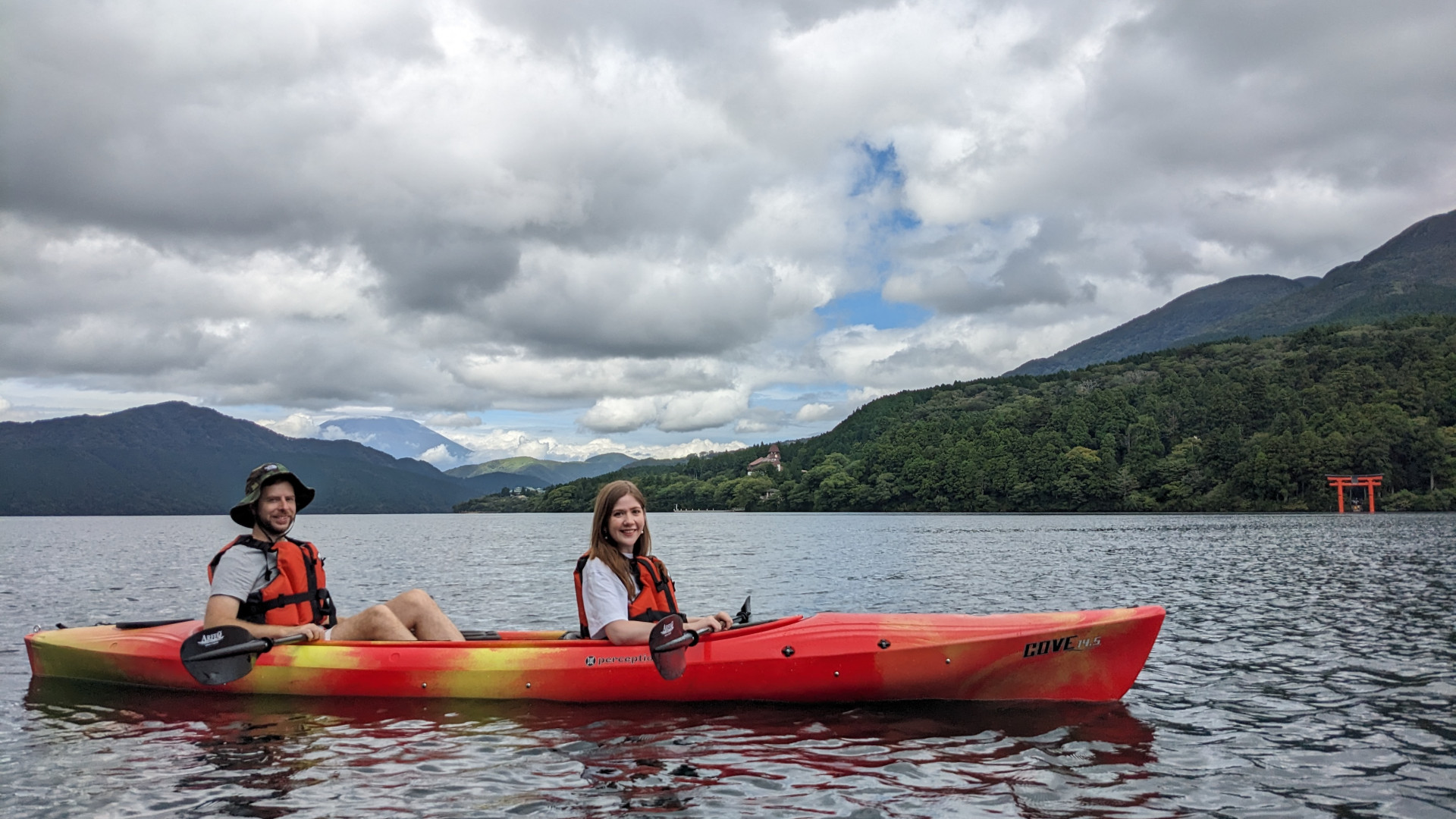
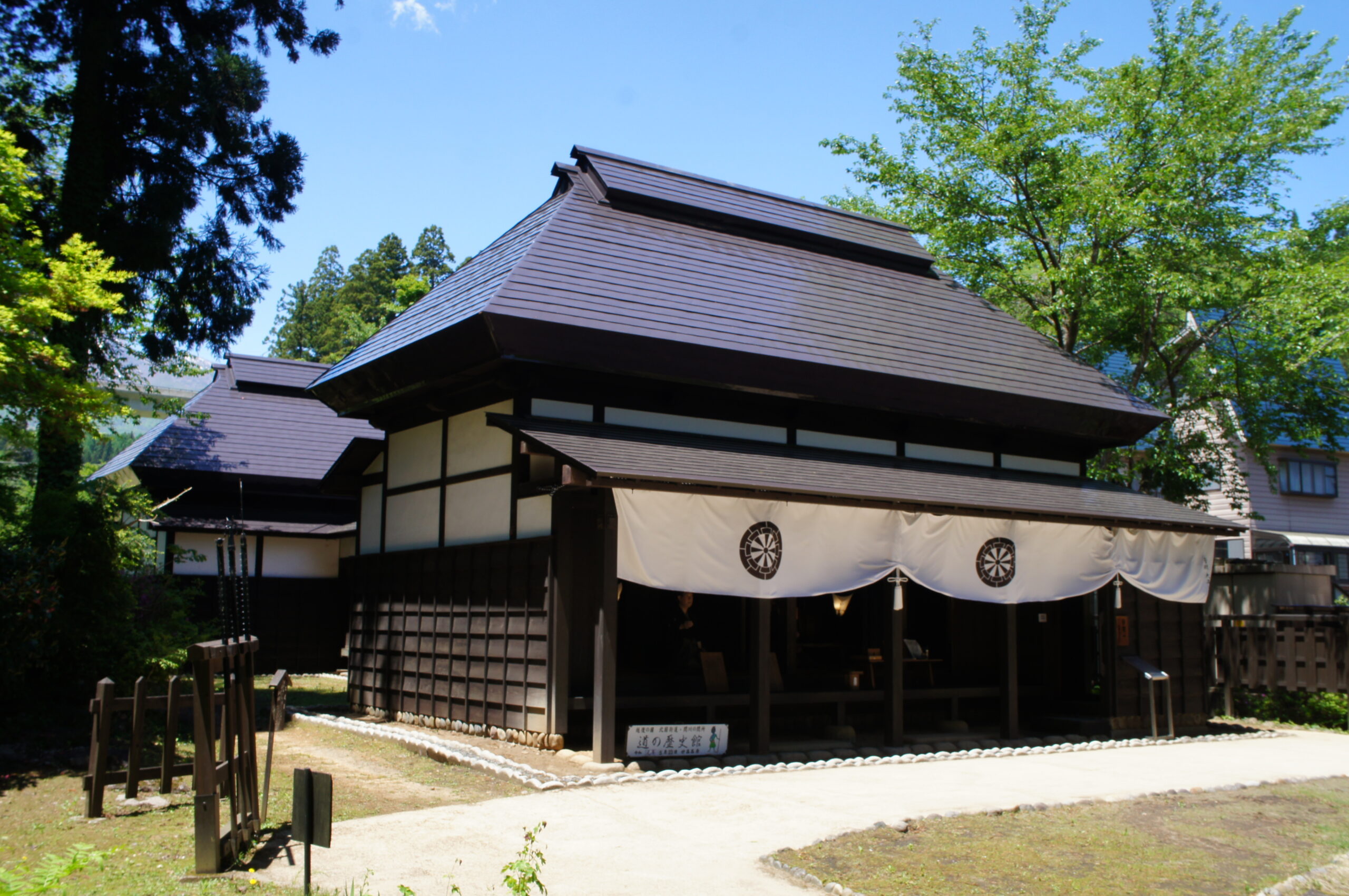
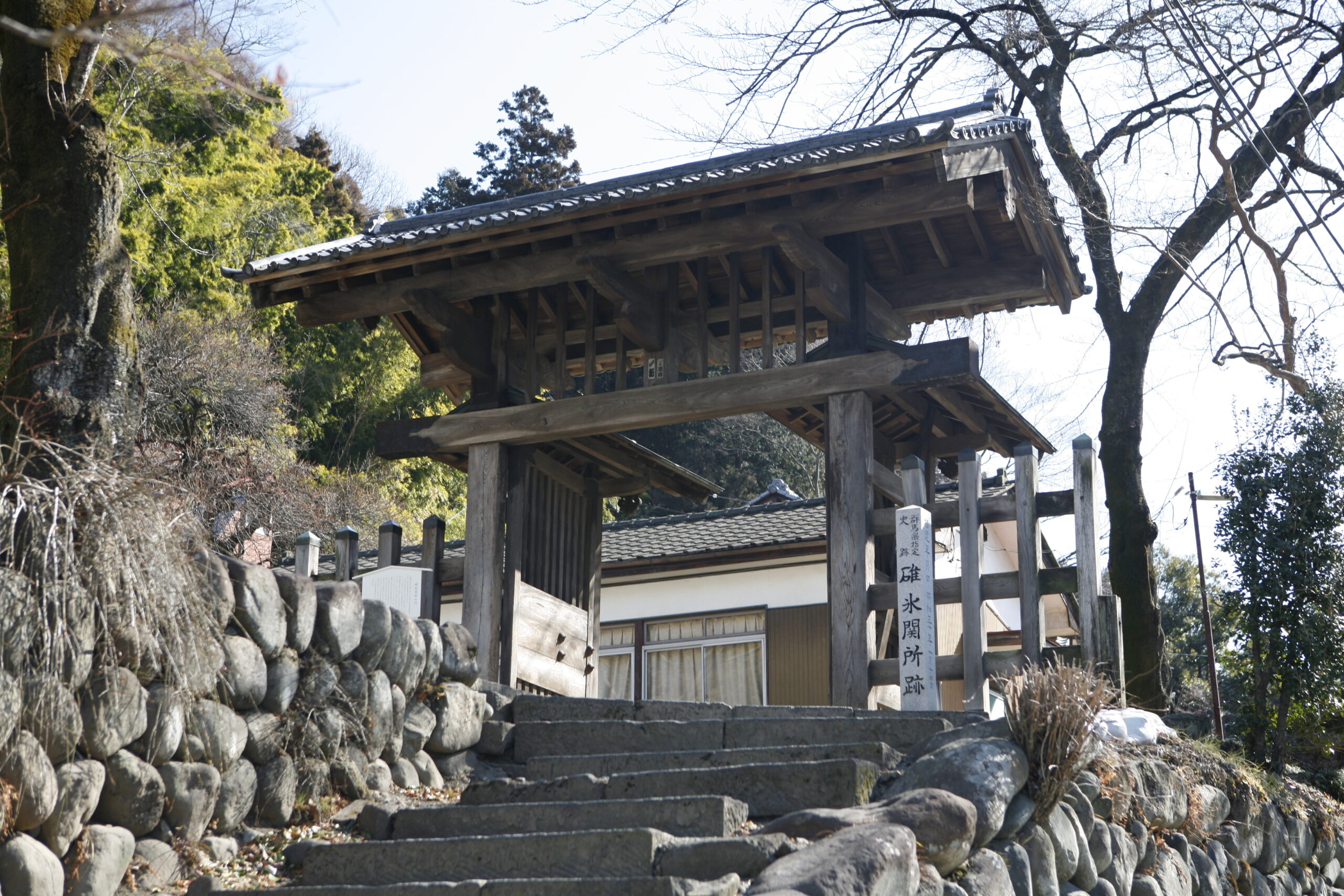
On the shores of Lake Ashi, Hakone Sekisho evokes Edo-period travel. Inspired by the relief and awe of travelers who gazed upon Mount Fuji, a single step inside draws visitors into their world.
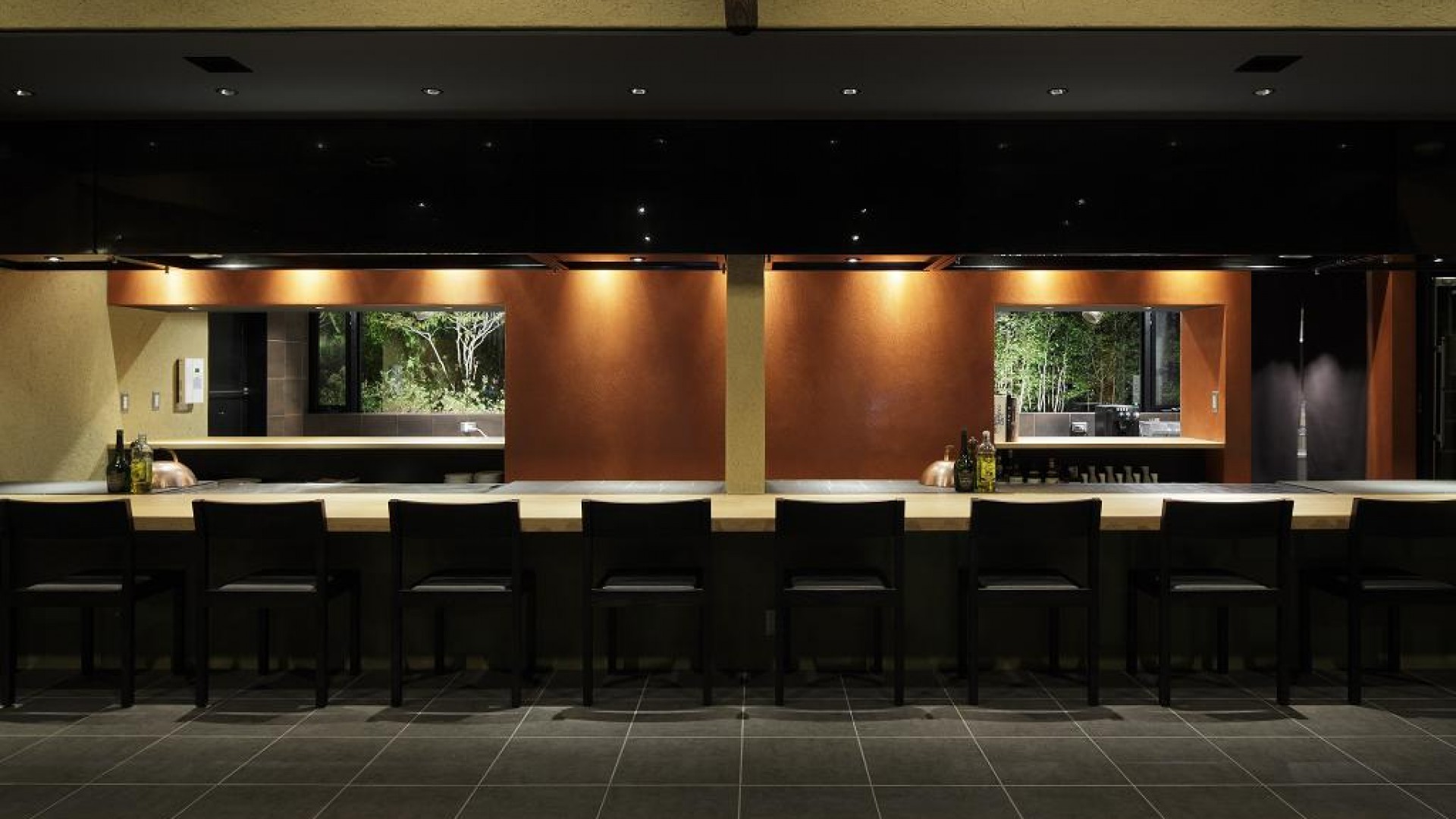
Super Chef NOBU, Nobuyuki Matsuhisa and ITOH DINING has colaborated and opened a completely style restaurant in Hakone, Gora. Kobe beef, seafood from Sagami Bay and Hakone Mishima vegetables are used affluently in this Teppanyaki style menu. Gora Brewery and Grill is also in Hakone, Gora. The restaurant was designed by the LEAF award winner architect,Takushi Nakamura. The LEAF award is one of the awards of International Architects awards. In Gora Brewery, you can enjoy Nobu style dishes with a craft beer.
Onsen ryokan Satonoyu promises serenity, privacy, and ultimate relaxation.
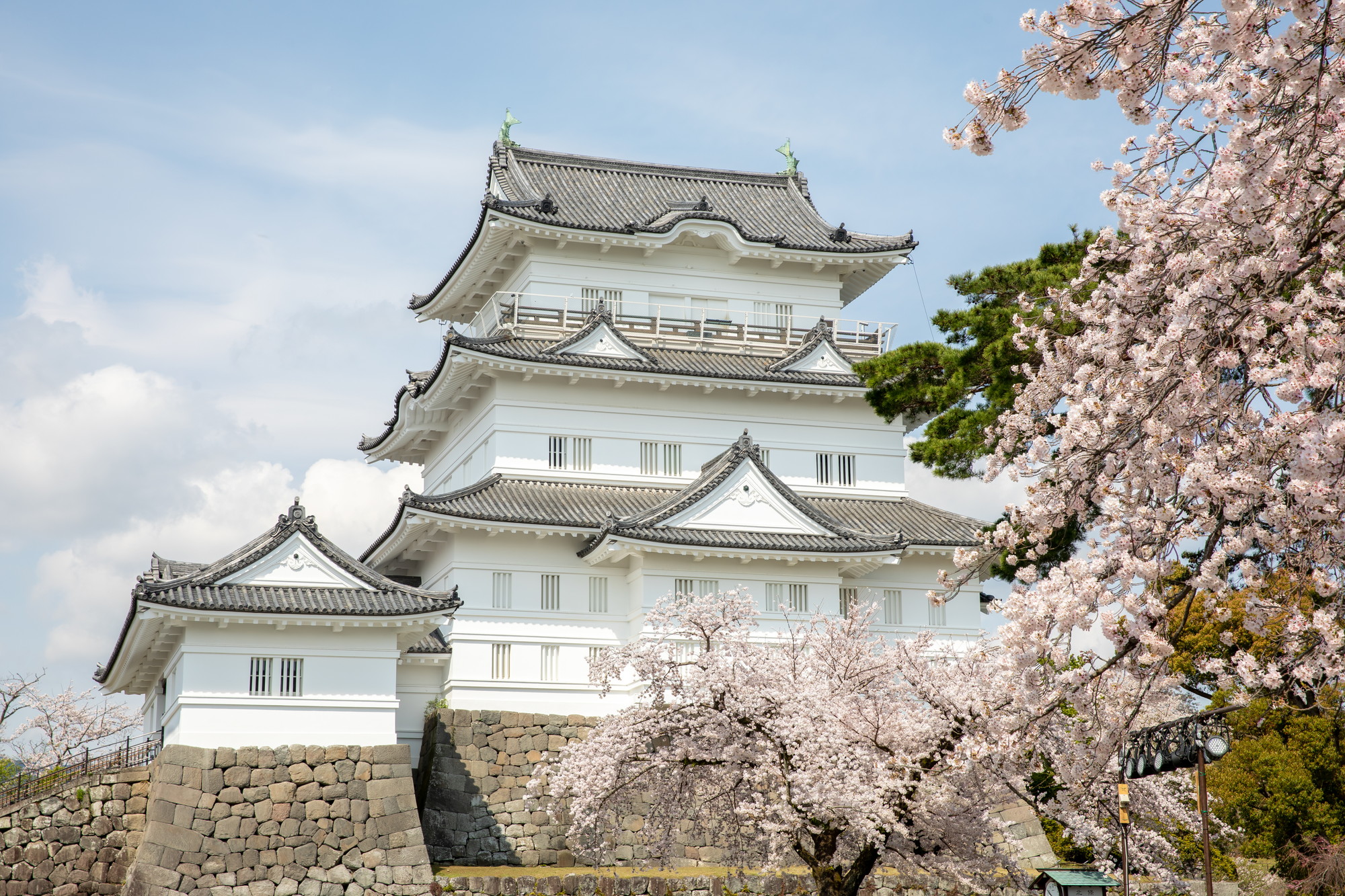
Odawara Castle blends samurai legends, cherry blossoms, and sea-breeze views, where history and nature meet—an easy escape from the Tokyo metropolitan area.
Soak in the one-of-a-kind atmosphere of Kasamori-Kannon Temple, founded in the 8th century, where a historic Buddhist sanctuary stands suspended on stilts atop a forested hill in central Chiba.
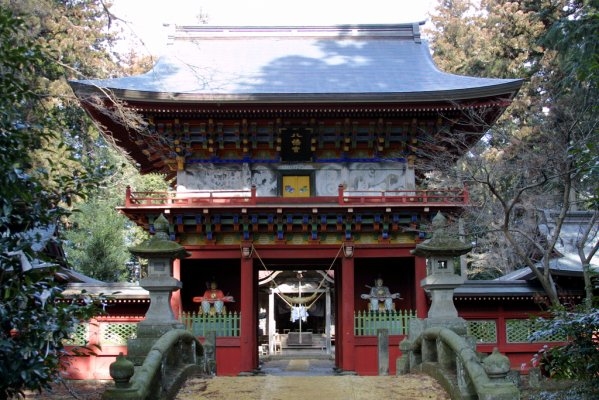
Hitachinokuni Izumo Taisha stands on a hillside in Kasama City, bringing the traditions of Izumo Taisha to the Kanto region.
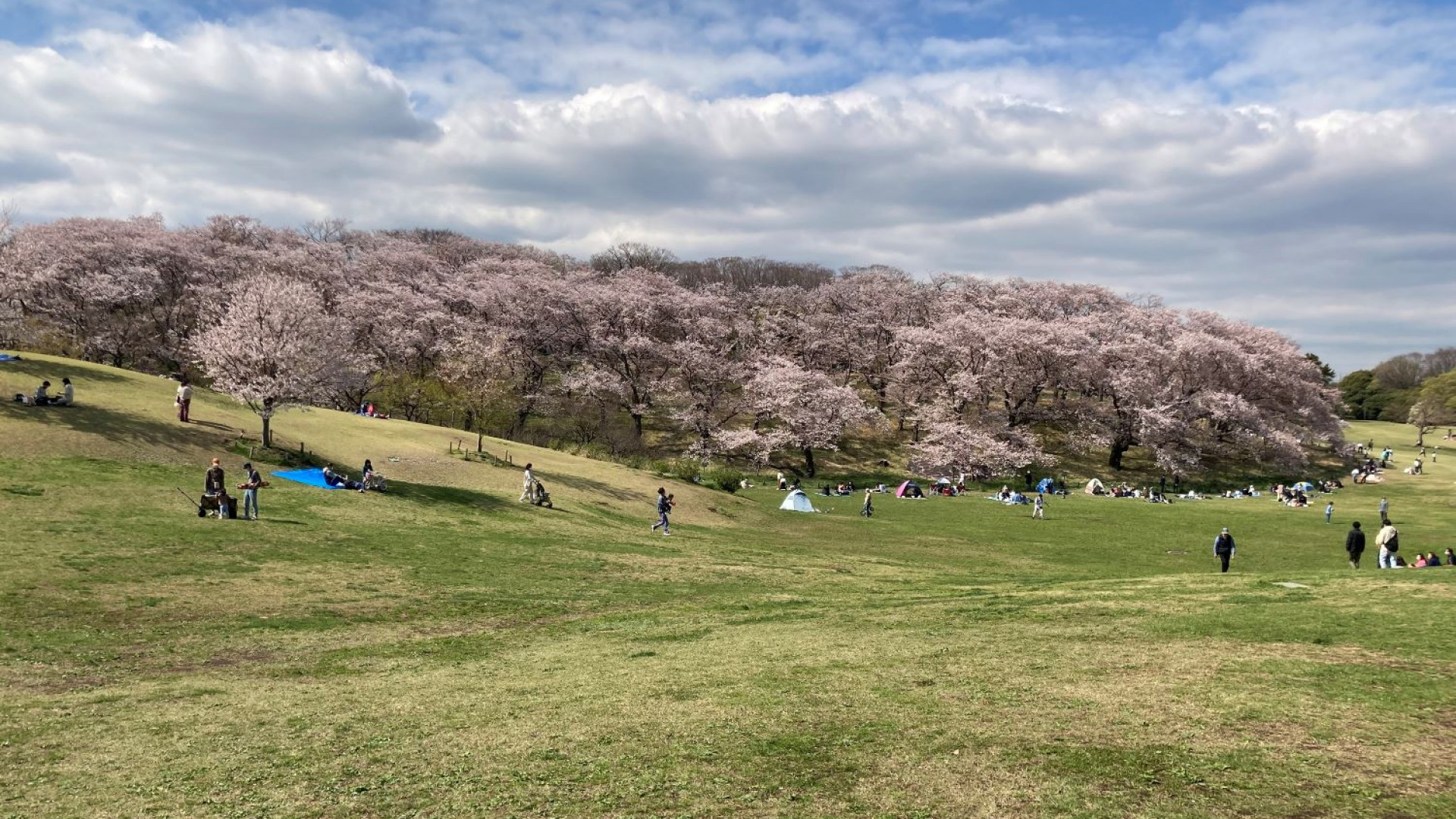
Negishi Forest Park was established in 1866 as the first permanent facility in Japan where Western-style horse racing was held and sponsored by a foreigner's club. It was the largest racecourse in the East and was always crowded with people until it closed in 1943 due to the war. It was later opened in 1977 as a forest park and featured a large lawn at its center. Come watch the four seasons pass with the changing foliage. The park becomes especially crowded during cherry blossom season.Negishi Park is a happening place during cherry blossom season, however, no matter what time of year you need to visit the Equine Museum of Japan. This museum is not only about history, but also houses the imperial carriage and many retired racehorses.
It is a general term for three shrines, Hetsu-miya, Nakatsu-miya, and Okutsu-miya. Each shrine enshrines three sister goddesses, as well as eight-armed Benzaiten and Myon Benzaiten, part of Japan's three major Benzaiten.
History of Futarasan Shrine About 1,200 years ago, a famous monk Shodo Shonin found Shihonryu-ji Temple (belong to Rinno-ji Temple) and Futarasan Shrine (today’s “Hongu Shrine” belong to Futarasan Shrine). It symbolized the begin of the mountain beliefs of Mount Nantai. Since then, Futarasan Shrine was called “Ichinomiya (first shrine) of Shimotsuke Province” and became the center of faith in Nikko. What makes Futarasan Shrine different? The main deity of Futarasan Shrine is Okuniushi, who is known for good luck and success in love. Many people come here to pray for the success of their interpersonal relationships. The wooden vermillion bridge “Shinkyo” located at the entrance of Mount Nikko is belonging to the shrine, welcomes visitors to the world heritage site “Shrines and Temples of Nikko”. You can also visit the Oku-no-miya located at the summit of Mount Nantai and the Middle Shrine located on the shore of Lake Chuzenji, both are famous power spots in Nikko. The shrine holds famous festival “Yayoi Festival” every April, you can see many beautiful mikoshi and enjoy traditional music during the event. ※World Heritage Site “Shrines and Temples of Nikko” includes Nikko Toshogu Shrine, Nikko Rinno-ji Temple and Nikko Futarasan Shrine.